Qintai distinguishes itself within this competitive landscape through focused expertise in diesel engine aftertreatment applications and automotive emission control systems, including advanced Pressure and Temperature transmitter solutions. Our specialized knowledge allows us to deliver targeted solutions that meet stringent emission regulations including China VI and Euro VI standards.
English
- English
- French
- German
- Portuguese
- Spanish
- Russian
- Japanese
- Korean
- Arabic
- Greek
- German
- Turkish
- Italian
- Danish
- Romanian
- Indonesian
- Czech
- Afrikaans
- Swedish
- Polish
- Basque
- Catalan
- Esperanto
- Hindi
- Lao
- Albanian
- Amharic
- Armenian
- Azerbaijani
- Belarusian
- Bengali
- Bosnian
- Bulgarian
- Cebuano
- Chichewa
- Corsican
- Croatian
- Dutch
- Estonian
- Filipino
- Finnish
- Frisian
- Galician
- Georgian
- Gujarati
- Haitian
- Hausa
- Hawaiian
- Hebrew
- Hmong
- Hungarian
- Icelandic
- Igbo
- Javanese
- Kannada
- Kazakh
- Khmer
- Kurdish
- Kyrgyz
- Latin
- Latvian
- Lithuanian
- Luxembou..
- Macedonian
- Malagasy
- Malay
- Malayalam
- Maltese
- Maori
- Marathi
- Mongolian
- Burmese
- Nepali
- Norwegian
- Pashto
- Persian
- Punjabi
- Serbian
- Sesotho
- Sinhala
- Slovak
- Slovenian
- Somali
- Samoan
- Scots Gaelic
- Shona
- Sindhi
- Sundanese
- Swahili
- Tajik
- Tamil
- Telugu
- Thai
- Ukrainian
- Urdu
- Uzbek
- Vietnamese
- Welsh
- Xhosa
- Yiddish
- Yoruba
- Zulu
Top Industrial Pressure Transmitter Manufacturers
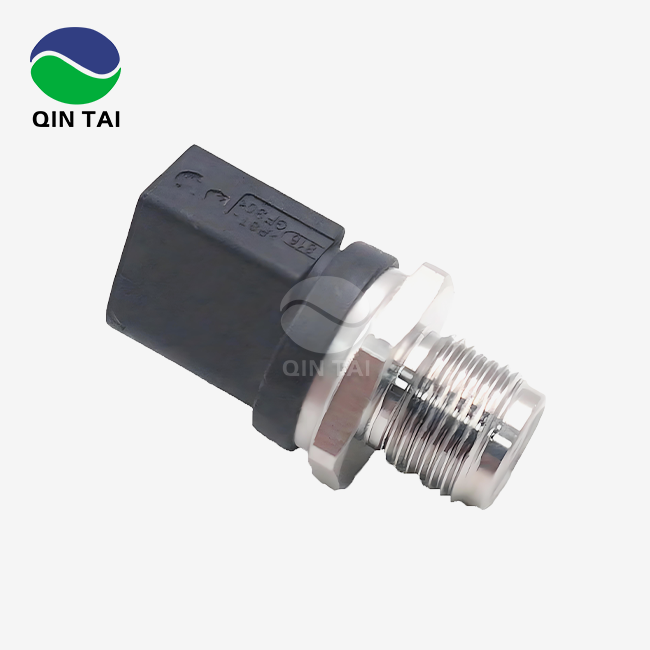
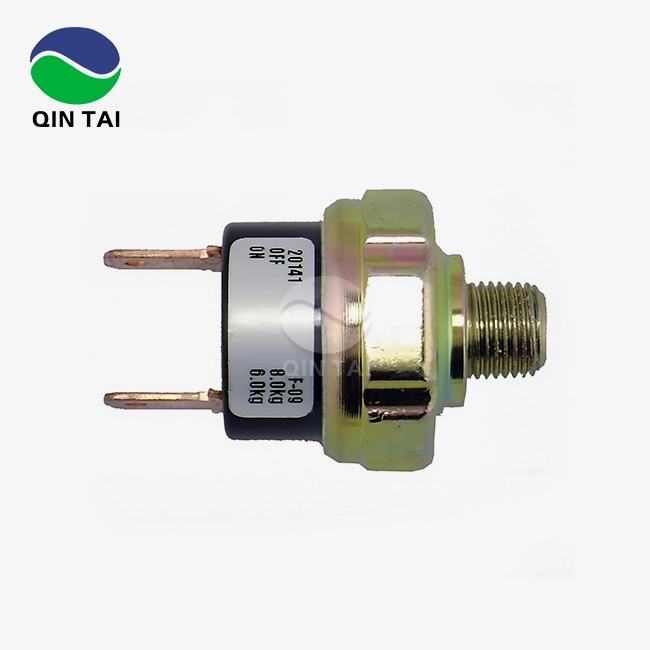
When searching for reliable industrial measurement solutions, finding the right pressure and temperature transmitter manufacturer becomes crucial for operational success. Qintai stands among the leading industrial pressure transmitter manufacturers, specializing in advanced sensor technologies that serve diesel engine aftertreatment systems and various industrial applications. With over two decades of experience since 2001, we've established ourselves as China's No. 1 OEM supplier, delivering precision-engineered measurement instruments to global markets across 60+ countries and regions worldwide.

Leading Industrial Pressure Transmitter Manufacturers Overview
The global industrial measurement landscape features several established manufacturers, each bringing unique strengths to the market. Understanding these industry leaders helps procurement professionals make informed decisions when selecting measurement solutions.
Established Global Manufacturers in Industrial Measurement
Major players like Yokogawa, Siemens, Emerson, GE, Honeywell, MKS, Endress+Hauser (E+H), Rosemount, ABB, and Schneider Electric have built solid reputations through decades of innovation. These companies excel in different areas - Yokogawa's process control expertise, Siemens' automation integration, and Emerson's comprehensive measurement portfolio. Each brand offers specialized solutions targeting specific industrial segments.
Foundational Technologies Behind Modern Transmitters
In the modern world, industrial receivers have changed from simple analog devices to complex digital ones. During the shift, different measuring methods must work together to give correct results. The technology used to measure pressure is based on a few basic ideas. Elastic parts like Bourdon tubes and diaphragm assemblies are used in mechanical systems to change changes in pressure into changes in movement. Electronic methods use piezoresistive effects, piezoelectric phenomena, and changes in capacitance to turn pressure signals straight into electrical signals.
When compared to old mechanical methods, these electronic methods are more accurate and respond faster. Several types of sensors are used to measure temperature. Resistance Temperature Detectors (RTDs) use changes in metal resistance to measure temperature, while thermocouples use temperature differences between different metal joints to make voltage. Another choice is semiconductor sensors, which use the fact that the resistivity of a material changes as the temperature changes.

Our line of pressure transmitters comes in a number of different designs that are made to meet the needs of different industries. Knowing about these differences helps buyers choose the right tools for each job.
Pressure Transmitter Types and Applications
Three primary pressure measurement categories serve different industrial needs:
- Gauge pressure transmitters measure pressure relative to atmospheric conditions, making them suitable for most industrial applications including pipeline monitoring and tank level measurement
- Absolute pressure transmitters provide measurements relative to perfect vacuum, essential for altitude-sensitive applications and precise process control
- Differential pressure transmitters measure pressure differences between two points, commonly used for flow measurement and filter monitoring applications
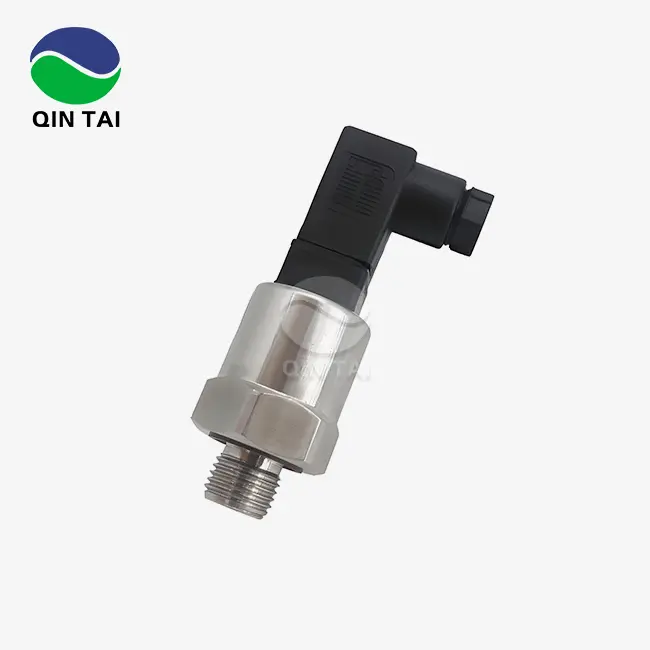
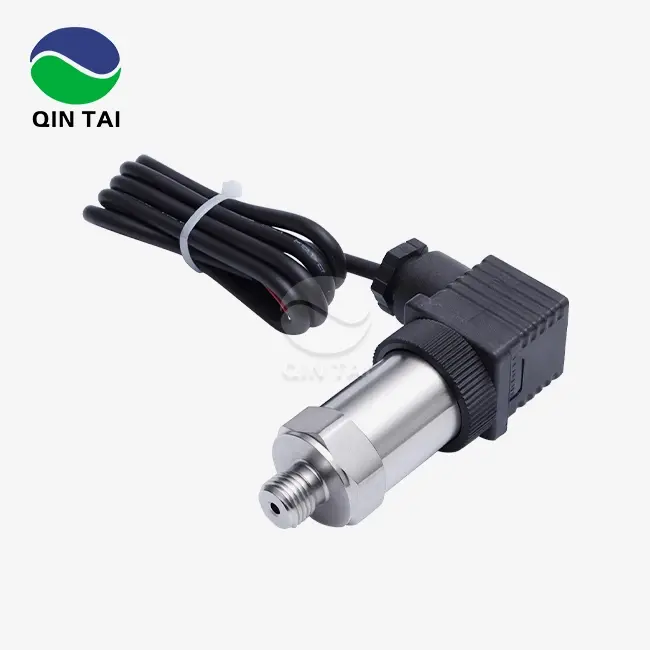
These types of transmitters are used in places like oil factories, water treatment plants, chemical processing plants, and power plants, where Pressure and Temperature transmitter devices play a critical role in monitoring and control. There are benefits to each type that depend on the data needs and the surroundings. It is important to know the difference between pressure monitors and sensors in order to choose the right tools. Transmitters send output signals that have been conditioned and are ready to connect directly to control systems. Sensors, on the other hand, send out raw electrical signals that need to be further conditioned.
Qintai's Competitive Advantages in Pressure Measurement
Our pressure sensor options work very well because they have a few key benefits. Specifications for high accuracy make sure that measurements are accurate over a wide range of working conditions. Strong construction can handle tough industrial conditions with high temperatures, vibrations, and toxic gases. Less complicated repair methods cut down on downtime and costs. These benefits can be seen clearly in real-life situations. A big company that makes building equipment put our differential pressure sensors into their hydraulic systems and got 99.8% uptime over 18 months of nonstop use.
For example, a company that makes generator sets used our gauge pressure sensors to keep an eye on the engine oil. By using accurate pressure trends, they were able to cut down on repair times by 25%. These case studies show how our solutions solve difficult problems in the business world and make operations better in a way that can be measured.
Temperature Transmitters: Integration and Comparison for B2B Buyers
Temperature measurement technology forms a critical component of industrial process control, requiring careful consideration of sensor types, installation methods, and signal processing approaches.
Temperature Measurement Technologies and Selection Criteria
For precise tasks, RTD-based receivers work very well because they are very accurate and stable. Platinum resistance elements in these devices make it possible to record temperatures linearly over a wide range. To keep accuracy during installation, lead wire adjustment must be done correctly, especially when long cable runs are needed. Thermocouple sensors are reliable options for high-temperature situations where RTDs can't work. There are different kinds of thermocouples (J, K, T, E, R, S, and B) that work best in certain temperature ranges and places. For exact readings, cold junction adjustment is needed, which requires complex signal processing in the emitter electronics.
Digital vs Analog Outputs and Explosion-Proof Certifications
These days, temperature sensors have more than one output choice, such as the standard 4-20m.It can handle analog data, digital standards such as HART and Foundation Fieldbus, and wireless transmission. Digital outputs allow for better diagnosis, setup from a distance, and signal stability over long distances. Explosion-proof approvals make sure that operations can be done safely in dangerous places. Our temperature sensors have the right licenses for use in Zones 1 and 2, and they meet international safety standards for use in mines and petrochemicals.
Models made for special industries meet specific needs. For HVAC systems, receivers that are tailored for building automation systems work best. On the other hand, bulk processing businesses need instruments that can work in harsh chemical conditions and change temperatures quickly.
Procurement and Maintenance Best Practices for Industrial Transmitters
Effective procurement strategies maximize value while ensuring reliable long-term operation. Understanding bulk ordering benefits, customization options, and maintenance requirements helps optimize total cost of ownership.
Strategic Sourcing and Customization Options
When you order in bulk, you save a lot of money on big jobs. Our manufacturing options are open enough to handle orders of all sizes, from small test projects to large production runs. Customization services include making process links that are unique, changing output ranges, and calibrating for specific uses. Our competitive price models show how well our production processes work and how we sell directly to customers. Different buying tactics can be supported by volume deals, long-term contracts, and flexible payment terms.
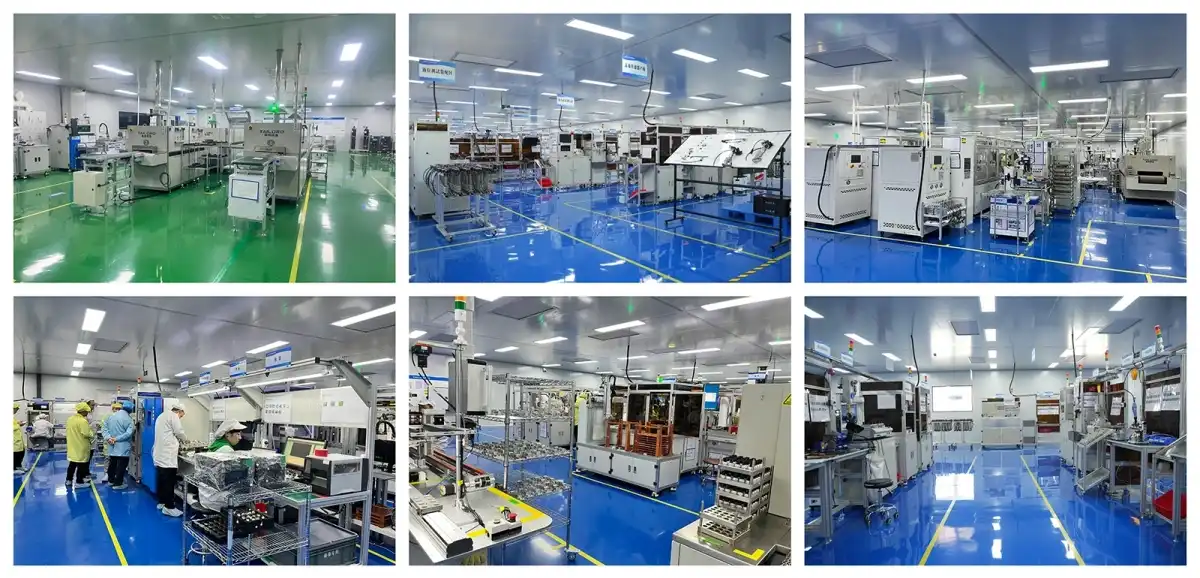
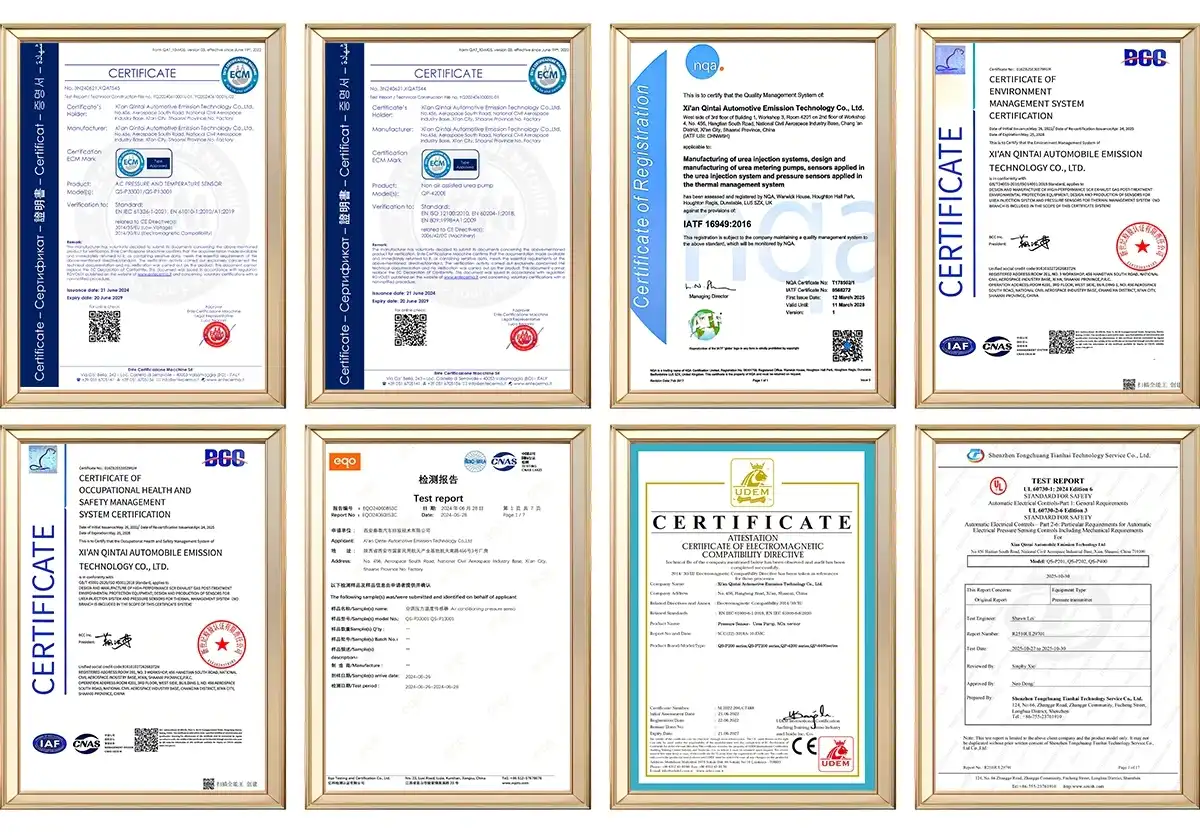
Our efficient transportation network makes sure that deliveries happen on time and that all extra parts are available so that operations are interrupted as little as possible. Quality assurance measures include strict testing methods, records of tracking, and checks to make sure they are followed. Our ISO9001 and IATF16949 certifications show that we are dedicated to maintaining quality throughout the whole production process.
Maintenance Protocols and Troubleshooting Guidelines
With proper care, the emitter will last longer and give more accurate readings. Regular testing plans rely on how important the application is and the surroundings. For most industrial uses, these schedules are usually every year or every other year. Visual checks, checking electrical connections, and comparing performance to reference standards are all important upkeep tasks.
Systematic troubleshooting methods are needed to fix common problems like signal drift, output instability, and connection breakdowns. These repair methods meet the standards of the business and improve service and return on investment. Our technical support team can help you with everything from planning maintenance to fixing problems and making your system run better.
Why Choose Qintai for Your Industrial Transmitter Needs?
Our distinctive value proposition combines advanced technology, proven quality, and customer-focused service to deliver exceptional measurement solutions for global industrial applications.
Advanced Technology and Quality Standards
Sensor technology is always getting better because companies can do their own research and development in areas such as Pressure and Temperature transmitter solutions. With 58 idea patents, we show that we are committed to technological progress, and our ongoing R&D investments keep us competitive in new market areas. Product performance is always the same thanks to strict quality standards and a wide range of approvals, such as ISO9001, IATF16949, CMC, Ex, UL, CE, REACH, and RoHS.
These approvals show that our quality control systems and manufacturing methods meet foreign standards. Through joint engineering methods, customer-driven customization services meet the unique needs of applications. Our technical team works closely with clients to come up with the best answers for their specific operating problems.
Future-Ready Industrial Measurement Solutions
Our receivers are ready for smart production settings because they can work with Industry 4.0. Digital communication methods, tools for predictive maintenance, and Internet of Things (IoT) connections make it possible to store and analyze a lot of data. Our proactive technology plan takes into account new trends in process optimization, environmental tracking, and industrial automation.
Artificial intelligence and machine learning algorithms built into smart sensor technologies are the next big thing in industrial measurement. This method looks to the future to make sure that our clients get better operating efficiency and long-term success in an industry that is always changing. Innovation that happens all the time keeps up with how the market changes and how well it works with current systems.
Conclusion
Selecting the right industrial transmitter manufacturer requires careful evaluation of technical capabilities, quality standards, and long-term support. Qintai's expertise in pressure and temperature measurement, combined with our proven track record as China's leading OEM supplier, positions us as an ideal partner for demanding industrial applications. Our comprehensive product portfolio, advanced manufacturing capabilities, and global service network deliver reliable measurement solutions that meet the evolving needs of modern industry.
FAQ
What makes industrial pressure transmitters different from basic pressure sensors?
Industrial pressure transmitters include signal conditioning circuits that convert raw sensor signals into standardized outputs like 4-20mA or digital protocols. This conditioning provides better signal integrity, remote transmission capabilities, and direct compatibility with control systems. Basic pressure sensors generate unconditioned electrical signals requiring additional processing equipment.
How do I select between RTD and thermocouple temperature transmitters?
RTD transmitters offer superior accuracy and stability for applications below 600°C, making them ideal for precision process control. Thermocouple transmitters handle higher temperatures up to 1800°C and provide faster response times, suitable for rapid temperature changes and extreme environment monitoring. Consider temperature range, accuracy requirements, and response time when selecting.
What certifications should I look for in hazardous area applications?
Look for Ex-rated certifications appropriate to your specific hazardous area classification. Zone 1 applications require intrinsically safe or explosion-proof designs, while Zone 2 areas may use non-sparking equipment. Our transmitters carry comprehensive Ex certifications for global hazardous area applications.

Contact Qintai for Premium Industrial Measurement Solutions
Qintai delivers industry-leading pressure and temperature transmitter solutions backed by over 20 years of manufacturing excellence. Our comprehensive product portfolio serves diesel engine OEMs, aftertreatment system integrators, and industrial equipment manufacturers worldwide. As your trusted pressure and temperature transmitter supplier, we provide customized solutions, competitive pricing, and responsive technical support. Connect with our engineering team today at info@qt-sensor.com to discuss your specific measurement requirements and discover how our proven sensor technologies can optimize your operational performance.
References
1. Industrial Measurement Technology Handbook: Pressure and Temperature Sensing Applications, 4th Edition, Process Control Publishers, 2023.
2. Smith, J. & Anderson, K. "Advanced Transmitter Technologies for Industrial Automation Systems," Journal of Industrial Instrumentation, Vol. 45, No. 3, 2023.
3. International Standards Organization. "ISO 5167-1:2022 - Measurement of Fluid Flow by Means of Pressure Differential Devices," Geneva: ISO Press, 2022.
4. Miller, R.H. "Emission Control Sensor Technologies for Heavy-Duty Diesel Engines," Automotive Engineering International, March 2023.
5. Process Industries Measurement Guide: Selection and Application of Industrial Transmitters, Technical Engineering Society, 2023.
6. Wang, L. et al. "Digital Transformation in Industrial Measurement: IoT Integration and Smart Sensor Networks," Industrial Technology Review, Vol. 28, No. 4, 2023.

Online Message
Our customers’ satisfaction speaks for our quality — contact us to experience the same reliable service.