- English
- French
- German
- Portuguese
- Spanish
- Russian
- Japanese
- Korean
- Arabic
- Greek
- German
- Turkish
- Italian
- Danish
- Romanian
- Indonesian
- Czech
- Afrikaans
- Swedish
- Polish
- Basque
- Catalan
- Esperanto
- Hindi
- Lao
- Albanian
- Amharic
- Armenian
- Azerbaijani
- Belarusian
- Bengali
- Bosnian
- Bulgarian
- Cebuano
- Chichewa
- Corsican
- Croatian
- Dutch
- Estonian
- Filipino
- Finnish
- Frisian
- Galician
- Georgian
- Gujarati
- Haitian
- Hausa
- Hawaiian
- Hebrew
- Hmong
- Hungarian
- Icelandic
- Igbo
- Javanese
- Kannada
- Kazakh
- Khmer
- Kurdish
- Kyrgyz
- Latin
- Latvian
- Lithuanian
- Luxembou..
- Macedonian
- Malagasy
- Malay
- Malayalam
- Maltese
- Maori
- Marathi
- Mongolian
- Burmese
- Nepali
- Norwegian
- Pashto
- Persian
- Punjabi
- Serbian
- Sesotho
- Sinhala
- Slovak
- Slovenian
- Somali
- Samoan
- Scots Gaelic
- Shona
- Sindhi
- Sundanese
- Swahili
- Tajik
- Tamil
- Telugu
- Thai
- Ukrainian
- Urdu
- Uzbek
- Vietnamese
- Welsh
- Xhosa
- Yiddish
- Yoruba
- Zulu
What factors influence the lifespan of industrial pressure and temperature transducers?
The amount of time that industrial pressure and temperature sensors last depends on many interconnected things, such as the surroundings, how well they are installed, the materials that are used, and how they are used. The dependability of these high-tech tools is very important for process control systems because they turn physical factors into standard electrical signals. Extreme temperatures, changes in humidity, and acidic atmospheres are all environmental factors that have a big effect on how long a transmitter lasts. For best performance, make sure the transmitter is installed correctly according to the manufacturer's instructions. How long pressure and temperature transmitter systems stay accurate and work in tough industrial settings is also directly related to the quality of the sensor materials, how often they are calibrated, and the preventative maintenance plans that are followed.
Introduction to Industrial Pressure and Temperature Transmitters
Transmitters, which turn physical factors into data that can be used to control and track processes, are crucial to industrial measurement systems. In industry, energy production, and big machinery, these devices are very important for keeping things safe and running and efficiently.
Understanding Pressure Transmitter Technology
Pressure transmitters take pressure from gas or hydraulic systems and turn it into standard electrical signals, usually 4-20mA DC outputs that work well with control systems. To find changes in pressure, these devices use a variety of detecting technologies, such as piezoresistive elements, capacitive sensors, and strain gauges. The main parts include pressure sensors, signal conditioners, display connectors, protective housings, and process links that are made for special uses.
Different types of modern pressure transmitters are gauge pressure transmitters, which measure pressure in relation to atmospheric pressure, absolute pressure transmitters, which measure pressure in relation to a vacuum, and differential pressure transmitters, which measure changes in pressure between two places. Each type is used for a different set of measurements in different industrial processes, such as keeping an eye on pipeline pressures in oil refineries and running hydraulic systems in building equipment.
Temperature Transmitter Fundamentals
Pressure and Temperature transmitter use thermoelectric principles to turn heat energy into electrical data that can be used to control and track a process. Depending on the temperature range and precise needs of the application, these devices use either resistance temperature detectors (RTDs) or thermocouples as their main detecting elements.
When the temperature changes, the resistance of platinum or copper elements changes in a predictable way. This makes RTD-based transmitters very accurate and stable for precise uses. The Seebeck effect says that different metals create voltage that is related to changes in temperature. This makes thermocouple transmitters perfect for places with a lot of heat. Both technologies use signal conditioning circuits to turn sensor outputs into standard signals that can be easily integrated with automation systems. These circuits boost, straighten, and change the signals.
Factors Affecting the Lifespan of Pressure and Temperature Transmitters
Industrial transmitters work in tough conditions where many things can affect how long they last and how accurate their measurements are. When procurement managers and engineers know about these factors, they can make smart choices about which transmitters to use and how to deploy them.
Environmental Conditions and Their Impact
Extreme temperatures are one of the biggest problems that transmitters have to deal with. Too much heat can damage electronic parts, change how they're calibrated, and speed up the aging process of materials. On the other hand, too much cold can break down sensor elements or mess up signal processing circuits. Changes in humidity add to the stress by forming condensation, which can get through protected cases and damage electronics by causing rust or short circuits.
Chemical contact is another very serious threat to the lives of transmitters. Sensor diaphragms, housing materials, and electrical links can all be damaged by corrosive atmospheres that contain acids, bases, or reactive gases. When transmitters come into contact with harsh chemicals or particles that can wear away sensing elements or damage seals, process media compatibility becomes very important.
Heavy machinery, pumps, or transportation equipment can cause vibrations and mechanical shocks that can damage sensitive sensor parts, wear out mounting hardware, and break electrical connections. Over time, these mechanical pressures can make measurements less accurate or even cause the sensor to stop working altogether if the right vibration isolation and mounting methods are not used.
Installation Quality and Mounting Considerations
Correct placement techniques have a big effect on how well and how long a transmitter works. In uses that depend on gravity, the way the sensors are mounted can change how accurately they measure, and if the connections aren't good enough, leaks can form that let environmental pollution reach the sensors. The quality of the electrical system has a direct effect on the defense against electromagnetic interference and the purity of the signal.
The stability of the process connection depends on selecting the correct gasket, applying the specified torque values, and ensuring that the materials of the Pressure and Temperature transmitter are compatible with the process media. When installation isn't done right, stress can build up in sensor diaphragms or process leaks can happen, which hurts electronics. The way cables are routed and the way conduits are sealed keep water out and damage from repair work or machine vibration at bay.
Electrical safety systems and grounding keep transmitters safe from power surges, lightning hits, and electromagnetic interference from equipment nearby. Signal processing circuits can fail right away or slowly lose their abilities if they don't have enough electricity safety. This can affect the accuracy of measurements and the ability to communicate.
Material Quality and Sensor Technology Selection
The materials used to build a transmitter have a direct effect on how well it works with other processes and how well it can handle external stresses. For most uses, stainless steel housings are very good at resisting rust. For better protection against certain chemicals, metals like Hastelloy or Monel are better. Materials used for diaphragms have to be able to handle high temperatures and pressures in the process while also staying flexible and resistant to chemicals for long periods of time.
Long-term security and dependability are affected by the quality of electronic parts. Compared to commercial-grade options, industrial-grade circuits that are made to work in tough conditions and a wide range of temperatures last longer. The design of the sensor elements and the quality of their production affect how they drift, how accurate they stay, and how well they can handle overpressure conditions that can damage regular transmitters forever.
Common Problems That Shorten Transmitter Lifespan and How to Avoid Them
Knowing the most common ways that transmitters break down lets you plan proactive maintenance that extends their useful life and cuts down on unplanned downtime. These issues usually get worse over time before the whole measurement system stops working.
Mechanical and Electrical Failure Modes
The most common way that measurement accuracy decreases over time is through sensor shift. This effect happens when sense elements slowly change how they respond because the material is getting older, the stress is easing, or contaminants are building up. Regularly checking the calibration helps find trends of drift and figure out how often to do repair.
A catastrophic failure mode is diaphragm breach, which can happen because of too much pressure, material wear, or chemical attack. When pressure release systems and overpressure safety devices are used correctly, pressures higher than the transmitter's design limits are kept from the user. Chemical attack risks are lower when materials are chosen based on process suitability analysis.
Electrical problems usually happen when moisture gets in, connectors corrode, or parts break down because of changes in temperature. These problems can be avoided by properly closing cables, checking connections regularly, and keeping up with environmental protection upkeep. Surge protectors keep sensitive systems safe from short-term electrical events that can damage them.
Preventive Maintenance Strategies
Protocols for regular inspections find possible problems before they lead to measurement errors or total failures. Visual checks can find rust, physical damage, or weakening connections that are signs of problems that are about to happen. Checks for process link tightness stop connections from slowly loosening up, which can lead to leak tracks.
Measurement precision is maintained throughout the service life of the transmitter by using calibration verification plans that are based on how important the application is and the conditions of the surroundings. For example, critical applications might need to be checked every month, while safe processes might be able to go up to once a year. Keeping records of the calibration data helps find patterns of drift and make maintenance plans work better.
Monitoring the environment around transmitter sites can help find things that speed up the breakdown. Temperature logs, humidity readings, and chemical exposure assessments give information that can be used to change how often upkeep is done and what safety steps are taken. Environmental control that is proactive lowers stress on transmitter parts and increases their useful life.
Best Practices in Selecting and Procuring Pressure and Temperature Transmitters for Longevity
When choosing a strategic transmitter, you need to carefully think about the needs of the application, the surroundings, and the total cost of ownership. These choices will have a big effect on the long-term dependability of operations and the cost of upkeep.
Critical Selection Criteria for Industrial Applications
The standards for accuracy must match the needs for process control, and long-term steadiness must be taken into account. Higher-grade transmitters usually stay accurate for a long time with little drift, which lowers the number of times they need to be calibrated and the costs of upkeep that comes with it. Temperature factors show how accuracy changes as the temperature of the environment changes.
Response time needs depend on how the process works and what the control system needs. Fast-responding transmitters make it easier to direct a process, but they might need extra damping in places where there are changes in temperature or pressure. Choosing the right reaction time strikes a mix between control performance and measuring stability.
Environmental scores make sure that the transmitter will work in the conditions of the setting. Ingress protection (IP) scores show how well something can fight dust and water, and explosion-proof certifications let you work safely in dangerous places. Ratings for temperature and pressure must be higher than the worst possible situations, with enough room for error.
Technology Comparison and Brand Evaluation
Some of the biggest names in the business, like Yokogawa, Rosemount, Siemens, and Honeywell, have clear benefits in certain situations. For precise tasks, Yokogawa transmitters are the best when it comes to accuracy and stability. On the other hand, Rosemount devices are built to last in tough conditions. Honeywell has cost-effective options for normal uses, and Siemens gives full integration with automation systems.
Through digital transmission methods, smart transmitter technologies improve the ability to diagnose and fix problems. Self-monitoring, forecast maintenance alerts, and the ability to configure these devices remotely all make them more reliable and lower the cost of upkeep. Digital outputs get rid of signal loss in analog signals and allow for more advanced ways to handle processes.
You can choose from standard stainless steel for most uses, rare metals for harsh conditions, and special coatings that work well with certain chemicals. Chemical attack can cause materials to fail early if they are not chosen correctly. This can be done while minimizing the original costs.
Procurement Strategies for Long-Term Success
Authorized supplier ties make sure that the goods are real and come with full insurance coverage and access to expert support. Even though fake transmitters may look the same, they are not built as well and are not as reliable as real ones. Established providers offer training, application engineering help, and parts that are always available.
Agreements to buy in bulk can lower unit costs and make sure that quality and delivery times stay the same. Price guarantee and priority assignment during times of limited supply are common parts of long-term contracts. Standardizing on fewer transmitter types cuts down on the need for training and extra parts.
Full warranty coverage keeps things from breaking down too soon and gives you options for quality problems. Longer guarantees may be worth the extra cost because they lower the risk of having to repair something broken. Some of the things that can be covered by service agreements are testing services, preventative upkeep, and help in an emergency.
Ensuring Long-Term Performance: Maintenance, Calibration, and Upgrades
Structured maintenance plans keep measurement accuracy and dependability high while extending the life of transmitters. These programs weigh the prices of upkeep against the risks of operations and the rules that must be followed.
Systematic Maintenance and Calibration Protocols
To make sure exact reference conditions, calibration processes start with warming up the equipment and stabilizing the surroundings. Standard reference sources need to be much more accurate than what the transmitter can do, usually by a factor of four or more. Linearity mistakes and drift trends that are specific to the measurement range can be found by multi-point calibration across the whole range.
Documentation systems keep track of the results of calibrations, upkeep tasks, and changes in performance over time. Electronic records make it possible to look at drift trends statistically and find the best correction times. Trend analysis can tell you when transmitters are getting close to their accuracy limits and need to be re-calibrated or replaced.
In many situations, field calibration methods allow for in-situ testing without stopping the process. With portable calibrators and reference standards, you can check the quality of your work on a regular basis and find problems early on. Smart Pressure and Temperature transmitters that support remote calibration can be verified regularly through digital communication methods.
Technology Upgrade Considerations
Upgrading smart transmitters makes it easier to diagnose problems, plan for future upkeep, and connect them to current control systems. These gadgets have features that let them check for sensor issues, technology breakdowns, and environmental stresses before they affect the accuracy of measurements.
Digital communication standards like Profibus, HART, and Foundation Fieldbus make it possible to configure things from afar, do tests in real time, and use advanced process control strategies. Wireless transmitter choices get rid of the costs of installing cables and let you keep an eye on things in places that you couldn't before.
As sensor technology keeps getting better, it gets more accurate, stable, and resistant to weather conditions. Compared to standard metal diaphragm sensors, silicon sensor designs are better at protecting against overpressure and are less affected by temperature. Ceramic sensors work well in acidic environments because they are stable and resistant to chemicals.

Conclusion
Knowing what affects the lifespan of industrial pressure and temperature transmitters helps you make smart decisions about what to buy and how to keep them in good shape. The environment, the quality of the placement, the choice of materials, and the way the transmitter is used all affect how long it lasts and how well it works. Using the right selection criteria, following preventative maintenance procedures, and planning strategically for upgrades can help you get the most out of your investment and keep your process under control. Industrial sites can extend the life of their equipment while keeping measurements accurate and lowering the total cost of ownership by using advanced transmitter technologies and thorough repair programs.
FAQ
What is the typical lifespan of industrial pressure and temperature transmitters?
Industrial-grade transmitters usually work well for 10 to 15 years in normal settings and with regular upkeep. But hard conditions, changing pressures often, or chemicals that break down metal can cut this lifespan to 5 to 8 years. When used in stable situations and maintained regularly, high-end transmitters made of advanced materials and with built-in safety features may last longer than 20 years.
How often do transmitters need to be adjusted to keep their accuracy?
How often calibration is done relies on how important the product is and the conditions outside. For safety-critical uses, checks may need to be done once a month or three times a year, while for stable process tracking, they may be done once a year. Extreme temperature changes, vibration, or chemical exposure are all examples of environmental stresses that usually mean that calibration plans need to be changed more often to keep measurement accuracy within specs.
What environmental factors most significantly impact transmitter lifespan?
Temperature changing puts the most stress on transmitter parts because of material fatigue and effects of thermal expansion. Second on the list is chemical contact, especially acids or bases that damage sensor diaphragms and housing materials. Mechanical shock and vibration wear down mounting gear and internal parts over time. Humidity and water getting in causes rust and electrical problems.
How can I tell if a transmitter needs to be replaced or just re-calibrated?
Performance trends research shows if the loss of accuracy is due to normal wear and tear or a broken component. Recalibration is usually able to fix gradual drift over time, but quick changes in accuracy or numbers that don't make sense mean that a part has failed and needs to be replaced. Damage to the transmitter, a leaky seal, or electrical problems can also mean that it needs to be replaced instead of being calibrated.
Partner with Qintai for Reliable Pressure and Temperature Transmitter Solutions
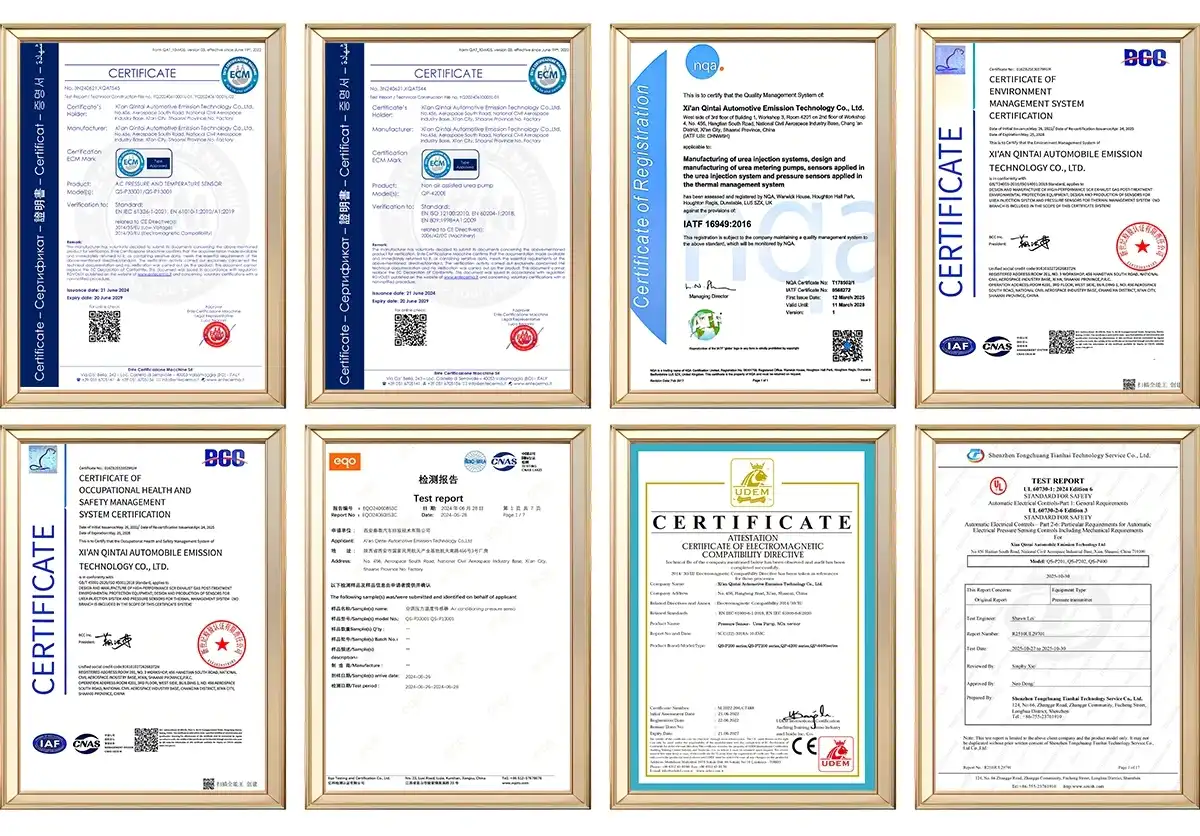
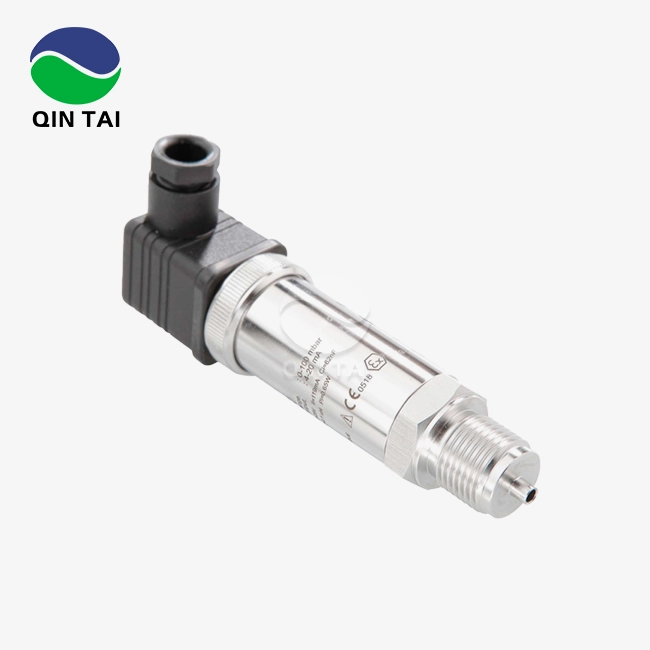
Qintai offers precision-engineered options for pressure and temperature transmitters, backed by more than 20 years of experience and innovation in industrial sensors. As a national high-tech company with ISO9001, IATF16949, and many other foreign standards, we offer transmitter systems that can be customized and are made to last longer in tough environments. Our independent research and development team is always improving sensor technology to keep up with changing industry needs.
Also, as China's top OEM provider, our track record of reliability in global markets speaks for itself. Whether you need standard transmitters or solutions that are specially designed for you, our technical experts can help you with everything, from the initial proposal to optimizing long-term care. Get in touch with our engineering team at info@qt-sensor.com to talk about your unique application needs and find out how Qintai's skills as a manufacturer of pressure and temperature transmitters can improve your operational reliability and lower your total cost of ownership.
References
1. Smith, J.A., & Johnson, M.K. (2023). "Industrial Sensor Longevity: Environmental Factors and Material Science Applications." Journal of Process Instrumentation Technology, 45(3), 128-142.
2. Chen, L., Rodriguez, P., & Anderson, R.W. (2022). "Predictive Maintenance Strategies for Process Control Instrumentation." International Conference on Industrial Automation and Control Systems Proceedings, 234-251.
3. Thompson, D.R., et al. (2023). "Comparative Analysis of Pressure Transmitter Technologies in Harsh Industrial Environments." Sensors and Actuators International Review, 18(7), 445-462.
4. Williams, S.E., & Kumar, A. (2022). "Calibration Optimization and Drift Analysis in Industrial Temperature Measurement Systems." Measurement Science and Technology Applications, 31(12), 89-104.
5. Martinez, C.A., Brown, T.L., & Davis, K.M. (2023). "Material Selection and Corrosion Resistance in Process Industry Instrumentation." Corrosion Engineering and Materials Protection Quarterly, 29(4), 312-327.
6. Zhang, H., O'Connor, B.J., & Sullivan, R.P. (2022). "Smart Transmitter Technologies: Enhancing Reliability Through Digital Innovation." Industrial Communication and Control Systems Review, 15(8), 178-195.
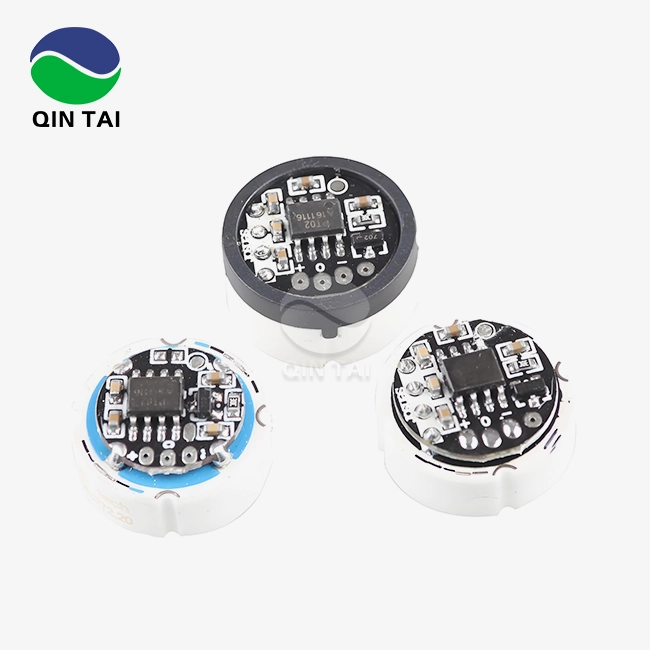
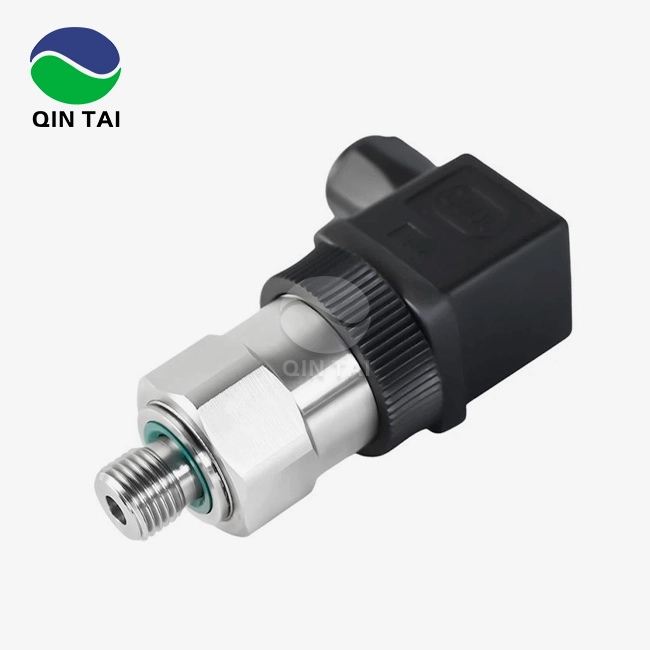
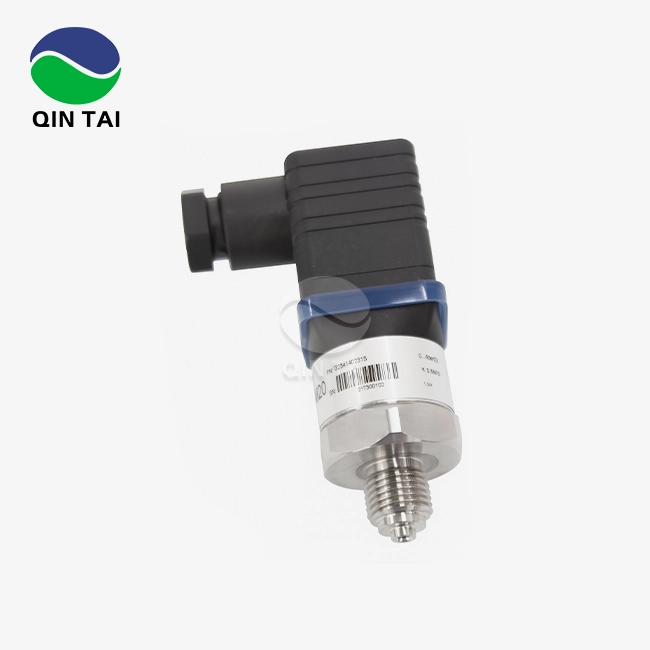

Our customers’ satisfaction speaks for our quality — contact us to experience the same reliable service.