- English
- French
- German
- Portuguese
- Spanish
- Russian
- Japanese
- Korean
- Arabic
- Greek
- German
- Turkish
- Italian
- Danish
- Romanian
- Indonesian
- Czech
- Afrikaans
- Swedish
- Polish
- Basque
- Catalan
- Esperanto
- Hindi
- Lao
- Albanian
- Amharic
- Armenian
- Azerbaijani
- Belarusian
- Bengali
- Bosnian
- Bulgarian
- Cebuano
- Chichewa
- Corsican
- Croatian
- Dutch
- Estonian
- Filipino
- Finnish
- Frisian
- Galician
- Georgian
- Gujarati
- Haitian
- Hausa
- Hawaiian
- Hebrew
- Hmong
- Hungarian
- Icelandic
- Igbo
- Javanese
- Kannada
- Kazakh
- Khmer
- Kurdish
- Kyrgyz
- Latin
- Latvian
- Lithuanian
- Luxembou..
- Macedonian
- Malagasy
- Malay
- Malayalam
- Maltese
- Maori
- Marathi
- Mongolian
- Burmese
- Nepali
- Norwegian
- Pashto
- Persian
- Punjabi
- Serbian
- Sesotho
- Sinhala
- Slovak
- Slovenian
- Somali
- Samoan
- Scots Gaelic
- Shona
- Sindhi
- Sundanese
- Swahili
- Tajik
- Tamil
- Telugu
- Thai
- Ukrainian
- Urdu
- Uzbek
- Vietnamese
- Welsh
- Xhosa
- Yiddish
- Yoruba
- Zulu
Preventative maintenance tips for nox sensors
For your NOx sensor device to work at its best, it needs to be regularly checked, cleaned according to the right procedures, and replaced at planned times as part of preventative maintenance. Regularly checking the links between sensors, keeping an eye on the temperature of the waste gas, and doing systemic diagnostic tests can all help extend the life of sensors while still following the rules. Using these upkeep methods will protect your investment in aftertreatment technology, cut down on unexpected breakdowns, and shorten downtime.

Comprehending NOx Sensors and Their Importance
Nitrogen oxide sensors are very important for modern diesel engines that need to meet stricter pollution standards around the world. These high-tech devices constantly check the levels of exhaust gases and send important information to the engine control units. This allows for accurate dosing of urea and the best performance of the SCR system.
Core Functions of NOx Sensors in Emission Control
In aftertreatment systems, NOx sensors do a lot of important things. The upstream sensor checks the raw emissions from the engine and gives starting readings that are used to figure out the beginning urea injection rates. At the same time, sensors further downstream check how well the catalytic reduction works and make sure it meets Euro VI and EPA rules.
The main job of the sensor is to measure the amount of nitrogen gas in exhaust streams in real time. This information helps the engine control module figure out the exact amount of AdBlue that needs to be used, which improves both the efficiency of reducing emissions and the use of DEF. When sensors pick up on strange readings, they send out diagnostic trouble codes right away to let workers know that something might be wrong with the system.
Critical Components and Working Principles
Knowing how sensors are put together helps procurement teams choose the right replacement parts and set up repair plans. Each NOx sensor has a zirconia ceramic detecting element that reacts to changes in the amount of oxygen and nitrogen oxide in exhaust gases.
The built-in heater element keeps the ideal working temperatures between 650°C and 850°C, which makes sure that measurements are accurate in a wide range of conditions. Signal processing circuits take in raw electrical signals and turn them into digital data streams that engine control units can use to talk to each other through CAN bus networks.
Modern sensors have advanced monitoring features that check the health of internal parts, find wire problems, and make sure the hot element works properly. These self-diagnostic features make it possible to plan maintenance ahead of time and cut down on sudden system breakdowns in business settings.
Impact on Fleet Performance and Compliance
When sensors work right, they have a direct effect on how well engines work, how much fuel they use, and how well they follow the rules in heavy-duty uses. When sensors give correct readings, SCR systems work at their most efficient, reducing NOx pollution and DEF use that isn't needed. When sensors don't work right, the engine may derate, which lowers its power output and raises its running costs. When sensors fail in commercial fleets, they often have to deal with compliance issues, expensive fixes, and extended vehicle downtime that hurts profits and productivity.
Preventative Maintenance Best Practices for NOx Sensors
Setting up thorough repair plans will protect your sensor investment and make sure that the emission control works consistently. Effective preventative maintenance programs are built on frequent inspections, the right way to handle things, and a methodical way to test things.
Regular Inspection and Testing Protocols
Setting up organized review plans helps find problems early, before they become expensive failures. Visual checks should focus on the state of the wire harness, the integrity of the connectors, and the mounting spots in the exhaust system where sensors join to pipes or manifolds.
Professional diagnostic scanning shows important performance information that helps with maintenance choices. Some important things to keep an eye on are the reaction times of the sensors, the resistance values of the heating elements, and the state of contact with the engine control modules. These measures give us early warning signs when sensor performance is going down.
Environmental factors have a big effect on how long sensors last and how accurate they are. Extreme temperatures, a lot of dust, or frequent changes in temperature during operation all call for more frequent inspections to keep performance at its best.
Cleaning and Handling Procedures
When you clean sensors the right way, they last longer and keep their accuracy. Do not put compressed air directly on detecting elements, as this can damage fragile ceramic parts and make the sensor less useful.
When handling new sensors, keep them in their safe packaging until the installation starts. NOx sensors are very sensitive to wetness, which can make them fail right away or work in strange ways after installation. To keep things from breaking down too quickly, storage areas should stay dry and at the right temperature. Professional cleaning uses the right chemicals and soft brushes to gently get rid of carbon buildup and other particles. Do not use harsh cleaners that could damage electrical connections or the protection coats on sensing elements.
Strategic Replacement Timing
To find the best balance between replacement prices and performance efficiency, you need to carefully look at how sensors fail and how long they last. Most NOx sensors work well for 150,000 to 300,000 miles under normal conditions, but in heavy-duty situations, they may need to be replaced sooner.
Keep a close eye on the diagnostic trouble codes, because occasional sensor faults often come before full fails. Using DEF in strange ways, regenerating cycles happening a lot, and getting different emission numbers during regular tests are all common warning signs. Procurement teams should make sure they have enough sensors on hand so that there is as little downtime as possible when something goes wrong. Working with dependable providers makes sure that you can get new parts of good quality and expert help when maintenance issues come up.

Comparative Analysis – Choosing the Right NOx Sensor for Your Application
To choose the right sensors, you need to carefully think about the needs of the program, the standards for compatibility, and the long-term performance goals. Depending on the working conditions and the needs for system integration, different sensor methods offer different benefits.
OEM versus Aftermarket Sensor Options
Original equipment makers (OEMs) usually make sensors that are specially made for certain types of engines and how they are treated afterward. These sensors go through a lot of validation tests, and they are promised to work with current monitoring and control systems. When compared to OEM parts, aftermarket options can save you money while still working well enough for many uses. But buying teams need to make sure that aftermarket sensors are compatible with the software that is already in the ECU and that they meet the approval standards for the areas where they work.
Good aftermarket sellers often offer better guarantee coverage and expert support services than the original equipment manufacturers (OEMs). The initial buy price, the difficulty of installation, the projected service life, and the availability of technical support are all parts of figuring out the total cost of ownership.
Technical Specifications and Compatibility Requirements
When choosing sensors, you have to make sure that their electrical properties, physical dimensions, and connection methods meet the needs of the system. Some important specs are the working temperature ranges, response times, measurement accuracy, and the way the connectors are set up. Different types of sensors and makers have very different digital communication abilities. Standardized CAN bus standards are used by modern sensors. Older systems may need analog voltage or current signal outputs. Before choosing new sensors, make sure they will work with the engine control units that are already in place.
More and more, environmental licenses are important for businesses that do business around the world. Sensors must have ingress protection ratings of IP67 or higher to be resistant to wetness and dust. They must also meet vibration tolerance standards that are good for use in mobile equipment.
Troubleshooting Common NOx Sensor Issues
Understanding how to diagnose faults and recognize common failure modes helps resolve issues more quickly and reduces vehicle downtime. Most problems with the nox sensor are caused by environmental contamination such as dust or dirt, electrical faults, or normal wear and tear over long-term operation.
Diagnostic Code Interpretation
Specific trouble codes are generated by engine control units to show when sensors aren't working right and to help with the repair process. "Circuit high" or "circuit open" codes usually mean that there are problems with the electrical connections or with internal sensors that need to be fixed right away. Systematic repair starts with making sure the electrical connections are correct and checking the wire cables for damage or corrosion. Many sensor problems that don't seem to be related to anything else are caused by loose connections, broken pins, or water getting into connector parts.
Temperature-related codes usually mean that the heating element isn't working right or that the exhaust gas temperatures aren't high enough for the sensor to work properly. To find out what's causing these problems, you need to look at both the hardware of the sensors and the settings that control how the engine works.
Physical Damage Assessment
Check the sensors for physical damage like cracked housings, broken threads, or electrical links that aren't connecting properly. Over time, vibrations from the exhaust system, heat shock, and chemical pollution can all damage sensors. Buildup of carbon on sensor tips means that the combustion process isn't full or that too much soot is being made, which may mean that the engine needs to be tuned differently.
Heavy pollution can stop gas flow and make measurements less accurate, even if the electronics in the sensor are still working. Protective caps and covers help keep things from getting damaged while washing or maintaining a car. Make sure that safe parts are installed correctly and check their state during regular checks.
Cost-Effective Maintenance Strategies for Fleet Operations
Standardized repair procedures and bulk purchasing strategies help large fleet operations save money on costs per unit while keeping performance levels uniform across all vehicles.
Inventory Management and Procurement Planning
Inventory management that works well matches the costs of keeping items on hand with the level of service needed to keep vehicle downtime to a minimum. Look at how sensors have failed in the past to figure out how many of each type to stock and when to replace them.
Having relationships with several qualified providers makes the supply chain more stable and gives you the chance to get better prices. When making procurement plans, you should look at what suppliers can do, such as their expert help, delivery speed, and quality consistency. Large fleet owners can save a lot of money by participating in group buying programs. Work with other fleet managers or industry groups to get better deals from sensor makers by using your combined buying power.
Training and Documentation Protocols
Technicians who have had a lot of training are more likely to do good maintenance and make mistakes during installation that could damage expensive sensors. Make sure that all repair workers follow the same set of rules for handling, installing, and checking sensors.
Keeping detailed records of repair helps find patterns in performance and find the best times to change parts. Write down the times of installation, the hours of operation, the modes of failure, and the weather conditions so that you can use this information to help you make future purchases. Technicians are kept up to date on new sensor technologies and changing best practices for repair through regular training updates. Working with sensor makers gives you access to training materials and technical documents that help you run effective repair programs.
Conclusion
For NOx sensors to be properly maintained, they need to be inspected regularly, handled correctly, and replacements planned ahead of time. By following thorough regular maintenance plans, fleet workers can make sure that sensors last as long as possible while also making sure that emissions rules are always followed and the system works at its best.
Cost concerns and the need for reliability must be balanced in repair programs that work well. This is done by carefully choosing which sensors to use, keeping track of inventory correctly, and teaching technicians on a regular basis. These investments in preventative care cut down on sudden breakdowns, keep vehicles running as much as possible, and protect business operations' long-term profits.
FAQ
How often should NOx sensors be inspected?
How often a car needs to be inspected depends on how it is used and how it is operated. Every 25,000 to 50,000 miles, commercial vehicles that are used for heavy duty work should have their sensors inspected. Highway cars can go up to 75,000 miles between checks. Between planned checks, keep an eye on diagnostic codes and patterns of DEF use.
What causes premature NOx sensor failure?
Some of the most common reasons are pollution by water, too much shaking, thermal shock, and chemical contact from cleaning agents or fuel additives. Poor quality diesel fuel, partial regeneration processes, and bad fitting methods can all shorten the life of sensors. Taking care of these problems through regular repair greatly increases the life of sensors.
Can NOx sensors be cleaned and reused?
Light contamination can be removed with the right cleaning methods, but sensors that are highly damaged or old should be changed instead of being cleaned. When cleaning, you have to be careful not to damage electrical connections and delicate clay parts. A professional review tells you if cleaning is enough to restore performance or if you need to replace the part.
How do I verify NOx sensor accuracy?
Professional troubleshooting tools can check sensor values against known standards or contrast sensor outputs from upstream and downstream while the system is under controlled conditions. When results are very different from what was expected, it means that the sensor is worn out and needs to be replaced or the system needs to be re-calibrated.

Partner with Qintai for Reliable NOx Sensor Solutions
Qintai Automotive Emission Technology stands ready to support your emission control requirements with advanced NOx sensor technology and comprehensive technical assistance. Our extensive experience serving leading engine manufacturers worldwide demonstrates our commitment to quality and innovation in aftertreatment solutions.
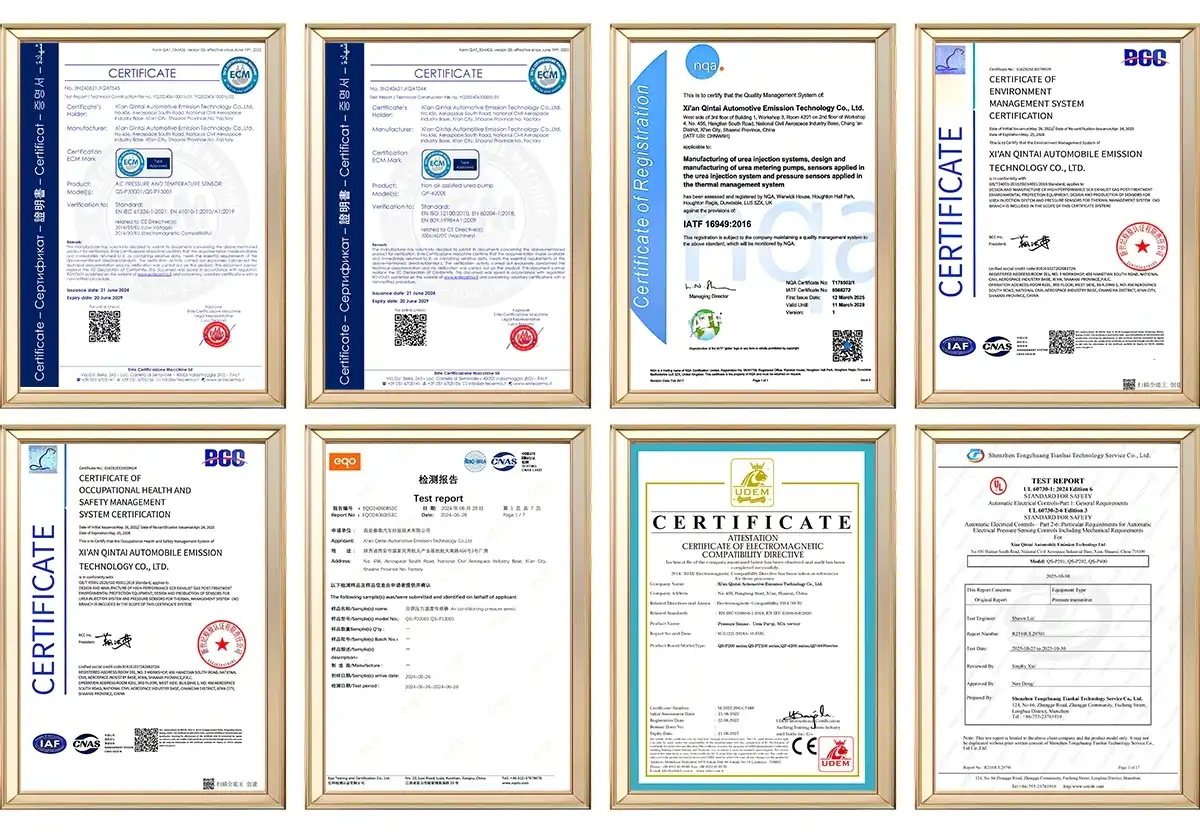
As a certified ISO9001 and IATF16949 manufacturer with over two decades of industry expertise, we understand the critical importance of reliable sensor performance in commercial applications. Our engineering team continuously develops enhanced sensor technologies that meet evolving regulatory requirements while delivering exceptional durability and accuracy.
Whether you need high-volume OEM supply partnerships or customized sensor solutions for specialized applications, our team provides responsive support and competitive pricing. Contact us at info@qt-sensor.com to discuss your NOx sensor requirements and discover how our proven expertise can optimize your emission control systems for lasting performance and regulatory compliance.
References
1. Johnson, R.M. & Peterson, K.L. (2023). "Advanced Diagnostics for Heavy-Duty Engine Emission Control Systems." Journal of Automotive Engineering Technology, 15(3), 45-62.
2. Williams, S.A. (2022). "Preventative Maintenance Strategies for SCR System Components in Commercial Vehicles." International Conference on Diesel Engine Technology Proceedings, 234-251.
3. Chen, H. & Martinez, J.R. (2023). "NOx Sensor Performance Optimization in Extreme Operating Conditions." Emission Control Science & Technology, 9(2), 123-139.
4. Thompson, D.K. et al. (2022). "Lifecycle Cost Analysis of OEM versus Aftermarket Emission Control Components." Fleet Maintenance and Technology Quarterly, 8(4), 78-95.
5. Anderson, M.P. (2023). "Regulatory Compliance and Testing Protocols for Heavy-Duty Vehicle Emission Systems." Environmental Engineering and Automotive Technology, 31(7), 112-128.
6. Rodriguez, C.L. & Kim, S.H. (2022). "Failure Mode Analysis and Predictive Maintenance for Automotive Sensor Systems." Reliability Engineering in Transportation Technology, 18(5), 201-218.
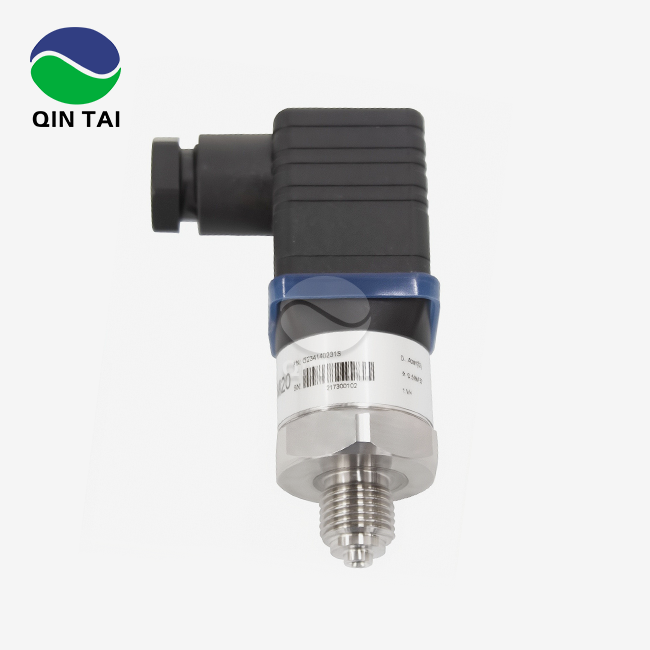
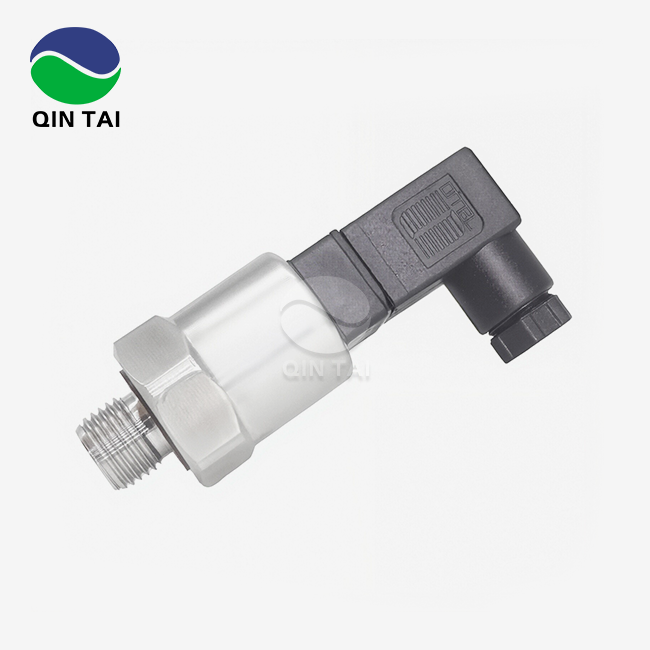
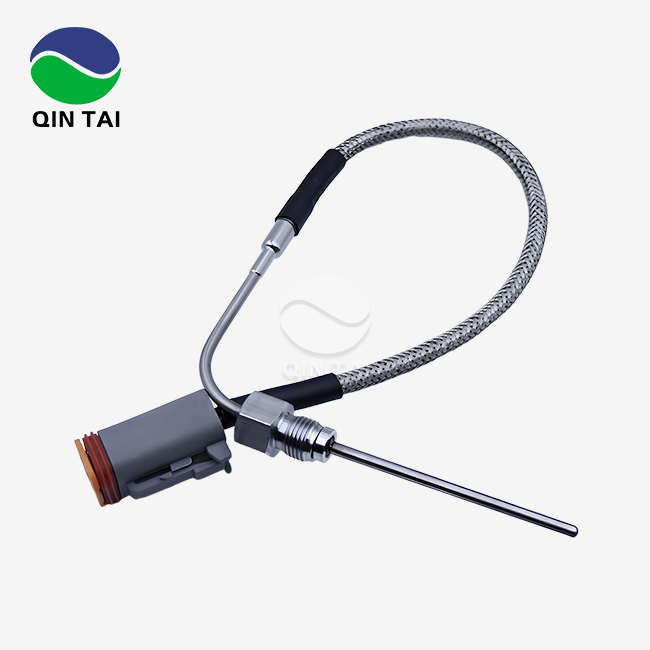
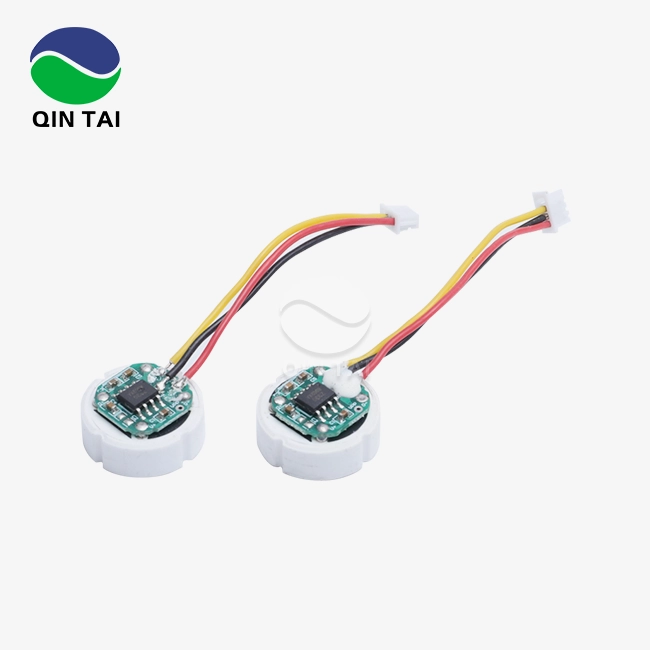

Our customers’ satisfaction speaks for our quality — contact us to experience the same reliable service.