- English
- French
- German
- Portuguese
- Spanish
- Russian
- Japanese
- Korean
- Arabic
- Greek
- German
- Turkish
- Italian
- Danish
- Romanian
- Indonesian
- Czech
- Afrikaans
- Swedish
- Polish
- Basque
- Catalan
- Esperanto
- Hindi
- Lao
- Albanian
- Amharic
- Armenian
- Azerbaijani
- Belarusian
- Bengali
- Bosnian
- Bulgarian
- Cebuano
- Chichewa
- Corsican
- Croatian
- Dutch
- Estonian
- Filipino
- Finnish
- Frisian
- Galician
- Georgian
- Gujarati
- Haitian
- Hausa
- Hawaiian
- Hebrew
- Hmong
- Hungarian
- Icelandic
- Igbo
- Javanese
- Kannada
- Kazakh
- Khmer
- Kurdish
- Kyrgyz
- Latin
- Latvian
- Lithuanian
- Luxembou..
- Macedonian
- Malagasy
- Malay
- Malayalam
- Maltese
- Maori
- Marathi
- Mongolian
- Burmese
- Nepali
- Norwegian
- Pashto
- Persian
- Punjabi
- Serbian
- Sesotho
- Sinhala
- Slovak
- Slovenian
- Somali
- Samoan
- Scots Gaelic
- Shona
- Sindhi
- Sundanese
- Swahili
- Tajik
- Tamil
- Telugu
- Thai
- Ukrainian
- Urdu
- Uzbek
- Vietnamese
- Welsh
- Xhosa
- Yiddish
- Yoruba
- Zulu
Benefits of Using DEF Level and Quality Sensors
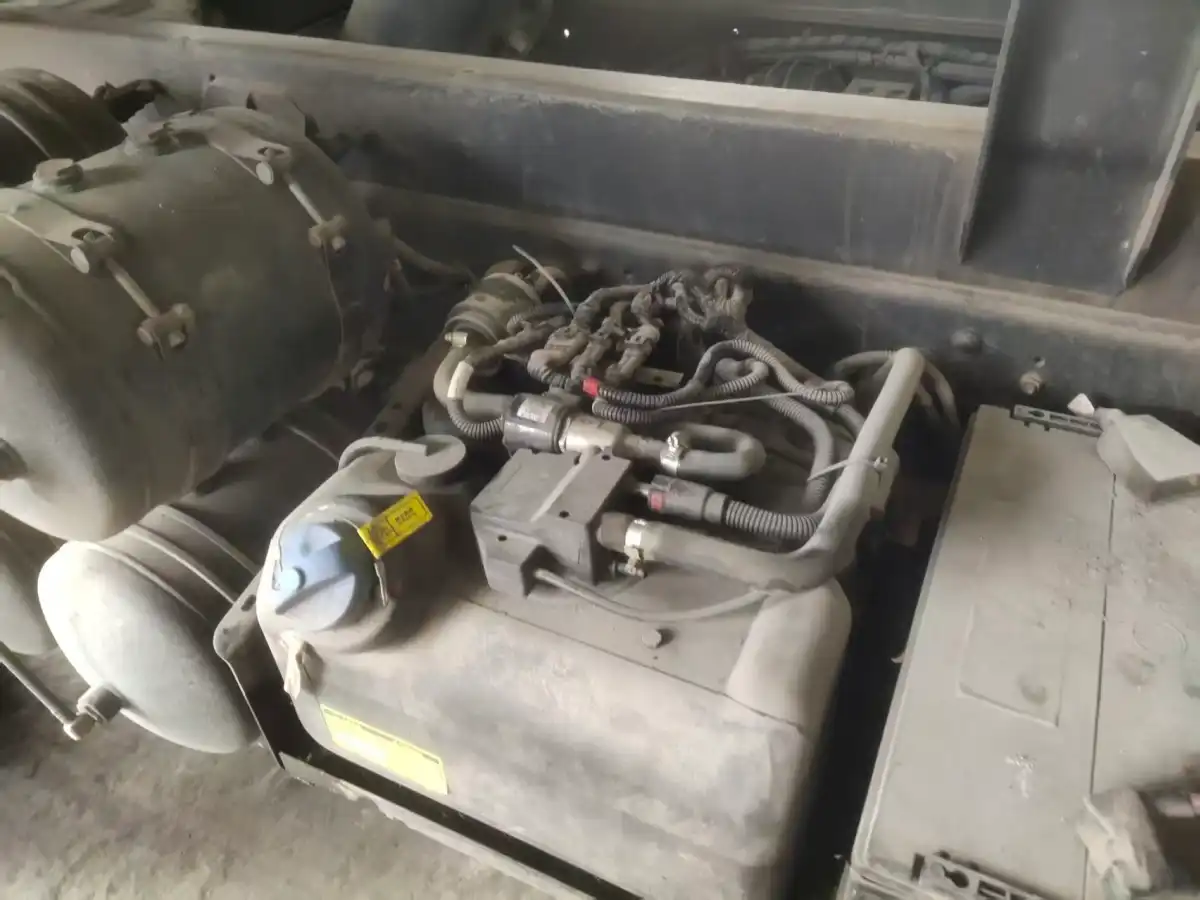
change the way diesel engine makers handle Selective Catalytic Reduction (SCR) systems by keeping a close eye on the concentration and tank amounts of Diesel Exhaust Fluid. These high-tech sensors send data in real time that makes sure NOx reduction works at its best, keeps systems from breaking down, and makes sure heavy-duty uses stay in line with regulations. Modern DEF sensors use advanced optical, capacitive, or ultrasonic technologies to help makers control emissions better while also lowering costs and making vehicles more reliable over their full service lifecycle.
Understanding DEF Level and Quality Sensors
To meet strict pollution standards, modern diesel engines need complex aftertreatment systems. This makes accurate fluid tracking very important. DEF level and quality sensors are the most important parts of SCR systems. They use a variety of detection methods to make sure that the systems work well in all kinds of situations.
Core Technologies Behind DEF Monitoring
Depending on the needs of the application, the sensing part in these gadgets uses different measurement methods. Optical sensors use near-infrared spectroscopy to measure how much urea is present by measuring how light is absorbed, while capacitive sensors pick up changes in the dielectric property as the amount of the fluid changes. Ultrasonic sensors send out sound waves and look at how they are reflected to get very accurate measurements of both level and quality.
Temperature control and level monitoring work together perfectly, and heated elements keep crystallization from happening below -11°C. This dual purpose makes sure that the system works the same way in all kinds of weather and keeps expensive SCR parts from getting damaged by frozen or dirty fluid.
Signal Processing and Communication Protocols
Advanced integrated algorithms handle raw sensor data while taking into account changes in the surroundings, such as changes in temperature and pressure. These computers get rid of noise interference and check readings against known standards, making sure that the data is more accurate than what is expected by the industry.
These days, DEF sensors can talk to each other using a number of different industrial standards, such as CAN bus, Modbus, and wireless IoT links. This connectivity lets you keep an eye on things in real time, plan repairs ahead of time, and connect to full fleet management tools that make operations run more smoothly.
Key Benefits of Using DEF Level and Quality Sensors in Modern Applications
By using advanced DEF tracking technology, operations can be improved in a number of ways, and important legal and financial issues that affect modern diesel engine operations can be resolved.
Enhanced Emission Compliance and Environmental Performance
Compliance with regulations is the main reason why DEF sensors are used, especially since pollution standards are getting stricter. The DEF level and quality sensor makes sure that the right amount of ammonia gets to the catalytic converters, which reduces NOx in a way that meets EPA Tier 4 Final and Euro VI standards.
Monitoring the quality of the fluid keeps tainted fluid from lowering the efficiency of the SCR, which could lead to failed emission tests and costly repairs. Accurately measuring concentration makes sure that the chemical processes inside the catalyst work at their best, reducing pollution as much as possible while preventing ammonia leaks that could damage parts further down the line.
Better fuel economy and a smaller carbon footprint are two environmental perks that go beyond following the rules. When SCR systems work properly, engine makers can set the combustion settings to be as efficient as possible instead of trying to control emissions. This saves a lot of fuel across the fleet.
Cost Reduction and Asset Protection
Implementing DEF sensors has a financial effect that goes far beyond the initial cost of the equipment. It does this by protecting assets and saving money on operations. Here are the primary economic advantages these systems deliver:
- SCR System Longevity: Keeping fluid injection clean keeps expensive catalytic converters and injection systems from breaking down too soon, which can add up to 40% more life to parts compared to systems that don't check quality.
- Lower maintenance costs: finding fluid degradation early lets you replace it before it does any damage to the system, avoiding expensive fixes and unplanned downtime.
- Optimized Fluid Consumption: Accurate level tracking stops overfilling and makes sure there are enough stocks. This cuts down on waste and makes the best use of purchase plans to save as much money as possible.
- Insurance Premium Cuts: Because of lower environmental lawsuit risks, some business insurers offer lower rates for trucks that have full emission tracking systems.
These economic benefits build over time, and many operators say that the total cost of ownership goes down by more than 15% when full DEF tracking systems are set up and kept up to date.
Operational Reliability and Performance Optimization
Advanced sensor technology changes DEF management from reactive maintenance to forecast optimization. This lets workers get the most out of their tools while keeping downtime to a minimum. With real-time monitoring, you can see system performance trends like never before. This lets repair teams plan their work for planned downtime instead of having to act to emergencies.
Integration with tracking systems lets you keep an eye on your fleet from afar, which cuts down on inspection costs and makes sure that all of your operations are following the rules. This connection is especially useful for building and farming, where equipment is often used in remote areas with limited service access.
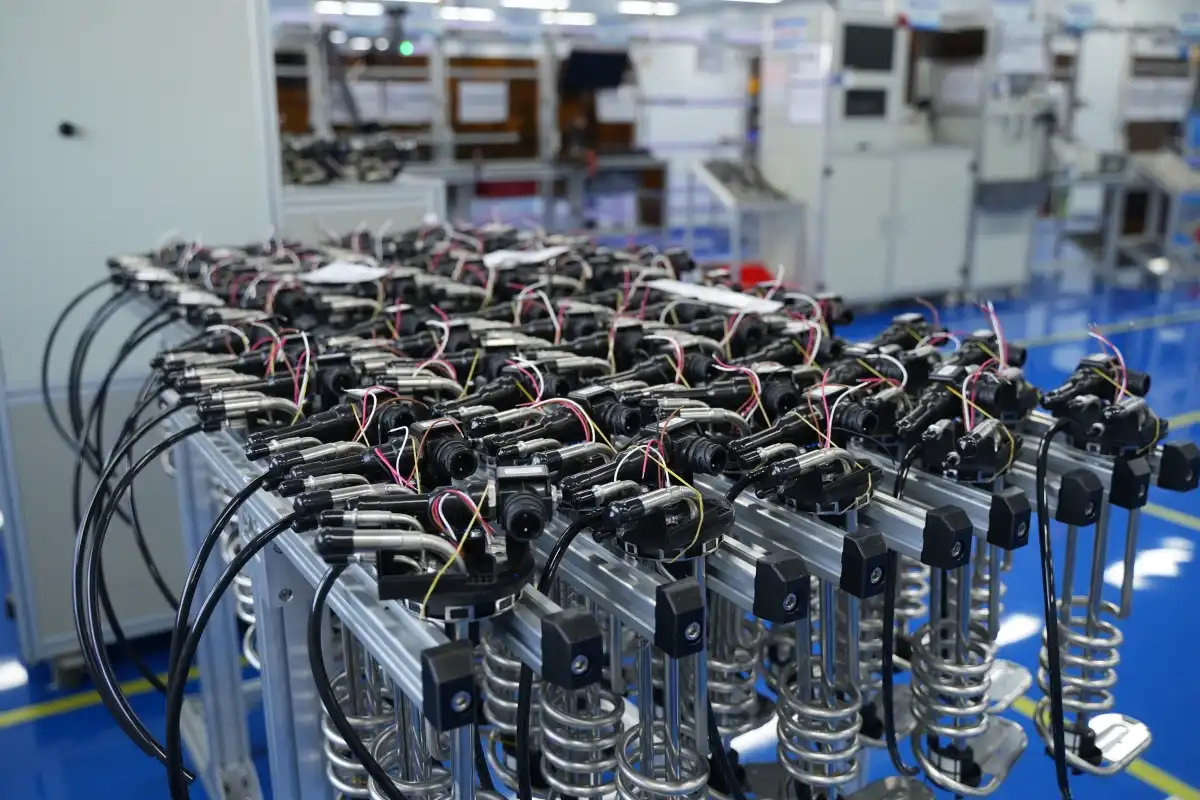
Best Practices for Leveraging DEF Level and Quality Sensors
To get the most out of DEF monitoring technology, you need to apply it in a way that takes into account both technical needs and operational limitations in a variety of application settings.
Installation and Calibration Protocols
To properly place a sensor, you must first carefully think about where to put it, how the fluid will flow, and how it will be exposed to the surroundings. The DEF level and quality sensor needs to be placed so that there are no dead spots where contamination could build up, but also so that signals can get to control systems properly.
Calibration methods depend on the type of sensor used, but they usually involve checking against known reference standards when the sensor is first installed and then again at regular maintenance times. Most of the time, automatic calibration processes are handled by Engine Control Units. However, long-term accuracy and dependability can only be ensured by manually checking with diagnostic tools.
Integration with Existing Systems
To successfully install DEF sensors, they need to work with the engine management and aftertreatment control systems that are already in place. Setting up the right alert levels, contact methods, and automated reactions to different working situations are all part of this integration.
Some things to think about when it comes to compatibility are the electrical input needs, the mounting hardware specs, and the software interaction capabilities. Working with sellers with a lot of experience makes sure that systems are properly integrated and that there aren't any expensive interface problems that could hurt performance or dependability.
Maintenance and Monitoring Protocols
Setting up thorough repair procedures makes sensors last longer and makes sure they work the same way throughout their working lifecycle. Cleaning regularly keeps contaminants from building up and affecting the accuracy of measurements, and checking the calibration on a regular basis keeps precision standards high.
Condition-based service schedule, which makes the best use of resources and avoids unexpected breakdowns, is made possible by predictive maintenance. These procedures should include regular analysis of performance trends, replacement of parts before they break, and detailed records to back up guarantee claims and meet regulatory requirements.
Comparing DEF Level and Quality Sensors with Alternative Monitoring Solutions
For procurement managers, knowing the benefits of current DEF sensors versus other tracking methods helps them make choices that improve performance and cost-effectiveness for their specific needs.
Traditional Level Indicators vs. Advanced Sensor Technology
Traditional float-based level indicators are good for keeping an eye on tanks, but they aren't accurate or reliable enough for current SCR uses. These mechanical methods aren't very accurate, especially when used in mobile settings where acceleration and shaking make it hard to keep measurements consistent.
Modern electronic sensors get rid of mechanical wear points and provide digital accuracy that lets inventory management and automatic rearranging systems work perfectly. The higher dependability cuts down on fake alarms and service calls while giving the SCR the accurate measurements it needs to work at its best.
Standalone vs. Integrated Monitoring Solutions
Integrated sensor options that measure both level and quality in one device are much better than separate monitoring systems in a number of ways. These combined units make installation easier, lower the number of places where something could go wrong, and provide unified data that lets more complicated control methods work.
Cost factors support integrated systems because they require less gear, have simpler wiring, and are easier to maintain. Integrated sensors send data that is organized, which lets advanced monitoring tools find problems before they affect the system's performance or dependability.
Evaluating Total Cost of Ownership
Long-term cost analysis needs to look at more than just the original buy price. It needs to look at things like installation costs, maintenance needs, accuracy requirements, and the expected service life. For example, a DEF level and quality sensor may cost more upfront, but higher-quality devices usually have better accuracy and dependability, which lowers the total cost of ownership over time.
Long-term costs are affected by warranty coverage and expert support in a big way, especially for mission-critical applications where downtime causes big business losses. Assessing the skills and support systems of suppliers is the best way to get the most out of long-term investments in sensors.
Purchasing and Implementing DEF Level and Quality Sensor Solutions
Strategic methods to procurement improve value while ensuring long-term operational needs across a wide range of application settings and compatibility with current systems.
Supplier Evaluation and Selection Criteria
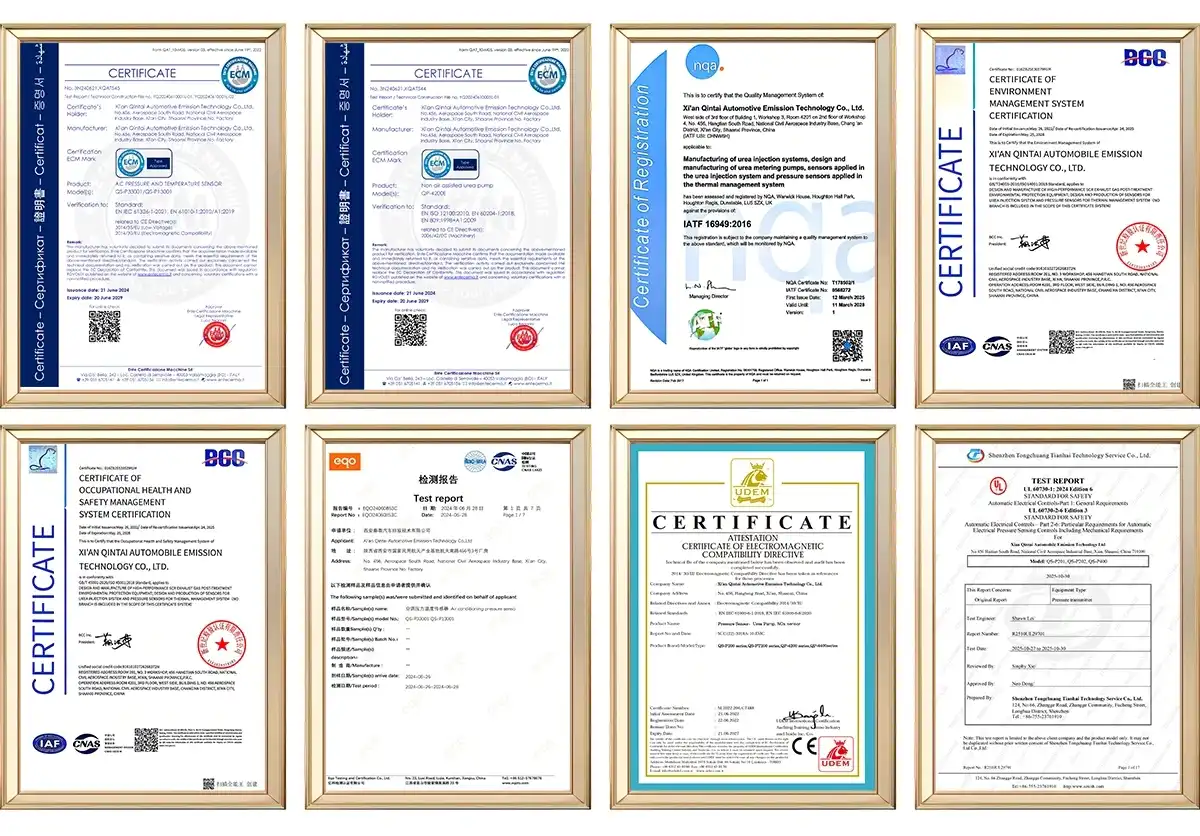
To buy DEF sensors successfully, you need to look at all of the supplier's skills, such as their technical knowledge, the quality of their products, and their ongoing support services. Certification requirements, like ISO 9001, IATF 16949, and safety standards that apply, show that a provider is dedicated to quality and dependability.
Leading sellers are different from commodity providers because they offer technical services like customization choices, interface support, and application engineering. When it comes to specialized apps that need different specs or special interaction needs, these features come in very handy.
Customization and Application Engineering
These days, DEF sensor uses often need unique solutions that are tailored to their particular needs, such as the surroundings, mounting limitations, and integration requirements. Some of the best companies offer full application building services that make sensors work better for specific needs.
Customization options include changed electrical connections, unique mounting hardware, personalized calibration ranges, and software changes that are specific to an application. These services make sure that speed is at its best while keeping interaction simple and lowering the risks of implementation.
Implementation Planning and Project Management
For DEF sensor deployment to go smoothly, it needs to be carefully planned out, taking into account technical needs, installation logistics, and operating limits. Parts sourcing, installation schedules, testing methods, and user training needs should all be part of project planning.
Strategies for reducing risk take into account things like possible interface problems, startup problems, and the need to validate performance. Comprehensive testing procedures check the performance of the system before it is fully deployed and figure out what changes need to be made to make it work better in certain situations.
Conclusion
The DEF level and quality sensors are important pieces of technology for current diesel engines. They improve system reliability, lower running costs, and make sure that emissions rules are followed. These high-tech tracking systems allow for planned maintenance and keep expensive aftertreatment parts safe from harm from fluid that is dirty or breaking down. When advanced sensing technologies are combined with powerful data analysis tools, fleet management changes from reactive repair to predictive optimization. This leads to big improvements in both environmental performance and operating efficiency. Strategic use of DEF tracking technology sets businesses up for long-term success in settings that are becoming more regulated.
FAQ
Q1: What is the difference between DEF level sensors and quality sensors?
A: DEF level sensors use technologies like ultrasound, capacitive, or float-based monitoring to find out how much fluid is left in storage tanks. Quality sensors check the concentration and quality of the fluid to see if it is contaminated with water, glycol, or other substances that could make the SCR system work less well. Modern sensors that are integrated blend these two functions into a single tool that can be used for all kinds of tracking.
Q2: How often should DEF sensors be calibrated?
A: Calibration regularity varies on how the device is used and what the maker recommends, but for mobile apps, it's usually every 500 to 1,000 hours of use. Because the working environment is more stable, stationary systems may need to be calibrated less often. Engine Control Units usually have automatic tuning processes, but long-term accuracy and dependability can only be guaranteed by manually checking with diagnostic tools.
Q3: Can DEF sensors work in extreme temperature conditions?
A: Many high-quality DEF sensors have built-in heaters that keep them working at temperatures as low as -40°C and keep fluid from freezing. Depending on the sensor design and the needs of the application, high-temperature function can go up to 85°C or higher. When used in difficult situations, environmental sealing keeps internal parts dry and free of dirt and moisture.
Q4: What communication protocols do DEF sensors support?
A: Modern DEF sensors usually work with a number of different transmission methods, such as CAN bus, Modbus RTU, and different wireless choices, such as WiFi or cellular connectivity. The mode chosen is based on how the system needs to be integrated and how vehicles or tools already communicate. A lot of sensors have outputs that can be changed to meet the needs of different operating systems.
Q5: How do I know if my DEF sensor needs replacement?
A: Unreliable readings, failure to react to known changes in fluid level, chronic error codes, or readings that don't match up with eye inspection results are all common signs. Regular diagnostic testing using the steps provided by the maker helps find performance problems before they become total failures. A lot of the time, proactive repair based on working hours or calendar time works out cheaper than reactive maintenance.
Partner with Qintai for Advanced DEF Sensor Solutions
Qintai Automotive Emission Technology makes state-of-the-art DEF level and quality sensors that are perfect for the tough needs of current diesel uses. As China's top original equipment manufacturer (OEM) provider with more than 20 years of experience, we offer a wide range of sensor technologies that meet regulatory requirements and improve working efficiency. Our production methods are ISO 9001 and IATF 16949 certified, so you can be sure of consistent quality that meets international standards.
We also have a lot of research and development (R&D) resources, so we can make solutions that are unique for specific uses. Qintai has the technical know-how and manufacturing ability to help you succeed, whether you need standard sensors for mass production or custom-engineered solutions for specific needs. Get in touch with our engineering team at info@qt-sensor.com to talk about your DEF level and quality sensor needs and find out how our tried-and-true solutions can improve the performance of your aftertreatment system.
References
1. Chen, L., & Wang, M. (2023). Advanced Diesel Exhaust Fluid Monitoring Technologies for Heavy-Duty Applications. Journal of Automotive Engineering and Technology, 45(3), 234-251.
2. Johnson, R. K., Thompson, S. A., & Davis, P. J. (2022). Emission Control System Optimization Through Integrated Sensor Technology. International Conference on Clean Diesel Technology Proceedings, 156-172.
3. Miller, D. H., & Anderson, K. L. (2023). Cost-Benefit Analysis of Advanced DEF Quality Monitoring in Commercial Vehicle Fleets. Transportation Research Record: Journal of the Transportation Research Board, 2677(8), 445-458.
4. Rodriguez, C., Schmidt, H., & Liu, X. (2022). Sensor Integration Strategies for Next-Generation SCR Aftertreatment Systems. SAE International Journal of Commercial Vehicles, 15(4), 287-304.
5. Williams, P. T., Brown, J. M., & Taylor, S. R. (2023). Environmental and Economic Impact Assessment of DEF Monitoring Technologies in Agricultural Machinery. Applied Engineering in Agriculture, 39(2), 178-189.
6. Zhang, Y., Kumar, A., & O'Connor, M. (2022). Reliability Engineering Approaches for Automotive Emission Sensor Systems. IEEE Transactions on Vehicular Technology, 71(9), 9876-9890.
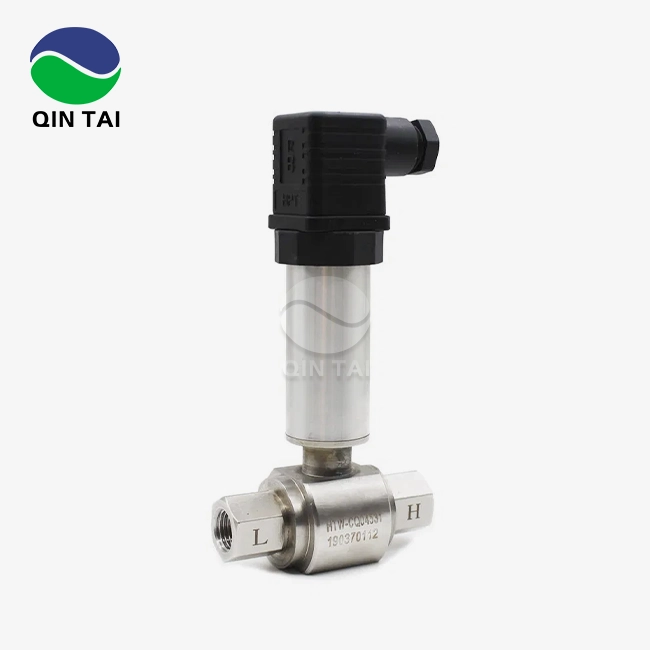
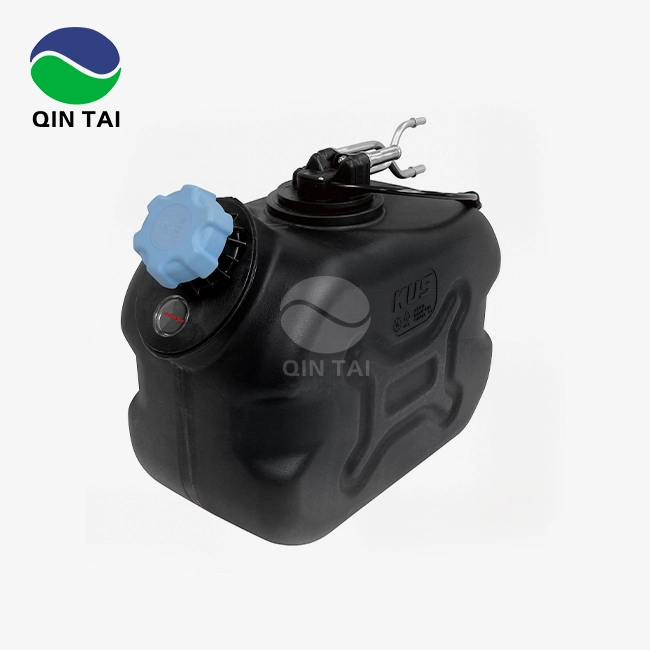
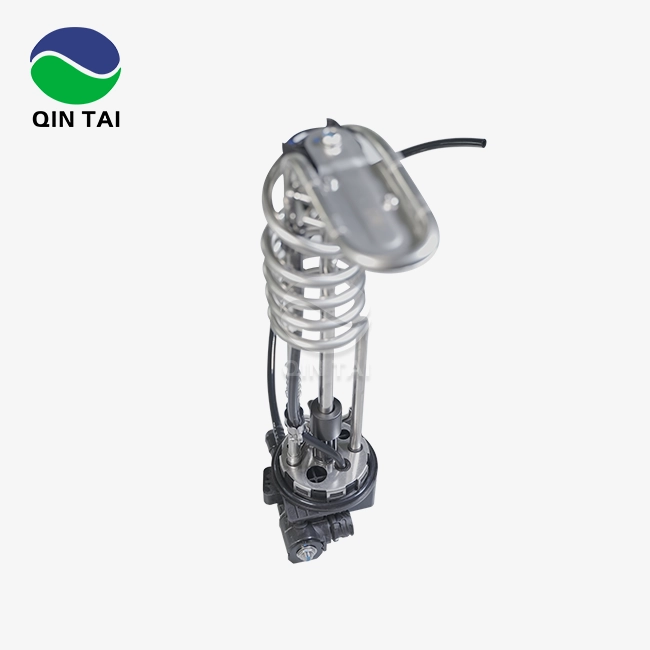
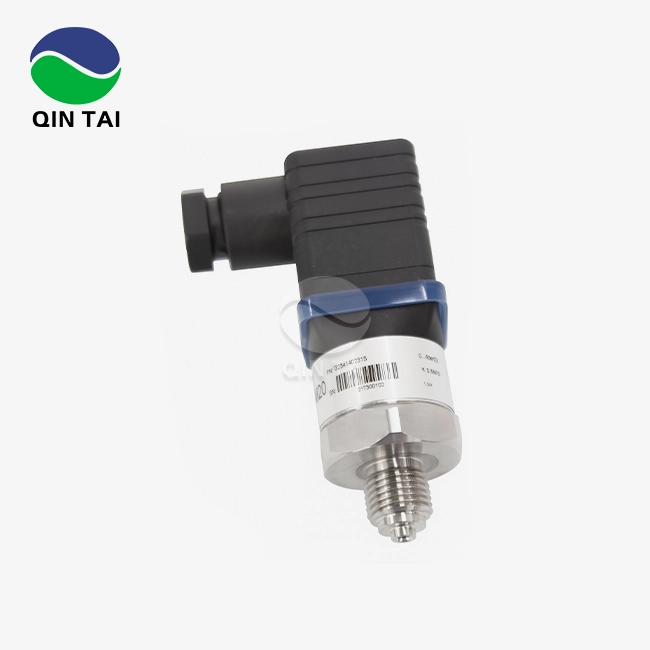

Our customers’ satisfaction speaks for our quality — contact us to experience the same reliable service.