- English
- French
- German
- Portuguese
- Spanish
- Russian
- Japanese
- Korean
- Arabic
- Greek
- German
- Turkish
- Italian
- Danish
- Romanian
- Indonesian
- Czech
- Afrikaans
- Swedish
- Polish
- Basque
- Catalan
- Esperanto
- Hindi
- Lao
- Albanian
- Amharic
- Armenian
- Azerbaijani
- Belarusian
- Bengali
- Bosnian
- Bulgarian
- Cebuano
- Chichewa
- Corsican
- Croatian
- Dutch
- Estonian
- Filipino
- Finnish
- Frisian
- Galician
- Georgian
- Gujarati
- Haitian
- Hausa
- Hawaiian
- Hebrew
- Hmong
- Hungarian
- Icelandic
- Igbo
- Javanese
- Kannada
- Kazakh
- Khmer
- Kurdish
- Kyrgyz
- Latin
- Latvian
- Lithuanian
- Luxembou..
- Macedonian
- Malagasy
- Malay
- Malayalam
- Maltese
- Maori
- Marathi
- Mongolian
- Burmese
- Nepali
- Norwegian
- Pashto
- Persian
- Punjabi
- Serbian
- Sesotho
- Sinhala
- Slovak
- Slovenian
- Somali
- Samoan
- Scots Gaelic
- Shona
- Sindhi
- Sundanese
- Swahili
- Tajik
- Tamil
- Telugu
- Thai
- Ukrainian
- Urdu
- Uzbek
- Vietnamese
- Welsh
- Xhosa
- Yiddish
- Yoruba
- Zulu
Best Urea Pressure Sensor for Heavy Trucks
When searching for the best urea pressure sensor for heavy trucks, procurement professionals must prioritize accuracy, durability, and regulatory compliance. The optimal urea pressure sensor ensures precise AdBlue dosing in SCR systems, maintaining NOx reduction efficiency while meeting Euro VI and EPA emission standards. Quality sensors deliver consistent performance across extreme operating conditions, supporting both OEM manufacturing requirements and aftermarket applications with reliable pressure monitoring capabilities that directly impact fleet operational costs and environmental compliance.
Introduction
Urea pressure monitors are an important part of current heavy truck SCR aftertreatment systems because they directly affect how well the systems work and how well they meet emission standards. As rules about emissions around the world get stricter, procurement professionals are under more and more pressure to choose sensors that work consistently and cost-effectively in a wide range of operating settings. Because B2B buying in the heavy truck business is so complicated, it's important to know a lot about technical specs, seller skills, and the possibility of a long-term relationship.
Strategic sensor selection affects everything from how efficiently you make things to how well you follow the rules, whether you work for an OEM maker, an aftertreatment system installer, or a business vehicle aftermarket operation. Modern SCR systems depend on accurate pressure tracking to get the most out of AdBlue input. This makes sure that all NOx is reduced and that the system doesn't get damaged by using the wrong amount of AdBlue. This guide talks about the specific problems that buying managers, R&D engineers, and technical experts have to deal with when they have to balance the need for performance with the need to stay within budget and the need for a reliable supply chain.
Understanding Urea Pressure Sensors: Functionality and Applications
Core Operating Principles and System Integration
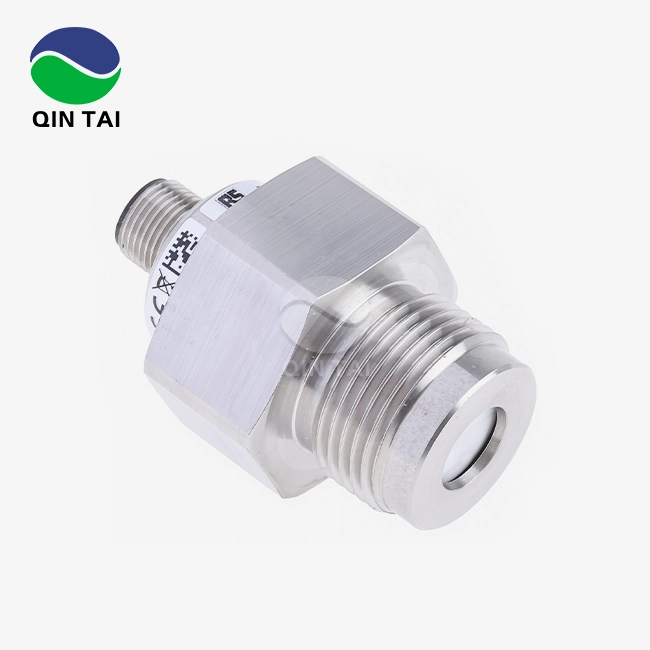
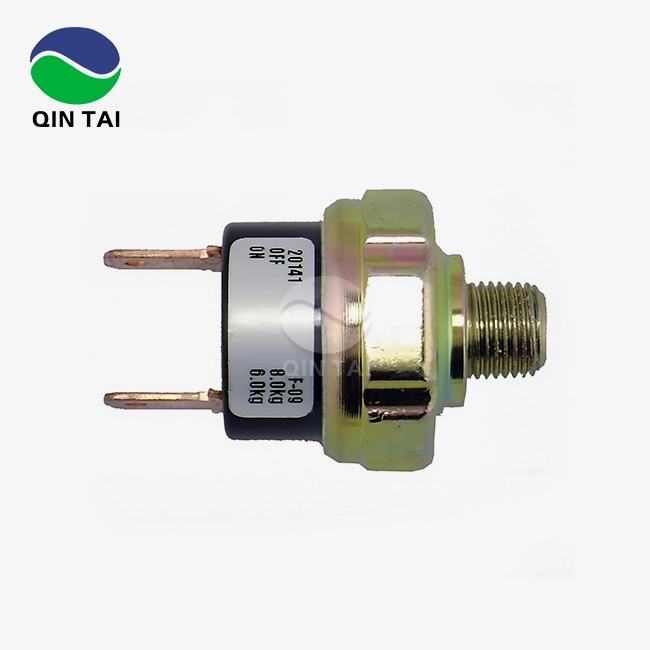
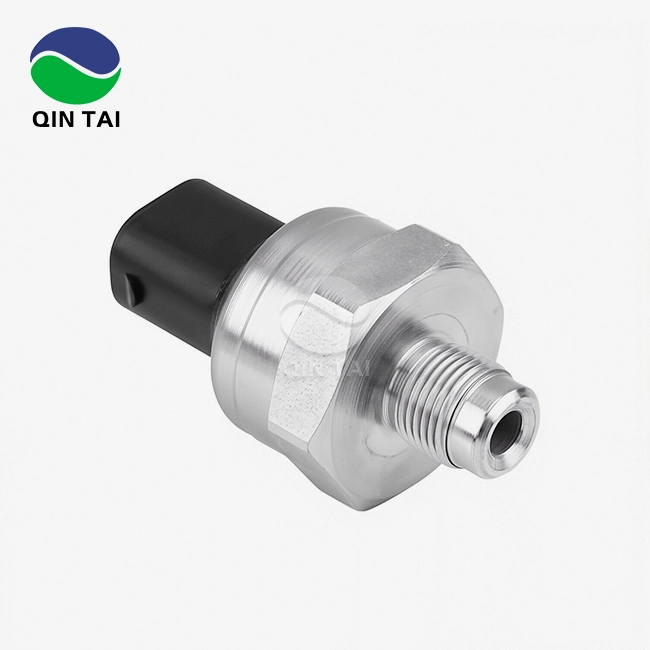
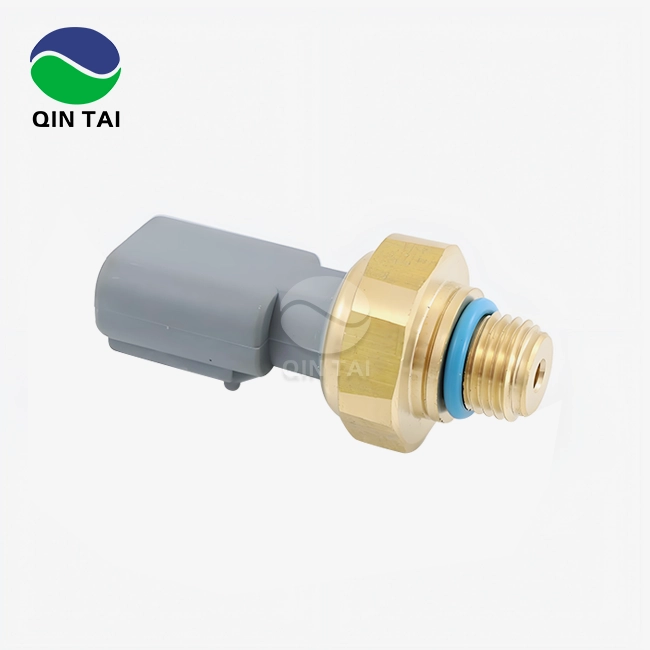
Urea pressure sensor checks the pressure of the AdBlue solution between the dose pump and the injection tip and send real-time information to the SCR control unit. These devices use piezoresistive technology or ceramic diaphragm designs to turn changes in pressure into electrical data. This lets the time and amount of urea input be precisely controlled in a closed loop.
As part of the merging process, the sensor is put into the high-pressure urea supply line. It can handle pressures from 5 to 10 bar and still be accurate to within ±2% full scale. Higher-tech monitors have temperature adjustment systems that take into account changes in AdBlue viscosity from -40°C to +85°C.
Industrial Applications Across Heavy Truck Segments
Pressure sensors in heavy trucks are used in a wide range of working settings, and each one presents its own set of challenges for their performance. Long-haul cars need sensors that can work continuously in a range of weather conditions, and building equipment needs sensors that can handle more pressure and shock.
Agricultural equipment has extra problems, like needing to be stored during certain times of the year and sitting idle for long amounts of time. For generator set uses, sensors need to be designed for fixed use with a focus on long-term steadiness and low drift. Installations in mines and power plants need industrial-grade dependability and better protection to protect against dust, water, and changes in temperature.
Performance Benefits and Emission Compliance
Good pressure sensors make SCR systems work better by letting you precisely control how much AdBlue is used. Accurate pressure tracking stops under-dosing, which hurts NOx reduction, and over-dosing, which raises costs and could cause ammonia to leak. This level of accuracy is necessary to meet Euro VI and EPA 2010 pollution guidelines while also getting the most out of the fuel.
The dependability of sensors has a direct effect on their ability to diagnose problems. This cuts down on fake error codes that cause limp-mode operation and expensive service visits. Modern sensors have built-in self-diagnostic features that find possible problems before they completely break down. This helps with planned maintenance and cuts down on unplanned downtime.
Comparing Urea Pressure Sensor Models: Making an Informed Choice
Technical Specifications and Performance Metrics
High-accuracy sensors usually have a precision of within ±1% full scale, compared to ±2% to 3% for normal models. This is why they cost more, but it's worth it for uses that need very precise doses. Response time changes can be as little as 5ms for high-performance units and as long as 20ms for normal sensors. This affects sudden response when the load changes quickly. As an example of durability, premium sensors are rated for 10 million cycles of pressure cycling, while basic units are only rated for 5 million cycles. Temperature cycling skills vary a lot. Industrial-grade sensors can stay accurate through more than 200 thermal cycles, while normal sensors may start to lose their accuracy after 100 cycles.
Here are the key technical differentiators among sensor categories:
- Pressure Range Flexibility: Premium sensors offer multiple pressure ranges (0-5, 0-10, 0-16 bar) with field-selectable outputs, while standard sensors typically provide fixed ranges
- Signal Output Options: Advanced models provide CAN bus communication alongside analog outputs, enabling enhanced diagnostic capabilities and system integration
- Environmental Protection: Industrial sensors feature IP67/IP69K sealing with enhanced chemical resistance to urea crystallization and corrosion
- Calibration Stability: High-end sensors maintain calibration for 50,000+ operating hours versus 20,000 hours for standard units
These technical advantages translate directly into reduced maintenance costs and improved system reliability, particularly beneficial for high-utilization fleets and demanding industrial applications.
Brand Comparison and Market Analysis
Leading makers set themselves apart by having a wide range of certifications, such as ISO9001 for quality management systems and IATF16949 for car uses. Leading brands usually offer longer guarantee terms of 24 to 60 months, which shows that they are confident in their products' long-term dependability. Customer feedback always stresses how important it is to have good technical help. Top-tier sellers offer specialized application engineers and quick responses to technical questions.
Performance data from real-world installs shows that luxury sensors have an uptime of 99.5% or more, while budget options only manage 95 to 97%. This means that the higher initial investment is worth it because there is less downtime for operations. For OEM uses, where sensor shortages can stop production lines, supply chain dependability is very important. Well-known companies keep warehouse networks around the world and make the supply chain clear by giving customers their own websites and updating them on availability in real time.
How to Choose the Best Urea Pressure Sensor for Heavy Trucks (Decision Support)?
Defining Procurement Requirements
When it comes to buying things, OEM production lines need uniform specs, while private uses need a wide range of connectivity. For OEM buyers, standard interfaces, bulk prices, and a stable supply chain are the most important things. For secondary buyers, cross-reference compatibility and product availability are the most important things. When choosing sensors, it's important to look at the operating area and think about things like temperature ranges, shaking levels, and contamination exposure. For construction tools, better shock protection is needed, and for long-haul trucks, better heat cycle performance and longer repair times are most important.
Evaluation Metrics and Decision Frameworks
Response time needs rely on the type of engine and how the SCR system is built. Faster sensor responses are better for high-performance engines when they are running in brief conditions. The expected lifespan should match the repair times of the car, which are usually 500,000 miles or more for heavy-duty uses. Beyond just the length of the warranty, other things to think about are what it covers, how to repair it, and how easy it is to get expert help. Basic guarantees that only cover faults are less valuable than warranties that cover both manufacturing flaws and performance decline.
Here are the critical evaluation criteria for different buyer categories:
- OEM Manufacturers: Focus on production scalability, quality certifications, and supply chain reliability with emphasis on cost-per-unit optimization
- System Integrators: Prioritize interface flexibility, technical support quality, and customization capabilities for diverse application requirements
- Aftermarket Suppliers: Emphasize broad compatibility, inventory availability, and competitive pricing with reliable technical documentation
These frameworks enable systematic supplier evaluation while balancing competing priorities across different stakeholder groups within procurement organizations, including requirements for critical components such as the urea pressure sensor.
Cost-Benefit Analysis Considerations
The total cost of ownership should include the price of the monitor itself, the cost of installing it, how long it is expected to last, and any costs that might come up during downtime. Premium sensors that cost 20 to 30 percent more often offer better value because they last longer and need less upkeep. Different sellers have very different pricing systems for large orders. Usually, prices drop at 100, 500, and 1,000 units or more. Most of the time, long-term supply deals save you money and keep prices stable so you can plan your budget.
Procurement and Purchase Guide for Urea Pressure Sensors
Sourcing Strategies and Supplier Identification
Wholesale sellers with a good reputation usually keep a full portfolio of certifications and offer clear price structures with set number breaks. Official dealers offer benefits such as technical help, guarantee management, and local product availability. However, prices may represent higher service fees. OEM price is offered to approved makers who meet minimum sales promises, which usually start at 1,000 or more pieces per year. Custom orders take longer wait times but allow for better specs for specific uses, which is especially helpful for companies that make specialized manufacturing equipment.
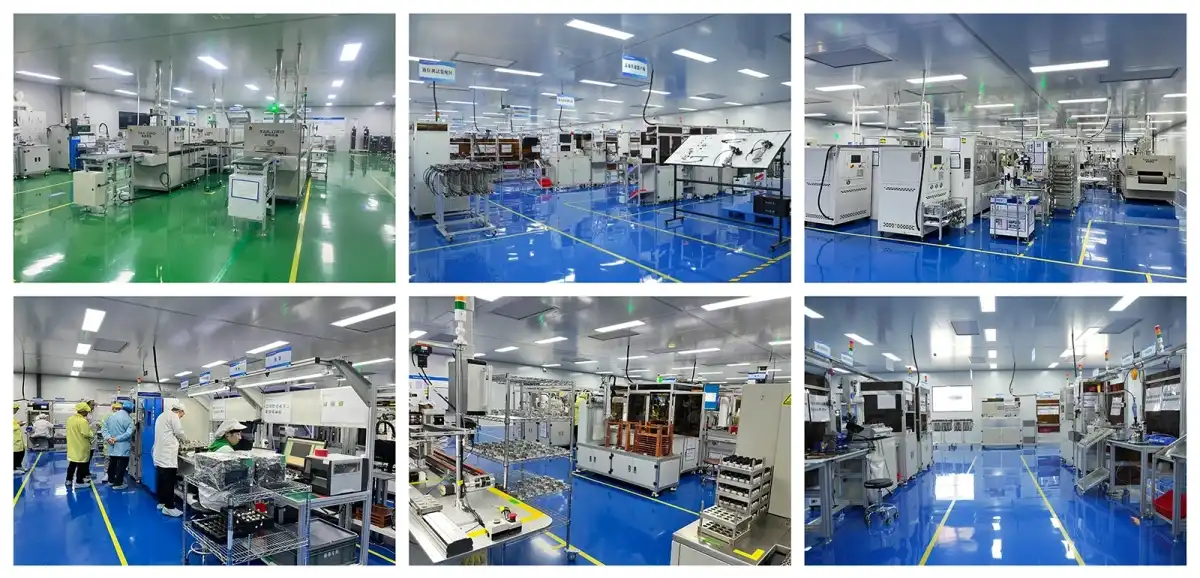
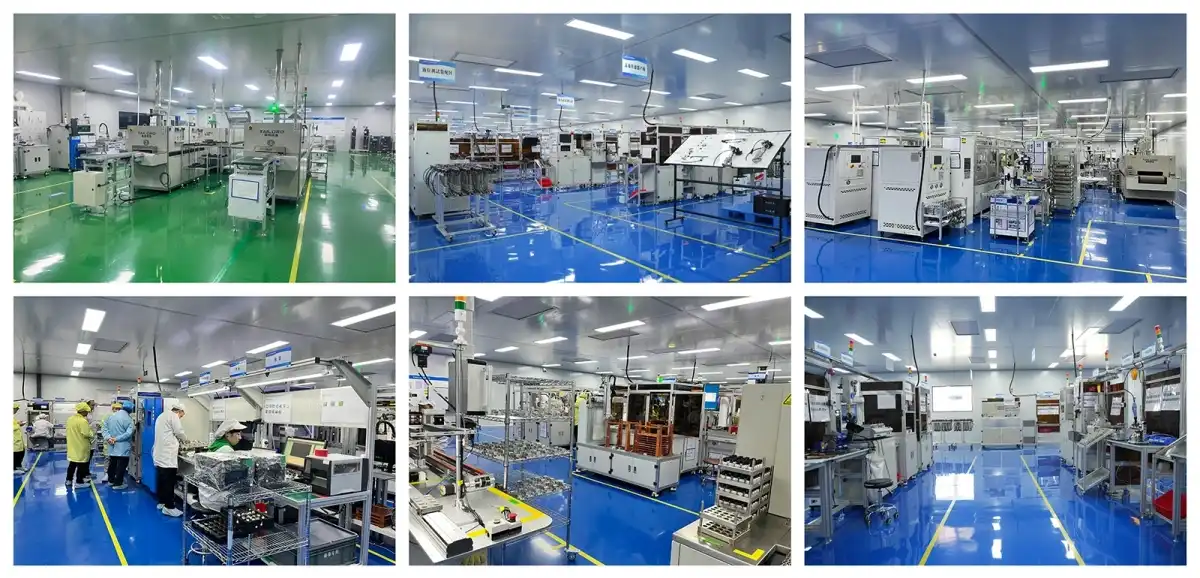
When evaluating a supplier, you should look at their ability to make things, their quality control methods, and their financial security to make sure the relationship will last. Site checks are a great way to learn more about how things are made, how quality is controlled, and how to make things better all the time.
Credibility Assessment and Risk Management
Warranty policies show how confident the seller is in the stability of the product. Full covering shows that the quality assurance methods are very good. After-sale support features like expert staff access, new part supplies, and field service support set high-end providers apart from low-cost options. Shipping procedures are important for foreign buying because you have to look at things like the quality of the packing, how reliable the delivery is, and how well you know how to deal with customs. Suppliers that have been around for a while usually offer a number of shipping choices that can be tracked and cover high-value orders with security.
Here are the essential supplier evaluation criteria for risk mitigation:
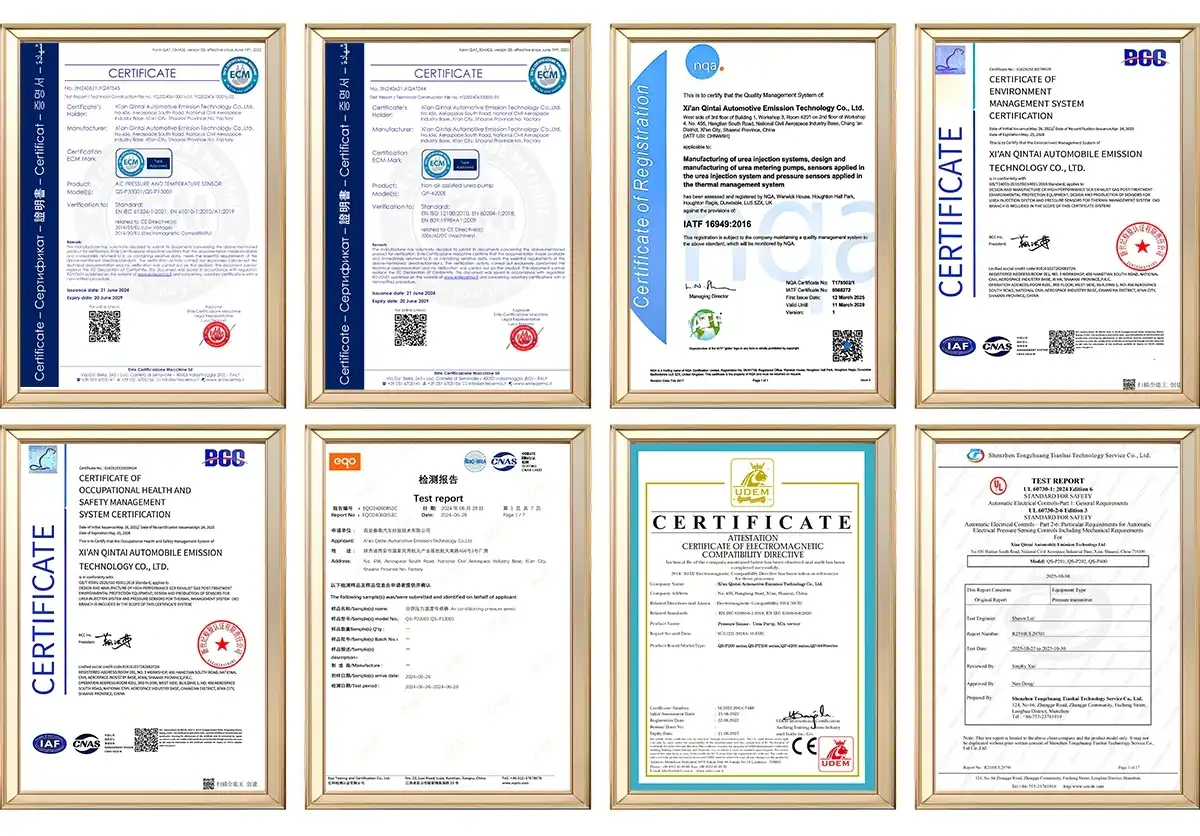
- Quality Certifications: Verify ISO9001, IATF16949, and relevant industry certifications with current validity dates
- Financial Stability: Assess supplier financial health through credit reports and industry references to ensure long-term viability
- Technical Capabilities: Evaluate R&D investment, patent portfolios, and engineering support capabilities for future product evolution
- Customer References: Contact existing customers for performance feedback, particularly regarding technical support quality and issue resolution
These assessment criteria help identify suppliers capable of supporting long-term partnership requirements while minimizing supply chain risks.
Negotiation and Contract Considerations
Sample evaluation programs let you test things out in real life before committing to big quantities. Usually, 5–10 units are tested in a range of normal working conditions. The testing phases should last long enough to see how stable and well something works over time in real-world situations. When negotiating with other businesses, it's important to be clear about things like number promises, payment terms, and levels of technical help, but also be able to adapt to changing needs.
Compliance with procurement standards makes sure that company governance rules and legal responsibilities are followed in all areas. The terms of the contract should include performance promises, release dates, and ways for technology problems to be taken to the next level. Critical applications are better protected by quality agreements that spell out acceptance standards, testing methods, and corrective action processes.
Troubleshooting and Maintaining Urea Pressure Sensors
Common Issues and Diagnostic Procedures
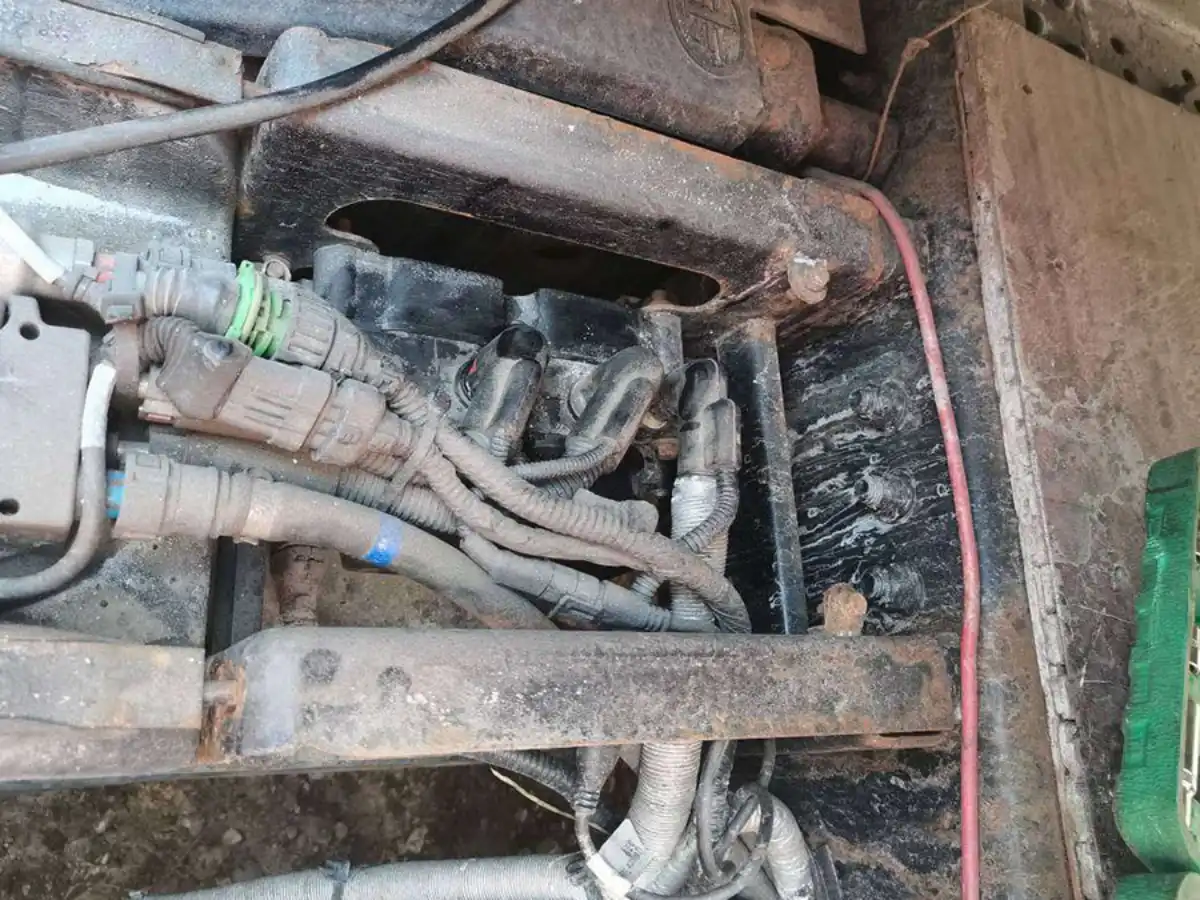
Failures of the urea pressure sensor usually show up as numbers that are all over the place, signal loss, or a loss of tuning over time. The most common type of failure is crystallization around sensor links, which can happen when AdBlue is exposed during repair or when the system breaks. Root cause analysis should look at how the system was installed, how it is used, and how it is maintained to find factors that led to the problem. If the torque specs aren't followed correctly during installation, it can damage sensor diaphragms, and if the system isn't flushed properly, it can introduce contaminants that hurt its long-term performance.
Preventive Maintenance Strategies
Systematic troubleshooting procedures enable field engineers to isolate sensor issues from broader system problems through voltage checks, resistance measurements, and signal analysis. Diagnostic tools including oscilloscopes and pressure calibrators provide quantitative assessment of sensor performance degradation.
Regular inspection schedules should include visual examination of sensor connections, electrical harness integrity, and mounting hardware condition. Preventive cleaning using approved solvents removes crystalline deposits without damaging sensitive components.
Here are the key maintenance practices for maximizing sensor reliability:
- Connection Inspection: Monthly visual checks for corrosion, crystallization, or loose connections with immediate corrective action
- Calibration Verification: Annual verification against certified pressure standards to detect gradual drift requiring replacement
- System Flushing: Proper AdBlue system flushing during service intervals to prevent contamination and crystallization
- Environmental Protection: Verify seal integrity and protective boot condition during routine maintenance inspections
These maintenance practices significantly extend sensor service life while preventing unexpected failures that could compromise emission compliance or trigger costly emergency repairs.
Data Analytics and Predictive Maintenance
Advanced diagnostic capabilities enable early fault detection through trend analysis of sensor output characteristics. Gradual signal drift, increased noise levels, or response time degradation provide early warning indicators before complete sensor failure.
Sensor-generated data analytics support fleet optimization through correlation analysis between operating conditions and sensor performance. Temperature cycling frequency, pressure fluctuation patterns, and exposure duration provide insights for optimizing replacement schedules and improving system design.
Integration with telematics systems enables remote monitoring capabilities, allowing fleet managers to track sensor performance across multiple vehicles and identify patterns indicating potential issues. Predictive algorithms can forecast replacement requirements, enabling proactive maintenance scheduling and inventory optimization.
Conclusion
Selecting the optimal urea pressure sensor for heavy truck applications requires careful balance of technical specifications, supplier capabilities, and total cost considerations. Quality sensors deliver measurable benefits through improved emission compliance, reduced maintenance costs, and enhanced operational reliability across diverse industrial applications.
Procurement success depends on comprehensive supplier evaluation, emphasizing technical support quality, supply chain reliability, and long-term partnership potential. The investment in premium sensors often provides superior value through extended service life, reduced downtime, and improved system performance that directly impacts fleet operational efficiency and regulatory compliance.
FAQ
How often should urea pressure sensors be calibrated?
Calibration frequency depends on operating conditions and application requirements, with typical intervals ranging from annual verification for critical applications to biennial checks for standard commercial vehicles. High-utilization fleets operating in demanding environments may require more frequent calibration to maintain optimal performance.
Can urea pressure sensors integrate with existing telematics systems?
Modern sensors with CAN bus communication capabilities integrate seamlessly with existing telematics platforms, enabling remote monitoring and diagnostic capabilities. Analog sensors require additional interface modules for telematics integration but remain compatible with appropriate signal conditioning equipment.
What certifications are essential for heavy-duty vehicle applications?
Essential certifications include IATF16949 for automotive quality systems, ISO9001 for general quality management, and relevant environmental compliance certifications such as RoHS and REACH. Additional certifications like UL and CE marking may be required for specific markets or applications.
What is the typical lifespan of a urea pressure sensor in heavy truck applications?
Quality sensors typically provide 500,000+ miles of reliable service in heavy truck applications, equivalent to 3-5 years of normal operation. Service life varies with operating conditions, maintenance practices, and sensor quality, with premium sensors often exceeding these expectations significantly.
How do temperature variations affect sensor performance?
Temperature compensation algorithms in quality sensors maintain accuracy across the full operating range from -40°C to +85°C. Sensors without adequate temperature compensation may experience drift or reduced accuracy at extreme temperatures, making this feature essential for reliable performance.
Partner with Qintai for Premium Urea Pressure Sensor Solutions
Qintai Automotive Emission Technology delivers industry-leading urea pressure sensors engineered specifically for heavy truck SCR applications. Our ISO9001 and IATF16949 certified manufacturing processes ensure consistent quality and reliability that meets the demanding requirements of OEM manufacturers and aftermarket suppliers worldwide.
With over two decades of experience as China's premier SCR sensor manufacturer and preferred supplier to leading engine manufacturers including Weichai Power and Yuchai Power, we understand the critical performance requirements of modern emission control systems. Our comprehensive R&D capabilities and 58 invention patents demonstrate our commitment to technological innovation and continuous improvement.
Contact our technical specialists at info@qt-sensor.com for customized solutions, volume pricing, and technical consultation. We offer comprehensive OEM and ODM services with flexible customization options to meet your specific application requirements. Experience the reliability and performance that has made us the trusted choice for urea pressure sensor manufacturers across more than 60 countries worldwide.
References
1. Society of Automotive Engineers. "Recommended Practice for Diesel Exhaust Fluid (DEF) Pressure Sensor Testing Standards." SAE International Technical Paper Series, 2023.
2. Environmental Protection Agency. "Heavy-Duty Engine and Vehicle Standards and Highway Diesel Fuel Sulfur Control Requirements: Comprehensive Technical Assessment." EPA Office of Transportation and Air Quality, 2022.
3. International Organization for Standardization. "Road Vehicles - Selective Catalytic Reduction Systems - Test Methods for AdBlue Pressure Sensors." ISO Technical Committee 22, 2023.
4. European Commission. "Euro VI Emission Standards for Heavy-Duty Vehicles: Technical Implementation Guidelines." Directorate-General for Climate Action, 2022.
5. Chen, L. and Martinez, R. "Performance Analysis of Piezoresistive Pressure Sensors in Automotive SCR Applications." Journal of Automotive Engineering Technology, Vol. 45, No. 3, 2023.
6. Global Heavy Duty Engine Manufacturers Association. "Best Practices for Aftertreatment Component Selection and Integration." Technical Bulletin Series, 2023.

Our customers’ satisfaction speaks for our quality — contact us to experience the same reliable service.