- English
- French
- German
- Portuguese
- Spanish
- Russian
- Japanese
- Korean
- Arabic
- Greek
- German
- Turkish
- Italian
- Danish
- Romanian
- Indonesian
- Czech
- Afrikaans
- Swedish
- Polish
- Basque
- Catalan
- Esperanto
- Hindi
- Lao
- Albanian
- Amharic
- Armenian
- Azerbaijani
- Belarusian
- Bengali
- Bosnian
- Bulgarian
- Cebuano
- Chichewa
- Corsican
- Croatian
- Dutch
- Estonian
- Filipino
- Finnish
- Frisian
- Galician
- Georgian
- Gujarati
- Haitian
- Hausa
- Hawaiian
- Hebrew
- Hmong
- Hungarian
- Icelandic
- Igbo
- Javanese
- Kannada
- Kazakh
- Khmer
- Kurdish
- Kyrgyz
- Latin
- Latvian
- Lithuanian
- Luxembou..
- Macedonian
- Malagasy
- Malay
- Malayalam
- Maltese
- Maori
- Marathi
- Mongolian
- Burmese
- Nepali
- Norwegian
- Pashto
- Persian
- Punjabi
- Serbian
- Sesotho
- Sinhala
- Slovak
- Slovenian
- Somali
- Samoan
- Scots Gaelic
- Shona
- Sindhi
- Sundanese
- Swahili
- Tajik
- Tamil
- Telugu
- Thai
- Ukrainian
- Urdu
- Uzbek
- Vietnamese
- Welsh
- Xhosa
- Yiddish
- Yoruba
- Zulu
How to Test a Urea Pressure Sensor
Testing a urea pressure sensor requires systematic evaluation of its electrical integrity, physical condition, and pressure response accuracy. The process involves visual inspection for corrosion or damage, multimeter testing to verify electrical resistance and signal output, and pressure testing using calibrated equipment to ensure accurate readings across the operating range. A properly functioning urea pressure sensor should maintain consistent resistance values, produce stable voltage signals proportional to applied pressure, and demonstrate no physical deterioration that could compromise SCR system performance.
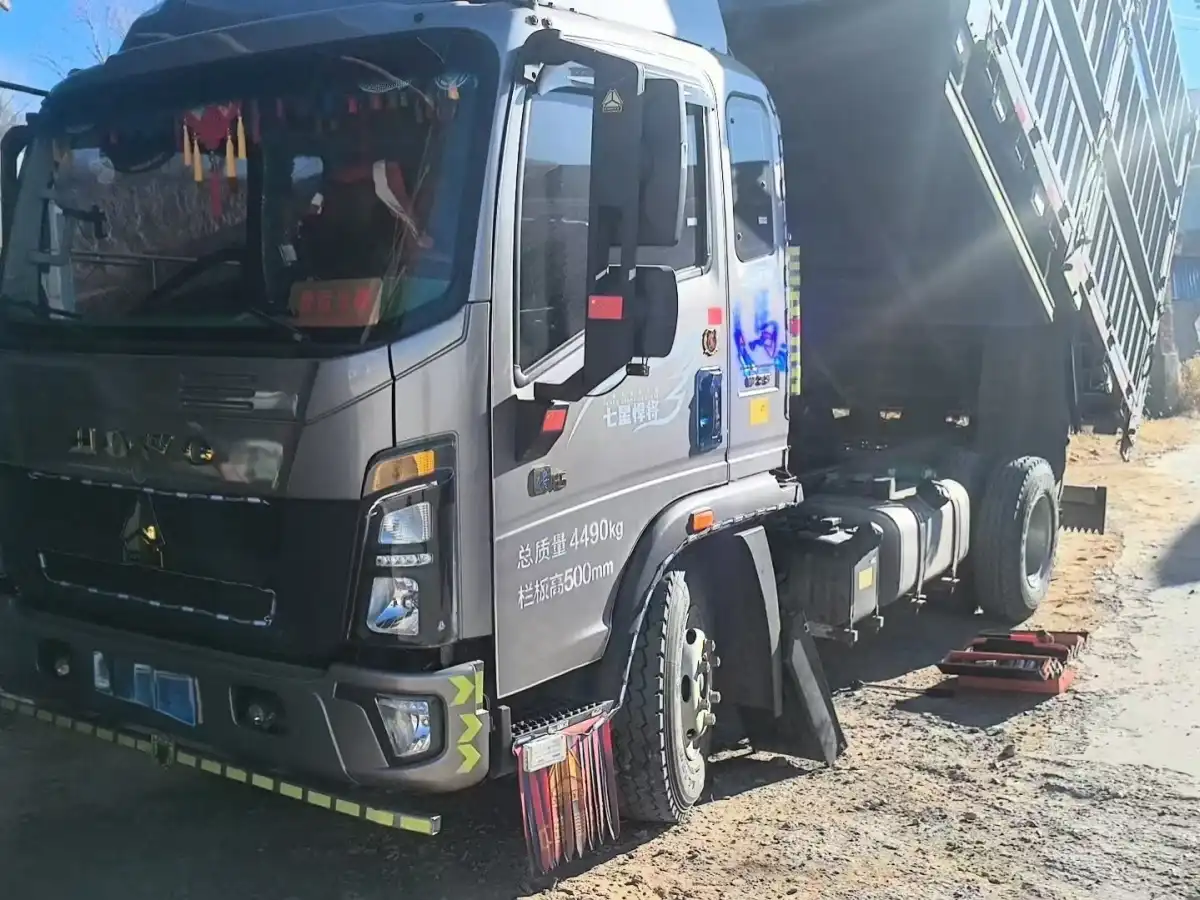
Understanding Urea Pressure Sensors and Their Functions
Selective Catalytic Reduction systems have revolutionized diesel engine emissions control, making urea pressure sensors indispensable components in modern automotive and industrial applications. These sensors monitor the pressure of diesel exhaust fluid (DEF) or AdBlue solution within the dosing system, ensuring precise delivery to the injector nozzle for optimal NOx reduction performance.
Operating Principles and Technology Types
Basically, urea dose pressure monitors work by turning mechanical pressure into electrical signs that the engine control unit can understand. As urea solution runs through the SCR system, the sensor records changes in pressure and sends real-time information to control the dose pump's work and avoid situations where there is too much pressure. There are a few main types of technology used in the market for AdBlue pressure monitors.
Crystalline materials in piezoelectric sensors create electrical charges when they are mechanically stressed. These sensors are very sensitive and respond quickly. Capacitive pressure monitors measure changes in capacitance between plates when membrane displacement is caused by pressure. This gives stable long-term performance. Piezoresistive sensors have strain gauges that change the electrical resistance based on the pressure that is being applied. This makes the readings accurate over a wide range of temperatures.
Applications Across Industries
To meet the strict Euro VI and China VI pollution standards, heavy truck makers put these sensors in their SCR aftertreatment systems. Operators of construction equipment count on accurate urea input to stay in compliance during hard work in the field. Manufacturers of agricultural equipment use strong pressure tracking to make sure that emissions performance stays the same even when the load changes and temperatures rise and fall.
When used in generator sets, urea pressure monitors have to be able to work continuously in harsh industrial settings, which can be hard. Sensors that stay accurate in the face of shaking, temperature changes, and long job cycles are needed in mining operations, power plants, and backup power installations. For pollution compliance in difficult seafaring situations, marine SCR systems also need accurate pressure monitoring.
Diagnosing Issues: How to Test a Urea Pressure Sensor?
Identifying potential sensor failures begins with recognizing common symptoms that indicate compromised performance. Engine control units typically generate diagnostic trouble codes when pressure readings fall outside acceptable parameters. Reduced SCR system efficiency, incomplete urea injection, or frequent dosing pump cycling often signal sensor deterioration requiring immediate attention.
Common Failure Modes and Root Causes
In fuel aftertreatment uses, environmental contact is the main reason why sensors break down. When urea solution crystallizes around sensor parts, it can cause blocks that make pressure transfer less accurate. Long-term contact with urea chemistry can cause corrosion, which can weaken the sensor housing or its internal parts. Switching between cold and working temperatures puts stress on sensor materials, which could lead to seal failures or issues with electrical connections.
In field uses, installation mistakes are a big reason why sensors fail before they should. When installing, using the wrong torque specs can damage sensor housings or make leak tracks. Adding contamination during placement could stop the sensor from working properly or speed up the rusting process. Electrical connection problems, like not closing well enough to keep out moisture, often lead to intermittent signal problems that make it harder to figure out what's wrong.
Comprehensive Testing Methodology
Visual inspection is the basis for good processes for evaluating sensors. Check the case of the sensor for cracks, rust, or solid layers that could mean it has been exposed to rough working conditions. Check electrical connections for rust, loose contacts, or broken pins that could stop signals from getting through. Check the sealing surfaces and fastening threads for damage that could affect the accuracy of the pressure reading. Digital multimeters are used for electrical testing that shows the health of sensor circuits and the features of data outputs.
Check that the resistance between the sensor's contacts is within the range specified by the maker. This range is usually between 100 and 1000 ohms, but it depends on the type of sensor used. Check the output voltage while putting in known pressures to make sure the reaction is linear across the whole working range. Check the signal's safety by keeping an eye on power changes that could mean that an internal component is breaking down.
For pressure testing, you need regulated tools that can apply exact pressure inputs and keep an eye on sensor output signals. Apply small steps of pressure from 0 to the highest allowed pressure and record the voltage output that goes with each level. Compare observed values to predicted linear response curves to figure out how accurate the sensor is. Check the effects of hysteresis by contrasting rising and falling pressure cycles to find signs of mechanical wear or calibration shift.
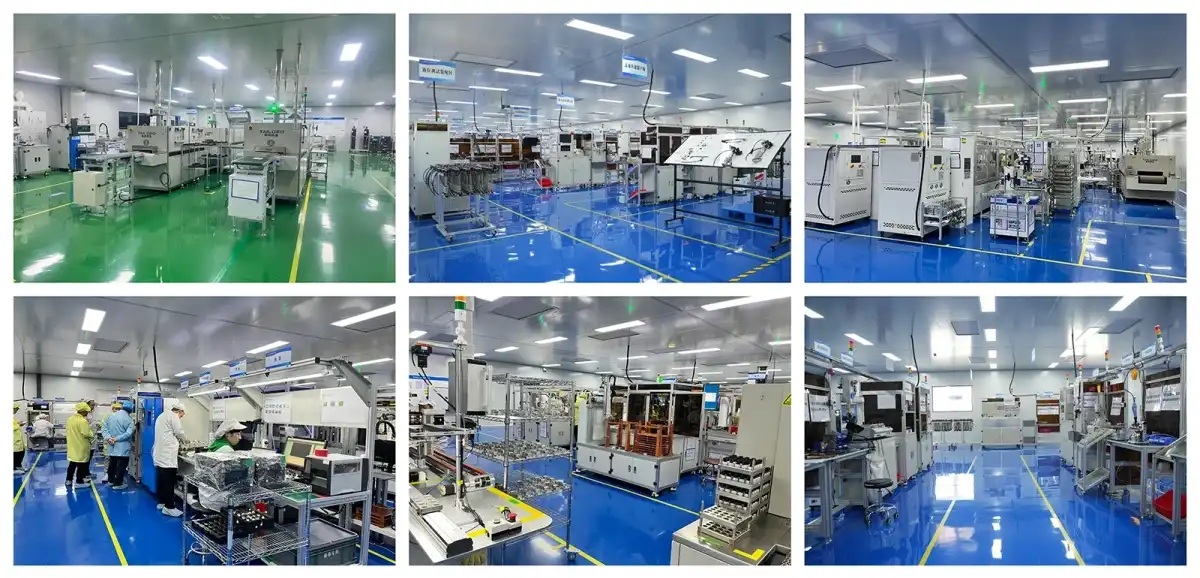
Comparing Urea Pressure Sensors to Support Purchasing Decisions
Understanding the distinctions between various SCR system sensors helps procurement professionals make informed component selection decisions. While urea pressure sensors monitor dosing system pressure, temperature sensors track DEF heating requirements, and NOx sensors measure exhaust gas concentrations. Each sensor type serves specific functions within the broader emissions control strategy, requiring different performance specifications and environmental tolerances.
Evaluating Performance Specifications
Different uses have very different accuracy standards. For example, car systems usually need accuracy within ±2%, while industrial uses may be fine with ±5%. The pressure range must match the working conditions of the system. For car uses, this range is usually 0 to 10 bar, but it can go up to 20 bar for high-pressure industrial systems. Temperature adjustment makes sure that measurements stay stable over a wide range of operating temperatures, from -40°C to +125°C.
The response time of a sensor affects how well it works in dynamic situations where pressure changes quickly. Response times for modern devices are less than 10 milliseconds, which allows for precise control even when working conditions change quickly. There are different types of signal output forms, such as analog voltage (0-5V), current loop (4-20mA), or digital communication methods that work with modern engine control systems.
Brand Comparison and Selection Criteria
Sensor technologies from well-known car suppliers have been tested and proven in a lot of real-world production situations. These companies make products that come with detailed instructions, help with applications, and worldwide service networks that make integration and regular upkeep easier. Quality licenses like ISO 9001, IATF 16949, and approvals relevant to the car business show that the product meets quality standards. New sources often offer options that are cheaper and work just as well, making them good for uses that aren't as demanding.
Long-term access promises, expert help, and production quality systems that make sure stable product quality should all be part of the evaluation process. When procurement teams look at an item, they have to weigh the starting cost against the total cost of ownership, which includes installation, upkeep, and repair.
Procurement Insights: Buying and Integrating Urea Pressure Sensors
Strategic sourcing of pressure monitoring components requires understanding global supply chain dynamics and supplier capabilities. Leading sensor manufacturers maintain production facilities across multiple regions, enabling responsive delivery and reduced logistics costs for international customers. Supplier qualification processes should evaluate manufacturing capabilities, quality systems, and technical support infrastructure to ensure long-term partnership viability.
Cost Analysis and Volume Considerations
The prices of urea dose monitors are based on how complicated they are, how accurate they need to be, and how many they are made. Basic sensors for cars usually cost between $50 and $150 each, while high-precision sensors for factories can cost more than $300, based on their features and licenses. Negotiating volume deals can save you a lot of money. For example, if you agree to buy something every year, you can often get 15–30% off the list price.
Total cost of ownership research needs to look at how hard it is to install, how often it needs to be calibrated, and how long it is expected to last. Premium sensors that last longer may be worth the extra money because they need less upkeep and can be replaced more often. Standardization across several product lines can help you save money by reducing the number of items you need to keep track of and the time it takes to train technicians.
Supply Chain Management Strategies
Managing lead times is very important when making plans for production schedules or repair work. Standard car sensors are usually delivered within 4 to 6 weeks, but sensors made to special requirements may take 12 to 16 weeks to make and test. Setting smart stocking levels helps keep the supply chain running smoothly and keeps the costs of holding on to slow-moving specialized parts to a minimum.
Diversifying your suppliers lowers the risks that come with relying on just one source. By qualifying more than one source for similar sensor requirements, you can be flexible when there are problems with quality or capacity. Logistics costs and shipping times can be cut by using regional seller networks to meet the needs of local content in different markets.
Installation and Calibration: Ensuring Reliable Sensor Performance
Proper installation procedures significantly influence sensor performance and service life in SCR applications. Preparation steps include verifying system cleanliness, checking thread compatibility, and ensuring appropriate sealing materials are available. Thread sealant selection must consider compatibility with urea chemistry and temperature requirements to prevent leakage or contamination issues, especially when installing the urea pressure sensor.
Installation Best Practices
When mounting things, it's important to pay close attention to the torque requirements that make sure the seals work right without hurting the sensor parts. If you torque something too little, it could cause pressure leaks that make measurements less accurate. If you torque something too much, it could crack the body of the sensor or change the way pressure is transmitted. These common fitting mistakes can be avoided by using accurate torque tools and following the manufacturer's instructions.
Electrical lines need to be properly sealed to keep out wetness, which can weaken signals or even cause sensors to stop working altogether. During normal car operation, the direction of the connectors should keep the stress on the wire cables to a minimum. When wire is routed correctly, it is protected from heat sources, wear and tear, and chemicals that could damage it over time.
Calibration Protocols and Maintenance
After placement, portable pressure sources and measurement tools are used for the first calibration check to confirm the accuracy of the sensor. Baseline readings help find slow shift that could mean a sensor is about to fail and serve as a point of reference for future maintenance checks. Keeping track of the results of testing is an important part of predictive maintenance plans.
Ongoing repair plans should include calibration checks that happen at regular service times or after a certain number of hours of operation. Conditions in the environment and job cycles affect how often repair needs to be done. For example, harsh service uses need to be checked more often. When calibration drift goes beyond what is considered reasonable, it means that the system needs to be replaced before its performance starts to decline.
Conclusion
Effective testing of urea pressure sensors requires systematic evaluation combining visual inspection, electrical verification, and pressure response validation. Understanding sensor technologies, failure modes, and testing methodologies enables procurement professionals to make informed decisions supporting reliable SCR system operation. Strategic sourcing considerations, including supplier qualification, cost analysis, and supply chain management contribute to successful sensor integration programs. Proper installation and calibration procedures ensure optimal performance while minimizing total ownership costs across diverse automotive and industrial applications.
FAQ
How often should urea pressure sensors be tested?
Routine testing intervals depend on application severity and environmental conditions. Automotive applications typically require annual calibration verification during scheduled maintenance. Industrial applications operating in harsh environments may benefit from semi-annual testing to detect degradation before system performance suffers. Heavy-duty applications with continuous operation should consider quarterly evaluations to maintain optimal emissions control effectiveness.
What symptoms indicate urea pressure sensor failure?
Common failure indicators include diagnostic trouble codes related to SCR system pressure, irregular dosing pump operation, and reduced NOx reduction efficiency. Physical symptoms may include visible crystallization around sensor mounting areas, corroded electrical connections, or damaged sensor housings. Performance symptoms include inconsistent urea injection patterns, frequent system warnings, or inability to maintain proper exhaust aftertreatment temperatures.
Can generic sensors replace OEM urea pressure sensors?
Generic alternatives may provide adequate performance for less demanding applications, but careful evaluation of specifications, quality certifications, and long-term support is essential. OEM sensors offer guaranteed compatibility, comprehensive validation, and established service networks. Generic options require thorough testing to verify accuracy, durability, and compliance with emission regulations before implementation in production systems.
Partner with Qintai for Premium Urea Pressure Sensor Solutions
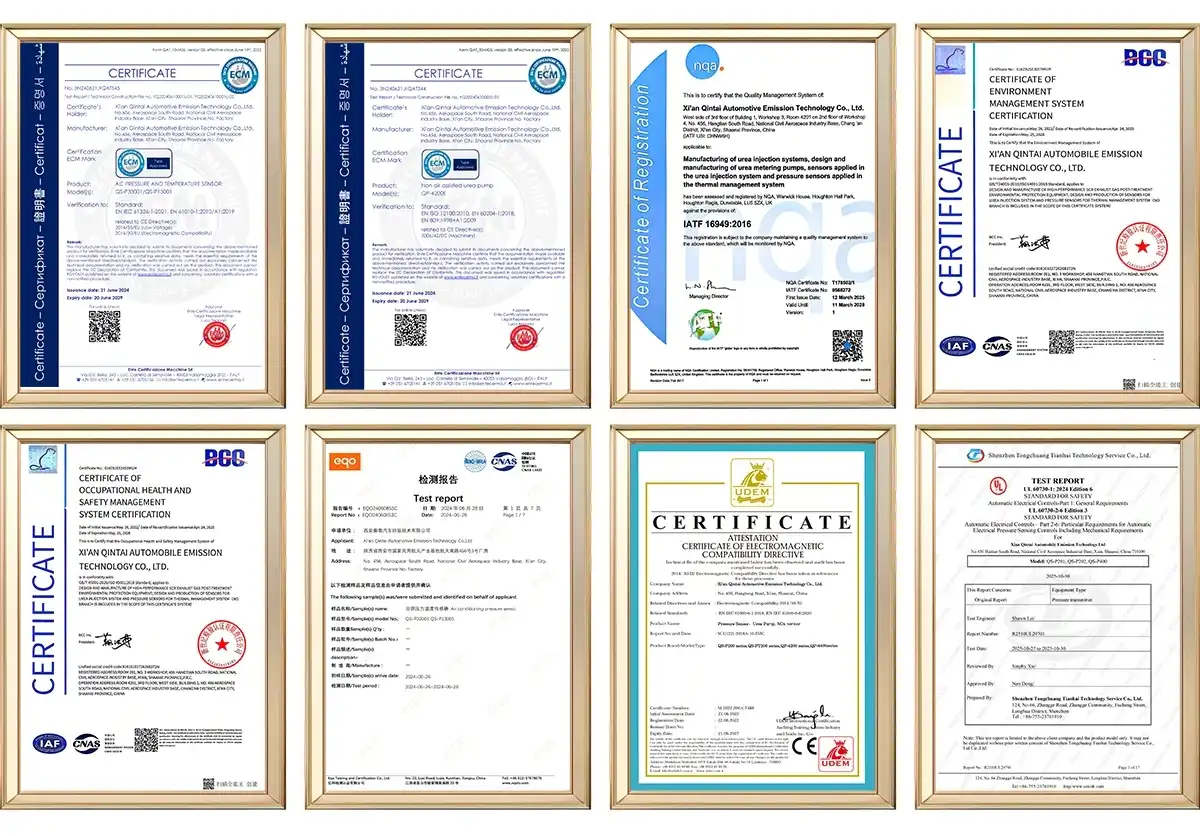
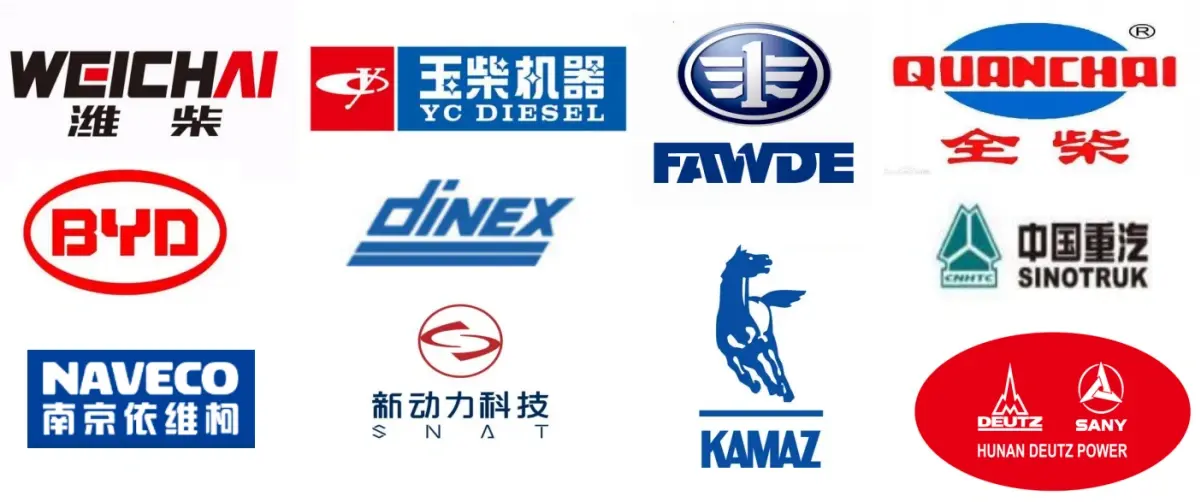
Xi'an Qintai Automotive Emission Technology delivers industry-leading sensor solutions backed by over two decades of SCR aftertreatment expertise. Our comprehensive product portfolio includes precision-engineered pressure sensors meeting stringent automotive and industrial requirements. With ISO 9001, IATF 16949, and multiple international certifications, Qintai maintains the quality standards demanded by global OEM customers including Weichai Power, Yuchai Power, and Quanchai Power.
Our independent R&D capabilities enable customized sensor solutions tailored to specific application requirements. Volume pricing, flexible delivery schedules, and comprehensive technical support ensure successful project implementation from prototype through production. As China's leading urea pressure sensor manufacturer, we offer competitive advantages in quality, cost, and service that support your procurement objectives. Contact our technical team at info@qt-sensor.com to discuss your sensor requirements and receive personalized quotations for your next project.
References
1. Society of Automotive Engineers. "Recommended Practices for Diesel Exhaust Fluid Pressure Sensor Testing and Validation." SAE International Standards Publication J2912-2019.
2. International Organization for Standardization. "Road Vehicles - Environmental Conditions and Testing for Electrical and Electronic Equipment - Part 4: Climatic Loads." ISO 16750-4:2010.
3. European Committee for Standardization. "Automotive Fuels - Diesel Exhaust Fluid (AdBlue) - Requirements and Test Methods." EN 1927:2014.
4. American Society for Testing and Materials. "Standard Test Method for Pressure Sensor Calibration and Performance Verification." ASTM F2070-18.
5. International Electrotechnical Commission. "Industrial Process Control Systems - Methods of Evaluating the Performance of Pressure Transmitters." IEC 61298-2:2008.
6. National Institute of Standards and Technology. "Guidelines for Pressure Measurement Uncertainty Analysis in Automotive Applications." NIST Technical Note 1950-2016.

Our customers’ satisfaction speaks for our quality — contact us to experience the same reliable service.