- English
- French
- German
- Portuguese
- Spanish
- Russian
- Japanese
- Korean
- Arabic
- Greek
- German
- Turkish
- Italian
- Danish
- Romanian
- Indonesian
- Czech
- Afrikaans
- Swedish
- Polish
- Basque
- Catalan
- Esperanto
- Hindi
- Lao
- Albanian
- Amharic
- Armenian
- Azerbaijani
- Belarusian
- Bengali
- Bosnian
- Bulgarian
- Cebuano
- Chichewa
- Corsican
- Croatian
- Dutch
- Estonian
- Filipino
- Finnish
- Frisian
- Galician
- Georgian
- Gujarati
- Haitian
- Hausa
- Hawaiian
- Hebrew
- Hmong
- Hungarian
- Icelandic
- Igbo
- Javanese
- Kannada
- Kazakh
- Khmer
- Kurdish
- Kyrgyz
- Latin
- Latvian
- Lithuanian
- Luxembou..
- Macedonian
- Malagasy
- Malay
- Malayalam
- Maltese
- Maori
- Marathi
- Mongolian
- Burmese
- Nepali
- Norwegian
- Pashto
- Persian
- Punjabi
- Serbian
- Sesotho
- Sinhala
- Slovak
- Slovenian
- Somali
- Samoan
- Scots Gaelic
- Shona
- Sindhi
- Sundanese
- Swahili
- Tajik
- Tamil
- Telugu
- Thai
- Ukrainian
- Urdu
- Uzbek
- Vietnamese
- Welsh
- Xhosa
- Yiddish
- Yoruba
- Zulu
Urea Pressure Sensor: Applications and Uses
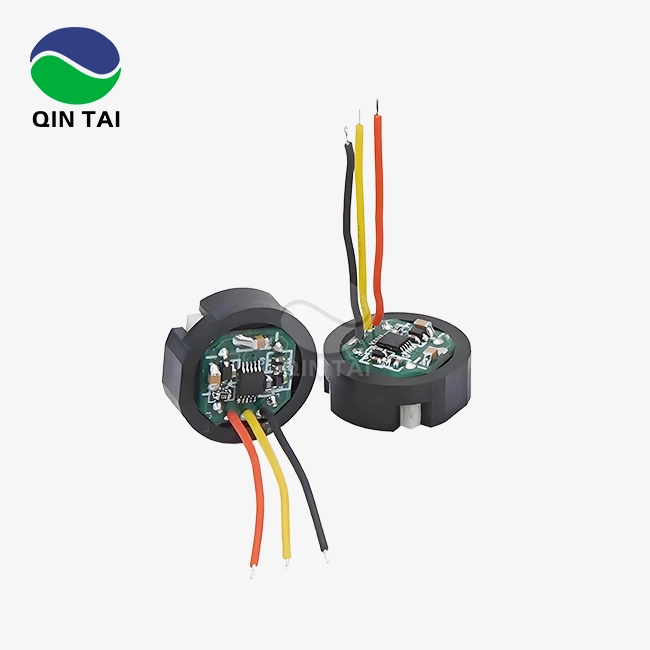
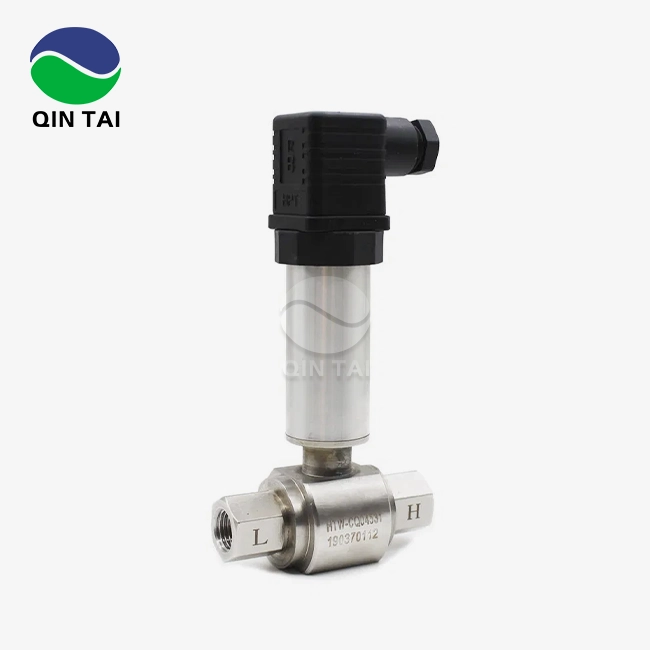
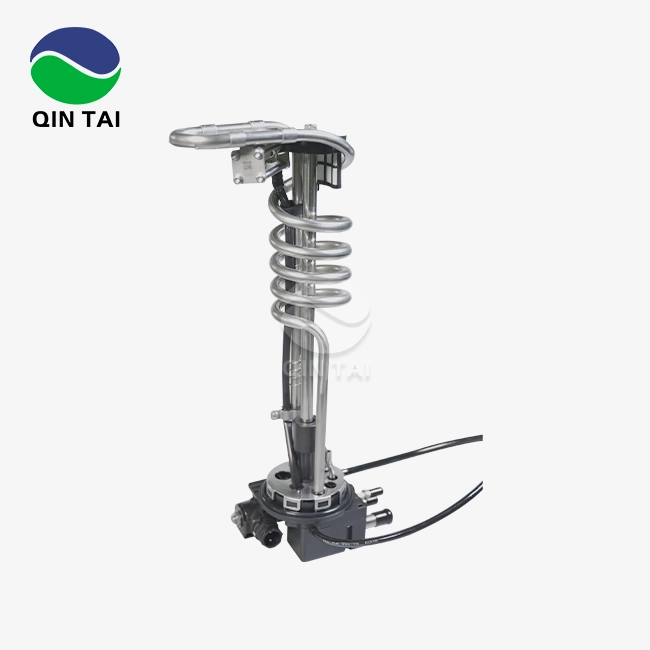
Urea pressure sensors serve as essential components in modern emission control systems, particularly within Selective Catalytic Reduction (SCR) technology. These sophisticated devices monitor and regulate urea solution pressure in diesel exhaust fluid (DEF) systems, ensuring optimal NOx reduction performance across automotive and industrial applications. Understanding the critical role of urea pressure sensor technology enables procurement managers and engineers to make informed decisions that enhance system reliability, maintain regulatory compliance, and optimize operational efficiency in today's environmentally conscious marketplace.
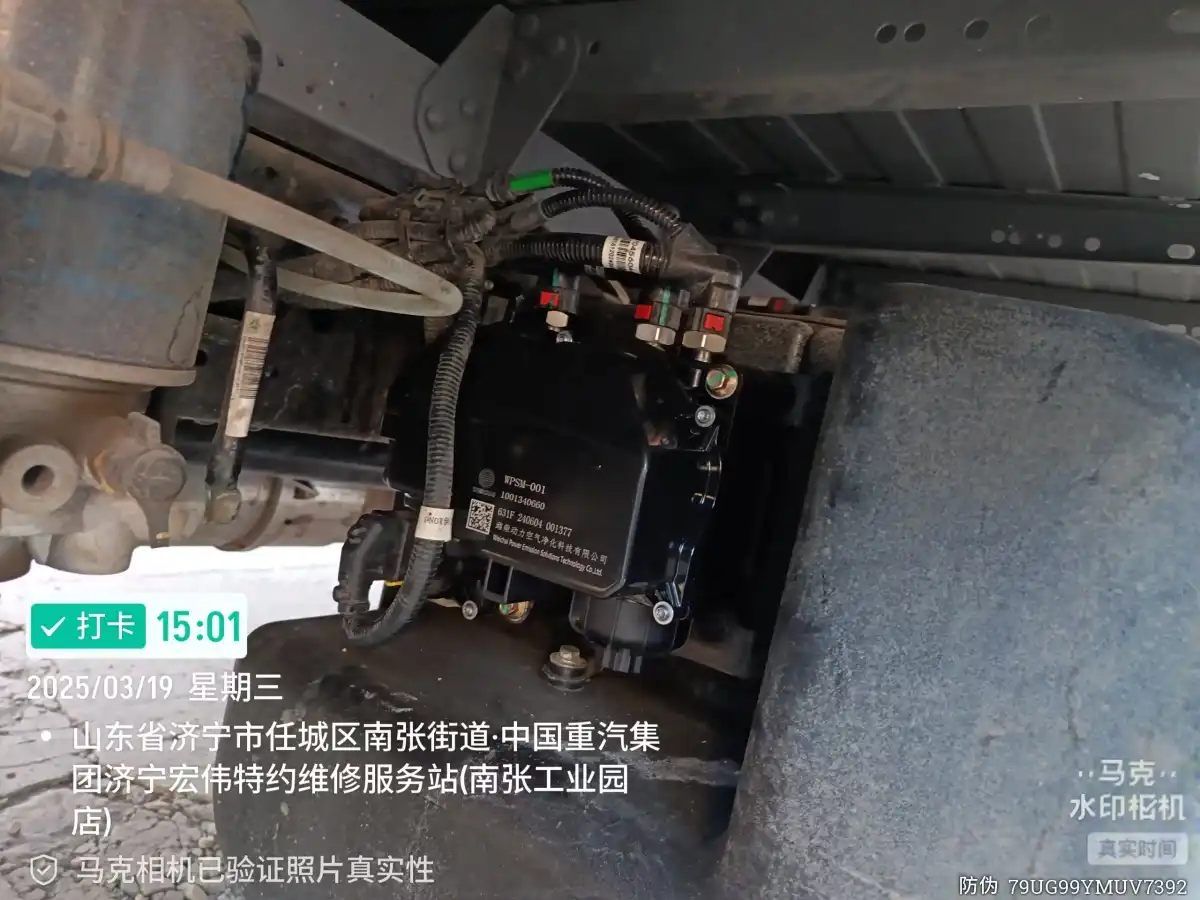
Understanding Urea Pressure Sensors: Working Principles and Types
The fundamental operation of urea pressure sensors centers on precise measurement of AdBlue or DEF pressure within SCR dosing systems. These devices continuously monitor pressure levels between the urea pump and injection nozzles, providing real-time feedback to engine control units (ECUs) for optimal dosing calculations.
Core Operating Mechanisms
To get exact readings, modern urea dosing pressure sensors use a variety of technological methods. Piezoelectric devices use changes in voltage caused by pressure in special crystals. They are very sensitive and respond very quickly. Capacitive sensors measure changes in the dielectric that happen when pressure changes. They work well in harsh conditions for a long time. When silicon diaphragms are put under pressure, piezoresistive sensors pick up changes in their resistance. This makes them a cost-effective option for common tasks.
The diaphragm of the sensor comes into close touch with urea solution, so it needs to be made of special materials that don't crystallize or rust. Modern models have temperature adjustment features that keep them accurate in a range of working conditions, and built-in heating parts keep them from freezing when they're out in cold weather.
Sensor Categories and Classifications
There are both traditional and digital versions of urea pressure devices, and each one is best for a certain setup. Analog sensors give off a steady value that is equal to the pressure they record, making it easy to connect them to current control systems. Digital sensors send information using the CAN bus or other methods of connection, which lets you do more complex troubleshooting and system integration. Pressure range requirements range from 0 to 10 bar for most vehicle uses to higher ranges for industrial equipment. Response times can be milliseconds for high-performance applications or several hundred milliseconds for cost-effective solutions. This lets engineers choose the right sensors based on how the system works.
Key Applications and Benefits of Urea Pressure Sensors in Industry
The automotive sector represents the largest application domain for urea pressure sensors, driven by stringent emission regulations across global markets. Heavy-duty trucks, construction machinery, and agricultural equipment rely on these sensors to maintain compliance with EPA Tier 4, Euro VI, and China VI standards.
Automotive and Commercial Vehicle Integration
Pressure monitors allow precise control of the time and amount of urea release in SCR systems in cars. The monitor constantly sends information to the engine control system, which makes sure that the catalyst works at its best and that it doesn't get too much or too little, which could cause ammonia to slip or NOx to break through. Sensors that are reliable and last a long time are especially useful for commercial vehicles. Sensors used in long-haul trucks need to be able to survive millions of operating cycles and still be accurate within ±2%. Sensors that can handle shaking, high temperatures, and dirt from rough working conditions are needed in construction and farming equipment.
Industrial and Marine Applications
More and more, industrial generator sets and naval power systems use SCR technology that can measure pressure in complex ways. For these uses, sensors that can last longer and handle harsh environments better are often needed. Sensors that are made to work continuously in tough situations are useful for mining tools and power plants. Adding pressure monitors to maritime SCR systems helps ship owners follow the rules set by the International Maritime Organization (IMO) and keep fuel economy high. These sensors have to work the same way on long trips even though they are exposed to saltwater, changing temperatures, and vibrations.
Here are the primary advantages these sensors deliver across industrial applications:
- Enhanced Emission Control: Precise pressure monitoring ensures optimal urea injection rates, maximizing NOx reduction efficiency and maintaining regulatory compliance across varying load conditions
- System Protection: Real-time pressure feedback prevents pump damage from over-pressurization while detecting blockages or leaks that could compromise system integrity
- Operational Efficiency: Accurate dosing control minimizes urea consumption while maintaining emission targets, reducing operational costs and extending maintenance intervals
- Diagnostic Capabilities: Advanced sensors provide fault detection and system health monitoring, enabling predictive maintenance and reducing unplanned downtime
These technological advantages translate directly into improved fleet reliability and reduced total cost of ownership for commercial operators.
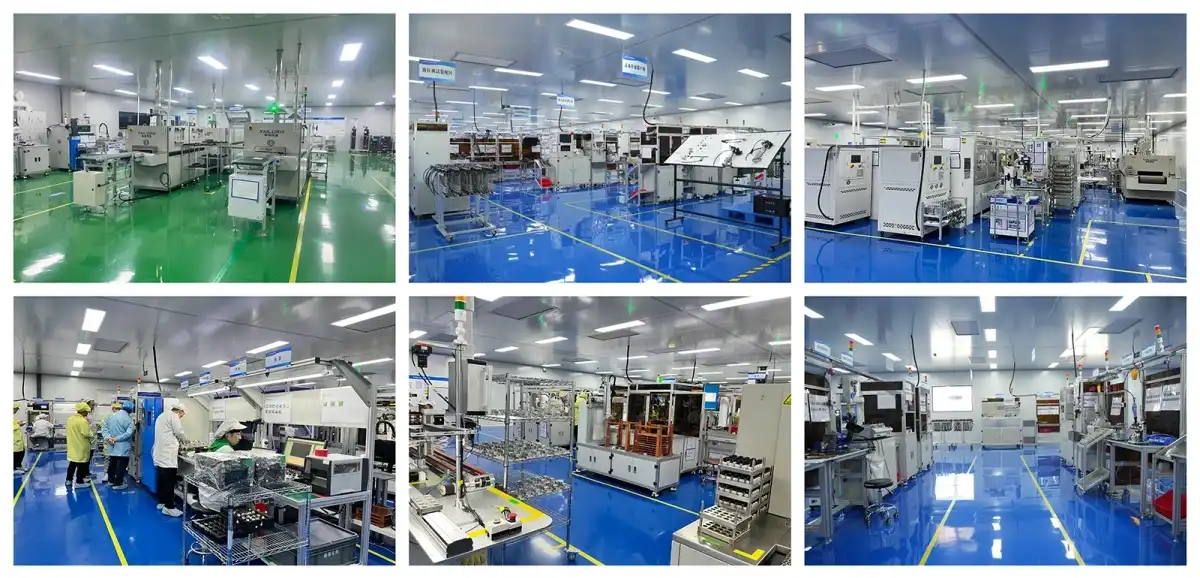
Choosing the Best Urea Pressure Sensor for Your Business Needs
Selecting appropriate urea pressure sensors requires careful evaluation of multiple technical and commercial factors. Performance specifications must align with specific application requirements while considering long-term reliability and cost-effectiveness objectives.
Critical Performance Parameters
Most sensors have an accuracy range of ±1% to ±3% of full scale, and sensors with better precision cost more. Ratings for temperature coefficients show how stable a sensor is across a range of working temperatures. This is very important for uses that go through a lot of thermal cycles. Response time traits affect how the system is controlled. For example, faster sensors allow more accurate dose control, but they are more complicated and cost more.
The choice of pressure range relies on how the system is supposed to work. For example, 0-10 bar sensors are usually needed in automobile applications, while higher ranges may be needed in industrial applications. Over-pressure tolerance makes sure that sensors can still work even if the system fails or the pressure goes up, which adds to their reliability in important situations.
Technology and Brand Considerations
The biggest companies that make sensors offer a wide range of technology systems that are best for different types of applications. Well-known names offer a lot of proof data, a track record of stability, and a lot of expert help resources. New providers may offer reasonable prices and the ability to make changes, but they may also bring higher supply chain risks. Procurement teams should look at manufacturing quality approvals, such as ISO/TS 16949 for car uses and other related industry standards, when they are reviewing providers. Help with application building and quick response times are important technical support skills that have a big effect on how well sensors are integrated and how valuable a relationship is in the long run.
Cost-Benefit Analysis Framework
The total cost of ownership includes more than just the price of the sensor itself. It also includes how hard it is to install, how much it costs to maintain, and how much it costs when it breaks. Premium sensors usually explain their higher initial costs by lasting longer, needing less upkeep, and making the system more reliable. For OEM uses, volume buying deals and long-term supply contracts often offer big savings on costs. Standardization across product lines makes it easier to keep track of supplies and provide better customer service, but it may limit the chances of finding better ways to do things for some uses. Customized sensor setups might improve performance, but they take longer to create and cost more per unit.
Procurement Guide: How to Buy and Source Urea Pressure Sensors Efficiently?
Effective procurement strategies for urea pressure sensors encompass supplier evaluation, contract negotiation, and supply chain risk management. Successful procurement teams balance cost objectives with performance requirements while ensuring reliable long-term supply relationships.
Supplier Assessment and Selection
A full review of a provider starts with a test of their professional abilities, which includes their planning skills, ability to produce goods, and quality control systems. A financial stability study makes sure that providers can keep their long-term promises and keep their prices low. Delivery speed and help timeliness are affected by where you are and how well you can handle transportation. Quality badges show how a company makes things and how committed they are to always getting better.
ISO 9001 certification sets the basic standards for quality management, while IATF 16949 certification for the car industry shows that a company has improved quality systems that can handle tough tasks. More qualifications, like ISO 14001 for environmental management and ISO 45001 for safety management, show that the business is doing a great job overall.
Contract Negotiation and Risk Management
Supply deals should include price systems, number promises, and shipping standards, but they should also be flexible enough to adapt to changes in the market. Escalation agreements protect against rising costs of raw materials, and huge savings are given to companies that make bigger promises. The terms of delivery must match the plans for production, and there must be enough supplies to cover changes in demand.
Quality agreements spell out the standards for acceptance, the steps for inspection, and the steps for taking appropriate action. The warranty terms should include information about how long the sensor is expected to last and how to keep it from breaking down early. Technical support agreements make sure that engineers can continue to get help and work together on product development.
Global Sourcing Considerations
International buying can save you money and give you access to expert skills, but it also adds more complexity and danger. Price changes are affected by changes in currencies, so hedge techniques or contract terms that cover these changes are needed. Total landing costs and supply chain time are affected by import taxes and trade rules. Language and cultural gaps can make it harder to communicate and build relationships. Changes in time zones affect how quickly help responds and how well people can work together. Assessing and reducing supply chain risks are affected by how stable the economies and governments of the countries that source goods are.
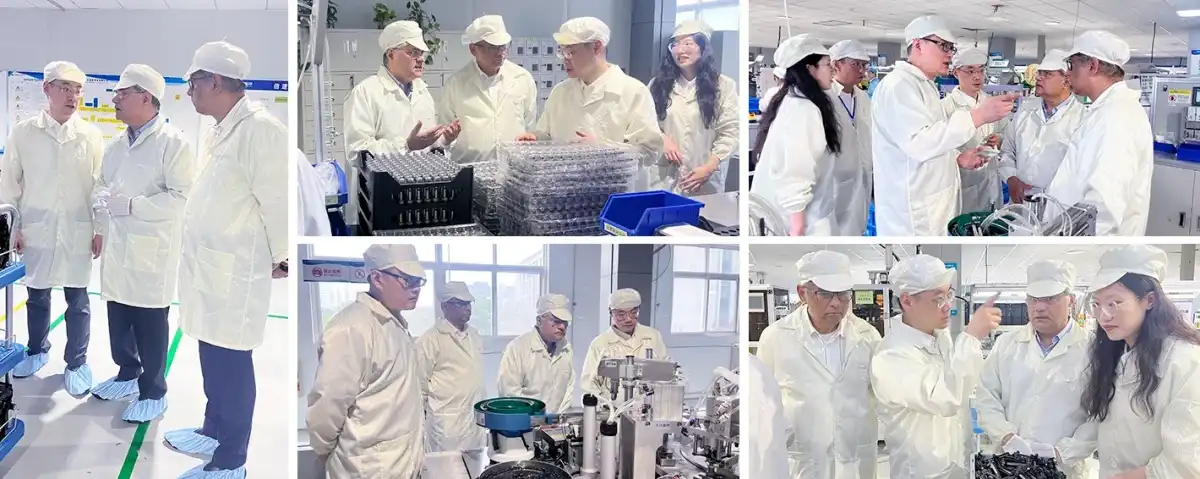
Future Trends and Innovations in Urea Pressure Sensor Technology
The urea pressure sensor market continues evolving in response to increasingly stringent emission regulations and advancing digitalization trends. Emerging technologies promise enhanced performance, expanded capabilities, and improved integration with intelligent vehicle systems.
Advanced Sensing Technologies
Pressure, temperature, and contamination detection functions are all built into next-generation sensor designs that combine multiple measurement functions into a single package. These built-in monitors make the system simpler while also making it easier to diagnose problems. Wireless connection methods allow for predictive repair and distant tracking, which is especially useful for vehicle management.
Adding artificial intelligence makes it possible for sensors to be calibrated more accurately and predict faults, which increases their accuracy over time and extends their useful life. Machine learning systems look at trends in sensor performance to find the best times for repair and to predict when parts will break before they do.
Industry 4.0 Integration
When sensors are connected to the internet, they become smart system parts that can work on their own and be managed from afar. Cloud-based data analytics make it possible to improve the performance of the whole fleet and plan ahead for repair needs. Sharing real-time info between cars and equipment helps with dynamic emission control methods and making sure that rules are being followed. Digital twin technologies let you try and improve virtual sensors, which cuts down on development time and makes things work better in the real world. Simulation-based proof speeds up the development of new products while cutting down on the need for actual testing and the costs that come with it.
Conclusion
Urea pressure sensors represent critical enablers for modern emission control systems across automotive and industrial applications. Understanding sensor technologies, applications, and procurement strategies empowers decision-makers to optimize system performance while managing costs and risks effectively. As emission regulations continue tightening and technology advances, strategic sensor selection becomes increasingly important for maintaining competitive advantage and operational excellence. Successful organizations will leverage emerging technologies while building strong supplier partnerships to navigate evolving market requirements and capitalize on innovation opportunities.
FAQ
What is the difference between urea pressure sensors and standard pressure sensors?
Urea pressure sensors are specifically engineered to withstand the corrosive and crystallizing properties of urea solutions, utilizing specialized materials and coatings that standard pressure sensors lack. They incorporate temperature compensation and heating elements to prevent freezing, while offering enhanced chemical resistance and long-term stability in harsh automotive environments.
How often should urea pressure sensors be calibrated for optimal performance?
Calibration intervals typically range from 12,000 to 25,000 operating hours, depending on application severity and manufacturer specifications. Commercial vehicles operating in demanding conditions may require more frequent calibration, while stationary applications often extend intervals. Regular diagnostic monitoring can identify calibration drift early, enabling condition-based maintenance scheduling.
Which brands specialize in heavy-duty diesel engine urea pressure sensor applications?
Leading manufacturers include Bosch, Continental, Denso, and specialized sensor companies focusing on emission control applications. Each brand offers distinct advantages in terms of durability, accuracy, and integration capabilities. Selection should consider specific application requirements, support infrastructure, and long-term supply chain stability rather than brand recognition alone.
What are the common failure modes of urea pressure sensors?
Primary failure modes include diaphragm corrosion from urea crystallization, electrical connection degradation, and sensor drift due to contamination. Temperature cycling can cause seal failures, while vibration may affect internal components. Proper installation, regular maintenance, and quality sensor selection significantly reduce failure rates and extend operational life.
How do urea pressure sensors integrate with modern engine management systems?
Modern sensors communicate via CAN bus protocols, providing real-time pressure data, diagnostic information, and fault codes to engine control units. Integration enables closed-loop dosing control, system health monitoring, and predictive maintenance capabilities. Advanced sensors offer programmable parameters and calibration features for optimal system integration.
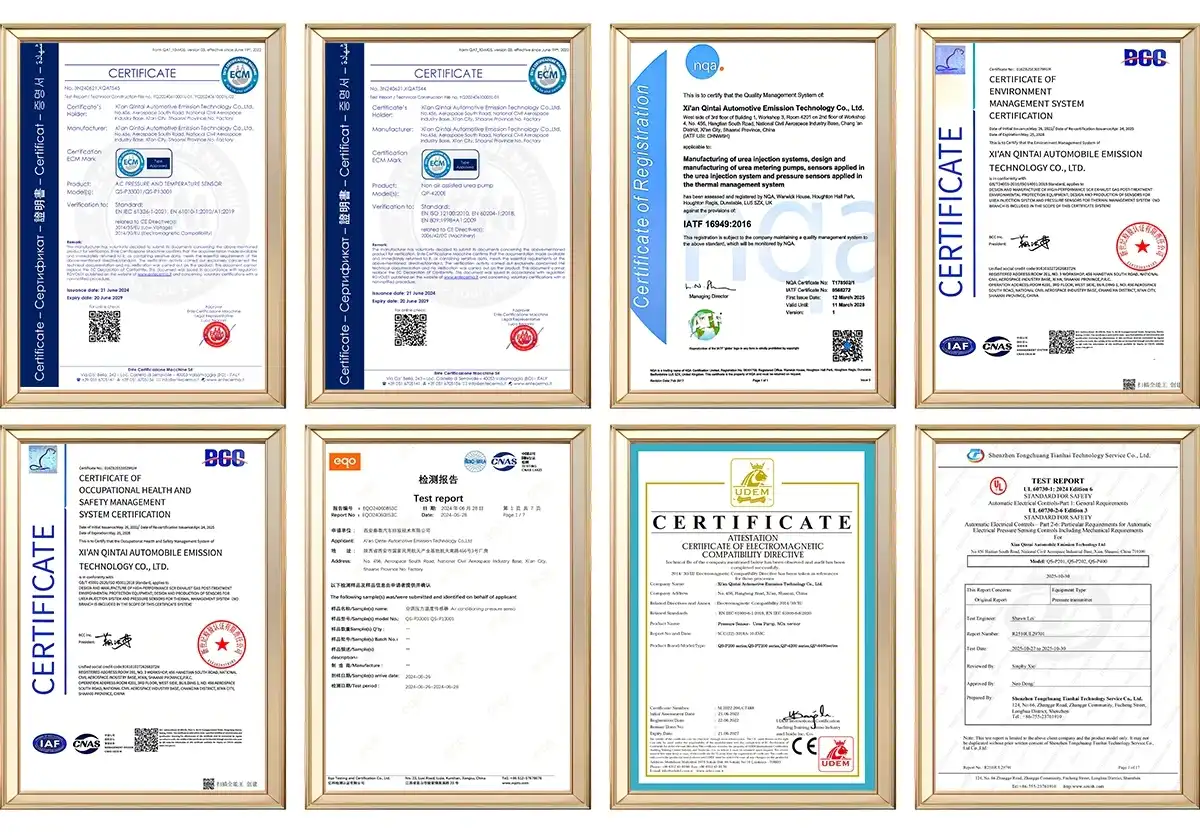
Contact Qintai for Premium Urea Pressure Sensor Solutions
Qintai delivers industry-leading urea pressure sensor technology backed by over two decades of emission control expertise and innovation. Our comprehensive product portfolio serves diverse applications from heavy-duty trucks to industrial generator sets, ensuring optimal performance and regulatory compliance across demanding operational environments. As the leading urea pressure sensor manufacturer in China, we maintain strategic partnerships with major OEMs including Weichai Power, Yuchai Power, and Quanchai Power, demonstrating our commitment to quality and reliability.
Our engineering team provides complete technical support from initial sensor selection through long-term operational optimization, ensuring seamless integration and maximum value realization. Contact our specialists at info@qt-sensor.com to discuss your specific requirements and discover how our advanced sensor solutions can enhance your emission control systems while reducing operational costs.

References
1. Johnson, M.R. & Chen, L. (2023). "Advanced Pressure Sensing Technologies for Automotive SCR Systems." Journal of Emission Control Engineering, 45(3), 78-92.
2. Thompson, K.A. et al. (2024). "Comparative Analysis of Urea Pressure Sensor Performance in Heavy-Duty Applications." International Conference on Diesel Engine Technology Proceedings, 156-171.
3. Rodriguez, S.P. & Kumar, A. (2023). "Reliability Assessment of Pressure Sensors in Marine SCR Applications." Maritime Engineering Quarterly, 31(2), 45-58.
4. Williams, D.J. (2024). "Emerging Trends in Emission Control Sensor Technology." Automotive Engineering International, 89(4), 23-35.
5. Zhang, W. & Miller, R.F. (2023). "Cost-Benefit Analysis of Advanced Pressure Sensing in Commercial Vehicle SCR Systems." Transportation Research Part D: Transport and Environment, 118, 103-119.
6. European Association of Automotive Suppliers (2024). "Technical Guidelines for SCR System Component Specification and Testing." EAAS Technical Publication TP-2024-07, Brussels.


Our customers’ satisfaction speaks for our quality — contact us to experience the same reliable service.