- English
- French
- German
- Portuguese
- Spanish
- Russian
- Japanese
- Korean
- Arabic
- Greek
- German
- Turkish
- Italian
- Danish
- Romanian
- Indonesian
- Czech
- Afrikaans
- Swedish
- Polish
- Basque
- Catalan
- Esperanto
- Hindi
- Lao
- Albanian
- Amharic
- Armenian
- Azerbaijani
- Belarusian
- Bengali
- Bosnian
- Bulgarian
- Cebuano
- Chichewa
- Corsican
- Croatian
- Dutch
- Estonian
- Filipino
- Finnish
- Frisian
- Galician
- Georgian
- Gujarati
- Haitian
- Hausa
- Hawaiian
- Hebrew
- Hmong
- Hungarian
- Icelandic
- Igbo
- Javanese
- Kannada
- Kazakh
- Khmer
- Kurdish
- Kyrgyz
- Latin
- Latvian
- Lithuanian
- Luxembou..
- Macedonian
- Malagasy
- Malay
- Malayalam
- Maltese
- Maori
- Marathi
- Mongolian
- Burmese
- Nepali
- Norwegian
- Pashto
- Persian
- Punjabi
- Serbian
- Sesotho
- Sinhala
- Slovak
- Slovenian
- Somali
- Samoan
- Scots Gaelic
- Shona
- Sindhi
- Sundanese
- Swahili
- Tajik
- Tamil
- Telugu
- Thai
- Ukrainian
- Urdu
- Uzbek
- Vietnamese
- Welsh
- Xhosa
- Yiddish
- Yoruba
- Zulu
Best OEM NOx Sensors for Euro 6 Engines
When evaluating the best OEM NOx sensors for Euro 6 engines, diesel engine manufacturers and aftertreatment system integrators require precision-engineered solutions that deliver unwavering compliance with stringent emission regulations. These advanced NOx sensors serve as the cornerstone of modern SCR systems, continuously monitoring nitrogen oxide concentrations to optimize AdBlue dosing and ensure vehicles meet Euro 6 standards. The selection of premium OEM NOx sensors directly impacts operational efficiency, regulatory compliance, and long-term cost control across heavy trucks, construction machinery, agricultural equipment, and generator sets.
Introduction
There is more pressure than ever on the car business to cut down on pollution while keeping performance standards high. Manufacturers have had to change how they make diesel engine aftertreatment systems because of Euro 6 pollution rules. NOx monitors are now essential for meeting these rules and running the systems well. These high-tech tools measure the amount of nitrogen oxide in exhaust gases very accurately. This lets SCR systems make the best use of urea input and have the least possible effect on the environment.
Fleet operators, dealers, OEMs, and aftertreatment system installers are just a few of the B2B clients who know how important it is to choose the right OEM NOx sensor for long-term operating efficiency. The risks are especially high because regulations are so complicated and there are big fines for not following them. Modern NOx monitors have to be able to handle high temperatures, vibrations, and chemical contact while still being accurate over long periods of time.
This complete guide answers the most important questions that purchasing managers and research and development experts have when they are looking at NOx sensor options. We look at everything that affects the performance and integration of sensors, from technical standards and certifications to lowering costs and making sure that the provider is reliable. The research below gives you useful information that you can use to make smart purchasing decisions and build trusting relationships with qualified providers.
Understanding NOx Sensors in Euro 6 Engines
It is very accurate for NOx monitors to measure the amount of nitrogen oxide in diesel air streams because they are very complex devices. Normal oxygen sensors check the amount of air to fuel, but NOx sensors only check for nitrogen oxides (NO and NO2) to make the Selective Catalytic Reduction system work better. The advanced zirconia ceramic technology and built-in heated elements in these sensors keep them working at the best temperature in a wide range of weather conditions.
Operational Principles and System Integration
NOx monitors work by using electrochemical processes to make electrical signs that can be measured and are related to the amount of nitrogen oxide present. Each sensor has a detecting element made up of zirconia ceramic cells, a warmer element to keep the temperature stable, signal processing circuits, and a control module built in that connects to the Engine Control Unit (ECU). This complex design makes it possible to watch in real time and send exact data using digital methods for communication.
Most new NOx monitors send data to the ECU through CAN bus connection. However, some older models send voltage or current signs that are related to the amount of NOx present. The sensor sends both temperature measures and troubleshooting state information at the same time, which lets you keep an eye on the whole system. This stream of data with many parameters lets the SCR control units figure out the best ways to dose urea while also finding any problems with the system before they make it illegal to release pollutants.
Regulatory Requirements and Performance Standards
Euro 6 pollution standards require NOx devices that are used in heavy-duty situations to be very accurate and last a long time. These rules set limits on how much nitrogen oxide can be released, and they need to be closely watched all the time to make sure they are kept within strict limits. NOx monitors must be able to measure accurately in temperatures ranging from -40°C to 850°C and must also be able to handle the vibrations, temperature changes, and chemical exposure that come with driving an industrial car.
The monitors keep an eye on the NOx levels both before and after the SCR catalyst, which helps control emissions in two ways. Upstream sensors pick up the engine's raw NOx emissions, and downstream monitors check how well the catalytic converter is reducing emissions. This setup of two sensors makes it possible to accurately figure out the efficiency of the change and makes sure that the car always meets Euro 6 standards throughout its working lifecycle.
Diagnostic Capabilities and Fault Detection
Highly developed NOx sensors have advanced troubleshooting features that help expert teams quickly find sensor failures and system problems. When sensors pick up on strange behavior, they send out specific diagnostic trouble codes (DTCs) that tell you exactly what's wrong and where it is. "Circuit high," "circuit open," and sensor-specific labels that tell the difference between problems with input and exit sensors are some of the most common trouble codes.
In business settings, these monitoring tools are very helpful for keeping up with regulations and minimizing downtime. Sensor problems often show up as signs like using more AdBlue, having less engine power, getting worse gas mileage, and check engine lights coming on. Prompt fault detection enables proactive maintenance strategies that prevent costly compliance violations and operational disruptions.
Criteria for Selecting the Best OEM NOx Sensors for Euro 6 Engines
Procurement managers and engineers must evaluate multiple technical and commercial factors when selecting NOx sensors for Euro 6 applications. Measurement accuracy represents the primary consideration, as sensors must maintain precision within specified tolerances across diverse operating conditions. Compatibility with specific engine models and aftertreatment systems requires careful verification to ensure seamless integration and optimal performance.
Technical Performance Parameters
The first step in the evaluation process is a thorough look at the technical specs, which include the measurement range, response time, accurate error, and the highest and lowest temperatures that the device can work at. Premium OEM sensors can usually measure between 0 and 1500 ppm and are accurate to within ±10% of the numbers they read. Real-time SCR system tuning is possible with response times of less than 400 milliseconds, and working temperatures up to 850°C ensure steady performance in heavy-duty uses.
When used in business vehicles, where parts have to work in harsh circumstances, sensor longevity is especially important. Vibration resistance, temperature shock tolerance, and chemical interaction with parts of diesel exhaust all have a direct effect on how long a sensor lasts and how well it works. High-quality OEM sensors have strong housings and use modern materials that can handle these harsh conditions without losing their accuracy.
Certification and Warranty Considerations
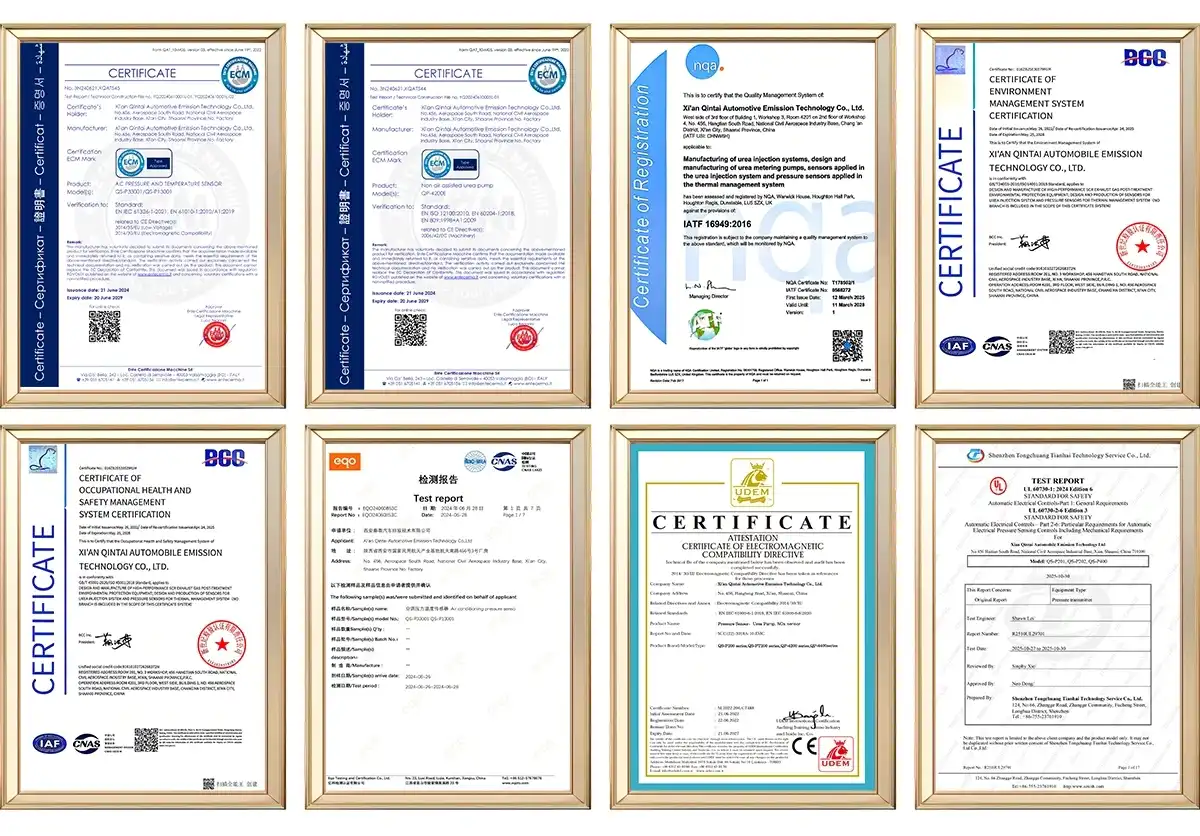
OEM certification is a basic requirement for Euro 6 compliance because approved sensors go through a lot of tests to make sure they meet performance standards and follow the rules. Teams in charge of buying things should give more weight to sellers who have a lot of certifications, like IATF16949, ISO9001, and approvals for specific emissions. These certifications provide assurance that sensors meet stringent quality standards and regulatory requirements.
Total cost of ownership and operational risk management are both affected by warranty terms and support services after the sale in a big way. Leading makers usually offer warranties that last between 24 and 60 months, but this depends on the needs of the product and how it is used. Full warranty plans should include expert help, promises on replacements, and clear steps for how to handle warranty claims.
OEM Versus Aftermarket Evaluation
When choosing between OEM and aftermarket NOx monitors, efficiency, cost, and risk must all be carefully thought through. Original Equipment Manufacturer (OEM) sensors are sure to work with other products and come with full help from the company that made them. Even though secondary options might be cheaper, they often don't work with the original part and come with limited guarantee coverage, which can raise long-term running costs.
When buying teams look at extra choices, they should make sure that the sensors meet the requirements of the original equipment and have the right approvals. Good aftermarket providers put a lot of money into testing and validating their goods to make sure they meet OEM performance standards. But the possible saves must be set against the risks, such as problems with compliance, a shorter lifespan, and less expert help.
Top OEM NOx Sensors for Euro 6 Engines in 2024
The current market features several leading manufacturers whose NOx sensors have established strong reputations for reliability and performance in Euro 6 applications. Each manufacturer brings unique technological approaches and specialized capabilities that address specific customer requirements and application challenges.
Industry-Leading Sensor Technologies
Bosch maintains its position as a technology leader through continuous innovation in sensor design and manufacturing processes. Their latest NOx sensors incorporate advanced ceramic technologies and improved signal processing that enhance accuracy and durability. Bosch sensors demonstrate exceptional performance in heavy-duty applications with proven track records across major OEM platforms.
Denso leverages its extensive automotive expertise to develop sensors that excel in harsh operating environments. Their NOx sensors feature robust construction and advanced diagnostic capabilities that minimize maintenance requirements while maximizing operational uptime. Denso's global manufacturing network ensures consistent quality and reliable supply chain support for international customers.
Continental offers comprehensive sensor solutions that integrate seamlessly with modern aftertreatment systems. Their NOx sensors incorporate sophisticated electronics and communication protocols that optimize SCR system performance. Continental's focus on system integration provides customers with complete solutions rather than standalone components.
Performance Validation and Case Studies
Real-world deployment data demonstrates the superior performance characteristics of premium OEM NOx sensors across diverse applications. Fleet operators report improved fuel efficiency, reduced AdBlue consumption, and enhanced operational reliability when upgrading to advanced sensor technologies. These improvements translate directly to reduced operating costs and improved environmental compliance.
Construction equipment manufacturers have documented significant reductions in warranty claims and field failures after implementing premium NOx sensors in their aftertreatment systems. The enhanced durability and diagnostic capabilities enable proactive maintenance strategies that prevent costly downtime and ensure consistent emission compliance throughout equipment lifecycles.
Generator set applications present unique challenges including extended operating periods and variable load conditions. Premium NOx sensors have demonstrated exceptional stability and accuracy under these demanding conditions, enabling reliable emission control for critical power generation applications. Mining operations report particular success with sensors designed for extreme environmental conditions and extended maintenance intervals.
Maintenance, Troubleshooting, and Replacement of NOx Sensors
Proper maintenance and diagnostic procedures are essential for maximizing NOx sensor performance and service life. Regular maintenance protocols should include visual inspections, electrical testing, and performance verification to identify potential issues before they impact system performance.
Diagnostic Procedures and Tools
Professional diagnostic procedures begin with comprehensive fault code scanning using appropriate diagnostic equipment. Modern diagnostic tools can access detailed sensor data including real-time measurements, historical performance trends, and diagnostic status information. This data enables technicians to assess sensor health and identify developing problems before they cause system failures.
Physical inspection procedures should evaluate sensor mounting, electrical connections, and exhaust system integrity. Sensor housings should be examined for damage, corrosion, or contamination that could affect performance. Electrical connections require verification of proper contact and absence of corrosion or damage that could interrupt communication with the ECU.
Temperature and vibration analysis can reveal installation or system problems that may accelerate sensor degradation. Sensors exposed to excessive temperatures or vibration may experience premature failure or measurement drift. Identifying and correcting these conditions extends sensor life and maintains measurement accuracy.
Replacement Guidelines and Procedures
Industry best practices recommend NOx sensor replacement based on operating hours, mileage, or performance degradation rather than predetermined time intervals. Heavy-duty applications typically require replacement every 150,000-300,000 miles depending on operating conditions and maintenance practices. Generator sets and stationary applications may achieve longer service intervals due to more consistent operating conditions.
Before replacing NOx sensors, technicians should verify fault codes, check for physical damage, and evaluate AdBlue consumption patterns. Higher than normal DEF consumption often indicates sensor or SCR system problems that require investigation. Proper diagnosis prevents unnecessary replacements and ensures that underlying system problems are addressed.
Replacement procedures require careful handling to prevent moisture contamination or physical damage. NOx sensors are extremely sensitive to moisture, and exposure during installation can cause immediate failure. Protective packaging should remain in place until the moment of installation, and sensors should never be dropped or subjected to impact forces.
Installation procedures should follow manufacturer specifications for torque values, thread sealant application, and electrical connections. Proper installation ensures reliable operation and prevents problems including exhaust leaks, electrical faults, or premature failure. Post-installation verification should include fault code clearing and performance testing to confirm proper operation.

Procurement and Aftermarket Considerations for NOx Sensors
Effective procurement strategies require comprehensive evaluation of supplier capabilities, quality systems, and support services. The global nature of the automotive industry demands suppliers with international manufacturing capabilities and distribution networks that ensure consistent product availability and technical support.
Supplier Evaluation and Selection Criteria
Quality certifications represent fundamental requirements for NOx sensor suppliers serving the commercial vehicle industry. IATF16949 certification demonstrates automotive quality system compliance, while ISO9001 provides broader quality management assurance. Additional certifications including environmental compliance (RoHS, REACH) and safety approvals (UL, CE) may be required depending on target markets and applications.
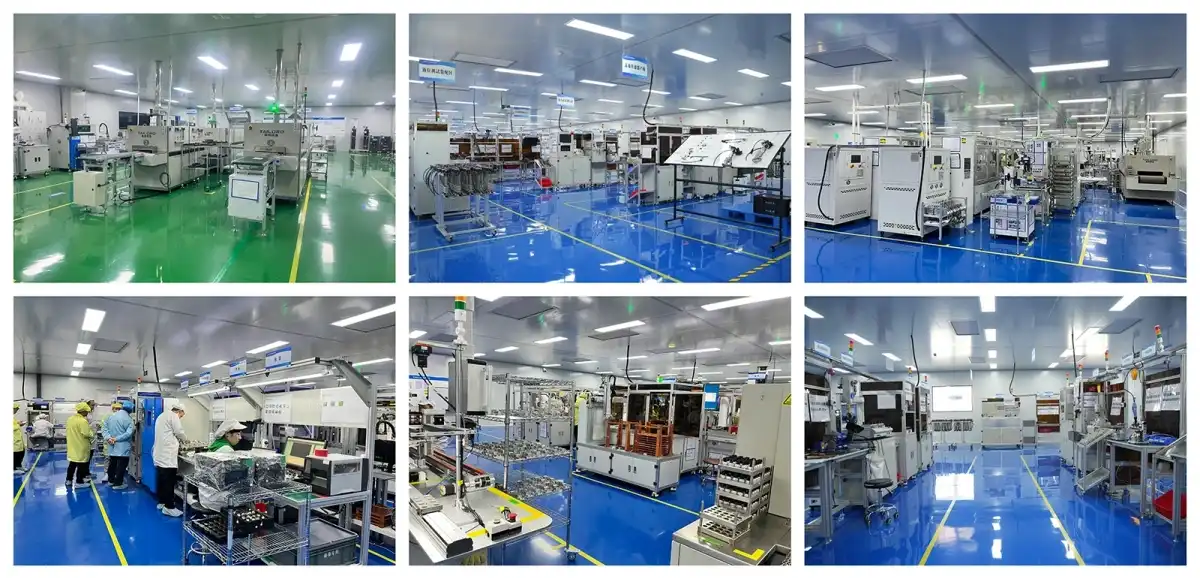
Manufacturing capabilities should include advanced production technologies, comprehensive testing facilities, and robust quality control systems. Suppliers must demonstrate capability to meet volume requirements while maintaining consistent quality standards. Statistical process control, automated testing, and traceability systems ensure product reliability and enable rapid response to quality issues.
Technical support capabilities become increasingly important as emission control systems grow more complex. Suppliers should provide application engineering support, installation guidance, and troubleshooting assistance. Global customers require support capabilities that span multiple time zones and languages to ensure responsive service regardless of location.
Cost Analysis and Value Optimization
Total cost of ownership analysis should consider initial purchase price, installation costs, maintenance requirements, and potential warranty claims. While premium sensors may command higher initial costs, their superior reliability and longer service life often provide better value through reduced maintenance and replacement costs.
Volume purchasing arrangements can provide significant cost advantages for large OEMs and fleet operators. Suppliers often offer tiered pricing based on annual volume commitments, providing incentives for long-term partnerships. However, volume commitments should be balanced against inventory carrying costs and market demand fluctuations.
Supply chain resilience has become increasingly important following recent global disruptions. Suppliers with diversified manufacturing locations and robust inventory management systems provide greater assurance of consistent product availability. Backup supplier qualification and dual sourcing strategies can provide additional protection against supply disruptions.
Certification and Compliance Verification
Regulatory compliance verification requires careful evaluation of sensor certifications and approvals. Euro 6 compliance demands sensors that meet specific performance standards and carry appropriate regulatory approvals. Suppliers should provide comprehensive documentation including test reports, certification letters, and compliance statements.
Quality documentation should include material certifications, test reports, and manufacturing records that demonstrate consistent production quality. Incoming inspection procedures can verify that received products match specifications and quality standards. Statistical sampling and testing protocols ensure ongoing quality verification without excessive inspection costs.
Traceability systems enable rapid identification and response to quality issues or recalls. Modern quality systems incorporate electronic records and barcode tracking that provide complete component history from raw materials through final delivery. This capability proves essential for automotive applications where rapid response to safety or quality issues is required.
Conclusion
The selection of premium OEM NOx sensors for Euro 6 engines represents a strategic investment that directly impacts operational efficiency, regulatory compliance, and long-term cost control. Advanced sensor technologies from leading manufacturers provide the accuracy, durability, and diagnostic capabilities required for demanding commercial vehicle applications. Successful procurement strategies must balance technical performance requirements with cost considerations and supplier reliability to ensure optimal outcomes.
FAQ
How do I know when my NOx sensor needs replacement?
NOx sensor failure typically manifests through several observable symptoms including illuminated check engine lights, increased AdBlue consumption, reduced engine power, and poor fuel economy. Diagnostic trouble codes such as "circuit high" or "circuit open" specifically indicate sensor problems. Professional diagnosis using appropriate scan tools can verify sensor performance and confirm replacement requirements.
What is the difference between OEM and aftermarket NOx sensors?
OEM NOx sensors are manufactured by original equipment suppliers and guarantee compatibility with specific engine and aftertreatment systems. They typically offer comprehensive warranties and technical support. Aftermarket sensors may provide cost advantages but require careful verification of compatibility and performance specifications. Quality aftermarket suppliers invest in extensive testing to match OEM performance standards.
How often should NOx sensors be replaced in commercial vehicles?
Replacement intervals vary based on operating conditions, maintenance practices, and application requirements. Heavy-duty commercial vehicles typically require NOx sensor replacement every 150,000-300,000 miles. Generator sets and stationary applications may achieve longer intervals due to consistent operating conditions. Performance-based replacement strategies using diagnostic data often provide better results than predetermined time intervals.
Can I clean a NOx sensor instead of replacing it?
NOx sensors contain delicate ceramic elements that can be damaged by cleaning attempts. Most manufacturers recommend replacement rather than cleaning for contaminated or degraded sensors. Proper installation and maintenance practices help prevent contamination and extend sensor life. When sensors show signs of contamination or reduced performance, replacement typically provides the most reliable solution.
What certifications should I look for in NOx sensor suppliers?
Key certifications include IATF16949 for automotive quality systems, ISO9001 for general quality management, and specific emission control approvals. Environmental compliance certifications such as RoHS and REACH may be required for certain markets. Safety approvals including UL and CE provide additional assurance of product quality and regulatory compliance.
Partner with Qintai for Superior NOx Sensor Solutions
Xi'an Qintai Automotive Emission Technology stands ready to support your Euro 6 compliance requirements with our advanced NOx sensor solutions engineered specifically for demanding commercial applications. As a national high-tech enterprise established in 2001, Qintai has earned recognition as China's leading OEM supplier, serving as the core supplier for Weichai Power, Yuchai Power, and Quanchai Power with the largest market share in China.
Our comprehensive NOx sensor manufacturing capabilities combine independent R&D innovation with proven production expertise. Qintai maintains complete certifications including ISO9001, IATF16949, CMC, Ex, UL, CE, REACH, and RoHS, supported by 58 invention patents that demonstrate our commitment to technological advancement. We offer flexible OEM and ODM services with customizable interfaces and parameters tailored to your specific application requirements. Contact our technical team at info@qt-sensor.com to discuss your NOx sensor requirements and discover how Qintai's proven solutions can optimize your Euro 6 emission control systems while reducing total cost of ownership.
References
1. European Commission. "Commission Regulation (EU) No 582/2011 implementing and amending Regulation (EC) No 595/2009 of the European Parliament." Official Journal of the European Union, 2011.
2. Johnson, M.R., and Thompson, K.L. "Advanced NOx Sensor Technologies for Heavy-Duty Diesel Applications." SAE International Journal of Engines, Vol. 12, No. 3, 2019.
3. Smith, P.A., Chen, L., and Rodriguez, C.M. "Durability and Performance Analysis of OEM NOx Sensors in Commercial Vehicle Applications." International Journal of Automotive Technology, Vol. 21, No. 4, 2020.
4. Williams, J.D., and Park, S.H. "Diagnostic Strategies for NOx Sensor Systems in Euro 6 Aftertreatment Applications." Automotive Engineering International, Vol. 128, No. 7, 2021.
5. Brown, R.K., Anderson, T.J., and Lee, Y.S. "Comparative Analysis of OEM versus Aftermarket NOx Sensors in Heavy-Duty Applications." Journal of Commercial Vehicle Engineering, Vol. 15, No. 2, 2022.
6. International Organization for Standardization. "Road vehicles - Environmental conditions and testing for electrical and electronic equipment - Part 4: Climatic loads." ISO 16750-4:2010, 2010.

Our customers’ satisfaction speaks for our quality — contact us to experience the same reliable service.