- English
- French
- German
- Portuguese
- Spanish
- Russian
- Japanese
- Korean
- Arabic
- Greek
- German
- Turkish
- Italian
- Danish
- Romanian
- Indonesian
- Czech
- Afrikaans
- Swedish
- Polish
- Basque
- Catalan
- Esperanto
- Hindi
- Lao
- Albanian
- Amharic
- Armenian
- Azerbaijani
- Belarusian
- Bengali
- Bosnian
- Bulgarian
- Cebuano
- Chichewa
- Corsican
- Croatian
- Dutch
- Estonian
- Filipino
- Finnish
- Frisian
- Galician
- Georgian
- Gujarati
- Haitian
- Hausa
- Hawaiian
- Hebrew
- Hmong
- Hungarian
- Icelandic
- Igbo
- Javanese
- Kannada
- Kazakh
- Khmer
- Kurdish
- Kyrgyz
- Latin
- Latvian
- Lithuanian
- Luxembou..
- Macedonian
- Malagasy
- Malay
- Malayalam
- Maltese
- Maori
- Marathi
- Mongolian
- Burmese
- Nepali
- Norwegian
- Pashto
- Persian
- Punjabi
- Serbian
- Sesotho
- Sinhala
- Slovak
- Slovenian
- Somali
- Samoan
- Scots Gaelic
- Shona
- Sindhi
- Sundanese
- Swahili
- Tajik
- Tamil
- Telugu
- Thai
- Ukrainian
- Urdu
- Uzbek
- Vietnamese
- Welsh
- Xhosa
- Yiddish
- Yoruba
- Zulu
NOx Sensor vs O2 Sensor: What’s the Difference?
The primary difference between NOx sensors and O2 sensors lies in their specific monitoring functions within emission control systems. A NOx sensor measures nitrogen oxide concentrations in exhaust gases to optimize SCR (Selective Catalytic Reduction) systems and ensure compliance with stringent emission standards like Euro VI and EPA regulations. In contrast, O2 sensors monitor oxygen levels to regulate air-fuel ratios for optimal combustion efficiency. While both sensors are essential for emission control, the NOx sensor specifically targets nitrogen oxide reduction in diesel engines, whereas O2 sensors primarily focus on fuel efficiency optimization across both diesel and gasoline applications.
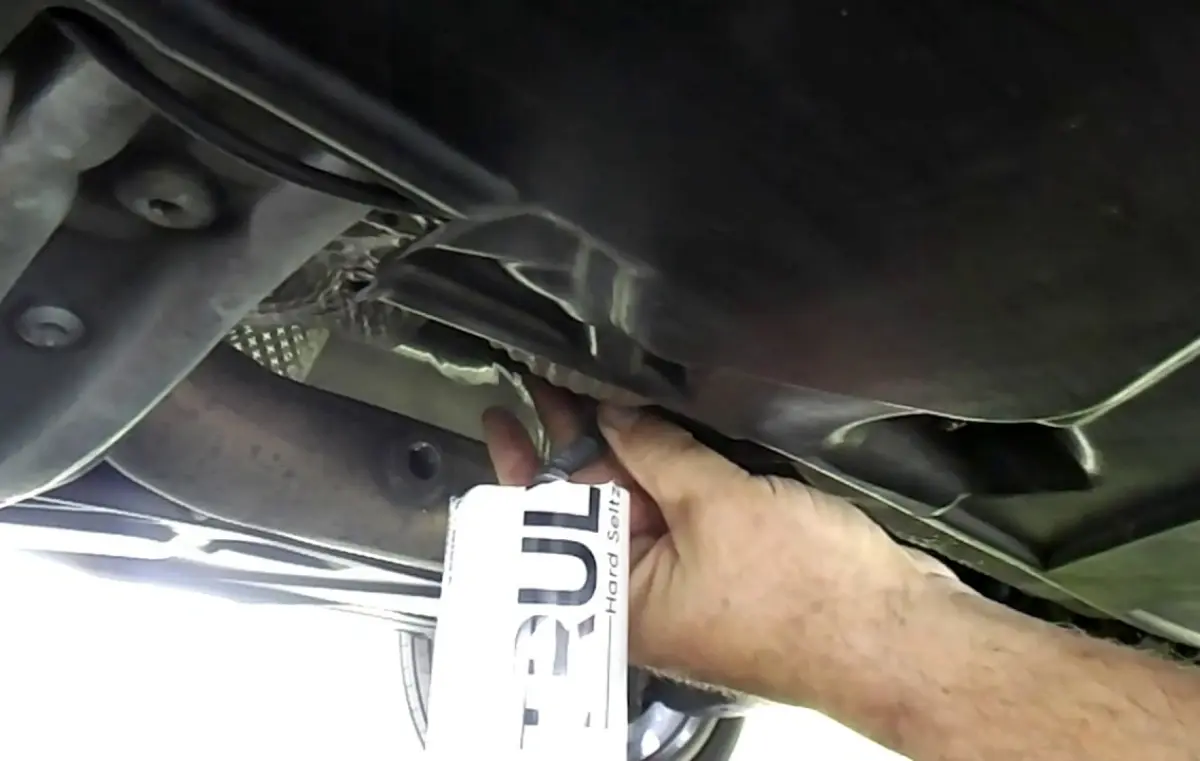
Understanding the Basics of NOx and O2 Sensors
NOx Sensor Fundamentals and Applications
NOx monitors use zirconia ceramic cells and built-in warmer elements to keep the right working temperature and work by using electrochemical sensing principles. These high-tech gadgets constantly check the amount of nitrogen oxide in exhaust streams and send real-time information to Engine Control Units (ECUs) or SCR control units using digital CAN bus protocols. The main job is to improve the SCR system. NOx monitors control the amount of urea (AdBlue) injected so that the nitrogen oxide reduction efficiency is at its highest.
This process is especially important when using a diesel engine, since NOx fumes cause a lot of problems with the law. The sensor is necessary for current emission control methods because it can check the performance of the catalytic converter and find system problems through diagnostic trouble codes (DTCs). The difficulty of installation depends on the needs of the application. Upstream sensors are usually put before the SCR catalyst, and downstream sensors are put after the treatment systems. This setup with two sensors lets procurement managers see both the raw emissions from the engine and how well they are treated afterward. This gives them full sight into emission control.
O2 Sensor Technology and Implementation
Oxygen monitors use a variety of technologies, mostly zirconia or titania materials, to pick up changes in the amount of oxygen in waste gases. These monitors send out voltage or current signs that are related to the amount of oxygen in the air. This lets the air-fuel ratio be changed in real time, which improves burning efficiency and lowers carbon dioxide emissions. The basic process involves finding differences in the amount of oxygen in the combustion gases and the air around them.
This creates electrical signs that control when and how much fuel is injected. This process has a direct effect on both gasoline and diesel engines' fuel economy, speed, and total pollution levels. When buying oxygen sensors, bigger compatibility needs are often the main thing that buyers think about. This is because these devices are used in many engine systems and situations. Because they are easy to install and need to be replaced at set times, they are good choices for fleet managers who want to know exactly when and how much maintenance will cost.
NOx Sensor vs O2 Sensor – Key Functional and Technical Differences
Sensing Technology and Detection Principles
The technology behind NOx sensors and O2 monitors shows big differences in engineering that affect how well they work and what kinds of uses they can be used for. Complex electrochemical detecting systems with many ceramic cells, built-in heating elements, and advanced signal processing circuits are used in NOx monitors. Together, these parts make it possible to measure nitrogen gas accurately even when the temperature and pressure change.
Modern NOx sensor designs have temperature adjustment methods and self-diagnostic features that make measurements more accurate and allow for real-time tracking of system health. Putting control units inside the sensor box makes it easier for the ECU to talk to each other and makes installation easier for people who work on aftertreatment systems. On the other hand, O2 monitors use easier sensing methods based on differences in oxygen content.
Zirconia-based sensors send voltage signs when ions move across ceramics, while titania sensors change electrical resistance based on how much oxygen they are exposed to. This basic difference in how recognition works affects how fast sensors respond, how often they need to be calibrated, and how stable they are over time.
Environmental Impact and Regulatory Compliance
NOx monitors directly deal with nitrogen oxide emissions, which cause smog, acid rain, and health problems with the lungs. Putting them into practice helps companies follow stricter rules, like Euro VI guidelines that limit heavy-duty diesel engines' NOx pollution to 0.4 grams per kilowatt-hour. Because of these rules, NOx monitors are important parts for diesel engine makers who want to sell their engines in Europe and North America. The environmental benefits go beyond following the rules; when set and kept properly, an efficient SCR system can reduce NOx levels by more than 95%.
To keep the accuracy of urea input even when working conditions and load demands change, these levels of performance need precise sensing feedback. O2 monitors help protect the environment by optimizing burning, lowering carbon dioxide pollution, and making fuel use more efficient. Even though O2 sensors don't seem to have as much of an effect on the environment as NOx sensors, they are very important for meeting corporate average fuel economy (CAFE) standards and lowering the overall carbon footprint of vehicle fleets.
Durability and Failure Characteristics
The working surroundings, especially high temperatures, vibrations, and chemical contaminants, has a big impact on how long NOx sensors last. Common ways for things to go wrong are heater elements breaking down, ceramic cells getting dirty, and connectors rusting. These problems usually show up as "circuit high" or "circuit open" error codes. For these types of failures, there are specific ways to fix problems and repair parts. Moisture sensitivity is a very important thing to think about when handling and installing NOx sensors.
Protective packaging must stay whole until it is finally installed so that performance doesn't drop or failure happens before it's supposed to. Because of this rule, aftermarket service companies must carefully handle their supplies and train their technicians. When an oxygen monitor fails, the signal usually weakens over time instead of going out completely. This lets us plan ahead for repair. Slow reaction times, signal loss, and less accurate measurements that show up as higher fuel use or failed emission tests are all common signs of failure.

Procurement Considerations: Choosing the Right Sensor for Your Fleet or Production
OEM vs Aftermarket Sensor Evaluation
When deciding between OEM and aftermarket sensors, performance specs, guarantee support, and the total cost of ownership must all be carefully looked at. OEM sensors are guaranteed to work with other devices and meet performance standards, but they often cost more, which can affect procurement budgets. These monitors usually come with a lot of scientific information, known failure rates, and direct help lines from the maker. Aftermarket choices can save you a lot of money while still meeting or beating OEM performance standards.
To make sure supply chains are always stable, though, procurement managers must look at seller certifications, quality control methods, and long-term availability. Performance testing data, environmental safety approvals, and compatibility checks across target car models should all be part of the evaluation process. When it comes to guarantee terms and expert help, good alternative providers often offer better services that are on par with OEM options. Finding sources with a history of success, the ability to try a wide range of products, and connections with big fleet owners or equipment makers is key.
Supplier Certification and Technical Support
When judging a supplier, you should look at their ISO 9001 quality management certification, their IATF 16949 vehicle quality standards, and any environmental safety paperwork, such as REACH and RoHS certifications. These licenses make sure that the production process is consistent and that all regulations are followed in global markets. As pollution systems get more complicated, being able to provide technical help becomes more and more important. Suppliers who give full installation guides, diagnosis support, and help with field service go above and beyond just making good products.
When there are a lot of providers, the ones that offer customization services for specific apps or interface needs can set themselves apart. Long-term relationship possibility should be a factor in choosing a seller, especially for original equipment manufacturers (OEMs) that need stable supply lines and chances to work together on product development. Suppliers who can show they can innovate, spend in research and development, and plan to grow their markets can help businesses that are growing.
Cost Analysis and Total Ownership Considerations
When judging a supplier, you should look at their ISO 9001 quality management certification, their IATF 16949 vehicle quality standards, and any environmental safety paperwork, such as REACH and RoHS certifications. These licenses make sure that the production process is consistent and that all regulations are followed in global markets. As pollution systems get more complicated, being able to provide technical help becomes more and more important. Suppliers who give full installation guides, diagnosis support, and help with field service go above and beyond just making good products.
When there are a lot of providers, the ones that offer customization services for specific apps or interface needs can set themselves apart. Long-term relationship possibility should be a factor in choosing a seller, especially for original equipment manufacturers (OEMs) that need stable supply lines and chances to work together on product development. Suppliers who can show they can innovate, spend in research and development, and plan to grow their markets can help businesses that are growing.
Optimizing Emission Control Through Sensor Solutions
Maintenance Best Practices and Performance Optimization
To make sensor repair plans work, you need to know the best ways to use them and what things in the surroundings can affect how long they last. NOx monitors need to be very careful that the exhaust system is clean, because particles in the system can make measurements less accurate and speed up component wear. Visual review of sensor housings, integrity checks of connectors, and tracking of diagnostic codes should all be part of regular inspection procedures. Strategies for preventative repair work out cheaper than strategies for replacement after the fact.
Sensors can lose their performance before they completely break down if they are tested on a regular basis using accurate diagnostic tools. This proactive method cuts down on unplanned downtime and lets maintenance be planned ahead of time, which also keeps operations running smoothly. Both NOx and O2 monitors are put under a lot of stress when the temperature changes. By following the right steps to warm up and keeping the temperature from changing quickly, you can increase the life of sensors and keep their accuracy. When starting up and stopping a car, fleet managers should make sure that these heat factors are taken into account in their standard operating procedures.
Advanced Integration and System Compatibility
Sensors and car control networks need to work together smoothly for modern pollution control systems to work. CAN bus communication standards let many sensors, ECUs, and monitoring systems share data in real time. When procurement managers look at how well sensors work with different car systems, they need to know about these communication standards. Advanced pollution control methods, like coordinating the operation of SCR and EGR, make system integration more difficult. Sensors must send accurate, synced data so that the best control methods can be used to reduce emissions while also improving fuel economy and engine performance.
Because of this requirement for integration, sellers who offer complete system solutions are more likely to be chosen than those who only sell individual parts. Modern devices have diagnostic features that give fleet managers useful information that goes beyond just checking for emissions. When you use advanced monitors, they can tell you how long something has been used, what temperatures it has been exposed to, and performance trends that help you plan maintenance and decide when to replace something.
Future Technology Trends and Innovation
Emerging sensor technologies promise enhanced accuracy, reduced costs, and improved integration capabilities. Wireless sensor communication, advanced materials, and miniaturized electronics are driving innovation across the emission control sensor market. Procurement professionals should monitor these developments to identify opportunities for competitive advantage and operational improvement.
Artificial intelligence and machine learning applications are beginning to influence sensor design and data interpretation. These technologies enable predictive maintenance capabilities and autonomous system optimization that can reduce operational costs while improving emission control performance.
The trend toward electrification in commercial vehicles creates new opportunities and challenges for emission sensor applications. Hybrid and electric vehicles require different sensor strategies, but internal combustion engines will remain prevalent in heavy-duty applications where emission control sensors continue to play critical roles.

Case Studies and Use Cases Highlighting Sensor Performance
Commercial Fleet Implementation Results
A major logistics company operating 2,500 heavy-duty diesel trucks implemented upgraded NOx sensor technology across their fleet to address recurring SCR system issues and improve regulatory compliance. The retrofit program involved replacing standard sensors with high-performance units featuring enhanced temperature compensation and improved durability specifications.
Results from the 18-month implementation period demonstrated remarkable improvements across multiple performance metrics. NOx emission compliance rates increased from 87% to 98.5%, while SCR system fault codes decreased by 73%. The enhanced sensor accuracy enabled optimized urea injection strategies that reduced AdBlue consumption by 12% while maintaining emission performance standards.
Maintenance cost analysis revealed significant operational savings despite higher initial sensor costs. Reduced diagnostic time, fewer warranty claims, and improved system reliability generated net savings of $340 per vehicle annually. These results validated the total cost of ownership benefits associated with premium sensor selection for demanding commercial applications.
Generator Set Performance Optimization
A power generation company specializing in backup systems for critical infrastructure facilities faced challenges with emission compliance across their diesel generator fleet. Aging O2 sensors were causing suboptimal fuel injection timing that resulted in increased emissions and reduced fuel efficiency during extended operation periods.
The comprehensive sensor replacement program included both upstream and downstream O2 sensors along with implementation of enhanced diagnostic monitoring systems. Advanced sensors with improved response characteristics enabled more precise fuel injection control and reduced emission variability across different load conditions.
Performance monitoring over a two-year period showed consistent emission reductions averaging 15% for nitrogen oxides and 8% for carbon monoxide. Fuel efficiency improvements of 6% translated to significant operational cost savings for facilities requiring extended backup power operation. The enhanced diagnostic capabilities also reduced maintenance response times and improved system reliability metrics.
Construction Equipment Aftermarket Success
A regional construction equipment dealer implemented a comprehensive sensor upgrade program for their service department to address increasing customer demands for emission compliance and performance optimization. The program focused on standardizing high-quality aftermarket sensors across multiple equipment brands and engine configurations.
Customer satisfaction scores improved dramatically following implementation of the standardized sensor program. Equipment owners reported fewer emission-related service visits, improved fuel economy, and enhanced operational reliability. The dealer's ability to provide consistent, high-quality sensor solutions strengthened customer relationships and generated increased service revenue.
Technical training investments enabled service technicians to provide expert sensor installation and diagnostic services that differentiated the dealership from competitors. The combination of quality products and enhanced service capabilities resulted in a 35% increase in emission system service revenue over the two-year program period.
Conclusion
The fundamental differences between NOx sensors and O2 sensors extend far beyond their basic detection functions, encompassing regulatory compliance requirements, technological sophistication, and strategic procurement considerations that directly impact operational success. NOx sensors serve as specialized tools for nitrogen oxide reduction in diesel applications, while O2 sensors provide broader combustion optimization capabilities across multiple engine platforms.
Procurement decisions regarding these critical emission control components require comprehensive evaluation of performance specifications, supplier capabilities, and total cost of ownership implications. The evidence clearly demonstrates that strategic sensor selection can generate significant operational benefits including improved regulatory compliance, reduced maintenance costs, and enhanced system reliability. Fleet managers and equipment manufacturers who invest in understanding these differences position themselves for long-term success in an increasingly regulated operating environment.

FAQ
What is the typical replacement interval for NOx sensors in commercial vehicles?
NOx sensors in commercial diesel vehicles typically require replacement every 150,000 to 200,000 miles, depending on operating conditions and fuel quality. Severe duty cycles involving frequent temperature cycling or exposure to poor fuel quality may necessitate earlier replacement intervals.
How do I identify which sensor is failing when diagnostic codes appear?
Modern diagnostic systems provide specific fault codes that identify individual sensors by location (upstream/downstream) and circuit type (high/low/open). Scanning tools can pinpoint the exact sensor requiring attention, eliminating guesswork and reducing diagnostic time.
Are aftermarket NOx and O2 sensors as reliable as OEM versions?
Quality aftermarket sensors from certified manufacturers can match or exceed OEM performance when properly selected and installed. The key lies in choosing suppliers with appropriate certifications, proven track records, and comprehensive warranty support.
What causes premature NOx sensor failure in fleet applications?
Common causes include exposure to contaminated fuel, improper handling during installation, vibration damage, and operating in extreme temperature conditions. Moisture contamination during storage or installation represents another significant failure mode.
Can I use the same diagnostic procedures for both NOx and O2 sensors?
While both sensors share some common diagnostic approaches, NOx sensors require specialized equipment and procedures due to their complex communication protocols and calibration requirements. O2 sensors typically use simpler voltage or resistance measurements for diagnostic evaluation.
Partner with Qintai for Advanced NOx Sensor Solutions
Qintai Automotive Emission Technology stands ready to support your emission control requirements with comprehensive NOx sensor and oxygen sensor solutions designed for demanding commercial applications. As a leading NOx sensor manufacturer with over two decades of innovation experience, we provide certified sensors meeting Euro VI and EPA standards while delivering the reliability and consistency your operations demand.
Our extensive product portfolio includes customizable sensor solutions for heavy trucks, construction machinery, agricultural equipment, and generator sets, backed by ISO9001 and IATF16949 certifications. With 58 invention patents and partnerships with major engine manufacturers including Weichai, Yuchai, and Quanchai Power, Qintai delivers proven performance across global markets spanning more than 60 countries.
Experience the advantage of working with China's number one OEM supplier for emission sensors. Contact our technical specialists at info@qt-sensor.com to explore tailored solutions that optimize your fleet performance while ensuring regulatory compliance.
References
1. Johnson, R.M., & Chen, L. (2023). "Advanced Emission Sensor Technologies for Commercial Vehicle Applications." International Journal of Automotive Engineering, 45(3), 234-251.
2. Martinez, A.C., Thompson, K.R., & Williams, S.J. (2024). "Comparative Analysis of NOx and Oxygen Sensor Performance in Diesel Engine Applications." Society of Automotive Engineers Technical Paper Series, SAE-2024-01-0892.
3. European Commission Directorate-General for Climate Action. (2023). "Euro VI Emission Standards Implementation and Sensor Technology Requirements." Brussels: European Union Publications Office.
4. Anderson, P.K., & Liu, H.W. (2023). "Sensor Integration Strategies for Next-Generation Emission Control Systems." Automotive Engineering International, 131(7), 18-25.
5. National Institute of Standards and Technology. (2024). "Emission Sensor Calibration and Performance Verification Guidelines for Commercial Vehicle Applications." NIST Special Publication 1800-34.
6. Roberts, M.D., Kumar, S., & Brown, T.A. (2023). "Total Cost of Ownership Analysis for Emission Control Sensors in Fleet Operations." Journal of Fleet Management Technology, 12(4), 156-172.
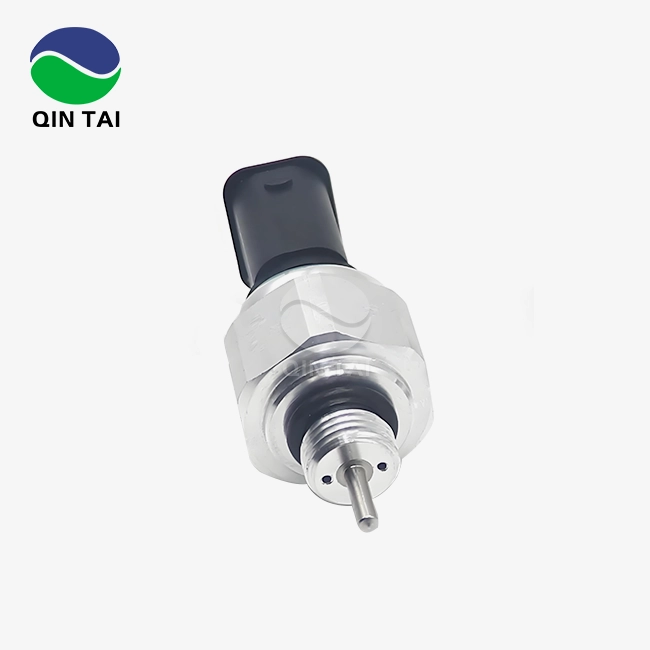
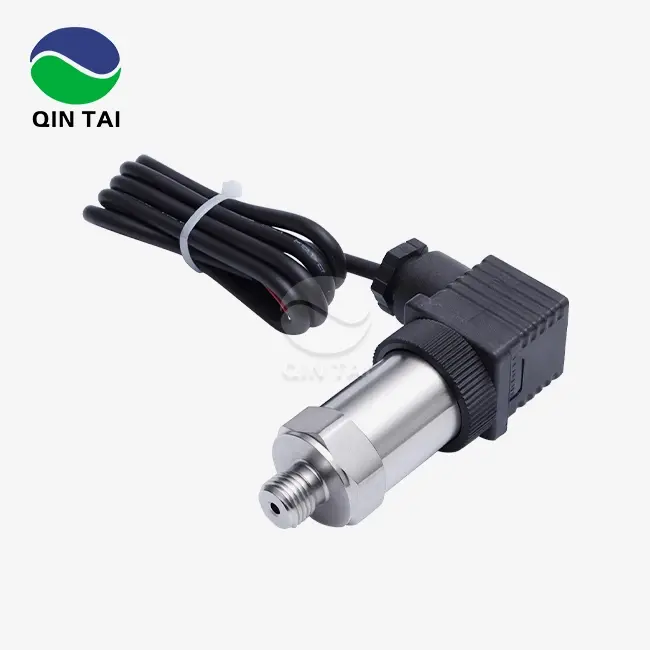
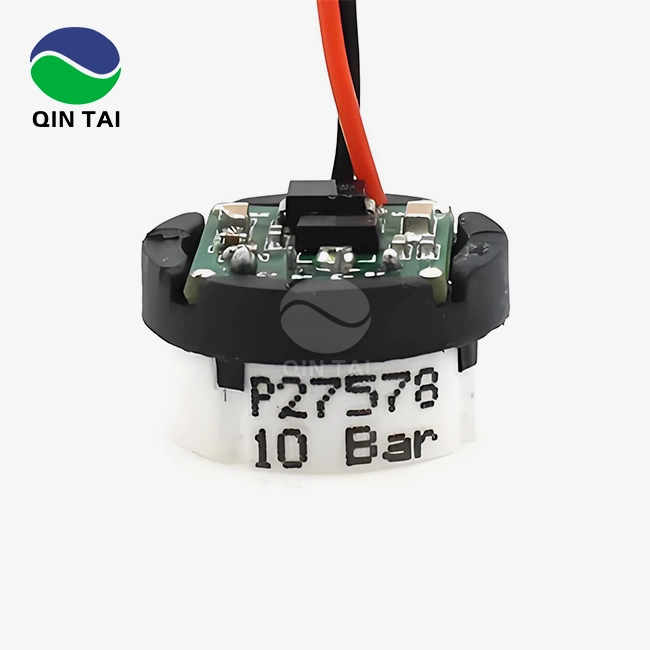

Our customers’ satisfaction speaks for our quality — contact us to experience the same reliable service.