- English
- French
- German
- Portuguese
- Spanish
- Russian
- Japanese
- Korean
- Arabic
- Greek
- German
- Turkish
- Italian
- Danish
- Romanian
- Indonesian
- Czech
- Afrikaans
- Swedish
- Polish
- Basque
- Catalan
- Esperanto
- Hindi
- Lao
- Albanian
- Amharic
- Armenian
- Azerbaijani
- Belarusian
- Bengali
- Bosnian
- Bulgarian
- Cebuano
- Chichewa
- Corsican
- Croatian
- Dutch
- Estonian
- Filipino
- Finnish
- Frisian
- Galician
- Georgian
- Gujarati
- Haitian
- Hausa
- Hawaiian
- Hebrew
- Hmong
- Hungarian
- Icelandic
- Igbo
- Javanese
- Kannada
- Kazakh
- Khmer
- Kurdish
- Kyrgyz
- Latin
- Latvian
- Lithuanian
- Luxembou..
- Macedonian
- Malagasy
- Malay
- Malayalam
- Maltese
- Maori
- Marathi
- Mongolian
- Burmese
- Nepali
- Norwegian
- Pashto
- Persian
- Punjabi
- Serbian
- Sesotho
- Sinhala
- Slovak
- Slovenian
- Somali
- Samoan
- Scots Gaelic
- Shona
- Sindhi
- Sundanese
- Swahili
- Tajik
- Tamil
- Telugu
- Thai
- Ukrainian
- Urdu
- Uzbek
- Vietnamese
- Welsh
- Xhosa
- Yiddish
- Yoruba
- Zulu
Best NOx Sensor Supplier for US Market
When looking for the best NOx sensor provider for the US market, Qintai comes out as the best option for companies that make diesel engines, work with aftertreatment systems, and run commercial vehicles. As a company with more than 20 years of experience in pollution control technology, Qintai makes high-performance nitrogen oxide sensors that meet strict EPA rules and are also very reliable and cost-effective. Our wide range of products meets the important needs of heavy-duty applications like building equipment and generator sets. These products make sure that American companies that need reliable diesel nitrogen oxide sensor solutions meet all emissions regulations and run efficiently.
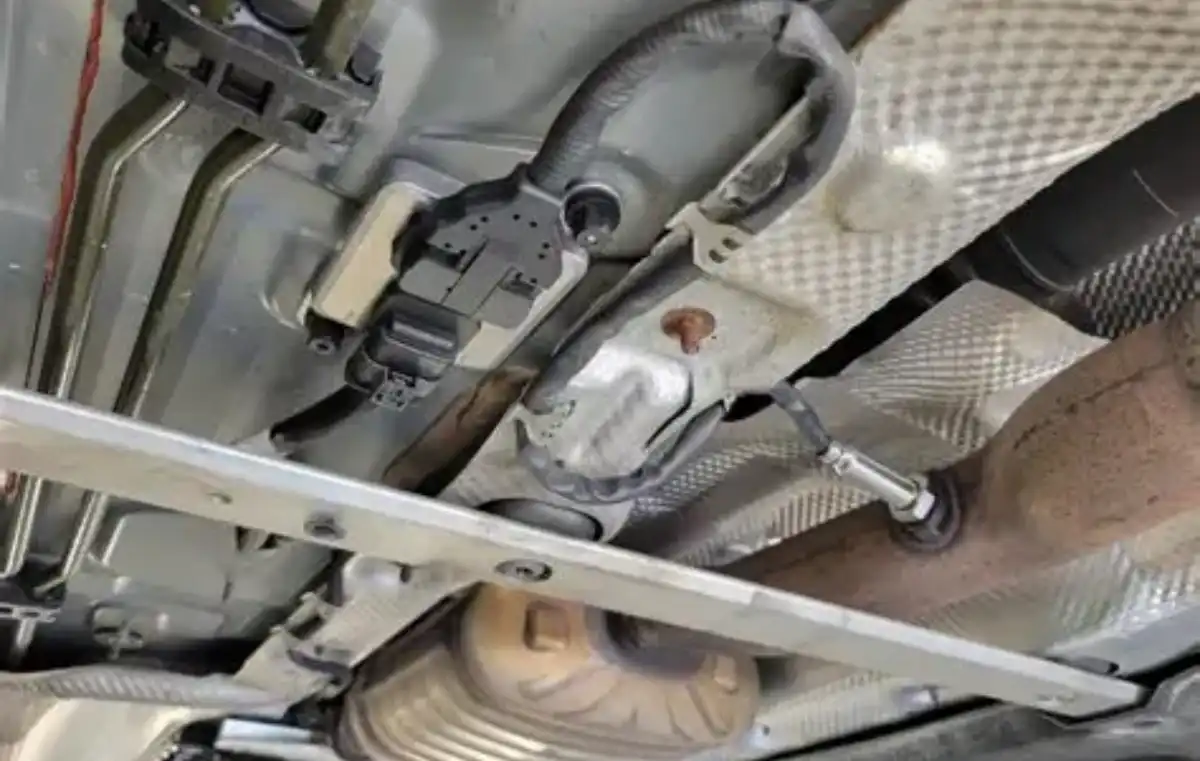
Understanding NOx Sensors: Core Functions and Market Requirements
Because the car industry is moving toward cleaner pollution, NOx sensors are now essential parts of modern diesel engines. These high-tech devices constantly check the NOx amounts in the exhaust gas and send important information to the Engine Control Unit or SCR control module, which lets precise emission control methods happen.
What Makes NOx Sensors Essential for Emission Control?
A NOx sensor's main job is more than just measuring NOx levels. These high-tech parts keep an eye on and control how much urea (AdBlue) is added to the SCR system. They also check the effectiveness of the catalytic converters at lowering emissions, make sure that vehicles meet emission standards like Euro VI and EPA rules, and find sensor or catalyst faults by sending diagnostic trouble codes (DTCs).
Unlike regular oxygen sensors, nitrogen oxide sensors are experts at measuring the exact amount of nitrogen oxide present so that burning processes run more efficiently and dangerous pollutants are kept to a minimum. The detecting element uses zirconia ceramic cell technology and comes with a heater element that keeps the sensor at the right temperature, signal filtering circuits, and an integrated control module that makes contact with the ECU easy.
Technical Architecture and Communication Protocols
Modern NOx sensors send data to the ECU using digital communication through CAN bus systems. However, some older types send voltage or current signs that are proportional to the amount of NOx present. The sensor sends both temperature values and diagnostic state information at the same time, which lets the whole system be monitored.
The main parts are a sensing element that uses zirconia ceramic cell technology, a heater element to keep the temperature stable, a signal processing circuit, an integrated control module for the ECU interface, and a connection with a wire harness. This complex architecture makes sure that accurate detection can happen in a wide range of operating situations and that it will stay reliable over time in tough industrial settings.
Common Failure Symptoms and Diagnostic Considerations
Professionals in procurement need to know the signs of common failures so that repair can be done on time and costly downtime is avoided. The powertrain control module turns on the check engine light when NOx sensors don't work right. This is usually followed by slow acceleration, less engine power, and bad gas mileage. When a sensor fails, it usually sends a code that says "circuit high" or "circuit open" and tells you which sensor is broken (inlet or outlet) so you can fix it correctly.
Knowing these technical details helps you choose a better provider and plan for operating reliability, which is especially important when you're in charge of big fleets or industrial equipment that needs to meet consistent emissions standards.
Evaluating NOx Sensor Solutions for B2B Procurement
To choose the right nitrogen oxide sensor provider, you need to look at how technologies are changing and what the market needs in terms of stability and compatibility. Performance requirements and long-term practical concerns must be balanced in modern buying strategies.
Key Procurement Criteria for Industrial Applications
Procurement managers who are good at their jobs check to see if sensors work with different types of vehicles and compare OEM and aftermarket choices. They also look at the services that the suppliers offer, like guarantee support, logistics, and bulk prices. As part of the evaluation process, accuracy ratings, working temperature ranges, response times, and scores for how long something will last in real life are looked at.
When managing mixed groups or making changes to old equipment, compatibility issues become even more important. Sensors need to work with current ECU systems without any problems and keep working the same way on all engine platforms and in all operating settings.
Comparing Market Leaders and Emerging Suppliers
Traditional market players like Bosch, Delphi, Denso, and Continental built their strong positions by working with many OEMs and having a history of trustworthiness. New providers, on the other hand, like Qintai, offer appealing options by using creative engineering methods and offering low prices without lowering quality standards.
When comparing, you should look at technical specs, licensing compliance, production capacity, and the ability to provide help after the sale. Instead of just looking at the initial purchase price, procurement teams should also look at the total cost of ownership, which includes things like how long sensors last, how often they need to be maintained, and how easy it is to get replacements.
Service Excellence and Support Infrastructure
Along with product specs, a supplier's service infrastructure must also be looked at. This includes expert help, training programs, the quality of the documentation, and how quickly the supplier responds to warranty issues. Suppliers that offer full help packages often offer better value because they make operations easier and solve problems faster.
These evaluation factors provide B2B buyers with the information they need to make informed purchasing decisions for a NOx sensor, ensuring alignment with both business objectives and regulatory requirements.
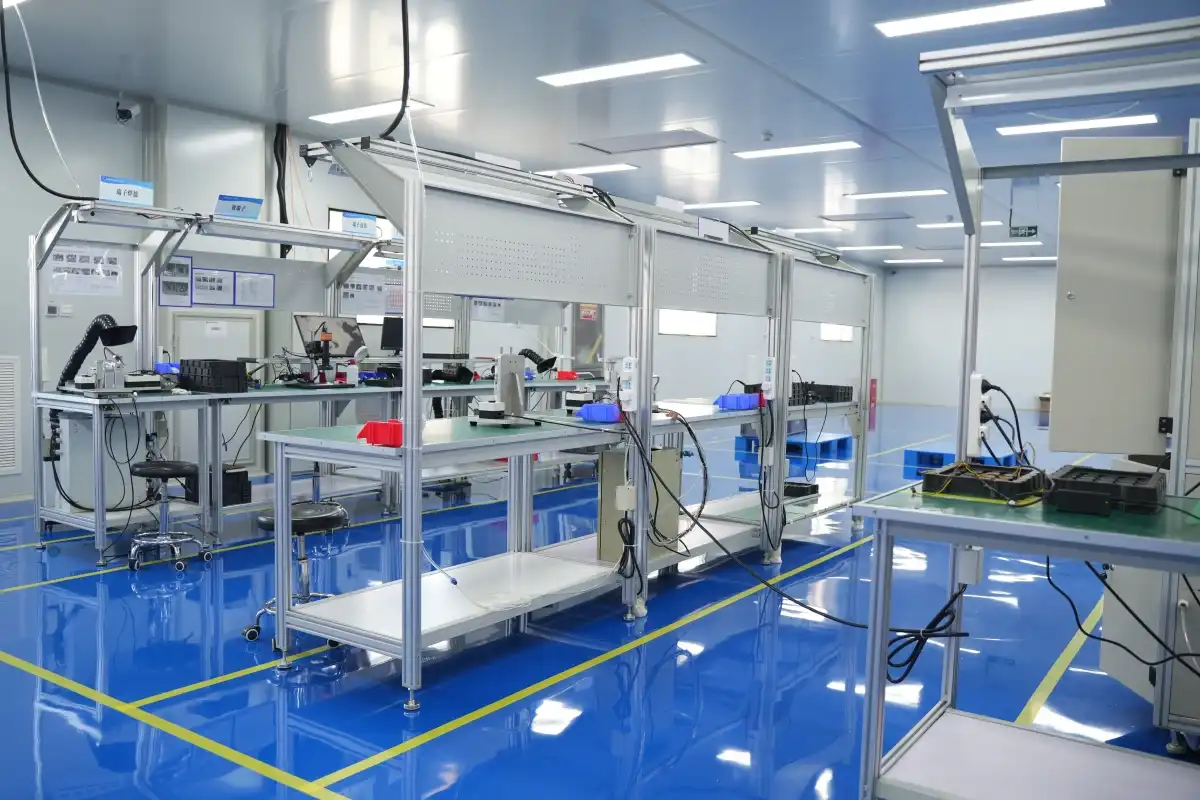
Qintai's Comprehensive NOx Sensor Product and Service Portfolio
Xi'an Qintai Automotive Emission Technology Co. Ltd. With more than 20 years of experience in developing and making diesel nitrogen oxide sensors, Ltd has become a top maker of these devices. Qintai is a national high-tech company that has been around since 2001. Its main activities are research and development, production, sales, and after-sales service for diesel engine SCR aftertreatment systems and different sensor technologies.
Advanced Product Engineering and Quality Standards
Qintai offers a wide selection of nitrogen oxide sensors designed to work with diesel cars, building equipment, farm machinery, and generator sets. Our goods focus on precise measurements, long-lasting use, and low upkeep needs while still meeting strict performance standards in tough real-world situations.
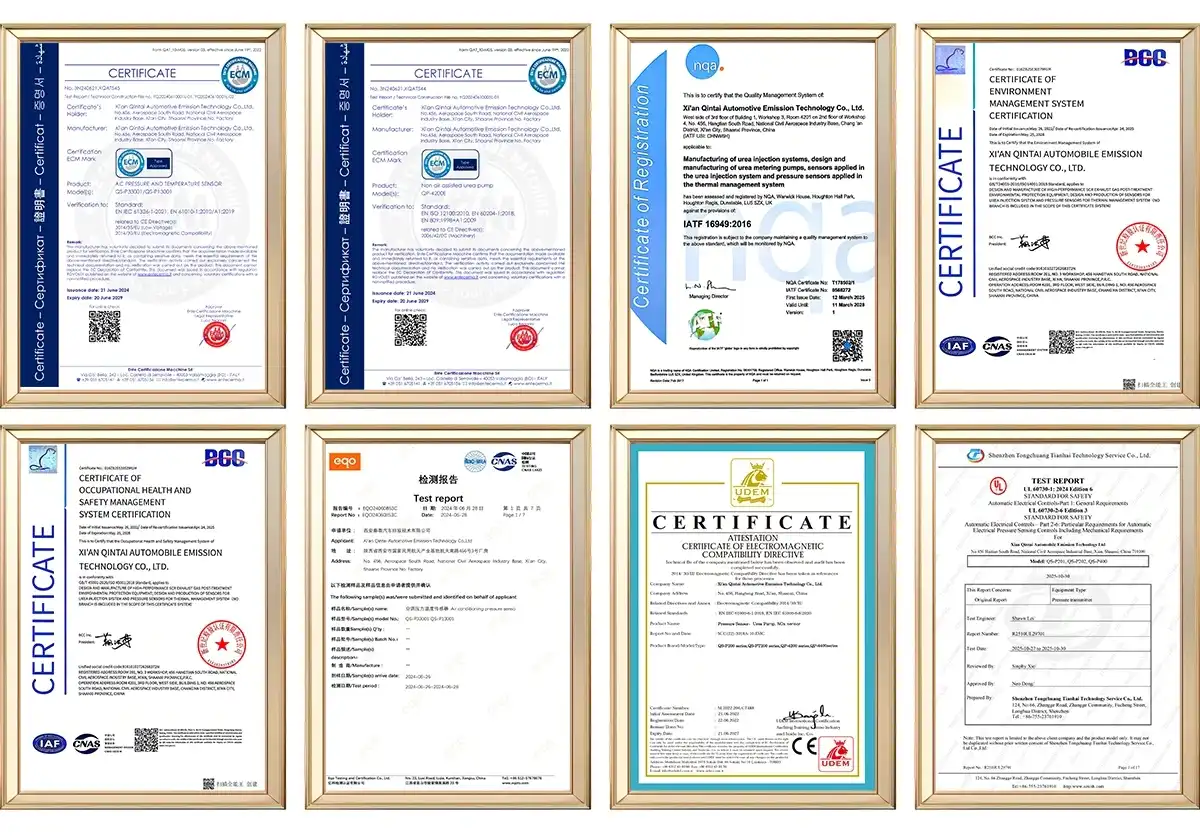
Our strict quality control processes include advanced calibration methods and thorough testing methods that make sure sensors always meet performance requirements. We follow international quality standards and rules when we make our products, as shown by the ISO9001, IATF16949, CMC, Ex, UL, CE, REACH, and RoHS certifications that are used in the manufacturing process.
Our commitment to constant innovation and technological progress is shown by the fact that the company has applied for 58 idea patents. Our separate research and development team is always coming up with better sensor technologies to make them work better and be able to adapt to changing emission control rules.
Comprehensive B2B Service Capabilities
Along with our high-quality products, Qintai also provides customized business-to-business services to meet the specific needs of American industry clients. Some of these services are faster shipping choices, full warranty coverage, discounts for large orders, and dedicated technical help from experienced engineers.
Our OEM and ODM services let you fully customize your products from the time they are designed until they are mass-produced. We allow flexible product customization based on application needs and customer requirements, making sure that the product works well with current systems and operating processes.
As the main provider to China's top engine makers like Weichai Power, Yuchai Power, and Quanchai Power, Qintai remains the market leader in China and is also growing its reach to more than 60 countries and regions around the world.
Because of these skills, Qintai is a reliable provider for OEMs and wholesalers looking for consistent, high-quality nitrogen oxide sensor solutions that keep fleets compliant and operations running smoothly while minimizing downtime.
Practical Guide: How to Procure and Maintain NOx Sensors for Optimal Performance?
To buy nitrogen gas sensors correctly, you must first clearly define the technical needs based on the type of car, how it will be used, and the rules that must be followed. This methodical technique makes sure that the best sensors are chosen while keeping long-term operating costs as low as possible.
Strategic Procurement Planning and Supplier Assessment
Specifications should be made clear by procurement managers. These should include standards for accuracy, working temperature ranges, communication methods, and mounting configurations. The evaluation process includes carefully comparing what each seller has to offer, looking at their track records of dependability, and checking the quality of service after the sale to make sure that everything works together smoothly and that operations don't stop.
When judging a supplier, you should look at their ability to make things, their ability to get and keep certifications, their quality control methods, and their expert support services. Teams that are good at buying things make detailed scorecards that put different levels of importance on these factors based on how much risk they are willing to take and their practical goals.
During the procurement process, long-term relationship prospects should also be thought about. This includes the supplier's financial stability, ability to come up with new ideas, and dedication to always getting better. When building smart ties for long-term supply needs, these factors become even more important.
Maintenance Best Practices and Performance Optimization
For accurate emissions measurement and to stretch the life of sensors, regular maintenance plans must include systematic checks, correct calibration processes, and replacement dates for sensors that need to be replaced. Preventive maintenance programs keep sensors working at their best throughout their entire operating lifetime and cut down on failures that happen out of the blue.
To find problems before they affect how well an operation works, maintenance teams should keep an eye on diagnostic trouble codes, record performance trends, and keep track of how sensors respond. When installing or servicing NOx sensors, it is very important to follow the right handling steps because they are very sensitive to moisture and contamination.
Avoiding Common Procurement Pitfalls
Common problems that need to be dealt with in the buying process include fake goods and extra parts that aren't up to par and hurt performance and dependability. Procedures for screening suppliers should check their ability to make things, quality certifications, and promises of accuracy to protect investments and make sure they follow the rules.
When handling governmental checks and warranty claims, the need for documentation becomes even more important. To help with practical responsibility and showing compliance, procurement teams should keep detailed records of sensor specs, installation dates, maintenance activities, and performance history.
Why Qintai is the Preferred NOx Sensor Supplier for the US B2B Market?
Qintai has an edge over its competitors because it sells high-quality nitrogen oxide sensors at reasonable prices and can customize solutions for big fleet operations and OEM needs. This method is geared toward the specific wants of US business-to-business clients looking for long-lasting, legal, and inexpensive emission control parts.
Competitive Advantages and Market Positioning
Our large manufacturing size and knowledge of technology allow us to offer affordable prices without lowering quality standards or performance requirements. As China's top OEM provider, Qintai has shown that we can meet tight production plans and keep quality high for big orders.
The company has a lot of experience with foreign markets in South America, the Middle East, and Europe. This gives them useful knowledge about a wide range of legal requirements and operating difficulties. This global view helps us give US customers answers that meet local needs while also using the best techniques from around the world.
Our dedication to research and development means that emission sensor technology is always getting better, which lets us adapt to changing regulations and new market needs. This focus on innovation makes Qintai a forward-thinking partner that can help buying parties build long-term strategic relationships.
Customer Testimonials and Performance Validation
Verified feedback from American customers always talks about how committed Qintai is to quality, how quickly they offer services, and how much they save customers compared to standard suppliers. These reviews show that the product works well in the real world and that customers are happy with it in a variety of workplace settings.
The company has long-term ties with major engine makers that can be used as reliable examples of quality standards and dependability goals. Our history of successful projects in a wide range of businesses gives new customers peace of mind as they look at their supplier options.
Qintai is committed to its customers' success in more ways than just delivering products. It offers full technical support, training materials, and quick service options that improve operating efficiency and lower the risk of failure.
Conclusion
Businesses in the US that want reliable, low-cost nitrogen oxide sensor options that meet strict emission standards and provide excellent operating performance should choose Qintai. Our wide range of products, along with our more than 20 years of specialized knowledge and vast foreign experience, meets the needs of diesel engine makers, aftertreatment system integrators, and commercial vehicle owners. Qintai is the best partner for companies that want to meet environmental standards and do great work in today's tough industrial environment because they offer cutting-edge technology, low prices, and great customer service.
FAQ
What types of vehicles are compatible with Qintai NOx sensors?
Qintai nitrogen oxide sensors are designed to work with heavy-duty diesel engines, like those in business trucks, building equipment, farm machinery, and generator sets. There are two ways to place our sensors: upstream and downstream. They work with all major engine models and ECU systems. There are technical specs for different car types that can be used to make sure they fit right and work at their best.
What warranty and after-sales services does Qintai provide?
Qintai gives a full warranty that is backed by specialized technical help from engineers with years of experience. As part of our after-sales services, we offer quick repair programs, discounts for large orders, and training materials for support teams. Customer service is available in a number of ways, such as through direct contact with our technology experts and large stores of literature.
How can I troubleshoot NOx sensor issues before replacement?
To start the diagnostic process, you should look for fault codes to find particular sensor sites and failure modes. "Circuit high" or "circuit open" codes and the check engine light coming on are common signs. Checking for physical damage, making sure the electrical connections are solid, and keeping an eye on how much DEF is being used can help you decide if the sensor needs to be replaced before you start the repair process.
Partner with Qintai for Superior NOx Sensor Solutions
Qintai wants car and industrial businesses in the US to learn more about the benefits of working with a NOx sensor maker that is known for quality, creativity, and customer satisfaction. Our wide range of products, low prices, and top-notch expert support make us the perfect partner for businesses that need reliable emission control solutions that meet government standards and improve operating efficiency.
Get in touch with us at info@qt-sensor.com to talk about your needs and find out how Qintai's nitrogen oxide sensors can help your emission compliance program. We offer fast shipping, full warranties, and customization choices that are made to fit the specific needs of industrial uses in the United States. You can look at our whole product line at qt-sensor.com and learn why top companies trust Qintai as their source for emission control technology.
References
1. Environmental Protection Agency. "Heavy-Duty Engine and Vehicle Standards and Highway Diesel Fuel Sulfur Control Requirements." Federal Register, 2021.
2. Society of Automotive Engineers. "Diesel Exhaust Emissions Control Technology and Sensor Integration Standards." SAE Technical Paper Series, 2022.
3. International Council on Clean Transportation. "NOx Sensor Performance Requirements for Commercial Vehicle Applications." ICCT Research Publication, 2023.
4. American Trucking Association. "Emission Control System Maintenance Guidelines for Fleet Operations." ATA Technical Advisory, 2022.
5. Diesel Technology Forum. "Advanced Emission Control Technologies in Heavy-Duty Applications." DTF Industry Report, 2023.
6. National Institute of Standards and Technology. "Measurement Standards for Automotive Emission Control Sensors." NIST Technical Publication, 2022.
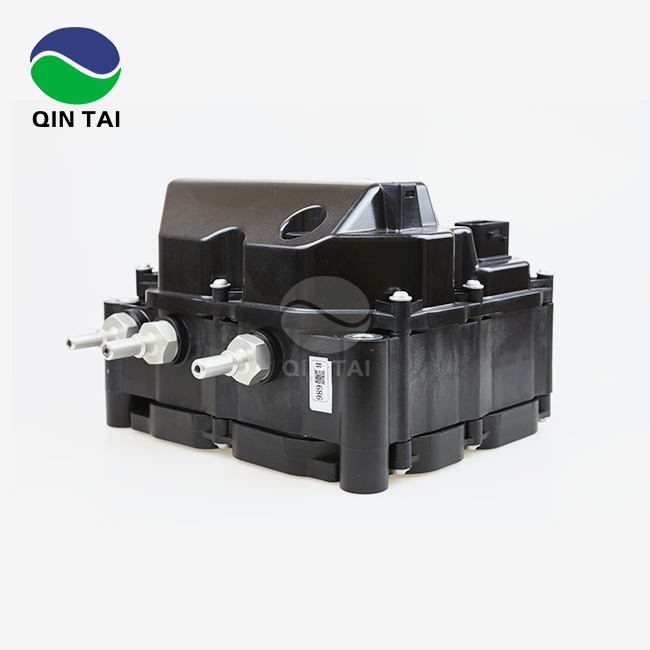
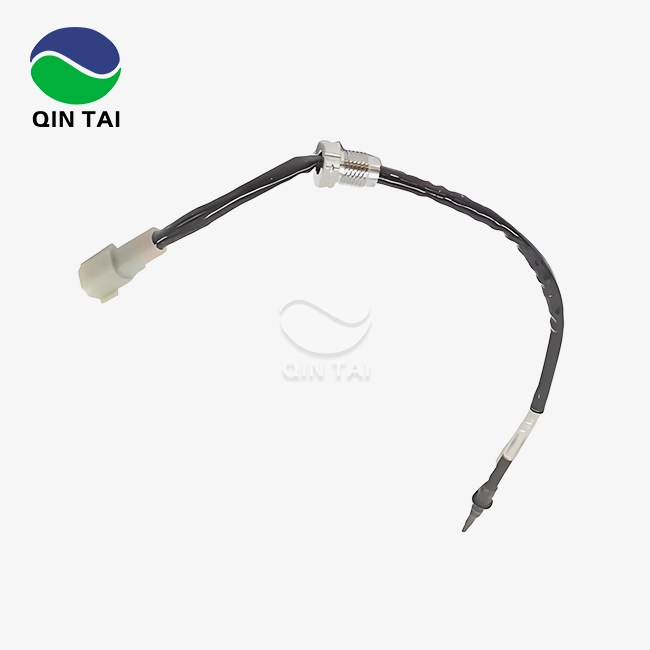
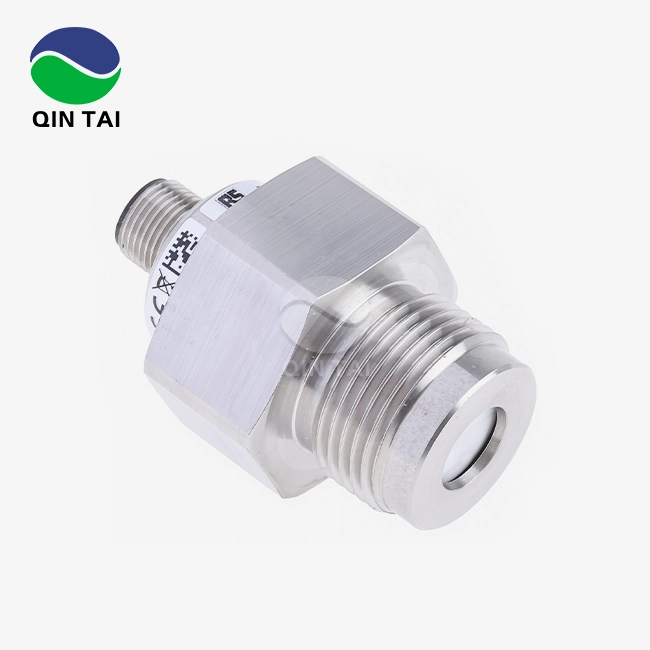
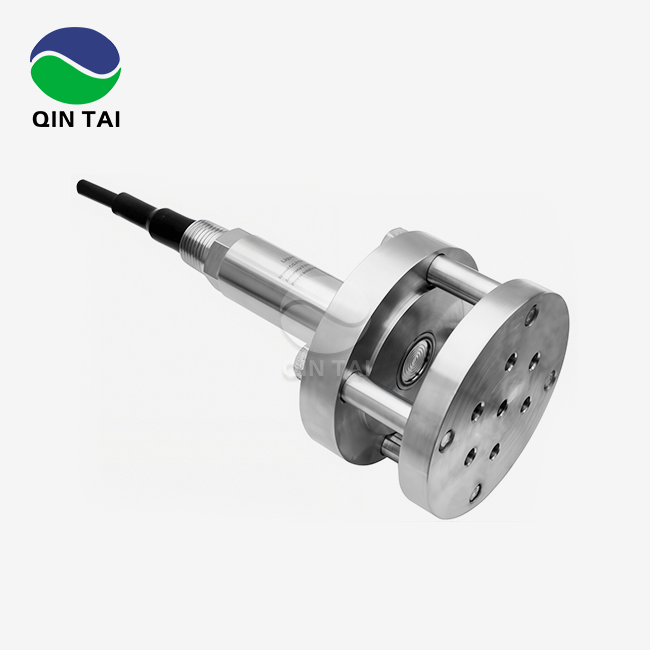

Our customers’ satisfaction speaks for our quality — contact us to experience the same reliable service.