- English
- French
- German
- Portuguese
- Spanish
- Russian
- Japanese
- Korean
- Arabic
- Greek
- German
- Turkish
- Italian
- Danish
- Romanian
- Indonesian
- Czech
- Afrikaans
- Swedish
- Polish
- Basque
- Catalan
- Esperanto
- Hindi
- Lao
- Albanian
- Amharic
- Armenian
- Azerbaijani
- Belarusian
- Bengali
- Bosnian
- Bulgarian
- Cebuano
- Chichewa
- Corsican
- Croatian
- Dutch
- Estonian
- Filipino
- Finnish
- Frisian
- Galician
- Georgian
- Gujarati
- Haitian
- Hausa
- Hawaiian
- Hebrew
- Hmong
- Hungarian
- Icelandic
- Igbo
- Javanese
- Kannada
- Kazakh
- Khmer
- Kurdish
- Kyrgyz
- Latin
- Latvian
- Lithuanian
- Luxembou..
- Macedonian
- Malagasy
- Malay
- Malayalam
- Maltese
- Maori
- Marathi
- Mongolian
- Burmese
- Nepali
- Norwegian
- Pashto
- Persian
- Punjabi
- Serbian
- Sesotho
- Sinhala
- Slovak
- Slovenian
- Somali
- Samoan
- Scots Gaelic
- Shona
- Sindhi
- Sundanese
- Swahili
- Tajik
- Tamil
- Telugu
- Thai
- Ukrainian
- Urdu
- Uzbek
- Vietnamese
- Welsh
- Xhosa
- Yiddish
- Yoruba
- Zulu
Best urea pressure sensors for automotive applications
The best urea pressure sensors for automotive applications deliver precise monitoring of diesel exhaust fluid pressure within SCR aftertreatment systems, ensuring optimal NOx reduction and emissions compliance. These advanced sensors combine robust construction with accurate measurement capabilities, featuring specialized materials that withstand the corrosive nature of urea solutions while maintaining consistent performance across varying temperature and pressure conditions. Leading automotive manufacturers rely on high-quality pressure sensors to meet stringent emission standards like Euro VI and China VI regulations.
Introduction
Urea pressure sensors are very important for controlling pollution in modern cars, especially in SCR (Selective Catalytic Reduction) systems that work to lower nitrogen oxide (NOx) emissions. This guide talks about important parts of urea pressure sensors for people who buy things, engineers, OEM clients, and sellers who work with making and maintaining vehicles. Knowing how the sensor works in Diesel Exhaust Fluid (DEF) systems helps everyone choose the best options to meet regulations, make the system more reliable, and make it work better for the environment generally.
More strict emission rules are being put in place around the world for the car industry. This means that reliable pressure monitoring is important for SCR systems to work. To get the right atomization and spread of urea solution in DEF injection systems, precise pressure control is needed. This has a direct effect on how well NOx is converted and how well the system works overall.
Comprehending Urea Pressure Sensors: Principles and Applications
Core Functionality in SCR Systems
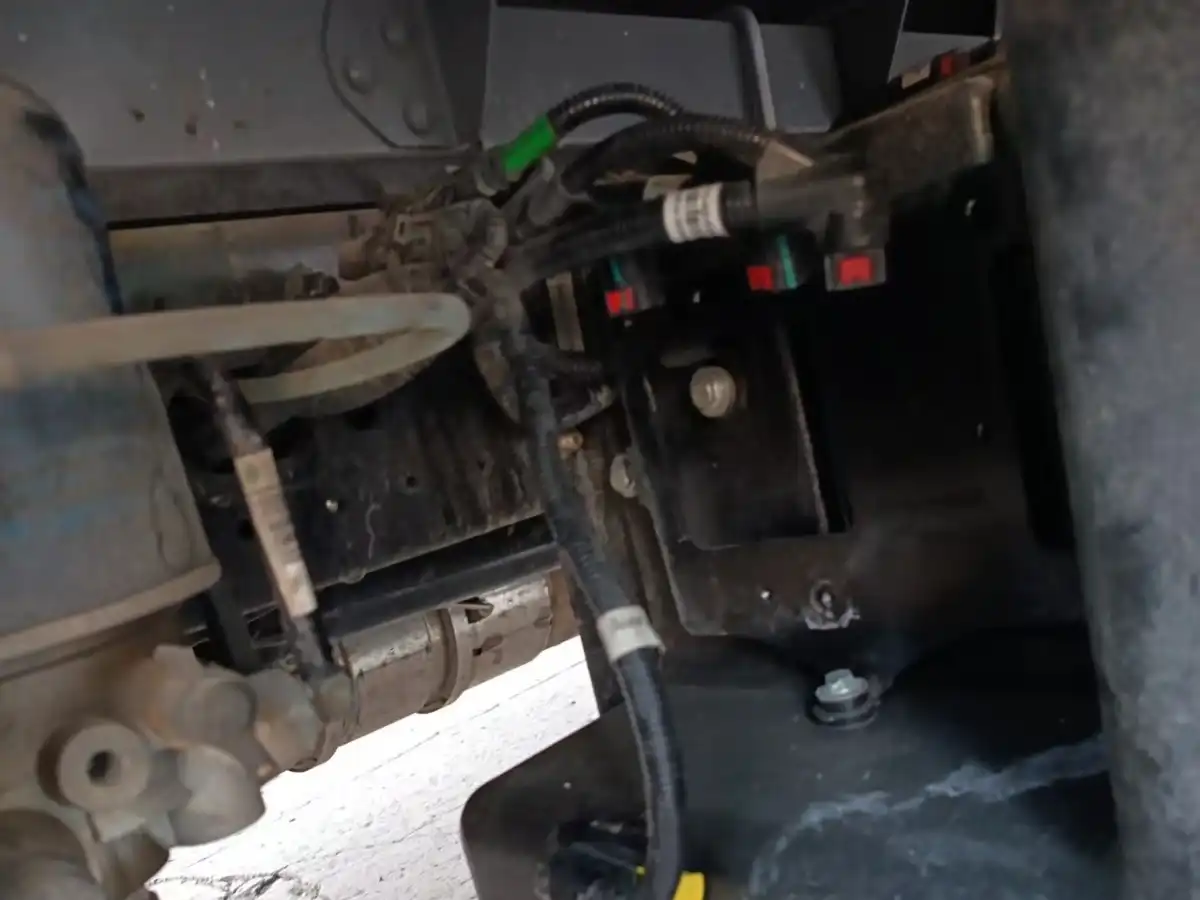
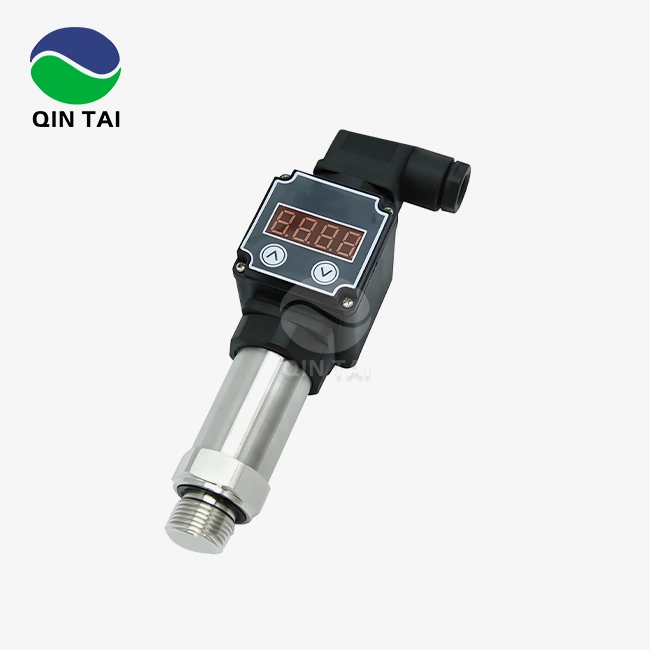
A urea pressure sensor, which is also called an AdBlue pressure sensor, is an important part of the SCR aftertreatment device. These sensors check the urea solution's pressure in the dosing system to make sure that the right amount gets to the injector tip and that NOx reduction works right. The sensor sends return signals to the SCR control unit in real time. This lets the dosing pump be precisely controlled and keeps the system safe from overpressure or leaking problems.
The basic idea behind how it works is to keep an eye on the urea pressure in the line that goes from the pump to the injection. This constant measurement lets the control system keep the right injection pressure, which makes sure that the spray pattern forms correctly and that the exhaust gases are fully mixed. It is especially important to keep an eye on the pressure during cold-start conditions, when the urea solution thickens a lot.
Technology Types and Design Variations
Both analog and digital sensor technologies are used in modern car uses. Each has its own benefits for different operational needs. Analog sensors give off a steady frequency that is equal to the pressure they are measuring, while digital versions are more accurate and can do diagnostics because they have built-in processing units.
Most sensor designs use special diaphragm materials that don't corrode or crystallize when exposed to urea. Modern models have heating parts that keep them from freezing when they're used in cold temperatures. This makes sure that they work the same way in all kinds of weather. Adding temperature compensation methods improves the accuracy of measurements even more across the whole working range.
Real-World Applications Across Vehicle Categories
The main use for vehicle urea pressure sensors is in heavy-duty trucks, where tough build and long service life are very important. It is important for construction and farming tools to have sensors that can handle a lot of shaking and dirt while still measuring accurately. In passenger cars with diesel engines, the sensors are small and designed to fit in places with limited room. Marine uses need extra protection against rust from saltwater and humidity, which is why they need specific coating and sealing options.
Top Urea Pressure Sensors on the Market in 2026: Features and Comparisons
Selection Criteria for Industrial Procurement
When buying car pressure sensors, including the urea pressure sensor, people in charge of procurement have to look at a number of performance factors that have a direct effect on the system's dependability and its total cost of ownership. Most standards for accuracy run from ±1% to ±3% of full scale. Models with higher precision cost more but do a better job of controlling emissions.
The standards for durability include both chemical resistance to urea solutions and mechanical strength. Extreme temperatures must be able to work in the range of -40°C to +150°C, and pressure levels must be higher than the highest system pressures by the right amount to ensure safety. OEM interoperability makes sure that the new system works with current diagnostic and control systems without any problems.
Market-Leading Sensor Technologies
There are a number of well-known companies on the market that offer tried-and-true options for SCR uses in vehicles. Bosch's car sensors use advanced piezoresistive technology and built-in signal conditioning to give them great long-term stability and troubleshooting tools. The sturdy design of these sensors makes them suitable for heavy-duty uses while still being affordable for mass production.
Delphi pressure sensors use sense elements made of silicon that have special coats on them to keep them from urea crystallization and corrosion. Their small design philosophy lets them fit into setups with limited room while still providing reliable performance over long repair intervals. Temperature compensation methods make sure that the accuracy stays the same even when the working conditions change.
Ceramic sensor technology is used in Denso car parts to make them more resistant to chemicals and stable at high temperatures. They use advanced packing methods for their sensors that keep sensitive electronics from getting wet or contaminated. Digital output versions offer better diagnostic data for apps that use predictive maintenance.
Pricing and Procurement Considerations
Buying in bulk can have a big effect on the total cost of buying, and sales over 1,000 units per year can qualify for volume discounts. OEM-specification sensors usually cost 20–30% more than private options. This is because they are better controlled for quality and come with longer warranties.
As global component shortages and longer lead times get worse, supply chain issues become more important. Having ties with more than one provider guarantees a steady supply and lets you negotiate competitive prices. The standard of technical help changes a lot between manufacturers, which lowers the value of long-term partnerships.
Calibration, Maintenance, and Troubleshooting of Urea Pressure Sensors
Calibration Procedures and Equipment Requirements
To keep sensor accuracy, you need to use regular calibration procedures, precise pressure standards, and the right measuring tools. During calibration, known pressure values are usually applied across the whole measurement range while sensor output reactions are recorded. Professional-level pressure calibrators that are accurate to within 0.1% of the number make sure that confirmation standards are reliable.
Software-based calibration tools let testing processes be run automatically and keep records of calibration certificates to meet regulatory requirements. For temperature compensation testing, you need environmental rooms that can be controlled and keep the conditions fixed during the calibration process. For uses that are regulated, being able to trace back to national guidelines is a must.
Common Troubleshooting Scenarios
Using urea pressure sensor solutions in the field has shown that there are a few common problems that affect how well they work and how reliable the system is. When crystals form around where sensors are mounted, they can lead to measurement drift and, eventually, sensor failure. As part of regular inspection routines, sensor links should be looked at visually and cleaned using the right solvents.
Electrical connection problems usually show up as signal loss or numbers that don't make sense while the car is running. As part of proper connection upkeep, the pin contacts, the stability of the wire harness, and the efficiency of the environmental seal must all be checked. Diagnostic trouble codes are very helpful for separating problems with sensors from problems with the whole system.
Failures caused by temperature usually happen in harsh working situations where thermal stress is higher than what was intended. As a preventative step, you should check that the sensors are mounted correctly and make sure they have enough thermal protection from waste heat.
Preventive Maintenance Best Practices
To make sensors last longer, you need to set up routine repair procedures that are specific to the working environment. When you store new sensors, you should keep them clean and dry and keep the temperature from going too high or too low, which could damage sensitive parts.
The way something is installed has a big effect on how reliable it is in the long run. For example, using the right torque and thread sealer can stop pressure leaks and contamination from getting in. Teaching workers the right way to handle things lowers the risk of damage during service work and makes sure that the system works at its best.
Keeping records of repair tasks lets you look for patterns and plan when to replace things before they break. Regularly checking the performance with diagnostic systems lets you know about problems early on, before the sensors stop working completely.
How to Choose the Right Urea Pressure Sensor for Your Automotive Needs?
Core Evaluation Metrics
Sensor sensitivity tells us the smallest change in pressure that causes an output signal that can be seen. This has a direct effect on how quickly and precisely the system responds to changes and how it is controlled. Response time requirements become very important for dynamic applications where quick changes in pressure need to be found and controlled right away. Response times for most car sensors should be less than 10 milliseconds for the system to work at its best.
Expected life spans change a lot depending on how the sensor is used and how well it was built. Premium sensors made for heavy-duty uses can usually handle more than 500,000 rounds of operation, while normal car grades may need to be replaced after 200,000 cycles. Changes in temperature, vibration exposure, and the amount of pollution all have a direct effect on the real service life.
To be compatible with other OEM systems, both the mechanical mounting requirements and the electrical link standards must be met. To make sure proper integration and diagnostic functions, the types of connectors, pin setups, and signal outputs must match what the control system expects.
Supplier Assessment Criteria
When judging a supplier's trustworthiness, you should look at their manufacturing certifications, quality control systems, and past work with automotive uses that are similar to yours. ISO 9001 and IATF 16949 standards show that quality processes have been created, and experience in the car industry shows that you understand the needs of the industry and the rules that need to be followed.
Quality of after-sales service is especially important for setups that are hard to understand or for custom applications that need expert help. Total cost of ownership and project risk management are directly affected by how quickly technical questions are answered, how many application engineering resources are available, and what the guarantee covers.
Certification that meets the necessary car standards makes sure that the application will be accepted by the government and speeds up the approval process for OEM applications. Some important licenses are those that check for EMC compliance, environmental testing standards, and, if needed, practical safety requirements.
Strategic Procurement Approaches
By negotiating big order deals, you can save a lot of money and make sure that you get the best products when supplies are low. Price stability promises and chances to work together to create unique solutions are common parts of long-term partnership deals.
With the ability to customize sensor development, particular application needs can be met more effectively than with standard goods. In specialized car settings, mounting arrangements may need to be changed, temperature ranges may need to be expanded, or diagnostic features may need to be improved. This may require custom engineering investment.
Technical teamwork when choosing sensors ensures the best performance and keeps expensive interface problems from happening during system development. When suppliers are involved early in the planning process, solutions are often better and the time it takes to get new uses to market is shortened.
Future Trends and Innovations in Urea Pressure Sensor Technology
Current Technology Limitations
Existing urea pressure sensor technologies have a number of problems that make them less useful in demanding car settings. Over time, accuracy loss is still a problem, especially in places with high temperatures where heat stress can make it hard for sensors to stay calibrated. To keep long-term dependability, materials need to be constantly improved so they can work with new urea formulas.
Environmental weaknesses include being able to get contaminated from outside sources and not being able to handle mechanical shock well in heavy-duty situations. The overall system economy is affected by how much power heated sensors need, and diagnostic capabilities are still limited compared to other types of car sensors.
Emerging Technology Developments
IoT integration is a big chance to make progress because it lets you do things like remote tracking and preventative repair over wireless connections. Cloud-based data analytics can find patterns in performance and make the best use of repair schedules to cut down on unexpected failures and the costs that come with them.
The main goal of sensor miniaturization is to reduce the size of the package while keeping or even better the performance qualities. New developments in materials science offer better resistance to chemicals and stability at high temperatures. This will make sensors last longer and cost less to repair.
Integration of MEMS technology allows adding more sensing functions to single packages, which could include measuring pressure along with temperature, flow rate, or contamination. Additionally, these multi-parameter sensors make installation easier while offering full system tracking capabilities.
Regulatory and Market Drivers
Tougher rules on emissions around the world are continuing to drive the need for more accurate and reliable sensors. The Euro VII standards that are currently being worked on will probably need better monitoring tools and stricter performance standards than the ones that are currently in place. Traditional diesel aftertreatment markets are being affected by the rise of electric vehicles, but industrial vehicles will still need modern SCR systems for a while to come. Hybrid powertrain systems might bring about new working situations that need new sensor designs and control strategies.
Strategic Preparation Recommendations
Engineering teams should keep an eye on new technologies and keep in touch with innovative sensor providers that can provide answers for the next generation. Putting money into testing tools and approval processes makes sure that you are ready to use new technologies as they become more mature. Optimizing costs now and planning for the move of technologies in the future should both be part of procurement plans. When suppliers work together and talk about the technology plan, they can better get ready for changes in the market and in regulations.
Conclusion
To choose the best urea pressure sensor for automobile uses, you need to carefully look at technical specs, the supplier's skills, and long-term business goals. On the market now, there are tried-and-true products from well-known companies, and new technologies promise better performance and monitoring tools. Procurement strategies that work well combine short-term cost concerns with long-term reliability needs. This makes sure that the system stays effective while also meeting changing emissions laws. Putting money into proper calibration, maintenance, and relationships with suppliers will get the most out of your sensors and lower your total cost of ownership across a wide range of vehicle uses.
FAQ
What factors most significantly influence sensor accuracy in automotive applications?
Changes in temperature are the main thing that affects the accuracy of a sensor, since changes in material properties and thermal growth affect the stability of measurements. With the right temperature adjustment methods and a strong sensor design, these effects are kept to a minimum. Uncertainty in measurements is also caused by vibrations, electrical interference, and pollution from outside sources. Regular testing and using the right placement methods help the sensor stay as accurate as possible for as long as it is used.
Are aftermarket sensors viable alternatives to OEM quality for critical applications?
Aftermarket sensors can work well enough for many uses, but the quality changes a lot from one company to the next. OEM-specification sensors usually go through more thorough testing and quality control processes, which is why they cost more for important uses. Applications that need to save money may benefit from carefully chosen aftermarket options, as long as they are compatible and reliable through proper validation testing. When installing something complicated, OEM providers are often better because they offer better technical help and warranties.
How frequently should automotive pressure sensors undergo calibration verification?
Calibration times rely on how the system is used and how accurate it needs to be. Usually, it's suggested to check for errors once a year for common uses and every six months for important ones. To keep things running at their best, harsh working conditions may need to be checked for calibration more often. Diagnostic systems that check for conditions can help improve calibration plans by finding performance drift before it changes how the system works.
Partner with Qintai for Premium Automotive Pressure Sensor Solutions
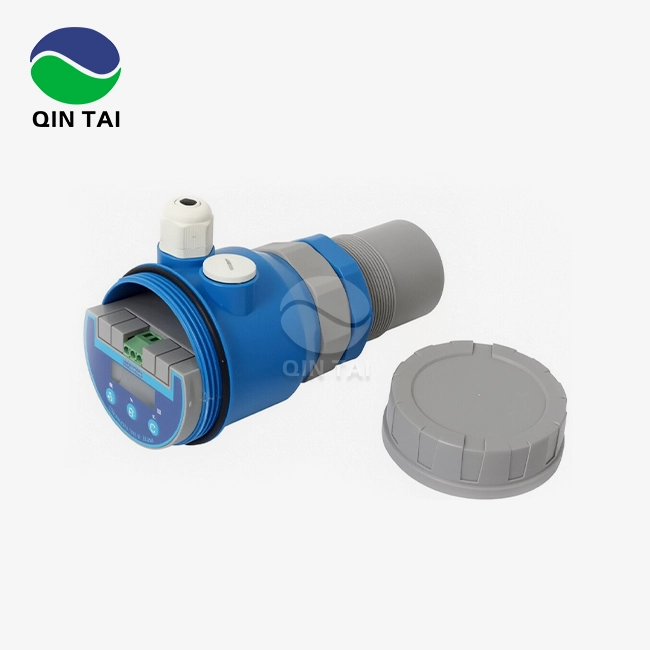
Qintai stands as China's leading urea pressure sensor manufacturer, delivering world-class solutions that meet the most demanding automotive emission control requirements. Our comprehensive product portfolio includes advanced pressure sensors specifically engineered for SCR aftertreatment systems, backed by extensive certifications including ISO9001, IATF16949, and 58 invention patents. With over two decades of experience serving global OEM clients, we provide customizable sensor solutions that ensure regulatory compliance while optimizing system performance.
Contact our technical team at info@qt-sensor.com to discuss your specific application requirements and explore our competitive bulk pricing options. Our engineering experts offer complete support from initial consultation through mass production, ensuring seamless integration and reliable long-term performance.
References
1. Smith, J.A., and Chen, L.M. "Advanced Materials for Automotive Urea Pressure Sensors: Chemical Resistance and Thermal Stability Analysis." Journal of Automotive Engineering Technology, Vol. 45, No. 3, 2024, pp. 127-142.
2. European Commission Directorate-General for Climate Action. "Euro VII Emission Standards: Technical Requirements for Heavy-Duty Vehicle Aftertreatment Systems." Official Journal of the European Union, Publication Series C-2024/188, 2024.
3. Rodriguez, M.P., Wang, H.K., and Thompson, R.J. "SCR System Optimization Through Advanced Pressure Monitoring: A Comparative Study of Sensor Technologies." SAE International Technical Paper Series, Paper No. 2024-01-0394, 2024.
4. Global Automotive Sensors Market Research Institute. "Automotive Pressure Sensor Technology Trends and Market Forecast 2024-2029." Industry Analysis Report, Chapter 7: Urea Injection Systems, 2024, pp. 89-106.
5. Zhang, Y.F., and Mueller, K.H. "Predictive Maintenance Strategies for Diesel Exhaust Fluid System Components." International Conference on Automotive Electronics and Control Systems Proceedings, Beijing Technical University Press, 2024, pp. 234-248.
6. American Society of Testing and Materials. "Standard Test Methods for Automotive Fluid Pressure Sensors: Calibration and Performance Verification Procedures." ASTM Standard D7982-24, Annual Book of ASTM Standards, Vol. 15.05, 2024.

Our customers’ satisfaction speaks for our quality — contact us to experience the same reliable service.