- English
- French
- German
- Portuguese
- Spanish
- Russian
- Japanese
- Korean
- Arabic
- Greek
- German
- Turkish
- Italian
- Danish
- Romanian
- Indonesian
- Czech
- Afrikaans
- Swedish
- Polish
- Basque
- Catalan
- Esperanto
- Hindi
- Lao
- Albanian
- Amharic
- Armenian
- Azerbaijani
- Belarusian
- Bengali
- Bosnian
- Bulgarian
- Cebuano
- Chichewa
- Corsican
- Croatian
- Dutch
- Estonian
- Filipino
- Finnish
- Frisian
- Galician
- Georgian
- Gujarati
- Haitian
- Hausa
- Hawaiian
- Hebrew
- Hmong
- Hungarian
- Icelandic
- Igbo
- Javanese
- Kannada
- Kazakh
- Khmer
- Kurdish
- Kyrgyz
- Latin
- Latvian
- Lithuanian
- Luxembou..
- Macedonian
- Malagasy
- Malay
- Malayalam
- Maltese
- Maori
- Marathi
- Mongolian
- Burmese
- Nepali
- Norwegian
- Pashto
- Persian
- Punjabi
- Serbian
- Sesotho
- Sinhala
- Slovak
- Slovenian
- Somali
- Samoan
- Scots Gaelic
- Shona
- Sindhi
- Sundanese
- Swahili
- Tajik
- Tamil
- Telugu
- Thai
- Ukrainian
- Urdu
- Uzbek
- Vietnamese
- Welsh
- Xhosa
- Yiddish
- Yoruba
- Zulu
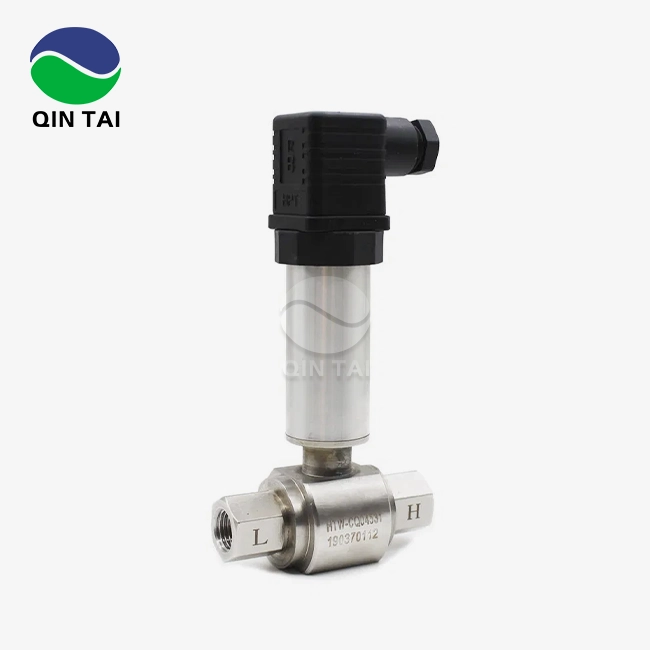
Cost comparison of different urea pressure sensors for trucks
It's important to know the price changes between different
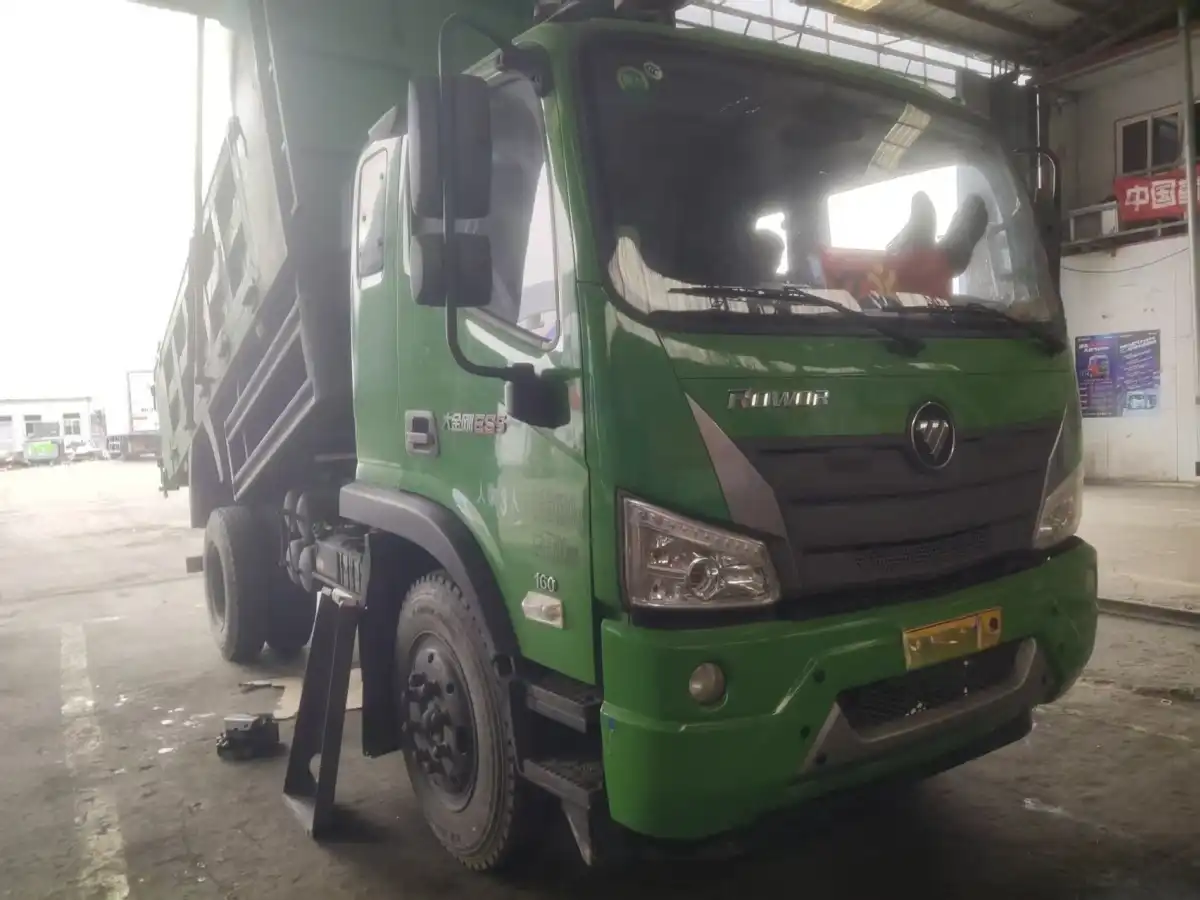
solutions when looking at diesel emission control system choices so you can make smart buying decisions. These important parts, which check the AdBlue pressure in SCR systems, usually cost between $45 and $280 each, based on the brand's name, technical requirements, and the quality of the manufacturing. Premium makers, like Bosch and Continental, charge more because their products are more accurate and come with longer warranties. On the other hand, mid-tier sellers offer options that are affordable and strike a good balance between performance and cost. The original buy price is only one part of the total cost of ownership. Other costs include calibration, maintenance, and replacements that need to be done over the sensor's useful life.
SCR aftertreatment systems are very important for modern commercial cars to meet strict pollution standards. Pressure monitoring is a key part of making sure the systems work at their best. These high-tech gadgets check the pressure of the diesel exhaust fluid in the dosing circuit and send real-time information to the engine control unit so that the timing and amount of injections can be perfect.
Working Principle and Core Functions
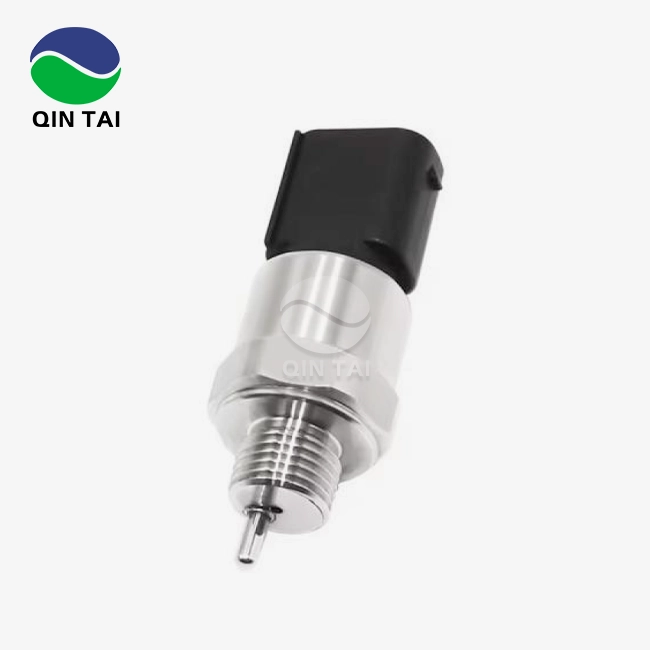
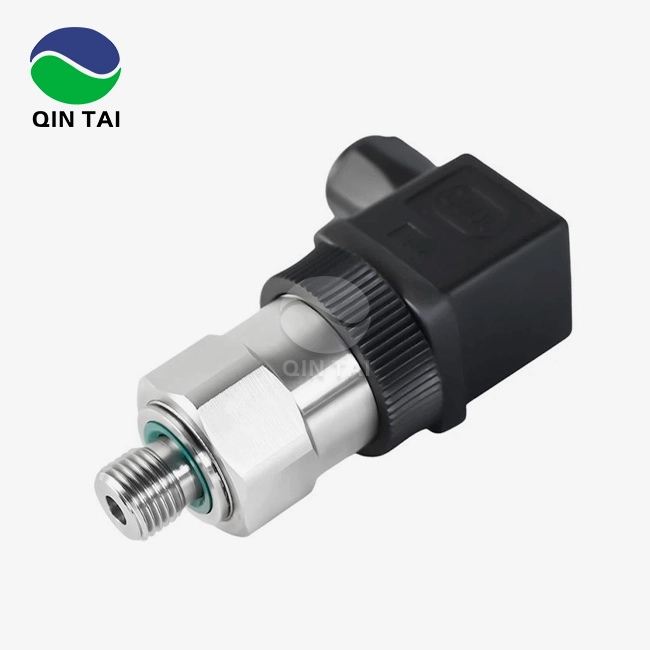
The main thing that these sensors do is turn mechanical pressure into digital data that the car's control systems can understand. As AdBlue moves through the supply line and toward the injection tip, the sensor picks up changes in pressure and sends voltage or current signals to the SCR control module. This constant tracking keeps the system's spray patterns correct, stops crystallization problems, and makes sure that all NOx reduction efforts are complete.
The diaphragm of the sensor reacts to changes in the pressure in the urea supply system. For most heavy-duty uses, this ranges from 0 to 10 bar. Advanced models have temperature compensation features that keep them accurate in a wide range of working situations, from winters below zero to summers with high temperatures.
Technology Variations and Accuracy Levels
Analog sensors send out constant voltages that are proportional to the pressure they sense. This makes signal transfer smooth, but it needs strong signal conditioning circuits. Digital versions change pressure readings into digital protocols, which make them more resistant to noise and make it easier to connect to current CAN-bus designs. When exposed to crystallized urea deposits, ceramic-based sensors are more resistant to corrosion, while silicon-based options are more sensitive and can make accurate low-pressure readings.
Different technology platforms have very different accuracy requirements. High-end sensors usually achieve ±0.5% full-scale accuracy, while cheaper options usually offer ±2% precision. The performance of the temperature coefficient varies a lot as well, which changes the sensor's long-term stability and the amount of tuning that needs to be done over its lifetime.
Cost Factors Affecting Urea Pressure Sensor Pricing
The final cost of buying pressure tracking parts for SCR systems depends on a lot of different factors. This means that procurement workers have to look at both short-term costs and long-term benefits. Knowing about these cost drivers helps you make better budget plans and decisions about which suppliers to use.
Component Quality and Manufacturing Standards
Premium sensors are made of special materials that are made to survive the acidic effects of urea solutions and sudden changes in temperature. Specialized coatings on stainless steel housings stop crystals from building up, and high-quality computer parts keep the device running smoothly for long periods of time. Failure rates are directly related to the quality of the manufacturing process, which affects how often things need to be replaced and how much it costs to do so.
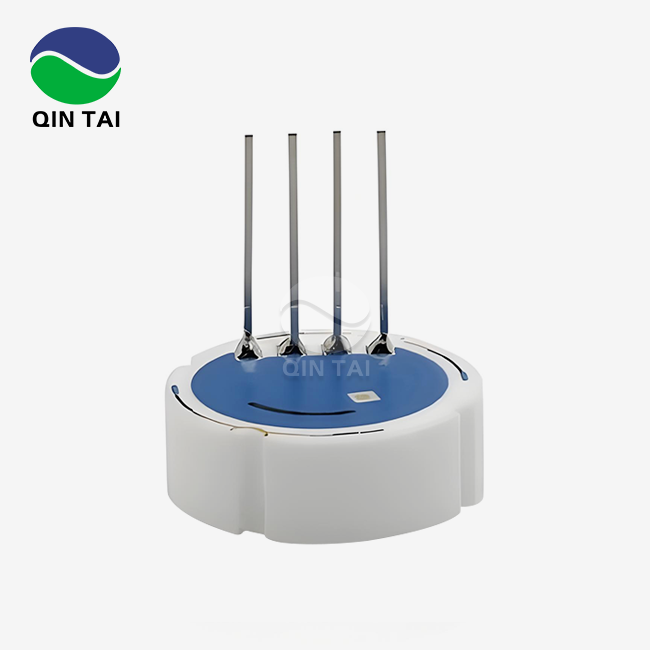
Choosing between ceramic and silicon sensing elements for the urea pressure sensor changes both the price at first and how long they last. Ceramic sensors cost more because they are better at resisting chemicals and staying stable at high temperatures. On the other hand, silicon-based sensors are cheaper for uses that don't need to be as resistant to harsh environments.
Brand Reputation and Technical Features
Established companies like Bosch, Continental, and Siemens charge higher prices because they are known for being reliable. These brands put a lot of money into research and development, which leads to advanced features like the ability to diagnose themselves, wider temperature ranges, and better resistance to electromagnetic interference. Their goods usually come with full technical documentation, help with applications, and a guarantee that covers the whole world.
Mid-level makers focus on offering basic features at reasonable prices, usually aiming at cost-conscious uses where simple pressure tracking is enough. Even though these options might not have the most modern features, they can work well enough for certain operational needs.
Procurement Volume and Supply Chain Considerations
The number of units you order has a big effect on the price per unit, and for standard models, bulk savings usually start at 100 pieces. Large fleet operators and original equipment makers (OEMs) can get big price cuts by signing yearly contracts and making forecast promises. Minimum order amounts may be needed for custom standards or unique mounting configurations, which can affect the total cost of purchase.
Logistics in the supply chain, such as shipping methods, wait times, and the cost of keeping goods on hand, are all part of the total cost of acquisition. Most of the time, domestic suppliers can get things to you faster, but they may charge more. On the other hand, foreign suppliers can lower unit costs, but they may have longer lead times and make quality control harder.
Comparative Analysis of Popular Urea Pressure Sensor Brands
The urea pressure sensor market features several established manufacturers offering distinct value propositions across different price segments. Each brand brings unique strengths in terms of technical capabilities, cost positioning, and market focus.
Premium Tier Manufacturers
Bosch is the leader in this field. Their sensors cost between $180 and $280 per unit and have an accuracy rate of ±0.5%. They can also work in temperatures ranging from -40°C to +125°C. Their goods come with built-in diagnostics, CAN-bus compatibility, and five-year guarantees that make the higher prices worth it for mission-critical uses.
Continental's products cost between $160 and $240 and are known for being well-built and reliable enough for use in cars. Their sensors use advanced signal processing techniques that cut down on noise interference and make measurements more stable when the sensors are vibrating. The company's large aftermarket support network is an added benefit for truck owners who need to be able to repair parts quickly.
Siemens works on industrial-grade products that cost between $150 and $220 and offer great long-term security and performance in harsh environments. Their clay sensor technology works really well in places with a lot of contamination, where crystallization is a big problem for silicon-based sensors.
Cost-Effective Alternatives
Amphenol offers affordable options with prices ranging from $85 to $140. These are aimed at situations where reliable performance is more important than fancy features. It's easy to connect their analog output sensors to current control systems, and their accuracy levels are good enough for most commercial car uses.
TE Connectivity sells sensors for $75 to $125 that focus on being easy to install and having standard electrical connections. When replacing something in the aftermarket, these items are good because they can be used with a lot of different systems and can be replaced quickly.
Performance Analysis and ROI Considerations
Premium sensors usually have lower failure rates and longer service intervals, which could make up for their higher starting costs by saving money on upkeep. According to data from independent tests, the average time between failures for high-quality sensors is more than 8,000 hours, while the average time between failures for cheaper options is only 3,000 to 5,000 hours.
The total cost of ownership for a urea pressure sensor must take into account how often the item needs to be replaced, its diagnostic skills, and the length of the guarantee. Premium sensors often have self-monitoring features that let you plan ahead for upkeep, which cuts down on unexpected breakdowns and the costs that come with them.
Procurement Strategies: How to Choose the Right Urea Pressure Sensor?
Successful sensor selection requires balancing technical requirements against budget constraints while considering long-term operational implications. A planned method makes sure that the part works well and doesn't cost too much over its lifetime.
Application-Specific Requirements Analysis
Heavy-duty highway trucks need sensors that can handle constant vibration and long periods of use. This makes premium choices with strong construction and longer guarantees appealing, even though they cost more at first. Construction equipment has to deal with tough conditions like dust, water, and high temperatures. This means that sensors need to be better at closing and resisting rust.
Generator set uses usually work in a steady state, but they need to be very stable over time and have very little movement. Because the system is always running, dependability is very important, which is often a good reason to choose high-quality sensors to reduce the need for upkeep.
Evaluation Metrics and Decision Criteria
Different uses have very different accuracy needs. Some can handle ±2% accuracy, while others need ±0.5% performance for best emission control. In situations where temperatures change a lot, temperature adjustment is very important because it affects the choice of sensor and the costs that come with it. Diagnostic features allow for planned repair methods that can lower the overall cost of ownership over time. Built-in fault detection in sensors helps find problems before they become total failures, reducing unplanned downtime and the lost productivity that comes with it.
Supplier Selection and Procurement Optimization
Working with approved wholesalers makes sure that you get real goods that come with guarantees and technical help from the maker. This method might have a little higher unit costs, but for important uses, the guarantee of real parts and full support often makes up for the extra cost.
When buying in bulk, you can save a lot of money, especially if you have a lot of things that need to be replaced. Volume price tiers and priority allocation during supply gaps are often unlocked by annual contracts with forecast promises. Custom choices for packaging and labels may help with managing supplies and making installations go more smoothly.
Troubleshooting, Calibration, and Maintenance Cost Implications
The operational expenses associated with urea pressure sensor ownership extend well beyond initial purchase costs, encompassing calibration requirements, preventive maintenance, and troubleshooting activities that impact total lifetime value.
Common Failure Modes and Diagnostic Approaches
Crystallization is the most common reason why sensors break down. It happens when urea deposits build up on sensing elements or inside pressure ports. This problem usually shows up as reading drift or no signal at all, which means the sensor needs to be replaced or cleaned thoroughly. Crystallization-related problems are less likely to happen with high-end sensors that can self-heat or have special coats.
About 30% of sensor problems are caused by problems with the electrical connections. These problems are usually caused by corrosion in tough working conditions. Regular inspections and preventative maintenance on connectors can cut down on these failures by a large amount and increase the service life of sensors.
Calibration Requirements and Cost Management
Most pressure sensors need to be calibrated on a regular basis to keep their accuracy within certain limits. This is usually done once a year or every 2,000 hours of use. Premium sensors with stable reference elements may allow calibration times to be pushed back to 18 months, which will save money on labor and equipment.
Portable pressure standards are used for in-field calibration, which costs about $25 to $45 per sensor. Calibration in a lab, on the other hand, costs between $60 and $120, depending on the level of accuracy needed and the time it takes to do the work. Some more modern sensors have self-calibration features that get rid of the need for external calibration. This saves money in the long run, even though they cost more at first.
Preventive Maintenance Strategies
Flushing the system with clean AdBlue fluid on a regular basis helps keep crystals from building up and makes sensors last longer. This preventative method usually costs $15 to $25 per service period, but in places with a lot of contamination, it can double the life of sensors. Changing the temperature when the machine is off helps break up solid crystals that form during operation. Modern SCR systems have automatic purge processes that protect the integrity of the sensors and reduce the amount of upkeep that needs to be done by hand.
Conclusion
When you compare the prices of different urea pressure sensor choices, you can see that there are big differences in both the starting costs and the total costs of ownership across different technology platforms and makers. Premium names like Bosch and Continental cost more to buy, but they often provide better long-term value by being more reliable and needing less maintenance. Mid-tier options are more cost-effective for applications that don't need a lot of speed, and cheap options are best for replacements where saving money right away is more important than having advanced features. To get the best cost-performance mix, it's important to carefully look at the needs of the product, the operational conditions, and the long-term maintenance needs.
FAQ
What is the typical price range for truck urea pressure sensors?
Truck urea pressure sensors typically range from $45 to $280 per unit, depending on manufacturer, technology type, and feature set. Budget aftermarket sensors start around $45-$75, mid-tier options span $75-$150, while premium OEM-grade sensors cost $150-$280. Volume purchasing can reduce these costs by 15-25% for quantities above 100 units.
How do digital and analog sensor types compare in terms of cost-performance?
Digital sensors generally cost 20-30% more than analog equivalents but offer superior noise immunity and easier integration with modern vehicle control systems. Analog sensors provide adequate performance for basic applications at lower cost, while digital variants justify their premium through enhanced diagnostic capabilities and reduced installation complexity in CAN-bus environments.
Which brands offer the best value for bulk purchasing scenarios?
Amphenol and TE Connectivity provide excellent value for bulk purchases, offering competitive pricing with acceptable performance for fleet applications. These manufacturers typically provide volume discounts starting at 100-piece quantities, with additional savings available for annual contracts. Their products balance cost-effectiveness with reliability for commercial vehicle aftermarket applications.
Contact Qintai for Premium Urea Pressure Sensor Solutions
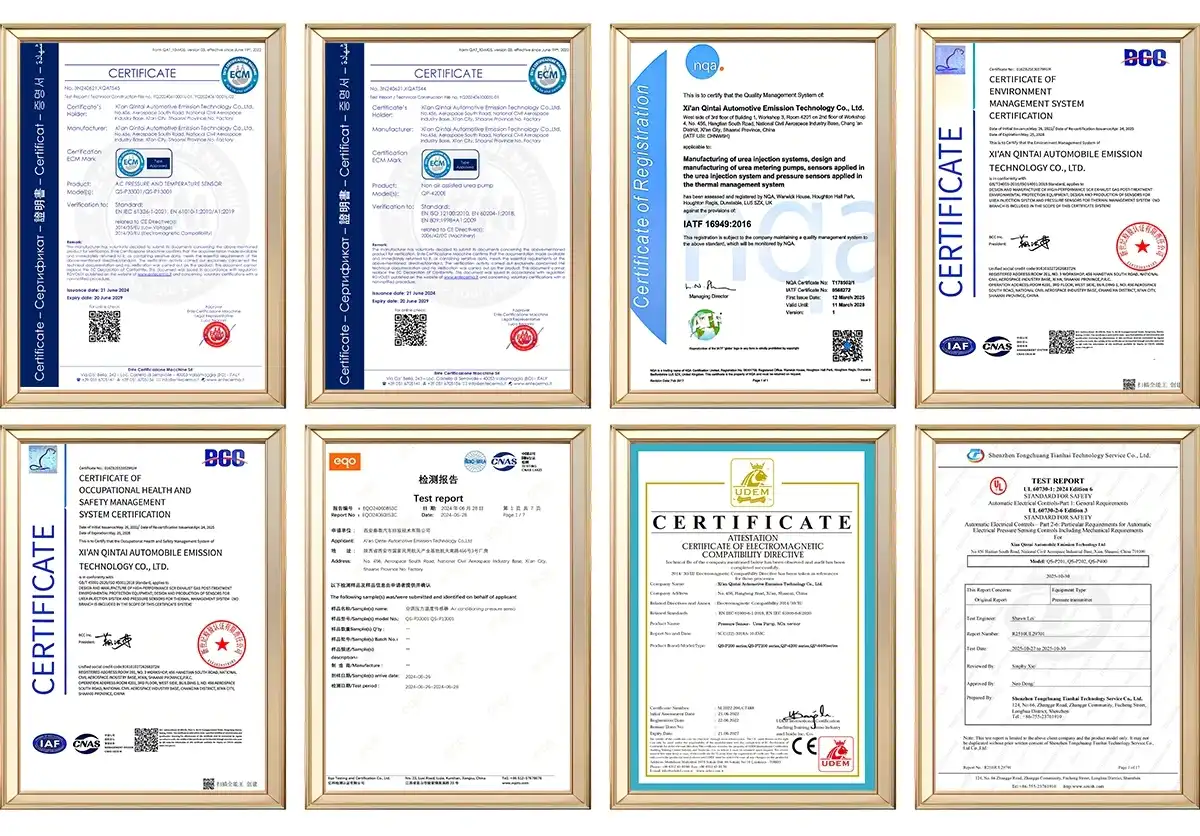
Qintai delivers industry-leading pressure sensing solutions that combine advanced technology with competitive pricing for commercial vehicle applications. As China's premier SCR aftertreatment specialist with over two decades of engineering excellence, we provide comprehensive OEM and ODM services tailored to your specific requirements. Our ISO9001 and IATF16949 certified manufacturing processes ensure consistent quality, while our 58 invention patents demonstrate continuous innovation in sensor technology.
Whether you need standard replacement sensors or custom-engineered solutions for specialized applications, our expert team provides technical support throughout the entire procurement process. Contact us today at info@qt-sensor.com to discuss your urea pressure sensor requirements and discover how our manufacturer-direct pricing can optimize your total cost of ownership while enhancing system performance and reliability.
References
1. Society of Automotive Engineers. "Heavy-Duty Diesel Engine Emission Control Technology Assessment." SAE International Technical Paper Series, 2023.
2. International Council on Clean Transportation. "Cost-Effectiveness Analysis of SCR System Components for Commercial Vehicles." ICCT Policy Report, 2023.
3. Automotive Industry Action Group. "Supplier Quality Requirements for Emission Control Sensors." AIAG Technical Bulletin, 2022.
4. European Association of Automotive Suppliers. "Market Analysis of Aftertreatment System Components." CLEPA Industry Report, 2023.
5. American Trucking Associations. "Fleet Maintenance Cost Analysis: Emission Control Systems." ATA Technology & Maintenance Council Study, 2023.
6. Diesel Technology Forum. "Economic Impact Assessment of Advanced Emission Control Technologies." DTF Research Publication, 2022.

Our customers’ satisfaction speaks for our quality — contact us to experience the same reliable service.