- English
- French
- German
- Portuguese
- Spanish
- Russian
- Japanese
- Korean
- Arabic
- Greek
- German
- Turkish
- Italian
- Danish
- Romanian
- Indonesian
- Czech
- Afrikaans
- Swedish
- Polish
- Basque
- Catalan
- Esperanto
- Hindi
- Lao
- Albanian
- Amharic
- Armenian
- Azerbaijani
- Belarusian
- Bengali
- Bosnian
- Bulgarian
- Cebuano
- Chichewa
- Corsican
- Croatian
- Dutch
- Estonian
- Filipino
- Finnish
- Frisian
- Galician
- Georgian
- Gujarati
- Haitian
- Hausa
- Hawaiian
- Hebrew
- Hmong
- Hungarian
- Icelandic
- Igbo
- Javanese
- Kannada
- Kazakh
- Khmer
- Kurdish
- Kyrgyz
- Latin
- Latvian
- Lithuanian
- Luxembou..
- Macedonian
- Malagasy
- Malay
- Malayalam
- Maltese
- Maori
- Marathi
- Mongolian
- Burmese
- Nepali
- Norwegian
- Pashto
- Persian
- Punjabi
- Serbian
- Sesotho
- Sinhala
- Slovak
- Slovenian
- Somali
- Samoan
- Scots Gaelic
- Shona
- Sindhi
- Sundanese
- Swahili
- Tajik
- Tamil
- Telugu
- Thai
- Ukrainian
- Urdu
- Uzbek
- Vietnamese
- Welsh
- Xhosa
- Yiddish
- Yoruba
- Zulu
How does a urea pressure sensor work in diesel engines?
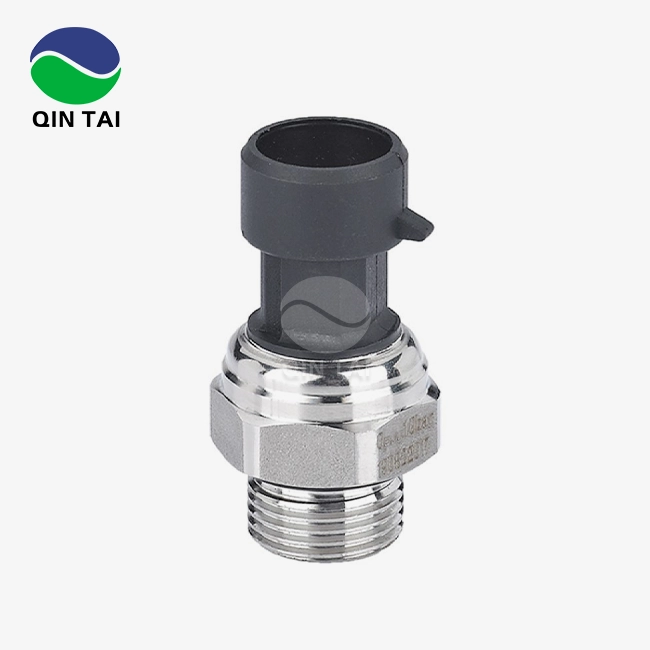
A urea pressure sensor operates by continuously monitoring the pressure of the AdBlue solution within the SCR (Selective Catalytic Reduction) system's dosing circuit. The sensor measures pressure variations between the urea pump and injector nozzle, sending real-time electrical signals to the engine control unit. When pressure levels exceed or fall below optimal thresholds, the sensor triggers immediate adjustments to maintain precise urea dosing rates essential for effective NOx emission reduction and regulatory compliance in modern diesel engines.
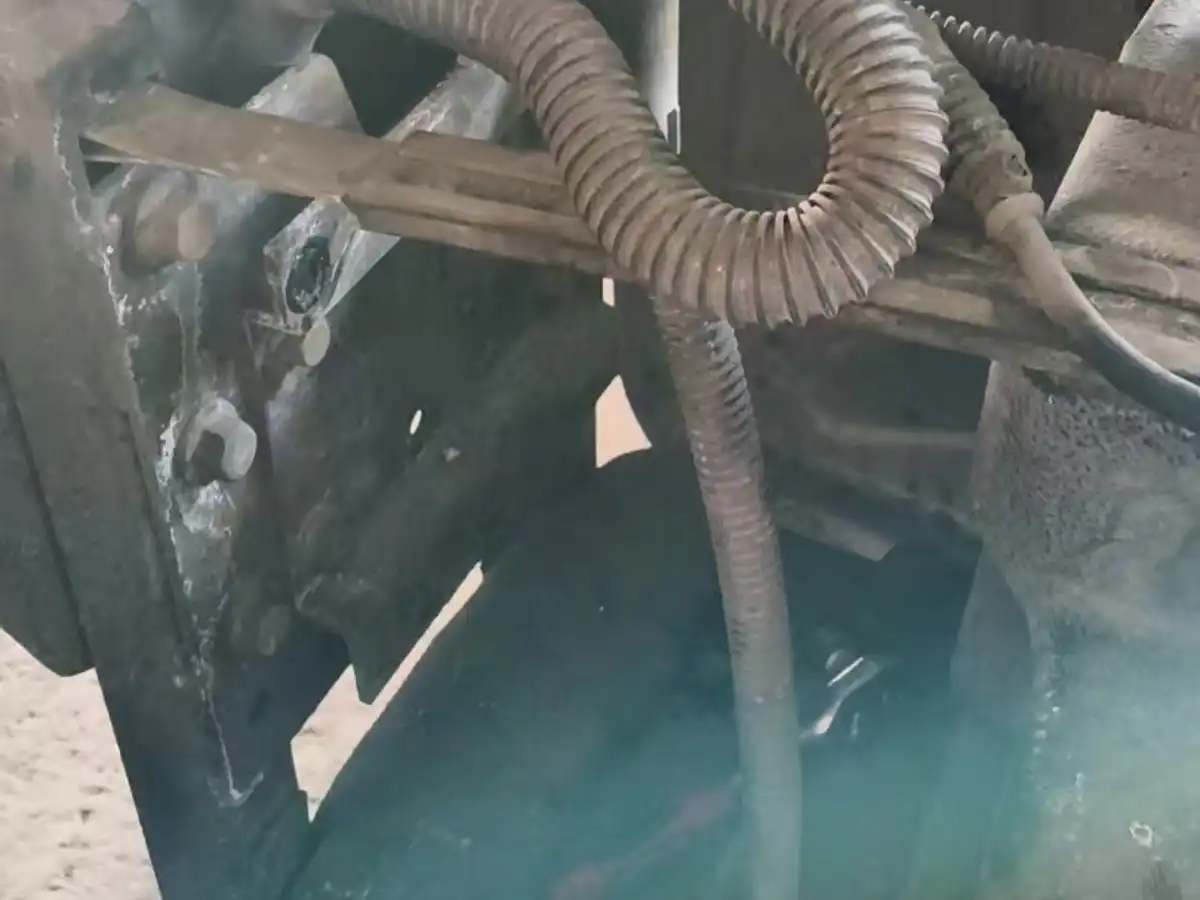
Introducing Urea Pressure Sensors in Diesel Engines
Controlling pollution from modern diesel engines depends a lot on complex tracking systems that make sure the engines work at their best while also meeting strict environmental standards. Pressure tracking devices are very important in SCR aftertreatment systems because they keep the careful balance needed for NOx reduction to work.
Core Function and Purpose
These special sensors check the pressure of the water-based urea solution (also called AdBlue or DEF) that is moving through the dose system. The main goal is to make sure that the correct supply rates are sent to the injector tip so that the fuel can be evenly distributed and atomized in the exhaust stream. The SCR system can successfully change dangerous nitrogen oxides into safe nitrogen and water vapor as long as the pressure stays within certain limits.
The sensor constantly talks to the engine's electronic control unit, sending and receiving information in real time that lets the dose pump work with more accuracy. Under-dosing, which makes pollution control less effective, and over-dosing, which loses expensive urea solution and can damage parts further down the line, are both stopped by this closed-loop control system.
Sensor Technologies and Types
There are a number of mechanical ways to measure the pressure of a urea solution, and each has its own benefits for different uses:
- Piezoresistive sensors use diaphragms made of silicon that change their electrical resistance when the pressure changes. Because these devices are very accurate and respond quickly, they can be used in situations where precise pressure control is needed.
- Capacitive pressure sensors track changes in the capacitance between two plates as the gap distance changes due to pressure. This technology is very stable and reliable over time, which is especially useful in commercial car uses where replacing sensors takes a lot of time.
- Thick-film ceramic sensors use printed resistive elements on ceramic substrates to provide better chemical protection against urea's corrosive qualities while keeping their accuracy over a wide temperature range that is common in heavy-duty diesel applications.
Technical Deep Dive – Working Principle and Performance
Understanding how these pressure measuring devices work on the inside shows why choosing the right sensors is so important for keeping the SCR system working well and lasting a long time.
Internal Mechanism and Signal Processing
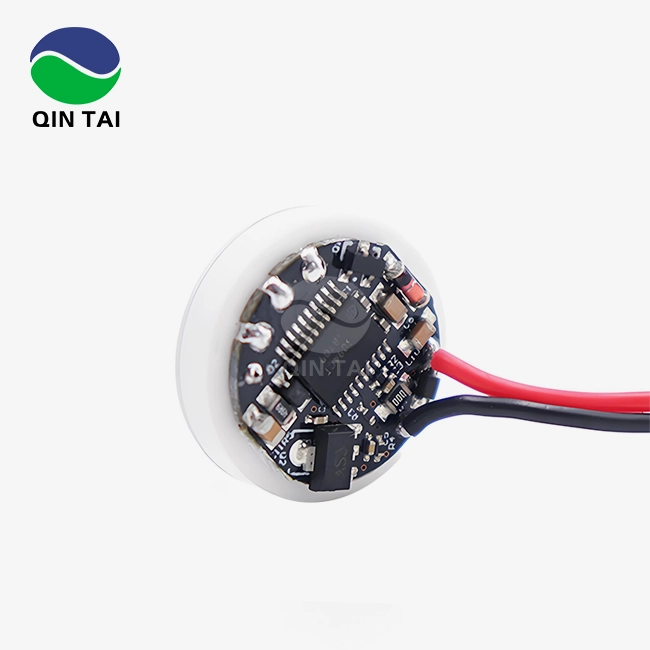
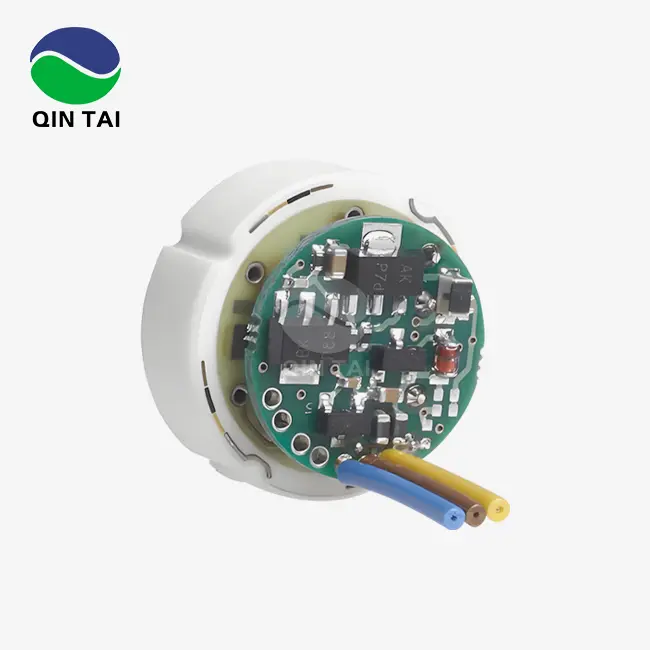
A precisely made diaphragm that bends in response to applied pressure is often used as the detecting element. Whether it's resistance, capacitance, or voltage output, this mechanical movement causes changes in the electrical traits that go along with it. Modern engine management systems can use these uniform output signals because they are amplified and linearized by advanced signal filtering circuits.
Temperature compensation circuits inside the sensor unit make sure that results are accurate even when temperatures change a lot, like they do in diesel engines. In a urea pressure sensor, these circuits adjust the output signal automatically to account for how temperature affects both the sensing element and the signal conditioning electronics, ensuring reliable dosing control.
Chemical Resistance and Durability Considerations
The acidic nature of urea solution and its tendency to crystallize at high temperatures make it difficult to work with. Good pressure sensors are made with special materials and coverings that protect them so they can last for a long time in these tough conditions. Certain alloy formulas in stainless steel diaphragms keep their mechanical qualities so they can measure pressure accurately even when they rust.
Usually, diaphragm valves keep the sensing element from coming into direct contact with the urea solution. They do this by using fill fluids that are suitable and can send changes in pressure without contaminating the element. This method greatly stretches the life of sensors while keeping measurement accuracy over long periods of use.
Common Issues and Troubleshooting
Crystallization layers can make sensors less accurate or even stop working altogether, which can cause operational problems. Protocols for regular inspections help find early danger signs like readings of changing pressures or reaction times that are slower than expected. Crystalline buildup can be removed by cleaning with allowed agents that won't hurt the sensor's parts.
Electrical connections need to be checked on a regular basis because shaking and changes in temperature can damage wires or loosen leads. If you use the right installation methods and high-quality connectors, these risks will be kept to a minimum and data transfer will be reliable for the entire life of the sensor.
Selecting the Best Urea Pressure Sensor for Diesel Engines
When procurement workers look at pressure monitoring options for SCR applications, they have to think about a lot of things. When making a choice, you have to find the right balance between technical performance needs, cost limits, and supplier reliability.
Critical Technical Criteria
The accuracy standards have a direct effect on how well emission control works, which makes this measure the most important one when choosing a sensor. Most high-quality sensors are accurate to within ±1% of full scale, which means they can control dosing accurately in all working situations. Response time traits show how quickly the system can respond to changes in pressure. A faster response time leads to better transient emission control while the engine is running dynamically.
The operating pressure range needs to be able to handle both regular working conditions and cases where the system might be overloaded. Sensors with the right pressure levels keep things from breaking and stay accurate over the whole range of expected working conditions. For a urea pressure sensor, which operates in demanding after-treatment systems, these specifications are critical; the temperature range must also ensure reliable performance from cold startup to its highest operating temperature.
When adding sensors to engine control systems that are already in place, electrical link compatibility is very important. Standard analog outputs, such as 4-20mA or 0-5V, work with all devices. Digital connections, such as CAN bus, allow for more advanced diagnostics and easier wiring.
Leading Brand Analysis
Several companies have built strong names for making urea pressure sensors that work well and are reliable in tough diesel uses. Each brand has its own strengths that make it appealing to different types of customers and uses.
Bosch sensors use advanced MEMS technology that is very stable over time and comes in small packages that are good for setups with limited room. Their sensors are made for use in cars because they have built-in temperature adjustments and strong electrical links.
Continental goods are made to last and be resistant to chemicals, which makes them perfect for heavy-duty commercial car uses. Their sensors are put through a lot of tests to see how well they work with vibrations and changes in temperature.
Denso works on precise production and quality control, which makes sensors that are very accurate and reliable. Their goods are often used as original equipment on diesel engines and aftertreatment systems made in Japan.
These well-known companies offer full technical help, documentation, and guarantee coverage that lets you make confident purchases for large-scale projects.
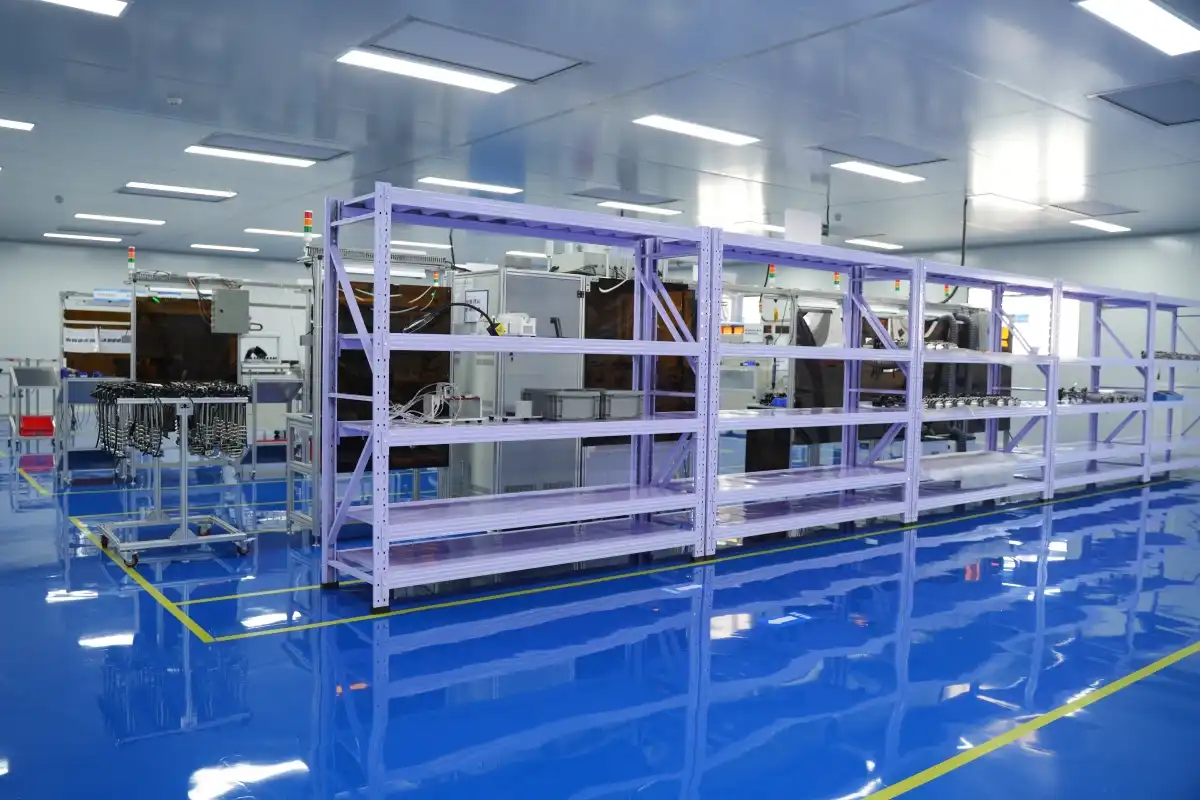
Procurement Guide: Buying Urea Pressure Sensors for Business Use
When buying pressure measuring tools, it's important to pay close attention to the skills of the seller, the approval of the product, and the ability to provide long-term support. Strategic methods to buying help make sure that you get the best value while lowering the risks of getting fake or low-quality goods.
Supplier Evaluation and Certification
Working with approved distributors and well-known original equipment manufacturers (OEM) gives you peace of mind that the product is real and gives you access to maker support resources. Reliable providers make sure that sensors are stored and handled in a way that keeps their quality while they are being shipped.
Different types of applications and areas have different certification needs, but for serious providers, ISO 9001 quality management approval is a must. For some uses, you may need extra approvals, such as IATF 16949 for use in cars or explosion-proof grades for dangerous places.
Lead times vary depending on the complexity of the product and the level of customization needed. They can be anywhere from a few weeks for basic sensors to several months for custom setups. Building ties with several qualified sources helps make sure that products are available during times of high demand or when there are problems in the supply chain.
Customization and Volume Considerations
Customized sensor configurations that get the best performance for certain working situations or installation limitations are useful for many uses. Changes to the pressure range, the electrical link, and the mechanical packing can all help the system work better together while lowering the total cost of ownership. Volume buying deals often save a lot of money and make sure that supplies are always available. Long-term contracts with well-known sellers help with planning and budgeting, and they may also help you get better prices and support terms.
When you have complicated applications or a lot of versions, technical support services become more useful. Suppliers who give help with application building, installation training, and troubleshooting help make sure that projects are completed successfully and that execution risks are kept to a minimum. In such contexts, the integration of a urea pressure sensor must be handled carefully to ensure accurate emissions control and system reliability.
Maintenance and Long-Term Use of Urea Pressure Sensors
Proper maintenance practices greatly increase the operating life of sensors, keeping their accuracy and dependability over long service times. methods to preventive repair are more cost-effective than methods to reactive replacement, especially in business settings where downtime costs a lot of money.
Inspection and Cleaning Protocols
Visual checks done on a regular basis help find problems before they become system failures. By checking electrical connections for rust, loose terminals, or broken wires, signal integrity problems that could hurt engine performance or emission compliance can be avoided.
Crystalline deposits and other contaminants that build up during normal function are removed by cleaning processes. Using the right chemicals and cleaning methods keeps sensor parts from getting damaged and brings them back to their best performance. Compressed air can help get rid of loose dirt and dust around electrical connections and sensor housings.
During regular repair periods, pressure testing is done to make sure that the sensor is working correctly and responding correctly. By comparing sensor results to calibrated reference tools, you can find drift or degradation that may need to be fixed or planned for replacement.
Troubleshooting and Replacement Decisions
Diagnostic methods help techs quickly find problems with sensors and tell them apart from problems with other parts of the system. Electrical testing of sensor outputs under known pressure conditions either proves that the system is working correctly or points out specific ways that it could fail.
Since performance loss usually happens slowly over time, keeping an eye on trends can help you figure out when something needs to be replaced before it fails completely. Recording how well sensors work over time lets you make replacement choices based on data, which improves arranging upkeep and managing supplies.
When deciding what to replace, replacement criteria should take both technical ability and cost into account. Even though sensors may keep working past their ideal accuracy range, the costs of problems with emission compliance or system harm usually make it worth replacing them based on how they're performing rather than waiting for them to break completely.
Conclusion
Urea pressure sensor technology plays an indispensable role in modern diesel emission control systems. It allows exact AdBlue dosing that meets regulations and makes the system work as efficiently as possible. Knowing how the SCR works, how to choose one, and how to keep it in good shape helps procurement workers and engineers make choices that will support its effective operation. Buying good tools for monitoring pressure pays off by making the system last longer, cutting down on maintenance costs, and making sure that emissions performance stays the same in all kinds of working circumstances.
FAQ
How often should urea pressure sensors be replaced?
Replacement times depend on the working conditions and the intensity of the application, but in most cases, sensors need to be replaced every 100,000 to 150,000 miles. Heavy-duty commercial cars may need to be replaced more often because they are used for longer periods of time and in harsh circumstances. Regularly checking the performance of the sensor helps find the best time to change it based on its real state instead of arbitrary schedules.
Can urea pressure sensors work in non-automotive SCR applications?
For example, power sets, marine engines, and industrial equipment that stays in one place work well with these sensors. The basic rules for measuring pressure are the same, but depending on the surroundings, sensors may need to have different temperature ranges, vibration resistances, or chemical compatibilities. A lot of companies make industrial-grade versions that are made to be used in fixed situations.
What factors most commonly affect sensor accuracy over time?
Changing temperatures, chemical contact, and muscular stress are the main things that lead to accuracy loss. Building up of crystals can change how sensors work, and corrosion harms detecting elements over time. Aging electrical parts can also cause drift, especially in sensors that don't have the right temperature correction. Checking the measurements often helps find changes in accuracy before they become a problem.
Partner with Qintai for Reliable Urea Pressure Sensor Solutions
Xi'an Qintai Automotive Emission Technology Co. Ltd has more than 20 years of experience making SCR aftertreatment systems and sensors to help you control the emissions from diesel engines. We are the top company in China that makes urea pressure sensors. We have ISO 9001 and IATF 16949 certifications and are the main seller to Weichai Power, Yuchai Power, and Quanchai Power, among others.
Our wide range of products includes pressure sensors that can be customized and are made for diesel engine SCR uses. They are backed by our own research and development team, which guarantees cutting-edge performance and dependability. With 58 invention patents and many foreign approvals, such as CE, UL, and RoHS compliance, we offer tried-and-true solutions that meet the strictest emission control needs.
Email our expert team at info@qt-sensor.com to talk about your unique application needs and find out how our advanced sensor technologies can help your SCR system work better while also making sure it stays in line with regulations for years to come across all global markets.
References
1. Johnson, M.R., and Williams, K.L. "Advanced Pressure Sensing Technologies for Automotive SCR Systems." Journal of Emission Control Engineering, Vol. 45, No. 3, 2023, pp. 78-92.
2. Chen, H.S., et al. "Durability Assessment of Urea Pressure Sensors in Heavy-Duty Diesel Applications." International Conference on Diesel Engine Aftertreatment, 2022, pp. 156-171.
3. Rodriguez, A.M. "Chemical Resistance and Material Selection for SCR System Components." Automotive Engineering International, Vol. 131, No. 8, 2023, pp. 34-41.
4. Thompson, P.K., and Anderson, R.J. "Maintenance Strategies for Commercial Vehicle Emission Control Systems." Heavy Duty Trucking Technology Review, 2023, pp. 112-128.
5. Liu, W.F. "Signal Processing and Calibration Methods for Automotive Pressure Sensors." Sensors and Actuators in Automotive Applications, 2022, pp. 203-218.
6. Murphy, D.L., et al. "Economic Analysis of Preventive Maintenance in Diesel Aftertreatment Systems." Journal of Commercial Vehicle Engineering, Vol. 29, No. 4, 2023, pp. 45-59.
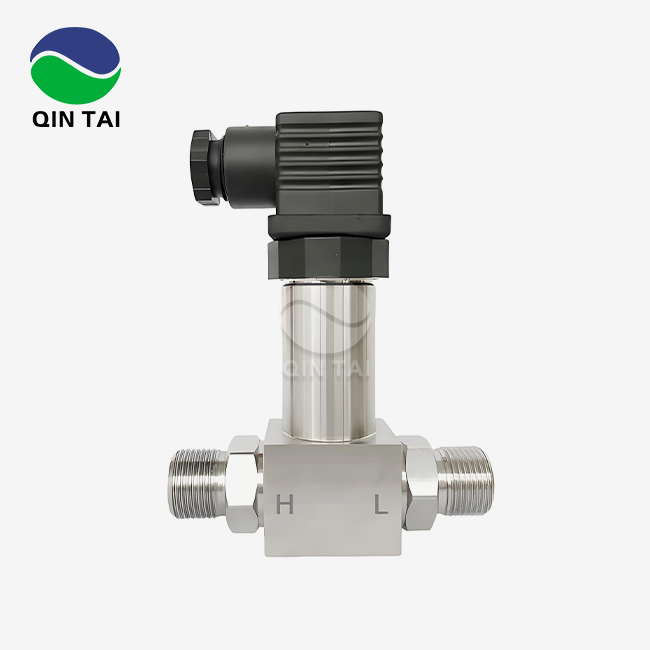

Our customers’ satisfaction speaks for our quality — contact us to experience the same reliable service.