- English
- French
- German
- Portuguese
- Spanish
- Russian
- Japanese
- Korean
- Arabic
- Greek
- German
- Turkish
- Italian
- Danish
- Romanian
- Indonesian
- Czech
- Afrikaans
- Swedish
- Polish
- Basque
- Catalan
- Esperanto
- Hindi
- Lao
- Albanian
- Amharic
- Armenian
- Azerbaijani
- Belarusian
- Bengali
- Bosnian
- Bulgarian
- Cebuano
- Chichewa
- Corsican
- Croatian
- Dutch
- Estonian
- Filipino
- Finnish
- Frisian
- Galician
- Georgian
- Gujarati
- Haitian
- Hausa
- Hawaiian
- Hebrew
- Hmong
- Hungarian
- Icelandic
- Igbo
- Javanese
- Kannada
- Kazakh
- Khmer
- Kurdish
- Kyrgyz
- Latin
- Latvian
- Lithuanian
- Luxembou..
- Macedonian
- Malagasy
- Malay
- Malayalam
- Maltese
- Maori
- Marathi
- Mongolian
- Burmese
- Nepali
- Norwegian
- Pashto
- Persian
- Punjabi
- Serbian
- Sesotho
- Sinhala
- Slovak
- Slovenian
- Somali
- Samoan
- Scots Gaelic
- Shona
- Sindhi
- Sundanese
- Swahili
- Tajik
- Tamil
- Telugu
- Thai
- Ukrainian
- Urdu
- Uzbek
- Vietnamese
- Welsh
- Xhosa
- Yiddish
- Yoruba
- Zulu
How to choose the right nox sensor for my diesel pickup?
Choosing the right NOx sensor for your diesel pickup requires careful consideration of compatibility, regulatory compliance, and performance requirements. The sensor must match your vehicle's specific make, model, and emission standards while providing reliable nitrogen oxide monitoring for optimal SCR system operation. Key factors include OEM certification, signal output compatibility, temperature resistance, and installation requirements. Quality sensors ensure accurate emissions control, prevent diagnostic trouble codes, and maintain fuel efficiency while meeting EPA and Euro VI standards for commercial vehicle applications.

Understanding NOx Sensors and Their Importance in Diesel Pickups
Modern diesel trucks depend on nitrogen oxide sensors to make sure they meet pollution standards and get the most out of their engines. These high-tech devices constantly check the make-up of the exhaust gas and send important information to the Engine Control Unit so that the aftertreatment system can be managed correctly.
How NOx Sensors Function in Diesel Applications
NOx sensors use zirconia ceramic sensing elements and heaters built right in to measure the amount of nitrogen oxide in the air in real time. The heater element usually keeps the sensor element at a high temperature, while signal processing circuits work on the raw data before sending it to the ECU. The majority of modern sensors talk to each other using digital CAN bus protocols. However, some older models send out analog voltage or current signs that are related to NOx levels.
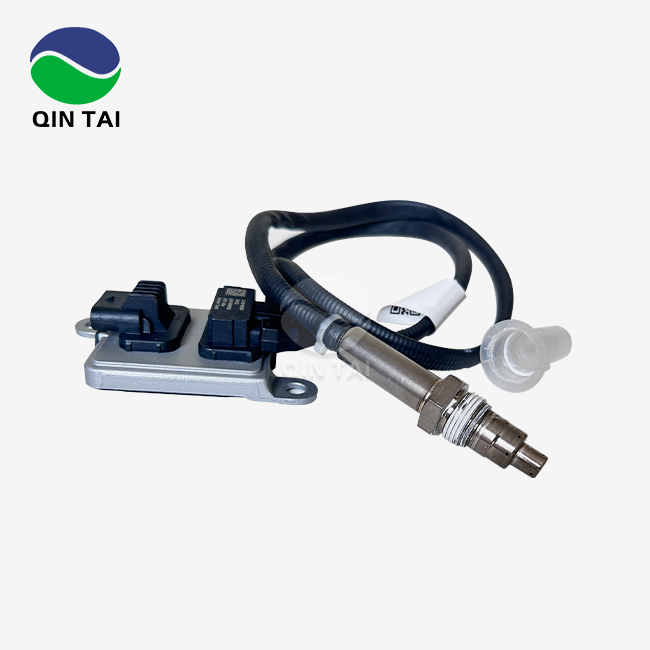
The sensor system is made up of several important parts that work together. The zirconia ceramic cell is the main detecting element, and the heater element keeps the optimal working temperature no matter what the exhaust conditions are. Accurate data transfer is ensured by signal conditioning circuits, and the integrated control module makes it easy for the ECU to join by using standard connection and wire harness layouts.
Critical Role in Emissions Control Systems
Diesel pickup trucks with Selective Catalytic Reduction systems need accurate NOx tracking to make sure they use the right amount of urea. The sensors check how well catalytic converters reduce pollution and make sure that cars meet strict emission standards, such as Euro VI and EPA rules. When sensors find problems with the system or catalyst wear, they send out diagnostic trouble codes to let workers know that repair is needed.
Knowing where sensors are placed in exhaust systems helps people who work in buying figure out what compatibility standards need to be met. Upstream sensors measure NOx fumes from the engine, and downstream sensors measure amounts after the SCR catalyst has been treated. This two-sensor setup lets you precisely control the rate of urea injection and checks the aftertreatment system's performance in a range of working situations.
Key Criteria to Consider When Choosing a NOx Sensor for Your Diesel Pickup
To choose the right nitrogen oxide sensors, you need to carefully look at their technical specs, interface needs, and operating conditions. Structured evaluation methods that balance the need for success with cost factors are helpful for procurement teams.
Vehicle Compatibility and OEM Standards
Sensor compatibility is more than just the sensors' physical size. It also includes the signal standards, electrical interface needs, and calibration factors. For instance, when integrating a NOx sensor, OEM-certified sensors go through a lot of tests to make sure they work right with certain engine control systems and aftertreatment setups. Aftermarket options might be cheaper, but they need to be carefully checked to make sure they work with the vehicle's current systems and emission control plans.
Specifications for the type of engine have a big effect on how sensors are chosen. Different diesel engines have different exhaust temperatures, flow rates, and chemical makeups that change how well sensors work and how long they last. Heavy-duty applications usually need sensors with higher durability ratings than light-duty truck applications. This is because business service settings are very demanding.
Accuracy and Sensitivity Requirements
Measurement accuracy has a direct effect on how well emissions are controlled and how well systems can be optimized. Good sensors give correct NOx levels across a large working range. This lets you precisely control the amount of urea used and keep DEF use to a minimum. The sensitivity of a sensor tells you how well it can pick up on small changes in concentration, which is important for fine-tuning the performance of an aftertreatment system.
Temperature resistance affects how reliable a sensor is and how accurate its measurements are in harsh working conditions. Quality sensors stay calibrated at temperatures ranging from -40°C to 850°C, so they always work the same way, even when the machine is cold or under a lot of load. Corrosion resistance keeps sensor parts safe from harmful exhaust gas parts that could make measurements less accurate over time.
Installation and Maintenance Considerations
The complexity of the installation affects both the original prices of deployment and the upkeep that needs to be done over time. Sensors that are made to be easier to place cut down on labor costs and the chance of mistakes that could affect how well the system works. For some jobs, you need special tools or methods, especially when sensors need to be put in tight spaces like exhaust systems.
Maintenance needs are very different for different types of sensors and uses. Strongly built sensors with protective coats usually need to be replaced less often, which lowers the total cost of ownership for fleet operators. The warranty terms give you more peace of mind, and they should show that the maker is confident in the sensor's dependability and life in certain working conditions.
Comparing Top NOx Sensor Brands and Models for Diesel Pickups
Leading companies that make sensors for cars have created NOx sensor systems that work best with diesel pickups. Commercial car owners have to decide which brand to buy based on its unique technological approaches and service offerings.
OEM-Certified vs. Aftermarket Sensor Options
Original Equipment Manufacturer (OEM) approved sensors go through a lot of testing and validation steps to make sure they work well with certain car platforms. The main OEM providers are Bosch, Denso, Delphi, and Continental. Each of them makes sensors that are specific to a certain type of engine or aftertreatment system. Most of the time, these sensors cost a lot, but they are sure to work with everything and come with a full warranty.
Alternative sensors that can be bought aftermarket can save you a lot of money while still working well enough for many uses. Good aftermarket providers focus on taking OEM specs and turning them into their own while adding manufacturing efficiencies that lower unit costs. But buying teams need to carefully check to see if aftermarket sensors work with the current diagnostic and calibration settings.
Performance Optimization Features
More advanced sensor systems have features that were made to work with diesel pickups. Better signal processing algorithms make measurements more accurate when the working conditions change quickly, which happens a lot in pickup truck job cycles. Some sensors have built-in troubleshooting features that give more information about the sensor's state than just reading the NOx concentration.
Case studies of fleet operation show how choosing the right sensors can help in real life. Commercial drivers who use OEM-certified sensors say they get fewer diagnostic trouble codes, use less DEF, and get better gas mileage than drivers who use cheaper sensors. When figuring out the return on investment for different sensor choices, you should look at both the original cost and the long-term benefits of using them.

Procurement Strategies: Where and How to Buy NOx Sensors for Diesel Pickups
To successfully buy sensors, you need to find dependable providers who can give you certified goods with the right paperwork and support services. Knowing how markets work and how prices are set lets you make smart buying choices that balance keeping costs low and making sure quality is maintained.
Supplier Selection and Certification
Certified sellers keep the right paperwork about the chain of custody and make it possible to track products, which is needed for guarantee claims and to follow the rules. Wholesale shops that specialize in parts for industrial vehicles usually have good deals for large orders and keep replacement parts in stock for quick needs. Local installation services can make rollout easier and make sure that the right steps are taken to place sensors.
These are the main benefits of working with well-known sensor suppliers:
• Verification of product authenticity: Certified sellers provide proof that sensors are real and meet OEM standards, which lowers the risk of fake products.
• Access to technical support: Reliable sellers offer mechanical help to make sure products work together and help with installation.
• Warranty management: Reliable sellers handle warranty claims quickly and effectively, reducing downtime while sensors are being replaced.
• Managing inventory: Professional providers make sure there is enough stock on hand and schedule deliveries so they don't interfere with repair windows.
These benefits greatly lower the risks of purchasing things while still making sure that you can get good products and support services that are necessary for running a fleet.
Market Pricing and Bulk Purchase Strategies
Prices for NOx sensor units vary a lot depending on OEM requirements, quality levels, and the number of sensors bought. Understanding normal price levels helps buying teams make budgets that are reasonable and find ways to cut costs. When fleet managers buy in bulk, they can often get big discounts on unit costs for handling many vehicles with similar sensor needs.
Logistics issues include shipping times, the right way to package the sensors, and the right way to store them so they keep their quality before being installed. Sensors need to be kept away from water and other things that could mess up their tuning. Service agreements can add value by guaranteeing the quality of the work and providing ongoing assistance for upkeep.
Ensuring Long-Term Satisfaction and Compliance
For nitrogen oxide sensors to keep working well, they need to be matched with the needs of each car and its operating surroundings. Proactive repair plans keep things running smoothly and avoid problems that come up out of the blue.
Demand Matching and Customization
To choose the right sensors, you need to look at different types of vehicles, emission standards, and working conditions to find the best product combinations. For heavy-duty uses, sensors with higher durability grades may be needed, but basic commercial-grade goods can be used for light-duty pickups. Environmental factors like altitude, temperature changes, and job cycles affect how long sensors last and how often they need to be replaced.
For certain uses or engines that have been changed, you may need to make your own tuning settings. Some providers offer customization services to make standard sensor goods fit specific needs. This lets customers get solutions that work best for them while still following the rules.
Maintenance Best Practices and Future Technologies
Regular diagnostic tracking helps find sensor degradation early on, before it leads to total failure. Engine control systems usually give diagnostic numbers that show when a sensor isn't working right. This lets you plan for replacements ahead of time, which keeps operations running smoothly. Electrical problems that could affect the accuracy of measurements can be avoided by checking the links and wires of sensors on a regular basis.
New sensor technologies offer better awareness, longer life, and better compatibility with changing emission control systems. More advanced sensors might have the ability to diagnose themselves and communicate wirelessly, which makes maintenance tracking easier and installation simpler. These advances in technology give fleet owners who are planning long-term strategies for buying vehicles ways to make their plans more future-proof.
Conclusion
To choose the right NOx sensor for diesel pickup uses, you need to carefully look at the standards for compatibility, performance, and purchasing strategies. Knowing how the sensors in aftertreatment systems work lets you make smart choices that balance following the rules with running the system efficiently. Choosing high-quality sensors from certified sources is the best way to make sure that tracking emissions is accurate. This is done while keeping total ownership costs low by reducing the need for upkeep and extending service intervals. Fleet owners can continue to be successful in a regulatory environment that is always changing as long as they do proactive repair and stay up to date on new technologies.
FAQ
What is the typical replacement interval for NOx sensors in diesel pickups?
Most NOx sensors require replacement every 60,000 to 100,000 miles depending on operating conditions and sensor quality. Heavy-duty applications or severe service conditions may necessitate more frequent replacement intervals. Regular diagnostic monitoring helps identify sensor degradation before complete failure occurs.
Can I install a NOx sensor myself, or do I need professional installation?
Professional installation is strongly suggested to ensure proper sensor calibration and guarantee coverage. NOx sensors are extremely sensitive to moisture contamination during installation, and if the steps aren't done correctly, the sensors can fail right away. Certified techs know how to do the job right and have the right tools to do it.
What are the risks of using incompatible or low-quality NOx sensors?
Incompatible sensor types can result in diagnostic trouble codes, poor engine performance, higher DEF usage, and even fails to meet emissions standards. Low-quality sensors might give wrong readings that make it hard for the aftertreatment system to work, which could damage the catalyst and cost a lot to fix.
How do I identify which NOx sensor is failing in my vehicle?
Diagnostic scanning tools can find specific sensor fault codes that tell you which sensors, upstream or downstream, need to be replaced. Notifications like "circuit high" or "circuit open" are common trouble codes. A physical check may show clear signs of damage, and higher DEF use is usually a sign of a problem with the sensors.
What should I look for when comparing NOx sensor specifications?
Key specifications include temperature operating range, signal output type, connector configuration, and OEM certification status. Verify compatibility with your specific vehicle make, model, and engine type. Consider warranty terms and supplier support services when making final selection decisions.
Partner with Qintai for Premium NOx Sensor Solutions
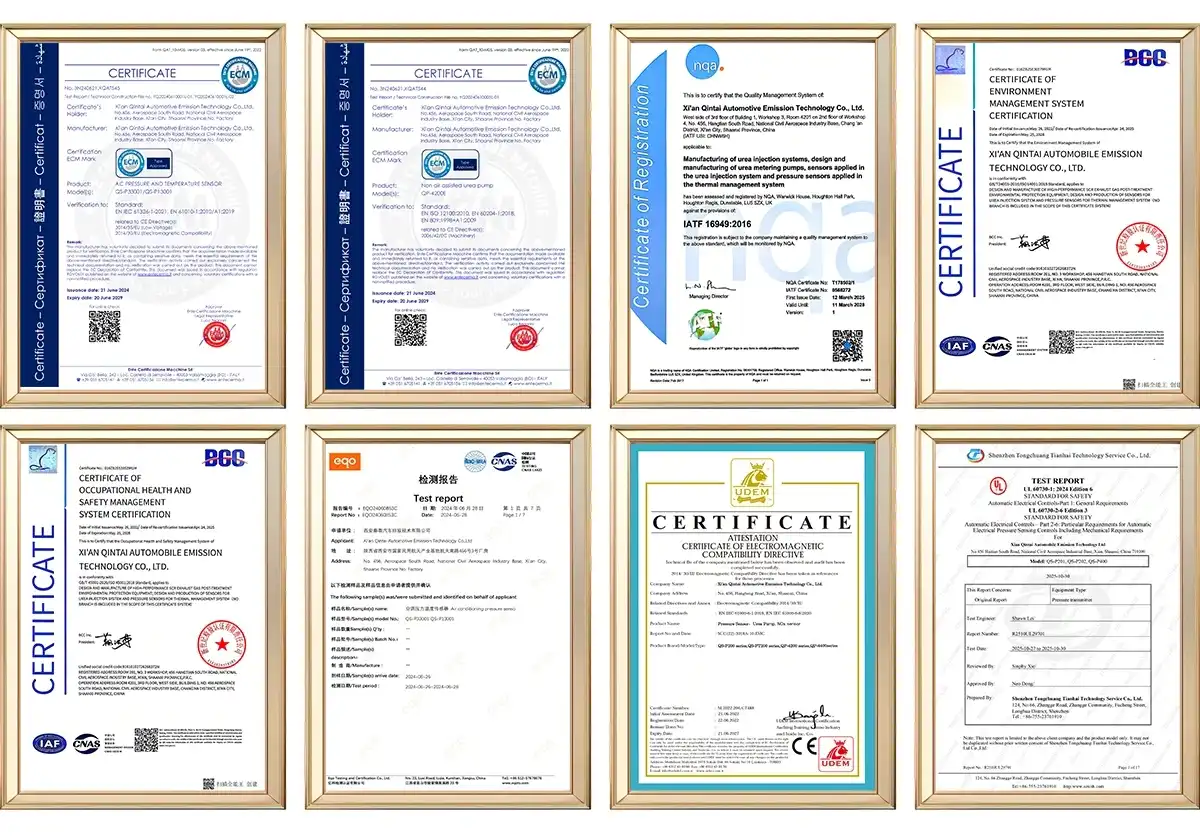
Qintai Automotive Emission Technology can help you with your diesel pickup NOx sensor needs by providing OEM-approved, high-quality goods made for tough business uses. As a top nox sensor maker with more than 20 years of experience, we offer custom solutions with full expert help and reasonable prices. Our ISO9001 and IATF16949-certified manufacturing methods guarantee consistent quality, and our large collection of patents shows that we are committed to coming up with new ideas. Get in touch with our expert team at info@qt-sensor.com to talk about your specific needs and find out how our tried-and-true sensor solutions can help your fleet be more compliant, work more efficiently, and perform better.
References
1. Society of Automotive Engineers. "NOx Sensor Technology and Applications in Diesel Engine Aftertreatment Systems." SAE Technical Paper Series, 2023.
2. Environmental Protection Agency. "Heavy-Duty Engine and Vehicle Standards and Highway Diesel Fuel Sulfur Control Requirements." Federal Register Documentation, 2022.
3. International Council on Clean Transportation. "NOx Sensor Performance and Durability Requirements for Commercial Vehicle Applications." ICCT Research Report, 2023.
4. Automotive Industry Action Group. "Quality Standards for Automotive Emission Control Sensors." AIAG Publication Guidelines, 2022.
5. European Commission. "Euro VI Emission Standards Implementation and NOx Monitoring Requirements." EU Regulatory Framework Documentation, 2023.
6. Diesel Technology Forum. "Best Practices for NOx Sensor Maintenance and Replacement in Commercial Vehicle Fleets." DTF Technical Bulletin, 2022.

Our customers’ satisfaction speaks for our quality — contact us to experience the same reliable service.