- English
- French
- German
- Portuguese
- Spanish
- Russian
- Japanese
- Korean
- Arabic
- Greek
- German
- Turkish
- Italian
- Danish
- Romanian
- Indonesian
- Czech
- Afrikaans
- Swedish
- Polish
- Basque
- Catalan
- Esperanto
- Hindi
- Lao
- Albanian
- Amharic
- Armenian
- Azerbaijani
- Belarusian
- Bengali
- Bosnian
- Bulgarian
- Cebuano
- Chichewa
- Corsican
- Croatian
- Dutch
- Estonian
- Filipino
- Finnish
- Frisian
- Galician
- Georgian
- Gujarati
- Haitian
- Hausa
- Hawaiian
- Hebrew
- Hmong
- Hungarian
- Icelandic
- Igbo
- Javanese
- Kannada
- Kazakh
- Khmer
- Kurdish
- Kyrgyz
- Latin
- Latvian
- Lithuanian
- Luxembou..
- Macedonian
- Malagasy
- Malay
- Malayalam
- Maltese
- Maori
- Marathi
- Mongolian
- Burmese
- Nepali
- Norwegian
- Pashto
- Persian
- Punjabi
- Serbian
- Sesotho
- Sinhala
- Slovak
- Slovenian
- Somali
- Samoan
- Scots Gaelic
- Shona
- Sindhi
- Sundanese
- Swahili
- Tajik
- Tamil
- Telugu
- Thai
- Ukrainian
- Urdu
- Uzbek
- Vietnamese
- Welsh
- Xhosa
- Yiddish
- Yoruba
- Zulu
Aftertreatment Dosing Unit vs Dosing Pump: Main Differences
Every time engineers and purchasing managers assess diesel exhaust aftertreatment components, they ask: what distinguishes an aftertreatment dosing unit from a pump? Both devices supply fluids, but for different reasons. An aftertreatment dosing unit a precision-engineered assembly that accurately meters DEF and AdBlue into the exhaust stream to fulfil Euro VI and EPA Tier 4 Final emission regulations for SCR systems. However, a generic dosing pump transfers fluids across several industrial processes lacks the same accuracy or integration. Knowing the difference saves compliance and budget.
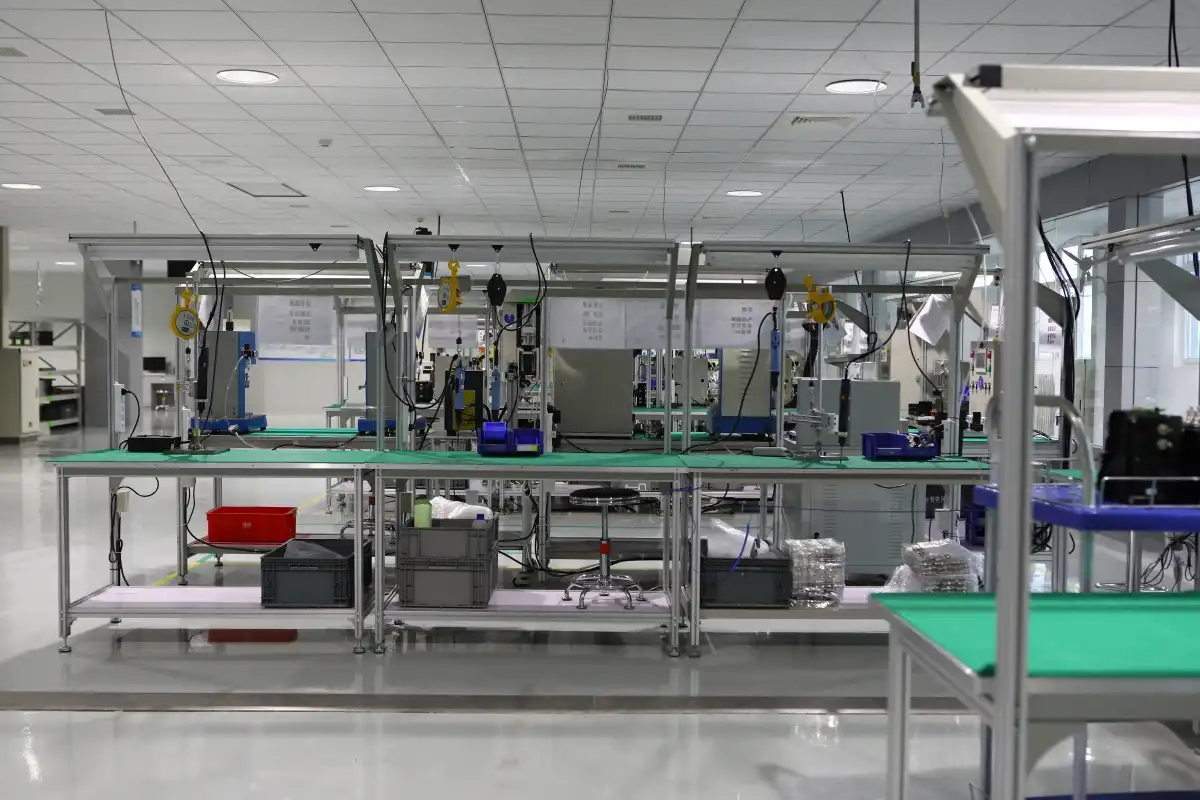
Understanding Aftertreatment Dosing Units and Dosing Pumps
What Is an Aftertreatment Dosing Unit?
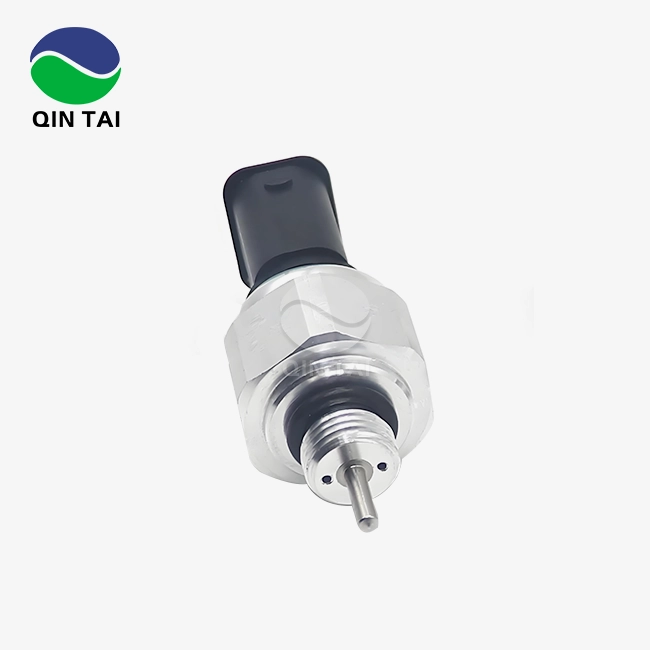
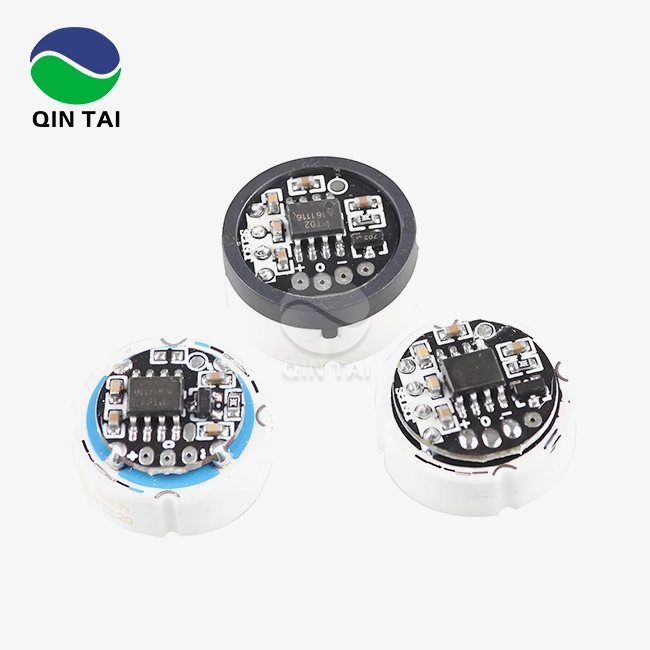
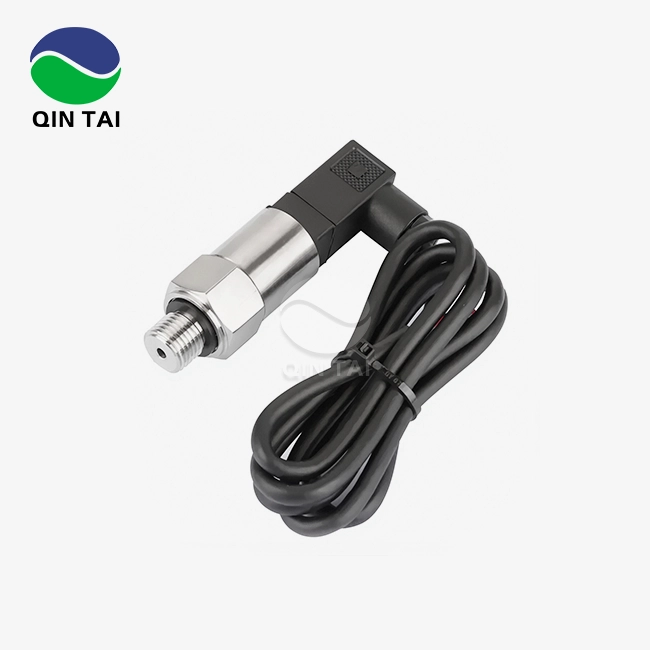
An aftertreatment dosing unit is a purpose-built subsystem within an SCR aftertreatment setup. It combines a pump, pressure regulation, a urea dosing pressure sensor, and electronic control interfaces into one assembly. The unit responds to real-time signals from the ECU or DCU, injecting a precisely calculated volume of 32.5% aqueous urea solution into the hot exhaust pipe upstream of the SCR catalyst. Accuracy at this stage directly determines whether NOx reduction meets regulatory thresholds—typically targeting 90% or higher conversion efficiency.
What Is a Dosing Pump?
A dosing pump is a general-purpose metering pump used across water treatment, chemical processing, agriculture, and light industrial applications. It moves a measured volume of fluid per stroke or cycle. While reliable in its own context, a standard dosing pump lacks the corrosion-resistant internals, freeze-thaw resilience, and electronic feedback loops that DEF handling demands. The pressure range, signal output, and EMC compatibility found in SCR-grade components are simply not design priorities for general dosing pumps.
Where They Overlap—and Where They Don't
Both devices move fluid in controlled quantities. That similarity ends quickly once you examine operating environment and precision tolerance. A urea dosing pressure sensor integrated into a dosing unit maintains pressure within 0–12 bar (1.2 MPa) at ±1.5% full-scale accuracy. Standard pumps rarely carry such tight specifications, nor do they incorporate IP69K sealing, gold-plated connector terminals, or -40°C to +125°C operating ranges as standard features.
Key Differences Between Aftertreatment Dosing Units and Dosing Pumps
Precision and Flow Control
In SCR systems, the aftertreatment dosing unit must maintain accurate dosing across millions of operating cycles. The dosing unit achieves this with closed-loop pressure feedback together with piezoresistive MEMS technology or ceramic thick-film strain gauges. A conventional dosing pump mostly runs in open-loop mode, meaning it cannot be applied where NOx compliance relies on strict injection volume limits.
Electronic Integration
An aftertreatment dose unit is built right into the car's CAN bus, which is its engine control system. This makes it possible to change the timing and amount of doses in real time based on the NOx monitor, the load on the engine, and the temperature of the output. Most of the time, dosing pumps in factories only get on/off or analog signals. They don't understand the complicated message formats needed for OEM approval.
Chemical and Thermal Durability
AdBlue and DEF can break down a lot of common metals and plastics. Diaphragms made of PPS (Polyphenylene Sulfide) or 316L stainless steel are used in dosing units to keep urea from crystallizing. On the inside, they also have buffering systems that handle the 9% increase in volume that happens when AdBlue stops. Parts of regular dose pumps can break down in cold places because they're not designed to handle freeze-thaw cycles.
OEMs and truck managers are both directly touched by these differences. Trouble codes like P204B can be caused by a part that doesn't fit right. This can put the engine into limp mode and get you fined by the government for not following the rules. You won't have to pay for expensive fixes or insurance claims if you buy the right thing the first time.
Maintenance and Troubleshooting: What Procurement and Technical Teams Need to Know
Routine Maintenance Protocols
Every so often, dosing units should check the signal output from the urea pressure monitor, the filter screens in the DEF supply line, and the state of the connector pins. How often to replace the sensor is based on how many hours it has been used. Most sensors made for SCR service are rated to last between 15,000 and 20,000 hours of use. Long-haul trucks and generators at mine sites won't have to deal with unplanned downtime if inspections are done before those dates.
Common Fault Symptoms
The most common symptoms of faults within the aftertreatment dosing unit are inconsistent NOx readings, illuminated warning lamps, unexpected AdBlue consumption, and fault codes related to pressure circuit performance. Signal drift is frequently caused by corroded connector pins and aging sensors. Sensors equipped with gold-plated terminals are far less prone to oxidation failure when deployed in humid environments such as marine or construction sites.
Diagnostic and Corrective Strategies
If you see the P204B code, you should first check the connections, then the pressure output while the engine is running, and finally, if the signal slip keeps happening, you might want to replace the sensor. Predictive maintenance programs that keep track of data from pressure monitors over time can find slow system degradation before it shuts down. This is very helpful for teams that need to get things done quickly.
Procurement Considerations: How to Choose Between Aftertreatment Dosing Units and Dosing Pumps
Technical Compatibility First
Any possible part should work with the ECU signal protocol, whether it's 0.5V–4.5V analog or SENT digital output, and the thread standards (M10×1 or M12×1.5 are popular) should be able to connect to the system connections that are already in place before teams start comparing prices. Installing won't be hard if the signal types don't work together, but getting wrong readings will hurt emissions compliance over time.
Certification and Supplier Credibility
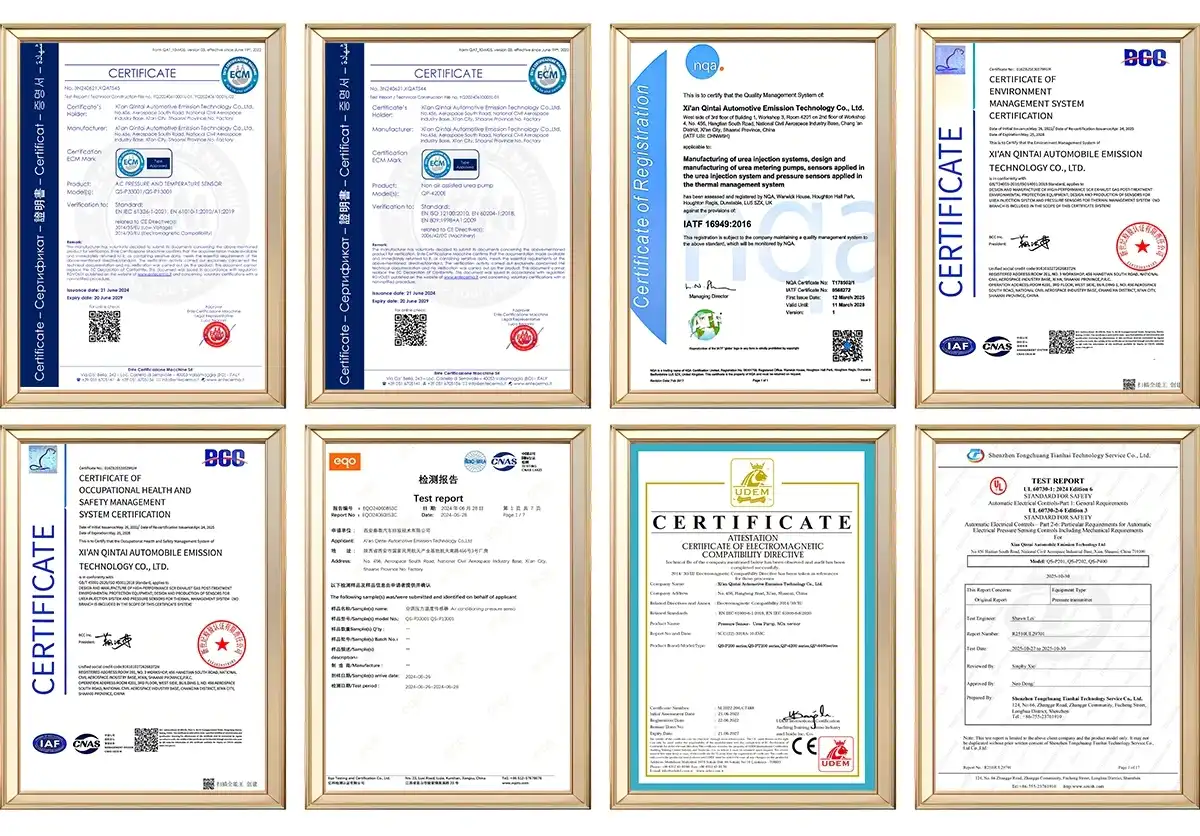
OEM supply chains need to have certified parts. You should look for quality control certifications like ISO 9001 and IATF 16949 at the very least. Both China VI and European Euro VI can use suppliers who are qualified in CMC, CE, REACH, and RoHS to handle their paperwork needs. The technical staff looks at a supplier's list of patents and references from OEM users to make sure they are legitimate.
Cost and Supply Chain Factors
To get a good idea of how much something costs, you should look at more than just the unit price. The main things that change a procurement's long-term value are these:
- Failure rate impact: A sensor with a longer validated service life reduces replacement frequency and associated labor costs across large fleets.
- Inventory availability: Consistent stock levels at the supplier level prevent production line stoppages for high-volume OEM customers.
- Bulk pricing and MOQ flexibility: Suppliers offering OEM/ODM services can adjust production runs to match demand cycles, reducing working capital tied up in safety stock.
- Global logistics readiness: Suppliers already exporting to 60-plus countries carry the documentation and freight experience to support international OEM supply chains efficiently.
Suppliers providing OEM/ODM services for the aftertreatment dosing unit can adjust production schedules to align with demand cycles. This releases working capital that would otherwise be tied up maintaining safety stock.
Future Trends and Innovations in Dosing Technology for Aftertreatment Systems
Smart Dosing and Integrated Diagnostics
The monitoring part of the next wave of SCR dosing tools has built-in tests built right in. With sensors that send pressure readings and self-diagnostic status, the ECU can see right away when a part is breaking down, so it doesn't need to wait for planned trips to the shop. This feature is very helpful for generator sets that are used in mines or backup power installations that are far away and hard for techs to get to.
IoT Connectivity and Data-Driven Maintenance
Fleet control tools get information about how well dosing systems are working from IoT devices. This lets workers see patterns in how accurately they are dosing, figure out when to fix filters, and keep track of how many times they've met emissions standards in the past for court documents. The companies that make environmental protection equipment and run industrial air treatment plants can use this data trail to make planning audits easier and keep the process getting better all the time.
Materials and Regulatory Drivers
People are always coming up with new materials because of stricter carbon rules around the world. It is possible for sensors to last longer in harsh urea environments thanks to better diaphragm alloys and chemically resistant polymer composites. North America, Europe, and emerging markets are getting closer to having the same NOx limits. This means that it will be easy for component providers who have already built to Euro VI and EPA Tier 4 Final standards to join the global supply chain.
Conclusion
It is not a matter of choice between a general dosing pump and an aftertreatment dosing unit; it is because of government rules and engineering needs. SCR systems need accurate sensors, materials that don't rust, electronic integration, and performance that has been tried. Dosing units have all of these things. A lot of dosing pumps don't. OEMs, system builders, and buyers in the aftermarket who need to meet China VI, Euro VI, or EPA Tier 4 Final standards must first pick the right group of parts. After this choice, everything changes, from who is responsible for the guaranty to how often the fleet is used.
FAQ
What is the main functional difference between a dosing unit and a dosing pump?
A dosing unit is an integrated assembly designed specifically for SCR systems, combining pressure control, electronic feedback, and corrosion-resistant materials. A dosing pump is a general fluid metering device without those specialized features.
Can a standard dosing pump replace an aftertreatment dosing unit?
No. Standard dosing pumps lack the ECU signal compatibility, freeze-thaw resilience, and precision tolerances that DEF injection requires. Substituting one for the other will compromise emissions compliance and likely trigger diagnostic fault codes.
What causes the P204B fault code in SCR systems?
P204B typically indicates pressure sensor signal drift caused by connector pin oxidation or sensor aging. Sensors with gold-plated terminals and IP69K sealing significantly reduce this failure mode.
How long do urea dosing pressure sensors typically last?
In standard commercial vehicle applications, these sensors are rated for 15,000 to 20,000 operating hours under normal duty cycles.
What certifications should I verify when sourcing dosing unit components?
Prioritize ISO 9001, IATF 16949, CE, REACH, and RoHS as baseline certifications. For OEM qualification, a supplier's patent portfolio and documented OEM customer references are additional credibility indicators.
Partner with Qintai for Your Aftertreatment Dosing Unit Supply
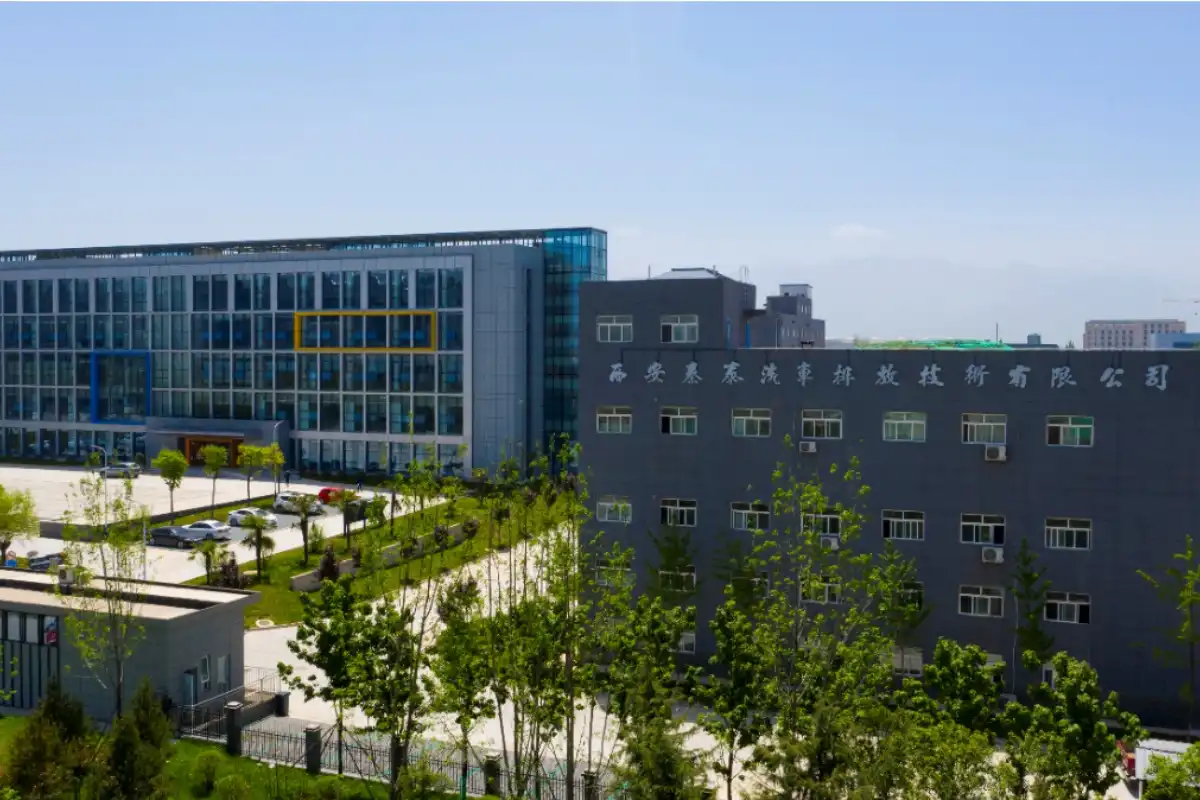
Many big OEMs have bought parts from Xi'an Qintai Automotive Emission Technology Co., Ltd. since 2001. The business has been approved by IATF 16949, ISO 9001, CE, and REACH, and it has also applied for 58 invention patents. If you compare Qintai to Weichai Power, Yuchai Power, and Quanchai Power, it has the largest part of the Chinese market for aftertreatment dosage units. They do OEM and ODM output and can change anything that needs to be changed. You can email info@qt-sensor.com or visit qt-sensor.com to talk to our team about your needs.
References
1. Diesel & Gas Turbine Worldwide — SCR System Integration and Component Standards for Heavy-Duty Engines, 2022.
2. SAE International — J2951: Selective Catalytic Reduction System Evaluation Methodology, 2021.
3. Commercial Vehicle Engineering — DEF Dosing Accuracy and NOx Compliance in Euro VI Applications, 2023.
4. Engine Technology International — Advances in Urea Dosing Pressure Sensor Design for Freeze-Thaw Environments, 2022.
5. Fleet Owner Magazine — Total Cost of Ownership Analysis for SCR Aftertreatment Components, 2023.
6. Emissions Analytics — Real-World NOx Performance of Heavy-Duty Trucks Under Euro VI and EPA Tier 4 Final Standards, 2023.

Our customers’ satisfaction speaks for our quality — contact us to experience the same reliable service.