- English
- French
- German
- Portuguese
- Spanish
- Russian
- Japanese
- Korean
- Arabic
- Greek
- German
- Turkish
- Italian
- Danish
- Romanian
- Indonesian
- Czech
- Afrikaans
- Swedish
- Polish
- Basque
- Catalan
- Esperanto
- Hindi
- Lao
- Albanian
- Amharic
- Armenian
- Azerbaijani
- Belarusian
- Bengali
- Bosnian
- Bulgarian
- Cebuano
- Chichewa
- Corsican
- Croatian
- Dutch
- Estonian
- Filipino
- Finnish
- Frisian
- Galician
- Georgian
- Gujarati
- Haitian
- Hausa
- Hawaiian
- Hebrew
- Hmong
- Hungarian
- Icelandic
- Igbo
- Javanese
- Kannada
- Kazakh
- Khmer
- Kurdish
- Kyrgyz
- Latin
- Latvian
- Lithuanian
- Luxembou..
- Macedonian
- Malagasy
- Malay
- Malayalam
- Maltese
- Maori
- Marathi
- Mongolian
- Burmese
- Nepali
- Norwegian
- Pashto
- Persian
- Punjabi
- Serbian
- Sesotho
- Sinhala
- Slovak
- Slovenian
- Somali
- Samoan
- Scots Gaelic
- Shona
- Sindhi
- Sundanese
- Swahili
- Tajik
- Tamil
- Telugu
- Thai
- Ukrainian
- Urdu
- Uzbek
- Vietnamese
- Welsh
- Xhosa
- Yiddish
- Yoruba
- Zulu
Top Uses of Sputtered Thin Film Pressure Sensor Products
If you work in diesel engine manufacturing, SCR/DPF system integration, or industrial equipment procurement, you already know how much the right pressure sensor matters. A poor sensor choice can trigger emission failures, shorten equipment life, or inflate maintenance costs. This guide walks through the top uses of sputtered thin film pressure sensor products, explains how they work, and helps procurement and engineering teams make confident decisions backed by real technical data.
What Is a Sputtered Thin Film Pressure Sensor?
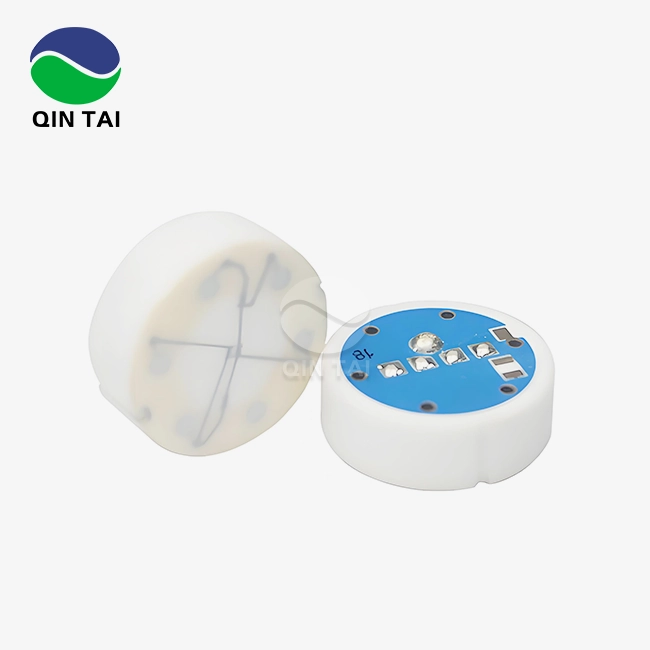
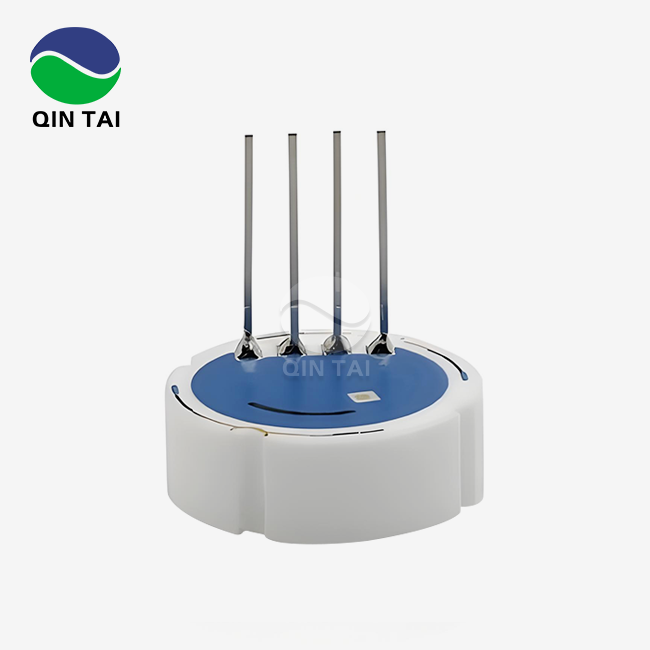
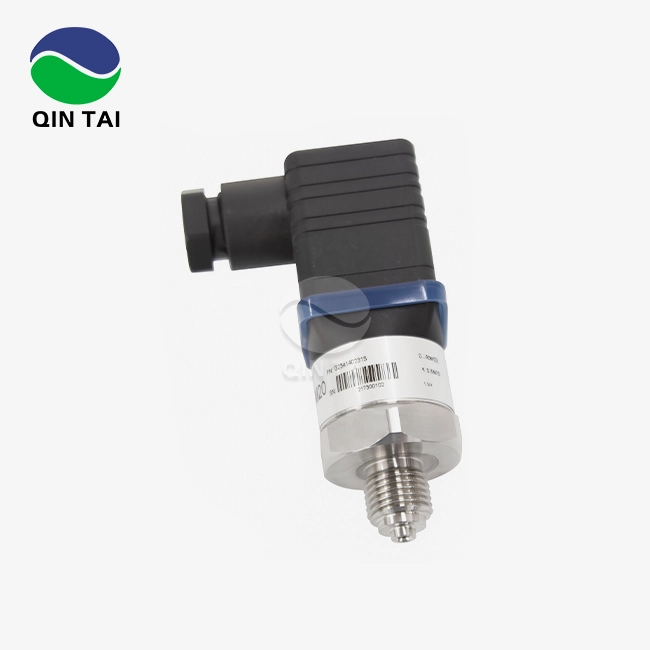
A sputtered thin film pressure sensor works by physically putting a thin film of a metallic alloy onto a flexible piece of stainless steel. The magnetron sputtering method is used to do this. Each layer of film sticks to itself at the atomic level in a high-vacuum setting. This means that there is no glue or silicone oil between the layers. With this, the creep errors that come up with regular bonded-foil strain gage sensors are taken care of.
The strain-resistance effect is what makes it work: when you press down on the substrate, the alloy film slightly deforms, which changes the electrical resistance in a way that can be measured. A Wheatstone bridge circuit takes that change in resistance and turns it into a steady voltage or current output.
Before you buy, here are the most important scientific facts you should know:
- Operating temperature range: −40°C to +125°C standard; up to +150°C or +200°C with special design
- Output signals: Analog (4–20 mA, 0–5 V, 0–10 V) and digital (CAN/CANopen/J1939, I²C, SPI)
- Construction: Fully laser-welded or plasma-welded, no rubber O-ring seals, no filling fluid
- Accuracy: High repeatability and long-term stability due to precise film thickness control
Very good repeatability and long-term stability because the film thickness can be controlled very precisely
Top Industrial and Automotive Uses of Sputtered Thin Film Pressure Sensors
The combination of durability, accuracy, and compact size makes the sputtered thin film pressure sensor a core component for multiple demanding applications. Here are the primary sectors where these transducers deliver measurable value.
Diesel Engine Emission Aftertreatment Systems
Meeting China VI and Euro VI emission standards requires real-time pressure monitoring across the SCR (Selective Catalytic Reduction) and DPF (Diesel Particulate Filter) systems. Sensors measure differential pressure across the DPF to detect soot loading and trigger regeneration cycles. Without reliable data, ECU control strategies fail and the engine either runs dirty or regenerates unnecessarily, wasting fuel. A thin film differential pressure sensor rated for exhaust gas temperatures holds its calibration far longer than piezoresistive alternatives in this environment.
Heavy-Duty Hydraulic and Pneumatic Systems
Construction machinery, agricultural equipment, and heavy trucks rely on hydraulic circuits operating at pressures often exceeding 600 bar. Thin film sensors withstand high-intensity vibration and shock without performance drift because the sensing element is fully welded to the pressure port — no internal fluid to leak, no seal to degrade. Procurement teams in this segment typically prioritize sensors with proven shock resistance above 1,000 g and cycle life exceeding 100 million pressure cycles.
Generator Sets in Industrial and Backup Power Applications
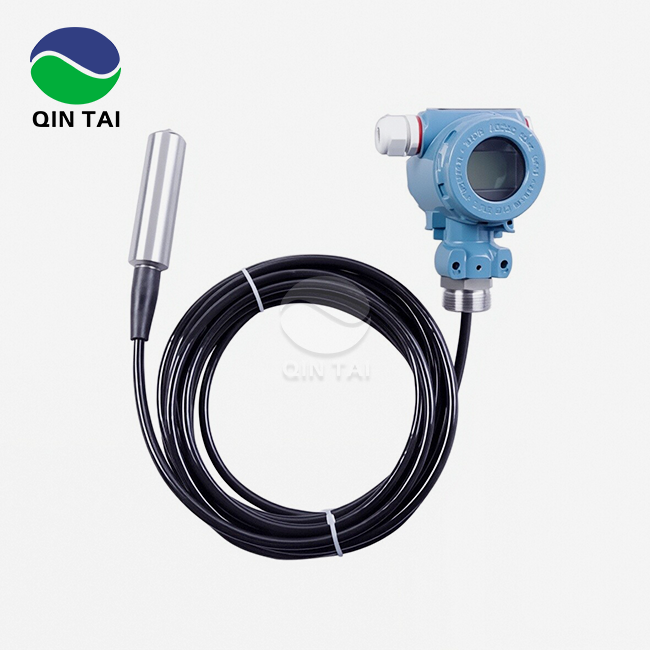
Mine generators, power plant auxiliaries, and critical backup systems run continuously for thousands of hours and rely on sputtered thin film pressure sensor for monitoring. Here, sensor failure is not merely an inconvenience — it triggers costly shutdown events. Thin film pressure transmitters operating across the full −40°C to +125°C range maintain stable output even when ambient conditions shift dramatically between seasons or installation environments. For project procurement engineers, the elimination of rubber seals also removes scheduled seal replacement work, lowering total lifecycle cost.
Industrial Exhaust Gas Treatment Equipment
Environmental protection companies treating industrial stack emissions need sensors that measure gas pressure accurately inside aggressive chemical environments. Because the pressure medium contacts the stainless steel sensing core directly — with no diaphragm or fill fluid acting as an intermediary — response time is fast and readings reflect actual conditions without lag. Solution engineers integrating these sensors into multi-sensor exhaust gas treatment systems benefit from the wide analog and digital output compatibility, which simplifies system wiring and data acquisition.
These four application areas represent the strongest market pull for this sensor technology in B2B procurement today. Each one demands what this sensor architecture genuinely delivers: accuracy under stress, long service intervals, and output flexibility.
Sputtered Thin Film vs. Alternative Pressure Sensor Technologies
Procurement teams frequently ask how thin film sensors compare to piezoresistive, capacitive, and MEMS types. The table below summarizes the key trade-offs honestly:
- Piezoresistive sensors offer good sensitivity but typically require silicone oil filling, introducing leak risk and limiting high-temperature performance. Their long-term stability is lower than sputtered film designs.
- Capacitive sensors perform well in low-pressure, clean media applications but are generally more sensitive to electromagnetic interference and less suited to industrial vibration environments.
- MEMS sensors are excellent for miniaturization and consumer electronics but sacrifice the mechanical robustness required in heavy-duty OEM applications.
- Sputtered thin film sensors combine the accuracy of semiconductor fabrication processes with the physical toughness of all-welded stainless steel construction, making them the preferred choice for diesel aftertreatment, hydraulics, and generator applications.
The right choice depends on your exact pressure range, media compatibility, temperature requirements, and output protocol. For most heavy-industry B2B applications, the thin film design holds a clear durability advantage backed by measurable field data.

Procurement Insights for Global B2B Buyers
Sourcing pressure monitors built with sputtered thin film pressure sensor for mass production relies on four key factors beyond unit price. Technical teams usually evaluate these specifications first, and then procurement teams negotiate commercial terms.
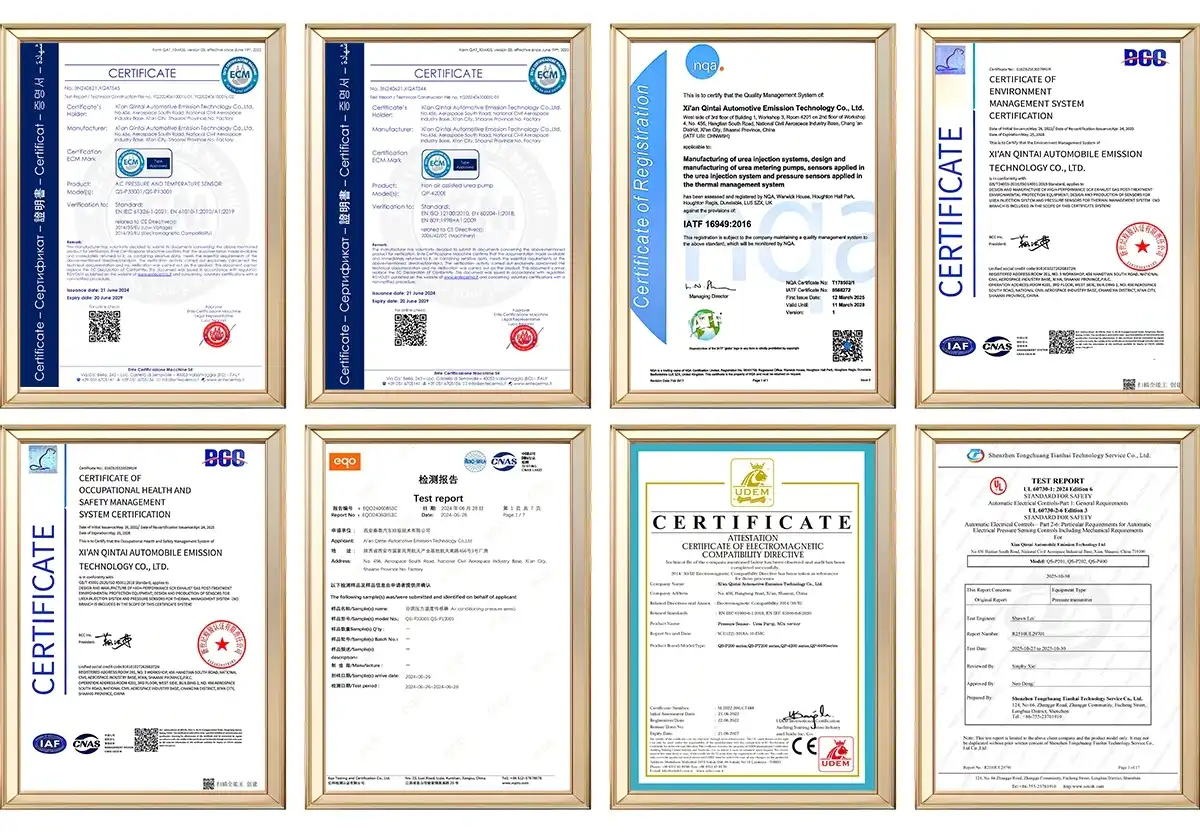
Supplier chains for OEMs must have proof of certification. For the very least, make sure that the seller is certified by ISO 9001 and IATF 16949. Products used in dangerous places are even safer when they have Ex and UL grades. Marks like CE, RoHS, and REACH are becoming more and more important for goods that want to sell in Europe.
Customization is a good way to tell if a provider will be a good long-term partner. This is great for OEM procurement teams: a supplier that can support custom pressure ranges, output protocols, connector types, and mechanical dimensions without having to go through a full redesign cycle is the best. When you need to connect the ECU of a business car, make sure you know about the different J1939 CAN bus configurations.
The production schedule is directly affected by the lead time and the amount of stock that is on hand. Most of the time, a supplier who makes their own goods and stores their stock can fill spot orders faster than one who hires outside manufacturers. Aftermarket service shops and wholesalers can cut down on customer wait times by making sure they have enough stock.
A supply chain partner is not the same as a component seller because they offer professional help through the whole process. Check to see how responsive a supplier's engineering team is, what calibration documentation is available, and how willing they are to share test data that is specific to your application before you decide to work with them.
Calibration, Maintenance, and Expected Lifespan
Sputtered thin film pressure sensors don't need as much maintenance as sensors with oil fills or rubber seals, but they still need to be tuned for very precise uses. For stationary industrial installations, zero-point and span accuracy should be checked once a year. For mobile equipment, it should be checked every 2,000 hours of use. At first, laser cutting during production fixes any offset errors that were caused by temperature. However, field recalibration fixes any drift that was caused by long-term mechanical shock.
Between -50°C and +150°C is a safe range for most common units to be stored. If the target media doesn't have a housing material and port thread that are made for it, sensors shouldn't be splashed with chemicals directly. Broken things happen because of damage to the connection or wire, not the sensing element itself, over time. This is because there are no internal seals that wear out.
Conclusion
Sputtered thin film pressure sensors work better in harsh, high-cycle industrial and vehicle settings than other types because they are all-welded, have an atomic-bonded film structure, and can handle a wide range of temperatures. Every day, procurement and engineering teams have to deal with real problems like keeping an eye on diesel DPFs, keeping generator sets safe, and cleaning industrial exhaust. This technology solves those problems. To make sure your sensor supply chain works well and doesn't cost too much, pick a seller with real expert help, verified certifications, and experience with mass production.
FAQ
What pressure ranges are available for sputtered thin film sensors?
These thin film pressure sensors can work in pressure ranges from 0 to 1 bar to 0 to 1,000 bar, depending on the type of substrate they are made of. Most companies that make things for OEMs can also make personalized lines. You should always check with the seller about the part's full-scale range, overload limit, and burst pressure before you order it.
Can these sensors work with corrosive gases or liquids?
Yes. Many standard types can handle slightly corrosive media because the detecting element is made of stainless steel that is fully welded and there are no sealing materials inside. For strong chemicals, be very clear about the material that will get wet. You can buy 316L stainless steel or Hastelloy from sellers who specialize in this type of material.
What digital output protocols are supported?
Most thin film pressure transmitters made for industry can connect to CAN/CANopen, J1939, I²C, and SPI so they can be built into OEM boards. This set of rules lets you connect to cars and other heavy vehicles. In the business world, 4–20 mA and 0–10 V are still the most common output types.
How do I verify sensor specifications before placing a bulk order?
Ask for a calibration certificate, a material certificate, and a sample unit when you bring something in for review. Before you place an order for production, a trustworthy service will give you test results from a third party and allow you to do application-specific validation testing.
Partner With Qintai — Trusted Sputtered Thin Film Pressure Sensor Manufacturer
Since 2001, Qintai has sold pressure sensors and SCR aftertreatment systems for diesel engines. IATF 16949, ISO 9001, CE, UL, Ex, RoHS, and REACH have all cleared them. Weichai Power, Yuchai Power, and Quanchai Power all buy from us more than any other company in China. We can make a lot of them, set up the J1939/CAN outputs the way you want them, and ship them to more than 60 countries around the world.
We can get back to you in one business day if you need a sputtered thin film pressure sensor service for the start of a new platform or for a repair replacement program. Email us at info@qt-sensor.com or visit qt-sensor.com to get a copy or sample.
References
1. Sensors and Actuators A: Physical — Elsevier, 2021
2. IEEE Transactions on Industrial Electronics — IEEE, 2020
3. Journal of Micromechanics and Microengineering — IOP Publishing, 2019
4. SAE International Journal of Engines — SAE International, 2022
5. Measurement Science and Technology — IOP Publishing, 2021
6. International Journal of Engine Research — SAGE Publications, 2020

Our customers’ satisfaction speaks for our quality — contact us to experience the same reliable service.