- English
- French
- German
- Portuguese
- Spanish
- Russian
- Japanese
- Korean
- Arabic
- Greek
- German
- Turkish
- Italian
- Danish
- Romanian
- Indonesian
- Czech
- Afrikaans
- Swedish
- Polish
- Basque
- Catalan
- Esperanto
- Hindi
- Lao
- Albanian
- Amharic
- Armenian
- Azerbaijani
- Belarusian
- Bengali
- Bosnian
- Bulgarian
- Cebuano
- Chichewa
- Corsican
- Croatian
- Dutch
- Estonian
- Filipino
- Finnish
- Frisian
- Galician
- Georgian
- Gujarati
- Haitian
- Hausa
- Hawaiian
- Hebrew
- Hmong
- Hungarian
- Icelandic
- Igbo
- Javanese
- Kannada
- Kazakh
- Khmer
- Kurdish
- Kyrgyz
- Latin
- Latvian
- Lithuanian
- Luxembou..
- Macedonian
- Malagasy
- Malay
- Malayalam
- Maltese
- Maori
- Marathi
- Mongolian
- Burmese
- Nepali
- Norwegian
- Pashto
- Persian
- Punjabi
- Serbian
- Sesotho
- Sinhala
- Slovak
- Slovenian
- Somali
- Samoan
- Scots Gaelic
- Shona
- Sindhi
- Sundanese
- Swahili
- Tajik
- Tamil
- Telugu
- Thai
- Ukrainian
- Urdu
- Uzbek
- Vietnamese
- Welsh
- Xhosa
- Yiddish
- Yoruba
- Zulu
Urea Injection System Supplier Selection Guide for Buyers
The choice of the correct urea injection system provider is one of the most critical choices an OEM, aftertreatment integrator or fleet the purchasing department will make for a diesel engine. A well-designed DEF dosing system guarantees that your equipment is compatible with EPA the fourth tier Final, Euro VI and China VI emissions regulations, cuts NOx by as much as 90% and shields your company from expensive regulatory fines. This book takes you through system basics, supplier screening parameters, brand comparisons, and buying methods to get you from thorough analysis to a confident buying choice.
Understanding Urea Injection Systems: Components and Benefits
How SCR Technology Works
SCR is Selective Catalytic Reduction, a chemical process that transforms nitrogen oxides to harmless normal nitrogen gas and water vapour. This tells the dosing module to inject Diesel Exhaust Fluid (AdBlue/DEF) into the hot exhaust stream. Heat catalyses hydrolysis, giving ammonia which interacts with NOx over the catalyst substrate:
CO(NH₂)₂ + H₂O → 2NH₃ + CO₂
4NO + 4NH₃ + O₂ → 4N₂ + 6H₂O
The result is a dramatic reduction in tailpipe NOx, which is mandated by every major emission regulation in use today.
Key System Components
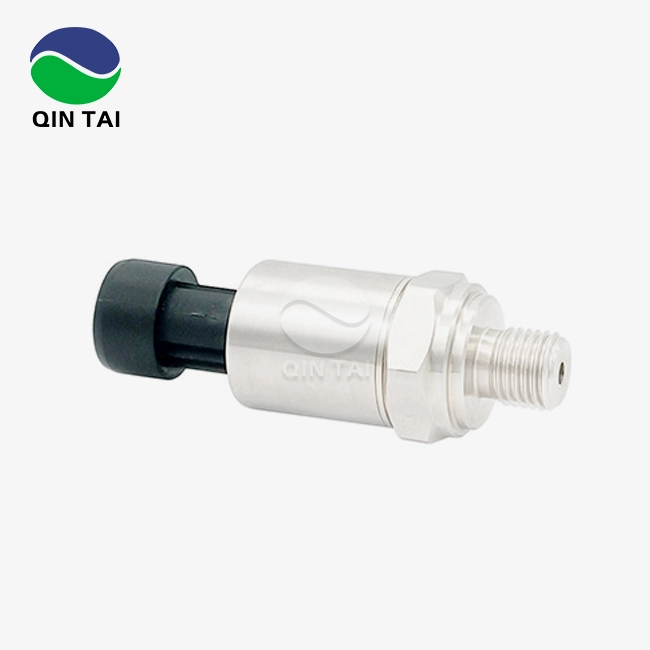
All production-ready assemblies of the urea injection system contain four core elements: the urea injection nozzle (a highly precise electromagnetic metering actuator atomising DEF at 5–9 bar), the dosing control unit, DEF tanks fitted with level and temperature detectors, and NOx/pressure sensors forming the closed feedback loop.
Every component must be manufactured to tight tolerances. In particular, it must resist urea crystallisation at the exhaust port and prevent ammonia slip — two failure modes that trigger fault codes and cause operational downtime.
Maintenance Essentials That Protect Lifespan
Nozzle heating elements keep AdBlue above its freeze point of −11 °C (12 °F), which prevents blockages in cold climates. Here are the three accepted cleaning protocols technicians follow when deposits form:
- Manual cleaning with specialized equipment to clear crystallized urea from the nozzle tip.
- Automated system flushing using heated DEF to dissolve buildup without disassembly.
- Nozzle replacement when cleaning fails to restore proper spray pattern or flow rate.
These maintenance steps directly affect NOx conversion efficiency. A well-maintained system extends catalyst life and keeps DEF consumption within the 3–5% of fuel volume benchmark cited in SAE technical literature.
Key Criteria for Selecting a Urea Injection System Supplier
Define Your Decision Scenario First
You should define your requirements before evaluating suppliers for the urea injection system. A heavy-duty truck manufacturer producing 50,000 units annually handles pricing fluctuations differently from a repair shop sourcing replacement nozzles for a mixed fleet. Clarify your annual procurement volume, required certification standards (EPA, Euro VI, or China VI), and whether you need OEM-matched interfaces or universal designs.
Core Supplier Assessment Criteria
Use these four things to sort possible partners once you know what you want:
- Certification credentials: Verify ISO 9001, IATF 16949, and application-specific approvals (CE, UL, Ex for hazardous environments). A supplier without traceable certification documentation introduces compliance risk to your entire production line.
- Technical depth and customization: OEM integrators need adjustable dosing parameters and CAN-bus or J1939 interface compatibility. Confirm whether the supplier offers ODM engineering support or only standard catalog items.
- Mass production capacity and lead time: Request documented production capacity figures and historical on-time delivery rates. Aftermarket buyers need in-stock inventory; OEM clients need guaranteed scheduling windows.
- After-sales and failure rate transparency: Ask for mean time between failure (MTBF) data and warranty terms. A reputable supplier shares field return rates openly.
It's important for OEM users to be able to change dosing levels and have interfaces that work with CAN-bus or J1939. If the seller only sells basic catalog things, find out if they offer ODM engineering help.
Practical Validation Steps
Ask for a product demo or sample batch before you place a big order. For quality control, look at the supplier's records. For real-world proof that claims of speed are true, check with the OEM types that are already in use in your company.

Comparing Market-Leading DEF Dosing Brands
Established Global Brands
Bosch and The Denso are the most well-known brands in diesel aftertreatment. Bosch’s modular dose meter systems are typical features on numerous truck platforms in Europe, and have wide OEM clearance. Denso has a good interaction with Japanese and Korean engine designs. Both companies have extensive warranties and well established dealer networks, however the lead times and minimum purchase numbers may be difficult for smaller aftermarket customers.
Application-Specific Alternatives
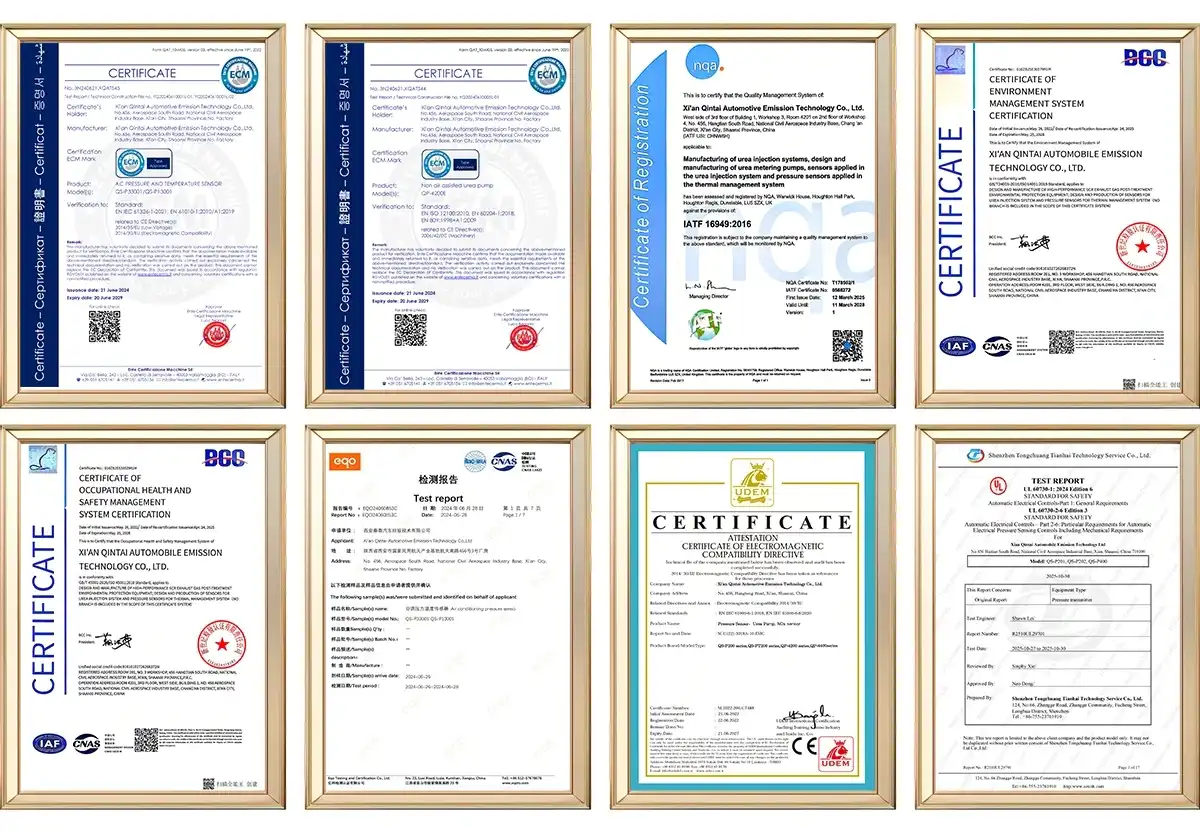
Cummins currently offers integrated aftertreatment packages optimised for engine families, making it a logical option for OEMs of generator sets and construction equipment selecting the urea injection system if they already adopt Cummins powertrains. Specialist manufacturers such as Xi'an Qintai Vehicle & Emission Technologies Co., Ltd. deliver cost-effective alternatives with OEM-equivalent technical performance. Qintai holds ISO 9001, IATF 16949, CE, UL and Ex certifications, with 58 authorized innovation patents and ranks No.1 in China’s OEM market share. Its major customers include Weichai Power, Yuchai Power and Quanchai Power.
DPF vs. SCR: Clarifying Complementary Technologies
SCR and DPF target different pollutants. SCR decreases NOx , DPF catches particulate particles . The latest Euro VI and EPA Tier 4 standards usually need both to perform in tandem. A single source for your sensors and dosing hardware to both systems reduces the complexity of your supply chain and calibration efforts.
Procurement Strategies for Buying Urea Injection Systems
Match Supplier Type to Buyer Profile
In the supply chain, your procurement strategy should be a reflection of who you are. OEM customers benefit from maximum value derived from direct factory relationships, contractual volume costs, engineering cooperation agreements and audit rights. Aftertreatment integrators of systems should look for vendors with adjustable settings and fast technical support responses. Repair shops and parts wholesalers require catalogue breadth, regional inventories and competitive unit pricing.
Online vs. Offline Sourcing Considerations
You may quickly get a list of vendors of urea injection systems and quickly compare prices using online B2B platforms. The trade-off is the restricted ability to assess manufacturing capacity or systems for quality management from a product listing. For high-volume or critical applications, it is common practice to verify on-line discovery by factory audits and sample testing. Offline trade fairs and direct supplier contact are still the surest methods of creating long-term relationships with tailored service contracts.
Long-Term Supplier Relationship Management
as you have a preferred supplier agreement with specified price ranges, buffer stock provisions and a cooperative development clause for subsequent regulatory changes, you secure your business as emission regulations tighten. The EPA and CARB continue to revise NOx restrictions, and Euro VII is in the final stages of acceptance. A supplier that is investing in R&D is better placed to offer compliant hardware ahead of regulatory deadlines.
Conclusion
Before you select a supplier for your, verify that their technical specs match your requirements, examine relevant certifications, and negotiate a long-term contract that remains valid amid regulatory updates. With a reliable partner, you can reduce non-compliance risks.
The supplier can also support your engineering team when developing custom interfaces. This guide helps you source components for heavy-truck OEM platforms or commercial vehicle aftermarket networks. It simplifies datasheet review, side-by-side comparison, and contract finalisation with confidence.
FAQ
How often should a urea injection nozzle be inspected?
Every 100,000 km, or once a year for cars that drive on highways, most OEM service plans say that the nozzle should be checked. When using a generator or going off-road, you should usually do it every hour like the engine make says to.
What causes urea crystallization at the nozzle?
The DEF crystallizes when it comes in contact with the cooler exhaust surfaces when the engine is not running or is turned off. Most technical defenses include heating elements built into the body of the nozzle and processes that clean the system automatically when it is turned off.
How do I verify a supplier's compliance certification?
Ask for the original certificate papers that have the name of the organization that issued the certificate, the certificate number, and the date it expires written on them. You can go straight to the certification body's online registry. You can find things like IATF 16949 certificates on the page of the IATF global tracking group.
Can dosing parameters be customized for my engine calibration?
It is possible for some OEM service providers to change the CAN-bus messages, the time of the injection, and the width of the pulse so that they work with your ECU. You should make sure that this can be done during the expert review stage before you sign a supply deal.
What is a typical warranty term for a production-grade urea nozzle?
OEM-grade parts usually last between 12 and 24 months, or until they hit a certain number of miles or hours. Before you buy something, make sure you have a written copy of the guarantee terms and know how to get things returned.
Partner with Qintai for Your Urea Injection System Supply
Since 2001, Qintai has sold parts for diesel aftertreatment to OEMs in over 60 different countries. Qintai is a confirmed company that makes urea injection devices. They have 58 patent applications on file and are certified by IATF 16949, ISO 9001, CE, UL, Ex, and REACH. They do OEM/ODM production, can make changes easily, and offer direct technical support. You can get a catalog of our products, a sample, or a meeting with our team at info@qt-sensor.com or by visiting qt-sensor.com.
References
1) SAE International. Selective Catalysis Reduction System Development and NOx Conversion Efficiency. SAE Technical Papers, 2021.
2. ISO. ISO 22241: Diesel Engines—NOx Reduction Agent AUS 32, 2019.
3. US Environmental Protection Agency. Overview of Diesel Emissions Fluid and SCR. EPA Transportation and Air Quality, 2022.
4. EU Commission. Euro VI Heavy-Duty Vehicle Emission Standards: Regulation (EC) No 595/2009. EU Official Journal, 2020.
5. Bosch Auto Handbook. Diesel Engine Exhaust Aftertreatment Systems, 10th Edition. Bosch GmbH, 2022.
6. Transportation and Environment. How Euro VII Will Reduce European Heavy-Duty Vehicle NOx. 2023 Transport & Environment Annual Report.


Our customers’ satisfaction speaks for our quality — contact us to experience the same reliable service.