- English
- French
- German
- Portuguese
- Spanish
- Russian
- Japanese
- Korean
- Arabic
- Greek
- German
- Turkish
- Italian
- Danish
- Romanian
- Indonesian
- Czech
- Afrikaans
- Swedish
- Polish
- Basque
- Catalan
- Esperanto
- Hindi
- Lao
- Albanian
- Amharic
- Armenian
- Azerbaijani
- Belarusian
- Bengali
- Bosnian
- Bulgarian
- Cebuano
- Chichewa
- Corsican
- Croatian
- Dutch
- Estonian
- Filipino
- Finnish
- Frisian
- Galician
- Georgian
- Gujarati
- Haitian
- Hausa
- Hawaiian
- Hebrew
- Hmong
- Hungarian
- Icelandic
- Igbo
- Javanese
- Kannada
- Kazakh
- Khmer
- Kurdish
- Kyrgyz
- Latin
- Latvian
- Lithuanian
- Luxembou..
- Macedonian
- Malagasy
- Malay
- Malayalam
- Maltese
- Maori
- Marathi
- Mongolian
- Burmese
- Nepali
- Norwegian
- Pashto
- Persian
- Punjabi
- Serbian
- Sesotho
- Sinhala
- Slovak
- Slovenian
- Somali
- Samoan
- Scots Gaelic
- Shona
- Sindhi
- Sundanese
- Swahili
- Tajik
- Tamil
- Telugu
- Thai
- Ukrainian
- Urdu
- Uzbek
- Vietnamese
- Welsh
- Xhosa
- Yiddish
- Yoruba
- Zulu
NOx Sensor Uses, Fault Codes, and Replacement Guide for Importers
If you source emission control components for diesel-powered equipment, understanding how a NOx sensor works — and what happens when it fails — directly affects your compliance posture and procurement costs. A nitrogen oxide sensor monitors exhaust gas concentration in real time, feeding data to the SCR system so it injects the correct amount of Diesel Exhaust Fluid. When this sensor degrades or fails, engines can exceed EPA and Euro 6 emission thresholds, trigger fault codes, and face costly derates. This guide covers sensor functions, common fault codes, replacement steps, and what to look for when selecting a supplier.
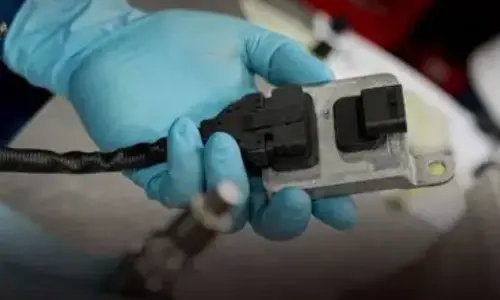
Understanding NOx Sensors: Functions and Importance
How the Sensor Works
The solid part of a NOx sensor is made of yttria-stabilized zirconia (YSZ) ceramic. The amount of oxygen in the first measurement room is controlled by an oxygen pump cell inside. In a second detecting cell, the nitrogen oxides are broken down catalytically into nitrogen and oxygen ions. This makes a current that is related to the NOx concentration. This electrochemical process lets the sensor measure NOx levels from 0 to 2,500 ppm in less than 1,400 ms after being turned on. This is quick enough to let the SCR system be changed in real time.
Upstream vs. Downstream Placement
Diesel cars have two monitors these days. It is close to the supercharger and checks the NOx that comes from the engine. This lets the ECU know what it needs to know to figure out the exact rates of DEF injection. You put this unit after the SCR trigger to see how well it works. If the NOx levels in the downstream area stay high after DEF is added, the system knows there is a problem. They work together to make a closed-loop feedback system that limits pollution to what the law allows.
Why This Matters for B2B Procurement
In order for OEM buying managers and aftertreatment installers to be happy, sensors must be accurate. What might be wrong is that the DEF amount is either too high or too low. It's called ammonia slip when you take too much. This is ammonium leaking into the exhaust. Further down the line, a sensor thinks this is NOx, which causes more fault codes to be sent. Not giving enough NOx is what causes real NOx exceedances. People could break both EPA rules and China VI norms in either case.
Common Fault Codes and Symptoms of NOx Sensor Issues
Recognizable Warning Signs
Three early warning signs that drivers and fleet managers usually notice are the Check Engine Light being on, increased DEF consumption, and black or gray smoke coming from the exhaust, which can be detected by the NOx sensor. If heavy-duty trucks keep exceeding emission limits, the engine control module may also trigger torque derating. This reduces engine power to force maintenance work. These symptoms should not be ignored; instead, they should prompt an immediate diagnostic scan of the NOx sensor.
Key Fault Codes to Know
The following diagnostic trouble codes are most often used to show that something is wrong with the nitrogen gas monitor:
- P2200 / P2201 — NOx sensor circuit malfunction (bank 1 sensor 1 or bank 1 sensor 2); typically indicates an open or shorted circuit in the wiring harness.
- P2202 / P2203 — Low voltage signal from the NOx sensor; often caused by connector corrosion or sensor aging.
- P229F — NOx sensor performance issue; the sensor is reading within range but delivering implausible values relative to engine load.
A low voltage output from the NOx sensor is shown by P2202/P2203. A corroded connector or an old sensor are most likely to blame for this.
Troubleshooting Before Replacement
Oxygen sensor numbers (P0130–P0167) are not the same as these codes because they look at the air-fuel mix instead of how well the aftertreatment works.

NOx Sensor Types and Comparison for Procurement Decisions
OEM vs. Aftermarket Options
You should choose them if you own a fleet and need to handle warranty claims with the NOx sensor. They can save you 30–50% on costs and can be used on vehicles out of warranty as long as they meet the same electrochemical accuracy standards. For fleet applications, remanufactured units carry the highest risk, since sensor ceramic components degrade over time and cannot be fully restored to their original tolerance levels.
Selecting by Application
When heavy-duty truck OEMs and SCR system installers buy in bulk, the most important things to them are exact readings across the full 0–2,500 ppm range, fast startup times, and the ability to not poison. Small amounts of lead and sulfur are often found in diesel smog. These are pollutants that break down regular zirconia cells over time. In real life, sensors that are less likely to get poisoned stay calibrated for a lot longer. This means that fewer sensors need to be replaced in the field and warranty claims are made.
Compatibility Considerations
Before agreeing to a seller, procurement teams should check the type of connector, the length of the wire, the mounting thread (M20×1.5 is typical for most diesel platforms), and the compatibility of the communication protocol. Sensors that can talk to more than 300 different protocols and have interfaces that can be changed to fit their needs will be most useful for aftertreatment integrators who work with different car systems.
Purchasing and Replacement Guide for NOx Sensors
Cost Benchmarks and Sourcing Strategy
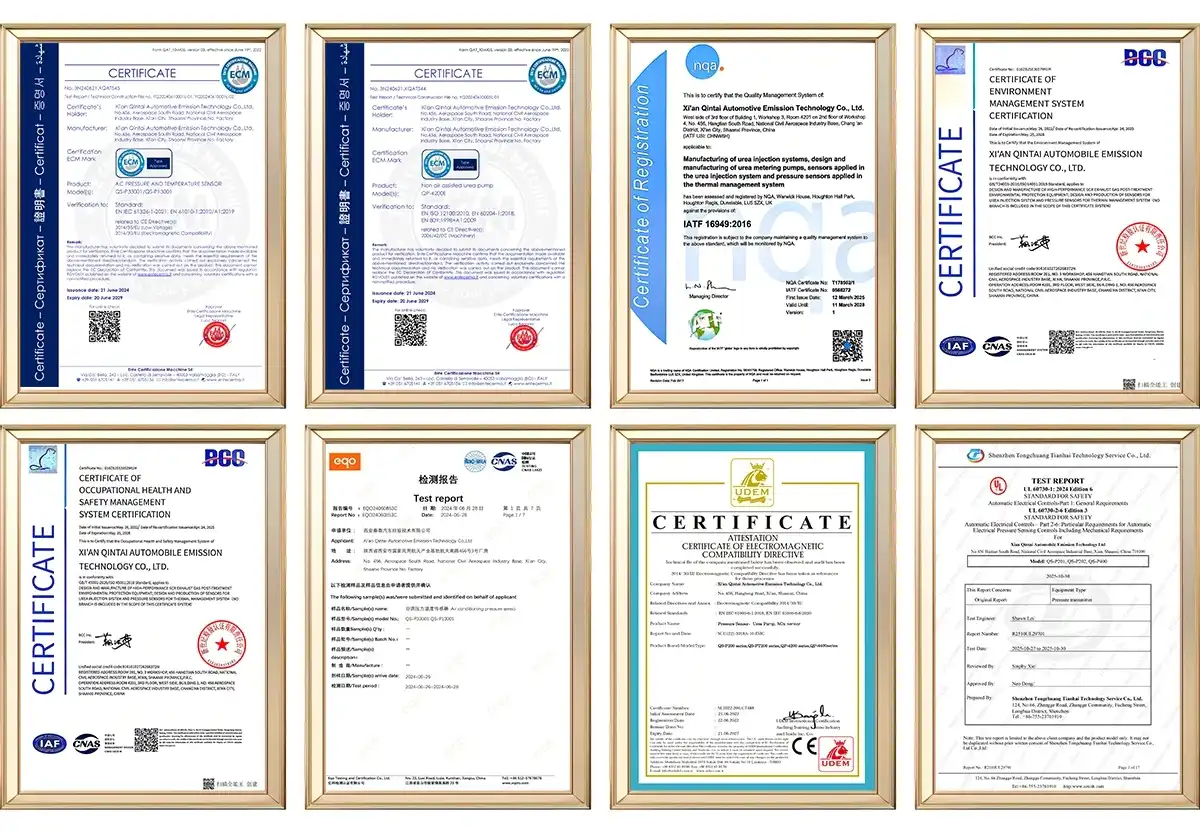
It costs around $150 to $400 for an OEM nitrogen oxide sensor to be sold in the U.S. Those who import and sell parts and take care of big orders can save a lot of money by working directly with a qualified maker or an authorized dealer of that maker. They also know that the standard of the production will stay the same. When looking at overseas suppliers, the first thing you should do is ask to see proof of IATF 16949 certification and confirmed OEM supply references.
Step-by-Step Replacement Overview
There is a clear way to change a sensor on a construction truck. Let the exhaust cool down all the way, then take out the power plug and use a 22mm sensor pin to unscrew the old unit. Apply anti-seize compound to the threads of the new sensor, then tighten it to the level suggested by the maker (usually 40–50 Nm). Connect it back to the socket, and use a diagnostic scanner to get rid of any error codes. In order to judge performance, you should let the ECU learn new sensor baselines by driving the car all the way through its cycles.
Avoiding Supply Chain Disruptions
Parts managers and procurement teams should maintain spare stock of common part numbers for the NOx sensor. This is especially vital for large vehicle fleets complying with EPA Tier 4 or Euro 6 standards. When suppliers keep inventory and offer fast shipment, unplanned downtime risks are reduced, which directly impacts operators’ total operating costs.
Maintenance, Troubleshooting, and Best Practices
Routine Inspection Intervals
Numbers from the business world show that nitrogen gas monitors used in heavy-duty diesel cars normally last between 4,000 and 6,000 hours. All trucks that are driven on public roads should be checked every major service interval, which is every 150,000 to 200,000 km. This helps find wear and tear early on, before a problem code shows up. Techs should check that the link is stable and see if exhaust has built up soot on the sensor tip. To make sure the signal output is good, they should also use tools from the maker to check it.
Diagnostic Tools That Work
It is possible to get live sensor data streams in a workshop with heavy-duty scan tools like Cummins INSITE, Detroit Diagnostic Link, or universal J1939-compatible platforms. It's easy to tell if the issue is with the monitor, the DEF dosing system, or the catalyst itself by comparing the NOx numbers upstream and downstream during steady-state load conditions.
Preventative Measures That Reduce Failure Rates
In case studies of fleets, three things always make sensors last longer. Keep the quality of the DEF high first, because urea that is contaminated makes sensor fouling happen faster. Second, fix any issues with renewing the DPF right away. Exhaust temperatures that are too high because of too much soot are above what the monitor should be. Third, pick sensors with waterproof wires and plugs that can work in temperatures ranging from -40°C to 200°C if you want to use them in cold places or off-road conditions where water can damage gear.
Conclusion
Repairing a faulty NOx sensor incurs much higher costs than purchasing a new replacement. This includes regulatory fines, engine torque derating and wasted DEF caused by incorrect dosing. Procurement teams can make quicker and better sourcing decisions once they understand sensor technology, common failure modes and qualification criteria for qualified suppliers.
It is important to protect both compliance and operating margins by choosing sensors that are built to documented accuracy standards and backed by a manufacturer with proven OEM credentials. This is true whether you are in charge of a fleet of heavy trucks, a line of farm equipment, or a business that integrates SCR aftertreatment.
FAQ
How long does a NOx sensor typically last?
Under normal operating conditions in heavy-duty diesel applications, a quality sensor lasts between 4,000 and 6,000 hours. Factors that shorten service life include contaminated DEF, DPF issues that raise exhaust temperatures, and exposure to high sulfur fuel without adequate poisoning resistance in the sensor design.
Are aftermarket sensors reliable compared to OEM units?
Quality aftermarket sensors that meet OEM electrochemical specifications perform comparably in out-of-warranty applications. The key is to verify that the supplier holds IATF 16949 certification and can provide documented accuracy data across the full measurement range — not just nominal figures.
What happens if I ignore a NOx sensor fault code?
Ignoring fault codes like P2200 or P229F typically results in progressive engine derating, excess DEF consumption from incorrect dosing, and real NOx exceedances that can trigger EPA enforcement actions. In commercial trucking, a derated engine also means missed delivery schedules and direct revenue loss.
Can one sensor fit multiple vehicle platforms?
Yes, provided the mounting thread, connector type, and communication protocol match the target platform. Sensors that support customizable interfaces and multiple protocols give parts suppliers and integrators the flexibility to serve diverse equipment lines from a single part number.
Partner with Qintai for Verified NOx Sensor Supply
Since it began in 2001, Qintai has had the largest share of the SCR aftertreatment market in China, making NOx sensors. More than 60 countries have bought from it as an OEM. Response times for our sensors are less than 1,400 ms, they can work for up to 6,000 hours, and they take less than 165 seconds to start up, which is the industry standard. One from ISO9001 and one from IATF16949 have both approved them. You can email us at info@qt-sensor.com or visit qt-sensor.com to talk to our team about bulk pricing, custom configurations, or technical support.
References
1. U.S. Environmental Protection Agency. Heavy-Duty Engine and Vehicle Standards. EPA, 2021.
2. European Commission. Regulation (EC) No 715/2007 on Type Approval of Motor Vehicles with Respect to Emissions. Official Journal of the European Union, 2007.
3. SAE International. SAE J1939 Standards Collection: Serial Control and Communications Heavy Duty Vehicle Network. SAE International, 2022.
4. Bosch Automotive Handbook, 10th Edition. Robert Bosch GmbH, 2022.
5. National Institute for Automotive Service Excellence (ASE). Diesel Engines Technician Test Preparation Guide. ASE, 2020.
6. Johnson, T. V. "Vehicular Emissions in Review." SAE International Journal of Engines, 2023.
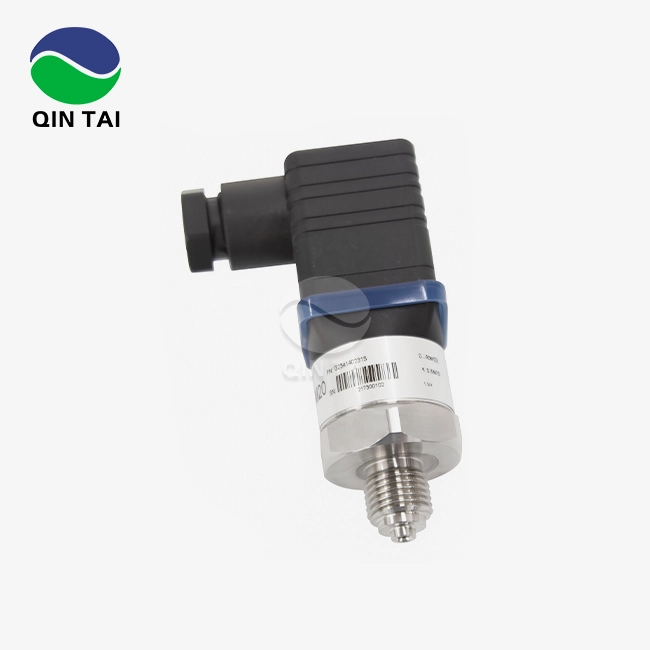
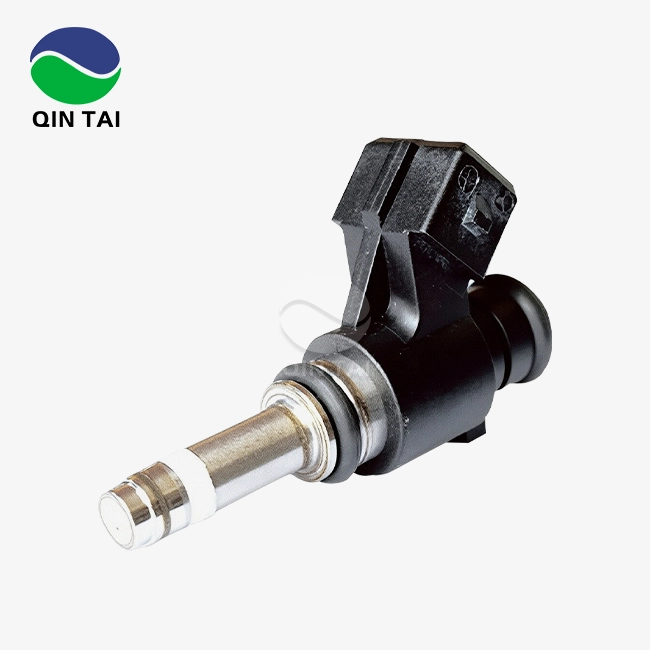

Our customers’ satisfaction speaks for our quality — contact us to experience the same reliable service.