- English
- French
- German
- Portuguese
- Spanish
- Russian
- Japanese
- Korean
- Arabic
- Greek
- German
- Turkish
- Italian
- Danish
- Romanian
- Indonesian
- Czech
- Afrikaans
- Swedish
- Polish
- Basque
- Catalan
- Esperanto
- Hindi
- Lao
- Albanian
- Amharic
- Armenian
- Azerbaijani
- Belarusian
- Bengali
- Bosnian
- Bulgarian
- Cebuano
- Chichewa
- Corsican
- Croatian
- Dutch
- Estonian
- Filipino
- Finnish
- Frisian
- Galician
- Georgian
- Gujarati
- Haitian
- Hausa
- Hawaiian
- Hebrew
- Hmong
- Hungarian
- Icelandic
- Igbo
- Javanese
- Kannada
- Kazakh
- Khmer
- Kurdish
- Kyrgyz
- Latin
- Latvian
- Lithuanian
- Luxembou..
- Macedonian
- Malagasy
- Malay
- Malayalam
- Maltese
- Maori
- Marathi
- Mongolian
- Burmese
- Nepali
- Norwegian
- Pashto
- Persian
- Punjabi
- Serbian
- Sesotho
- Sinhala
- Slovak
- Slovenian
- Somali
- Samoan
- Scots Gaelic
- Shona
- Sindhi
- Sundanese
- Swahili
- Tajik
- Tamil
- Telugu
- Thai
- Ukrainian
- Urdu
- Uzbek
- Vietnamese
- Welsh
- Xhosa
- Yiddish
- Yoruba
- Zulu
SCR Dosing System Components Explained for Industrial Buyers
An SCR dosing system is the heart of modern diesel aftertreatment, precisely injecting Diesel Exhaust Fluid (DEF/AdBlue) into hot exhaust gases to convert harmful NOx emissions into nitrogen and water. For OEM engineers, fleet operators, and procurement managers, understanding each component—from the dosing module and urea pump to pressure sensors and heating elements—is not optional; it is a technical requirement. Regulations like EPA Tier 4 Final and Euro VI demand near-perfect dosing accuracy, and one underperforming part can trigger limp mode or cause a compliance failure across an entire production line.
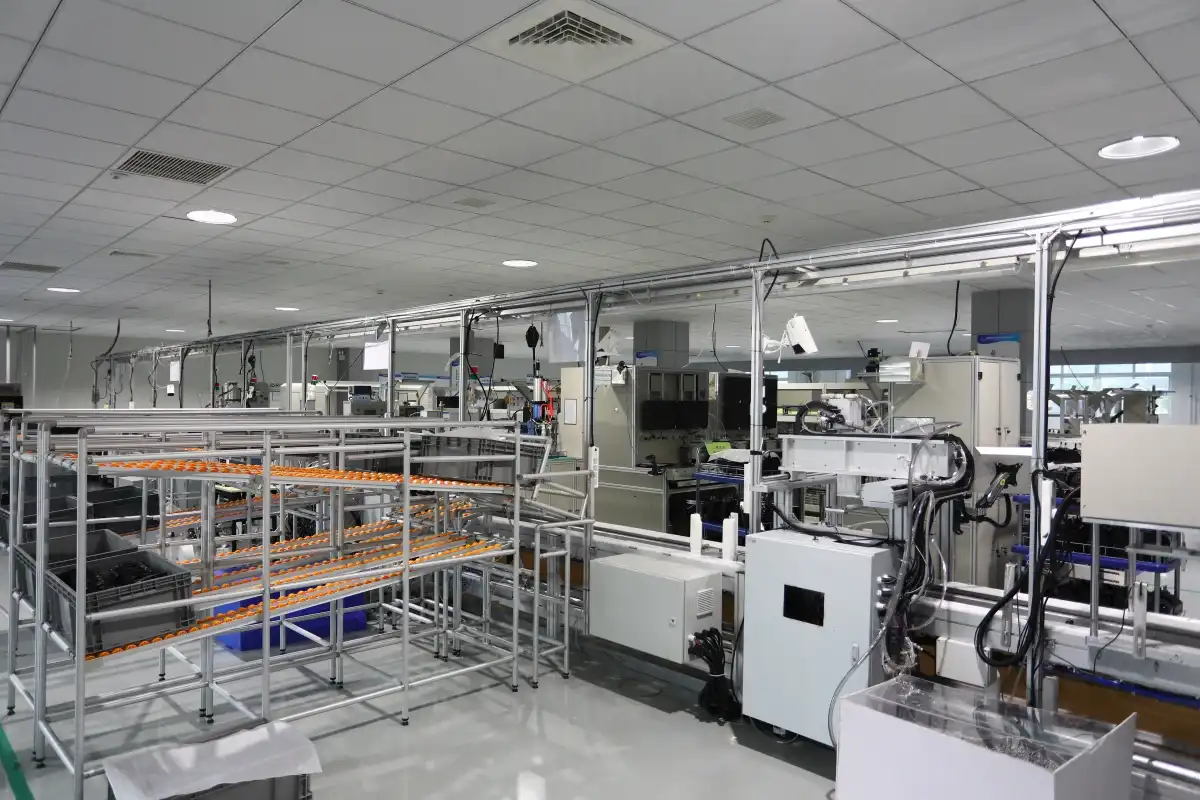
Understanding the Core Components of SCR Dosing Systems
One thing that every aftertreatment engineer I've talked to agrees on is that the system is only reliable if all of its parts work well together. It's broken up into its main parts below:
The Dosing Module
AdBlue is put into the exhaust pipe before the SCR catalyst by the dosage module. It does this by breaking it up into very small pieces. Even when the temperature changes a lot, from cold start to full load, it has to keep the same flow rates. More than 90% of the Euro VI NOx reduction goals must be met by dosing that is accurate within ±3%.
The Urea Tank and Delivery Pump
The urea tank, which is also called the diesel urea tank or DEF tank, holds AdBlue and communicates with the SCR system through three built-in sensors: a level sensor, a temperature sensor to keep the AdBlue from freezing, and a quality sensor that checks the concentration of 32.5% urea. A diaphragm or gear pump controls the pressure of the fluid going to the dose syringe and sends it at a rate of 4 to 9 bar.
The Urea Dosing Pressure Sensor
This part needs extra care. The Dosing Control Unit (DCU) is told what the urea dosing pressure sensor sees when it checks the hydraulic pressure in real time. Low pressure from leaks or blockages is found, as is high pressure from AdBlue that has stopped. It also helps find problems with pumps and injectors early on. The DCU can't set dose amounts until it has exact pressure data, which means NOx isn't meeting standards.
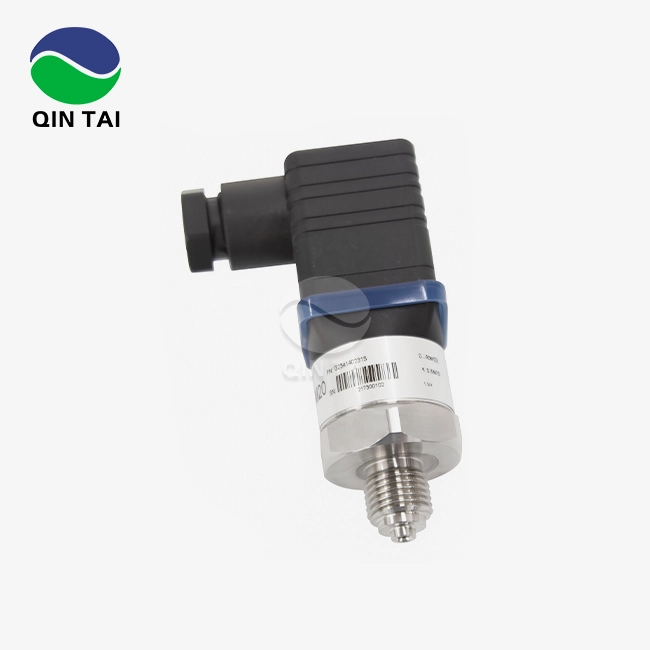
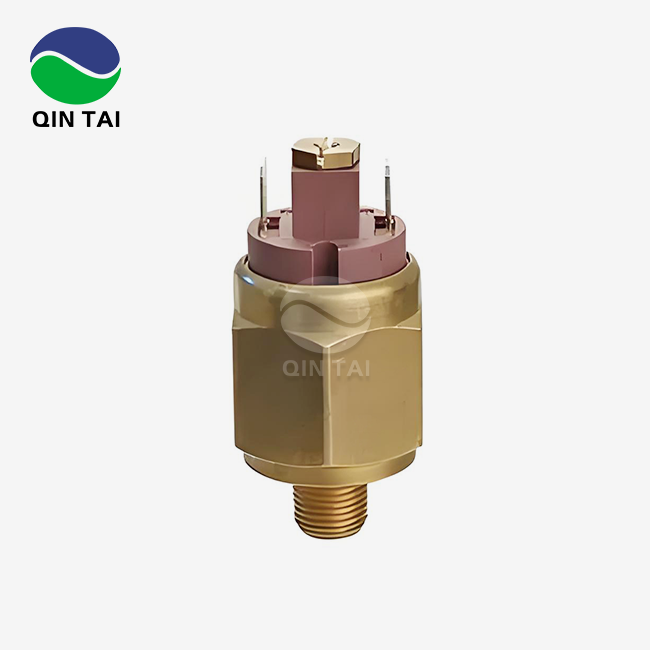
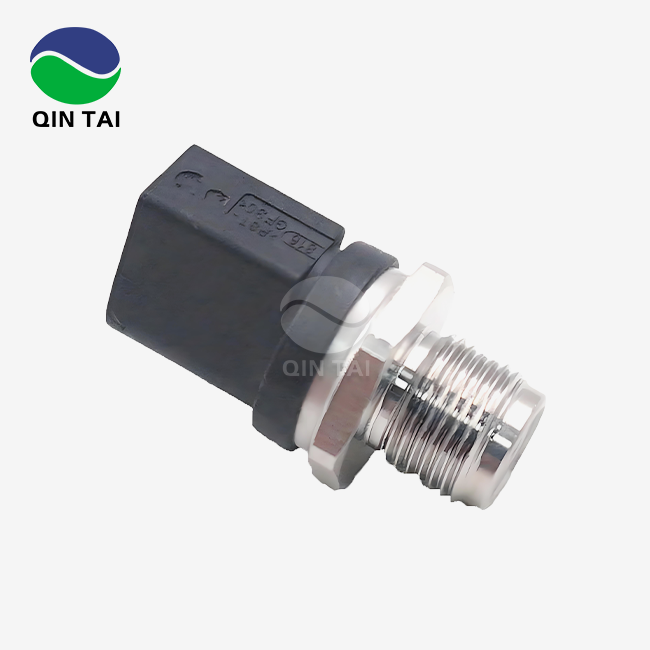
Qintai’s urea pressure sensors for the SCR dosing system adopt gold-plated connectors to mitigate crystal formation and incorporate a movable internal buffer to accommodate the 9% volume expansion occurring when urea freezes. This integrated design addresses the most common field failure modes in a single solution.
Heating Elements and Filtration Units
At -11°C (12°F), it freezes. The tank, pump, and lines all have built-in heaters that keep the water from freezing during cold starts. Filtration units keep particles from getting into the parts further down the line. Both parts need regular checks and maintenance because they are maintenance-sensitive.
Delivery Pipes and Wiring Harness
Lines made of stainless steel or PTFE carry pressurized AdBlue from the pump to the injector. The wiring harness connects the sensors and actuators to the DCU. There are signal errors that look like sensor faults when a connector in this network has a small crack or rust on it.
Operation and Maintenance Best Practices
Understanding how the system operates day-to-day prevents unnecessary downtime and extends service life.
The Real-Time Dosing Process
The DCU reads exhaust temperature, NOx sensor data, and pressure sensor feedback simultaneously. It calculates the required urea injection volume and adjusts the dosing frequency in milliseconds. This closed-loop process is what keeps NOx output within legal limits during variable load cycles in heavy trucks, construction machinery, and generator sets.
Routine Inspection Protocols
Industry data shows that over 60% of SCR-related fault codes trace back to sensor contamination or fluid path blockages rather than component failure. A structured inspection schedule should cover these areas every 500 operating hours or during scheduled oil changes:
- Check AdBlue quality and concentration with a refractometer; off-spec fluid degrades the catalyst.
- Inspect filter elements and replace them according to the manufacturer's interval.
- Verify pressure sensor readings against baseline values stored in the DCU to catch signal drift early.
- Examine delivery pipe connections and wiring harness terminals for corrosion or mechanical wear.
These four checks resolve the majority of preventable failures of the SCR dosing system before they escalate into costly repairs or regulatory penalties.
Common Fault Codes and Fixes
The P204B fault code (Urea Pressure Sensor Circuit Range/Performance) frequently appears due to aging sensor diaphragms or contaminated connector pins. Replacing the pressure sensor and cleaning the connector with electrical contact cleaner resolves this in most cases. Persistent overpressure codes usually indicate a stuck return valve, while low-pressure codes often point to pump wear or a blocked strainer.
Comparative Insights to Guide Your Procurement
You need to look at both the technology options and the skills of the provider when choosing the right aftertreatment parts.
SCR vs. Alternative Emission Control Technologies
Systems that only use EGR to recover exhaust gas lower NOx levels, but they use more fuel and make the DPF dirty with more soot. More than 90% less NOx is released when an SCR dosing system is fully merged. It also uses less fuel. This makes it the best design for use with Euro VI and EPA Tier 4. Power plants and mines that need to keep their generators running all the time use SCR because it doesn't stop the engine from breathing.
Evaluating Global Brands and Suppliers
A lot of people know the names Bosch and Delphi, which make dosing units for cars and light trucks. People are buying big industrial items like building tools, marine diesel, and generator sets from specialized sellers more and more. These suppliers let you make changes more easily, have shorter lead times, and offer direct technical support.
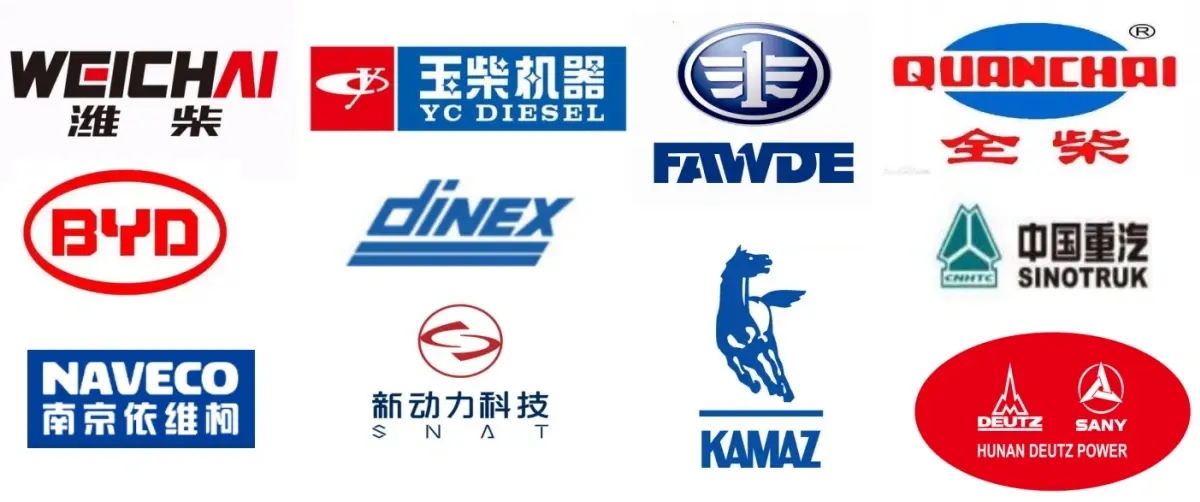
In China, most of the SCR sensor market is owned by Qintai. Weichai Power, Yuchai Power, and Quanchai Power are its main OEM customers. The business has ISO9001, IATF16949, and a number of foreign certificates, such as CE, UL, REACH, and RoHS. It has also applied for 58 patents on inventions.
Matching Components to Engine Type
Small dosing modules are good for light construction and farming tools that don't need a lot of space. When a lot of urea needs to be used, traditional high-flow units work better for large generator sets and the navy. The engineering team at Qintai can help you figure out this important size by using data from the OEM to match the pump's flow rate to the engine's highest NOx output.
Design Principles and Calibration Methods
Precision Dosing Mechanics
For accurate dosing, the line pressure needs to stay stable. The DCU's calibration map must match the signal that comes out of the urea dose pressure monitor. It's possible for this signal to be either 0.5V–4.5V analog or SENT protocol. Because of a glitch in the match, people may take too much or too little medicine, and software can't fully fix it.
Temperature Responsiveness
Between -40°C and +120°C, sensors and injectors of the SCR dosing system must maintain reliable operation in ambient air and exhaust environments. Qintai’s sensors feature industrial-grade temperature ratings and have been validated to deliver service life of at least 15,000 to 20,000 hours under typical commercial operating conditions.
Recalibration and Safety Protocols
When a dose part or sensor is changed, the DCU needs to be re-calibrated to get back to the amount of accuracy it had before. Technicians should use a debugging tool and follow the OEM's directions for recalibration. It's important to always protect your eyes and hands when doing maintenance with AdBlue, and if you spill it, you should clean it up right away with water.
Procurement Guide: How to Buy and Manage SCR Components
Sourcing from Verified Manufacturers
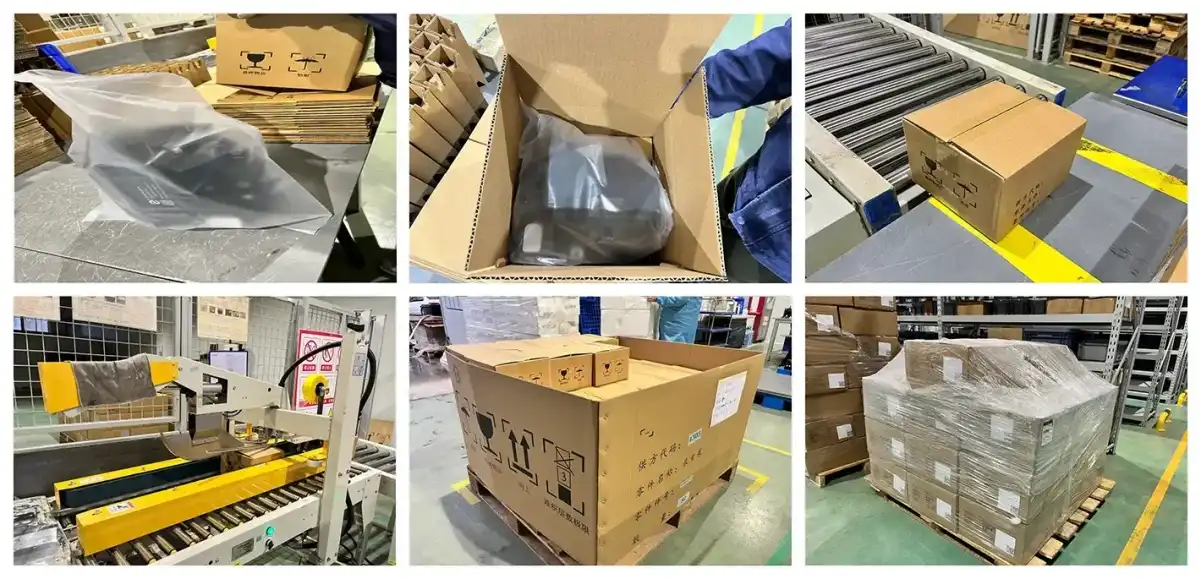
Working directly with an SCR dosing system manufacturer rather than a secondary distributor shortens lead times and gives access to engineering support. Qintai ships globally to more than 60 countries and maintains stock of its core product lines to support urgent replacement orders.
Key Purchasing Considerations
Before placing a bulk order, confirm these points with any supplier:
- Warranty coverage and mean time between failures (MTBF) data.
- Customization capability for connector type, output signal, and thread specification.
- Availability of OEM/ODM services if you need private-label components.
- After-sales technical support response time.
These factors matter as much as unit price when you are managing a production line or a national fleet.
Installation and Ongoing Support
Professional installation prevents the most common commissioning errors—reversed polarity on sensor connectors and inadequate pipe torque being the top two. Qintai provides installation documentation and application engineering support to both OEM customers and aftermarket distributors.
Conclusion
Getting a good SCR dosing system doesn't come cheap. There are pollution standards that all of the parts must meet. These include the pressure sensor, the dosing module, the DEF pump, the heating circuit, and the filter unit. Buyers' systems work better and they don't have costly compliance failures when they take the time to evaluate each part, check out suppliers, and plan maintenance. Qintai has worked with diesel aftertreatment for more than 20 years. It is a good partner for OEMs, dealers, and aftermarket buyers because it works with many OEMs and has a large collection of world certifications.
FAQ
What fluid does an SCR dosing system use?
Standard DEF (Diesel Exhaust Fluid) or AdBlue with a 32.5% urea concentration is used. Off-spec concentrations degrade the SCR catalyst and trigger fault codes.
How often should I service the dosing system?
Inspect sensors, filters, and delivery lines every 500 operating hours. Replace the dosing filter according to the OEM service interval, typically every 1,000 to 1,500 hours.
Can I retrofit an SCR system onto an older diesel engine?
Retrofit is technically feasible if the engine ECU supports communication with a DCU and the exhaust temperature profile matches SCR operating windows (above 200°C sustained).
What causes AdBlue crystallization inside the system?
Stagnant fluid in dead-volume zones and inadequate back-flushing after engine shutdown are the primary causes. Qintai pressure sensors use dead-volume minimization geometry to reduce this risk.
How do I match a pressure sensor signal to my DCU?
Confirm whether your DCU expects a 0.5V–4.5V ratiometric output or a SENT digital signal before ordering. Qintai offers both output types with standard thread options (M10×1 or M12×1.5).
Partner with Qintai for Your SCR Dosing System Needs
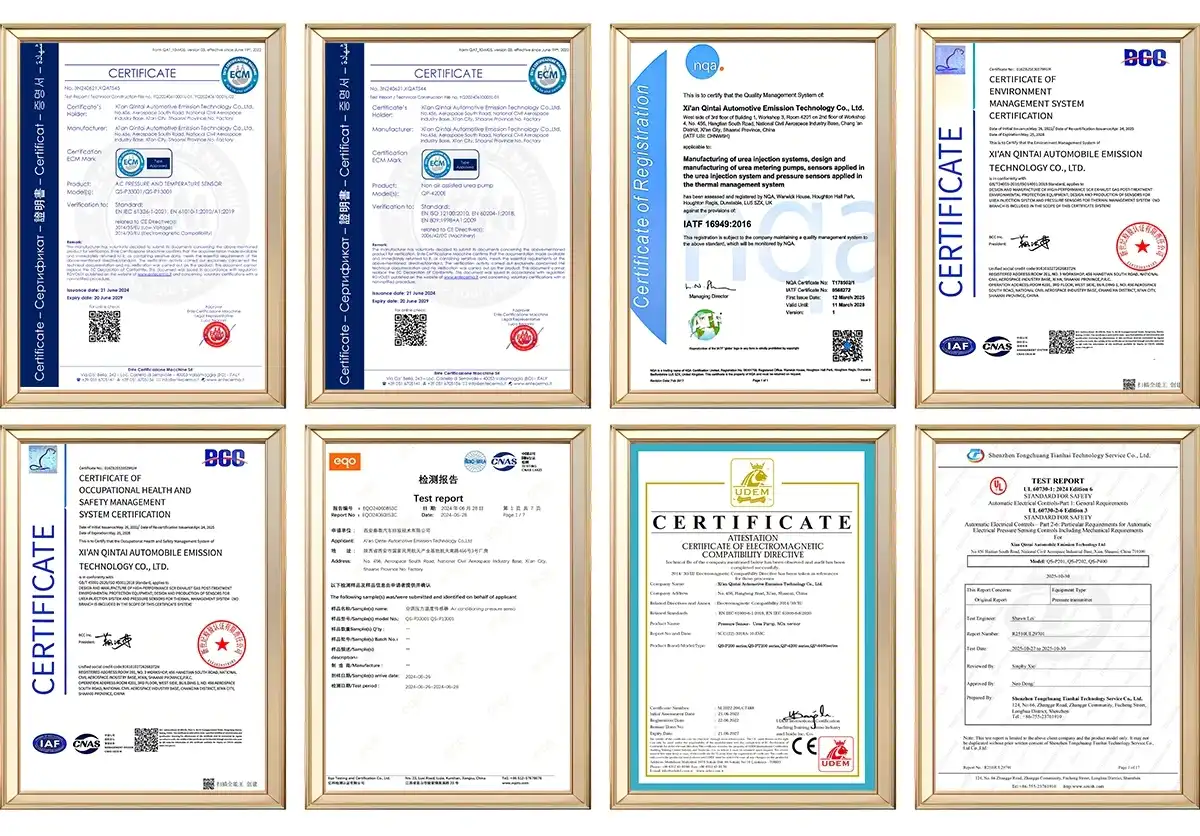
Qintai is a reliable supplier of SCR dosing systems to OEMs and users in more than 60 countries. They have ISO9001, IATF16949, and CE certifications. Our engineering team is ready to help you with OEM/ODM creation, getting a lot of pressure monitors, or making dosing parts that are just right for you. If you want to get a quote or talk about your needs, go to qt-sensor.com or email us at info@qt-sensor.com right now.
References
1. Johnson, T. (2021). Diesel Emission Control Technologies: SCR Systems and DEF Management. SAE International.
2. EPA Office of Transportation and Air Quality. (2022). Diesel Exhaust Fluid (DEF) and SCR Technology: Regulatory and Technical Overview. U.S. Environmental Protection Agency.
3. European Commission, Directorate-General for Climate Action. (2019). Euro VI Emission Standards for Heavy-Duty Vehicles: Technical Guidance Document. European Commission.
4. Majewski, W. A., & Khair, M. K. (2006). Diesel Emissions and Their Control. SAE International.
5. Hsieh, M. F., & Wang, J. (2011). "Design and Experimental Validation of an Extended Kalman Filter-Based NOx Concentration Estimator in Selective Catalytic Reduction Systems." Journal of Dynamic Systems, Measurement, and Control, 133(4).
6. International Organization for Standardization. (2018). ISO 22241: Diesel Engines—NOx Reduction Agent AUS 32. ISO.

Our customers’ satisfaction speaks for our quality — contact us to experience the same reliable service.