- English
- French
- German
- Portuguese
- Spanish
- Russian
- Japanese
- Korean
- Arabic
- Greek
- German
- Turkish
- Italian
- Danish
- Romanian
- Indonesian
- Czech
- Afrikaans
- Swedish
- Polish
- Basque
- Catalan
- Esperanto
- Hindi
- Lao
- Albanian
- Amharic
- Armenian
- Azerbaijani
- Belarusian
- Bengali
- Bosnian
- Bulgarian
- Cebuano
- Chichewa
- Corsican
- Croatian
- Dutch
- Estonian
- Filipino
- Finnish
- Frisian
- Galician
- Georgian
- Gujarati
- Haitian
- Hausa
- Hawaiian
- Hebrew
- Hmong
- Hungarian
- Icelandic
- Igbo
- Javanese
- Kannada
- Kazakh
- Khmer
- Kurdish
- Kyrgyz
- Latin
- Latvian
- Lithuanian
- Luxembou..
- Macedonian
- Malagasy
- Malay
- Malayalam
- Maltese
- Maori
- Marathi
- Mongolian
- Burmese
- Nepali
- Norwegian
- Pashto
- Persian
- Punjabi
- Serbian
- Sesotho
- Sinhala
- Slovak
- Slovenian
- Somali
- Samoan
- Scots Gaelic
- Shona
- Sindhi
- Sundanese
- Swahili
- Tajik
- Tamil
- Telugu
- Thai
- Ukrainian
- Urdu
- Uzbek
- Vietnamese
- Welsh
- Xhosa
- Yiddish
- Yoruba
- Zulu
Best Aftertreatment Dosing Unit for SCR Systems: Selection Tips
Choosing the right aftertreatment dosing unit can make or break your SCR system's ability to meet EPA Tier 4 and Euro VI emission standards. These precision components control DEF/urea injection into the exhaust stream, directly determining NOx conversion efficiency, system uptime, and regulatory compliance. Whether you manage procurement for a heavy-truck OEM, run an SCR integration operation, or supply parts to the commercial vehicle aftermarket, selecting a dosing unit that matches your engine application, environmental conditions, and certification requirements is non-negotiable for both performance and long-term cost control.

What Is an Aftertreatment Dosing Unit and How Does It Work?
Core Function Within the SCR System
Diesel Exhaust Fluid is measured out and put into the exhaust pipe by an aftertreatment dosing unit, which is located before the SCR catalyst. The DEF evaporates and breaks down into ammonia. This reacts with the NOx on the catalyst surface to make nitrogen and water, which are safe. Precision is very important in this process; too much of it lets ammonia slip, and too little lets NOx pass through untreated. A well-calibrated DEF injection tool keeps the dose accuracy within very small ranges no matter how much load the engine is under.
Key Subsystems Inside a Dosing Unit
A full urea dosing unit is made up of several parts that work together. For passenger systems, the dose pump builds and maintains hydraulic pressure, which is usually between 0 and 9 bar. For heavy-duty systems, it can go up to 12 bar. There is a urea dose pressure sensor that checks the line pressure all the time and sends information to the dose Control Unit (DCU) or ECU. The precise release of fluid is handled by solenoid valves and a nozzle injector. Timing, temperature compensation, and fault diagnosis are handled by the control electronics. R&D engineers can choose parts that really meet system-level goals when they know how these sections work together.
Selection Criteria: How to Choose the Best SCR Dosing Module
There are many technical and business aspects to the buying choice, including considerations for the aftertreatment dosing unit. Before making a decision about a supplier, every purchasing manager and engineer should look at these core evaluation factors.
- Emission Compliance Certification: Make sure the aftertreatment dosing unit has homologation data that matches the regulation you want to follow, such as EPA Tier 4 Final, Euro VI, or China VI. Ask for diagnostic outputs that work with OBD and make sure that fault codes, like P204B for urea pressure sensor circuit range/performance, are correctly linked to your ECU calibration.
- Dosing Accuracy and Pressure Stability: For heavy-duty applications, the industry standard is a level of accuracy of ±2% or better across the operating pressure range. The built-in urea dose pressure sensor should send a signal that is either 0.5V–4.5V analog or SENT digital, depending on what your DCU needs. The signal should be accurate to within 1.5% of its full range.
- Environmental and Durability Ratings: Units that will be used in building equipment, mining equipment, or generator sets that will be used in remote areas must have IP67 or IP69K entry protection. To handle both cold-start DEF melting and underhood heat at the same time, the temperature working window should be between -40°C and +125°C.
- Freeze-Thaw Resilience: AdBlue/DEF grows about 9% when it freezes. After many freeze-thaw cycles, diaphragms and seals will wear out or fail in sensor and pump housings that don't have a flexible internal buffering structure. Make sure that this has been proven by the manufacturer through standard thermal cycling tests.
- Compatibility and Interface Standardization: The thread sizes (M10×1 or M12×1.5 are common) and signal protocols must match the architecture of your current SCR. Multi-platform support makes inventory simpler across mixed teams for aftermarket and retrofit situations.
These factors affect not only the initial purchase price but also the total cost of ownership over a service life of 15,000 to 20,000 hours. These numbers are very important to both fleet operators and OEM warranty programs.

Comparing Market Solutions: Key Players and Differentiation
Bosch, Denso, Continental, Cummins Emission Solutions, and Delphi Technologies are some of the well-known Tier-1 companies that make SCR dose components, with each specializing in the aftertreatment dosing unit for different application types. Because they work well with OBD, Bosch's DCU dosing units are widely used in European heavy-truck systems. When packaging room is limited, like in farms and light industrial vehicles, Denso's compact units are the best choice.
Beyond name knowledge, what sets suppliers apart is their ability to mass-produce, customize, and offer a wide range of certifications. Qintai is a national high-tech company that was founded in 2001 and has 58 filed invention patents. It is China's No. 1 OEM seller by market share and has ISO9001, IATF16949, CMC, CE, UL, and REACH certifications.
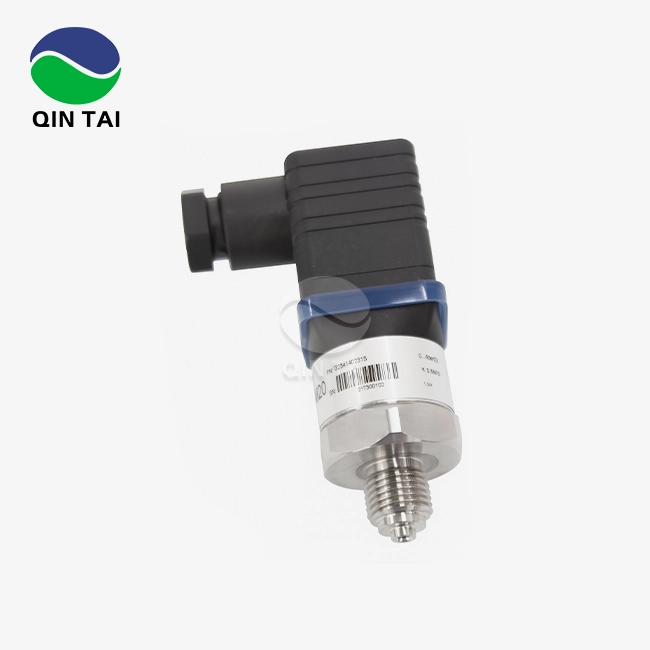
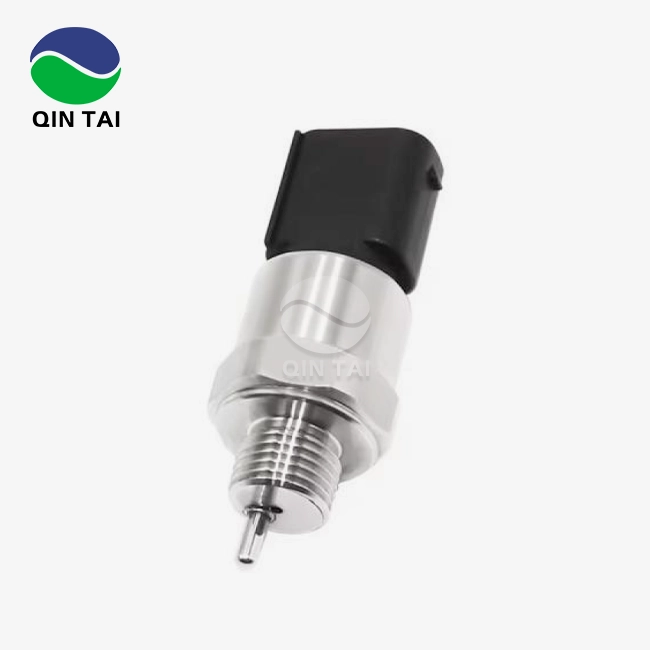
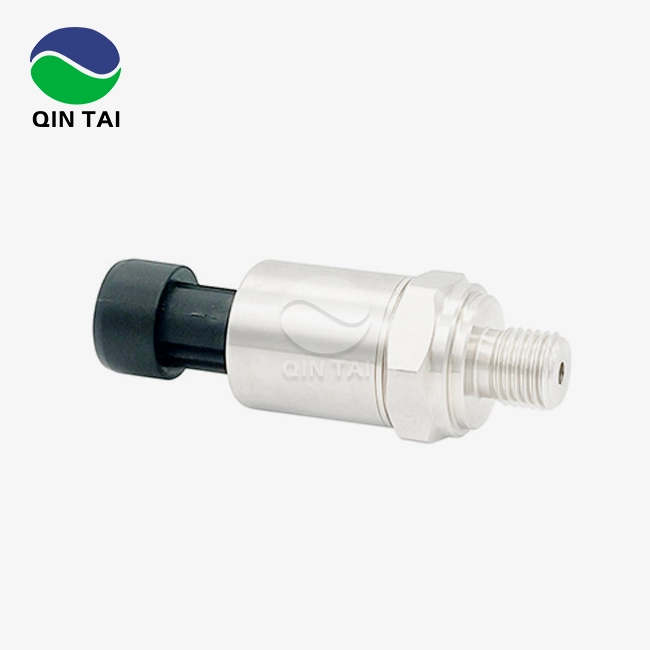
Qintai makes urea pressure sensors and SCR aftertreatment parts with piezoresistive MEMS technology and 316L stainless steel or PPS diaphragms that are made to resist corrosion by urea for core OEMs like Weichai Power, Yuchai Power, and Quanchai Power. This track record is very important for B2B buying teams looking for an aftertreatment dosing unit provider with proven mass-production credentials and OEM/ODM flexibility. It is used as proof during supplier approval reviews.
Maintenance and Troubleshooting: Keeping Your Dosing System Reliable
Routine Maintenance Practices
Every time they are due for service, check the DEF filters and strainers. If DEF is contaminated, it speeds up the crystallization process inside the dosing nozzle and the pressure sensor's internal flow paths. If the car is going to be parked for more than 30 days, flush the system with deionized water. Also, check the pump prime pressure after replacing the filter.
Diagnosing Common Fault Conditions
The P204B fault code—urea pressure sensor circuit range/performance—is often caused by signal drift from worn-out sensors or connector pins. Gold-plated terminal connectors make this type of failure much less likely. If the system goes into limp mode without warning, record the DCU freeze-frame data before clearing the codes. Pressure readings outside the calibrated 0–12 bar window usually mean that a sensor diaphragm is failing or that the dosing line is partially blocked, not that the pump is failing.
Extending Service Life
Vibration-dampening mounting brackets are helpful for the aftertreatment dosing unit when it is placed in high-vibration environments, such as on long-haul trucks traveling over a million kilometers or on demolition sites with excavators. Internal dead-volume minimization in the sensor chamber keeps urea from building up on the sensing element. This is one of the design features that sets industrial-grade parts apart from generic ones.
Procurement and Integration: Streamlining Your Sourcing Process
If you buy from a verified and qualified manufacturer, you can avoid getting fake parts that don't have the legal approvals they say they do. Before you approve a new provider, make sure you get batch-level test reports and compare signal output curves with your DCU calibration data. For OEM projects that need a lot of parts, make sure that the supply deals you discuss include committed lead times and safety-stock plans. The reliability of shipping has a direct effect on the scheduling of the production line.
Software-side tuning should be thought about when planning an integration. Signal protocol mismatches between the sensor output and the ECU input table can cause fault codes to stay on the board even if the thread sizes are the same. Before giving the go-ahead, work with the application engineering team at your provider to make sure the whole signal chain works properly under typical engine load conditions.

Conclusion
Choosing the correct SCR dosing component is both a technical and a business decision that has direct effects on meeting emission standards, keeping the fleet running, and lowering long-term operating costs. Procurement teams can make confident choices about where to buy things when they match the aftertreatment dosing unit to the right engine platform, environmental duty cycle, and regulatory framework, and when they work with a provider that has valid certifications and a history of mass production. Adding a precise urea dosing pressure sensor to the dosing assembly is still one of the most important decisions that affects the accuracy and durability of the whole SCR system.
FAQ
What maintenance schedule should I follow for an SCR dosing unit?
Most OEM guidelines say that DEF filters should be checked every 100,000 km or once a year, whichever comes first. In cold places, flush the dose lines every so often to keep them from freezing and causing damage.
Are dosing units interchangeable between diesel and gasoline engines?
No, diesel SCR systems use a 32.5% liquid urea solution, but gasoline three-way catalyst systems use a completely different type of reductant. Different parts don't work with each other, and using them in the wrong way will cause error codes and revoke certification.
How do I verify that a dosing unit meets Euro VI or EPA Tier 4 requirements?
Get the supplier's type-approval paperwork and compare the approval number with the database that the relevant regulatory authority has made public. A second check is made with OBD-mapped fault codes that are in line with the standard.
What causes the P204B fault code?
Most of the time, signal drift is caused by pin rust or old age at the sensor connection. In fleet data, the number of P204B incidents is much lower for sensors with gold-plated connections and sealed sockets rated to IP69K.
What is the expected service life of a urea dosing pressure sensor?
Industrial-grade sensors made to IATF16949-certified production standards are usually tested and proven to work for 15,000 to 20,000 hours under normal job cycles for commercial vehicles.

Partner With Qintai for Proven SCR Dosing Solutions
Leading OEMs in more than 60 countries trust Qintai to provide industrial-grade aftertreatment dosing unit parts. Qintai is a qualified maker of aftertreatment dosing units with ISO9001, IATF16949, and CE credentials. They offer OEM/ODM customization, flexible volume deals, and focused application engineering. You can email our expert team at info@qt-sensor.com or go to qt-sensor.com to get datasheets, examples, or a custom quote.
References
1. SAE International Journal of Engines — "DEF Dosing Accuracy and NOx Conversion Efficiency in Heavy-Duty SCR Systems," SAE International, 2021.
2. Emission Control Science and Technology — "Urea Crystallization Mechanisms in SCR Dosing Lines," Springer, 2020.
3. Transportation Research Part D: Transport and Environment — "Real-World NOx Emissions Compliance of Euro VI Trucks," Elsevier, 2022.
4. Journal of Automobile Engineering — "Pressure Sensor Integration in SCR Aftertreatment Dosing Modules," IMechE, 2019.
5. SAE Technical Paper 2018-01-1272 — "Freeze-Thaw Durability of AdBlue Dosing Components in Commercial Vehicle Applications," SAE International, 2018.
6. International Journal of Engine Research — "Advances in MEMS-Based Pressure Sensing for Diesel Aftertreatment Systems," SAGE Publications, 2023.


Our customers’ satisfaction speaks for our quality — contact us to experience the same reliable service.