- English
- French
- German
- Portuguese
- Spanish
- Russian
- Japanese
- Korean
- Arabic
- Greek
- German
- Turkish
- Italian
- Danish
- Romanian
- Indonesian
- Czech
- Afrikaans
- Swedish
- Polish
- Basque
- Catalan
- Esperanto
- Hindi
- Lao
- Albanian
- Amharic
- Armenian
- Azerbaijani
- Belarusian
- Bengali
- Bosnian
- Bulgarian
- Cebuano
- Chichewa
- Corsican
- Croatian
- Dutch
- Estonian
- Filipino
- Finnish
- Frisian
- Galician
- Georgian
- Gujarati
- Haitian
- Hausa
- Hawaiian
- Hebrew
- Hmong
- Hungarian
- Icelandic
- Igbo
- Javanese
- Kannada
- Kazakh
- Khmer
- Kurdish
- Kyrgyz
- Latin
- Latvian
- Lithuanian
- Luxembou..
- Macedonian
- Malagasy
- Malay
- Malayalam
- Maltese
- Maori
- Marathi
- Mongolian
- Burmese
- Nepali
- Norwegian
- Pashto
- Persian
- Punjabi
- Serbian
- Sesotho
- Sinhala
- Slovak
- Slovenian
- Somali
- Samoan
- Scots Gaelic
- Shona
- Sindhi
- Sundanese
- Swahili
- Tajik
- Tamil
- Telugu
- Thai
- Ukrainian
- Urdu
- Uzbek
- Vietnamese
- Welsh
- Xhosa
- Yiddish
- Yoruba
- Zulu
Why Is My Aftertreatment Dosing Unit Not Working Properly Right Now?
When your diesel engine's emission control system triggers warning lights or loses performance, an Aftertreatment Dosing Unit malfunction is often the culprit. This critical SCR component injects precise amounts of Diesel Exhaust Fluid (DEF) into the exhaust stream to convert harmful nitrogen oxides into harmless nitrogen and water vapor. Dosing failures trigger regulatory non-compliance, reduce engine efficiency, and may activate torque-limiting "limp mode." Understanding what disrupts normal operation—from crystallized urea blocking injection nozzles to faulty pressure sensors misreporting fluid status—enables purchasing managers and R&D engineers to implement preventive measures, select reliable replacement components, and maintain emission compliance under Euro VI and EPA standards.
Understanding the Aftertreatment Dosing Unit and Its Functionality
Core Components of the SCR Dosing System
To meet strict emission goals, modern Selective Catalytic Reduction systems depend on parts that work together perfectly. The dosing section has a high-precision pump built in that raises the pressure of DEF from the holding tank to 5 to 9 bars. Then, an electrically managed injector turns this fluid into very small droplets, which make sure that it mixes well with the exhaust gases before going into the catalytic converter. Pressure sensors keep an eye on the hydraulics all the time, and temperature probes make sure that the urea solution stays within the right temperature range to avoid damage from freezing or overheating [^1].
How Selective Catalytic Reduction Works?
At temperatures above 180°C, atomised DEF goes through thermolysis in the exhaust route and breaks down into ammonia. Over the catalyst substrate, this ammonia mixes with nitrogen oxides to turn pollution into nitrogen gas and water. The whole process needs exact dosing rates that are adjusted based on the engine's load, the temperature of the exhaust, and the amount of NOx that monitors upstream can measure. If any link in this chain breaks, like the injector getting clogged, the pump losing pressure, or sensors giving wrong information, the system can't keep the stoichiometric ammonia-to-NOx ratio needed for compliance[^2].
Recognizing Early Warning Signs
Dashboard signs, like amber DEF warning lamps that show low fluid levels or system faults or red malfunction lights that show major failures that turn off the power, are usually how fleet managers find dosing problems. Technicians might see white or blue smoke coming from the exhaust, too much DEF being used, or diagnostic trouble codes like P204B (pressure sensor circuit failure) or P20EE (dosing valve stuck open). If these signs are taken care of quickly, they don't get worse and cause system shutdowns that leave cars stranded and cost a lot to fix.
Common Causes for Aftertreatment Dosing Unit Malfunction
Hardware Wear and Component Fatigue
The dosing assembly's mechanical parts break down over time when they are used continuously in harsh conditions. When the pump diaphragm goes through millions of pressure cycles, tiny cracks form that lower its output. When hot exhaust gases and rough particles are constantly sprayed on injector nozzles, they wear down and change the spray patterns and droplet sizes. Over time, the seals around fluid links get harder, letting air into the hydraulic circuit. This makes the fluid less compressible, which makes it harder to measure the right amount of fluid. Heavy-duty trucks that travel more than 500,000 kilometres often have these kinds of wear-related breakdowns because they don't have planned repair plans for parts.
Crystallization and Filter Blockages
Urea crystallisation is a problem that comes up in all SCR applications for the Aftertreatment Dosing Unit. When DEF evaporates or doesn't completely break down at high temperatures, solid urea crystals build up in the injector tubes, supply lines, and interior chambers of the dosing module. These crystals stop the flow of fluid, which leads to under-dosing and emission violations. The problem gets worse when cars take a lot of short trips where the exhaust temperatures never get high enough to fully break down the pumped DEF, or when low-quality fluid with contaminants speeds up the formation of crystals. While inline filters keep the system safe, they need to be replaced regularly—usually every 80,000 to 120,000 kilometers—or they stop letting fluids flow.
Sensor and Electrical Failures
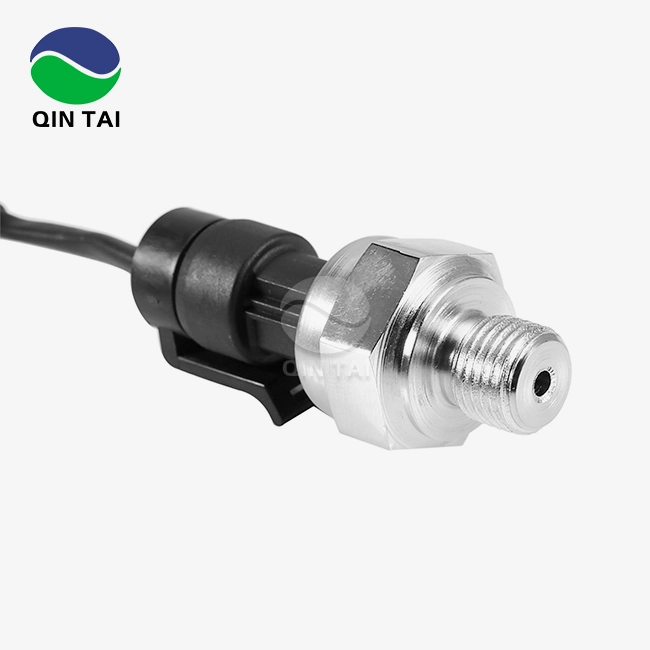
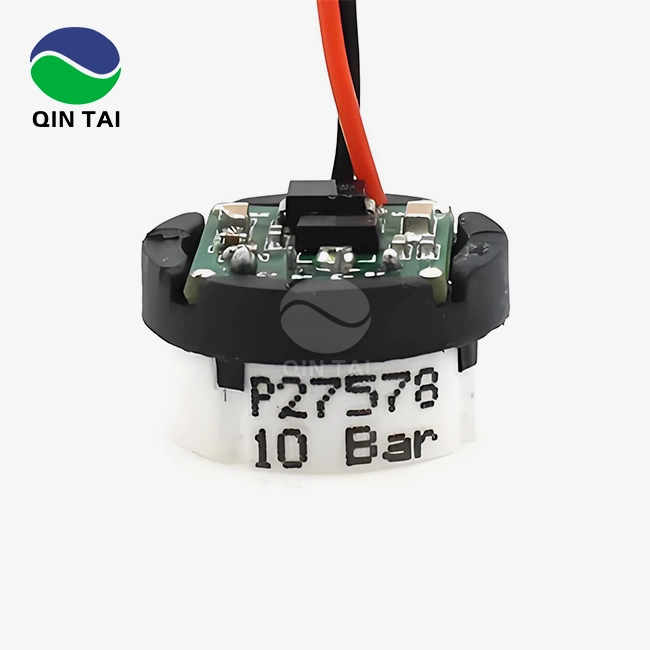
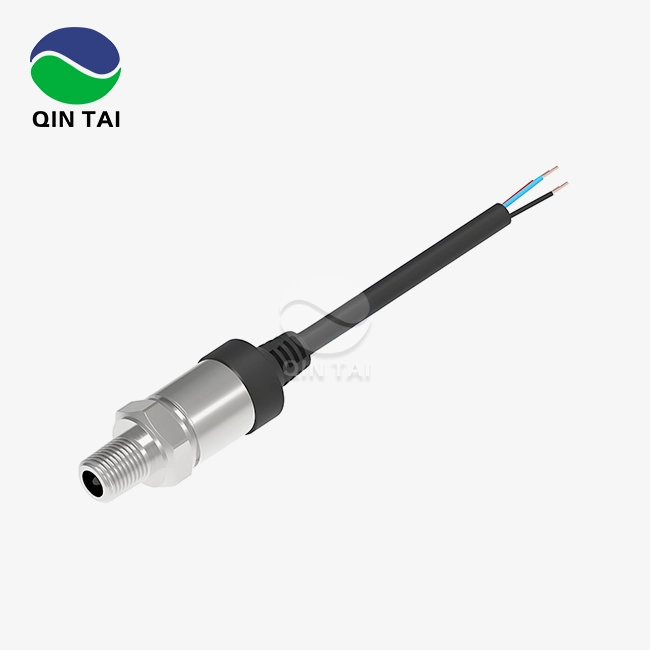
The Urea dose Pressure Sensor is very important because it tells the Engine Control Unit what's going on in real time, which lets closed-loop dose changes happen. With IP67 or IP69K ingress protection, these sensors can handle vibration, temperature changes between -40°C and +125°C, and being exposed to urea solutions all the time, which are very corrosive. Even though they are built to last with 316L stainless steel diaphragms and gold-plated connections, sensors eventually lose their signal or stop working altogether after 15,000 to 20,000 hours of use. Communication between sensors and control units can also be broken by rust on connectors caused by water getting into them or mechanical stress on the wiring connections. If the pressure input stops working properly, the ECU can't figure out the right dosing rates. This causes problem codes to appear and the system to shut down [3].
Control System Calibration Errors
Software parameters that control dosing strategies don't always match up with how the hardware is set up, especially after parts have been replaced or the ECU software has been updated. The control unit relies on accurate calibration tables that connect the engine's operating points to the right amount of DEF injection. If the information in these tables is wrong about the injector flow rates, pump displacement specifications, or catalyst efficiency features, the system will either over-dose (losing expensive DEF and possibly letting ammonia slip) or under-dose (not meeting emission limits). Most of the time, these problems can be fixed by reprogramming the ECU with new calibration files. However, you need special diagnostic tools and software that is only available from the manufacturer to do this.

Troubleshooting Your Aftertreatment Dosing Unit: Step-by-Step Guide
Diagnostic Tools and Error Code Interpretation
To get saved fault codes, a professional diagnostician starts by connecting an OBD-II reader or a diagnostic interface made by the car's maker. Some of the most common codes that mean there is a problem with dosing are P20EE (SCR NOx catalyst efficiency below threshold), P207F (DEF range performance), and P204B (pressure sensor circuit malfunction). Each code is related to a different part of the system. For example, P20EE means that the ammonia isn't getting to where it needs to go because it was dosed too low, while P204B directly links the pressure sensor circuit. Modern diagnostic tools show live data streams that include pump duty cycle, injector pulse width, and sensor voltage outputs. This helps techs figure out if problems are caused by electrical signals, mechanical failures, or problems with the fluid quality.
Maintenance Procedures to Restore Function
Many dose problems with the Aftertreatment Dosing Unit can be fixed by routine maintenance before they cause the system to shut down. Technicians should use a refractometer to check the quality of the DEF tank fluid and make sure it has a 32.5% urea concentration. Fluid that is contaminated or degraded speeds up the wear of parts. Changing the inline DEF filter removes any flow restrictions, and flushing the dosing module with distilled water gets rid of any crystals that have built up inside.
To clean a pressure sensor, it needs to be carefully taken apart so that the detecting element can be reached without hurting the diaphragms. Specialised cleaning solutions can remove urea deposits without harming metal or polymer materials. Technicians must make sure that the sensor's output voltage matches the specifications across its entire working range after cleaning it before putting it back in place.
Deciding Between Repair and Replacement
Component-level repairs work best when a system is affected by a single failure that stops it from working properly. A crystallised injector nozzle can be cleaned with ultrasound and checked for flow, which is a cheap way to get the spray properties back to normal. On the other hand, pump assemblies that have failed internal seals usually need to be replaced completely, since rebuild kits don't always work in high-demand situations. When procurement teams look at replacement options, they need to think about lead times. For example, OEM parts may take 4-6 weeks to ship internationally, while quality aftermarket options from certified suppliers can be delivered in just 1-2 weeks. Keeping a smart stock of parts with a high failure rate, like pressure sensors and filters, stops long downtime during key production times.
Comparing Aftertreatment Dosing Units: Selecting the Right Solution
Heavy-Duty Versus Light-Duty Configurations
Specifications for dosing units are very different depending on the type of application. Heavy-duty systems that serve Class 8 trucks, mining excavators, or fixed generator sets have to deal with exhaust flows of more than 1,200 kg/hour, which means they need pumps that can consistently deliver 10 to 15 litres of DEF per hour. These units have extra sensors and housings that are tough enough to handle constant shaking and temperature changes. Light-duty configurations, like those for pickup trucks or small construction equipment, use simpler architectures and lower flow rates to balance cost with durability needs. By matching the dosing unit's capacity to the engine's size and the duty cycle of the application, you can avoid premature failures due to overwork or inefficiency caused by over-specification[^4].
Evaluating Supplier Reliability and Certification
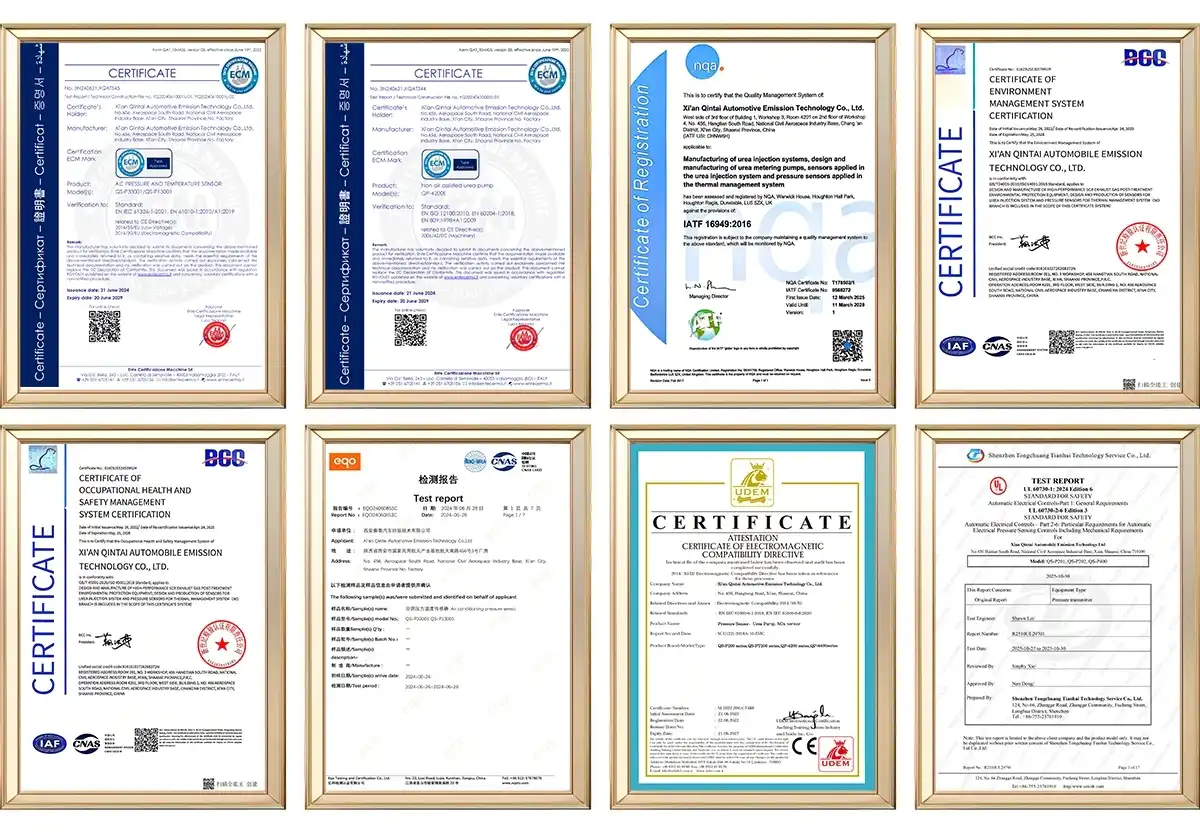
When buying important parts for emission controls, the credentials of the seller have a direct effect on the long-term success of the business. Manufacturers that have been around for a while have both ISO9001 quality management certification and automotive-specific IATF16949 approval. This shows that their production processes are uniform and that they can be tracked. Parts that are going to be sold in North America need to have EPA proof for emission-critical parts, while parts that are going to be used in Europe need EU type approval paperwork.
Aside from certifications, what sets great suppliers apart is their technical support. They offer access to application engineers who can help with system integration issues, quick response after-sales service teams, and detailed documentation that includes installation guides and instructions on how to fix problems. Companies that have worked with SCR technology for 20 years or more, such as Xi'an Qintai Automotive Emission Technology Co. Ltd, which was founded in 2001, have a lot of valuable experience dealing with real-world problems related to durability in a wide range of operating conditions.
Understanding SCR System Compatibility
The dose module is only one part of the whole aftertreatment system for an Aftertreatment Dosing Unit, and connectivity goes beyond the size of the mounting holes. Electrical connections have to work with the communication protocols used by the ECU, whether they are CAN bus, LIN bus, or custom signalling. To make sure that the data is interpreted correctly, the output characteristics of the pressure sensor (voltage-based versus SENT digital protocol) must match the input characteristics of the control unit.
It is important that the flow rate capacity matches the catalyst volume and conversion efficiency goals, since dose units that are too small can't give enough ammonia for big catalyst substrates. These details can be found in technical datasheets, but application engineering support is available to help with the tricky parts of system-level integration, especially when parts from different sources are used together.
Procurement Considerations for Aftertreatment Dosing Units
Sourcing from Global Manufacturers and Distributors
Strategic buying balances different supply sources to lower risk and make cost structures as efficient as possible. Having direct relationships with OEM component manufacturers gives you access to the newest technology and engineering support, but you may have to pay more and wait longer for customisations. Authorised dealers keep standard configurations in stock, which means they can send them faster and have local networks for after-sales service. When purchasing managers look at possible suppliers, they should check to see if they have the manufacturing capacity to make a lot of products. Suppliers that work with major engine OEMs like Weichai Power, Yuchai Power, or Cummins have shown they can grow and keep quality standards high, which is important for large fleet deployments[5].
Cost Factors and Price Determinants
The price of a dosing unit depends on more than just the basic cost of making it. Premium positioning is based on brand reputation. Parts from Bosch, Continental, or Denso are usually priced 20–40% higher than similar parts from lesser-known manufacturers. Costs are affected by how complex the technology is; units with advanced diagnostic features, self-cleaning systems, or wider temperature ranges need more engineering work.
Tooling and certification costs are affected by vehicle compatibility, which in turn affects pricing. Components that are approved for specific engine platforms spread development costs across higher production numbers, which lowers prices per unit. Suppliers offer tiered pricing structures that reward customers who place blanket purchase orders that cover 12 to 24 months. This gives customers who make volume commitments more negotiating power.
Quality Assurance and Long-Term Support
The terms of the warranty show that the supplier trusts the reliability of the part. Standard coverage lasts for 12 to 24 months, or 250,000 to 500,000 kilometres. Longer plans that last for 5 years show better building for reliability. Long-term supportability depends on the availability of spare parts. Suppliers who keep regional inventory networks in place avoid long periods of downtime while waiting for shipments from overseas facilities.
Technical assistance programs that offer application engineering advice, on-site installation training, and help with fixing problems lower the risks of integration and speed up the time it takes to launch. Suppliers who have a lot of quality paperwork, like material certifications, dimensional inspection reports, and performance test data, make it easier for corporate buying systems that need strict vendor qualification to approve suppliers.
Conclusion
Problems with the Aftertreatment Dosing Unit can be caused by a number of things, including mechanical wear, problems with the fluid quality, sensor failures, and mistakes in the control system. Regular maintenance, systematic diagnostics, and well-informed purchasing decisions help keep operations running smoothly and in line with emission standards. Fleet operations are protected against costly failures by buying parts from certified suppliers with proven technical skills, a full support infrastructure, and a history of reliability in demanding applications. Prioritising quality, compatibility, and supplier partnerships pays off in downtime, regulatory trust, and total cost of ownership, whether you're putting systems together to make a new car or getting replacement parts for aftermarket service.
FAQ
Q1: What maintenance intervals should guide dosing unit service?
A: Maintenance plans depend on the type of product and the setting in which it is used. Long-haul trucks that are always on the highway usually get their dosing systems serviced every 120,000 kilometres. This means that the filters are changed and the injectors are checked for deposits. Heavy-duty equipment used in mining or building has to be serviced every 80,000 kilometres because the conditions are so tough. More aggressive repair every 60,000 kilometres is helpful for urban service cars that have to start cold a lot. This is done to fix problems with incomplete DEF decomposition. Always look at the manufacturer's service notes and change the time between visits based on how often trouble codes show up and how much fluid is used.
Q2: Can faulty dosing units damage the engine itself?
A: Dosing problems rarely damage the engine directly, but they can have an effect on how long it lasts and how well it works. Under-dosing lets too much NOx reach the catalyst, which speeds up substrate poisoning and lowers the efficiency of the conversion. When pollution rules are broken over and over, power derating strategies are used to limit torque output. This forces operators to either bypass defences or keep operating illegally. When you overdose, you put unburned ammonia into the exhaust, which could clog diesel particulate filters with ammonium sulphate deposits. Even though they aren't immediately disastrous, these situations speed up the wear on emission control parts that need to be replaced, which costs a lot of money.
Q3: Which certifications validate component quality?
A: Along with IATF16949 car standards, procurement requirements should require ISO9001 quality management. Parts that are going to be sold in regulated markets need to be checked by the EPA or the EU to make sure they meet emission standards. Ingress protection grades of IP67 or IP69K confirm that the covering is effective against the elements for tough uses. Having more certifications, such as UL for safety, REACH and RoHS for material compliance, and CMC for Chinese manufacturing, shows that the company has strong quality systems and follows all the rules in all global markets.
Partner with Qintai for Reliable Aftertreatment Dosing Unit Solutions
Qintai Automotive Emission Technology Co., Ltd. has been a national high-tech company known throughout China's diesel industry for over 20 years and has a lot of experience with SCR systems and making precise sensors. Qintai is the top OEM company in China because of its high quality products and cutting edge technology. It is the main seller of Aftertreatment Dosing Units to Weichai Power, Yuchai Power, and Quanchai Power. Our many certifications, including ISO9001, IATF16949, CMC, UL, CE, REACH, and RoHS, and our 58 invention patents show that we are dedicated to technical greatness and following all rules.
Qintai's independent research and development team is always improving product performance by testing them thoroughly and seeing how they work in real life. This makes sure that our Urea Dosing Pressure Sensors and full dosing modules can handle harsh conditions in heavy trucks, construction equipment, agricultural equipment, and generator sets. We offer full OEM and ODM services, from idea to mass production, to make sure that your needs are met, whether they are for a specific mounting setup or a different communication protocol. With over 60 countries in our global distribution network, we can offer competitive prices, safe arrival times, and quick expert support.
Get in touch with our engineering team at info@qt-sensor.com to talk about your emission control needs and find out how Qintai's proven technology can help your fleet operations be more compliant, reliable, and efficient.
References
1. Diesel Technology Forum (2021). "Selective Catalytic Reduction Technology Overview."
2. Johnson, T. (2020). "Review of Selective Catalytic Reduction NOx Emission Control for Diesel Engines." SAE International Journal of Engines, Vol. 13(4), pp. 541-576.
3. Continental Automotive (2022). "SCR Dosing Systems and Components Technical Guide."
4. U.S. Environmental Protection Agency (2020). "Heavy-Duty Highway Compression-Ignition Engines and Urban Buses - Exhaust Emission Standards."
5. Bosch Mobility Solutions (2021). "Diesel Systems: SCR Technology for Commercial Vehicles."
 Sensors.webp)

Our customers’ satisfaction speaks for our quality — contact us to experience the same reliable service.