- English
- French
- German
- Portuguese
- Spanish
- Russian
- Japanese
- Korean
- Arabic
- Greek
- German
- Turkish
- Italian
- Danish
- Romanian
- Indonesian
- Czech
- Afrikaans
- Swedish
- Polish
- Basque
- Catalan
- Esperanto
- Hindi
- Lao
- Albanian
- Amharic
- Armenian
- Azerbaijani
- Belarusian
- Bengali
- Bosnian
- Bulgarian
- Cebuano
- Chichewa
- Corsican
- Croatian
- Dutch
- Estonian
- Filipino
- Finnish
- Frisian
- Galician
- Georgian
- Gujarati
- Haitian
- Hausa
- Hawaiian
- Hebrew
- Hmong
- Hungarian
- Icelandic
- Igbo
- Javanese
- Kannada
- Kazakh
- Khmer
- Kurdish
- Kyrgyz
- Latin
- Latvian
- Lithuanian
- Luxembou..
- Macedonian
- Malagasy
- Malay
- Malayalam
- Maltese
- Maori
- Marathi
- Mongolian
- Burmese
- Nepali
- Norwegian
- Pashto
- Persian
- Punjabi
- Serbian
- Sesotho
- Sinhala
- Slovak
- Slovenian
- Somali
- Samoan
- Scots Gaelic
- Shona
- Sindhi
- Sundanese
- Swahili
- Tajik
- Tamil
- Telugu
- Thai
- Ukrainian
- Urdu
- Uzbek
- Vietnamese
- Welsh
- Xhosa
- Yiddish
- Yoruba
- Zulu
Sputtered Thin Film vs. Piezoelectric Pressure Sensors: Which Wins?
When it comes to selecting the right pressure sensor for heavy-duty diesel engines, SCR aftertreatment systems, or industrial generator sets, the technology behind the sensor matters as much as the price tag. Two technologies dominate serious engineering conversations today: sputtered thin film pressure sensors and piezoelectric pressure sensors.
Each carries distinct strengths, and choosing the wrong one can compromise emission compliance, system stability, or long-term reliability. In this comparison, we break down both technologies across the metrics that matter most to OEM purchasing managers, R&D engineers, and aftertreatment system integrators working in demanding environments.

Understanding Sputtered Thin Film and Piezoelectric Pressure Sensors
It's helpful to know how each tool works before considering how well they do their job.
How Sputtered Thin Film Sensors Work
Vacuum deposition is used to attach alloy film strain resistors directly to a springy metal base at the atomic level in a sputtered thin film pressure sensor. Since atomic force is used to join the film layers together instead of glue, the sensor doesn't have any creep that comes from bonding agents. A stainless steel sensing core that doesn't rust is directly affected by the pressure medium. There are no rubber seals, silicone oil fillings, or diaphragms between the medium and the element. The sensor's high-frequency response and strong structure come from the way it was built.
How Piezoelectric Sensors Work
The piezoelectric effect is what makes piezoelectric sensors work. When certain crystalline or ceramic materials are stressed mechanically, they produce an electric charge. Because of this, they are naturally good at picking up fast, short-lived pressure events. However, piezoelectric sensors need charge amplifiers because they don't give a stable voltage output. This means they can't be used to record static or slowly changing pressure. Because they are sensitive to changes in temperature, they can also move over time when being monitored.
Key Performance Comparison: Sputtered Thin Film vs. Piezoelectric Sensors
It's one thing to understand the differences by yourself. Smarter choices about what to buy are made when you can compare them side by side on real performance factors.
Accuracy and Long-Term Stability
With thin film deposition technology, you can precisely control the width of the film. This leads to very accurate measurements, great repeatability, and stable long-term output. Sputtered thin film pressure sensors are well known for having low hysteresis and steady zero-point performance over long periods of time.
While piezoelectric sensors are very good at picking up on changing conditions, their signals tend to drift over time, and they can't correctly measure static pressure. This makes them less useful for long-term tracking tasks like controlling SCR dosing or exhaust backpressure. Sputtered thin film pressure sensor offers a more stable alternative, as its deposited strain-gauge design resists drift and enables reliable static pressure measurement, addressing the very limitations that hinder piezoelectric devices in sustained monitoring applications.
Temperature Performance
Laser resistance trimming and semiconductor process technology are used to make sputtered thin film pressure sensors that work reliably in temperatures ranging from -40°C to +150°C. They can also work in temperatures between -40°C and +125°C. This range is expanded even more by special-design versions.
Piezoelectric materials, especially lead zirconate titanate (PZT) ceramics, change their sensitivity a lot above their Curie temperature. This means that they need to be carefully thermally compensated in places where the temperature changes. This difference is very important for diesel engine uses where exhaust temperatures change a lot.
Vibration and Shock Resistance
This is where the way sputtered thin film pressure sensors are built gives them a clear advantage. Laser or plasma welding joins the sensing element to the stainless steel pressure joint. This means that the unit can handle high-intensity shaking and impact without any leaks.
There are no elastomeric seals that will break down over time. Piezoelectric sensors can handle short bursts of shock well, but they may wear out at the points where they connect to other parts when they are vibrated for a long time. This is a real problem in places where heavy trucks or mining equipment are used.
Output Signal Compatibility
There are many types of outputs that sputtered thin film pressure sensors can handle. These include 4–20 mA current loops, 0–5 V and 0–10 V analog outputs, and digital protocols like CAN, CANopen, J1939, I²C, and SPI. Because of this, it is easy to integrate into OEM ECU systems or SCR aftertreatment controls.
When it comes to charge-based outputs, piezoelectric sensors usually need extra signal processing hardware, which makes the system design more complicated and costs more. Sputtered thin film pressure sensor also excels in this integration flexibility, directly offering conditioned outputs that eliminate the need for additional charge amplifiers, whereas piezoelectric alternatives demand bulky external circuitry for signal conditioning.

Application Suitability and Industry Use Cases
Every type of sensor technology has a place where it really shines. If you choose the right sensor for the job, you won't have to pay for expensive replacements or system failures in the future.
Sputtered thin film pressure sensors are the best choice for many tough business-to-business uses. Because they are small and fully sealed, they are perfect for mobile equipment that doesn't have a lot of room for installation. Because they work with both J1939 and CAN protocols, they are naturally suited for China VI and Euro VI diesel engine platforms. Generator sets that work in mines or rural power plants can benefit from the sensor's industrial-grade reliability and long life without the need to be re-calibrated.
On the other hand, piezoelectric sensors are still useful when the main goal is to record fast, transient events. Their dynamic sensitivity is really useful in situations like engine combustion analysis, ballistic pressure tests, and ultrasound flow measurement. These are mostly lab or R&D use cases, not long-term deployment in the field.
Aftermarket repair shops and parts distributors should use sputtered thin film pressure sensors because they are easier to install and don't need any special signal conditioning hardware. They also have lower failure rates and can handle the rough handling that is common in field service settings.
Procurement Insights for B2B Buyers
It takes more than just checking datasheets to find the right pressure monitor. A responsible procurement decision takes into account things like certification credentials, supplier stability, and the ability to customize.
Here are the core procurement considerations that purchasing managers consistently prioritize when evaluating sputtered thin film pressure sensor suppliers:
- Certification compliance: As a minimum quality guaranty, look for suppliers who have IATF16949, ISO9001, CE, or RoHS certifications. Depending on the implementation situation, sensor applications that deal with emissions may need extra CMC or Ex licenses.
- OEM partnership track record: Suppliers with proven OEM relationships and production histories that can be checked lower the risk of qualification and speed up the approval process.
- Customization capability: For many systems, the pressure range, output protocol, connector type, and mounting thread specs need to be changed. Make sure the provider offers full ODM services and not just small changes.
- Minimum order quantities and lead times: Wait times are usually longer for custom configurations. Make it clear how standard SKUs will be stocked so that aftermarket and service parts needs can be met without putting too much inventory at risk.
These considerations can help you get past the most common problems that come up when buying sensors across borders, especially if you are in charge of multiple OEM programs in places with different emission rules, sputtered thin film pressure sensor being one such component that demands extra attention due to its sensitivity and calibration requirements.
Making the Right Choice: Decision Framework for Buyers
It's easy to decide between these two technologies when you base your choice on your real working needs. Sputtered thin film pressure sensor technology is always the best choice for monitoring static or nearly static pressure in harsh field environments like fuel rails, exhaust systems, hydraulic circuits, or generator intake lines. Modern pollution control systems need to be able to integrate with ease because of its protected design, wide temperature range, and flexible digital outputs.
When millisecond-level pressure changes are more important than long-term steady accuracy, piezoelectric technology is the way to go for dynamic measurements.
If you need to buy a lot of something, make sure it meets China VI or Euro VI standards, or get source certifications and long-term technical support, the best and safest option is to find a qualified sputtered thin film pressure sensor maker with a proven OEM supply chain.

Conclusion
Neither technology is always better than the other; it all depends on the application. However, sputtered thin film pressure sensor have a better overall performance profile for a wider range of heavy-duty diesel OEM, aftertreatment integration, and industrial generator applications. They have better static accuracy, a wider temperature tolerance, no-seal structural integrity, and direct digital output compatibility. Piezoelectric instruments are more specialized and fit a smaller market need. When buying teams know the difference between these two options, they can make decisions that they can defend without automatically choosing the most common option.
FAQ
Are sputtered thin film sensors reliable in high-temperature diesel exhaust environments?
Yes. For the pressure medium, these devices work from -40°C to +150°C and for the outdoor temperature, they can work up to +125°C. In some cases, they can work in even warmer temperatures. Laser trimming technology and semiconductor-grade manufacturing keep output stable across the entire temperature range. This makes them perfect for monitoring the exhaust and EGR all the time.
How does measurement accuracy compare between the two sensor types?
Because they are made of atomically linked films, sputtered thin film pressure sensors are always more accurate for both static and slowly changing pressures. Piezoelectric sensors are better at catching sudden changes in conditions, but they aren't good for long-term static monitoring.
What output protocols do thin film pressure transmitters support?
There are standard outputs for 4–20 mA, 0–5 V, and 0–10 V analog signals, as well as digital protocols like CAN, CANopen, J1939, I²C, and SPI. These outputs can meet most OEM and industrial integration needs without the need for extra signal filtering.
What are typical MOQs for custom thin film sensor orders?
MOQs are different for each arrangement. Standard stock versions usually have low MOQs that are good for aftermarket wholesalers, while fully customized designs might need bigger volume agreements. The most effective way to make sure everyone is on the same page is to work directly with the supplier's technology team early on in the project.
Partner With Qintai — Your Trusted Sputtered Thin Film Pressure Sensor Supplier
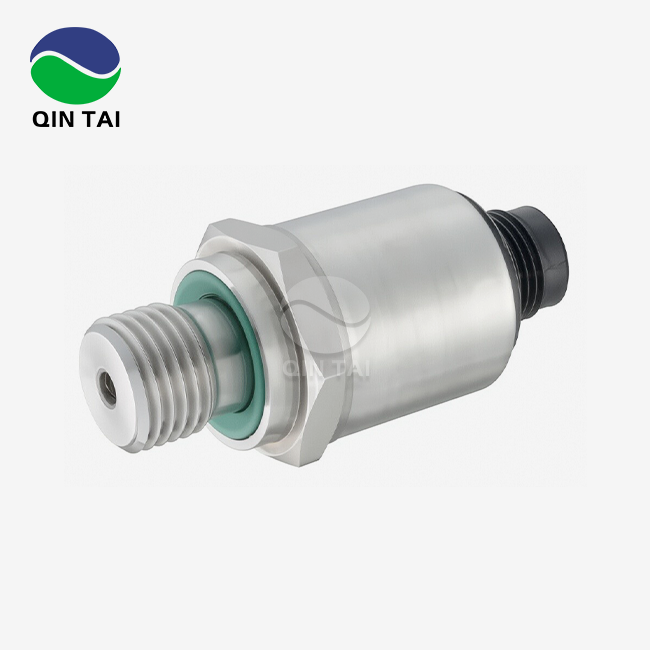
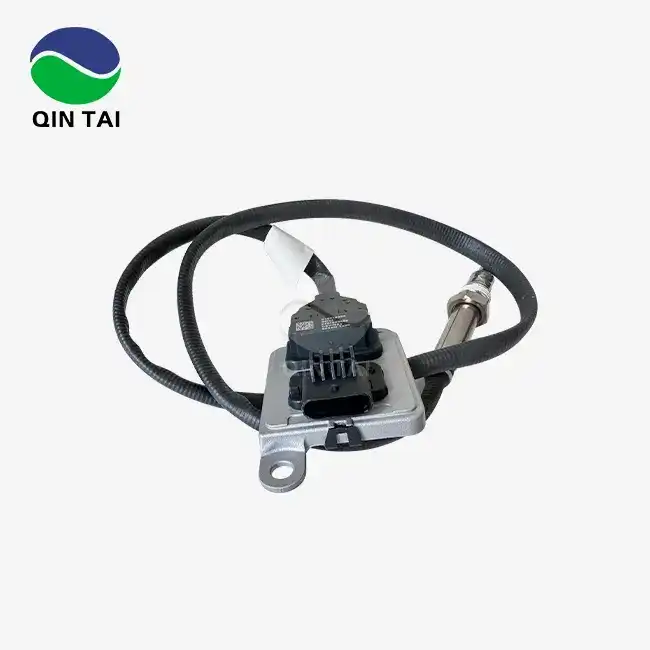
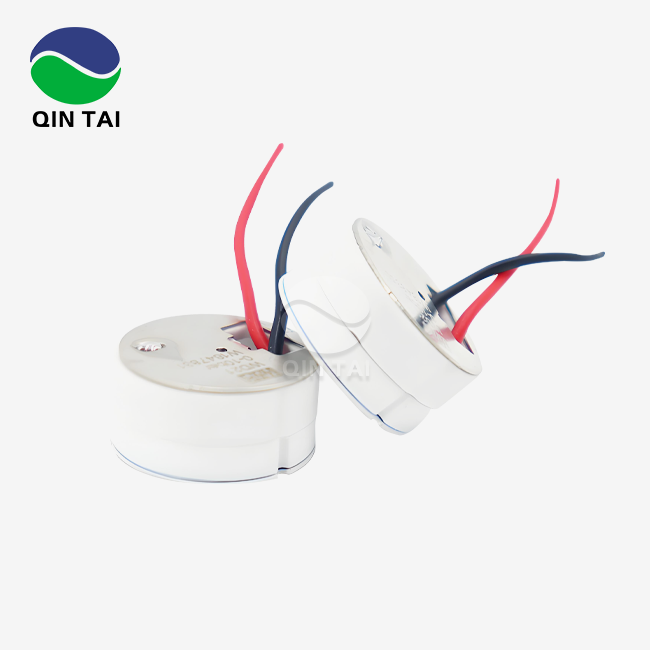
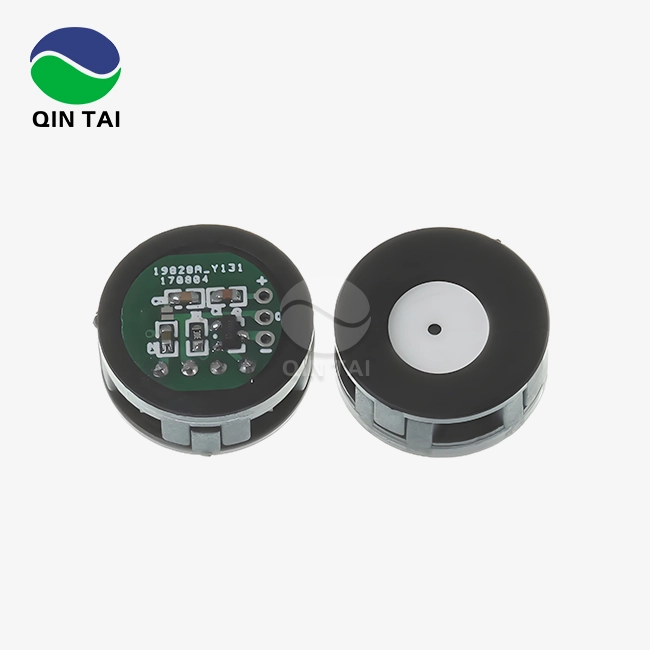
Since 2001, Qintai has been providing precision sensors to diesel OEMs around the world. The company has 58 current invention patents and is certified by IATF16949, ISO9001, CE, and CMC. As a top company that makes sputtered thin film pressure sensors, we offer full OEM/ODM personalization, from the planning stage all the way through mass production. Reach our engineering team at info@qt-sensor.com or visit qt-sensor.com to request samples, technical datasheets, or bulk pricing. Let's build something reliable together.
References
1. Gardner, J. W. Microsensors: Principles and Applications. Wiley, 1994.
2. Fraden, J. Handbook of Modern Sensors: Physics, Designs, and Applications. Springer, 2016.
3. Beeby, S., Ensell, G., Kraft, M., & White, N. MEMS Mechanical Sensors. Artech House, 2004.
4. Bryzek, J., Petersen, K., & McCulley, W. "Micromachines on the March." IEEE Spectrum, 1994.
5. Toth, F. N., & Meijer, G. C. M. "A Low-Cost Smart Capacitive Position Sensor." IEEE Transactions on Instrumentation and Measurement, 1992.
6. Kovacs, G. T. A. Micromachined Transducers Sourcebook. McGraw-Hill, 1998.

Our customers’ satisfaction speaks for our quality — contact us to experience the same reliable service.