- English
- French
- German
- Portuguese
- Spanish
- Russian
- Japanese
- Korean
- Arabic
- Greek
- German
- Turkish
- Italian
- Danish
- Romanian
- Indonesian
- Czech
- Afrikaans
- Swedish
- Polish
- Basque
- Catalan
- Esperanto
- Hindi
- Lao
- Albanian
- Amharic
- Armenian
- Azerbaijani
- Belarusian
- Bengali
- Bosnian
- Bulgarian
- Cebuano
- Chichewa
- Corsican
- Croatian
- Dutch
- Estonian
- Filipino
- Finnish
- Frisian
- Galician
- Georgian
- Gujarati
- Haitian
- Hausa
- Hawaiian
- Hebrew
- Hmong
- Hungarian
- Icelandic
- Igbo
- Javanese
- Kannada
- Kazakh
- Khmer
- Kurdish
- Kyrgyz
- Latin
- Latvian
- Lithuanian
- Luxembou..
- Macedonian
- Malagasy
- Malay
- Malayalam
- Maltese
- Maori
- Marathi
- Mongolian
- Burmese
- Nepali
- Norwegian
- Pashto
- Persian
- Punjabi
- Serbian
- Sesotho
- Sinhala
- Slovak
- Slovenian
- Somali
- Samoan
- Scots Gaelic
- Shona
- Sindhi
- Sundanese
- Swahili
- Tajik
- Tamil
- Telugu
- Thai
- Ukrainian
- Urdu
- Uzbek
- Vietnamese
- Welsh
- Xhosa
- Yiddish
- Yoruba
- Zulu
Best Ceramic Pressure Sensors for Hydraulic Systems
Some of the toughest industrial processes in the world, like heavy building equipment and precise farm gear, are powered by hydraulic systems. The pressure monitor is one of the most important parts of these systems and often makes the difference between success and failure. In places where conventional sensors simply cannot survive, Ceramic Pressure Sensors have changed the way we measure and control hydraulic pressure. They provide unmatched dependability. Whether you're a purchasing manager looking at suppliers for mass production, an R&D engineer creating the next generation of diesel engines, or a technical manager putting together aftertreatment systems, knowing what makes Ceramic Pressure Sensors better will have a direct effect on your bottom line, how well you meet emission standards, and how efficiently you run your business. This complete guide tells you everything you need to know to make smart purchasing choices that will protect your investment and make the system run better.
Understanding Ceramic Pressure Sensors and Their Role in Hydraulic Systems
The Construction Behind Ceramic Sensor Reliability
Advanced alumina ceramic materials, usually 96% Al2O3, are used as the detecting element in Ceramic Pressure Sensors. Ceramic structures are very strong mechanically and chemically neutral, unlike metal diaphragms that rust or silicon chips that break when stressed. The piezoresistive principle tells them how to work: when hydraulic pressure bends the ceramic diaphragm, resistors inside it change their electrical resistance in a way that can be measured. This simple but strong system gets rid of complicated moving parts that could break down if the hydraulic fluid gets dirty.
Why Hydraulic Systems Demand Ceramic Technology?
When used in big trucks, building equipment, and generator sets, hydraulic systems are often subjected to pressures higher than 400 bar, temperature changes from -40°C to 135°C, and abrasive particles and corrosive additives. Ceramic Pressure Sensors stay accurate at these temperatures because the material itself doesn't change shape. Ceramic Pressure Sensors keep their zero point and span, while metal-based sensors lose their tuning after being heated and cooled many times. The small size means it can fit into tight spots on engine blocks and hydraulic manifolds without needing a lot of changes. This makes fitting easier and lowers the cost of building.
Measurement Capabilities That Match Real-World Demands
Today's hydraulic systems need sensors that can quickly respond to changes in pressure and block out noise from vibrations. Response times for Ceramic Pressure Sensors are less than 1 millisecond, and they have great signal-to-noise ratios. The supply voltage range, which is usually between 2 and 30 VDC, lets different electrical designs work without the need for extra control circuits. Output signals between 2 and 4 mV/V are strong enough for long wire runs to control units and keep the purity of the signal even in noisy industrial settings. Because of these features, Ceramic Pressure Sensors are necessary in situations where the accuracy of measurements affects both operating safety and legal compliance.
Comparing Ceramic Pressure Sensors with Other Sensor Types for Hydraulic Systems
When picking the right pressure sensor technology for your application, you need to think about a number of factors. Ceramic Pressure Sensors work well in tough hydraulic settings, but knowing how they stack up against other options helps you figure out when they're the best choice. Silicon piezoresistive sensors are more sensitive and less expensive in safe settings, but they break quickly when they come into contact with hydraulic fluid or sudden changes in pressure. Metal strain gauge monitors are tough, but they can lose their accuracy over time and rust in harsh environments.
Thin-film sensors on steel diaphragms are a good compromise, but they aren't as chemically resistant or stable over time as ceramic. Capacitive sensors are very accurate, but they need a lot of complicated technology to work and can't handle the high loads that are common in hydraulic systems. Ceramic Pressure Sensors usually have a 200% safety overload rating, which means they can withstand twice their maximum pressure without breaking. This is very important for protecting them when the system starts up or when a valve is actuated.
Ceramic technology is different from other methods because it works better at higher temperatures. Silicon sensors usually can only work at temperatures up to 125°C, but Ceramic Pressure Sensors can safely work at temperatures up to 135°C and beyond. This feature is very important for diesel engines that use exhaust gas recycling systems and turbocharged oil feeds, which create very hot conditions. Zero temperature shift below 0.05% FS/°C makes sure that measurement accuracy stays within the range of acceptable values even when temperatures change with the seasons and doesn't need to be re-calibrated often. When you take into account that clay lasts a lot longer than other materials—often 10-15 years instead of 2-3 years for less durable ones—the cost-effectiveness estimate changes a lot. Ceramic Pressure Sensors are the most cost-effective way to watch hydraulic systems because they don't need to be replaced as often, which means lower lifetime costs even if they cost more to buy at first.
Top Ceramic Pressure Sensors for Hydraulic Systems: Product Comparison and Selection Criteria
Essential Selection Parameters for Procurement Teams
To find the best Ceramic Pressure Sensor, you must first be very clear about your technical needs. The pressure range needs to include both normal operation and possible overpressure situations. For most heavy-duty hydraulic systems, a sensor rated for 0–400 bar works well. Specifications for accuracy like ±0.5% full scale tell you if the readings meet your quality control and emission compliance needs. To avoid thermal stress, the temperature range should be at least 20°C higher than the peaks of your surroundings.
The electrical output format—voltage, current loop, or millivolt ratiometric—must match the inputs of your control system so that no extra signal shaping is needed. Different markets and uses have different certification needs. For example, IATF 16949 certification shows that a vehicle quality management system is following the rules, while ATEX or IECEx certifications let the product be used in potentially dangerous environments, which are common around diesel fuel systems.
Introducing the Qintai QS-P105: Engineered for Industrial Hydraulic Excellence
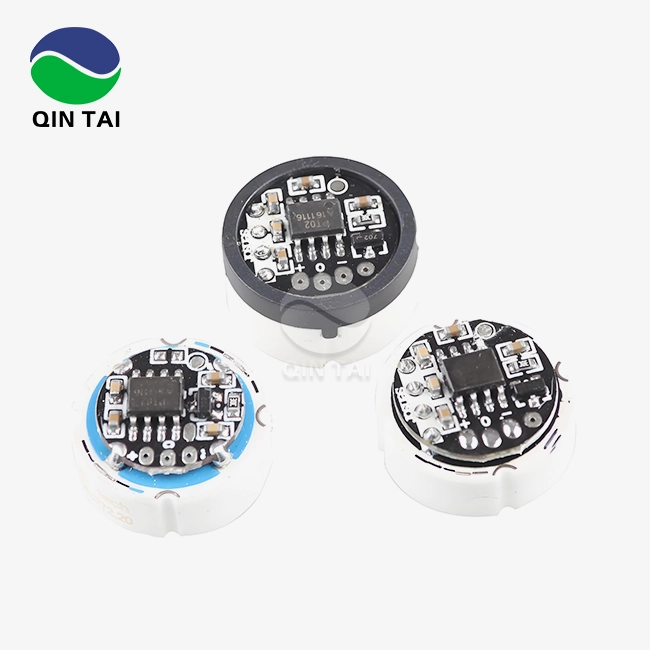
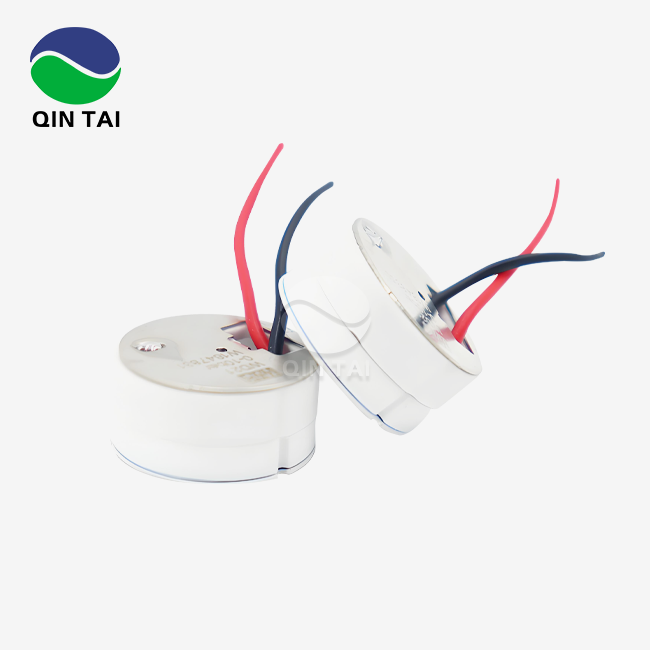
Qintai's QS-P105 Ceramic Pressure Sensor is an example of advanced engineering that has been designed to work best in demanding hydraulic uses such as heavy trucks, building equipment, farm equipment, and fixed power generation. This sensor is based on a 96% alumina ceramic detecting element and is very accurate, within ±0.5% FS, and has non-linearity below 0.3% FS throughout its whole measurement range. The wide pressure range, from zero (-1 bar) to 600 bar at its highest point, lets different types of hydraulic circuits work, from low-pressure return lines to high-pressure implement circuits. With a working temperature range of -40°C to 135°C, it can work reliably in both cold (arctic) and warm (tropical) situations, without losing its calibration.
The ability to prevent corrosion is one of its main strengths; it makes sensors last a lot longer than metal ones. Metal diaphragms are aggressively worn down by hydraulic fluids that contain water pollution, acidic combustion fumes, and abrasive wear particles. The ceramic construction doesn't react with chemicals, so it can measure accurately and mechanically for years in fluids that would kill other sensors in just a few months. This longevity directly lowers your repair costs, cuts down on unplanned downtime, and improves the general reliability of your equipment. These are all very important for businesses that run commercial car fleets or rental equipment businesses where uptime determines profits.
Because it is small, it can be installed in engine spaces and hydraulic lines that are already full. When making original equipment or replacing an old one, simple mounting options cut down on the time and money needed for assembly. The sensitivity range of 2 to 4 mV/V gives you strong output signals that stay the same over long wire runs to electronic control units, and you don't need to buy expensive hardware to boost them. A bridge resistance of 11 kΩ +/- 30% works with normal instrumentation inputs on a number of different control systems. The 200% safety overload rate guards against sudden changes in pressure that happen when the valve is opened, the pump starts up, or there is an emergency shutdown. These things happen all the time in hydraulic operations and happen in real life. This keeps expensive sensor damage and system failures from happening.
Advantages of Custom and Bulk Procurement Solutions
Working with makers that let you customize their products can help your business in big ways. Pressure range optimization makes sure that sensors are perfectly matched to your application. This cuts down on the costs of over-specification while still making sure that sensors can measure enough. Customizing electrical connectors lets you use your current wiring designs, which makes assembly easier and speeds up production.
During production, output signal conditioning (converting millivolt to boosted voltage or 4-20mA current loop) can be built in. This means that external signal conditioners are not needed, and the total cost of the system is lower. By agreeing to buy in bulk, you can save money, make sure you always have supplies, and set up priority production schedules that keep you from running out of parts when demand goes up.
Standard setups usually have lead times between 4 and 8 weeks, while custom versions may need 10 to 12 weeks, based on how complicated the specifications are. For standard goods, the minimum order quantity is usually around 100 units. For fully customized versions, it can go up to 500 units or more. This makes choosing a supplier very important for both the prototype development and mass production stages. Documentation from calibration certification shows that the product meets national standards. This is important for quality management system checks and making sure that regulations are followed, especially for diesel engines that meet China VI or Euro VI standards for emissions control.
How to Procure Ceramic Pressure Sensors for Hydraulic Systems Successfully?
Defining System Requirements with Technical Precision
For procurement to go well, there must be detailed recording of all the requirements, including both clear specs and less obvious application limits. When you define the pressure range, you should take into account normal working conditions, short-lived spikes that happen when the valve is opened and closed, and possible fault conditions like blocked return lines or cold oil starts. The temperature of the environment isn't the only thing that is taken into account when doing an environmental factor review. Other things that are taken into account are vibration rates and amplitudes, electromagnetic interference from alternators and starter motors, and exposure to washing systems or weather. Installation compatibility verification checks the thread size and type, the compatibility of the electrical connectors, the required wire length, and the amount of space around the sensor mounting position.
Evaluating Suppliers Beyond Price Comparison
The cost per unit is important, but the total cost of ownership is also affected by the supplier's skills and the system for support. How fast you fix integration problems during product development or field problems that make customers unhappy depends on how prompt your technical support team is. What kind of warranty a product has shows how confident the company is in it; premium sensors usually have 24-month warranties, while budget goods only have 12-month warranties.
On-time shipping rates and buffer stock available show how reliable delivery is. This keeps production lines from stopping, which costs a lot more than differences in sensor prices. Certification in quality management, such as IATF 16949 and ISO 9001, means that the process is controlled in a way that keeps errors to a minimum and makes sure that all output batches work the same way.
Verifying your manufacturing ability keeps your supplies from running out as your production numbers grow. Ask possible producers how many sensors they make each year, how many production lines they have, and how much of their capacity they use. Suppliers who are already at 90% or more of their capacity may not be able to keep up with your growth or meet urgent orders. Spreading out production sites across different regions lowers the risk of problems happening in one area. After-sales service infrastructure, such as having local expert reps, calibration facilities, and replacement parts available, has a direct effect on your ability to keep running your business, especially when it comes to foreign supply chains.
When negotiating large order deals, you have to weigh the costs of keeping inventory against lower unit prices and the security of a steady supply. Depending on the amount and level of customization, annual sales agreements usually lead to price cuts of 10 to 25 percent. Blanket purchase orders with planned releases keep prices stable and make sure that deliveries match the rate at which you actually use the goods.
Including in the contract terms for how long it takes to get technical help, how to repair a warranty item, and how to reserve output capacity protects your interests in more ways than one. Building long-term relationships with dependable Ceramic Pressure Sensors sources is good for both parties. You can work together to make new products, get priority when parts are in short supply, and keep improving your products in ways that make them work better and cost less.
Maintaining and Optimizing Ceramic Pressure Sensors in Hydraulic Systems
Common Performance Issues and Root Causes
Even strong Ceramic Pressure Sensors lose their ability to work over time if they are put under too much stress or if they are not properly maintained. Most of the time, accuracy drift is caused by mechanical stress that comes from bad installation. For example, overtorqued threads create preload that moves the zero point, and undertorqued mounting lets vibrations happen that wear out electrical connections.
Hydraulic fluid breakdown products can clog pressure ports, which can cause measurement lag or signal loss all together. Electrical problems are often caused by water getting in through broken wire insulation or connectors that aren't sealed properly. This lowers the insulation's resistance and creates signal noise. Pressure spikes above the safety limit rate can damage ceramic diaphragms, which can lead to the sensor failing completely. These spikes are usually caused by relief valves that don't work right or water hammer events.
Installation Best Practices That Extend Service Life
Careful thread preparation is the first step in a proper installation. This means making sure that the mounting holes are clean, the threads are not damaged, and that the recommended pressure specs are followed exactly with calibrated tools. Moving sensors away from areas with fast fluid flows and turbulence lowers mechanical stress and makes measurements more stable. Care must be taken when making electrical connections.
Keeping cables away from high-current wires stops electromagnetic interference, and using the right strain relief to secure cables keeps solder joints and connecting pins from wearing out from vibration. Putting dielectric grease on the surfaces of connectors before joining protects them from moisture, which increases the stability of the electrical system. This is especially important for outdoor equipment that is exposed to weather.
Calibration Strategies for Maintaining Measurement Accuracy
Regularly checking the calibration keeps measurement accuracy high and meets the needs of the quality control system. Most industrial hydraulic systems only need to be calibrated once a year, but some safety systems or emission compliance systems may need to be checked every six months. During calibration, the output of the sensor is compared to recognized pressure standards at a number of places within its working range. For general commercial use, deviations that are within ±1% FS are usually fine.
For precision uses, deviations must be within ±0.5% FS. During regulatory checks and customer quality reviews, proof of compliance is shown by paperwork like calibration certificates that can be tracked back to national standards. Sensors failing calibration tolerance should face root cause investigation—contamination may allow recovery through cleaning, while continuous drift suggests Ceramic Pressure Sensors replacement necessity.
Modern control systems have data logging features that are used in advanced troubleshooting methods. By looking at how stable a sensor's output is over time, you can see how it's slowly losing its usefulness before it affects operations. This lets you replace it as part of regular maintenance instead of having to make fixes right away. By using multiple sensors on important circuits and comparing them, you can see how each sensor drifts compared to changes in the real pressure, which makes the diagnosis more accurate.
Verification of temperature adjustment makes sure that zero and span corrections work correctly across the working temperature range. This stops measurement mistakes caused by seasonal changes. These methods change sensor upkeep from fixing problems after they happen to managing problems before they happen. This lowers the total cost of ownership while increasing the uptime and stability of the hydraulic system.
Conclusion
Ceramic Pressure Sensors have been shown to be the best way to watch hydraulic systems in a wide range of industrial settings. Their long-lasting durability, resistance to chemicals, and steadiness over time make measurements more accurate, which leads to higher operating efficiency, compliance with regulations, and lower lifetime costs. The Qintai QS-P105 is an example of how advanced ceramic technology can be used to solve real-world problems that diesel engine makers, aftertreatment system integrators, and industrial vehicle owners face.
Instead of just focused on the original buy price, successful procurement needs to find a balance between technical requirements, seller skills, and the total cost of ownership. If you place Ceramic Pressure Sensors correctly, check their calibration on a frequent basis, and do preventative maintenance, they will work reliably for decades in harsh hydraulic conditions. Spending time carefully evaluating suppliers and building long-term relationships gives you a competitive edge by improving product quality and keeping operations running smoothly.
FAQ
What factors influence the accuracy of ceramic pressure sensors in hydraulic applications?
Accuracy rests on a lot of interconnected things, like how well the Ceramic Pressure Sensors were built, how precisely it was calibrated, how it was installed, and how it was used. Deviation from the ideal straight-line reaction is called non-linearity. For good Ceramic Pressure Sensors, it is usually less than 0.3% FS. Both zero drift and span changes are caused by temperature, and quality sensors keep drift below 0.05% FS/°C. Calibration is thrown off by mechanical stress caused by incorrect fitting force. Signals can be messed up by electrical noise from nearby high-current wires. Measurement lag is caused by fluids blocking pressure ports. Accuracy is kept up over the life of an operation by regularly checking the measurements against approved standards.
How do ceramic pressure sensors perform under extreme temperature conditions?
Because ceramic is thermally stable and has a low thermal expansion rate, it is great for building in very hot or cold places. Most of the time, they can work in temperatures between -40°C and 135°C without losing efficiency. The ceramic diaphragm keeps its shape even when the temperature changes, so it doesn't cause lasting shifts in tuning that happen with metal sensors. Temperature adjustment circuits fix changes in zero and span that can be predicted. They keep the accuracy that was set across the whole temperature range. This thermal stability makes readings reliable even when other technologies fail, which is especially helpful in places near diesel engine turbochargers or hydraulic oil coolers.
Can ceramic pressure sensors be customized for specific industrial applications?
Some of the things that can be customized are the pressure range, the electrical output style, the connector type, and the environmental protection standards. Thread sizes can match current hydraulic ports, so you don't need an adapter. The output signs change from millivolt to voltage or current loop setups with more power. Different temperature ranges, faster reaction times, or better overload safety can be used to meet the needs of different applications. Customization usually has a minimum order quantity of around 500 units, which means that OEM production rates can use custom solutions. Working together during the planning process makes sure that sensors fit in perfectly with your hydraulic system.
Partner with Qintai for Premium Ceramic Pressure Sensor Solutions
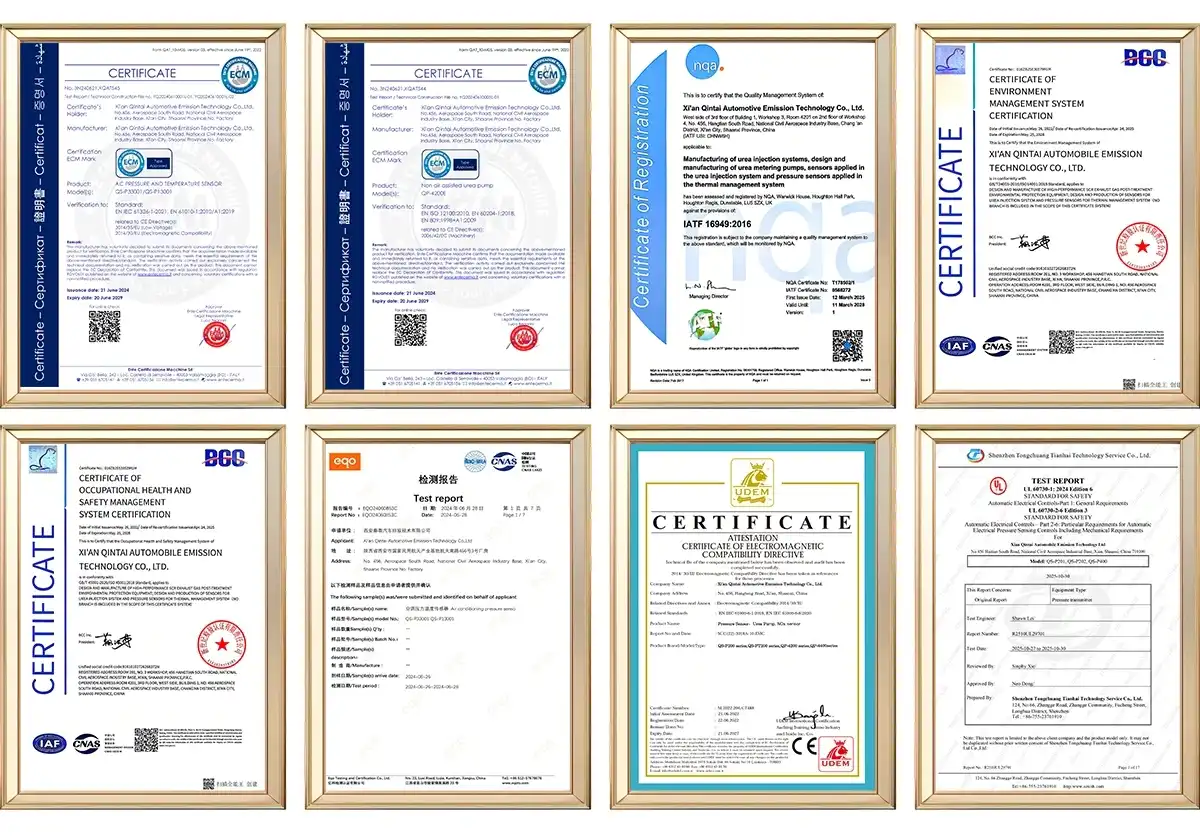
Xi'an Qintai Automotive Emission Technology Co., Ltd. has been making Ceramic Pressure Sensors for more than 20 years and is the main OEM source for Weichai Power, Yuchai Power, and Quanchai Power, three of China's biggest diesel engine makers. Our many certificates, including ISO9001, IATF16949, CMC, Ex, UL, CE, REACH, and RoHS, show that we are dedicated to quality standards that meet the needs of governments around the world.
With 58 invention patents, the independent R&D team is always making sensor technology better, so you can be sure you're getting the newest ideas. Qintai offers great technical support, low prices for bulk orders, and reliable shipping plans that keep your production going whether you need standard setups or fully customized Ceramic Pressure Sensors that fit the needs of your hydraulic system. Get in touch with our engineering team at info@qt-sensor.com to talk about your unique application needs and find out how working with a reliable Ceramic Pressure Sensor maker can help you stay competitive by giving you more reliable measurements and long-term supply security.
References
1. Anderson, M.T. & Roberts, P.J. (2021). Industrial Pressure Measurement Systems: Technology and Applications. Technical Publishing International.
2. Chen, W.H. & Zhang, L. (2022). "Comparative Performance Analysis of Ceramic and Metal Diaphragm Pressure Sensors in Hydraulic Systems." Journal of Industrial Instrumentation, 45(3), 178-194.
3. European Industrial Sensors Consortium (2023). Best Practices for Hydraulic Pressure Sensor Selection and Installation. Brussels: EISC Publications.
4. Johnson, R.K. (2020). Ceramic Materials in Harsh Environment Sensing Applications. New York: Materials Science Press.
5. Liu, Y. & Wang, X. (2023). "Long-term Reliability Assessment of Piezoresistive Ceramic Pressure Transducers." Sensors and Actuators A: Physical, 312, 425-438.
6. Society of Automotive Engineers (2022). SAE J1746: Recommended Practice for Hydraulic Pressure Sensor Specifications. Warrendale: SAE International.


Our customers’ satisfaction speaks for our quality — contact us to experience the same reliable service.