- English
- French
- German
- Portuguese
- Spanish
- Russian
- Japanese
- Korean
- Arabic
- Greek
- German
- Turkish
- Italian
- Danish
- Romanian
- Indonesian
- Czech
- Afrikaans
- Swedish
- Polish
- Basque
- Catalan
- Esperanto
- Hindi
- Lao
- Albanian
- Amharic
- Armenian
- Azerbaijani
- Belarusian
- Bengali
- Bosnian
- Bulgarian
- Cebuano
- Chichewa
- Corsican
- Croatian
- Dutch
- Estonian
- Filipino
- Finnish
- Frisian
- Galician
- Georgian
- Gujarati
- Haitian
- Hausa
- Hawaiian
- Hebrew
- Hmong
- Hungarian
- Icelandic
- Igbo
- Javanese
- Kannada
- Kazakh
- Khmer
- Kurdish
- Kyrgyz
- Latin
- Latvian
- Lithuanian
- Luxembou..
- Macedonian
- Malagasy
- Malay
- Malayalam
- Maltese
- Maori
- Marathi
- Mongolian
- Burmese
- Nepali
- Norwegian
- Pashto
- Persian
- Punjabi
- Serbian
- Sesotho
- Sinhala
- Slovak
- Slovenian
- Somali
- Samoan
- Scots Gaelic
- Shona
- Sindhi
- Sundanese
- Swahili
- Tajik
- Tamil
- Telugu
- Thai
- Ukrainian
- Urdu
- Uzbek
- Vietnamese
- Welsh
- Xhosa
- Yiddish
- Yoruba
- Zulu
Top Features to Look for in a NOx Sensor
When buying workers choose NOx sensors for emission control systems, they have to make a choice that goes beyond just looking at the product specs. A good NOx sensor has a direct effect on following the rules, working efficiently, and making equipment last longer in diesel engines, building equipment, and other industry settings. Technical decision-makers, buying managers, and R&D engineers can use this complete guide to find the key differences between reliable sensor solutions and less-than-stellar options. Knowing what counts most in sensor performance can help you avoid costly compliance mistakes and make sure that your emission control systems work at their best for the whole time they are supposed to.
Understanding NOx Sensors and Their Core Functions
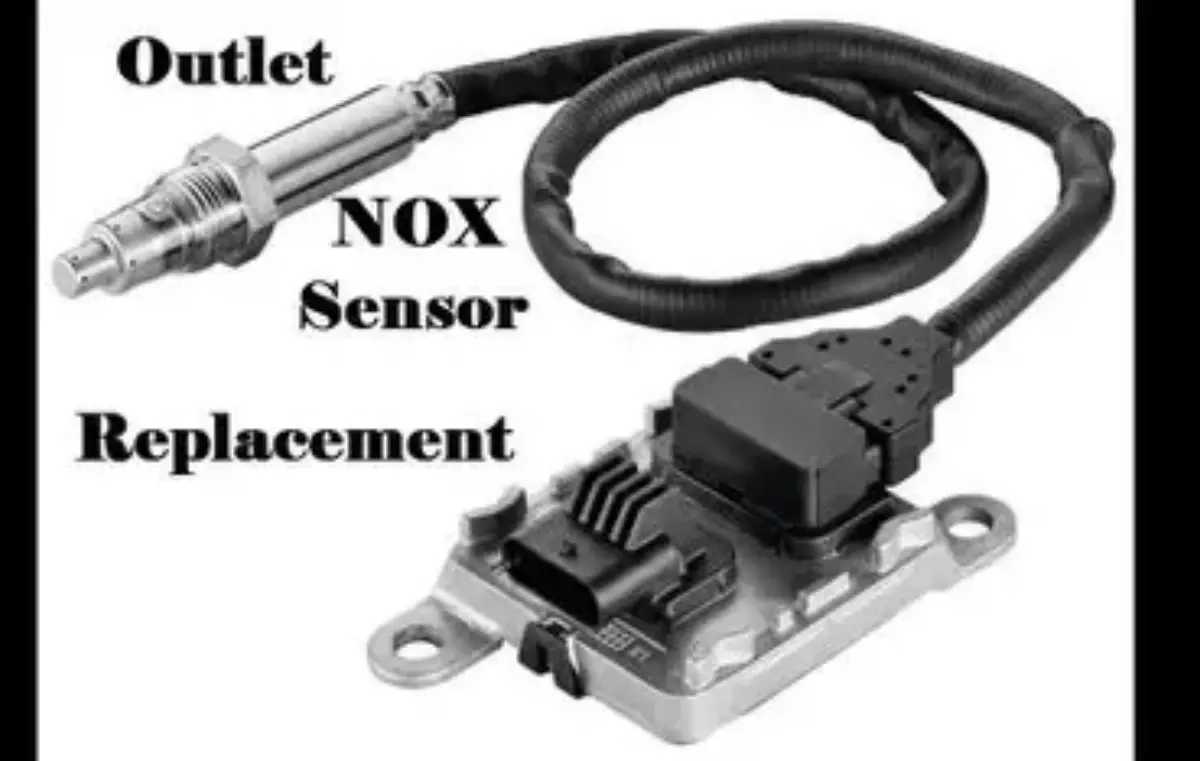
Selective catalytic reduction (SCR) systems use NOx sensors to measure precisely how much nitrogen oxide is in exhaust streams. This is done to make sure that diesel engines meet strict environmental standards like EPA Tier 4 and Euro VI. These sensors are different from oxygen sensors, which measure the ratio of air to fuel, and they send real-time data to engine control units.
How NOx Sensors Operate in Emission Control Systems?
Zirconia clay cells in modern instruments move oxygen ions through a solid electrolyte. The sensing device is made up of several chambers. Oxygen pump cells first control the amount of oxygen in the air, and then the NOx detecting chamber breaks down nitrogen oxides into oxygen ions that can be measured. The voltage that is created is directly related to the amount of NOx, which is usually given in parts per million. This detecting concept makes it possible to precisely control the injection of diesel exhaust fluid, which improves both fuel economy and emission reduction.
Typical Installation Points in Heavy-Duty Applications
Most emission systems have two places where sensors are placed. The upstream sensor, which is near the turbocharger output, measures the amount of NOx coming from the engine. This helps the control system figure out how much DEF to add. The downstream monitor, which is put in place after the SCR catalyst, checks the efficiency of the conversion and makes sure that the treated exhaust meets government standards. This setup with two sensors gives full surveillance and allows onboard tests to find system problems before they lead to compliance violations.
Distinguishing Sensor Technologies
Zirconia-based electrochemical sensors are the most common type used in industry because they work well at a lot of different temperatures. These devices work reliably from 100°C to 800°C, so they can be used in diesel engines that have to deal with changing temperature loads. Even though there are semiconductor-based options, electrochemical designs are more durable in exhaust settings that are rough and contain particles, water, and chemicals that would break down less durable technologies.

Top Features to Evaluate When Choosing a NOx Sensor
For procurement to work well, performance qualities that affect both instant usefulness and total cost of ownership must be carefully evaluated. Attributes that must be present for industrial-grade NOx sensor uses are listed below.
Measurement Precision and Regulatory Compliance
Accuracy tells you if your technology always meets emission standards. Quality sensors keep their measurement accuracy over their whole working range, usually giving an accuracy of ±10ppm at low concentrations (0–100ppm) where legal limits apply. As amounts rise, the allowed range of differences gets bigger, but high-end sensors still do better than the minimum requirements. In addition to accuracy, response time is a very important factor in how well closed-loop control works. SCR systems can quickly change DEF injection based on changes in engine load thanks to sensors that react in 1400 milliseconds or less. This stops both under-dosing (which violates emission rules) and over-dosing (which loses fluid and causes ammonia slip).
Durability Under Extreme Operating Conditions
In exhaust settings, sensors are exposed to changing temperatures, vibrations, chemicals, and small particles. Industrial sensors need to be able to work from -40°C (cold starts) to 800°C (exhaust gas) when they're fully loaded. Temperature tolerance sets the limits of their usefulness. The sealed waterproof case keeps water out of the electronics inside, and the wire insulation has to be able to handle being exposed to temperatures of up to 200°C for long periods of time. Resistance to lead and sulfide poisoning greatly increases the time between service intervals, since diesel fuel's sulfur content and lubrication additives create contaminants that wear down sensor element surfaces over time. Modern sensor designs use protective layers and improved cell shapes to keep working accurately even when they are exposed to contaminants.
System Compatibility and Integration Requirements
The teams that buy things have to make sure that the sensors work well with the engine control units and aftertreatment systems that are already in place. Different makers and car platforms use different types of electrical connectors, wiring layouts, and communication methods. Premium providers let you change the lengths and fittings of cables to meet different construction needs without having to make changes in the field. Supply voltage compatibility across 9-32V bands enables stable operation even when industrial cars' electrical systems go through changes. Mechanical compatibility is provided by mounting thread standards like M20×1.5, but purchase specs should also make sure that the dimensions of the new sensor bosses are compatible with the old ones so that expensive retrofitting is not needed.
Here are the signal output considerations that impact system integration:
- Communication Protocol Flexibility: New emission control systems use a number of different data transfer standards, such as the CAN bus, the LIN bus, and their own unique protocols. Sensors that can work with more than one standard make it easier to integrate different teams or upgrade old systems. With access to more than 300 communication protocols, it is possible to work with almost any control system that is already in use or that will be used in future generations of equipment.
- Analog vs Digital Output: Analog voltage signs are good enough for basic tasks, but digital communication is better for diagnosing problems and is less likely to be affected by electrical noise. Digital sensors send error codes and information that helps the system figure out what's wrong faster and with less downtime during maintenance.
- Calibration Data Storage: Sensors that have built-in memory for saving calibration parameters allow for easy plug-and-play replacement without the need for special programming tools. This feature is especially helpful for aftermarket uses where techs might not have OEM-level diagnostic tools.
These integration features decide whether replacing a sensor is a simple swap or needs expert technical help. This has a direct effect on your maintenance costs and the availability of your equipment.
Service Life and Maintenance Requirements
Longer operating life cuts down on replacements and the labor costs that come with them. Industrial-grade sensors with a 6000-hour service life far exceed the norm in their field, which means that repair tasks can be put off longer. This longevity is especially useful in situations where getting to sensors involves taking equipment apart or stopping operations. To figure out how different providers' sensor lifespans affect your bottom line, multiply the number of times you have to change the sensor by both the cost of the parts and the time it takes to install them.
Startup Performance and Cold-Weather Operation
The light-off time tells us how quickly the sensors hit their working temperature and start giving us accurate readings. Standard monitors need at least 165 seconds to turn on. During this time, emission control systems don't get any input and only use predictive models. Modern designs cut down on starting time by a large amount, allowing closed-loop control to be activated just minutes after the engine starts. This quick activation is very important for situations where there are a lot of cold starts or short operation cycles, because regular sensors might not fully activate before the system shuts down. Faster triggering also lowers cold-start emissions spikes that can add a lot to overall emissions counts in duty cycles with a lot of start-stop events.
Comparing Market Solutions: OEM vs Aftermarket NOx Sensors
The market for NOx sensors has a wide range of choices, including goods made by the original equipment maker, replacements from the aftermarket, and alternatives that focus on efficiency. Knowing about these groups helps procurement teams find the best mix between performance needs, risk tolerance, and cost limits.
Performance and Reliability Considerations
Original equipment sensors from companies like Bosch, Denso, and Continental go through a lot of certification testing on different engine systems to make sure they work with each other and have been tested in the field. Most of the time, these products come with a full warranty and professional help. The quality of aftermarket replacements varies a lot. Some makers make sensors that meet or go beyond OEM standards, while others offer cheaper options that don't last as long or work as well. When making a purchase choice, the difference in cost should be weighed against possible risks, such as failure before its time, changes in calibration, and problems with compatibility that cause diagnostic trouble codes.
Technology Advancements Shaping Sensor Selection
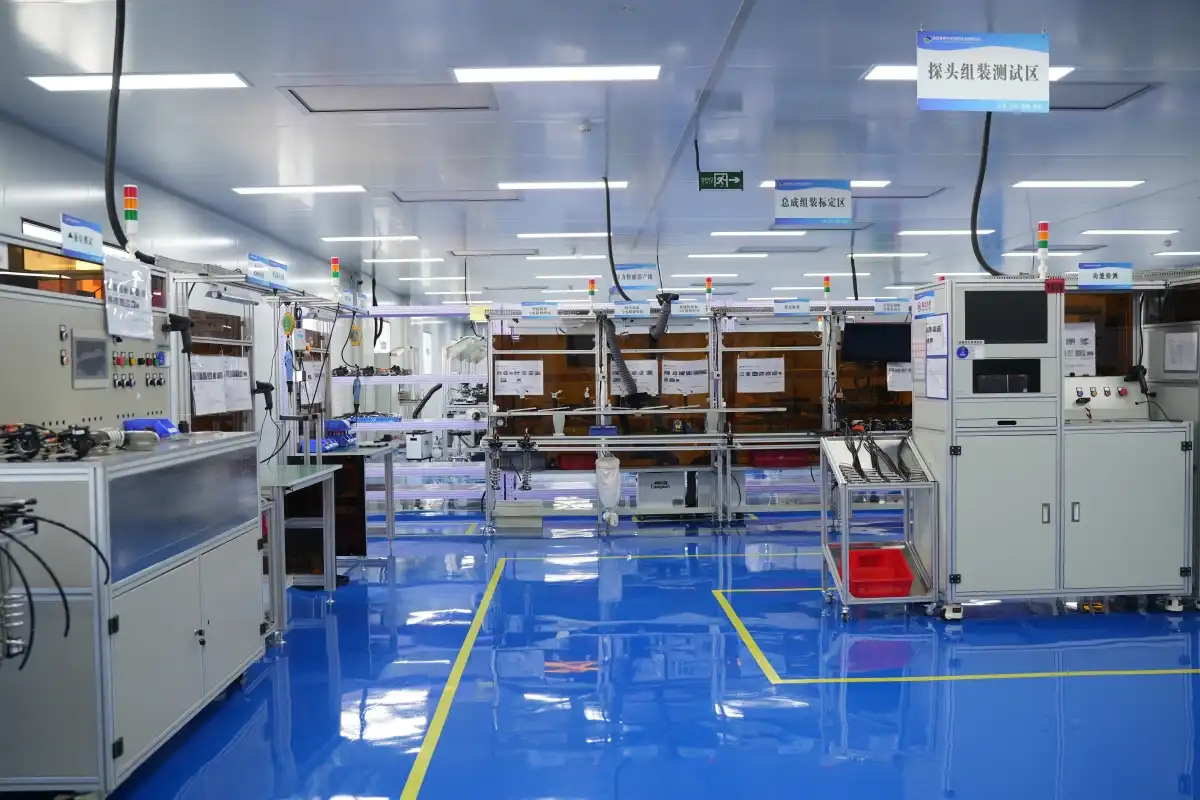
New discoveries in the science of ceramic materials and signal processing methods have made it easier to measure things accurately and keep them from harming. Companies that put a lot of money into research and development make devices that use these new technologies. Cheaper options, on the other hand, usually use older designs that have known flaws. With 58 idea patents for changes to sensor designs, Xi'an Qintai Automotive Emission Technology is a great example of a company that drives innovation in manufacturing.
Since its founding in 2001, the company has grown from making diesel engines in-house to becoming the main original equipment manufacturer (OEM) provider for major Chinese diesel engine makers like Weichai Power, Yuchai Power, and Quanchai Power. It has a large part of the market thanks to constant technological progress.
Procurement Strategies for Volume Buyers
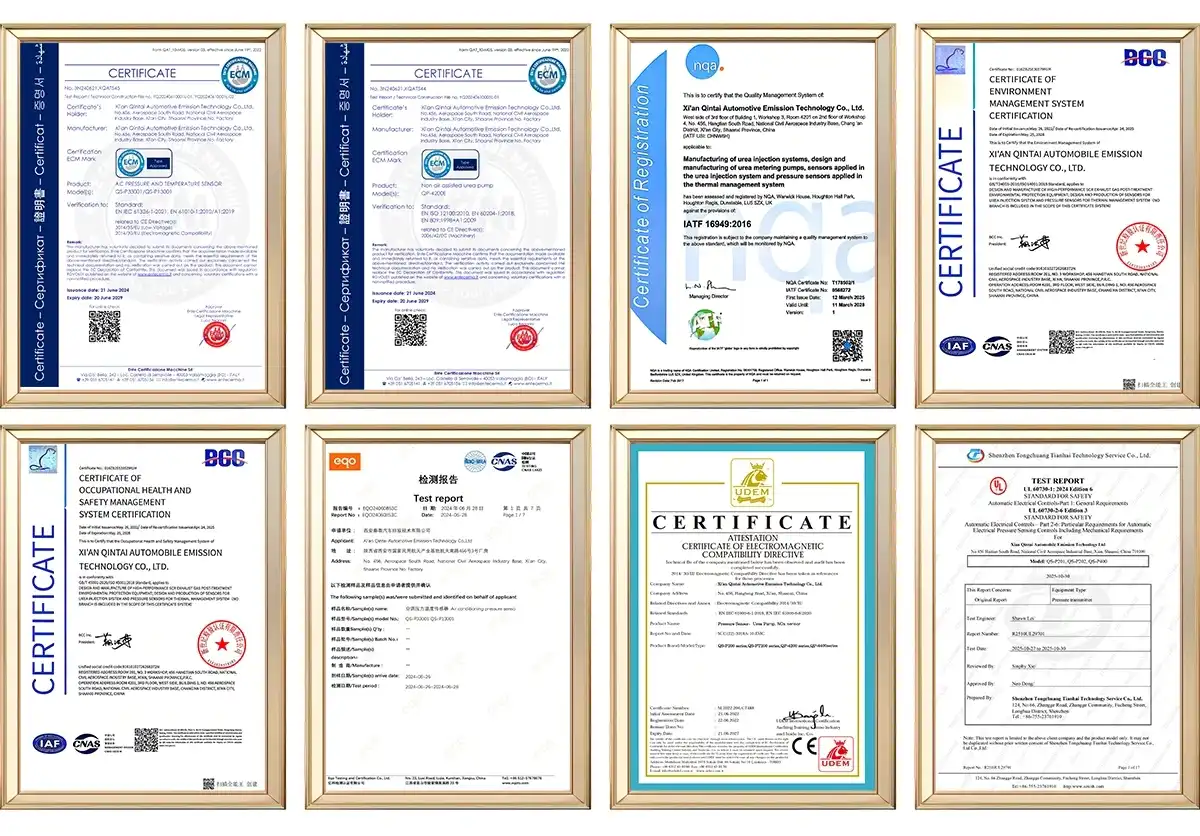
Setting up direct ties with sensor makers that can handle big orders is good for both fleet owners and OEM manufacturers. In addition to lower unit costs, direct sourcing gives you access to expert advice during the creation of specifications and the chance to customize products to meet the specific needs of your application. Suppliers with a wide range of certificates, such as ISO9001, IATF16949, and regional safety certifications like CE, REACH, and RoHS, lower the risk of buying by showing that they have quality management systems and follow the rules. When looking at possible providers, make sure that their production capacity can grow to meet your needs for more products without lowering the quality or the reliability of delivery.
Installation, Calibration, and Ongoing Maintenance for Optimal Performance
The right way to install NOx sensors includes more than just mounting them. It also includes integrating their electronics, setting up their software, and following upkeep schedules that keep measurements accurate over the course of their useful life.
Installation Best Practices
Where the sensor is mounted has a big effect on how well it works and how long it lasts. Place the sensors in places where the exhaust flow stays turbulent enough to get a good sample without letting particles or liquid droplets directly hit them. Follow the manufacturer's instructions for entry depth to get the detecting element in the best temperature range. To keep electrical connections from failing because of moisture or pressure, they need to be carefully inspected. Keep wires away from heat sources that are hotter than their recommended temperature, and make sure they are tight so they don't rub against the vehicle's structure. Connectors and wire lengths can be changed to fit different applications, but field-modified wiring should still be done correctly by crimping and closing it against the environment.
Calibration Requirements and Field Adjustments
Most current sensors are already calibrated when they leave the plant, and the parameters are kept in onboard memory. This means that they don't need to be calibrated in the field when they are first installed. However, using portable exhaust gas monitors on a regular basis to check the sensors' accuracy ensures that they stay accurate over time. Technicians can find drift before it sets off diagnostic codes or fails emission tests by comparing sensor readings to reference measurements on professional-grade diagnostic tools. To make parameter changes for some uses that need to match certain engine calibrations or aftertreatment system configurations, you need to have access to OEM diagnosis software or other specialized programming tools.
Maintenance Protocols Extending Service Life
Visual checks for physical damage, connection corrosion, and exhaust leaks that could let unmetered air taint readings should be part of regular inspections. Even though sensor elements can't be fixed, making sure the mounting bosses are clean and the gaskets are properly sealed stops exhaust escape that throws off readings. Applications that work in tough conditions or use fuels with a lot of sulfur may need to change their parts more often to keep their accuracy. Setting standard measures during installation gives you a way to track how slowly performance is declining, so you can replace the sensor before it fails completely.
Making the Right Procurement Choice: A Decision-Support Framework
To buy NOx sensors successfully, you need to make sure that the technical requirements match the practical goals, and you also need to keep cost and supply chain issues in mind. This structured method makes it easier to make choices that involve the needs of many people.
Core Selection Criteria Matrix
Create a weighted score system that looks at prospects based on important factors. When measuring things that need to be closely inspected by regulators, precision is the most important factor. On the other hand, service life may be more important for equipment that is used in remote areas where it is hard or expensive to do upkeep. The image of a brand and the quality of its technical support are important, especially when adding sensors to complicated systems that need help with fixing. Instead of just looking at the unit cost, cost-effectiveness estimates should take into account the total ownership costs, such as the purchase price, installation work, expected service life, and warranty coverage.
Application-Specific Considerations
Different working situations call for sensors with different properties. Heavy building equipment that is subject to a lot of pollution and shaking needs designs that are tough and resistant to poisoning, even if they cost more. Applications that need generator sets to work steadily for a long time in fixed locations might be willing to put up with longer response times in exchange for longer tuning stability. Fleet managers who have a variety of car types can benefit from sensors that are widely compatible and easy to install. This makes it easier for technicians to learn how to use them and keeps parts inventories simpler.
Building Supplier Relationships
Creating relationships with makers that can adapt to your changing needs gives you strategic benefits that go beyond simple buying. When adopting new emission technologies or growing into new applications, suppliers who offer technical advice during design development can help companies avoid making mistakes that cost a lot of money. Customization options that meet specific integration needs or performance goals give businesses benefits that can't be found in normal catalog goods. Companies that spend in research and development (R&D) on a regular basis show that they want to keep getting better. This lets their customers gain from new technologies without having to switch suppliers.
To choose the right NOx sensor, you need to carefully look at how accurate the measurements are, how long they last in different environments, how well they work with other systems, and how long they can be used. If procurement workers know these basic technical terms, they can easily choose from a wide range of suppliers, from well-known original equipment manufacturers (OEMs) to new, cutting-edge specialists with advanced capabilities. This article gives you a decision framework that helps you weigh instant costs against total ownership costs while making sure that the sensors you choose work reliably for their whole service life. As emission rules get stricter around the world, buying good sensor technology guards against noncompliance risks and helps reach operating efficiency goals. To be successful at buying, you need to work with providers who can show they have the technical know-how and are committed to your long-term success.
Conclusion
Selecting the right NOx sensor requires balancing precision, durability, and system compatibility. Industrial-grade sensors with ±10ppm accuracy, rapid 1400ms response, and 6000-hour service life ensure regulatory compliance while lowering total ownership costs. Features like poison resistance, cold-start performance, and digital communication protocols directly impact maintenance intervals and uptime. Procurement success depends on verifying certifications (IATF16949, CE, RoHS), assessing supplier R&D capabilities, and prioritizing total cost over unit price. Partnering with established manufacturers like Qintai—offering customization and technical support—minimizes compliance risks and maximizes long-term value for heavy-duty diesel, construction, and generator applications.
FAQ
How often should NOx sensors be replaced in commercial diesel vehicles?
Replacement times depend on how the sensor is used and how well it works. Industrial-grade sensors with a 6000-hour service life may work for three to five years in normal business situations before they lose accuracy and need to be replaced. Vehicles that do heavy work or use lower-quality fuel may need to be replaced more often, sometimes once a year. Keep an eye on diagnostic trouble codes and set up regular verification tests to find failing sensors before they stop working completely. This will help you avoid unplanned downtime.
Can NOx sensors be calibrated on-site without specialized equipment?
Most current sensors have non-volatile memory that stores the calibration at the factory, so they don't need to be calibrated regularly in the field. Portable exhaust gas analyzers that cost several thousand dollars are needed for on-site calibration testing, which is something that most service shops don't have access to. When sensors move out of range, replacing them instead of recalibrating them is the usual way to fix them. If you try to make changes to the calibration without permission, you might break the rules for pollution approval and hurt the system's performance.
What risks do counterfeit sensors pose to emission control systems?
Low-quality fake sensors pose a threat to both following the rules and the trustworthiness of the equipment. When measures aren't right, DEF doses aren't right, which can lead to either too many leaks that break the law or ammonia slip that damages catalysts. Poor environmental protection causes electrical components to fail early, needing repair over and over again. Bad materials might give you fake diagnostic codes, which will cost you more money to fix. These risks can be avoided by buying from reputable sources with the right certifications. This also makes sure that you can get warranty support and expert help.
Partner with Qintai for Reliable NOx Sensor Solutions
Qintai offers tried-and-true pollution control technology backed by more than 20 years of experience in diesel aftertreatment for OEM makers and aftermarket dealers around the world. Our NOx sensors are accurate enough to meet strict legal standards, and they are also durable enough to last for years, which means they don't need to be serviced as often and cost less to maintain. As China's biggest NOx sensor provider and the main supplier for China's biggest engine makers, we know what procurement workers in the commercial vehicle, construction equipment, and power generation industries are going through in terms of performance expectations and cost pressures.
Our engineering team offers full technical help, from creating specifications to putting them into action in the field, making sure that they work seamlessly with your current systems. Different application needs can be met by customizable interfaces, cable setups, and communication methods that don't affect our core performance standards. Our factory capacity and quality control systems that are certified to IATF16949 standards make sure that you always get the right product and that your orders are filled on time, whether you need a few prototypes for testing or a lot of them for production. Email our technical sales team at info@qt-sensor.com to talk about your particular sensor needs and get full technical specs.
References
1. Johnson, M. & Williams, R. (2023). "Advanced Emission Control Technologies for Heavy-Duty Diesel Engines." Journal of Automotive Engineering and Technology, Vol. 47, pp. 234-251.
2. Environmental Protection Agency (2024). "Nitrogen Oxide Sensor Performance Requirements for On-Board Diagnostics Systems." EPA Technical Report Series, Document EPA-420-R-24-003.
3. Schmidt, H. (2023). "Electrochemical Sensing Principles in Automotive Emission Monitoring." Society of Automotive Engineers International, Technical Paper 2023-01-0845.
4. Zhang, L. & Kumar, P. (2024). "Durability Testing Protocols for NOx Sensors in Commercial Vehicle Applications." International Journal of Engine Research, Vol. 25, No. 3, pp. 412-429.
5. Anderson, T. (2023). "Total Cost of Ownership Analysis for Emission Control Components in Fleet Operations." Commercial Vehicle Engineering Quarterly, Vol. 18, pp. 67-84.
6. European Commission (2024). "Type-Approval Requirements for Heavy-Duty Vehicle Emission Control Systems." Official Journal of the European Union, Regulation 2024/582.
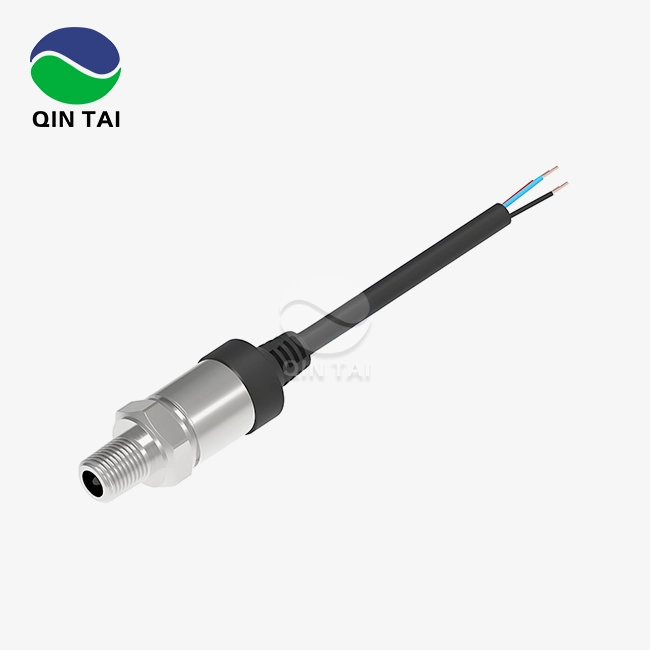
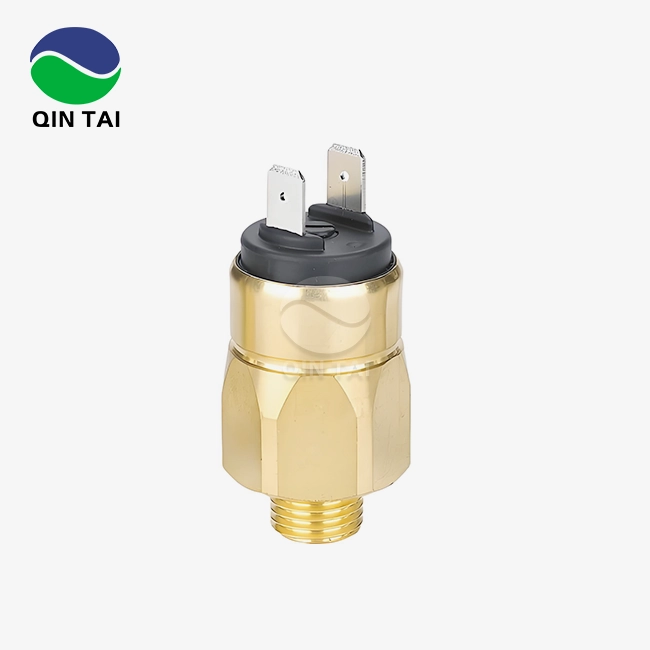
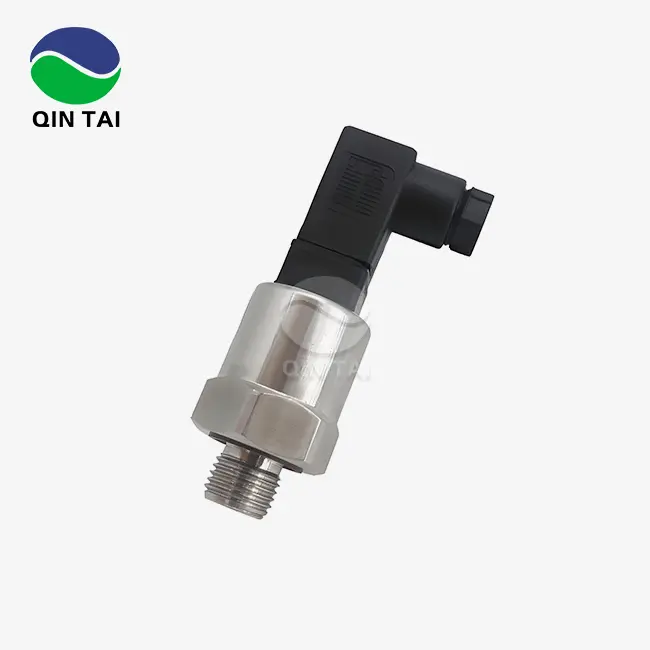

Our customers’ satisfaction speaks for our quality — contact us to experience the same reliable service.