- English
- French
- German
- Portuguese
- Spanish
- Russian
- Japanese
- Korean
- Arabic
- Greek
- German
- Turkish
- Italian
- Danish
- Romanian
- Indonesian
- Czech
- Afrikaans
- Swedish
- Polish
- Basque
- Catalan
- Esperanto
- Hindi
- Lao
- Albanian
- Amharic
- Armenian
- Azerbaijani
- Belarusian
- Bengali
- Bosnian
- Bulgarian
- Cebuano
- Chichewa
- Corsican
- Croatian
- Dutch
- Estonian
- Filipino
- Finnish
- Frisian
- Galician
- Georgian
- Gujarati
- Haitian
- Hausa
- Hawaiian
- Hebrew
- Hmong
- Hungarian
- Icelandic
- Igbo
- Javanese
- Kannada
- Kazakh
- Khmer
- Kurdish
- Kyrgyz
- Latin
- Latvian
- Lithuanian
- Luxembou..
- Macedonian
- Malagasy
- Malay
- Malayalam
- Maltese
- Maori
- Marathi
- Mongolian
- Burmese
- Nepali
- Norwegian
- Pashto
- Persian
- Punjabi
- Serbian
- Sesotho
- Sinhala
- Slovak
- Slovenian
- Somali
- Samoan
- Scots Gaelic
- Shona
- Sindhi
- Sundanese
- Swahili
- Tajik
- Tamil
- Telugu
- Thai
- Ukrainian
- Urdu
- Uzbek
- Vietnamese
- Welsh
- Xhosa
- Yiddish
- Yoruba
- Zulu
Best Practices for Installing a Urea Pressure Sensor
A properly installed urea pressure sensor is essential for SCR system efficiency and emission compliance. This vital component continually checks AdBlue pressure to precisely dose NOx emissions and preserve engine components. Diesel engine manufacturers, aftertreatment integrators, and fleet operators benefit from superior dependability, lower maintenance costs, and regulatory compliance when installation follows best practices. Your SCR system runs at peak efficiency throughout its lifespan if you understand the technical requirements and prevent installation mistakes.
Understanding Urea Pressure Sensors: Working Principle and Applications
How Urea Pressure Sensors Function in SCR Systems?
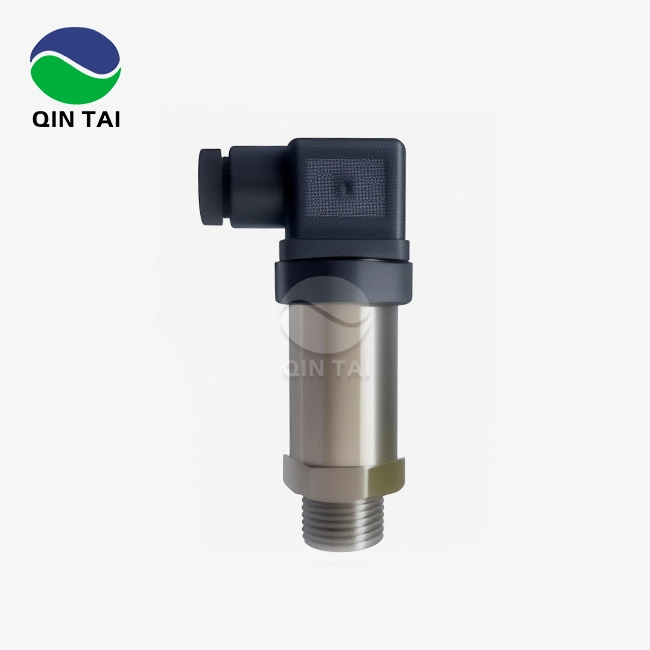
The engine control unit receives real-time AdBlue hydraulic pressure data from a urea pressure sensor in the dosing system. This sensor provides an analog voltage signal from 0.5 V to 4.5 V at minimum and maximum pressure, with most systems functioning between 0 and 10 bar depending on design. The ECU uses this voltage to control pump and injector timing to deliver the right quantity of urea to the catalytic converter at all times. Measurement accuracy affects emission reduction. The Qintai QS-P226 sensor provides ±0.5% accuracy from -14 to +130.5 psi, suitable for starting and maximum dosage applications. This accuracy allows the ECU to identify pressure decreases from leaks or blockages and overpressure from frozen AdBlue or broken valves.
Distinguishing Urea Pressure Sensors from Other SCR Components
Pressure sensors track system hydraulic performance, while DEF temperature sensors check fluid quality and flowmeters measure volume. This distinction significant because pressure anomalies typically discover issues before other sensors. A fast pressure loss may indicate a supply line leak, whereas progressive pressure decay may suggest pump wear or check valve failure. These sensors are used in commercial vehicles, construction equipment, and generator sets, however working conditions vary. Heavy vehicles vibrate and cycle temperatures, while stationary generating sets need low-maintenance stability. Dust and debris may contaminate agricultural machinery, necessitating strong sealing and environmental protection.
Recognizing Common Failure Symptoms
A urea pressure sensor failure causes numerous symptoms. AdBlue dosage is misregulated by the ECU, disrupting SCR system performance. Limb mode, excessive emissions, and ECU memory storage of diagnostic issue codes can occur. The system may block AdBlue injection to safeguard downstream components. Pressure measurements, sensor-ECU communication problems, and sensor connection crystallisation must be monitored for early identification. Fixing these faults quickly prevents subsequent damage and ensures emission compliance.
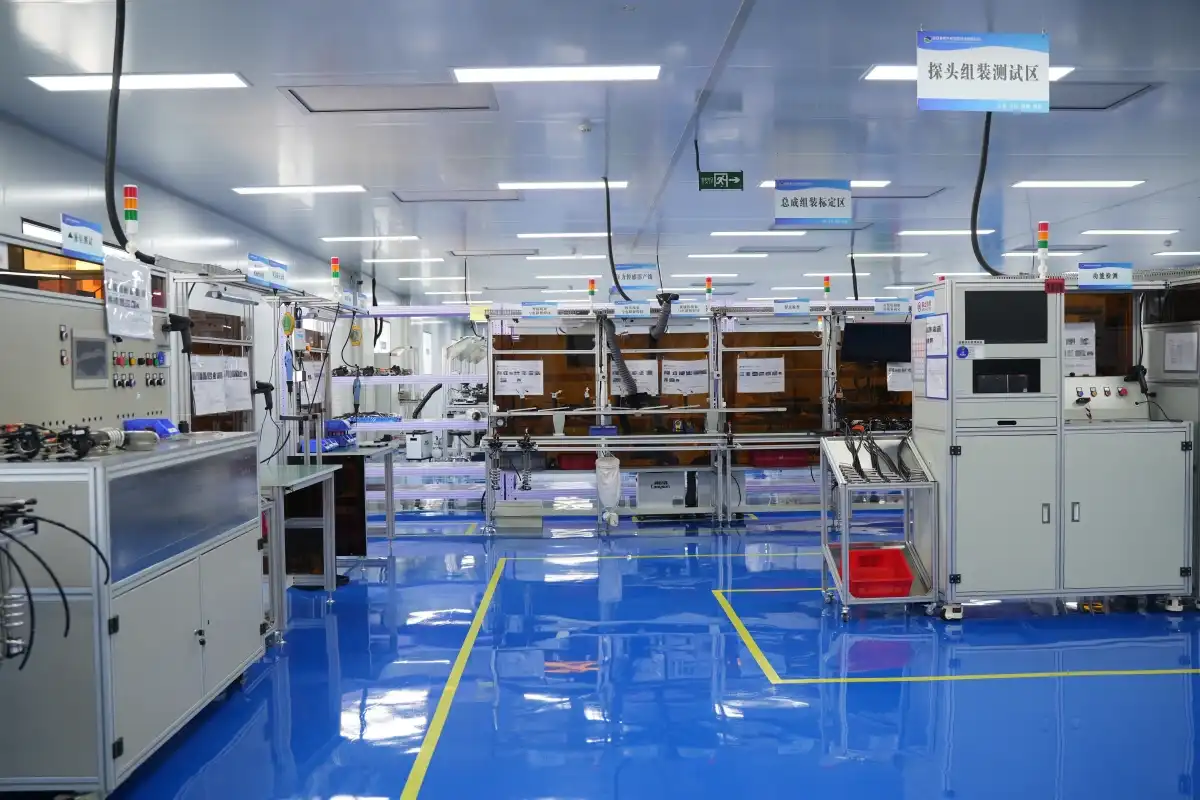
Step-by-Step Guide to Installing a Urea Pressure Sensor
Pre-Installation Preparations and Safety Checks
Gather torque wrenches calibrated to manufacturer specs, electrical contact cleaner, dielectric grease, and safety gear before installing. The new urea pressure sensor should match OEM specifications for your SCR system model. Compare the sensor's pressure range, electrical interface, and mounting to the original. Before disconnecting lines, depressurize the urea system for safety. Air-borne AdBlue crystallization can contaminate sensors and restrict passageways. Urea solution irritates skin, so work in a well-ventilated location and use gloves.
Optimal Sensor Positioning and Mounting Techniques
Sensor location greatly impacts measurement accuracy and lifespan. Place the sensor away from exhaust components and turbochargers to reduce heat exposure. Avoid mounting where road debris, water splash, or salt spray can hit the sensor body. Gravity-sensitive sensors require certain mounting angles, so align them according to manufacturer requirements. Install the QS-P226 model with the threaded connection at the recommended torque without over-tightening, which can harm the sensor housing or distort internal components. If stated by the manufacturer, use urea-compatible thread sealant. Avoid petroleum-based products that deteriorate with AdBlue.
Wiring Best Practices and Electrical Connections
Electrical connections need care to avoid communication and voltage issues. Before connecting to the replacement sensor, check the wiring harness for damage, corrosion, or contamination. Apply dielectric grease and electrical contact cleaner to connection pins to prevent moisture entry. QS-P226 runs on 5V ECU supply voltage, with signal output range from 0.5 to 4.5 VDC ratiometric to supply voltage. Voltage fluctuations reduce measurement accuracy, thus check supply voltage stability before installation. Wire away from high-voltage ignition components and fasten with clamps to avoid chafing on sharp edges or hot surfaces.
Calibration Methods and System Testing
After physical installation, perform calibration procedures according to system specifications. Modern SCR systems have diagnostic tool-accessible automated calibration algorithms. These procedures set baseline pressures and test sensor responsiveness over the working range. Manual calibration may need specialized equipment to replicate pressure conditions and verify output voltage matches applied pressure. Pressure cycling over the working range should test signal stability and accuracy. Check for error codes, ECU connectivity, and system behavior during operation. Allow the engine to attain operating temperature and monitor pressure readings under varied load circumstances to verify sensor performance.
Avoiding Frequent Installation Errors
Common errors degrade sensor performance and longevity. Stress fractures and calibration drift result from overtightening mounting threads. Insufficient sealing lets air enter, causing pressure measurement inaccuracies and crystallization. Poor wiring polarity or electrical connections cause intermittent, hard-to-diagnose failures. Failure to remove air from the urea system following sensor replacement is another common mistake. Trapped air pockets throw off pressure measurements and hinder system priming. Always follow the manufacturer's bleeding technique to remove all air before servicing the car.
Choosing the Right Urea Pressure Sensor for Your Fleet
Key Performance Metrics and Technical Specifications
Multiple performance characteristics must be considered while choosing urea pressure sensors. Emission control efficacy depends on accuracy criteria, often needing ±1% or better over the working range. Vehicles with frequent load adjustments need fast response time to adapt to changing situations. Durability factors include chemical resistance to urea and its breakdown products, thermal stability over the working temperature range, and application-specific vibration resistance. Specialized materials resist urea corrosion and crystallization, keeping the QS-P226 accurate in polluted AdBlue.
Analog versus Digital Sensor Technologies
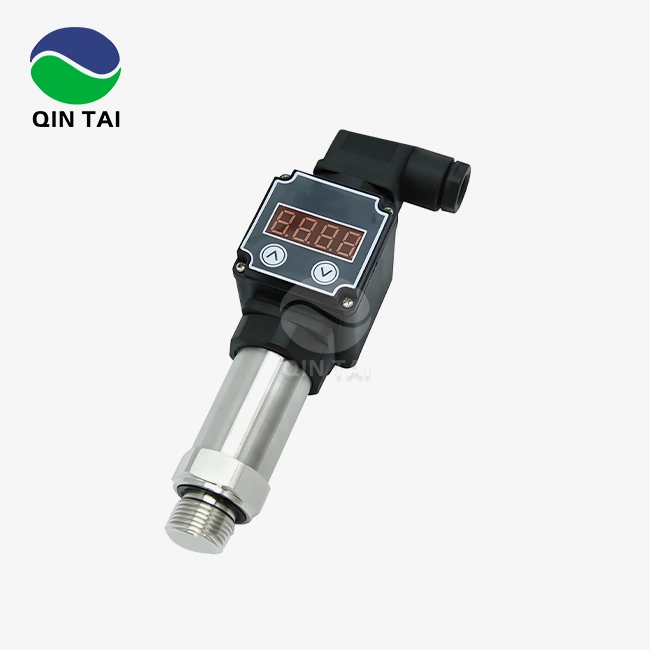
Analog sensors like the QS-P226 output continuous voltage proportional to pressure, making them simple and compatible with SCR systems. LIN or CAN protocols allow digital sensors to interface with modern car networks and perform more complicated diagnostics. Analog designs are cheaper and easier to wire, whereas digital ones offer better diagnostics and remote monitoring. Troubleshooting and maintenance benefit from integrated display modules' fast visual input. These monitors provide real-time pressure measurements without diagnostic instruments, simplifying field service and saving maintenance downtime.
Evaluating Manufacturers and Supply Chain Reliability
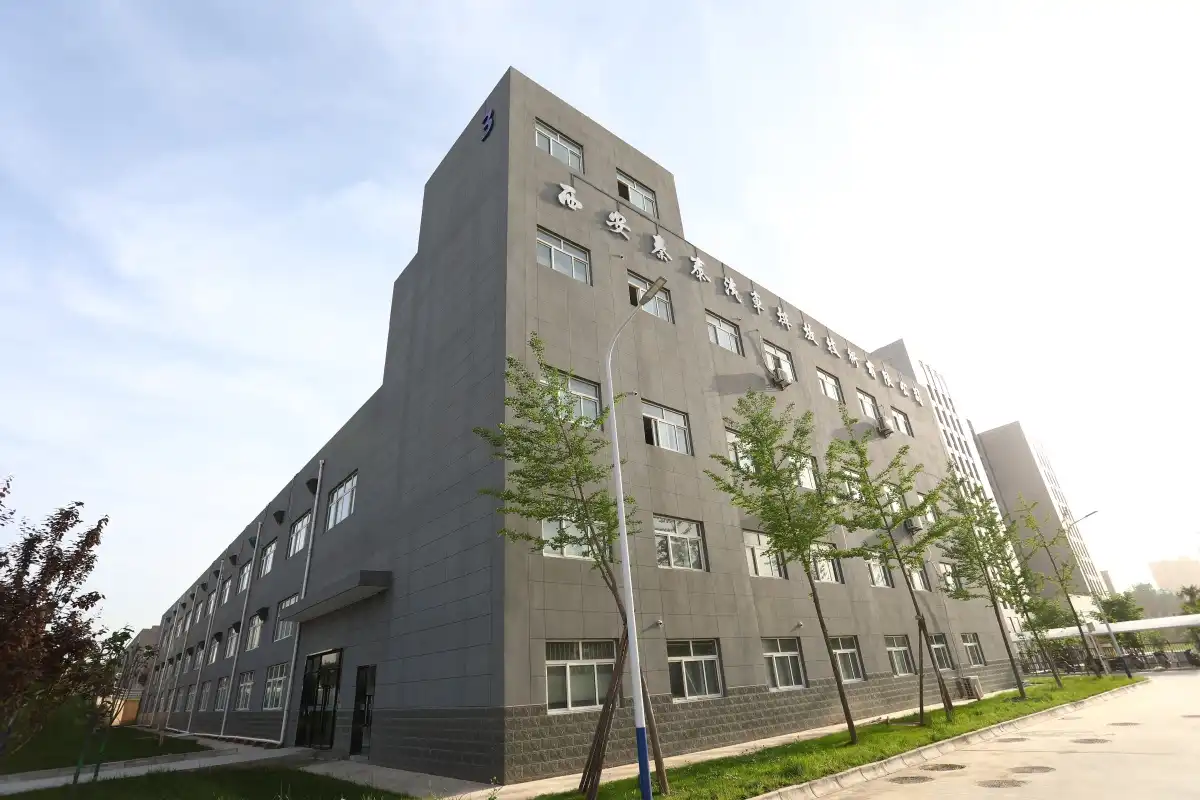
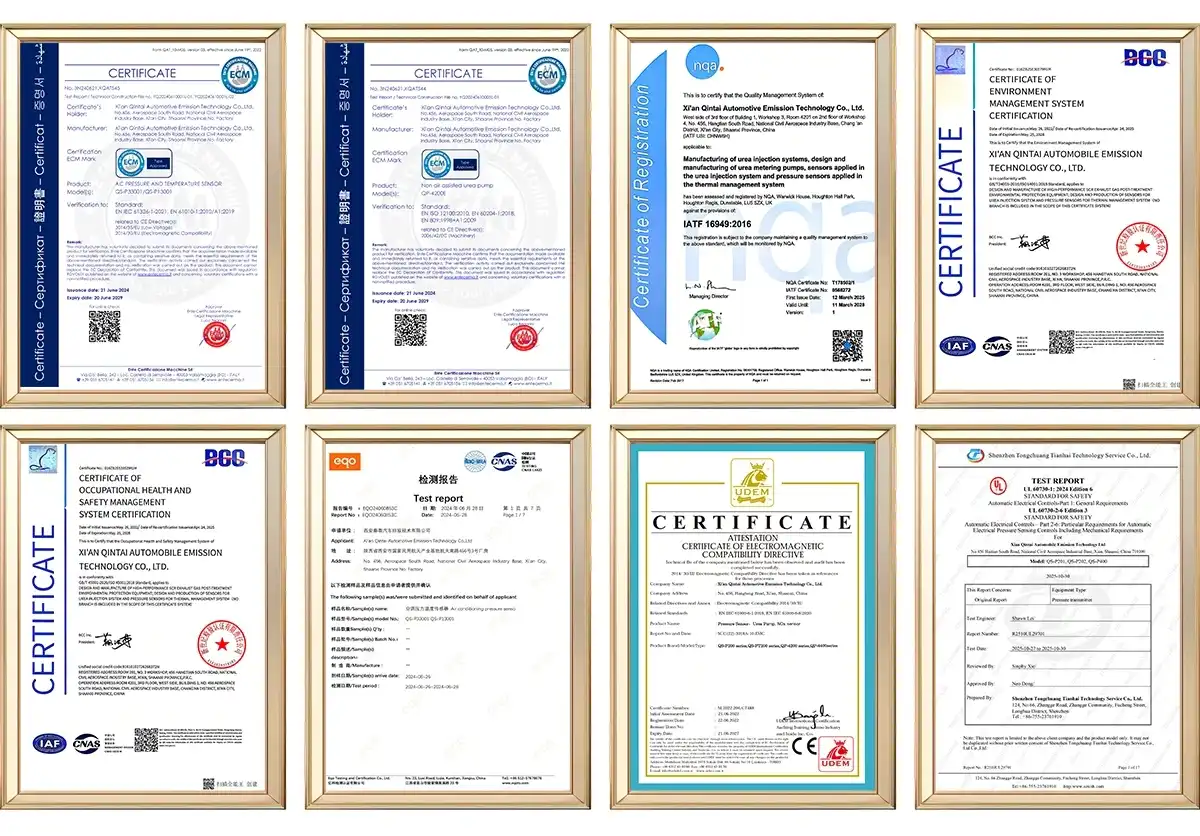
Bosch, Continental, Denso, Delphi, and Siemens dominate the OEM market, but Qintai offers competitive alternatives with great performance. Qintai Automotive Emission Technology Co. Ltd. has been the principal OEM supplier to Weichai Power, Yuchai Power, and Quanchai Power since 2001, receiving ISO9001, IATF16949, and various international certifications. Manufacturer warranties range from 12-month to extended warranties for high-volume customers. Supplier credibility includes certification, manufacturing capacity, technical support, and after-sales service. Product authenticity should be verified by procurement managers to reduce counterfeit threats that affect system dependability and safety.
Maintenance and Troubleshooting Tips for Urea Pressure Sensors
Proactive Maintenance Schedules and Inspection Routines
Urea pressure sensors last longer and fail less with regular maintenance. Commercial vehicles should be inspected every 25,000–50,000 miles, per service schedule. Conduct electrical connection corrosion checks, mounting security checks, and component leakage and crystallization checks. Sensor lifespan is greatly affected by urea quality. Degraded AdBlue promotes sensor fouling and measurement drift. Only use ISO 22241-compliant urea solution and keep containers clean. Check urea levels and replace contaminated or decomposing fluid.
Systematic Troubleshooting for Common Issues
Sensor drift causes progressive pressure reading changes that don't match system circumstances. Thermal cycling, mechanical stress, and contamination induce calibration variations. Recalibration usually fixes accuracy, but chronic drift requires sensor replacement. Signal interruption is occasional sensor-ECU communication loss. These issues are caused by faulty wiring, connections, or sensors. Before replacing the sensor, connection inspection, continuity testing, and voltage verification are performed.
Cleaning Procedures and Crystallization Management
Sensor insulation from urea crystallization impairs thermal responsiveness and damages components. Instead of mechanically cleaning sensor surfaces, use warm water and gentle brushes to remove crystalline deposits. Never blast crystals using compressed air, since it might damage sensitive regions. Before lengthy idle periods, system shutdown processes must remove urea from lines and components to prevent crystallization. To prevent expansion damage and sensor damage in cold environment operations, heating devices are needed.
Real-World Case Studies and Practical Insights
Construction equipment pressure sensors failing every 8,000 hours plagued a fleet operator. The investigation found considerable equipment vibration and insufficient mounting hardware. Upgraded sensors with vibration resistance and better mounting brackets extended service life to over 15,000 hours and reduced maintenance expenses. Sensor blockage plagued agricultural machines in another occasion. Analysis demonstrated dust intrusion from insufficient sealing and contaminated AdBlue. Continuous failures were eliminated by sealing sensors, improving environmental protection, and controlling fluid quality.
Procurement Best Practices: Buying Urea Pressure Sensors for Bulk or OEM Needs
Strategic Sourcing and Supplier Qualification
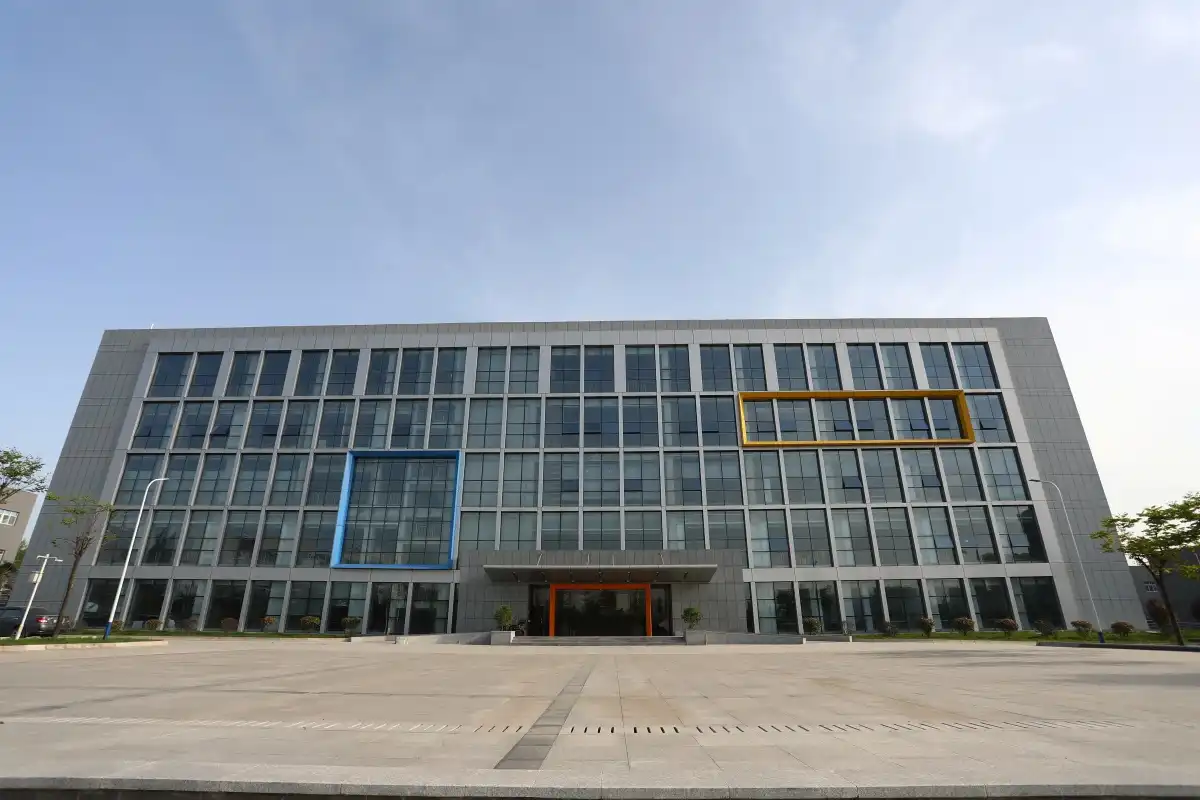
Evaluation of suppliers is key to successful procurement of a Urea pressure sensor. Consider ISO9001 and IATF16949 certification, production ability to satisfy volume needs, and technical customization capabilities when choosing a provider. Before placing large purchases, request validation samples. With 58 innovation patents, Qintai is a national high-tech company with significant R&D expenditure and technical skills. As China's top engine supplier, the firm ensures scaled manufacturing quality and dependability.
Negotiating Pricing and Managing Lead Times
OEMs and big fleet operators benefit from volume pricing. Negotiate yearly volume commitment price and inventory availability assurances. To avoid production disruptions, lead time management needs just-in-time supply and buffer stock. Pressure ranges, electrical connections, and extreme application environmental protection can be customized. These changes increase lead times but maximize performance for specific needs.
Warranty Coverage and Technical Support Value
Comprehensive warranty coverage covers premature breakdowns and manufacturing flaws. Standard 12-month warranties cover most applications; high-volume clients may negotiate longer coverage. Warranty terms should include coverage, replacement, and technical assistance. Application engineering, troubleshooting, and training from post-sale technical support are valuable. Suppliers with rapid technical assistance decrease downtime and speed problem resolution.
Verifying Product Authenticity and Supply Chain Security
Fake urea pressure sensors can cause performance issues, premature failure, and safety issues. Buy from approved distributors, check packaging and labeling, and compare physical qualities to genuine samples to verify product authenticity. Regular quality checks, verified suppliers, and product traceability ensure supply chains. For production planning, long-term collaborations with trusted suppliers like Qintai assure quality and supply continuity.
Conclusion
SCR systems provide maximum emission reduction while maximizing component lifespan with proper urea pressure sensor installation and maintenance. These best practices—from sensor selection and accurate installation to proactive maintenance and strategic procurement—help diesel engine manufacturers, aftertreatment integrators, and fleet operators achieve dependable performance and regulatory compliance. Modern sensor technology, precise measurement, sturdy construction, and proven durability supported by extensive technical support and warranty coverage, define the Qintai QS-P226.
FAQ
Q1: What is the optimal maintenance interval for urea pressure sensors?
A: Commercial vehicles should be inspected every 25,000–50,000 miles, depending on operating circumstances. Heavy machinery like construction and mining may need more regular checkups. Electrical connections, mounting security, and urea pressure sensor fitment must should be checked during maintenance.
Q2: Can I install a urea pressure sensor myself or should I use professional services?
A: Sensor location and vehicle design affect installation complexity. Professional installers with the right tools can usually follow manufacturer instructions. Professional installation provides calibration, system testing, and warranty compliance for complicated systems or diagnostic equipment access.
Q3: What distinguishes urea pressure sensors from temperature sensors in SCR systems?
A: Dosing system urea pressure sensors detect leaks, blockages, and pump performance concerns. Sensors monitor AdBlue fluid temperature to prevent freezing and optimize injection time. Both sensors monitor the whole system, but they detect different physical characteristics for emission control schemes.
Partner With Qintai: Your Trusted Urea Pressure Sensor Manufacturer
Qintai makes precision-engineered urea pressure sensors for heavy-duty diesel engine SCR applications. The QS-P226 model has self-developed sensor core technology and 100% testing processes, assuring ±0.5% accuracy and durable operation throughout a 12-month warranty. As China's top OEM supplier to major engine manufacturers, we have ISO9001 and IATF16949 certifications and collaborations in 60 countries. Custom quotes, technical requirements, and sample requests are available at info@qt-sensor.com. To fulfill bulk procurement and production deadlines, we offer flexible OEM/ODM services, complete technical support, and swift logistics.
References
1. Society of Automotive Engineers. (2019). Selective Catalytic Reduction Systems for Diesel Engine NOx Control. SAE International Technical Paper Series.
2. Environmental Protection Agency. (2020). Heavy-Duty Highway Compression-Ignition Engines and Urban Buses: Exhaust Emission Standards. EPA Office of Transportation and Air Quality.
3. Johnson, T. V. (2018). Diesel Emissions in Review. SAE International Journal of Engines, Volume 11, Issue 6.
4. International Organization for Standardization. (2021). ISO 22241: Diesel engines - NOx reduction agent AUS 32. Part 1-4 Technical Standards.
5. Majewski, W. A., & Khair, M. K. (2017). Diesel Emissions and Their Control. Society of Automotive Engineers, Warrendale, Pennsylvania.
6. European Automobile Manufacturers Association. (2020). ACEA Position Paper on SCR System Reliability and Maintenance Requirements for Commercial Vehicles. Brussels, Belgium.

Our customers’ satisfaction speaks for our quality — contact us to experience the same reliable service.