- English
- French
- German
- Portuguese
- Spanish
- Russian
- Japanese
- Korean
- Arabic
- Greek
- German
- Turkish
- Italian
- Danish
- Romanian
- Indonesian
- Czech
- Afrikaans
- Swedish
- Polish
- Basque
- Catalan
- Esperanto
- Hindi
- Lao
- Albanian
- Amharic
- Armenian
- Azerbaijani
- Belarusian
- Bengali
- Bosnian
- Bulgarian
- Cebuano
- Chichewa
- Corsican
- Croatian
- Dutch
- Estonian
- Filipino
- Finnish
- Frisian
- Galician
- Georgian
- Gujarati
- Haitian
- Hausa
- Hawaiian
- Hebrew
- Hmong
- Hungarian
- Icelandic
- Igbo
- Javanese
- Kannada
- Kazakh
- Khmer
- Kurdish
- Kyrgyz
- Latin
- Latvian
- Lithuanian
- Luxembou..
- Macedonian
- Malagasy
- Malay
- Malayalam
- Maltese
- Maori
- Marathi
- Mongolian
- Burmese
- Nepali
- Norwegian
- Pashto
- Persian
- Punjabi
- Serbian
- Sesotho
- Sinhala
- Slovak
- Slovenian
- Somali
- Samoan
- Scots Gaelic
- Shona
- Sindhi
- Sundanese
- Swahili
- Tajik
- Tamil
- Telugu
- Thai
- Ukrainian
- Urdu
- Uzbek
- Vietnamese
- Welsh
- Xhosa
- Yiddish
- Yoruba
- Zulu
Why Heavy Duty Trucks Need Reliable NOx Sensors
Heavy-duty cars need reliable NOx sensors to keep up with emission standards and keep running at their best. These devices check the quality of the exhaust gas in real time and send important information to the engine control unit, which controls the SCR systems and the amount of Diesel Exhaust Fluid that is used. Without correct data, trucks run the chance of not following the rules, engine detonation, and expensive downtime. Procurement managers and R&D experts know that the dependability of sensors has a direct effect on how productive a fleet is, how much it costs to maintain, and how well it meets environmental standards.
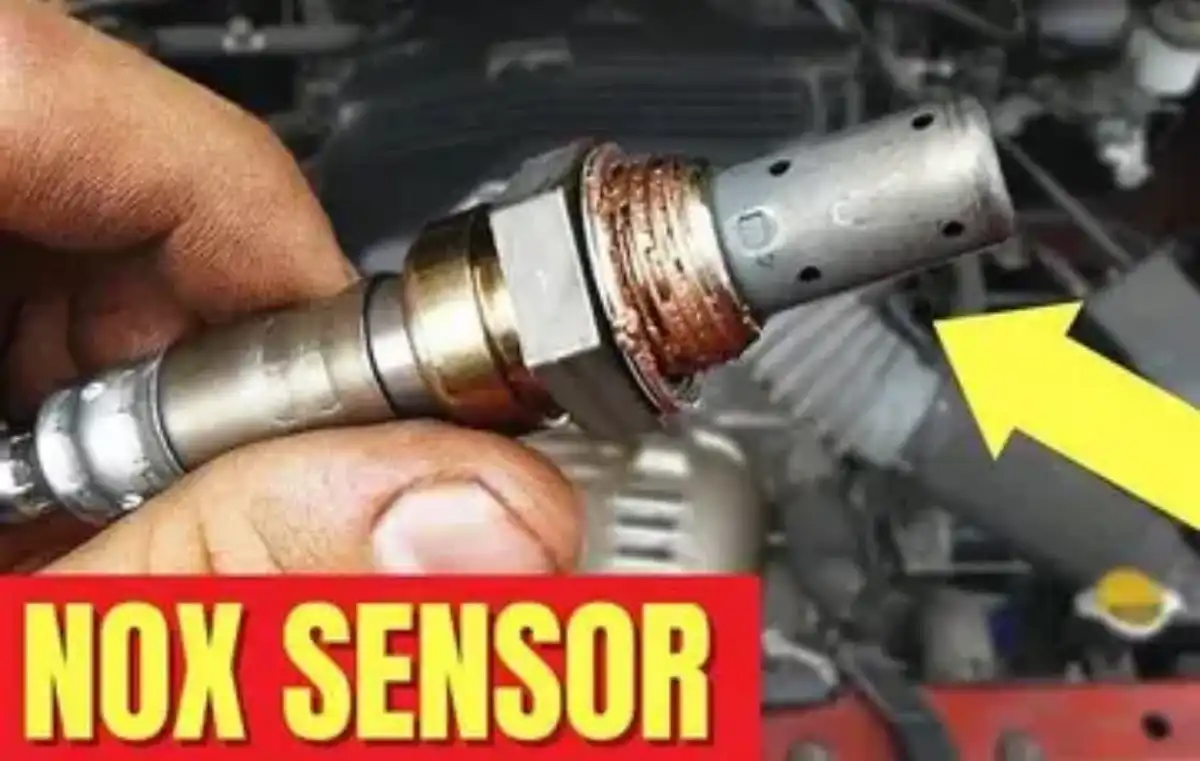
Understanding NOx Sensors and Their Role in Heavy Duty Trucks
NOx sensors that measure nitrogen oxide levels in vehicle exhaust streams make it possible to precisely control systems that lower emissions. These specialized tools are very different from oxygen monitors, whose main job is to improve the efficiency of burning. In modern heavy-duty cars, the SCR catalyst is usually surrounded by two sensors, one upstream and one downstream.
How Nitrogen Oxide Detection Works?
Yttria-stabilized zirconia ceramic technology is used for the NOx sensor system. An oxygen pump cell controls the amount of oxygen in the room when exhaust fumes come in. This sets the standard conditions. The sensor cell then breaks down nitrogen oxides into nitrogen and oxygen ions using a catalytic process. This creates an electrical current that is related to the amount of pollution. This electrochemical process gives measurements that are accurate to within ±10ppm at lower concentrations, which is important for meeting EPA emission guidelines from 2010 and later.
Strategic Sensor Placement for Maximum Effectiveness
Upstream sensors placed near the turbocharger output measure the raw fumes from the engine. This information helps the control module figure out how much DEF needs to be injected. Downstream monitors put in place after the SCR catalyst check how well the treatment is working and give confirmation data for diagnostics on board. This two-monitoring method allows closed-loop control logic that constantly improves system performance and finds catalyst wear or urea supply problems before they cause check engine lights to appear.
Calibration Requirements and Performance Impact
If you calibrate a sensor correctly, the measurements will always be accurate as long as the sensor is working. Diesel exhaust settings have sulfur compounds, particulate matter, and thermal cycles that can change how sensors respond. Using scan tools to do regular troubleshooting checks on the voltage output and response time benchmarks makes sure they are consistent. Fleet managers who don't follow calibration standards often get fault codes early, have to repair parts that don't need to be, and have to wait longer between service intervals, all of which add to the cost of maintenance.
Key Challenges Faced by Heavy Duty Trucks Without Reliable NOx Sensors
When NOx sensors aren't up to par, they create operational holes that affect the whole fleet management system. When a sensor fails, diagnostic trouble codes cause the engine's power to be limited to stop too many fumes. These protective derating routines lower the number of loads that can be hauled and cause delivery plans to be pushed back, which costs more in money than the cost of replacing the sensors.
Environmental Stressors That Speed Up Sensor Failure
In heavy duty uses, sensors are put through temperature variations that range from -40°C for cold starts to 800°C for long periods of time with a lot of load on them. Vibrations from rough ground and engine harmonics put stress on ceramic parts and solder joints. When moisture gets into electrical connections, they become less reliable, and exhaust contaminants leave behind dust on detecting surfaces. Trucks that work in mining, building, and long-haul hauling all have to deal with harsh conditions at the same time, so their parts need to be made to last in industrial settings.
Financial Impact of Sensor-Related Downtime
When sensors stop working, cars need to be taken to the repair bay right away. Diagnostic methods take a lot of time from technicians, and waiting for parts to arrive makes vehicles less usable for longer. Fleets that are in charge of hundreds of cars figure out the costs of downtime, which include missed income, customer fines, and faster shipping fees for replacement parts. When you look at the total cost of ownership, you can see that buying high-reliability sensors is much cheaper than buying cheap aftermarket sensors that break down more often.
Compatibility Issues with Mixed Fleet Operations
Fleet managers who are in charge of different truck types have trouble making sensors work with each other. Different brands and model years have different connector configurations, transmission methods, and mounting thread requirements. To find universal solutions that meet OEM performance standards, you need to work with suppliers who can provide cross-reference paperwork and expert validation. Purchasing offices value providers more and more who offer large compatibility matrices and flexible interface choices.

How to Choose the Right NOx Sensor for Heavy Duty Trucks?
To choose the right NOx sensors, you have to balance technical requirements with the limitations of your budget. People who make decisions look at a lot of factors, such as the measurement range, reaction time, working temperature range, and certification compliance. When procurement teams know these factors, they can send out requests for quotes that are in line with engineering needs and price limits.
Evaluating OEM and aftermarket solutions
Original Equipment Manufacturer (OEM) sensors ensure that they will work with and match the performance of the car. Aftermarket options are cheaper, but they need to be carefully checked out to make sure they meet the same quality standards. To make their products work as well as OEM parts, leading aftermarket providers spend money on reverse engineering and proof testing. Purchasing managers should ask for proof of approval, such as ISO 9001 and IATF 16949 credentials, as well as guarantee terms that cover both parts and work. Through partnerships for large-scale production, suppliers with a history of working with big diesel engine makers show that they can be trusted.
Technical Specifications That Matter Most
The range of measurements, from 0 to 2500ppm, covers the normal levels of diesel fumes in all situations of operation. Control systems can respond quickly to sudden changes in load when the response time is less than 1400 milliseconds. When the light is off for less than 165 seconds, cold-start emissions are lower during warm-up processes. It can work in temperatures ranging from 100°C to 800°C, so it can be used in both normal situations and temperatures of exhaust gases. Because these specs have a direct effect on how fast the system is and how much of a compliance margin it has, they must be met for heavy-duty uses.
Supplier Qualification and Support Services
Reliable providers offer full expert support, which includes help with installation, diagnostic training, and fixing problems. Fleet replacement plans and preventative maintenance programs work well with bulk price systems that offer discounts for buying in bulk. Delivery reliability makes sure that the supply of parts meets the needs of service planning, so you don't have to pay extra for faster shipping. Buyers don't have to pay for the costs of manufacturing flaws when there are return plans that allow for them. People who work in procurement should build relationships with sellers who offer these services at low prices.
Optimizing Emissions Control with Advanced NOx Sensor Solutions
As emission rules get stricter, advanced NOx sensor technology keeps getting better so that repair times can be longer. Improvements in materials science, data processing techniques, and the ability to diagnose oneself have made measurements more accurate and operations more reliable. Knowing about these changes in technology helps buying teams choose parts that will protect fleet investments in the future.
Integration with Modern Emission Control Systems
Standardized protocols let sensors talk to engine control units. They send and receive data packets with concentration values, diagnostic state, and temperature readings. This data is used to change the rates of DEF injection, the placement of the EGR valves, and the speed of the fuel injection in real time. Advanced control algorithms find the best mix between reducing emissions and saving fuel. This makes operations as efficient as possible while still meeting legal requirements. Different truck makers use different control system designs, but sensors with flexible communication methods can work with all of them without any problems.
Technological Innovations Extending Service Life
Qintai sensors have improved poisoning protection that can handle the lead and sulfide contaminants that are found in diesel exhaust. The extended service life of 6000 hours is longer than the industry standard, which means that it doesn't needs to be replaced as often and doesn't require as much upkeep work. Electrical links are kept safe from water and heat damage by a sealed waterproof design and temperature-resistant cable materials. These engineering changes make it possible to measure increases in the average time between failures. This lowers the total cost of ownership for fleet operators who have to manage funds for preventive maintenance.
Performance Advantages in Real-World Applications
Fleet managers who use high-performance monitors say that emission-related fault codes and unexpected repair events go down by a lot. With reaction times of less than 1400ms, SCR systems can keep converting energy at their best even when loads change quickly, like on stop-and-go urban transport routes or highways with changing grades. Quick startup technology turns on emission controls faster than traditional designs. This reduces the amount of cold-start NOx output that makes up a big part of total emissions during short-trip duty cycles. These useful advantages mean that people will follow the rules more carefully during stop checks, and there will be a lower chance of getting fined by the government.
Procurement Best Practices for Heavy Duty Truck NOx Sensors
Setting up good buying processes makes sure that the quality of the parts is always the same and increases the efficiency of purchasing. Strategic buying practices look at both technical factors and business issues, and they offer value that goes beyond unit price. When you build long-term relationships with your suppliers, you can work together to solve problems and make improvements all the time.
Supplier Vetting and Qualification Processes
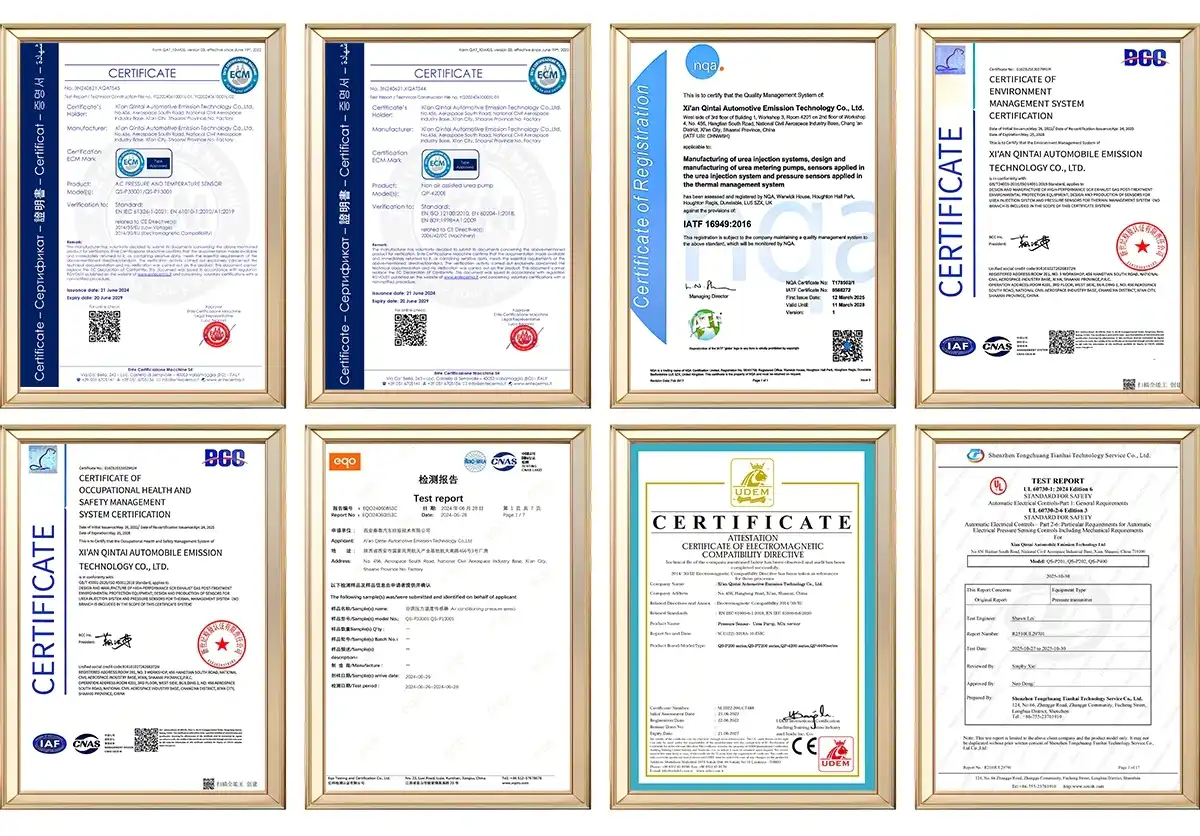
Checking manufacturing certifications like ISO 9001 quality management systems and IATF 16949 automotive quality standards is the first step in a thorough supplier evaluation for NOx sensor components. By asking for test results on a product, you can compare stated specifications to measurements made in an independent lab. Site visits to production facilities give you insight into manufacturing processes, quality control, and production capacity for NOx sensor products. Checking with current customers for references reveals the supplier's track record on delivery reliability, technical support timeliness, and warranty claim handling. These due diligence steps protect buyers from supplier relationships that look good initially but cause problems during ongoing operations.
Warranty Terms and After-Sales Support
Suppliers who offer full guarantees that cover flaws in both materials and work show that they are confident in the quality of their products. Longer guarantee terms, up to 24 months or 200,000 miles, give peace of mind to parts that are used in tough situations. Field failures can be fixed more quickly when there are clear warranty claim processes and fair paperwork requirements. Technical help is available through many channels, such as phone, email, and online tools. This makes it easy for maintenance teams to quickly solve problems with installation and diagnosis. Help with calibration and setting is useful, especially when adding sensors to control system upgrades that were bought after the fact.
Partnering with Specialized Manufacturers
Xi'an Qintai Automotive Emission Technology Co., Ltd. exemplifies specialized expertise in diesel engine aftertreatment components. Established in 2001 as a national high-tech enterprise, Qintai maintains independent R&D capabilities that drive continuous product innovation. As core supplier to China Weichai Power, Yuchai Power, and Quanchai Power, the company holds number one market share in domestic OEM supply. Comprehensive certifications including ISO 9001, IATF 16949, CMC, Ex, UL, CE, REACH, and RoHS demonstrate commitment to international quality standards. With 58 invention patents applied, Qintai delivers cutting-edge technology in pressure sensors and emission monitoring systems. Customizable connectors, cable lengths, and mounting configurations accommodate diverse application requirements across heavy trucks, construction machinery, agricultural equipment, and generator sets. Because of its scientific know-how, large production scale, and wide range of uses, Qintai is a strategic partner for procurement professionals seeking reliable NOx sensor solutions. Customers benefit from flexible OEM and ODM services supporting projects from design through mass production, backed by responsive technical support and competitive pricing structures suitable for bulk procurement programs.
Conclusion
Reliable NOx sensors are important tools for keeping the fleet in line, running efficiently, and keeping upkeep costs low. To meet strict emission standards, heavy-duty trucks need reliable measurement devices that can work in harsh environments and keep working at the same level for long periods of time between service intervals. When purchasing sensors, procurement workers shouldn't just look at the unit price; they should also look at the technical specs, the qualifications of the supplier, and the total cost of ownership. In real life, advanced sensor technologies that respond quickly, last longer, and are less likely to get poisoned have measured benefits, like fewer fault codes and unexpected downtimes that stop operations.
FAQ
What Is the Difference Between NOx Sensors and Oxygen Sensors?
Oxygen monitors check the amount of oxygen in the air to get the best air-fuel ratios and burning efficiency. NOx sensors find NOx pollutants in exhaust gases so that the pollution control system can be set to the right level. Both use zirconia ceramic technology, but they are used for different things in engine control and aftertreatment systems.
How Often Should Heavy Duty Truck NOx Sensors Be Tested?
Testing of sensors should be done according to the manufacturer's repair plans, which are usually once a year or every 100,000 miles. By checking the reaction time, voltage output, and error codes during diagnostic checks, problems can be found before they cause fault conditions. Trucks that are used for heavy-duty tasks should be checked on more often so that problems are caught early.
Can Aftermarket Sensors Meet Emission Compliance Standards?
When properly selected and installed, quality aftermarket sensors from reputable makers work just as well as OEM parts. Buyers should check the licensing paperwork and ask for proof data that shows they meet the relevant EPA standards. Suppliers that have been around for a while and have certifications from the car industry offer solid options that save money and follow the rules.
Contact Qintai for Premium NOx Sensor Solutions
Qintai wants purchasing managers, technical experts, and fleet workers to look at our full line of diesel engine emission sensors, which are made to be reliable in industrial settings. Our NOx sensor maker skills allow us to provide OEM-quality parts with flexible connections, quick response times of less than 1400ms, and the longest service life in the industry, which is over 6000 hours. Our sensors are designed to work with more than 300 different communication protocols, are waterproof, and are resistant to advanced poisoning. They are used in difficult heavy duty truck uses all over the world. Email our technical team at info@qt-sensor.com to get a personalized briefing, full specs, and cheap quotes that are made to fit the needs of your fleet.
References
1. Johnson, M. & Williams, R. (2022). Diesel Engine Emission Control Systems: Technology and Applications. SAE International Publishing.
2. Environmental Protection Agency. (2021). Heavy-Duty Highway Compression-Ignition Engines and Urban Buses: Exhaust Emission Standards. EPA Technical Report Series.
3. Chen, L., Zhang, Y., & Kumar, S. (2023). "Zirconia-Based NOx Sensors for Diesel Engine Aftertreatment Systems." Journal of Automotive Engineering, 237(4), 892-907.
4. International Organization for Standardization. (2020). ISO 11992-2: Road Vehicles—Interchange of Digital Information on Electrical Connections Between Towing and Towed Vehicles. ISO Standards Publication.
5. Anderson, P. (2022). "Total Cost of Ownership Analysis for Heavy Duty Truck Emission Control Components." Fleet Maintenance & Operations Quarterly, 18(2), 45-61.
6. Miller, T., Garcia, J., & Thompson, K. (2023). Advanced Sensor Technologies for Commercial Vehicle Applications. Automotive Research Institute Technical Monograph Series.
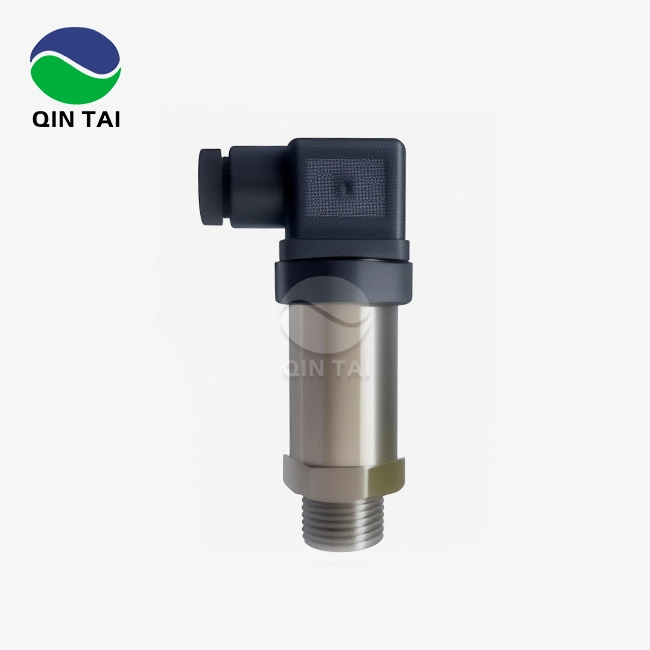
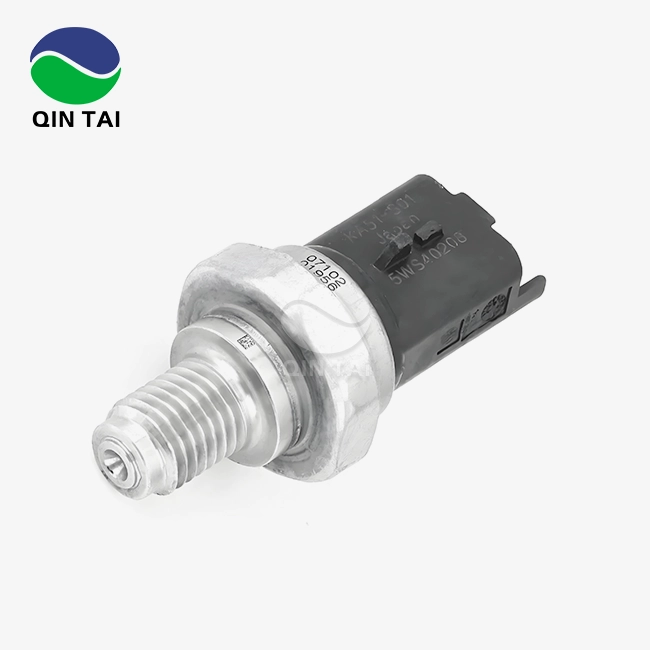
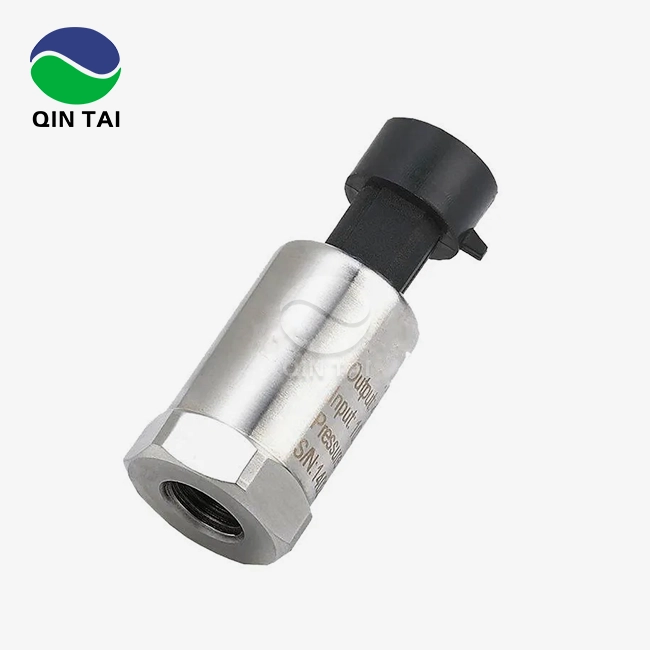

Our customers’ satisfaction speaks for our quality — contact us to experience the same reliable service.