- English
- French
- German
- Portuguese
- Spanish
- Russian
- Japanese
- Korean
- Arabic
- Greek
- German
- Turkish
- Italian
- Danish
- Romanian
- Indonesian
- Czech
- Afrikaans
- Swedish
- Polish
- Basque
- Catalan
- Esperanto
- Hindi
- Lao
- Albanian
- Amharic
- Armenian
- Azerbaijani
- Belarusian
- Bengali
- Bosnian
- Bulgarian
- Cebuano
- Chichewa
- Corsican
- Croatian
- Dutch
- Estonian
- Filipino
- Finnish
- Frisian
- Galician
- Georgian
- Gujarati
- Haitian
- Hausa
- Hawaiian
- Hebrew
- Hmong
- Hungarian
- Icelandic
- Igbo
- Javanese
- Kannada
- Kazakh
- Khmer
- Kurdish
- Kyrgyz
- Latin
- Latvian
- Lithuanian
- Luxembou..
- Macedonian
- Malagasy
- Malay
- Malayalam
- Maltese
- Maori
- Marathi
- Mongolian
- Burmese
- Nepali
- Norwegian
- Pashto
- Persian
- Punjabi
- Serbian
- Sesotho
- Sinhala
- Slovak
- Slovenian
- Somali
- Samoan
- Scots Gaelic
- Shona
- Sindhi
- Sundanese
- Swahili
- Tajik
- Tamil
- Telugu
- Thai
- Ukrainian
- Urdu
- Uzbek
- Vietnamese
- Welsh
- Xhosa
- Yiddish
- Yoruba
- Zulu
Best Pressure and Temperature Transmitter for Hydraulic Systems
Purchasing managers and R&D engineers choose hydraulic Pressure and Temperature transmitters with precise dual-parameter monitoring, durable construction, and smooth integration. A good Pressure and Temperature transmitter removes the need for sensors, simplifying installation and enhancing measurement correlation. Precision monitoring improves operating safety and efficiency in heavy trucks, construction machinery, agricultural equipment, and generator sets with these integrated solutions.
Introduction
Unmonitored pressure spikes and temperature changes can cause catastrophic breakdowns in hydraulic systems. A single sensor failure in a construction excavator's hydraulic circuit can cause hours of downtime and cost thousands. Modern Pressure and Temperature transmitters provide real-time data to safeguard expensive components and optimize system performance.
Technical parameters, compliance certificates, and long-term dependability must be considered while choosing a transmitter. Diesel engine makers pursuing China VI and Euro VI pollution regulations need accurate sensors over large temperature ranges. Integrators of aftertreatment systems need configurable interfaces that work with SCR and DPF controllers. This paper covers ceramic sensor technologies and calibration processes to assist procurement teams make educated selections that lower total cost of ownership and fulfill strict operating criteria.
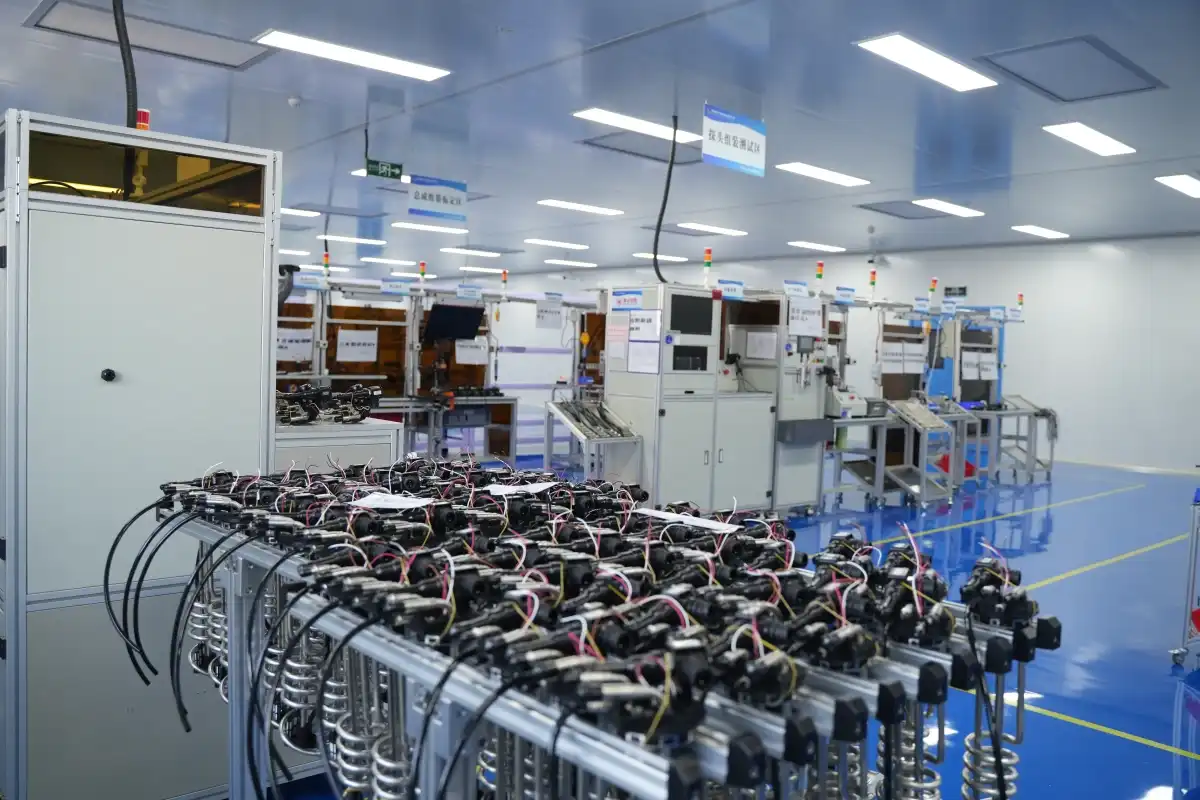
Understanding Pressure and Temperature Transmitters in Hydraulic Systems
Pressure sensing and temperature detection in a single enclosure make dual-parameter transmitters small hydraulic monitors. Pressure measurement uses piezoresistive ceramic sensors to translate mechanical force into electrical impulses, whereas temperature detection uses NTC thermistors or RTD elements depending on precision and budget.
Working Principles of Integrated Sensors
Ceramic pressure sensors are stable in hydraulic situations because the diaphragm directly contacts the process medium without oil-filled chambers that deteriorate. Resistance varies proportionately to hydraulic fluid pressure on ceramic element. An amplification circuit provides standardized voltage or current signals while the thermistor monitors fluid temperature through resistance fluctuation. This integrated technique minimizes measurement latency caused by sensors placed at distinct hydraulic circuit locations.
Types and Classification
Gauge pressure transmitters measure relative to air pressure in hydraulic applications, but absolute pressure transmitters are used in altitude-compensated transportable equipment. For common industrial ranges (-40°C to 130°C), NTC thermistors are cost-effective, whereas RTD sensors are more accurate for precision applications. Smart transmitters with digital communication protocols allow remote diagnostics and parameter change, unlike analog devices that generate voltage signals for fundamental control systems.
Benefits for Hydraulic Operations
In order to calculate fluid viscosity or identify cavitation, combined measurement minimizes spatial separation errors caused by single sensors. Using a single wire for pressure and temperature monitoring reduces installation effort. Maintenance staff welcome standardized connections and decreased spare parts inventory, while engineers benefit from more precise superheat calculations to minimize hydraulic pump and motor thermal damage.
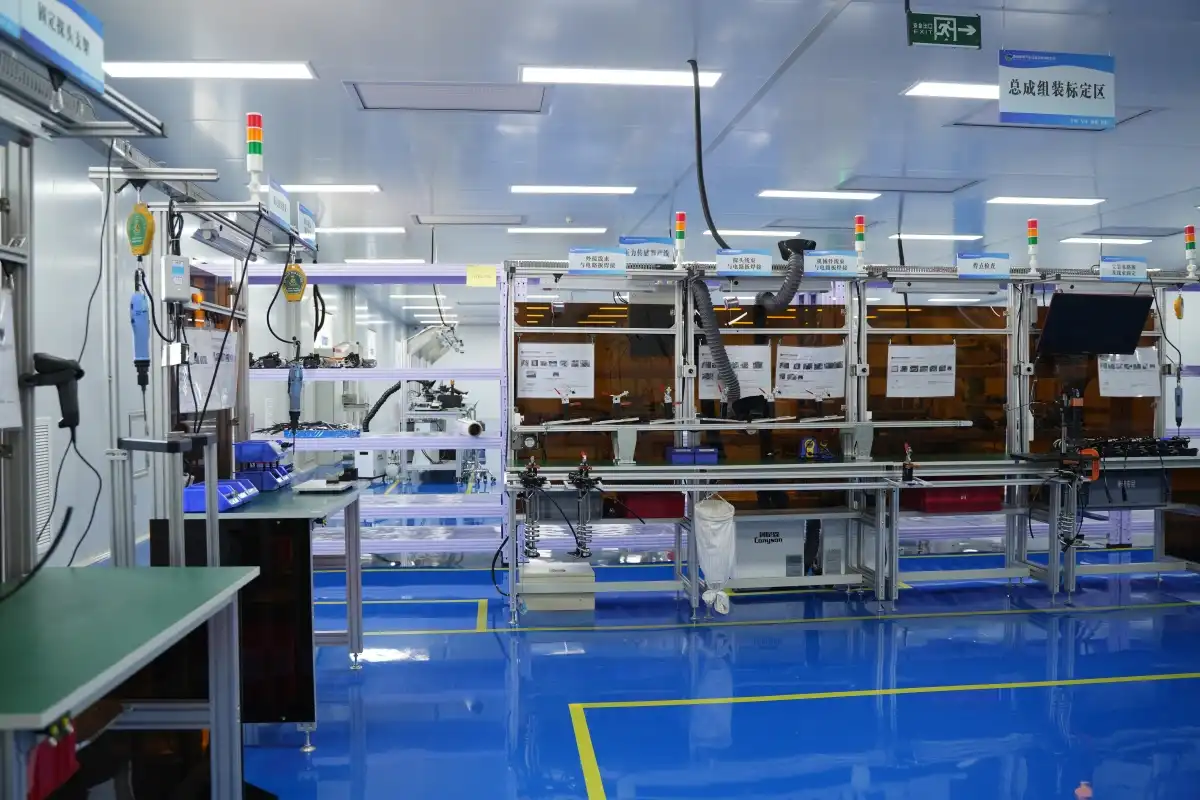
How to Choose the Right Pressure and Temperature Transmitter for Hydraulic Systems?
Documenting your hydraulic system's operational envelope—maximum working pressure, predicted temperature extremes, fluid type, ambient conditions, vibration levels, and electromagnetic interference sources—begins specification matching for a Pressure and Temperature transmitter. Construction gear in desert conditions needs different thermal properties than temperate agricultural equipment, while marine hydraulic systems need corrosion-resistant materials beyond industrial standards.
Defining System Requirements
Calculate your pressure range by finding the maximum system pressure and choosing a transmitter rated 1.5 to 2 times that number for safety and resolution. Startup in cold areas and maximum fluid temperature during prolonged heavy-load operation should be considered while selecting temperature ranges. Some media damage elastomer seals or metallic wetted parts, whereas mineral hydraulic oils respond differently from biodegradable or synthetic fluids. Mobile equipment needs vibration resistance because shock loads and frequent movement might damage sensors.
Critical Selection Criteria
Examine accuracy parameters carefully: ±1.0% full scale is industry-standard for hydraulic applications, whereas precision systems may need ±0.5% or tighter tolerances. To integrate with complex fleet management systems, use digital protocols like Modbus or CANbus, while analog voltage (0.5-4.5V) works for simple PLCs and displays. Reverse polarity protections and overvoltage immunity protect car electrical systems against installation mistakes and voltage transients.
Compliance and Certification
Sensor certifications are important for heavy-duty equipment manufacturers: CE marking shows European conformance, IATF 16949 indicates automotive-quality production, and UL for North American markets. Oil and gas applications and explosive settings require ATEX and IECEx permits. REACH and RoHS compliance guarantee sensors follow environmental rules, which is crucial for OEMs selling globally since regulatory infractions might block sales.
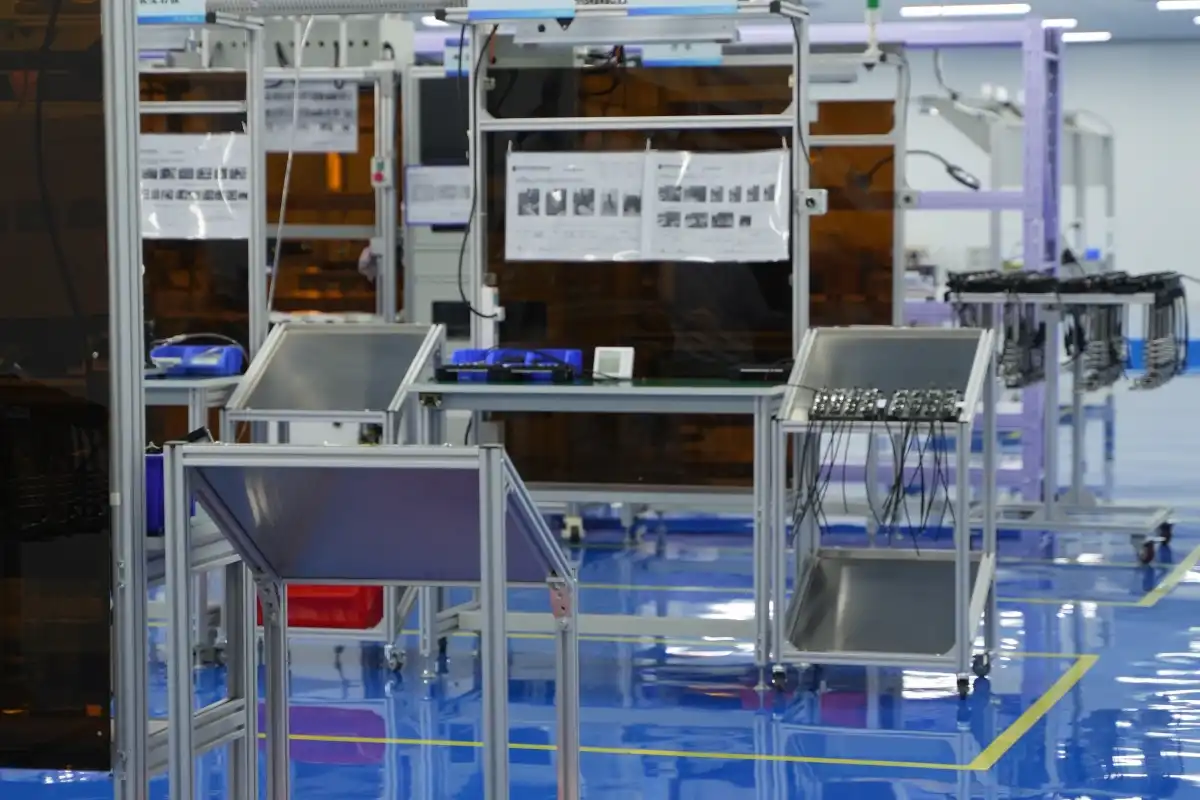
Top-Rated Pressure and Temperature Transmitters for Hydraulic Systems in 2026
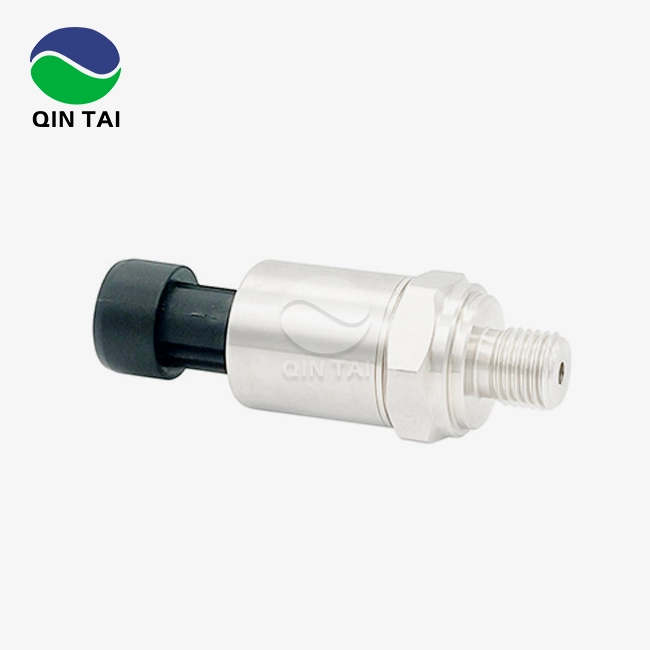
Industrial customers score transmitters on measurement accuracy, mechanical endurance under vibration and shock, temperature cycle stability, and manufacturer support. Qintai's QS-PT225 illustrates technical decisions that solve equipment makers' and system integrators' hydraulic problems.
QS-PT225: Engineered for Demanding Hydraulic Applications
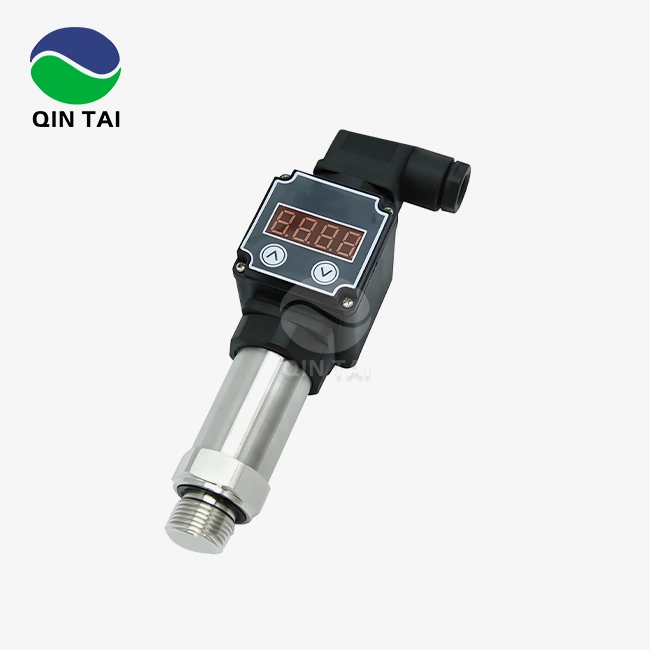
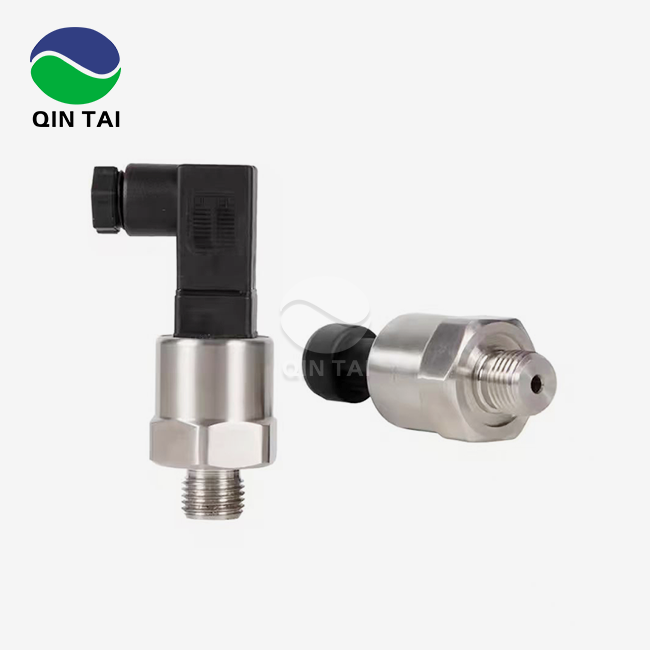
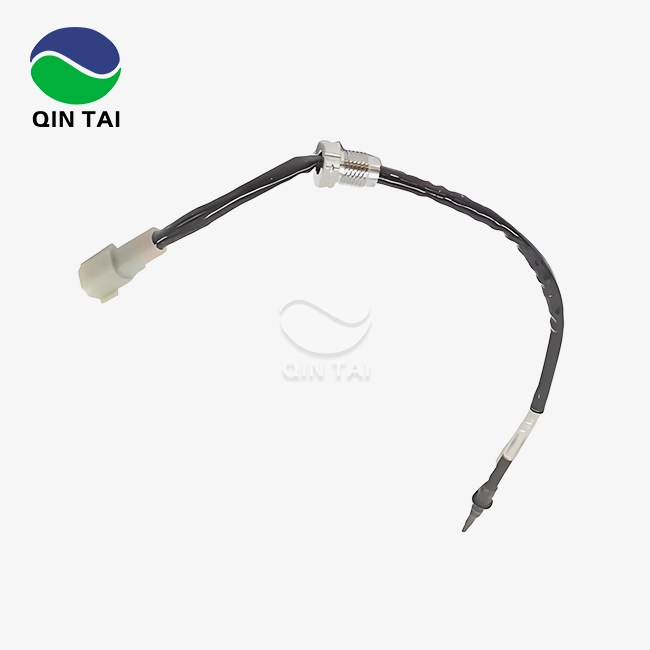
A ceramic pressure sensor and NTC thermistor in this transmitter provide dual-parameter monitoring with ±1.0% full scale accuracy for pressure and temperature measurements. Ceramic sensing elements are more stable than metal diaphragms and retain calibration accuracy after millions of hydraulic pressure cycles. To prevent compressors and hydraulic motors from thermal stress, temperature monitoring reacts promptly to fluid changes and allows exact superheat estimates. The QS-PT225 probe and housing are made of 304 stainless steel to withstand biodegradable and synthetic hydraulic fluids. PPE+PAGF30 connectors withstand chemicals and retain electrical integrity from -40°C to 130°C. Flexible process connectors (G1/4, M12x1.5, M10x1) ease retrofitting into existing equipment, and pressure ranges from 0-5 Bar to 0-40 Bar accommodate low-pressure return lines to high-pressure main circuits.
This gadget offers hydraulic system operators several main benefits:
Space Efficiency: One device replaces two sensors, simplifying installation in tiny transportable equipment where every cubic inch counts. Simplified wiring cuts installation time and failures.
Enhanced Measurement Precision: The integrated architecture avoids correlation errors from sensors in different places. Temperature-compensated pressure measurements improve control algorithm accuracy.
Cost Optimization: Lower installation costs, wiring complexity, and maintenance schedules make this approach cost-effective over equipment lifespan. Inventory and procurement for one device decrease administrative costs.
Industrial Ruggedness: Stainless steel structure withstands hydraulic fluid exposure, heat cycling, and mechanical stress. The 10 MPa burst pressure rating offers significant safety buffer over normal working conditions.
Emerging Technology Trends
Wireless Pressure and Temperature transmitters save cable runs in retrofit applications, however steel-encased mobile equipment's battery life and signal dependability are limited. Smart transmitters that self-diagnose sensor drift or connection issues prevent measurement failures, reducing unexpected downtime in important production equipment. Integrating Industry 4.0 frameworks allows predictive maintenance tactics based on long-term hydraulic system parameter trends to detect performance deterioration that normal inspections miss.
Maintenance and Calibration Best Practices for Pressure and Temperature Transmitters
Proactive maintenance programs match application severity for transmitter reliability. Dusty construction equipment needs more frequent inspection than stationary industrial gear, and high-cycle applications like injection molding need shorter calibration intervals than intermittent-duty systems.
Common Issues and Prevention
Mechanical stress from millions of pressure cycles or thermal shock from abrupt temperature fluctuations cause sensor drift. Ceramic elements resist drift better than metal diaphragms, yet all sensors drift. The pressure port becomes clogged by hydraulic fluid impurities such metal particles, seal debris, and polymerized oil residue. Most contamination is avoided by installing transmitters on clean circuit portions with proper filters. EMI from variable frequency motors or welding equipment can damage sensor signals, however cable shielding and grounding prevent most EMI issues.
Calibration Methods and Schedules
Ideal for yearly checkups or post-repair validation, field calibration utilizing portable pressure standards and temperature references allows speedy verification without transmitter removal. Laboratory calibration every two to three years for essential applications or suspected damage utilizing deadweight testers and precise temperature baths improves accuracy. Zero and span adjustments correct slight drift by correcting output at atmospheric pressure and ensuring full-scale measurements. Many procurement managers use risk-based calibration schedules to verify essential safety systems semi-annually, production equipment annually, and non-critical monitoring biennially.
Extending Operational Lifespan
Electrical connections for a Pressure and Temperature transmitter should be inspected regularly to prevent corrosion-related failures in outdoor equipment exposed to moisture. Monitoring operational pressure relative to the transmitter's rated range identifies systems near maximum pressure, when sensor fatigue accelerates. Purifying hydraulic fluid and changing oil regularly protects transmitters against abrasion. Documenting calibration history and monitoring sensor drift rates allows data-driven replacement timing decisions before failures, preventing unplanned downtime.
Procurement Guide for Buying Pressure and Temperature Transmitters for Hydraulic Systems
Supplier selection is as crucial as technical standards for equipment dependability for years. Authorized manufacturers and distributors offer real equipment with warranties and technical assistance, whereas doubtful sources offering great discounts typically supply counterfeit gadgets that break early.
Supplier Evaluation Criteria
For big volumes, manufacturer direct purchase gives the greatest cost and application-specific customisation engineering assistance. Auth. distributors stock replacement orders locally and resolve warranty claims quickly. Check vendors' quality certifications—ISO 9001 shows basic quality management, while IATF 16949 shows automotive-grade production for high-reliability applications. Case studies or reference installations in similar applications can verify that the manufacturer understands your industry's issues.
Volume Purchasing and Customization
OEM equipment makers profit from yearly supply agreements that lock in price and allocate production capacity amid supply chain interruptions. Some manufacturers accept lower orders for prototype development, but unique pressure ranges and electrical connections usually require 500 units. Be specific about pressure range, process connection threads, cable length, and calibration or testing required. Ask for engineering drawings and material certificates before placing significant purchases to ensure the product meets your criteria.
Cost Analysis and Negotiation
Volume, customisation complexity, and order frequency considerably affect transmitter cost. Standard catalog goods cost 20-30% less than bespoke specs owing to production efficiency. Volume commitments and multi-year contracts frequently unlock savings and priority allocation during component shortages. Consider total cost of ownership, not just purchase price—a 15% more expensive sensor that lasts twice as long is greater value. Compare providers by warranty, calibration support, and spare parts cost. Troubleshooting installation or application issues requires quick technical help; manufacturers giving applications engineering expertise provide value beyond the product.

SENSOR+TEST, June 9 – 11, 2026
We look forward to your visit,warmly welcome to our booth 1-634!
Get your free ticket online now:
https://www.sensor-test.de/service/ticket/?52790
Conclusion
Dual-parameter transmitters like the Pressure and Temperature transmitter for hydraulic systems should balance technical requirements, certification compliance, and lifetime costs. Heavy equipment producers require accurate and durable ceramic pressure sensors and fast-response thermistors. The QS-PT225 solves real-world problems with integrated measurement, durable design, and customizable customization. Partnering with manufacturers with engineering experience, quality certifications, and fast assistance gives procurement teams an edge. Preventive maintenance and calibration improve transmitter dependability and lifespan, safeguarding your equipment investment.
FAQ
Q1: How often should hydraulic system transmitters be calibrated?
A: Application criticality and operational severity determine calibration frequency. Semi-annual verification benefits safety-critical systems, whereas yearly calibration is needed for conventional manufacturing equipment. Every six months, high-cycle or high-pressure equipment may need calibration. Establishing baseline performance data for new transmitters helps discover aberrant drift patterns that suggest environmental stress or fluid contamination that needs correction.
Q2: What distinguishes smart transmitters from conventional analog models?
A: Smart transmitters use microprocessors for digital transmission, self-diagnostics, and remote setup. They warn maintenance crews of sensor drift and connectivity issues before breakdowns. Low-cost analog transmitters emit voltage or current signals proportional to observed parameters, making them easier to integrate with basic control systems. Unless incorporated into fleet management or predictive maintenance programs, hydraulic applications seldom need smart transmitters.
Q3: Can wireless transmitters handle high-vibration hydraulic environments reliably?
A: Wireless technology in mobile hydraulic equipment is hindered by metal construction and battery vibration. Wireless monitoring is better for stationary industrial hydraulic systems, especially in retrofits where cable installation is problematic. Battery longevity and replacement logistics must be weighed against wireless technology's installation cost savings.
Partner with Qintai for Reliable Pressure and Temperature Transmitter Solutions
Reliable hydraulic systems require precise monitoring equipment, engineering competence, and prompt support. Qintai, a national high-tech company founded in 2001, develops Pressure and Temperature transmitters for automotive and industrial applications. ISO 9001, IATF 16949, and CE certifications show our dedication to manufacturing quality, and 58 sensor invention patents show sensor technology innovation. As the leading Pressure and Temperature transmitter maker for China's major diesel engine manufacturers, Weichai, Yuchai, and Quanchai, we understand equipment manufacturers' performance and cost concerns. Our technical team offers OEM and ODM services from design to mass manufacturing, including customisation for particular application difficulties. Discuss hydraulic monitoring needs with info@qt-sensor.com now to acquire technical specifications customized to your equipment's working circumstances.
References
1. Johnson, M. & Williams, R. (2023). "Hydraulic System Monitoring: Sensor Technologies and Best Practices." Industrial Instrumentation Quarterly, Vol. 47, No. 3, pp. 112-129.
2. Anderson, T. (2024). "Comparative Analysis of Pressure Sensor Technologies in Mobile Equipment Applications." Journal of Fluid Power Systems, Vol. 19, No. 1, pp. 45-67.
3. Chen, L. & Schmidt, K. (2023). "Integrated Temperature and Pressure Measurement: Advantages in Hydraulic Circuit Design." International Symposium on Automotive Sensors, Conference Proceedings, pp. 234-251.
4. Rodriguez, P. (2024). "Calibration Strategies for Industrial Pressure Transmitters: Field vs Laboratory Methods." Measurement Science and Technology Review, Vol. 35, No. 2, pp. 78-94.
5. Thompson, D. & Lee, S. (2023). "Reliability Engineering for Hydraulic System Instrumentation in Harsh Environments." Heavy Equipment Maintenance Journal, Vol. 28, No. 4, pp. 156-173.
6. Müller, H. (2024). "Ceramic vs Metallic Pressure Sensors: Long-term Performance Comparison in Hydraulic Applications." Sensors and Actuators Technical Bulletin, Vol. 42, No. 1, pp. 89-107.

Our customers’ satisfaction speaks for our quality — contact us to experience the same reliable service.