- English
- French
- German
- Portuguese
- Spanish
- Russian
- Japanese
- Korean
- Arabic
- Greek
- German
- Turkish
- Italian
- Danish
- Romanian
- Indonesian
- Czech
- Afrikaans
- Swedish
- Polish
- Basque
- Catalan
- Esperanto
- Hindi
- Lao
- Albanian
- Amharic
- Armenian
- Azerbaijani
- Belarusian
- Bengali
- Bosnian
- Bulgarian
- Cebuano
- Chichewa
- Corsican
- Croatian
- Dutch
- Estonian
- Filipino
- Finnish
- Frisian
- Galician
- Georgian
- Gujarati
- Haitian
- Hausa
- Hawaiian
- Hebrew
- Hmong
- Hungarian
- Icelandic
- Igbo
- Javanese
- Kannada
- Kazakh
- Khmer
- Kurdish
- Kyrgyz
- Latin
- Latvian
- Lithuanian
- Luxembou..
- Macedonian
- Malagasy
- Malay
- Malayalam
- Maltese
- Maori
- Marathi
- Mongolian
- Burmese
- Nepali
- Norwegian
- Pashto
- Persian
- Punjabi
- Serbian
- Sesotho
- Sinhala
- Slovak
- Slovenian
- Somali
- Samoan
- Scots Gaelic
- Shona
- Sindhi
- Sundanese
- Swahili
- Tajik
- Tamil
- Telugu
- Thai
- Ukrainian
- Urdu
- Uzbek
- Vietnamese
- Welsh
- Xhosa
- Yiddish
- Yoruba
- Zulu
Everything You Need to Know About Urea Pressure Sensors
Meeting strict emissions requirements is crucial for diesel engines in challenging settings. SCR systems need Urea dosing pressure sensors, also known as AdBlue pressure sensors, to monitor and regulate urea solution supply pressure. This enables accurate injector nozzle dosage to reduce dangerous NOx emissions. Understanding how these sensors work, their maintenance needs, and selection criteria helps purchasing managers and R&D engineers balance regulatory compliance, operational efficiency, and cost management.
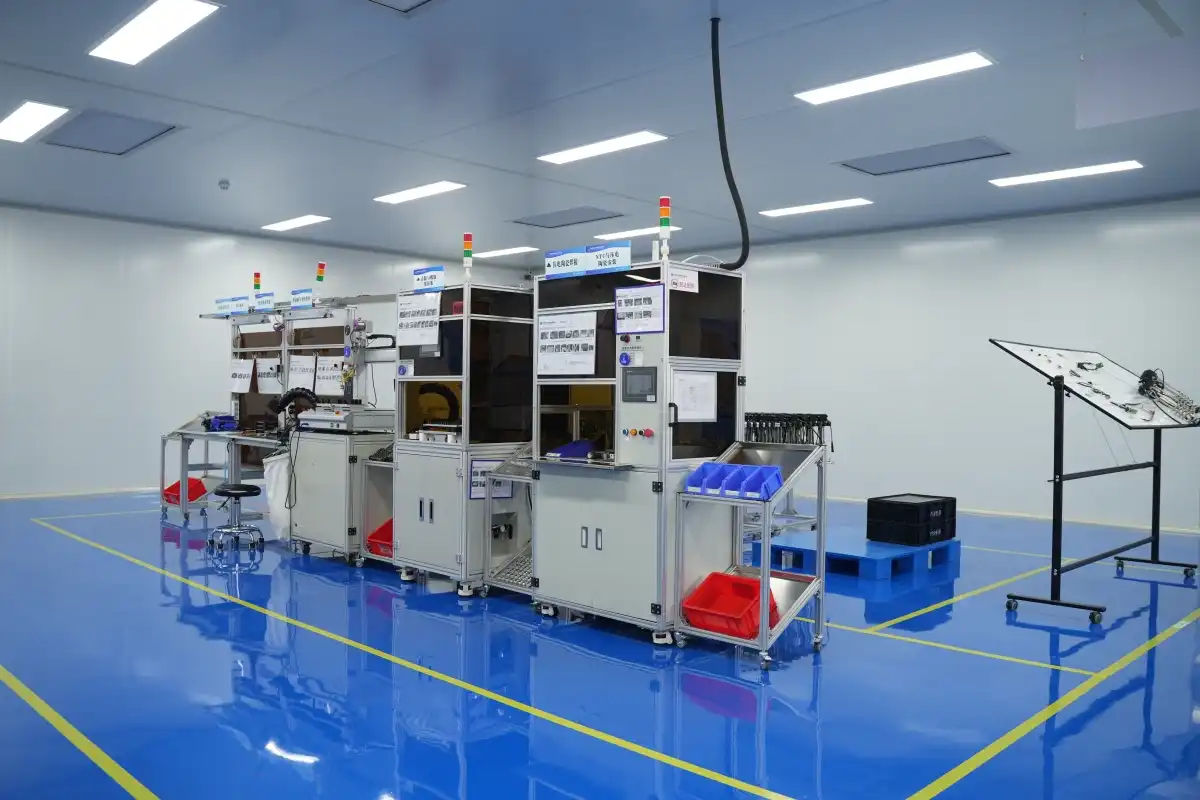
Understanding Urea Dosing Pressure Sensors: Function and Working Principle
SCR aftertreatment systems rely on Urea dosing pressure sensors for feedback. Their main job is sensing urea solution pressure between the dosing pump and injector. The engine control unit (ECU) uses this real-time data to dynamically modify injection rates to optimise NOx conversion efficiency across engine loads and temperatures.
How Urea Pressure Monitoring Works?
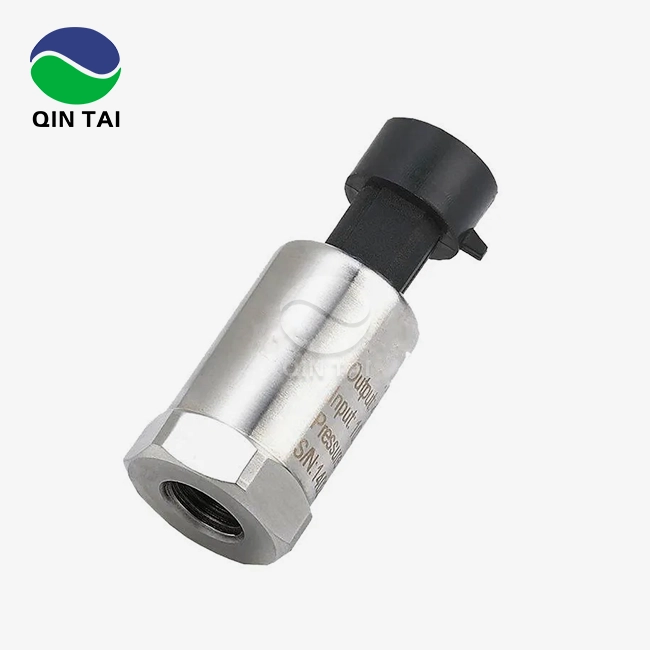
The sensor generates an electrical signal from mechanical pressure. Urea solution flowing via the SCR supply line presses on a sensor diaphragm, generating proportional voltage. Qintai's QS-P226 type, with its self-developed sensor core technology, produces an analog signal from 0.5 to 4.5 VDC from -14 to +130.5 psi. This ratiometric output guarantees accurate measurements even when supply voltage changes within operating constraints. ECU continually assesses pressure signal, temperature, and flow rates. The system detects leaks, blockages, and air infiltration when pressure decreases below thresholds. Pressure readings over normal may indicate frozen AdBlue, malfunctioning pressure relief valves, or pump failure. A closed-loop control method protects downstream components and optimizes catalyst performance.
Technical Specifications That Matter
Technical teams analyze sensor appropriateness for specific applications by understanding important characteristics. Extreme climate equipment needs a wide operating temperature range. Though it can survive urea exposure, the QS-P226 works consistently between 60-80°F. With ±0.5% measurement accuracy, dosage precision meets China VI and Euro VI criteria. Standardizing supply voltage at 5V DC improves engine management system integration. The analog output format is compatible with previous SCR designs, reducing costly controller revisions during retrofitting. These technological factors affect sensor dependability and total cost of ownership during its lifecycle.
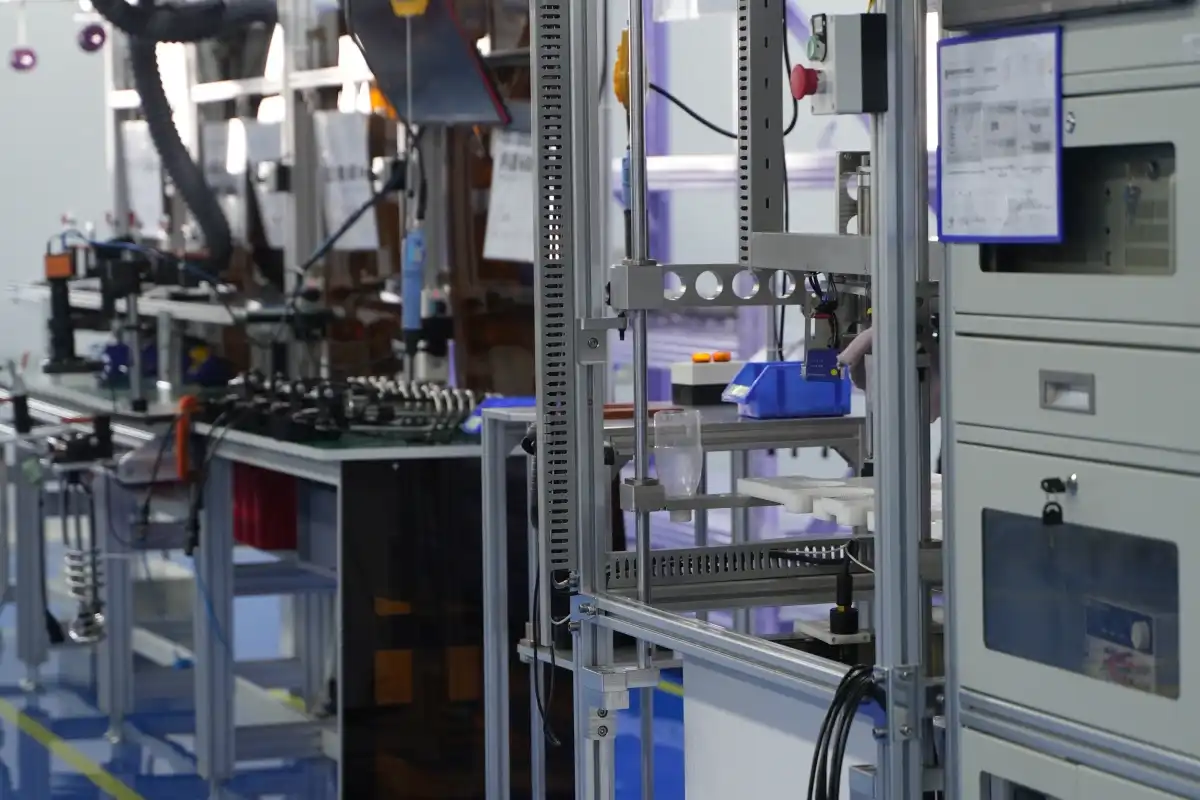
Troubleshooting, Maintenance, and Calibration of Urea Dosing Pressure Sensors
Understand typical failure modes and take preventative actions to maintain sensor function. Beyond warning lights, Urea dosing pressure sensor failure can cause engine derating and major operational problems.
Recognizing Common Failure Symptoms
Several signs indicate sensor failure. The ECU may record diagnostic fault codes for unlikely pressure measurements or circuit failures. Vehicle operators may notice the SCR system entering limp mode with reduced engine power. Emissions rise as the dosing mechanism loses urea injection control. To prevent catalyst damage from over- or under-dosing, the ECU may deactivate AdBlue injection. Physical inspection provides more clues. Urea crystals near connecting pins suggest seal failure. Corroded wire harnesses indicate dampness. Inconsistent pressure readings independent of pump operation indicate sensor element failure or clogged pressure ports.
Practical Maintenance Protocols
Regular maintenance prolongs sensor life and reduces downtime. In systems with frequent temperature cycling, sensor mounting points should be cleaned for urea crystallization. Sensor seals and diaphragms are protected from chemicals by manufacturer-approved cleaners. Environmental protection matters too. The QS-P226's sealing prevents moisture, dust, and chemicals, but appropriate installation is still necessary. Proper torque during installation avoids seal deformation. In humid settings, dielectric grease protects electrical connections against corrosion.
Calibration Requirements and Installation Guidelines
An accurate calibration ensures sensor measurement precision throughout its warranty. Most contemporary sensors, like the QS-P226, are 100% tested during production and ready for use. Field calibration is usually needed after component replacement if diagnostics show drift beyond limits. Mounting and pressure port alignment are crucial during installation. OEM requirements assure sensing element fluid dynamics. Avoid overtightening to avoid housing stress and measuring errors. Electrical connections need pin assignment verification and reliable latching to prevent intermittent vehicle failures.
How to Choose the Best Urea Dosing Pressure Sensor for Your Business Needs?
Multiple factors affect immediate and long-term operational costs when choosing sensors. Procurement managers must compare technical specs to application needs and assess supplier capabilities and support infrastructure.
Critical Evaluation Criteria
Specification accuracy affects emissions compliance margins. Advanced Urea dosing pressure sensors like the QS-P226 offer ±0.5% accuracy, ensuring precision in strict regulatory conditions. Heavy-duty applications with rapid load variations require SCR system response time to adjust to transient engine conditions. Durability in severe conditions depends on material quality. Sensors exposed to severe temperatures, vibration, and chemicals need sturdy construction. Compared to other materials, stainless steel pressure ports resist urea corrosion. Buildings with good environmental sealing resist moisture and pollutant damage. Compatibility goes beyond electrical connections. System architecture and mechanical mounting dimensions must match. Pressure range parameters should cover the intended application's complete working envelope, including starting circumstances when urea viscosity rises at low temperatures.
Comparing Sensor Technologies and Manufacturers
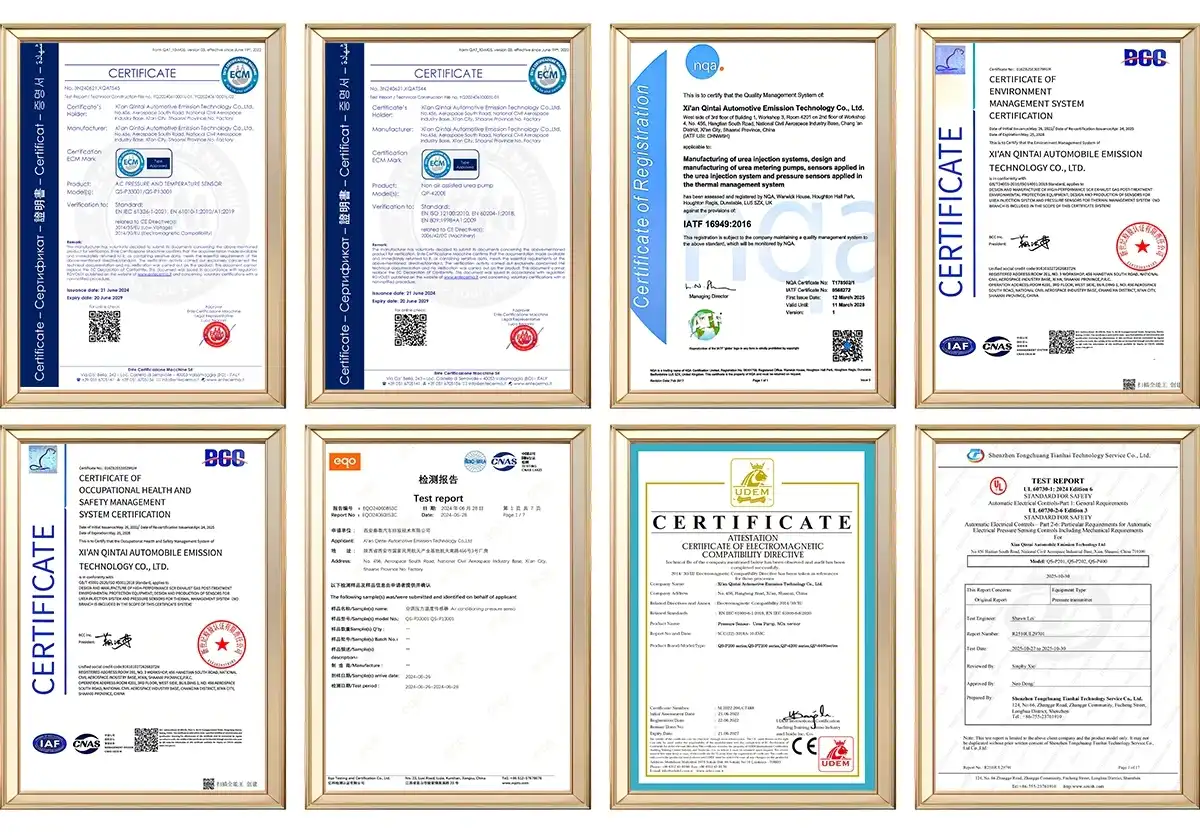
Bosch, Continental, Delphi, Denso, Siemens, and Valeo sell vehicle sensors. These manufacturers have significant OEM certification processes and proven dependability. Advanced diagnostics and engine management system integration are typical of their offerings. Emission control system specialists like Qintai get a competitive edge. Innovation and manufacturing excellence are combined at Qintai with 58 invention patents and ISO9001, IATF16949, and Ex approval. As the top OEM supplier to major diesel engine manufacturers in China, the firm has demonstrated performance in challenging applications. Differentiating pressure and flow sensors simplifies component selection. Pressure sensors verify dosing system health and provide closed-loop control, while flow sensors assess urea consumption. For thorough monitoring and diagnostics, most current SCR systems use both sensor types.
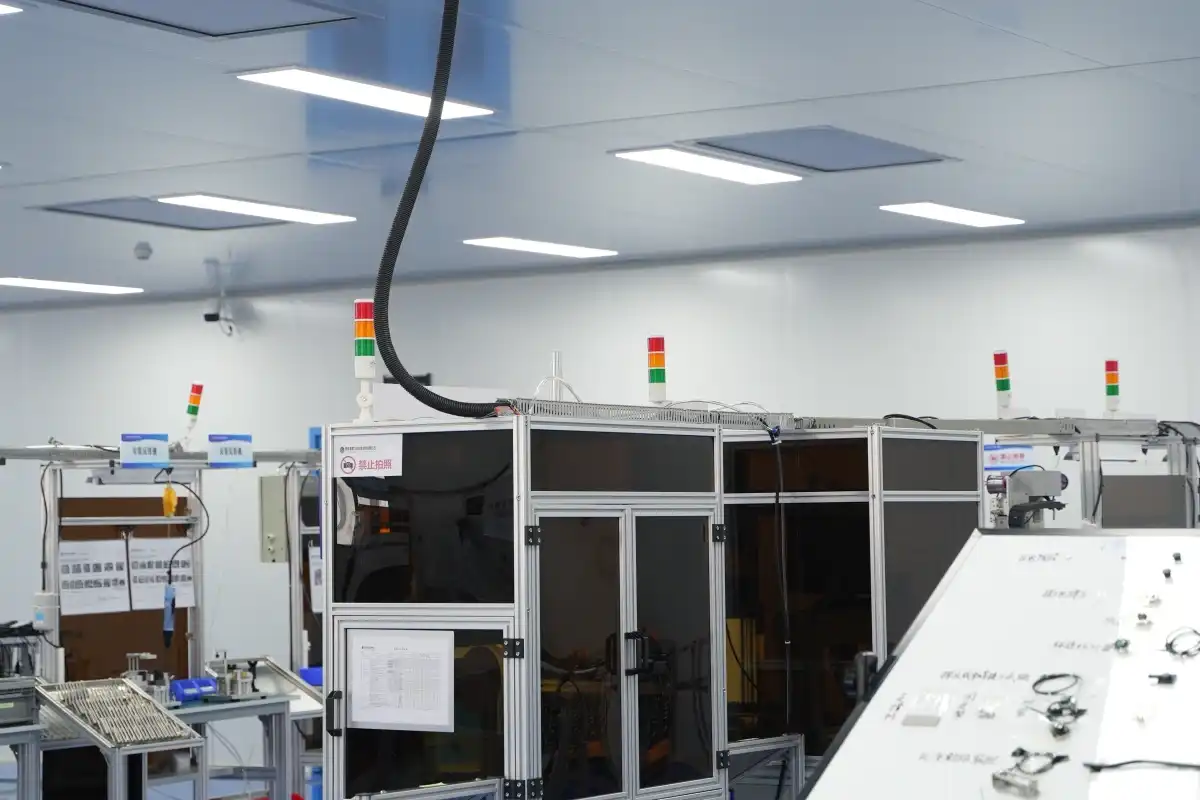
Procurement Guide: Buying Urea Dosing Pressure Sensors for B2B Clients
Understanding procurement channels, verification methods, and cost-optimization tactics helps streamline the process.
Reliable Sourcing Channels
OEMs needing customized or high-volume supply might benefit from direct manufacturer partnerships. Working directly with Qintai provides engineering support for product integration and application-specific adjustments. Direct sourcing reduces distributor markups and ensures product authenticity through verifiable supply networks. Authorized distributors are crucial in aftermarket applications when local inventory and fast availability trump customisation. Reputable wholesalers stock typical sensor variations for repair shops and fleet maintenance. Authorized status verification prevents counterfeit components from compromising system dependability. Online B2B platforms provide sourcing alternatives but require supplier screening. For unknown suppliers, certificates, customer feedback, and sample units reduce hazards. Escrow and payment protection techniques secure international transactions.
Strategies for Volume Purchasing
Properly planned bulk purchase techniques save money. Volume discounts on consolidated orders lower unit prices significantly. Staggered delivery schedules balance inventory carrying costs with per-unit savings, especially for shelf-lifed components. OEMs profit from long-term supplier arrangements with stable volumes. Fixed pricing protects against market changes and allocates capacity amid supply limitations. Performance-based contracts guarantee manufacturing batch quality. Custom Urea dosing pressure sensor creation meets unique needs when off-the-shelf components fail. Qintai's OEM/ODM capabilities enable product customisation from idea to mass manufacturing. The company's 86-person R&D team works with clients to optimise sensors for specific operating circumstances, pressure ranges, and integration limitations.
Future Trends and Innovations in Urea Dosing Pressure Sensor Technology
Urea dosing pressure sensor capabilities grow as pollution standards and linked vehicle technology change. Trends assist procurement teams make strategic decisions that extend product usefulness and delay obsolescence.
Digital Integration and Smart Diagnostics
Next-generation sensors use LIN and CAN bus interfaces. These innovative designs send pressure, diagnostic, temperature compensation, and self-test findings. Digital sensors detect deterioration patterns before functional breakdowns, enabling predictive maintenance. Sensor housings can contain signal conditioning, temperature correction, and diagnostic algorithms utilizing integrated circuit technology. Localized intelligence enhances measurement accuracy across greater operational ranges and reduces ECU processing. Auto-calibration extends service intervals and lowers maintenance expenses.
Enhanced Accuracy and Reliability
Sensor core technology improves measurement precision and stability. Qintai's self-developed sensor core eliminates supply chain dependence and performs reliably. MEMS technology allows miniaturization without losing accuracy or durability. In corrosive urea settings, material science improvements improve durability. Sensor elements are protected from chemical assault and preserve thermal conductivity for precise temperature correction with advanced coatings. These upgrades increase operating lives beyond 12-month warranties.
Regulatory Drivers and Market Evolution
Advanced sensor technologies are used faster due to stricter worldwide pollution rules. Regulations require better dosage, fewer system failures, and better on-board diagnostics. These criteria favor sensors with higher precision, wider working ranges, and complete fault detection. The switch to electric powertrains doesn't remove SCR system demand. For highway operation, hybrid commercial cars with diesel engines need emissions compliance equipment. Emerging markets present growth potential as local regulators embrace Euro VI and China VI standards.
Conclusion
Proper Urea dosing pressure sensor selection and maintenance affect emissions compliance, operating dependability, and total ownership costs. Technical and procurement teams may make better judgments by understanding sensor operation, maintenance, and assessment. The QS-P226 from Qintai combines superior sensor core technology with dependability and extensive certifications to demonstrate current manufacturing quality. As laws tighten and technology evolves, cooperation with skilled manufacturers provides creative solutions that satisfy changing standards and operate consistently across varied applications.
FAQ
Q1: What happens if the urea pressure sensor fails?
A: Urea dosing pressure sensor failure inhibits the ECU from properly adjusting AdBlue dose, disrupting SCR system performance. Engine power may be lowered in limp mode to protect catalysts. ECU-stored diagnostic problem codes raise emissions significantly. The system may disable AdBlue injection for safety, although this violates regulations. Replacement quickly restores normal operation and prevents penalties or limitations.
Q2: How often should urea pressure sensors be calibrated?
A: When used under prescribed conditions, factory-calibrated sensors like the QS-P226 seldom need field calibration. Only after component replacement or diagnostics show measurement drift above specification limits is calibration needed. Annual verification during planned maintenance ensures accuracy, especially for harsh-environment or high-mileage cars.
Q3: What distinguishes the QS-P226 from competing sensors?
A: QS-P226 uses Qintai's self-developed sensor core technology to eliminate supply chain dependency and ensure quality. The sensor performs well in harsh automotive conditions with ±0.5% accuracy from -14 to +130.5 psi and strong environmental sealing. The QS-P226 is a reliable emissions compliance solution for OEMs and aftermarket applications with ISO9001 and IATF16949 certifications and a 12-month guarantee.
Partner with a Leading Urea Dosing Pressure Sensor Manufacturer
Qintai Automotive Emission Technology, China's top OEM provider of SCR aftertreatment systems and pressure sensors, has served diesel engine manufacturers worldwide since 2001. Our sophisticated self-developed core technology and manufacturing expertise provide emissions compliance for heavy trucks, construction machinery, agricultural equipment, and generator sets with our QS-P226 Urea dosing pressure sensor. We support standard requirements and bespoke development projects with over two million sensors produced annually and ISO9001, IATF16949, CE, and REACH certifications. Contact our technical staff at info@qt-sensor.com to discuss your application needs, technical specifications, or next procurement cycle bulk price.

SENSOR+TEST, June 9 – 11, 2026
We look forward to your visit,warmly welcome to our booth 1-634!
Get your free ticket online now:
https://www.sensor-test.de/service/ticket/?52790
References
1. Society of Automotive Engineers. "Diesel Exhaust Emission Control: SCR Systems and Sensors." SAE International Journal of Engines, 2023.
2. Environmental Protection Agency. "Heavy-Duty Engine and Vehicle Standards and Highway Diesel Fuel Sulfur Control Requirements." Federal Register, 2022.
3. International Council on Clean Transportation. "Global Comparison of Heavy-Duty Vehicle Emissions Standards." ICCT Technical Report, 2023.
4. Zhang, L., Wang, H., & Chen, Y. "Sensor Technology in Automotive Emission Control Systems." Automotive Engineering International, 2024.
5. European Automobile Manufacturers Association. "SCR Technology and NOx Reduction Strategies for Commercial Vehicles." ACEA Position Paper, 2023.
6. Liu, S. & Kumar, R. "Precision Measurement in Urea Dosing Systems: Challenges and Solutions." Journal of Automotive Technology and Systems, 2024.

Our customers’ satisfaction speaks for our quality — contact us to experience the same reliable service.