- English
- French
- German
- Portuguese
- Spanish
- Russian
- Japanese
- Korean
- Arabic
- Greek
- German
- Turkish
- Italian
- Danish
- Romanian
- Indonesian
- Czech
- Afrikaans
- Swedish
- Polish
- Basque
- Catalan
- Esperanto
- Hindi
- Lao
- Albanian
- Amharic
- Armenian
- Azerbaijani
- Belarusian
- Bengali
- Bosnian
- Bulgarian
- Cebuano
- Chichewa
- Corsican
- Croatian
- Dutch
- Estonian
- Filipino
- Finnish
- Frisian
- Galician
- Georgian
- Gujarati
- Haitian
- Hausa
- Hawaiian
- Hebrew
- Hmong
- Hungarian
- Icelandic
- Igbo
- Javanese
- Kannada
- Kazakh
- Khmer
- Kurdish
- Kyrgyz
- Latin
- Latvian
- Lithuanian
- Luxembou..
- Macedonian
- Malagasy
- Malay
- Malayalam
- Maltese
- Maori
- Marathi
- Mongolian
- Burmese
- Nepali
- Norwegian
- Pashto
- Persian
- Punjabi
- Serbian
- Sesotho
- Sinhala
- Slovak
- Slovenian
- Somali
- Samoan
- Scots Gaelic
- Shona
- Sindhi
- Sundanese
- Swahili
- Tajik
- Tamil
- Telugu
- Thai
- Ukrainian
- Urdu
- Uzbek
- Vietnamese
- Welsh
- Xhosa
- Yiddish
- Yoruba
- Zulu
Ceramic vs Metal Pressure Sensors: Key Differences
Understanding the distinctions between Ceramic Pressure Sensors and metal pressure sensors is essential when choosing them for diesel engines, SCR aftertreatment systems, or industrial exhaust monitoring. Advanced dielectric materials (96% Al2O3 ceramic) in Ceramic Pressure Sensors provide corrosion resistance, thermal stability, and ±0.5% FS measurement accuracy. Stainless steel or other alloy sensors are mechanically durable and compatible. OEMs and aftermarket purchasers' long-term reliability, emission compliance, and total ownership costs depend on each technology's operating needs.
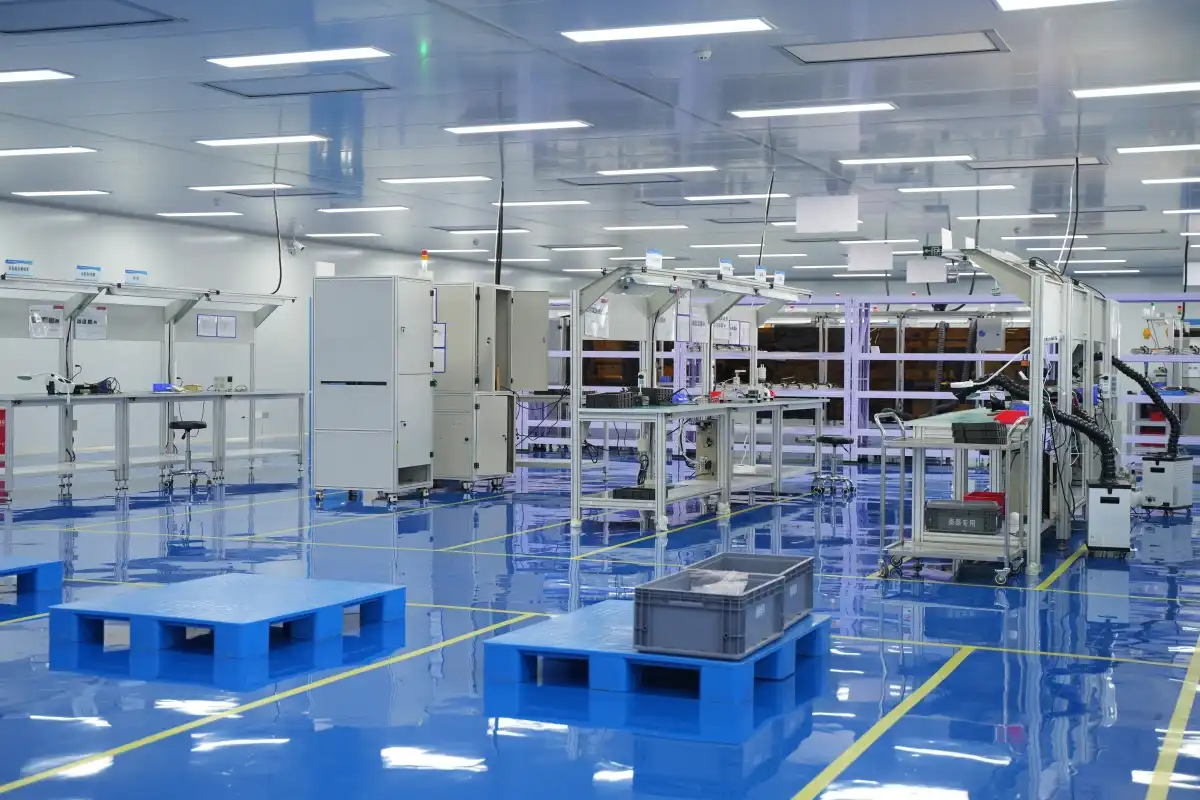
Understanding Ceramic and Metal Pressure Sensors
What Are Ceramic Pressure Sensors?
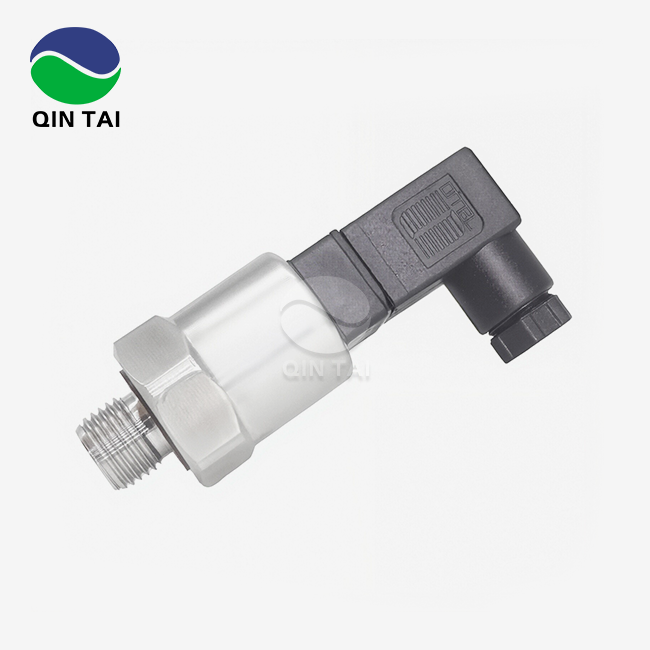
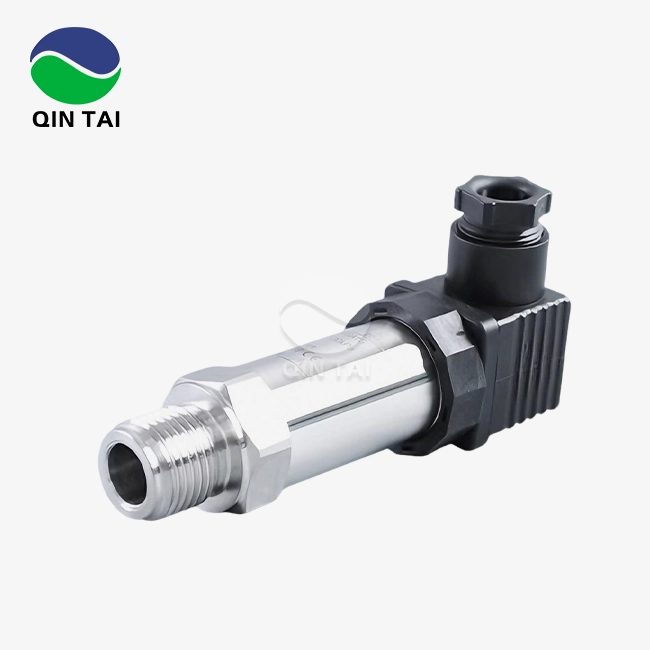
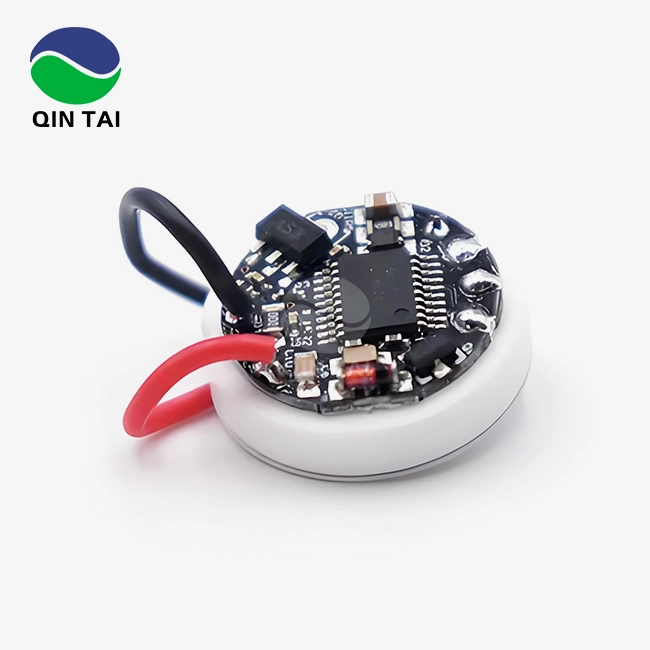
Ceramic Pressure Sensors use piezoresistive technology. Resistance increases appropriately when pressure occurs on this diaphragm, turning mechanical force into accurate electrical impulses. The 96% alumina ceramic structure resists chemical assault, maintains dimensional stability, and works consistently from -40°C to 135°C. Qintai QS-P105 models demonstrate this method, sensing pressures from -1 bar to 600 bar with non-linearity < 0.3% FS and sensitivity of 2-4.0 mV/V.
How Metal Pressure Sensors Work?
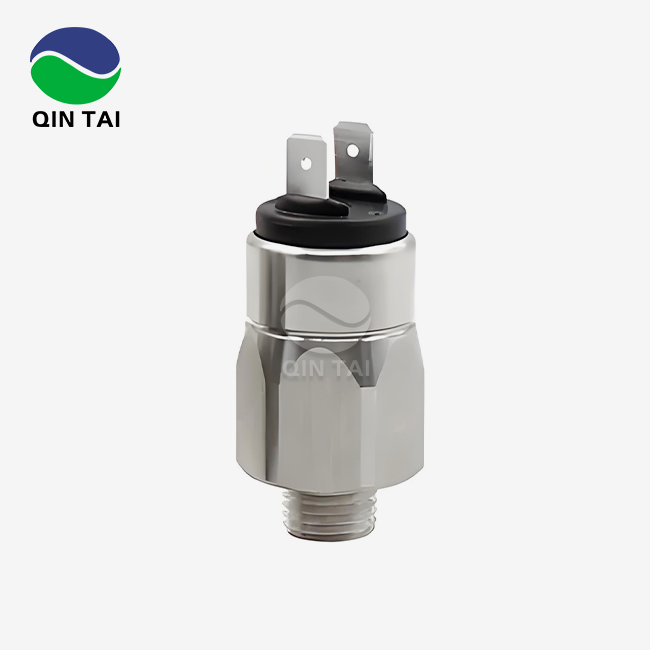
Metal sensors use stainless steel diaphragms and strain gauges or capacitive elements. Pressure changes the metal membrane's electrical characteristics, affecting bonded sensor elements. Metal sensors are ideal for mechanically demanding, shock- and vibration-tolerant, and cost-sensitive applications. When chemical exposure is moderate, they work well in hydraulic systems, pneumatic controls, and industrial automation.
Sensing Technology Comparison
Ceramic Pressure Sensors and metal sensors use piezoresistive, capacitive, or piezoelectric principles. Piezoresistive Ceramic Pressure Sensors' electromagnetic interference resistance and zero-point stability make them popular in diesel aftertreatment. Metal sensors use capacitive sensing for low-pressure applications and piezoelectric crystals for dynamic readings. Understanding these technological differences helps procurement managers match sensor properties to emission compliance, integration complexity, and calibration intervals.
Key Differences Between Ceramic and Metal Pressure Sensors
Material Properties and Corrosion Resistance
Ceramic Pressure Sensors are more chemically inert than metal ones. In SCR and DPF systems, Al2O3 ceramics resist sulfuric acid, ammonia, urea, and particulate matter. Despite corrosion-resistant coatings or alloys, metal sensors deteriorate quicker in aggressive exhaust gases or industrial chemicals. Ceramic materials minimize sensor replacement frequency by three to five times, reducing heavy truck, construction machinery, and generator set downtime.
Accuracy and Long-Term Stability
Measurement accuracy affects emission control and process optimization. Ceramic diaphragm pressure transmitters offer precise precision (≤ ±0.5% FS) with low hysteresis and high repeatability. Zero temperature drift is < 0.05% FS/°C, ensuring reliable measurements during heat cycles. Metal sensors need periodic recalibration due to creep and stress relaxation. Ceramic Pressure Sensors' precision helps R&D engineers meet China VI or Euro VI compliance by reducing NOx and controlling DPF regeneration.
Temperature Resistance and Thermal Management
These technologies differ greatly in operating temperatures. Ceramic pressure transducers can withstand exhaust gas temperatures from -40°C to 150°C or more in diesel aftertreatment paths. Metal sensors can only operate from -20°C to 125°C, preventing installation near turbochargers or exhaust manifolds. For OEMs building small, high-performance engine platforms, wide temperature tolerance simplifies sensor installation, minimizes cooling, and improves system integration.
Size, Integration, and Customization Flexibility
Ceramic Pressure Sensor modules fit in narrow engine compartments and SCR housings where metal designs are limited. Aftertreatment system integrators may customize interfaces, pressure ranges, and electrical outputs with the QS-P105 model. Metal sensors facilitate aftermarket retrofits with more mounting possibilities and standardized thread connections. Supply chain managers who balance rapid delivery and adaptability benefit from Ceramic Pressure Sensors' modification for unique system designs.
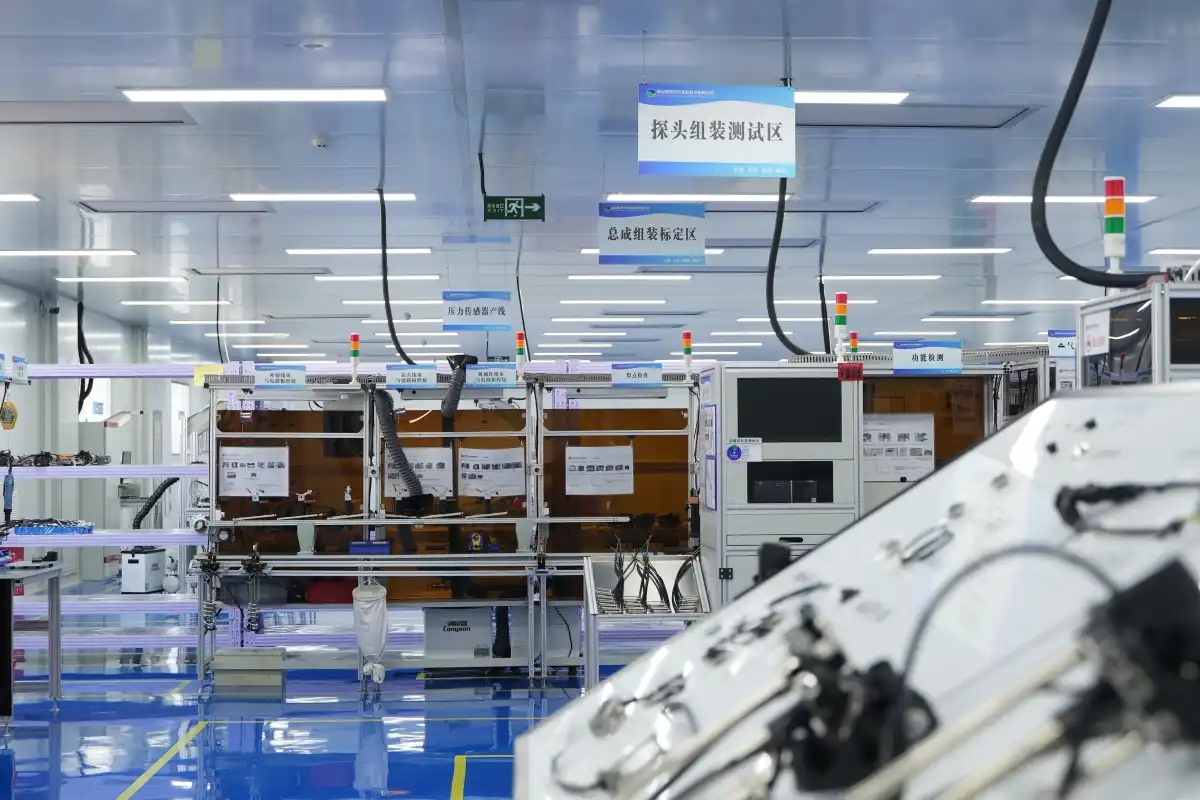
Application Scenarios and Industry Use Cases
Diesel Engine Aftertreatment Systems
To optimize urea injection, identify filter blockage, and comply with emissions, SCR and DPF systems need accurate pressure monitoring. Ceramic Pressure Sensors installed in exhaust lines can endure ammonia byproducts, particle pollutants, and thermal cycling between regenerations. Replacement of metal sensors with ceramic ones by a major heavy vehicle manufacturer reduced failure rates by 60% and extended maintenance intervals from 50,000 to 150,000 kilometers. This durability increase reduced warranty costs and improved customer satisfaction.
Generator Sets and Backup Power Systems
Sensors for industrial generator sets in mines, power plants, and data centers must enable continuous operation. Over 10,000 service hours, ceramic pressure transducers monitor oil pressure, fuel injection, and turbocharger boost effectively. Ceramic Pressure Sensors decrease unexpected maintenance, parts inventory, and generator availability for backup power applications, unlike metal sensors that wander after 3,000 hours.
Construction and Agricultural Machinery
Metal sensors' mechanical durability and cost-effectiveness aid excavators, loaders, and tractors' hydraulic systems. Machines in corrosive environments—coastal building sites, ammonia-fertilized fields—degrade metal sensors faster. Total cost of ownership is optimized by hybrid techniques employing Ceramic Pressure Sensors for key control loops and metal sensors for non-corrosive auxiliary systems. Purchasing managers control costs by preserving stability and uniformity across varied operational situations.
Environmental Protection Equipment
Industrial exhaust gas treatment systems monitor filter differential pressure, scrubber performance, and emission stack conditions via Ceramic Pressure Sensors. Accurate detection improves compliance reporting, predictive maintenance, and treatment efficiency. In a chemical plant pressure monitoring upgrade, Ceramic Pressure Sensors were chosen for their system integration and ±0.3% measurement accuracy, leading to enhanced process control and 25% emission variance reduction.
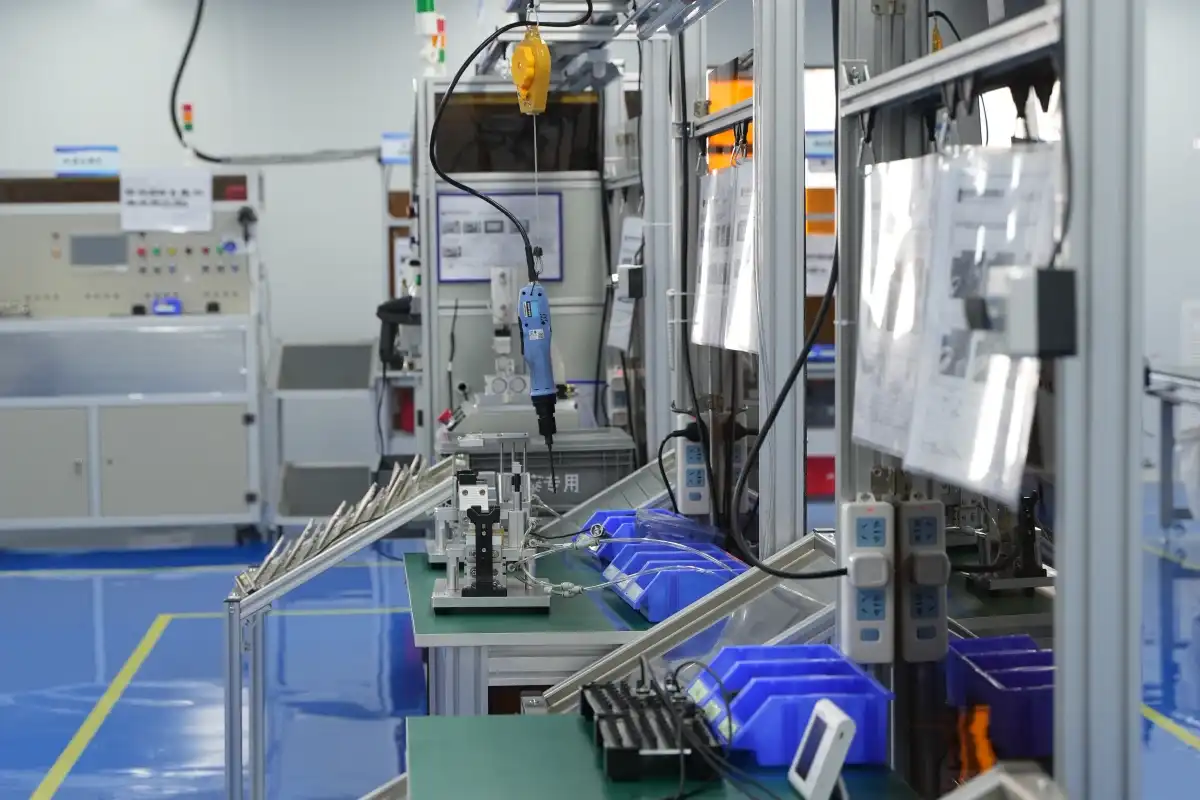
Procurement Considerations for B2B Clients
Critical Specifications and Performance Metrics
When buying pressure sensors, procurement managers must consider various technical factors. Pressure range compatibility lets sensors manage operating extremes and safety overload margins—typically 200% FS for Ceramic Pressure Sensors. Accuracy standards (≤ ±0.5% FS) impact control system performance and regulatory compliance. Electrical integration across vehicle platforms and equipment systems is simplified by QS-P105 supply voltage versatility (2-30 VDC). Temperature coefficient and zero drift affect seasonal and duty cycle measurement reliability. Bridge resistance (11 ±30% kΩ) impacts signal processing and sensor compatibility with current equipment. These specifications are thoroughly compared to application requirements to avoid costly mismatches and integration delays.
Supplier Certifications and Quality Assurance
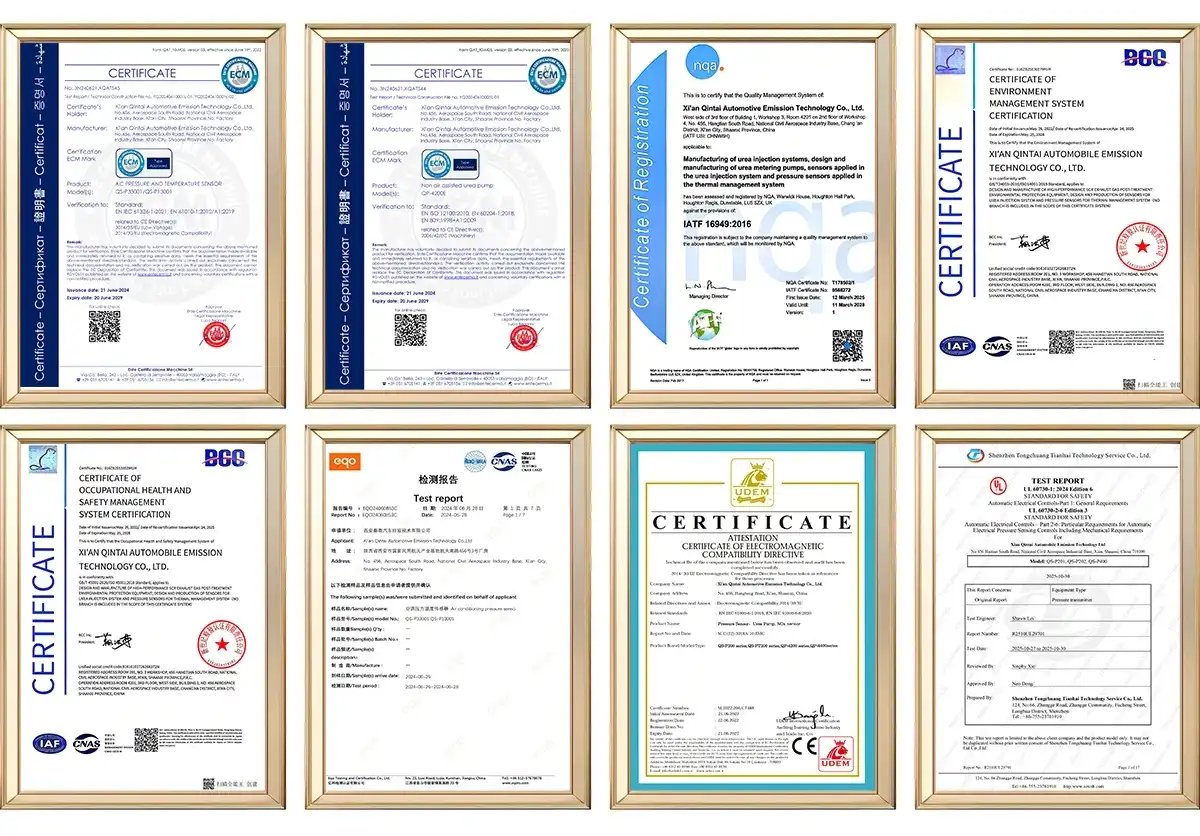
Reputable Ceramic Pressure Sensors manufacturers have design, production, and product safety certifications. Quality management systems certified by ISO9001 and IATF16949 meet automotive industry requirements. Sensors with ATEX or Ex certifications are suitable for fuel system explosive atmospheres. CE, RoHS, and REACH certification secures European and global regulatory approval. Established in 2001, Xi'an Qintai Automotive Emission Technology has these certifications and 58 invention patents, demonstrating creativity. Supplier credential verification reduces supply chain risk, fulfills audit requirements, and increases procurement reason for management approval.
Evaluating Manufacturing Capacity and Lead Times
Mass manufacturing capacity influences whether suppliers can meet OEM demand increases or aftermarket volume swings. Ceramic Pressure Sensor production lines from top manufacturers produce over 50,000 units every month. Customization timelines—from 4 weeks for parameter tweaks to 12 weeks for new mechanical designs—impact project and market launch timeframes. Rapid delivery supports just-in-time manufacturing and urgent aftermarket needs. Quick fulfillment by suppliers with conventional pressure ranges in stock reduces purchasing managers' inventory carrying expenses. Framework agreements with volume discounts and specified lead times offer predictable procurement conditions for long-term cooperation.
Making the Right Choice: Decision Support Framework
Matching Sensor Technology to Application Requirements
Ceramic Pressure Sensors or metal sensors must be chosen by weighing application factors against technological strengths. Ceramic solutions excel in harsh chemical conditions, high temperatures, and long-term precision. Budget-conscious projects, high-vibration applications, and metal sensor ecosystems may justify older methods. Technical divisions pick based on functional needs, whereas buying departments assess total cost of ownership—initial price, longevity, calibration frequency, and failure rates. Managers evaluate suppliers based on financial soundness, certification depth, and strategic relationship prospects.
Industry-Specific Recommendations
Diesel engine OEMs seeking China VI and Euro VI compliance should emphasize Ceramic Pressure Sensors in SCR, DPF, and EGR circuits, where corrosion and accuracy impact emission performance. Ceramic Pressure Sensors' compatibility, flexible interfaces, and technical assistance for complicated integration issues benefit aftertreatment system integrators. Ceramic Pressure Sensors' prolonged lifespan balances higher initial costs, giving commercial vehicle aftermarket customers a better return on investment. Generator sets that prioritize industrial dependability use Ceramic Pressure Sensors for vital pressure monitoring and metal sensors for non-critical auxiliary operations. For compliance paperwork and process improvement, environmental protection equipment engineers need precise detection. Premium placement is justified by Ceramic Pressure Sensors' accuracy and system integration.
Total Cost of Ownership Analysis
Beyond purchase price, cost evaluation includes installation labor, calibration frequency, replacement cycles, and downtime. Ceramic Pressure Sensors last three to five times longer than metal ones, reducing replacement part procurement, inventory management, and maintenance. Accuracy reduces control system adjustment and boosts process efficiency. Metal sensors' lower initial cost appeals to cost-sensitive groups, but frequent replacements and calibration increase lifespan costs. Quantifying these elements lets buying managers make data-driven recommendations that meet business financial and operational goals.
Conclusion
Application-specific criteria balance corrosion resistance, accuracy, thermal performance, and total ownership costs when choosing Ceramic Pressure Sensors or metal sensors. In diesel aftertreatment systems, generator sets, and environmental monitoring, Ceramic Pressure Sensors perform well in hostile chemical conditions, high temperatures, and precision measurements.
For cost-sensitive applications with minimal environmental exposure, metal sensors work. Supplier certifications, production capacity, customization flexibility, and technical criteria are essential for B2B procurement success. Structured decision frameworks combine technology strengths to operational requirements to help purchasing managers, R&D engineers, and technical managers find pressure sensing solutions for emission compliance, system dependability, and competitive advantage.
FAQ
Q1: What advantages do ceramic pressure sensors offer over metal sensors?
A: Ceramic Pressure Sensors can survive sulfuric acid and ammonia, which quickly corrode metal sensors. They offer greater precision (±0.5% FS) and heat stability (-40°C to 135°C), decreasing calibration and prolonging service life by 3 to 5 times over metal alternatives.
Q2: Can ceramic sensors handle high-pressure applications?
A: Absolutely. The QS-P105 Ceramic Pressure Sensor diaphragm pressure transmitter measures 600 bar with 200% FS safety overload protection. Hydraulic systems, fuel injection monitoring, and industrial process control benefit from the 96% Al2O3 ceramic construction's high-pressure and chemical resilience.
Q3: How do I ensure sensor quality when procuring for industrial applications?
A: Check supplier ISO9001, IATF16949, and safety clearances (ATEX, CE, UL). Request technical specifications on accuracy, temperature coefficients, and pressure range. Facility audits or third-party assessments verify production capability. Before placing large orders, test samples under real-world settings to ensure applicability and long-term dependability.
Partner with Qintai for Advanced Ceramic Pressure Sensor Solutions
The leading Ceramic Pressure Sensor provider to Weichai Power, Yuchai Power, and Quanchai Power in China, Xi'an Qintai Automotive Emission Technology has over two decades of pressure sensor production experience. The QS-P105 model offers superior corrosion resistance, ±0.5% FS accuracy, and adjustable configurations for diesel engine aftertreatment, generator set, and environmental protection equipment.
We provide OEM and ODM services from idea to mass manufacturing with ISO9001, IATF16949, and 58 innovation patents supporting our independent R&D. Contact info@qt-sensor.com to discuss your pressure sensing needs, seek technical details, or request a sample to see how Qintai Ceramic Pressure Sensors improve system performance and dependability.

SENSOR+TEST, June 9 – 11, 2026
We look forward to your visit,warmly welcome to our booth 1-634!
Get your free ticket online now:
https://www.sensor-test.de/service/ticket/?52790
References
1. Smith, J. R., & Chen, L. (2022). Advanced Ceramic Materials in Automotive Sensors: Performance and Durability Analysis. Society of Automotive Engineers International.
2. European Emission Standards Technical Committee. (2021). Pressure Measurement Requirements for Euro VI Diesel Engine Aftertreatment Systems. European Union Publications Office.
3. Industrial Sensor Technology Institute. (2023). Comparative Study of Piezoresistive Pressure Sensors: Ceramic vs. Metallic Diaphragms. Journal of Industrial Instrumentation, 47(3), 112-128.
4. Williams, T. K. (2022). Corrosion Resistance in Harsh Environment Sensors: Material Selection Strategies. Materials Science and Engineering Quarterly, 35(2), 89-104.
5. Zhang, W., & Kumar, P. (2023). Thermal Stability and Long-term Performance of Ceramic Pressure Transducers in Diesel Applications. International Journal of Automotive Technology, 24(1), 67-82.
6. Global Pressure Sensor Market Analysis Group. (2023). OEM Procurement Trends in Industrial Pressure Sensing Technology. B2B Industrial Electronics Report, Annual Edition.

Our customers’ satisfaction speaks for our quality — contact us to experience the same reliable service.