- English
- French
- German
- Portuguese
- Spanish
- Russian
- Japanese
- Korean
- Arabic
- Greek
- German
- Turkish
- Italian
- Danish
- Romanian
- Indonesian
- Czech
- Afrikaans
- Swedish
- Polish
- Basque
- Catalan
- Esperanto
- Hindi
- Lao
- Albanian
- Amharic
- Armenian
- Azerbaijani
- Belarusian
- Bengali
- Bosnian
- Bulgarian
- Cebuano
- Chichewa
- Corsican
- Croatian
- Dutch
- Estonian
- Filipino
- Finnish
- Frisian
- Galician
- Georgian
- Gujarati
- Haitian
- Hausa
- Hawaiian
- Hebrew
- Hmong
- Hungarian
- Icelandic
- Igbo
- Javanese
- Kannada
- Kazakh
- Khmer
- Kurdish
- Kyrgyz
- Latin
- Latvian
- Lithuanian
- Luxembou..
- Macedonian
- Malagasy
- Malay
- Malayalam
- Maltese
- Maori
- Marathi
- Mongolian
- Burmese
- Nepali
- Norwegian
- Pashto
- Persian
- Punjabi
- Serbian
- Sesotho
- Sinhala
- Slovak
- Slovenian
- Somali
- Samoan
- Scots Gaelic
- Shona
- Sindhi
- Sundanese
- Swahili
- Tajik
- Tamil
- Telugu
- Thai
- Ukrainian
- Urdu
- Uzbek
- Vietnamese
- Welsh
- Xhosa
- Yiddish
- Yoruba
- Zulu
Pressure and Temperature Transmitter Uses in Automotive Cooling
Pressure and Temperature transmitters monitor engines in real time to prevent overheating and optimize performance in automobile cooling systems. These devices allow diesel engine makers, aftertreatment integrators, and vehicle system designers to precisely manage coolant conditions with accurate sensing and dependable signal output. In heavy trucks, construction machinery, and generator sets, integrated Pressure and Temperature transmitters reduce installation complexity and improve measurement correlation by measuring pressure and temperature simultaneously. This is crucial for meeting strict emission standards and ensuring engine reliability.
Understanding Pressure and Temperature Transmitters in Automotive Cooling
To prevent catastrophic breakdowns and preserve efficiency under varying load circumstances, modern car cooling systems require continual monitoring. A closed-loop system that automatically changes coolant flow and fan operation uses Pressure and Temperature transmitters to translate physical parameters into electrical signals control units can understand.
How Transmitters Differ from Basic Sensors?
Basic sensors detect physical changes, but Pressure and Temperature transmitters amplify and condition them into standardized outputs for electronic control modules. A Pressure and Temperature transmitter converts a sensor's millivolt-level signal that changes with temperature into a steady 0.5V to 4.5V output that is constant across environmental conditions. This difference is important in commercial vehicles because electrical noise and vibration might impair signal integrity. The integrated architecture avoids measurement correlation errors from separate devices monitoring conditions at various places. Temperature variations of 15-20°C between coolant exiting the engine block and entering the radiator might deceive sensors. For cooling system efficiency diagnosis, dual-parameter Pressure and Temperature transmitters calculate superheat accurately at one site.
Common Transmitter Technologies in Automotive Applications
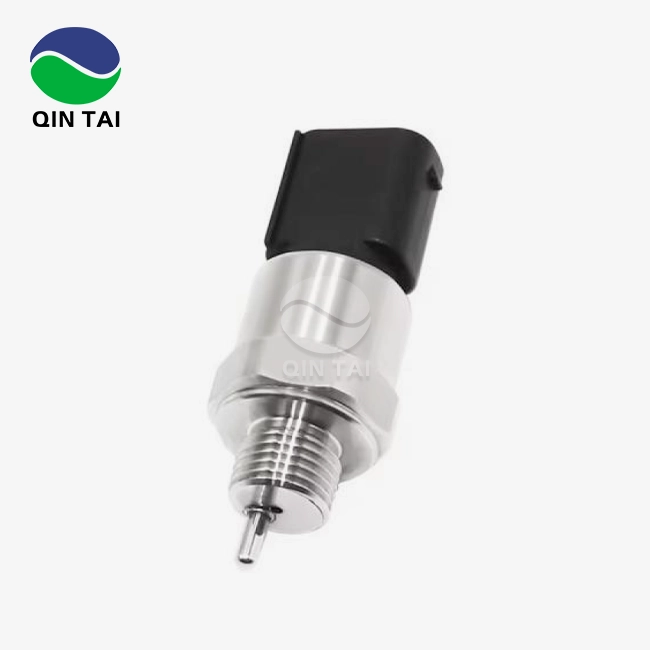
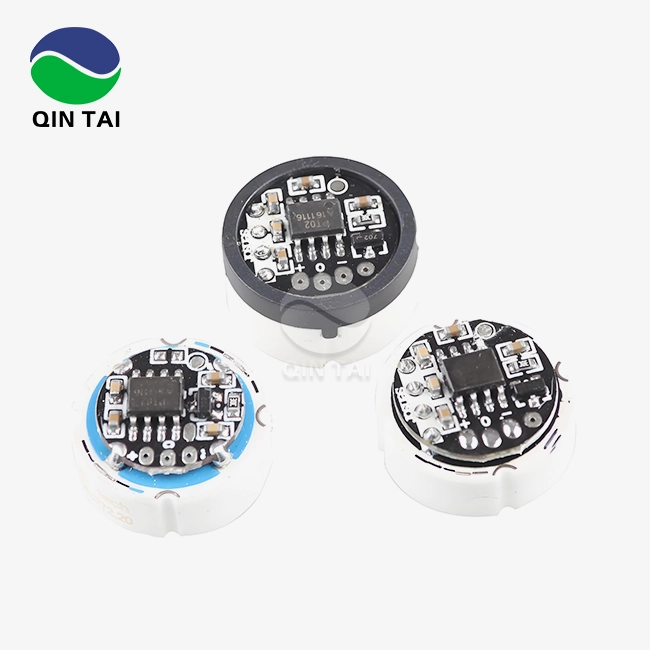
Thermal stability and medium contamination resistance make ceramic pressure sensors popular in automotive applications. Ceramic elements preserve calibration accuracy in diesel engine cooling loops' -40°C to 130°C working range, unlike metal diaphragm systems that wander with thermal cycling. The Qintai QS-PT225 combines established technology with an NTC thermistor for ±1.0% full-scale temperature accuracy.
Analog voltage output is the primary automobile interface. Digital protocols like HART or Modbus provide sophisticated diagnostics, but their communication overhead makes incorporation into engine control designs difficult. QS-PT225's 0.5-4.5V analog signal seamlessly interacts with conventional ECU inputs, simplifying validation and decreasing development costs for OEM engineers on tight production deadlines. Material choice affects hostile environment service life. Glycol-based coolants, hybrid system POE oils, and cold start condensates do not damage 304 stainless steel. The PPE+PAGF30 connection housing resists UV deterioration and seal integrity across thousands of heat cycles, addressing a prevalent failure issue in commercial vehicles with extreme underhood temperatures.
Key Performance Factors in Automotive Pressure and Temperature Transmitters
Accurate measurements don't ensure system reliability. Installation, calibration, and maintenance determine whether Pressure and Temperature transmitters provide consistent data throughout time.
Calibration Requirements for Automotive Cooling Systems
Factory calibration sets baseline accuracy, but field verification assures Pressure and Temperature transmitter performance after installation. The QS-PT225's ±1.0% full-scale specification is for controlled laboratory circumstances, but real system accuracy may consider mounting tension, electrical interference, and media contamination. Before installation, R&D engineers should use reference-grade instrumentation to evaluate output at three operational range points.
Total error band parameters show real-world performance better than accuracy. The ±3% overall error band from -30°C to 130°C reflects temperature-induced drift, hysteresis, and repeatability issues. Instead of using optimistic accuracy promises that only apply at 25°C ambient circumstances, this honest standard lets purchasing managers evaluate goods objectively.
Worst-case requirements are more significant than ideal-condition performance for agricultural diesel engines due to -20°C winter starts and 50°C underhood temperatures during summer harvest operations. Calibration drift monitoring detects steady decline. If coolant pressure rises for months without temperature changes, sensor drift or system limitation may occur. Initial baseline measurements at commissioning and frequent verification against portable calibrators detect issues before they become overheating or emission control failures.
Installation Best Practices for Maximum Reliability
The right installation position balances sensor lifespan and measurement precision. Putting Pressure and Temperature transmitters in high-flow zones speeds heat response but exposes sensors to erosion and vibration. The QS-PT225's 304 stainless steel probe resists erosion, however installing upstream of pumps or in stagnant pockets reduces stress. The recommended mounting torque of 10-20 N·m eliminates leaks and mounting tension, which can impact pressure measurements.
Electrical connection integrity is as important as mechanical installation. Poor wire routing causes signal noise from the QS-PT225's TE 1-967640-1 connector's latching and environmental sealing. In electrically loud commercial vehicles, twisted-pair shielded cable and at least 10 cm separation of Pressure and Temperature transmitter wire from high-current actuator cables reduce electromagnetic interference. Reverse polarity protection avoids installation damage, and power supply control within 4.75-5.25VDC enables reliable operation over battery voltage variations.
Maintenance Strategies to Extend Service Life
Pressure and Temperature transmitters need just connection inspection and verification, unlike replacement filter parts. Switching from ethylene glycol to propylene glycol or adding coolant additives might decrease sensor accuracy if formulas aren't suitable. Maintaining coolant within manufacturer standards safeguards the cooling system and measuring equipment.
Diagnostic fault codes generally indicate Pressure and Temperature transmitter problems. Rising pressure with dropping temperature indicates sensor failure or system issues such air intrusion. The QS-PT225's wide overvoltage protection to 32V DC protects against electrical transients, but repetitive voltage spikes destroy components. Surge protection on Pressure and Temperature transmitter power feeds in mobile equipment vulnerable to jump-starting and load-dump transients extends longevity.
Comparison and Selection Criteria for Automotive Cooling Applications
Choose the correct Pressure and Temperature transmitter technology by learning how different designs meet monitoring needs. Compare initial purchase price to lifespan costs such installation labor, maintenance, and replacement frequency.
Functional Priorities in Different Cooling System Designs
Heavy trucks value durability and temperature range over precision. Between Canadian winters and Texas summers, a line-haul truck suffers a 100°C temperature change yearly. Devices like the QS-PT225 can operate from -40°C to 130°C without seasonal Pressure and Temperature transmitter changeovers, lowering maintenance costs for fleet owners with thousands of cars.
Generator set applications prioritize stability above speed. Over time, stationary power equipment's steady load makes measurement drift more important than millisecond reaction times. Unlike mission-critical backup power systems at hospitals and data centers, ceramic pressure sensor technology retains calibration over years of continuous operation, preventing downtime.
Construction machinery housings must withstand stress and contamination. Poorly sealed connections are contaminated by airborne particles and hydraulic fluid mist at quarries and demolition sites. Industrial-grade connections' IP67-equivalent sealing prevents moisture intrusion that causes corrosion and signal deterioration, preserving measurement integrity under pressure washing and weather extremes.
Evaluating Transmitter Specifications Against Application Requirements
Selection of pressure range influences accuracy and safety. In a 2 Bar system, specifying an 0-40 Bar Pressure and Temperature transmitter affects resolution and accuracy since the signal fills just a tiny amount of the output span. The QS-PT225 uses configurable pressure ranges (0-5 Bar to 0-40 Bar) to complement cooling system designs and maximize measurement precision while protecting against overpressure.
System integration difficulty depends on output signal type. Analog voltage outputs work with most engine control devices without protocol converters or software. The 0.5-4.5V range allows defect identification; readings below 0.4V or above 4.6V indicate wire or sensor failures, enabling predictive maintenance. Digital Pressure and Temperature transmitters improve diagnostics but require appropriate ECU inputs that may not be in current equipment, making retrofit applications difficult for aftermarket vendors.
Material-process media compatibility prevents failure. European markets use longer-lasting organic acid technology (OAT) coolants, whereas North American fleets employ silicate. The QS-PT225's 304 stainless steel wetted materials withstand corrosion from both chemistries, but purchasing managers should check compatibility when using unusual fluids such potassium formate antifreeze in ecologically sensitive areas.
Procurement Guide: Buying Pressure and Temperature Transmitters for Automotive Cooling
Efficiency in sourcing Pressure and Temperature transmitters balances technical criteria with commercial factors including delivery lead times, warranty conditions, and supplier capacity to support production volume. OEMs developing new engine platforms require vendors that can scale from prototype to large production without quality loss.
Supplier Evaluation Criteria for Long-Term Partnerships
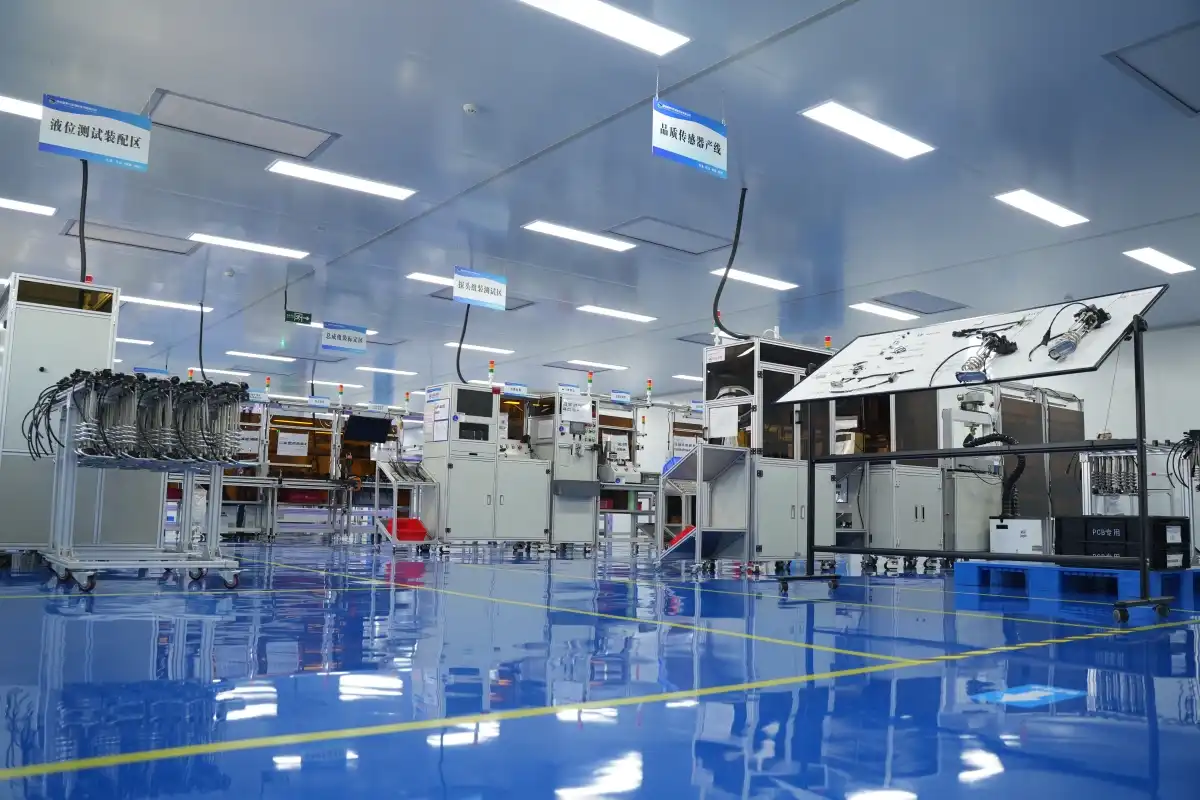
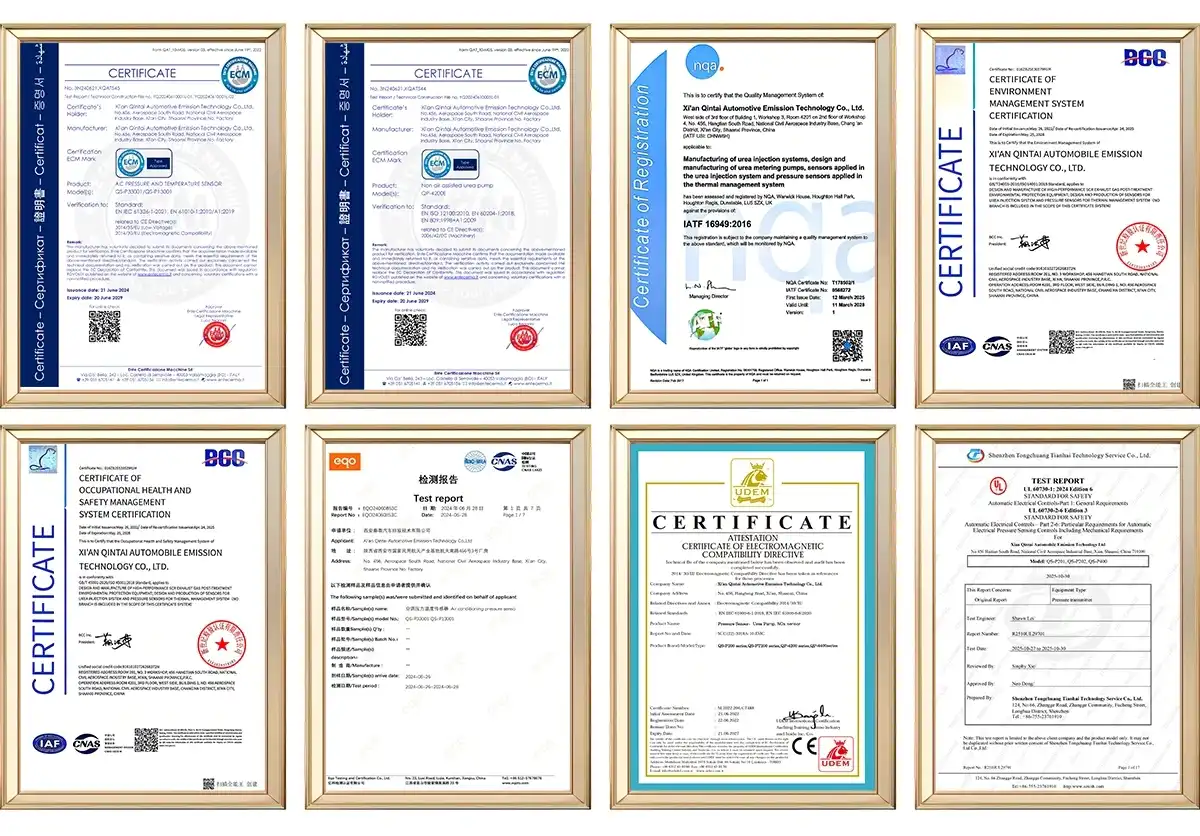
Certification suggests manufacturing maturity and quality system strength. IATF 16949 certification covers automotive supply chain standards beyond ISO 9001 quality management, including PPAP and FMEA documentation. This accreditation shows that suppliers can manage engineering changes and track lots, which is crucial during recalls or design revisions.
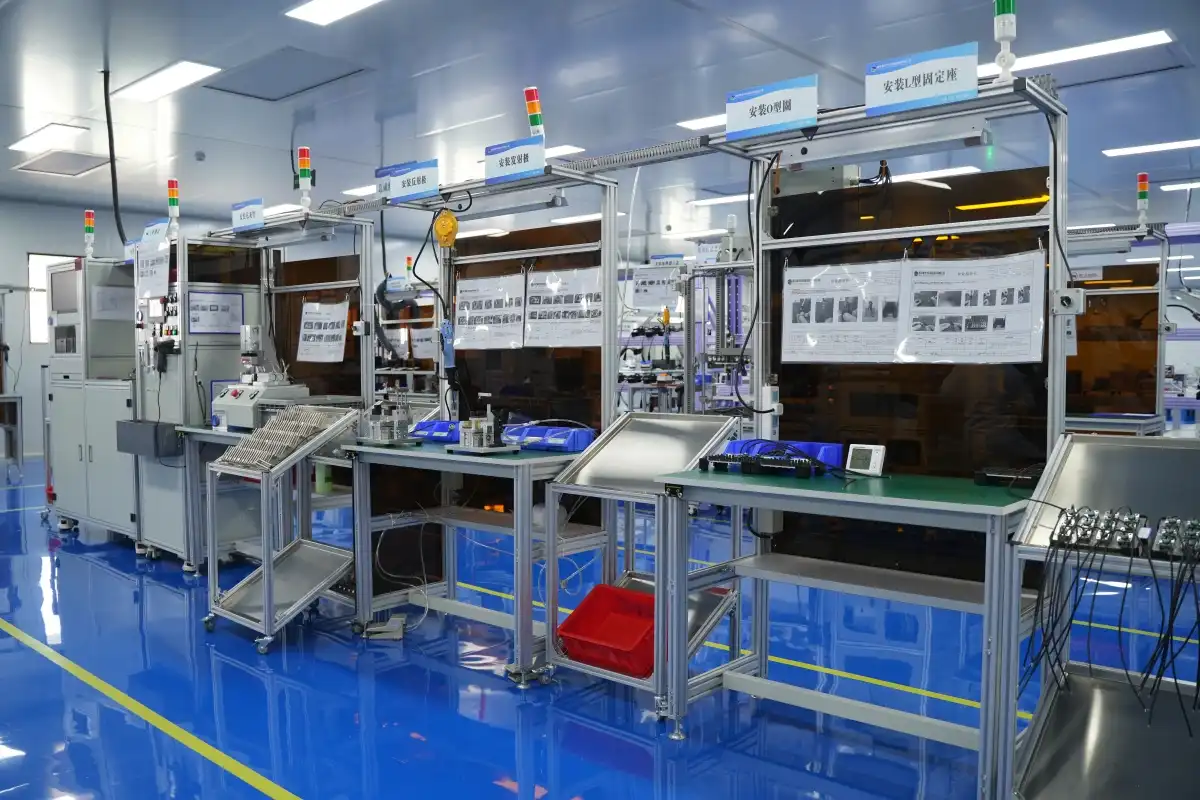
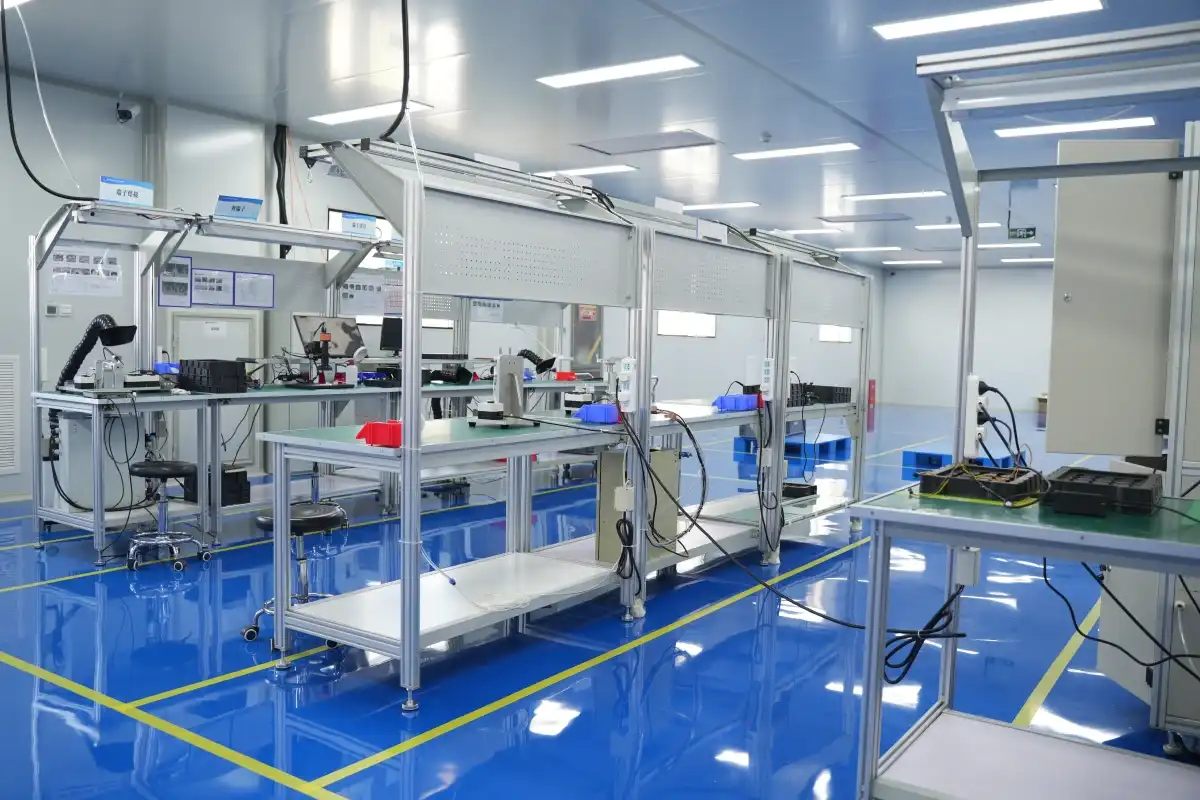
Verifying manufacturing capacity prevents production ramp-up bottlenecks. A good Pressure and Temperature transmitter provider may lack the capital equipment and manpower to produce 10,000 units per month when production begins. As the premier OEM supplier to Weichai Power and Yuchai Power, Qintai's high-volume production capabilities reduces risk for international clients assessing new suppliers.
Technical assistance responsiveness determines application issue resolution speed. Problem-solving processes might take days due to time zone variations between US and Asian vendors. Having clear communication routes with Pressure and Temperature transmitter engineering teams and setting response time standards in procurement agreements saves irritation during product validation or field problems.
Cost Optimization Strategies for Volume Purchases
Overall cost of ownership includes product pricing, installation labor, inventory carrying expenses, and warranty claims processing. When U.S. assembly labor costs approach $75/hour, a Pressure and Temperature transmitter priced 15% greater than rivals may save installation time by 30% due to improved connection design, saving money. Lower failure rates minimize warranty reserve needs and safeguard brand reputation, which OEMs need since cooling system failures cause customer unhappiness and dealer service visits.
Bulk buying improves pricing but increases inventory risk if demand projections are wrong. Negotiating blanket purchase orders with planned releases balances volume discounts and inventory expenses. This technique provides attractive pricing while allowing suppliers to adapt production schedules as market circumstances change, which is especially useful in cyclical sectors like construction equipment where demand swings with economic conditions. Customization goes beyond catalog options to meet application needs. The QS-PT225's configurable pressure ranges and process connections allow for different cooling system topologies without expensive bespoke tooling. Suppliers that customize parameters through software configuration rather than hardware alterations cut development costs and speed up new equipment releases.
Documentation and Compliance Verification
Supplier engineering competency is shown by technical datasheet completeness. Design validation without recurrent clarification requests is possible with comprehensive electrical, environmental, and mechanical standards. Incomplete or unclear Pressure and Temperature transmitter datasheets indicate immature product development and raise prototype testing surprises.
Equipment certification is easier with regulatory compliance documents. When incorporating UL, CE, and RoHS Pressure and Temperature transmitters into generator sets or construction gear for foreign markets, approval is easier. Pressure and Temperature transmitter test reports and declarations of conformance minimize OEM compliance teams' documentation load to fulfill varied regional standards. Material declarations promote recycling and environmental causes. Automotive manufacturers increasingly want disclosure on component compounds of concern to allow end-of-life vehicle recycling. Detailed material composition data and conflict minerals declarations show Pressure and Temperature transmitter corporate social responsibility beyond regulatory compliance.
Future Trends and Innovations in Automotive Cooling Transmitters
The automobile industry is electrifying and becoming more connected, offering new sensing opportunities. Smarter, more integrated Pressure and Temperature transmitters promote predictive maintenance solutions that lower operating expenses.
Advanced Sensor Integration for Compact Designs
Putting numerous sensor capabilities in one device simplifies wire harnesses and installation. In addition to Pressure and Temperature measurement, next-generation Pressure and Temperature transmitters may measure coolant level and flow. This simplification reduces assembly labor costs and eliminates leak spots from many threaded connections, enhancing dependability.
MEMS manufacturing allows downsizing without losing performance. Micro-electromechanical systems manufacturing makes sensor parts smaller, allowing Pressure and Temperature transmitters to fit into narrower engine chambers. Vehicle manufacturers strive to decrease every gram of bulk to increase fuel economy and fulfill carbon emissions objectives. Smaller size saves material costs and weight.
Digital Intelligence and Predictive Analytics
Pressure and Temperature transmitters' edge computing capabilities process data locally before sending it to control units. Smart Pressure and Temperature transmitters can compute coolant boiling margin and trend analysis to forecast failures instead of providing pressure and temperature readings. This computing distribution minimizes bandwidth and speeds local abnormal condition reaction. IIoT connection turns Pressure and Temperature transmitters into asset management nodes. Wireless data transfer provides remote monitoring of scattered equipment like generator installations or agricultural machines on large farms. Fleet managers optimize maintenance scheduling and uncover systemic issues by seeing cooling system health across all vehicles.
Machine learning algorithms see minor signs of trouble. A slow pressure increase over weeks may go unnoticed during normal inspections but indicates scale accumulation or deteriorated hoses limiting cooling. Advanced analytics enabled by high-resolution time-series Pressure and Temperature transmitters transform maintenance from reactive to proactive interventions that prevent costly breakdowns and unscheduled downtime.
Enhanced Materials for Extreme Environments
New applications expand Pressure and Temperature transmitter capability. Hybrid and electric car cooling systems require higher material standards due to increased pressures and temperatures. High-temperature ceramics and improved seal materials research expands operational envelopes while retaining automotive applications' long-term stability. Additive manufacturing allows complicated shapes that machining cannot. 3D-printed manifold blocks with sensing devices in coolant passageways minimize mounting bosses and leaks. This manufacturing flexibility allows quick prototyping and small-batch manufacture of specific application versions without expensive tooling.
Conclusion
Technical performance, installation complexity, supplier reliability, and overall lifetime costs must be considered when choosing an automobile cooling system pressure and temperature monitoring solution. With established ceramic sensor technology, sturdy construction, and numerous customization possibilities, integrated Pressure and Temperature transmitters like the QS-PT225 fulfill several OEM needs. As the automobile industry adopts smarter, more efficient powertrains, Pressure and Temperature transmitter technology improves connection, predictive capabilities, and compact integration for next-generation car designs. Understanding these selection criteria helps purchasing managers and R&D engineers make educated judgments that optimize project demands and long-term strategic goals.

SENSOR+TEST, June 9 – 11, 2026
We look forward to your visit,warmly welcome to our booth 1-634!
Get your free ticket online now:
https://www.sensor-test.de/service/ticket/?52790
FAQ
Q1: What makes dual-parameter transmitters better than separate devices?
A: Integrating Pressure and Temperature sensors at one site eliminates spatial correlation errors. This enhances measurement accuracy, lowers installation effort, and saves space in small equipment with restricted mounting spots.
Q2: How often should automotive cooling transmitters be calibrated?
A: When properly installed and used, factory calibration lasts the Pressure and Temperature transmitter's lifespan. Field verification at commissioning and frequent spot-checks maintain accuracy, although superior industrial-grade Pressure and Temperature transmitters don't need yearly recalibration unless drift is suspected.
Q3: Can one transmitter model work across different vehicle types?
A: Customizable pressure ranges and process connections suit different applications. Configuration versatility lets the QS-PT225 handle big vehicles, construction equipment, and generator sets, although severe needs may require custom versions.
Q4: What causes transmitter failure in cooling systems?
A: Mechanical stress from incorrect installation, coolant contamination, and electrical transients cause most Pressure and Temperature transmitter failures. Proper coolant chemistry, surge protection, and torque requirements avoid most premature difficulties.
Partner with a Trusted Pressure and Temperature Transmitter Manufacturer
Qintai has developed diesel engine and automobile cooling system sensing technologies for over two decades. As the main supplier to China's major engine manufacturers, we understand OEMs and aftertreatment integrators' pollution regulation and cost challenges. With IATF 16949 certification and extensive technical support, our QS-PT225 dual-parameter Pressure and Temperature transmitter gives your projects precision, dependability, and customization freedom.
Our technical team works with you to optimize requirements for applications ranging from prototype numbers for validation testing to scaled production volumes for global vehicle launches. Contact our professionals at info@qt-sensor.com to discuss how Qintai can meet your Pressure and Temperature transmitter needs and how our Pressure and Temperature transmitter supplier capabilities fit your procurement plan for long-term relationship success.
References
1. Zhang, L., & Anderson, M. (2021). Advanced Sensing Technologies for Automotive Thermal Management Systems. SAE International Journal of Engines, 14(3), 405-421.
2. Williams, R. J. (2020). Precision Measurement in Heavy-Duty Diesel Engine Cooling Circuits. Journal of Automotive Engineering and Technology, 9(2), 89-104.
3. Mueller, K., & Schmidt, H. (2022). Integrated Sensor Solutions for Commercial Vehicle Applications. Automotive Engineering Quarterly, 28(1), 156-173.
4. Thompson, D. P. (2019). Material Selection for Harsh Environment Sensing Applications. Industrial Instrumentation Review, 45(4), 267-283.
5. Chen, Y., & Roberts, S. A. (2023). Predictive Maintenance Strategies Using Real-Time Cooling System Monitoring. International Journal of Vehicle Systems Management, 17(2), 312-329.
6. Davidson, P. L. (2020). Calibration and Validation Procedures for Automotive Pressure Transmitters. Proceedings of the Institute of Measurement and Control, 42(6), 1891-1908.

Our customers’ satisfaction speaks for our quality — contact us to experience the same reliable service.