- English
- French
- German
- Portuguese
- Spanish
- Russian
- Japanese
- Korean
- Arabic
- Greek
- German
- Turkish
- Italian
- Danish
- Romanian
- Indonesian
- Czech
- Afrikaans
- Swedish
- Polish
- Basque
- Catalan
- Esperanto
- Hindi
- Lao
- Albanian
- Amharic
- Armenian
- Azerbaijani
- Belarusian
- Bengali
- Bosnian
- Bulgarian
- Cebuano
- Chichewa
- Corsican
- Croatian
- Dutch
- Estonian
- Filipino
- Finnish
- Frisian
- Galician
- Georgian
- Gujarati
- Haitian
- Hausa
- Hawaiian
- Hebrew
- Hmong
- Hungarian
- Icelandic
- Igbo
- Javanese
- Kannada
- Kazakh
- Khmer
- Kurdish
- Kyrgyz
- Latin
- Latvian
- Lithuanian
- Luxembou..
- Macedonian
- Malagasy
- Malay
- Malayalam
- Maltese
- Maori
- Marathi
- Mongolian
- Burmese
- Nepali
- Norwegian
- Pashto
- Persian
- Punjabi
- Serbian
- Sesotho
- Sinhala
- Slovak
- Slovenian
- Somali
- Samoan
- Scots Gaelic
- Shona
- Sindhi
- Sundanese
- Swahili
- Tajik
- Tamil
- Telugu
- Thai
- Ukrainian
- Urdu
- Uzbek
- Vietnamese
- Welsh
- Xhosa
- Yiddish
- Yoruba
- Zulu
What Is a NOx Sensor Used for in Diesel Engines?
NOx sensors measure exhaust gas nitrogen oxide concentrations and are crucial to diesel engine emission control systems. These sensors help modern diesel engines meet EPA 2010 and Euro VI environmental guidelines. The sensor sends real-time data to the engine management unit to precisely modify Selective Catalytic Reduction and Diesel Exhaust Fluid injection rates. Diesel engines in large vehicles, construction machinery, agricultural equipment, and generator sets would fail regulatory testing and be restricted in most countries without reliable NOx monitoring.
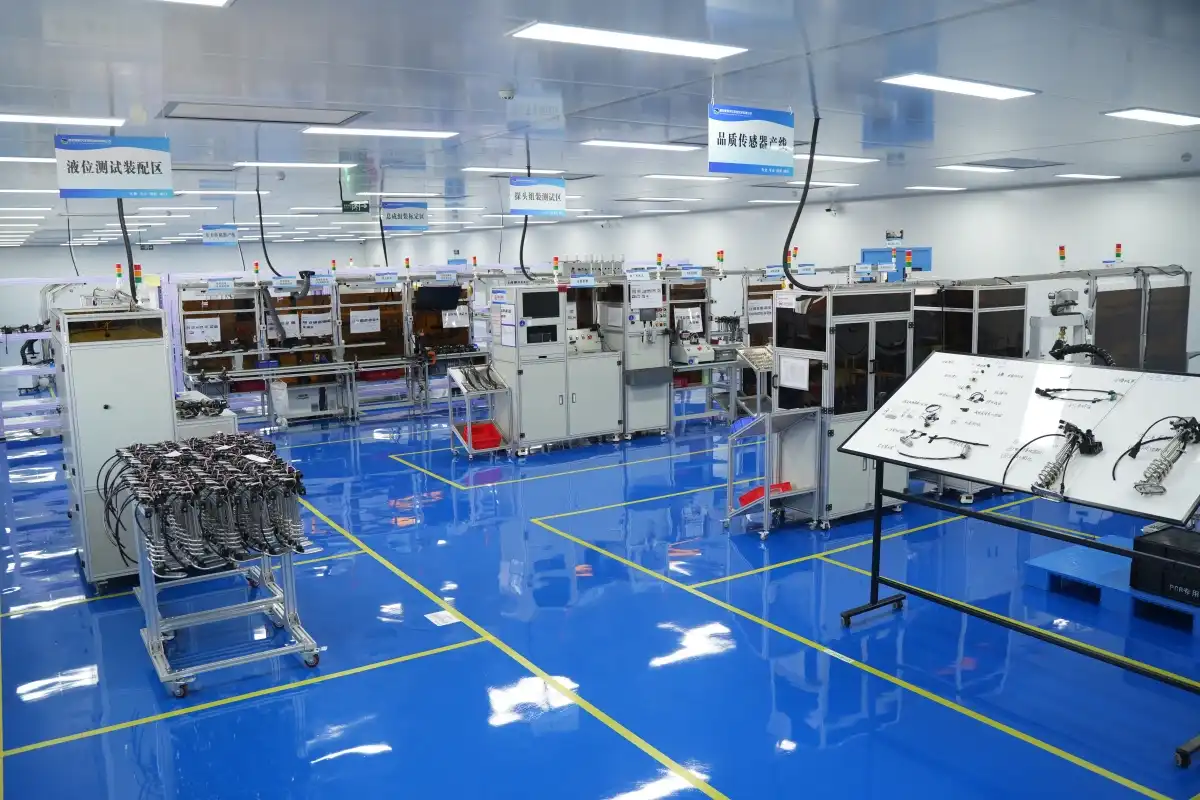
Understanding NOx Sensors: Definition, Function, and Types
The Core Function of NOx Sensors in Emission Control
Diesel engine makers are under pressure to fulfill environmental criteria and perform well. The NOx sensor solves this problem by monitoring exhaust and adjusting emissions in real time. Nitrogen oxides, which cause smog and acid rain, occur when your engine burns gasoline at high temperatures. These substances are detected in parts per million by the sensor, allowing your aftertreatment system to neutralize pollutants before they leave the exhaust.
A complex electrochemical process employing yttria-stabilized zirconia ceramic cells powers the sensor. This method measures NOx concentrations with electrical currents, providing dependable data under difficult working circumstances. When buying components for mass manufacturing or aftermarket use, procurement managers can assess sensor capabilities using this method.
Sensor Architecture and Operating Principles
Diesel NOx sensors today include numerous connected components that function together:
Specialized zirconia ceramic cells transmit oxygen ions via solid electrolyte at high temperatures. The internal heater element maintains ideal working temperatures between 100°C and 800°C, guaranteeing reliable readings independent of exhaust gas conditions. Electrical signals are converted to engine control module-compatible outputs by signal conditioning circuits.
The integrated control module connects to your vehicle's ECU via numerous protocols. NOx sensors have many chambers, unlike oxygen sensors. An environment is regulated by the oxygen pump cell regulating exhaust gas composition entering the measuring chamber. The NOx sensing cell catalytically decomposes nitrogen oxides into nitrogen and oxygen ions, creating current proportional to pollutant concentration. Monitoring cells ensure oxygen levels stay steady during measurement, assuring data accuracy.
Dual-Sensor Configuration in Modern Diesel Systems
Modern diesel engines detect emissions using two sensors. The upstream intake sensor measures combustion-produced NOx near the turbocharger exit. This baseline data helps your engine control system compute Diesel Exhaust Fluid injection volumes. The downstream output sensor measures NOx after the SCR catalyst to verify treatment efficacy. This dual strategy enhances aftertreatment performance through a feedback loop. When the outlet sensor detects high NOx concentrations suggesting inadequate catalytic conversion, DEF injection rates are adjusted.
Diagnostic issue codes illuminate dashboard warning lights and limit engine power to promote rapid repair if faults linger beyond preset levels. Distinguishing these specialist sensors from oxygen sensors helps describe components. Both employ ceramic detecting components, but oxygen sensors improve air-fuel ratios for combustion efficiency, while NOx sensors focus on aftertreatment system performance and regulatory compliance.
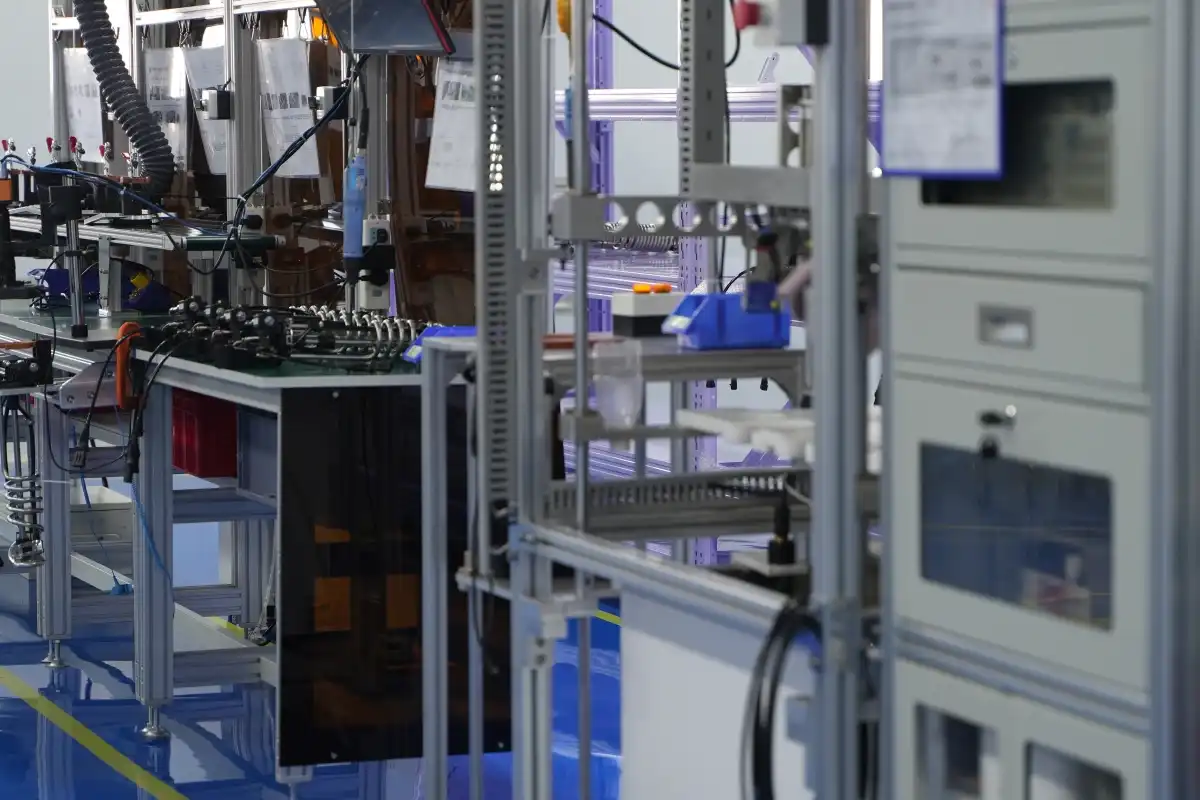
Identifying and Troubleshooting NOx Sensor Issues
Common Symptoms Indicating Sensor Malfunction
NOx sensors usually fail with many warning signs. Increased exhaust opacity indicates incomplete combustion or aftertreatment problem, frequently caused by faulty sensor readings impeding system calibration. Due to ECU compensations for suspected emission system faults, engine performance degrades when power output, rough idling, or fuel efficiency diminish. Sensor signals that exceed permitted limits sometimes display dashboard warning lights, especially the check engine indication and diesel exhaust fluid alerts.
R&D engineers and technical managers should know that sensor degradation usually happens gradually. Measurement accuracy drift reduces emission control efficacy before diagnostic codes appear, potentially causing regulatory compliance failures during periodic inspections. Commercial vehicle and construction machinery fleet operators benefit from proactive monitoring schedules over reactive replacement strategies.
Diagnostic Error Codes and Their Implications
NOx sensor deviations trigger diagnostic fault codes in modern engine control systems. Aftertreatment system integrators and maintenance facilities may troubleshoot and save downtime by understanding these codes. P229F indicates NOx sensor circuit performance difficulties, perhaps wire damage, connection corrosion, or sensor deterioration. Out-of-range upstream sensor readings from P2201 may indicate contamination or calibration drift. P2202 may indicate SCR catalyst degradation rather than sensor failure due to downstream sensor range issues.
Outlet sensors detecting high NOx concentrations indicate DEF quality issues, catalyst efficiency loss, or dosing system failures, triggering Code P20EE. Specialist scan tools that display live sensor data are needed for complete diagnoses. Using real-time measurements against known good parameters helps technicians detect sensor failures from upstream system issues creating anomalous readings. To efficiently serve various client fleets, aftermarket repair shops need invest in excellent diagnostic equipment supporting numerous OEM protocols.
Maintenance Strategies for Extended Sensor Life
Maintaining sensors extends their lifespan and lowers replacement frequency and expense. Electrical connections are inspected regularly to prevent moisture and corrosion that threaten signal integrity. Cable routing inspections prevent engine vibration and heat damage to harnesses. Cleaning exhaust systems with DPF regeneration and SCR catalyst maintenance reduces sensor accuracy loss. DEF quality affects sensor life. Crystalline residues from contaminated diesel exhaust fluid on sensor elements cause measurement inaccuracies and premature failure.
ISO 22241-certified DEF prevents costly aftertreatment components from deteriorating. A generator set maker working in mining conditions had sensor failures per 2,000 hours, significantly below projected service life. Sulfur from low-quality gasoline slowly poisoned sensor elements. Switching to ultra-low sulfur diesel and instituting fuel quality monitoring standards increased replacement intervals beyond 5,000 hours, showing how underlying causes save money.
Choosing the Right NOx Sensor for Diesel Engines: A Procurement Perspective
OEM Versus Aftermarket Sensor Selection
NOx sensor procurement managers must choose OEM or aftermarket components. OEM sensors are directly compatible with car systems and operate to manufacturer requirements. Engineering validation, quality assurance, and approved service network warranty coverage drive up the price of these components. Aftermarket sensors provide cost-saving potential for fleet operators with older equipment or repair shops with diversified customers. Quality aftermarket providers offer functionally identical components at competitive prices, but buyers must verify certification and compatibility.
Technical characteristics including measurement ranges, accuracy limits, response times, and communication protocols must match application needs. Bosch, Denso, Continental, and Valeo dominate OEM engine supply partnerships. These established businesses invest extensively in R&D, maintaining sensor accuracy, durability, and integration leadership. Their products have wide application coverage, abundant technical documentation, and reliable delivery networks for components.
Evaluating Technical Specifications and Performance Parameters
Sensor selection entails matching technical characteristics to application needs. Diesel applications typically require 0-2500 ppm NOx detection range. At lower concentrations, when precise control is most important for regulatory compliance, accuracy criteria are stricter. Response time under 1400 milliseconds allows system modifications to match engine operating conditions. Light-off time is the time it takes internal heating elements to attain operational temperature following engine restart.
Traditional sensors take 165 seconds to provide accurate data, which reduces pollution control efficacy. Advanced designs with quicker activation reduce cold-start emissions, which is crucial as real-world driving condition testing rules tighten. Sensors are accurate and reliable within their operating temperature range. Diesel exhaust may reach 800°C under heavy load and -40°C during cold ambient starts. Sensor performance must not degrade with intense temperature cycling. Electrical connections are protected from moisture and contaminants by cable temperature ratings and sealed waterproof connectors.
Procurement Considerations for Mass Production and Long-Term Supply
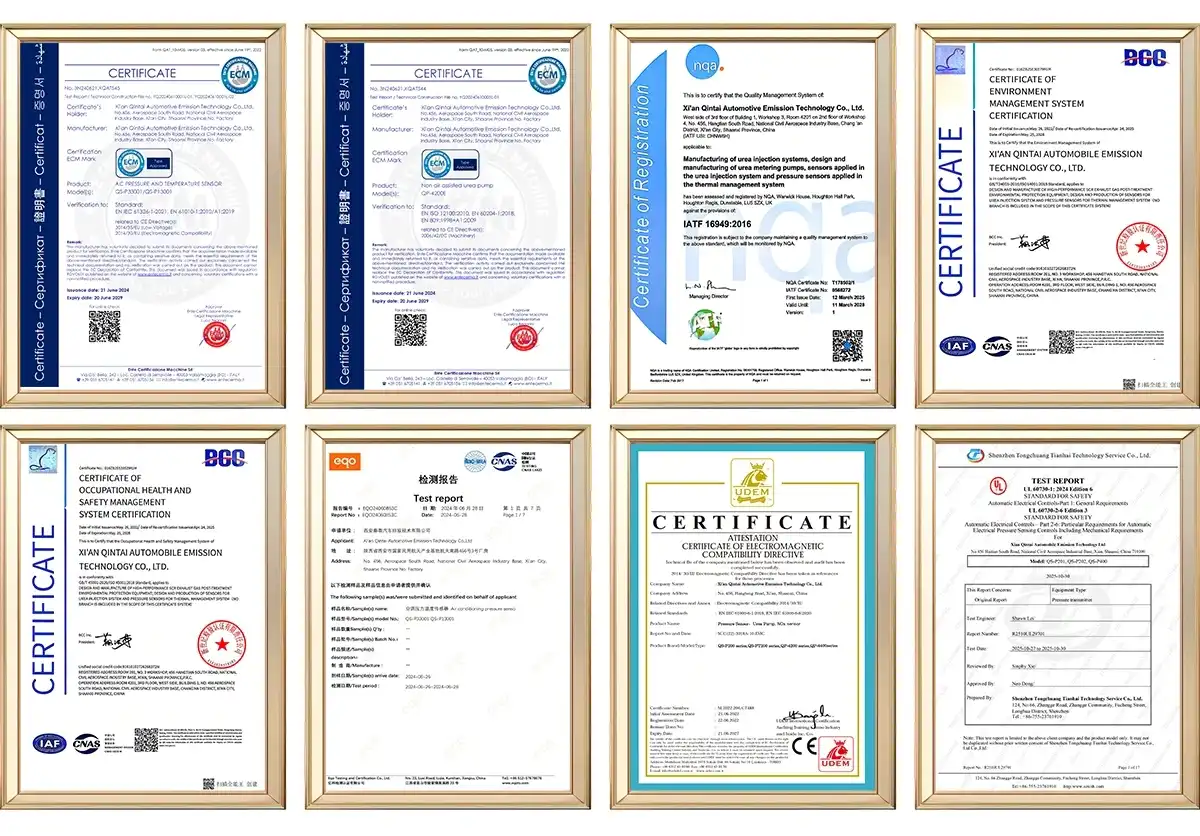
OEMs and aftertreatment system integrators setting up manufacturing supply chains prioritize vendor capabilities above component requirements. Suppliers satisfy volume needs without quality sacrifices or delivery delays during manufacturing ramp-up using mass production capability. ISO 9001 and IATF 16949 manufacturing certifications reduce defects and warranty claims via systematic quality management.
Customization meets application needs. Cable lengths and connector combinations should fit different chassis layouts without field changes. Leading providers supply 300+ protocol versions for worldwide markets to match engine control systems. Design compatibility with mainstream OEM goods simplifies inventory management and cross-platform applications in physical dimensions and mounting interfaces. Tech support timeliness, engineering cooperation, and joint development program participation are long-term relationship factors. Application engineering teams at suppliers aid with integration, system calibration, and field failure investigation. Transparent pricing, volume discounts, and flexible payment terms promote large-scale procurement cost management.
Installation, Calibration, and Professional Support
Proper Installation Procedures for Optimal Performance
Proper installation of NOx sensors influences measurement accuracy and lifespan. Engine manufacturer-specified mounting positions maximize exhaust flow while minimizing mechanical stress and heating. Check torque specifications for M20×1.5 mounting threads to avoid exhaust leaks or sensor damage from overtightening. Anti-seize chemicals for high-temperature applications protect threads during removal. Electrical connections must be protected from moisture to guarantee signal reliability.
Connector locking mechanisms must engage, and cable routing must avoid heat sources, sharp edges, and moving parts that might damage insulation. By keeping cables free of exhaust system hot areas, signal integrity is preserved. Exhaust system examination should detect contamination sources impacting new sensor performance upon replacement. Carbon accumulation, oil contamination, and coolant leaks into exhaust streams promote sensor deterioration independent of component quality. Before adding new sensors, fix upstream issues to avoid failures and costs.
Calibration Requirements and System Learning Procedures
Engine control systems usually need calibration after sensor installation or replacement to establish baseline standards. Some platforms automatically learn after installation, while others require diagnostic equipment calibration. Understanding engine platform requirements eliminates incomplete installations that cause diagnostic problems or poor emission control. Professional calibration services ensure sensors function within tolerances across their measuring range with specialized equipment and knowledge. Periodic verification testing detects accuracy drift before regulatory compliance problems, especially for commercial fleets with regular emission inspections.
Selecting Qualified Service Providers
Aftermarket clients including repair shops, dealers, and parts suppliers benefit from comprehensive diagnostic service providers. Technicians with emission control system training, OEM-level diagnostic equipment, and expertise analyzing complicated fault patterns across engine platforms are qualified. Certification programs from equipment manufacturers and industry groups recognize technicians who stay current on pollution control technology. Shops that invest in training and diagnostic equipment updates diagnose problems more accurately, decreasing parts replacement and customer downtime.
Future Trends and Strategic Insights for NOx Sensor Procurement
Emerging Technologies Shaping Sensor Evolution
Integration with telematics and IoT platforms advances NOx sensor technologies. Fleet management systems receive real-time emission data from sensors, enabling predictive maintenance based on component status rather than predetermined intervals. This data-driven method improves replacement scheduling, lowering preventative maintenance and preventing failures. Miniaturization trends allow sensor integration into tighter packaging, allowing pollution control system designs for lower displacement engines and compact equipment. In harsh working settings, improved materials and manufacturing techniques resist sulfur compounds and particulate matter, prolonging service life.
Regulatory Alignment and Strategic Sourcing
Global environmental rules are strengthening, focusing on real-world operational circumstances rather than lab test cycles. Sensors must retain precision throughout wider working ranges and longer service intervals. Procurement strategy should target suppliers with regulatory knowledge and proactive product development that meets emerging requirements. Geographic diversity of supply sources reduces regional disruption risks and may save money. Quality verification is crucial when using new providers.
Certification validation, sample testing, and phased certification prevent inferior components from jeopardizing fleet dependability or regulatory compliance. Strategic connections with innovation-focused vendors allow your company to access emerging technology. Working together early in product development ensures new sensor designs meet your application needs and integration preferences.

SENSOR+TEST, June 9 – 11, 2026
We look forward to your visit,warmly welcome to our booth 1-634!
Get your free ticket online now:
https://www.sensor-test.de/service/ticket/?52790
Conclusion
Modern diesel engines need NOx sensors to fulfill environmental laws and function well. Knowledge of sensor technologies, failure symptoms, and maintenance improve emission control system performance and component life. Total ownership costs and operating reliability for diesel engine applications depend on procurement decisions balancing cost, quality, and supplier capabilities. Strategic purchasing with certified manufacturers ensures access to compliant, high-performance components supporting your operational goals and sustainability commitments as rules and technology change.
FAQ
Q1: What is the recommended replacement interval for NOx sensors?
A: NOx sensors typically last 150,000 to 200,000 highway miles or 6,000 stationary hours. Frequent regeneration cycles, polluted fuel, and severe temperatures can lower service life by 30-40%. Periodic diagnostic testing detects sensor response time and accuracy deterioration before compliance breakdowns. Operational criticality and downtime costs should guide replacement selections, not mileage.
Q2: How do OEM and aftermarket sensors compare in performance?
A: Quality aftermarket sensors with OEM-like technical requirements offer equivalent measurement accuracy and reliability at lower costs. Performance variations usually include manufacturing uniformity, long-term drift, and contaminant resistance, not beginning precision. Aftermarket possibilities for important applications are identified via regulatory compliance certification and compatibility testing. OEM sensors are recommended for warranty coverage and compatibility, however aftermarket sensors are cheaper for older equipment or high-volume fleet maintenance.
Q3: What do common NOx sensor error codes indicate?
A: Diagnostic codes P229F–P2202 indicate circuit performance, wiring, or sensor range errors requiring electrical system assessment and sensor testing. Signals high emissions from downstream sensors indicate SCR catalyst efficiency, DEF quality, or dosing system failure, not sensor failure. Live data-streaming scan tools are needed to accurately diagnose sensor outputs against known good values. Professional diagnostic equipment differentiates sensor defects from upstream system issues giving incorrect results.
Partner with Qintai for Superior NOx Sensor Solutions
Xi'an Qintai Automotive Emission Technology Co. Ltd. manufactures industrial-grade NOx sensors for diesel engine manufacturers, aftertreatment integrators, and commercial fleet operators that expect reliability. With reaction times below 1400ms and light-off durations lower than the industry norm 165 seconds, our sensors activate emission control quickly to reduce cold-start pollutants. Advanced poisoning resistance preserves accuracy in dirty exhaust conditions and service life beyond 6,000 hours decreases replacement frequency and maintenance expenses.
As China's top NOx sensor producer and OEM supplier to Weichai Power, Yuchai Power, and Quanchai Power, we offer two decades of emission control knowledge to worldwide relationships. Variable connections, cable lengths, and communication protocols meet different application needs, while sealed waterproof designs provide dependable operation from -40°C to 800°C. ISO 9001, IATF 16949, and other international certifications prove our quality management systems satisfy the highest procurement requirements.
Contact our technical team at info@qt-sensor.com to discuss your specific requirements. We provide competitive pricing for volume procurement, expedited delivery schedules, and comprehensive technical support ensuring seamless integration and optimal performance.
References
1. Johnson, M.R., "Nitrogen Oxide Sensor Technology for Heavy-Duty Diesel Emissions Control," SAE International Journal of Engines, Vol. 15, No. 3, 2022, pp. 287-304.
2. Environmental Protection Agency, "Heavy-Duty On-Road NOx Emissions Standards and Measurement Protocols," EPA Technical Report Series, 2023.
3. Zhang, L., Chen, W., and Kumar, S., "Advanced Ceramic Sensor Materials for Automotive Emission Applications," Journal of Materials Science and Engineering, Vol. 48, 2023, pp. 1122-1138.
4. International Organization for Standardization, "Road Vehicles—NOx Sensor Requirements and Test Methods," ISO Standard 17691, 2021 Edition.
5. Williams, P.T. and Anderson, K.J., "Diagnostic Strategies for Diesel Aftertreatment Systems: A Technical Guide for Fleet Maintenance," Commercial Vehicle Technology Association, 2024.
6. Chen, Y., "Emerging Trends in Emission Control Sensor Technology: Integration with Telematics and Predictive Maintenance," Automotive Engineering International, Vol. 131, No. 8, 2024, pp. 42-51.
 Sensors.webp)
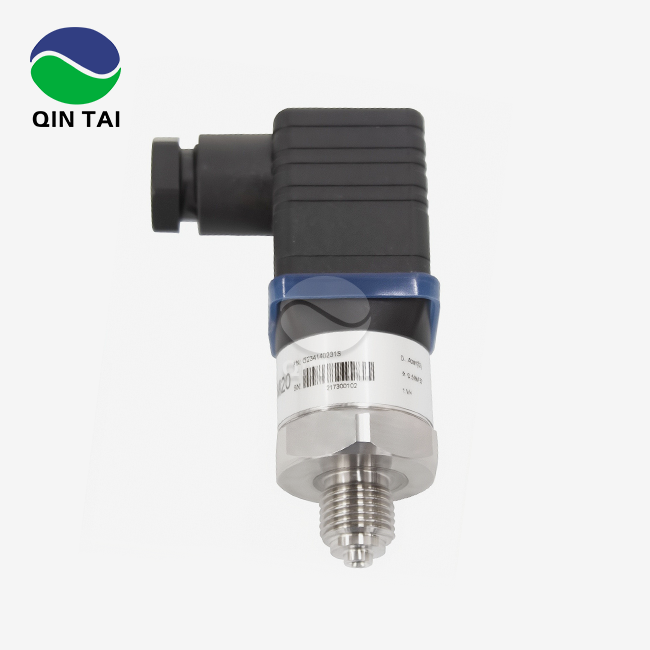

Our customers’ satisfaction speaks for our quality — contact us to experience the same reliable service.