- English
- French
- German
- Portuguese
- Spanish
- Russian
- Japanese
- Korean
- Arabic
- Greek
- German
- Turkish
- Italian
- Danish
- Romanian
- Indonesian
- Czech
- Afrikaans
- Swedish
- Polish
- Basque
- Catalan
- Esperanto
- Hindi
- Lao
- Albanian
- Amharic
- Armenian
- Azerbaijani
- Belarusian
- Bengali
- Bosnian
- Bulgarian
- Cebuano
- Chichewa
- Corsican
- Croatian
- Dutch
- Estonian
- Filipino
- Finnish
- Frisian
- Galician
- Georgian
- Gujarati
- Haitian
- Hausa
- Hawaiian
- Hebrew
- Hmong
- Hungarian
- Icelandic
- Igbo
- Javanese
- Kannada
- Kazakh
- Khmer
- Kurdish
- Kyrgyz
- Latin
- Latvian
- Lithuanian
- Luxembou..
- Macedonian
- Malagasy
- Malay
- Malayalam
- Maltese
- Maori
- Marathi
- Mongolian
- Burmese
- Nepali
- Norwegian
- Pashto
- Persian
- Punjabi
- Serbian
- Sesotho
- Sinhala
- Slovak
- Slovenian
- Somali
- Samoan
- Scots Gaelic
- Shona
- Sindhi
- Sundanese
- Swahili
- Tajik
- Tamil
- Telugu
- Thai
- Ukrainian
- Urdu
- Uzbek
- Vietnamese
- Welsh
- Xhosa
- Yiddish
- Yoruba
- Zulu
Top Pressure and Temperature Sensor Trends for Smart Equipment
Precision environmental monitoring ensures efficiency, safety, and regulatory compliance in modern industrial processes. Intelligent Pressure and Temperature transmitters provide real-time operating information. These dual-parameter devices are crucial in diesel engine management, aftertreatment systems, and industrial automation, preventing costly downtime and equipment failure. As firms optimize manufacturing costs and comply with EPA pollution rules, the U.S. industrial sensor industry grows. This reference for procurement managers, R&D engineers, and technical decision-makers navigating today's complicated supply market covers developing sensor technologies, selection criteria, and practical implementation tactics.
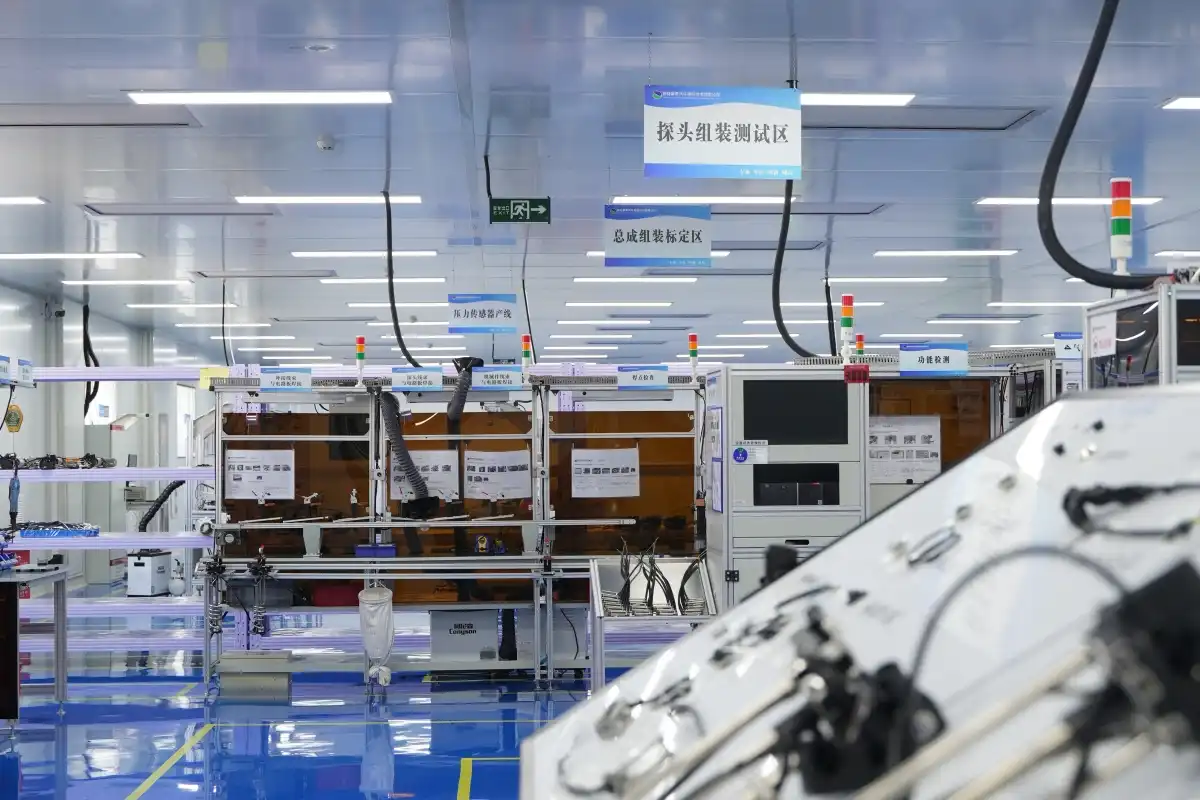
Understanding Pressure and Temperature Transmitters in Smart Equipment
What Distinguishes Transmitters from Basic Sensors?
Pressure and Temperature transmitters' integrated signal filtering and output standardization distinguish them from simple sensor devices. Thermocouples and resistance temperature detectors provide millivolt or resistance signals, but transmitters use amplification circuits, linearization techniques, and industrial control system-compatible outputs. The integrated method removes external signal conditioning and simplifies installation.
Core Transmitter Technologies and Their Applications
Based on environmental needs, industrial applications use numerous validated sensing concepts. Piezoresistive ceramic sensors are stable for hydraulic and pneumatic systems, whereas capacitive types measure clean media with excellent resolution. RTD-based temperature detection is accurate over wide ranges, especially in automobile and HVAC systems. These technologies are used in tiny dual-parameter devices to monitor both variables at equal measurement locations and reduce sensor correlation problems.
Critical Performance Parameters for Industrial Integration
Technical characteristics beyond basic measuring range must be considered while choosing transmitters. Accuracy standards generally provide linearity, hysteresis, and repeatability as a percentage of full scale, with industrial-grade devices reaching ±1.0% F.S. or better. Output signal compatibility is also important—0.5-4.5V analog voltage outputs are suitable for direct controller integration, while certain applications require 4-20mA current loops for noise immunity over long wire runs. Quality units work reliably from -40°C to 130°C, accommodating measured medium and ambient conditions. Overvoltage resistance to 32V DC and reverse polarity prevention avoid harm from installation mistakes or electrical transients.
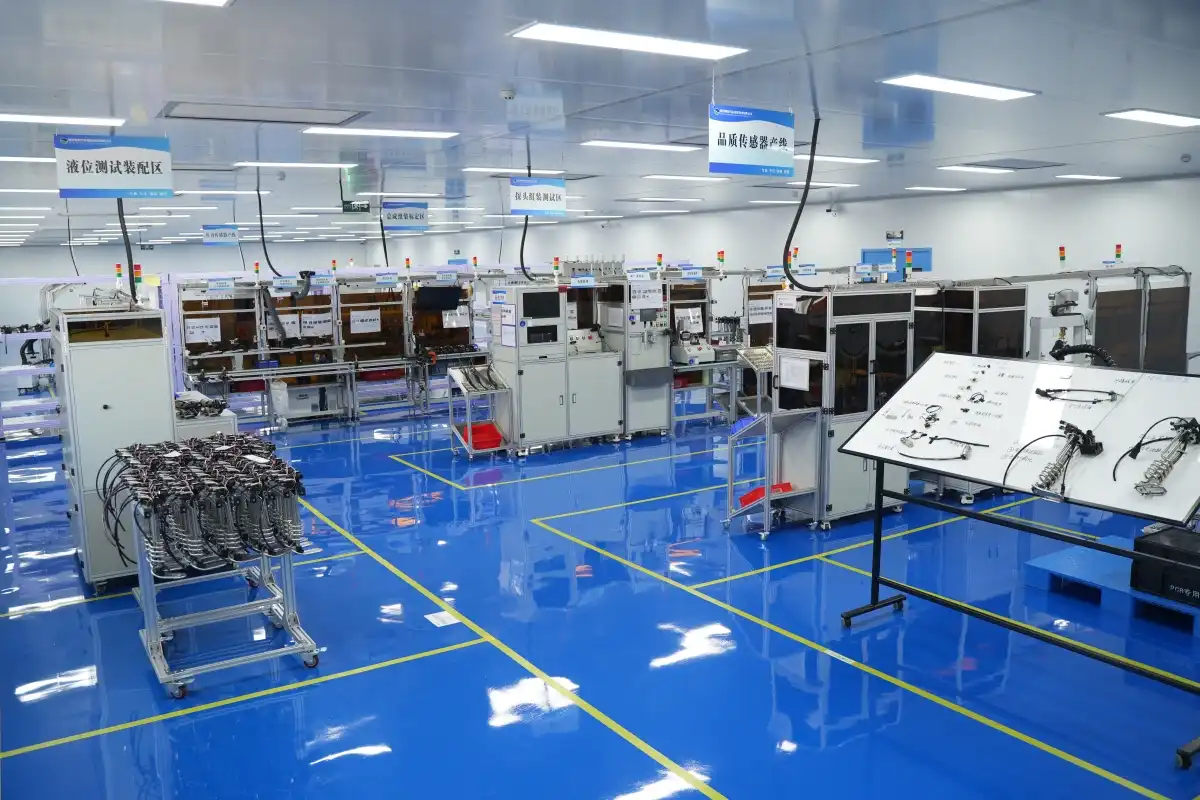
Top 5 Trends Shaping Pressure and Temperature Sensors for Smart Equipment
The industrial sensor ecosystem evolves as manufacturers handle operational and regulatory changes. Understanding these directional trends helps procurement teams invest in forward-compatible equipment to lengthen asset lifecycles and stay competitive. Connected sensor networks transform maintenance from reactive to predictive. Digital connection protocols in modern Pressure and Temperature transmitters provide continuous data streaming to cloud-based analytics services. This link lets machine learning algorithms spot performance decline weeks before catastrophic failures. Industrial automation studies show that fleet managers monitoring hundreds of diesel engines may now prioritize maintenance resources based on component quality rather than calendar timetables, saving unexpected downtime by 35-40%.
IoT Integration and Predictive Maintenance Capabilities
Mining, construction, and oil field equipment experiences intense vibration, temperature cycling, and pollution. Manufacturers react with ruggedized sensors with welded stainless steel, hermetically sealed circuitry, and media-compatible materials. Advanced diaphragm designs can handle burst pressures of 10MPa, and aluminum to 304 stainless steel housings enhance service life in harsh situations. By increasing replacement intervals and reducing field service visits, these durability improvements lower total cost of ownership.
Enhanced Durability for Harsh Operating Environments
Space limits in current engine compartments and small hydraulic systems necessitate integrated measuring solutions. A single probe for pressure and temperature detection removes the need for several sensors and ensures data correlation at identical sites. In SCR aftertreatment systems, correct temperature adjustment of pressure data allows accurate NOx conversion efficiency estimations. Automotive OEMs save 30% on installation time by moving from dual sensors to integrated units, increasing assembly line productivity.
Miniaturized Multi-Parameter Sensing Solutions
Battery-powered and energy-harvesting applications demand low-current sensors with accurate measurements. Advanced transmitters can operate full-range with supply currents sub 15mA, allowing energy-constrained system integration. Low-power CMOS analog circuits and optimal sensor excitation minimize system power budgets, especially for remote monitoring stations and autonomous equipment with limited energy.
Energy-Efficient Low-Power Electronics
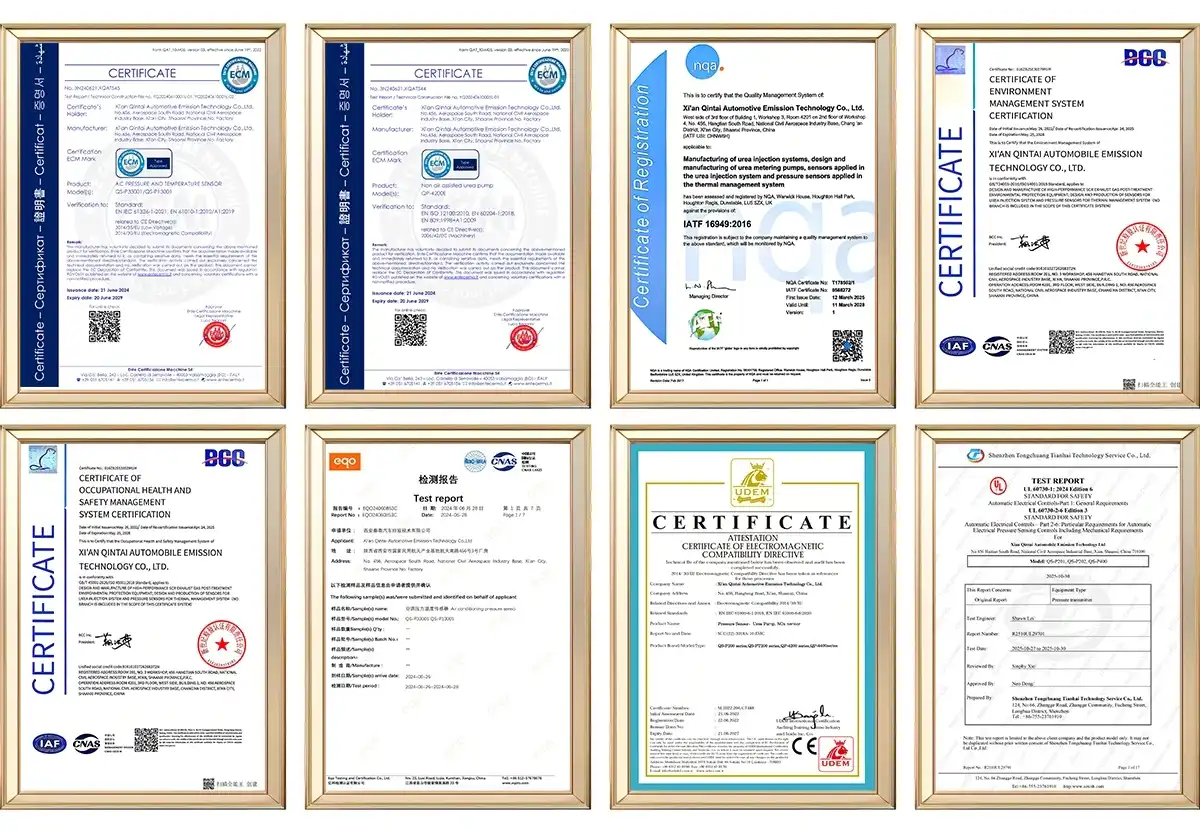
Global markets increasingly require third-party product safety, electromagnetic compatibility, and environmental compliance certifications. UL-certified transmitters reach U.S. markets, while CE-marked and RoHS-compliant transmitters penetrate Europe. Automotive supply chains need IATF 16949 certification to ensure quality management systems satisfy industry standards. Generator set manufacturers for critical infrastructure applications sometimes require explosion-proof certificates for hazardous area installations, complicating supplier qualification.
Stricter Certification and Compliance Standards
Smart sensor selection starts with application analysis, not specs. Procurement teams should record medium chemical composition, viscosity, and contamination levels that impact sensor material compatibility. Pressure range selection involves knowledge of typical operating circumstances and startup, shutdown, and fault spikes. Temperature must take into consideration the sensor housing's measured medium and ambient circumstances. Diesel engine applications measuring exhaust gas recirculation, cooling circuits, and fuel rail pressures provide unique environmental issues needing specific solutions.
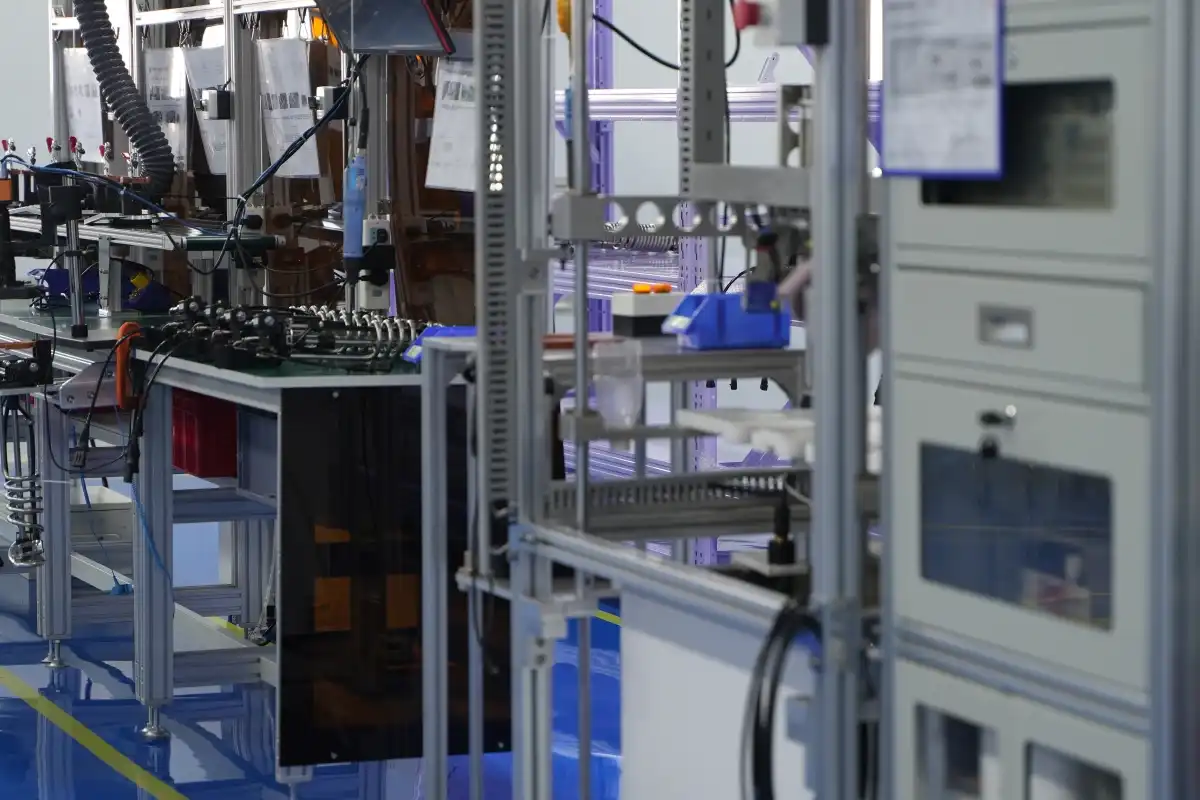
How to Choose the Right Pressure and Temperature Transmitters for Your Procurement Needs?
Defining Application-Specific Requirements
Measurement precision affects regulatory compliance and control system efficiency. Aftertreatment system integrators specify ±1.0% F.S. for SCR controllers precision to calculate urea dosing precisely. While accuracy criteria are important, understanding the overall error band across the operational temperature range is crucial, since it can decline to ±3% at severe temperatures. Premium sensors with 5-year service life cost less than budget counterparts that need annual replacement. Analog voltage outputs facilitate microcontroller-based system integration, whereas current loop outputs suit installations with electrical noise or long cable runs.
Evaluating Accuracy, Lifecycle, and Output Compatibility
Supplier evaluation must go beyond unit price to build dependable sensor supply chains. Suppliers can accommodate prototype numbers and thousands of units per month depending on manufacturing capabilities and scalability. ISO9001, IATF16949, and product-specific certifications show quality system maturity and market access. Application-specific questions during integration require quick technical help. Qintai, a national high-tech enterprise founded in 2001, is China's leading OEM supplier for Weichai Power, Yuchai Power, and Quanchai Power with an independent R&D team, UL and CE certifications, and comprehensive supplier capabilities. Their 58 innovative patents and versatile OEM/ODM services meet unique industrial application modification needs.
Supplier Evaluation and Risk Mitigation Strategies
Value engineering Pressure and Temperature transmitter selection needs understanding operational advantages from requirements. When supplying non-critical applications, cost-conscious aftermarket parts vendors may tolerate greater accuracy tolerances, but OEMs must satisfy strict standards regardless of cost. Annual purchase commitments generally save 15-25% over spot purchases due to volume pricing. Excess inventory increases holding costs and obsolescence concerns, especially for customized versions with restricted interchangeability. Partnering with manufacturers who provide vendor-managed inventory systems helps optimize working capital and ensure production schedule component availability.
Balancing Cost Considerations with Performance Requirements
Successful sensor selection starts with application analysis, not specs. Procurement teams should record medium chemical composition, viscosity, and contamination levels that impact sensor material compatibility. Pressure range selection involves knowledge of typical operating circumstances and startup, shutdown, and fault spikes. Temperature must take into consideration the sensor housing's measured medium and ambient circumstances. Diesel engine applications measuring exhaust gas recirculation, cooling circuits, and fuel rail pressures provide unique environmental issues needing specific solutions.
Installation, Calibration, and Maintenance Guidelines for Optimal Sensor Performance
Proper Installation Techniques and Environmental Considerations
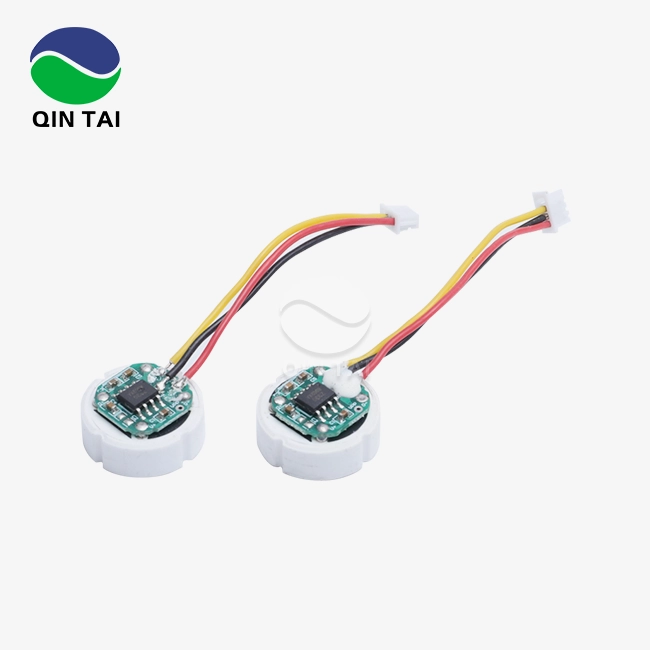
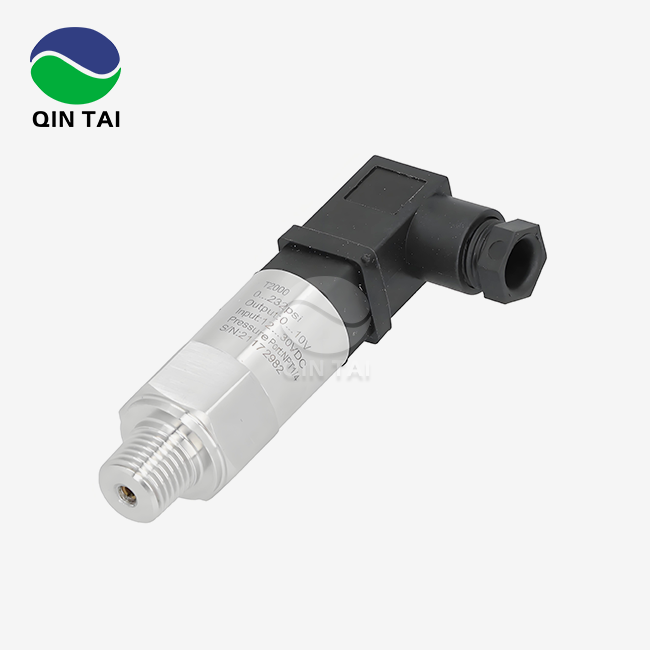
Correct installation orientation and placement greatly affect sensor lifespan and measurement accuracy. Avoid vapor pocket collection in liquid systems and condensate pooling in gas applications by mounting pressure transmitters with process connections orientated. Observe torque specifications of 10-20 N⋅m for threaded connections to prevent mechanical stress on sensor diaphragms and maintain good sealing. In electromagnetically loud situations near switching power sources or motor drives, wire gauge and shield grounding are crucial. Due to its integrated design, the QS-PT225 dual-parameter Pressure and Temperature transmitter eliminates wiring complexity and correlation issues associated with separate pressure and temperature sensors.
Calibration Procedures and Frequency Recommendations
Sensor lifecycles require frequent calibration against traceable reference standards to maintain measurement accuracy. Industrial transmitters need yearly calibration tests, while important safety applications or regulations may demand semi-annual or quarterly examinations. The calibration method comprises applying known reference pressures over the measurement range, recording transmitter outputs, and determining deviation from ideal transfer function. Stable thermal references or precise temperature baths are used for temperature calibration verification. Trend analysis of calibration findings can reveal steady drift trends that may signal end-of-life circumstances. Quality manufacturers offer calibration certifications with first shipments to set a baseline for field calibrations.
Troubleshooting Common Faults and Performance Issues
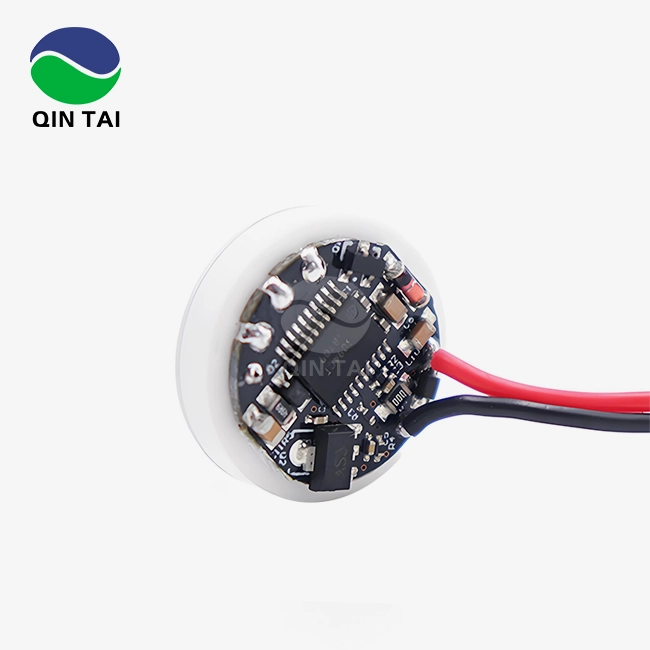
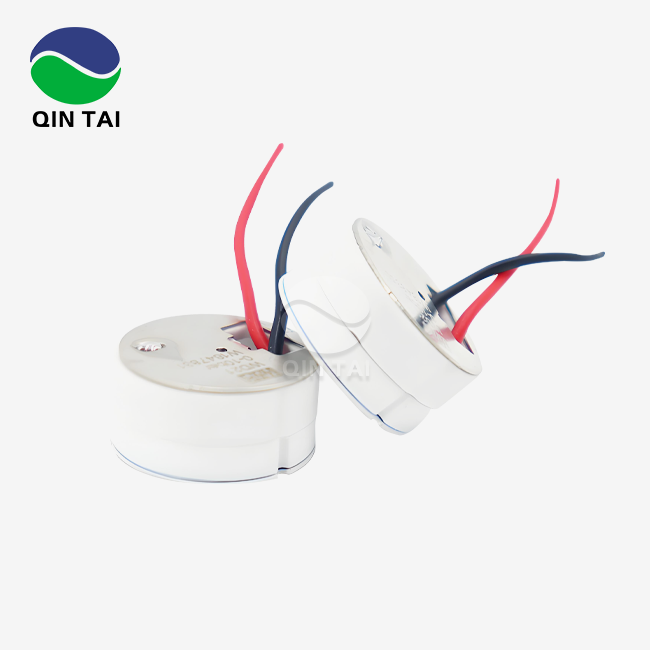
Sensor failures are diagnosed systematically to save downtime. Electrical connection difficulties or broken cables can cause sudden reading changes, so test supply voltage and signal continuity before replacing sensors. Gradual drift signals sensing element contamination or electrical component age. Erratic readings indicate electromagnetic interference, poor grounding, or mismatched media. Ceramic-based pressure sensors like the QS-PT225 resist media contamination better than metal strain gauge designs, and 304 stainless steel wetted materials can withstand engine oil, POE oil, and various refrigerants.
Future Outlook: Emerging Innovations and Strategic Responses in Smart Sensor Technology
AI-Powered Analytics and Edge Computing Integration
AI algorithms are moving from data centers to edge devices near sensing locations. For fast-acting protection systems and quality control applications, this architectural change allows real-time anomaly detection and control optimization with low latency. Future Pressure and Temperature transmitters may include integrated processors running machine learning models educated on previous failure patterns to autonomously modify warning levels based on operational situation. Choosing vendors with software development experience and long-term firmware support might help procurement strategies anticipate these capabilities.
Interoperability and Standardized Communication Protocols
Custom integration of proprietary communication protocols is difficult in multi-manufacturer industrial processes. Industry consortiums promote standardized interfaces for plug-and-play sensor replacement and system expansion. Manufacturers use OPC UA, MQTT, and other open protocols because interoperability opens markets rather than defending competitive positions. Buyers should assess companies' standards adoption and legacy product migration plans.
Sustainability and Circular Economy Considerations
Beyond technical needs, environmental restrictions and business sustainability pledges increasingly affect procurement decisions. Sensor makers are under pressure to monitor carbon footprints, design for recyclability, and remove dangerous compounds in supply chains. Some purchasers seek lifetime evaluations, whereas RoHS and REACH compliance is standard. Qintai's wide certification portfolio, including environmental compliance documents, favors sustainable buying methods. The company's R&D and production process optimization efforts help them become the "first brand in diesel engine aftertreatment industry" while being environmentally responsible.
Conclusion
Industrial equipment makers and system integrators have possibilities and problems as pressure and temperature sensor technology advances. Dual-parameter Pressure and Temperature transmitters like the QS-PT225 show how component integration reduces installation complexity, improves measurement correlation, and lowers system costs. Effective procurement strategies blend urgent performance needs with emergent trends like IoT connection, AI-enabled diagnostics, and sustainability. In competitive marketplaces, smart supplier alliances, appropriate installation and maintenance, and technology adoption flexibility lead to better operational results.
FAQ
Q1: What is the primary function of integrated pressure and temperature transmitters?
A: Integrated Pressure and Temperature transmitters detect and monitor both parameters concurrently, sending standardized electrical signals to control systems for process automation, equipment protection, and efficiency enhancement. They provide accurate process control in industrial and energy systems and avoid pump, compressor, and engine overpressure and overheating.
Q2: How do smart transmitters differ from conventional analog devices?
A: Intelligent transmitters have digital compensation algorithms, remote setup via communication protocols, self-diagnostic functionality, and fault reporting. Predictive maintenance solutions and seamless interaction with Industrial Internet of Things platforms and SCADA systems reduce operational downtime compared to manual calibration and no diagnostic feedback devices.
Q3: What advantages do dual-parameter sensors provide over separate instruments?
A: One device for pressure and temperature measurement simplifies installation, minimizes mounting space, provides perfect measurement correlation at identical places, and decreases system costs through simplified wiring and component count. Space-constrained compact equipment installations benefit from this integrated strategy for sensor placement.
Partner with Qintai for Reliable Pressure and Temperature Transmitter Solutions
Industrial applications require sensor technology that combines performance, reliability, and value for operational excellence. Qintai's QS-PT225 dual-parameter Pressure and Temperature transmitter offers ±1.0% F.S. Precision pressure and temperature readings in a small, ruggedized 304 stainless steel housing for automotive, HVAC, hydraulic, and industrial automation applications. As China's top OEM Pressure and Temperature transmitter supplier with over two decades of manufacturing experience, we provide customisation, pressure ranges from 0-5Bar to 0-40Bar, and different process connection configurations. For volume manufacturing, our IATF16949 and ISO9001-certified production facilities assure quality, while our independent R&D team supports application-specific adaptations. Our technical staff at info@qt-sensor.com can discuss your sensing needs and how our proven sensor solutions may improve equipment performance and dependability.

SENSOR+TEST, June 9 – 11, 2026
We look forward to your visit,warmly welcome to our booth 1-634!
Get your free ticket online now:
https://www.sensor-test.de/service/ticket/?52790
References
1. Industrial Automation Systems Research Institute. (2023). Predictive Maintenance ROI in Heavy Equipment Applications: A Comprehensive Analysis. Journal of Industrial Technology Management, 45(3), 112-128.
2. Society of Automotive Engineers. (2022). Sensor Integration Strategies for Modern Diesel Engine Control Systems. SAE Technical Paper Series, Document J2945.
3. American Society of Mechanical Engineers. (2023). Best Practices for Pressure and Temperature Measurement in Harsh Industrial Environments. ASME Performance Test Code PTC 19.2.
4. International Electrotechnical Commission. (2022). Functional Safety Requirements for Industrial Process Measurement and Control Systems. IEC 61508 Application Guide, Edition 3.
5. National Institute of Standards and Technology. (2023). Calibration Procedures and Uncertainty Analysis for Industrial Pressure Transducers. NIST Special Publication 250-83, Revision 2.
6. Emissions Control Technology Association. (2023). Sensor Requirements for EPA Tier 4 and Euro VI Compliance in Diesel Engine Aftertreatment Systems. ECTA Technical Report 2023-04.

Our customers’ satisfaction speaks for our quality — contact us to experience the same reliable service.