- English
- French
- German
- Portuguese
- Spanish
- Russian
- Japanese
- Korean
- Arabic
- Greek
- German
- Turkish
- Italian
- Danish
- Romanian
- Indonesian
- Czech
- Afrikaans
- Swedish
- Polish
- Basque
- Catalan
- Esperanto
- Hindi
- Lao
- Albanian
- Amharic
- Armenian
- Azerbaijani
- Belarusian
- Bengali
- Bosnian
- Bulgarian
- Cebuano
- Chichewa
- Corsican
- Croatian
- Dutch
- Estonian
- Filipino
- Finnish
- Frisian
- Galician
- Georgian
- Gujarati
- Haitian
- Hausa
- Hawaiian
- Hebrew
- Hmong
- Hungarian
- Icelandic
- Igbo
- Javanese
- Kannada
- Kazakh
- Khmer
- Kurdish
- Kyrgyz
- Latin
- Latvian
- Lithuanian
- Luxembou..
- Macedonian
- Malagasy
- Malay
- Malayalam
- Maltese
- Maori
- Marathi
- Mongolian
- Burmese
- Nepali
- Norwegian
- Pashto
- Persian
- Punjabi
- Serbian
- Sesotho
- Sinhala
- Slovak
- Slovenian
- Somali
- Samoan
- Scots Gaelic
- Shona
- Sindhi
- Sundanese
- Swahili
- Tajik
- Tamil
- Telugu
- Thai
- Ukrainian
- Urdu
- Uzbek
- Vietnamese
- Welsh
- Xhosa
- Yiddish
- Yoruba
- Zulu
What Is a Pressure and Temperature Transmitter in HVAC Systems?
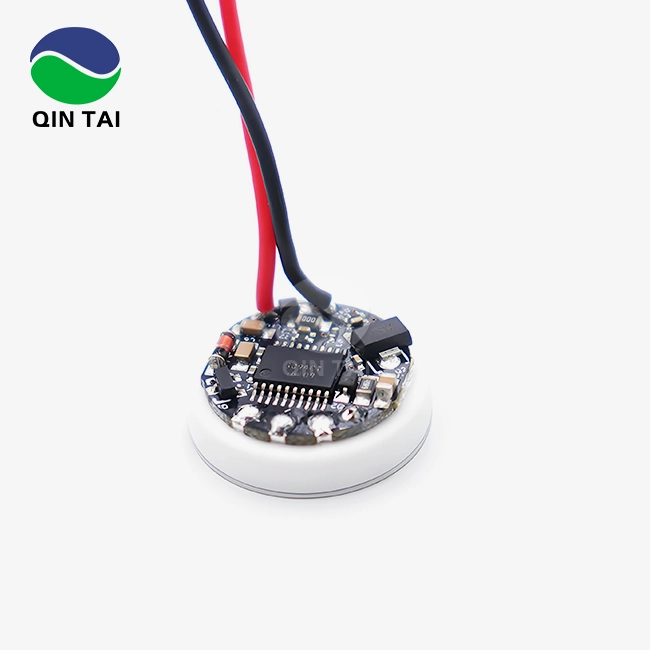
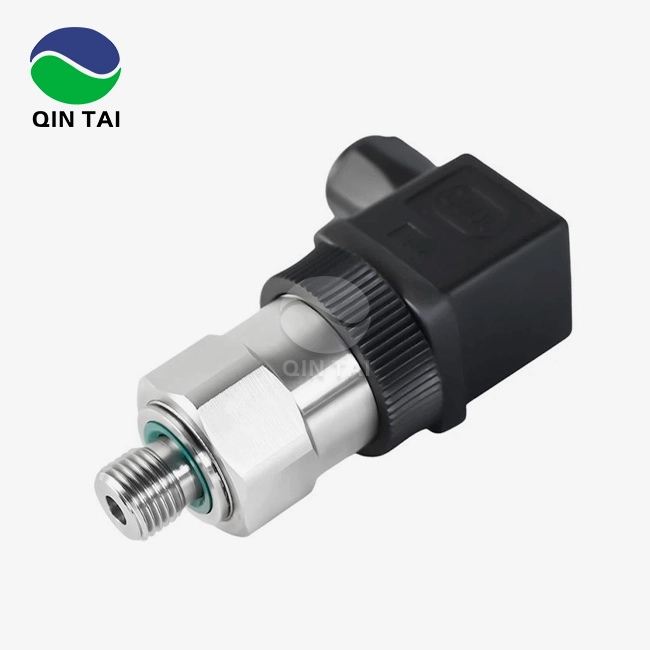
Pressure and Temperature transmitters are precision measuring instruments that continually monitor HVAC system parameters and transform them into electrical signals. These sensors optimize refrigerant flow, detect system anomalies, and allow real-time performance adjustments for energy efficiency. Both measurements are integrated into a single housing, eliminating correlation errors between sensors and simplifying installation for diesel engine aftertreatment systems that must comply with strict emission standards and operate reliably in harsh industrial environments.
Understanding Pressure and Temperature Transmitters in HVAC Systems
Modern HVAC requires simultaneous precise monitoring of various parameters. These gadgets use sensor principles and powerful signal processing.
Core Sensing Technologies
Ceramic pressure-sensing elements and NTC thermistors make up integrated sensors. Pressure deflects the ceramic diaphragm, providing a proportionate electrical signal by piezoresistive effects. The thermistor's resistance increases predictably with temperature, giving precise thermal measurements. This dual-output architecture eliminates time delays and positional differences caused by dispersed sensor setups by synchronizing readings from identical system locations.
Signal Conversion and Output Standards
Onboard microprocessors calibrate raw sensor data for nonlinear response curves and environmental factors. The device translates processed measurements into industry-standard analog voltage outputs (0.5V to 4.5V DC) for programmable logic controllers, building management systems, and supervisory control interfaces. Standardized signaling allows control platforms to integrate without bespoke interface hardware.
Measurement Range Considerations
Operating conditions vary widely in industrial applications. Some cold-chain logistics refrigeration circuits run below 5 bar, whereas high-pressure compressor discharge lines surpass 40 bar. Temperature monitoring requirements vary from sub-zero cold storage to high-temperature industrial process streams. Custom pressure ranges maintain ±1.0% full-scale accuracy over the working envelope, crucial for regulatory compliance applications requiring verified measurement traceability.
Types and Applications of Pressure and Temperature Transmitters in HVAC
Understanding configuration differences helps match sensor capabilities to operational needs.
Integrated Versus Separate Configurations
Combined sensors like a Pressure and Temperature transmitter provide measurement correlation impossible with single devices. Refrigerant superheat—the temperature rise over saturation temperature at observed pressure—must be measured simultaneously from the same spot. Separate sensors cause thermal lag and spatial offsets, reducing computation accuracy. Integrated designs eliminate these factors, enabling precise superheat values for electronic expansion valve control and compressor damage from liquid refrigerant intake.
Wired Communication Architecture
Due to durability and infrastructure expenditure, industrial environments use hardwired sensor connections. The QS-PT225 variant uses TE 1-967640-1 electrical connections for automotive and industrial equipment with strong mechanical retention and environmental sealing. The low 15mA maximum current draw allows lengthy cable lengths without signal deterioration, while incorporated reverse polarity protection and 32V overvoltage tolerance prevent installation mistakes and diesel engine compartment electrical transients.
Application-Specific Requirements
HVAC subsystems pose different measuring issues. Sensors for chilled water circuits must be compatible with aqueous fluids and modest pressure ranges, whereas diesel generator thermal management systems must be compatible with engine lubricants, 130°C temperatures, and vibration resistance. These applications use corrosive refrigerants, hydraulic fluids, and combustion byproducts, yet 304 stainless steel can handle them. This material choice solves durability issues raised by generator set makers operating equipment in mines, distant power generation locations, and backup power installations with limited replacement access.
Refrigeration system optimization increasingly requires accurate superheat management. Traditional fixed-orifice expansion systems waste energy by feeding refrigerant conservatively for compressor protection. Sensor-integrated electronic expansion valves control refrigerant flow to ensure appropriate superheat under load. This adaptive management decreases compressor power usage by 8-15% compared to fixed systems, which benefits commercial refrigeration operators with tight profit margins and sustainability goals.
How to Select the Right Pressure and Temperature Transmitter for Your HVAC System?
Technical performance must be balanced against overall ownership costs and supply chain factors in procurement decisions.
Technical Specification Alignment
Sensor performance and environmental conditions must be considered in accuracy standards. The QS-PT225 offers ±1% full-scale accuracy in linearity, hysteresis, and repeatability, fit for most HVAC control applications. The error band increases to ±3% from -30℃ to 130℃ owing to temperature impacts on electronics and sensor equipment. Temperature-compensated models or thermally controlled surroundings may be needed for finer tolerances. R&D engineers assessing pollution control system sensors must verify that required accuracy covers worst-case environmental conditions expected during vehicle operation worldwide.
Environmental Resilience and Protection Ratings
Industrial equipment operating with a Pressure and Temperature transmitter must withstand tough circumstances unlike labs. Diesel engines cause heat cycling, vibration, and combustion byproduct pollution. The sensor housing must seal against fluid intrusion and sustain mounting torques of 10-20 N-m without stress-induced calibration changes. Material selection is crucial—the PPE+PAGF30 connection housing resists vehicle fluids and maintains dimensional stability at severe temperatures. Instead of trusting marketing promises, purchasing managers should acquire environmental testing certification from suppliers.
Supply Chain and Customization Capabilities
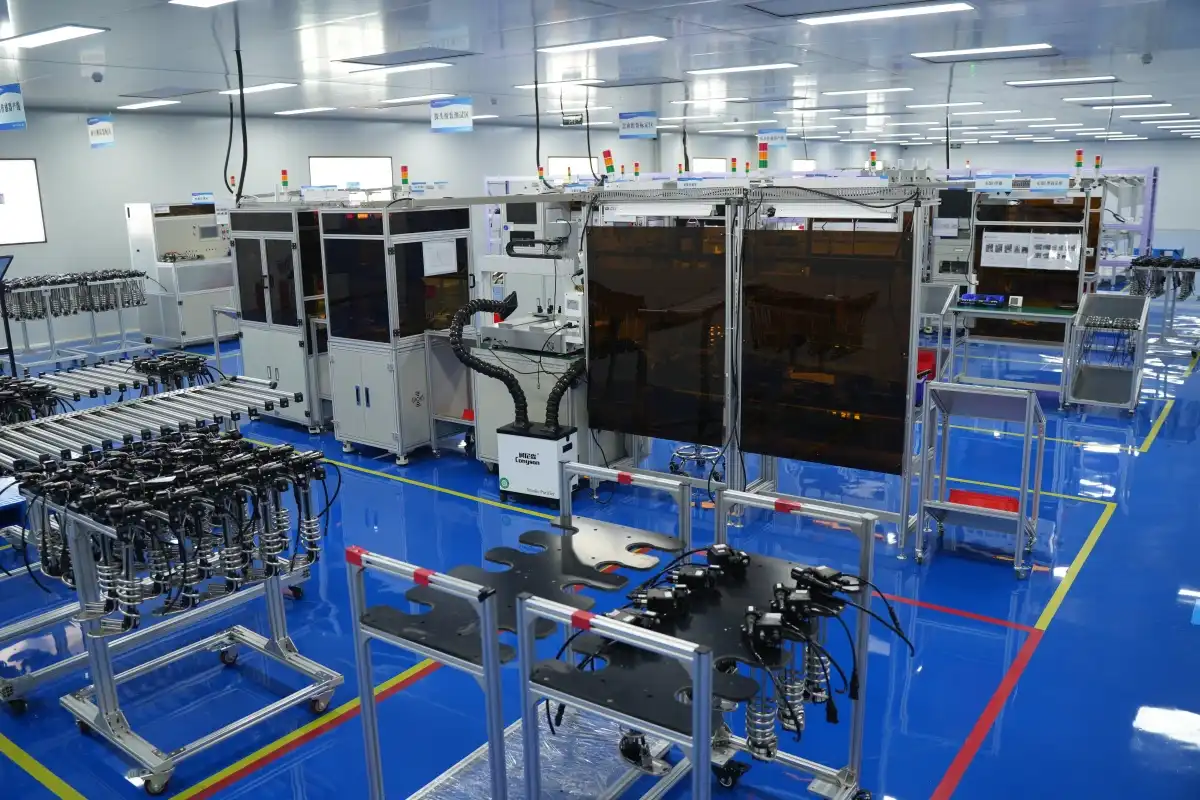
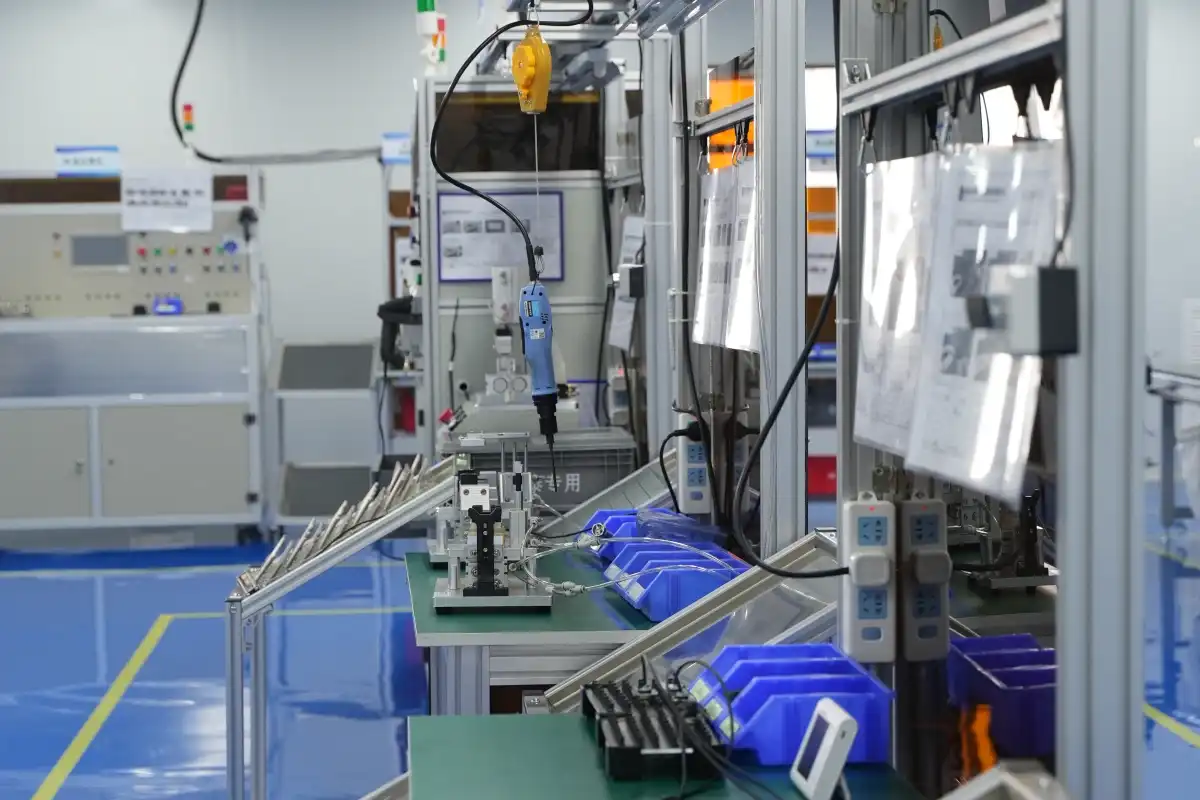
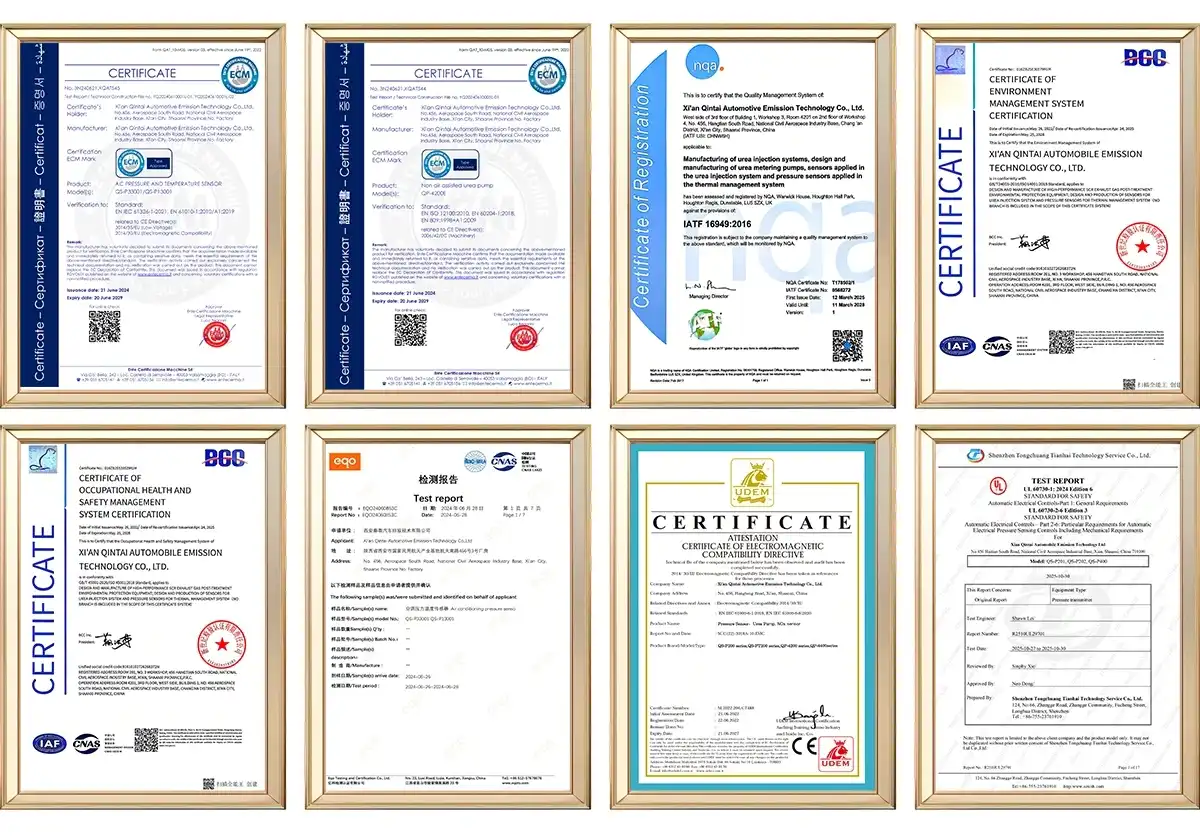
OEM mass manufacturing requires vendors that can scale output and maintain quality. Xi'an Qintai's IATF16949 accreditation demonstrates automotive industry-standard quality management systems. Customized pressure ranges and process connections provide different application needs without design compromises. This flexibility allows technical managers incorporating sensors into SCR aftertreatment systems to define thread types and pressure ranges that match system architecture rather than modifying mounting arrangements for standardized sensor configurations.
Lead times greatly affect project timetables and inventory costs. Suppliers with production capability and component inventories can quickly fulfill orders, which benefits aftermarket dealers who need replacement parts with little downtime. Long-term collaboration agreements with producers of standard and specialized products reduce supply interruption risks and may provide bulk price advantages that boost competitiveness.

Installation, Calibration, and Maintenance of Pressure and Temperature Transmitters
Proper implementation determines whether sensor investments operate as expected.
Strategic Sensor Placement
Measurement location greatly affects data quality and system control. Pressure-drop-minimizing compressor discharge sensors must endure high temperatures and pressure pulsations. Transmitters in straight pipe sections distant from elbows, valves, and flow disturbances provide steady, turbulence-free data. Thermal mass and immersion depth impact temperature response time. Shallow installations respond rapidly but may not adequately represent bulk fluid conditions, whereas deeply submerged sensors offer representative data but have thermal lag under transient situations.
Electrical Integration Procedures
The QS-PT225 supports automotive electronics' standard 5V regulated supply from 4.75-5.25 VDC with reverse polarity protection. Voltage output scaling from 0.5V to 4.5V allows ratiometric operation, eliminating inaccuracies in analog-to-digital conversion systems that use supply voltage as a reference. EMC recommendations recommend routing sensor cables away from high-current conductors and using twisted-pair designs to reject electromagnetic interference from mobile equipment ignition systems, inverters, and motor drives.
Calibration Intervals and Procedures
Ceramic sensor elements in a Pressure and Temperature transmitter are more stable than strain-gauge technology, although periodic verification maintains accuracy. Application criticality and operating severity determine calibration periods. Emission-critical readings require yearly verification, whereas non-critical monitoring may wait longer. Reference standards must be four times more accurate than the instrument being calibrated. For the ±1% accuracy criteria, reference instruments must be accurate to ±0.25% or greater. Suppliers should offer calibration certifications traceable to national standards and indicate whether claimed accuracy criteria are initial calibration or include drift allowances during service intervals.
Sensors last longer and fail less with preventive maintenance. Visual inspection during routine service detects physical deterioration, connection corrosion, and fluid leaks. Monitoring output signal patterns shows steady degradation that requires replacement before failure disturbs operations. The 10 MPa burst pressure standard gives a large safety buffer above typical operating pressures, but pressure transients from pump starts, valve shuts, and thermal expansion must be kept low to minimize sensing element fatigue failures.
Advantages and Future Trends of Integrated Pressure and Temperature Transmitters in HVAC
Industrial measurement and HVAC system optimization business models are evolving due to technology.
Economic and Operational Benefits
Parts count, procurement, and inventory management are simplified by consolidated measurement. Mounting one device instead of wiring sensor cables and validating instruments reduces installation work. A construction machinery firm manufacturing 10,000 units per year removes 20,000 discrete components, lowering assembly time, quality inspection points, and failure causes. The space-saving design is useful in small equipment packaging when sensor mounting spots compete with hydraulic lines, electrical harnesses, and structural components.
Highly accurate measurement correlation allows sophisticated control schemes that were impossible with isolated sensors. Enthalpy and entropy are calculated from pressure-temperature data to optimize compressor staging and fan speeds for best efficiency in refrigeration systems. Pressure-temperature ratios showing frost formation on exterior coils help heat pump systems establish proper defrost start timing. These complex algorithms require millisecond measurement synchronization, which only integrated sensing can provide.
Emerging Technologies and Connectivity
Industrial IoT turns sensors into intelligent edge devices with local processing and predictive analytics. Future sensors will use Bluetooth Low Energy or industrial wireless standards to eliminate installation cables and enable mobile device commissioning and diagnostics. Onboard microprocessors monitor measurement patterns, detect anomalies suggesting potential problems, and send alarms before performance decline. This predictive maintenance lowers unexpected downtime, which is a major issue for generator set operators servicing mission-critical sites where power outages are costly.
Artificial intelligence systems trained on massive datasets from comparable equipment detect minor signs of impending issues that threshold-based warnings miss. A progressive pressure ratio drop and superheat fluctuation may indicate refrigerant charge loss, compressor valve deterioration, or heat exchanger fouling, each needing distinct corrections. Machine learning models link sensor patterns with maintenance data to suggest fundamental causes and solutions, saving personnel time and money.
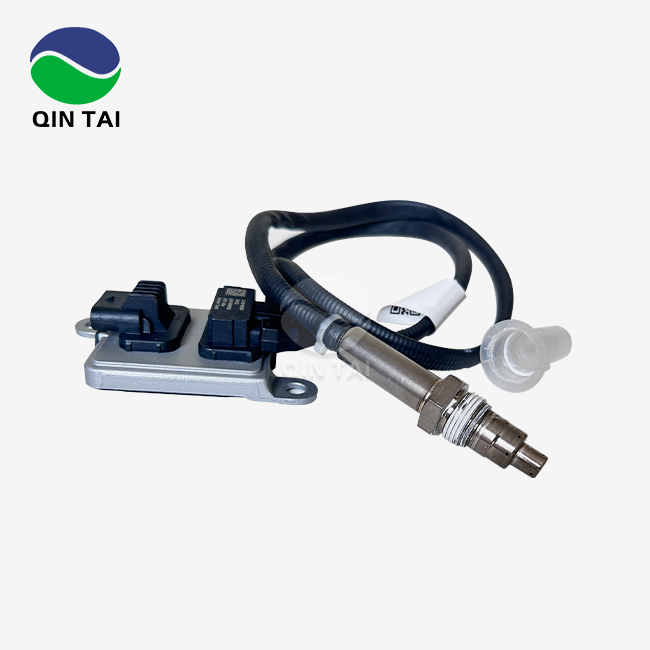
Environmental requirements tighten, requiring accurate emission monitoring in diesel engine aftertreatment systems. Selective catalytic reduction requires accurate temperature measurement to maximize NOx conversion efficiency and protect catalysts from overheating. Difference in pressure sensing activates regeneration cycles in diesel particulate filters to remove soot. Synchronized data from integrated sensors simplifies compliance verification and regulatory reporting. Xi'an Qintai's aftertreatment system expertise helps OEM clients navigate China VI and Euro VI requirements in worldwide markets.

SENSOR+TEST, June 9 – 11, 2026
We look forward to your visit,warmly welcome to our booth 1-634!
Get your free ticket online now:
https://www.sensor-test.de/service/ticket/?52790
Conclusion
Choice of measuring instruments like the Pressure and Temperature transmitter affects HVAC system performance, operational dependability, and overall ownership costs. Integrated devices with synchronized measurements simplify installation and enable sophisticated control schemes to maximize energy efficiency and equipment life. Procurement specialists must weigh technical specifications against application needs, environmental circumstances, accuracy requirements, and supplier customisation, quality certifications, and production scalability. Knowledge of calibration and maintenance assures measurement fidelity throughout device life. Connectivity and analytics will enable predictive, self-optimizing systems that eliminate operational intervention and maximize industrial application efficiency and uptime.
FAQ
Q1: How do integrated transmitters differ from separate pressure and temperature sensors?
A: Integrated units measure both in one housing, ensuring consistent position and timestamp. This reduces correlation errors from geographical offsets and measurement delays between equipment, which is crucial when calculating refrigerant superheat, which requires synchronized data.
Q2: What pressure ranges suit most HVAC applications?
A: Many low-pressure refrigeration systems operate below 10 bar, whereas high-pressure ones surpass 40 bar. Instead of using larger ranges that reduce resolution, the QS-PT225 matches measurement span to real operating circumstances for best accuracy.
Q3: Can these sensors withstand diesel engine environments?
A: Its 304 stainless steel design and -40℃ to 130℃ working range suit engine compartment conditions. These sensors are appropriate for mobile equipment applications requiring long-term durability under mechanical stress and temperature cycling due to engine oil compatibility, robust connection retention, and vibration resistance.
Partner with Qintai for Reliable Pressure and Temperature Transmitter Solutions
Qintai Automotive Emission Technology Co. Ltd. is a primary supplier to prominent Chinese diesel engine manufacturers with over two decades of sensor engineering experience and IATF16949 and ISO9001 quality certifications. The QS-PT225 model offers ±1.0% accuracy in pressure and temperature channels in a small, industrial-hardened design, demonstrating our dedication to precise measurement. Our independent R&D allows pressure range, process connection, and output protocol modification for varied aftertreatment system topologies and HVAC applications.
We encourage purchasing managers and technical experts to explore how our sensor solutions meet emission compliance, system integration, and long-term dependability needs as a pressure and temperature transmitter manufacturer with global supplier links. Contact our technical staff at info@qt-sensor.com to discuss equipment performance and market competitiveness collaborations.
References
1. ASHRAE (2021). HVAC Systems and Equipment Handbook. American Society of Heating, Refrigerating and Air-Conditioning Engineers, Atlanta, Georgia.
2. Bolton, W. (2015). Instrumentation and Control Systems, 2nd Edition. Newnes, Oxford, United Kingdom.
3. Liptak, B.G. (2018). Instrument Engineers' Handbook: Process Measurement and Analysis, 5th Edition, Volume 1. CRC Press, Boca Raton, Florida.
4. Stoecker, W.F. & Jones, J.W. (1982). Refrigeration and Air Conditioning, 2nd Edition. McGraw-Hill, New York.
5. Webster, J.G. & Eren, H. (2014). Measurement, Instrumentation, and Sensors Handbook: Spatial, Mechanical, Thermal, and Radiation Measurement, 2nd Edition. CRC Press, Boca Raton, Florida.
6. Zhang, Y. & Huang, S. (2020). Advanced Sensor Technologies for Automotive Applications. SAE International, Warrendale, Pennsylvania.
 Sensor.webp)

Our customers’ satisfaction speaks for our quality — contact us to experience the same reliable service.