- English
- French
- German
- Portuguese
- Spanish
- Russian
- Japanese
- Korean
- Arabic
- Greek
- German
- Turkish
- Italian
- Danish
- Romanian
- Indonesian
- Czech
- Afrikaans
- Swedish
- Polish
- Basque
- Catalan
- Esperanto
- Hindi
- Lao
- Albanian
- Amharic
- Armenian
- Azerbaijani
- Belarusian
- Bengali
- Bosnian
- Bulgarian
- Cebuano
- Chichewa
- Corsican
- Croatian
- Dutch
- Estonian
- Filipino
- Finnish
- Frisian
- Galician
- Georgian
- Gujarati
- Haitian
- Hausa
- Hawaiian
- Hebrew
- Hmong
- Hungarian
- Icelandic
- Igbo
- Javanese
- Kannada
- Kazakh
- Khmer
- Kurdish
- Kyrgyz
- Latin
- Latvian
- Lithuanian
- Luxembou..
- Macedonian
- Malagasy
- Malay
- Malayalam
- Maltese
- Maori
- Marathi
- Mongolian
- Burmese
- Nepali
- Norwegian
- Pashto
- Persian
- Punjabi
- Serbian
- Sesotho
- Sinhala
- Slovak
- Slovenian
- Somali
- Samoan
- Scots Gaelic
- Shona
- Sindhi
- Sundanese
- Swahili
- Tajik
- Tamil
- Telugu
- Thai
- Ukrainian
- Urdu
- Uzbek
- Vietnamese
- Welsh
- Xhosa
- Yiddish
- Yoruba
- Zulu
Best Pressure Sensor Technology for Harsh Industrial Environments
When heavy-duty diesel engines, hydraulic machinery, or industrial exhaust systems operate under extreme pressure, temperature, and corrosive conditions, selecting the right pressure sensing technology becomes mission-critical. Ceramic Pressure Sensors have emerged as the preferred solution for demanding industrial environments where conventional metal sensors fail prematurely. Unlike traditional metal diaphragm designs that corrode, drift, or fracture under stress, advanced ceramic sensors deliver exceptional durability, accuracy, and stability.
Their inherent material properties—outstanding chemical resistance, thermal stability, and mechanical strength—make them indispensable for OEM diesel engine manufacturers, aftertreatment integrators, and heavy equipment producers seeking reliable pressure measurement solutions that comply with stringent emission regulations while minimizing lifecycle costs.
Understanding Ceramic Pressure Sensor Technology
Advanced sensing principles, such as piezoresistive, capacitive, and piezoelectric ones, make ceramic pressure transducers work. These ideas are based on the special properties of modern ceramics, which are mostly made of 96% aluminium oxide (Al2O3) and are very strong mechanically and chemically.
How Piezoresistive Ceramic Sensors Work
When the pressure changes, piezoresistive ceramic sensors pick it up by seeing changes in the resistance of thick-film resistors that are placed directly on the ceramic membrane. When pressure changes the shape of the ceramic membrane, the electrical resistance of the resistors changes in the same way, which makes a voltage output that can be measured. This straight connection gets rid of oil-filled gaps and metal parts that break down in harsh media, making the product more stable over time.
Material Advantages Over Metal Alternatives
In many important ways, advanced ceramic materials are better than instruments made of stainless steel or alloys. The 96% Al2O3 ceramic structure can withstand harsh fluids like hydraulic oils, diesel fuels, urea solutions, and exhaust condensates that eat away at metal parts very quickly. Temperature coefficients stay low across working ranges from -40°C to 135°C, which keeps measurement accuracy high in places where metal sensors move a lot. The small, one-piece ceramic structure gets rid of the seals and welded joints that often break in metal designs.
In real life, ceramic sensors work effectively for years in diesel aftertreatment exhaust pressure sensing, industrial hydraulic tracking, and engine control systems for cars. Metal sensors, on the other hand, need to be replaced more often. Chemical processing plants that use acids or alkalis that are acidic count on ceramic sensor technology to keep their equipment from breaking down too soon and causing costly process interruptions.
Key Performance Factors for Harsh Environment Pressure Sensors
When choosing pressure sensors for tough industrial uses, you need to carefully look at a number of performance factors that have a direct effect on measurement accuracy, operational lifetime, and the total cost of ownership.
Accuracy and Linearity Requirements
For industrial uses, accurate pressure readings are needed to get the most out of engines, make sure they meet emission standards, and keep process control. High-quality ceramic sensors are accurate to within ±0.5% of full scale (FS) and have non-linearity that is 0.3% FS or less. This great accuracy makes sure that measurements are always the same across the whole pressure range, from vacuum systems to high-pressure hydraulic systems working at 600 bar.
Temperature Stability and Drift Characteristics
Sensors are exposed to huge changes in temperature in diesel engine rooms, industrial boilers, and hydraulic systems. Ceramic Pressure Sensors benefit from better ceramic designs that keep zero temperature drift below 0.05% FS/°C. This stops measurement errors that could cause false alarms or make emission control strategies less effective. Ceramic materials have a thermal mass and a uniform expansion coefficient that make them naturally able to compensate for changes in temperature in a way that metal sensors can't do without using complicated electronic correction circuits.
Long-Term Reliability and Failure Prevention
Knowing how common sensor failures happen helps procurement teams choose designs that keep systems running as long as possible. Ceramic sensors don't have the problems that come with metal ones, like diaphragm wear breaking, seal deterioration from chemical attack, and signal drift from oil-fill contamination. The one-piece ceramic design can handle the pressure changes, mechanical shocks, and vibrations that come with moving and fixed industrial equipment.
As long as the sensor is used correctly and at the right intervals for calibration, measurements will always be accurate. When compared to metal sensors, which need to be replaced every 18 to 36 months in harsh conditions, industrial-grade ceramic sensors usually work reliably for 10 to 15 years with little maintenance. This means that replacement costs are much lower and production doesn't have to stop.
Ceramic Pressure Sensors vs Other Technologies: Making the Right Choice
Industrial buying managers have to choose from a number of different pressure sensor technologies, each of which has its own performance, cost, and use case.
Ceramic vs Metal Diaphragm Sensors
Metal diaphragm sensors made of Inconel or stainless steel are less expensive at first, but they have a lot of problems in tough settings. Media that are corrosive attack metal surfaces, which leads to signal drift and failure in the end. Welded structure creates areas of high stress and possible leak tracks. Temperature coefficients are usually 3–5 times higher than ceramic designs, which means that complex compensation circuits are needed.
Ceramic sensors cost a little more up front, but they last three to five times longer, so they don't need to be replaced as often, which saves money and time. Total cost of ownership calculations always show that ceramic technology is better for uses with toxic fluids, high dependability needs, or extreme temperatures.
Piezoresistive vs Capacitive Ceramic Designs
There are two main architectures in ceramic sensor technology that are used for different types of tasks. Piezoresistive ceramic sensors work great in high-pressure situations because they produce strong signals, don't need any signal conditioning, and can handle overloads of up to 200% of their rated pressure. They are perfect for diesel engine systems, hydraulic machinery, and industrial automation because they are easy to install and can work with a wide range of supply voltages (2–30 VDC).
Application-Specific Technology Selection
Diesel aftertreatment systems that check the backpressure of the exhaust across DPF screens need sensors that can handle soot particles, condensing acids, and temperature cycling. Ceramic piezoresistive designs work best in these situations. Building tools hydraulic systems need to be able to handle high burst pressures and work with synthetic fluids, which again makes ceramic building a better choice. Manufacturers of generator sets use ceramic sensors to keep an eye on oil pressure and coolant levels to make sure that faraway sites will be reliable for ten years.
Procurement and Sourcing Strategy for Ceramic Pressure Sensors
Sourcing strategies that work well balance technical needs, quality assurance, the supplier's ability, and the total cost.
Evaluating Supplier Qualifications and Certifications
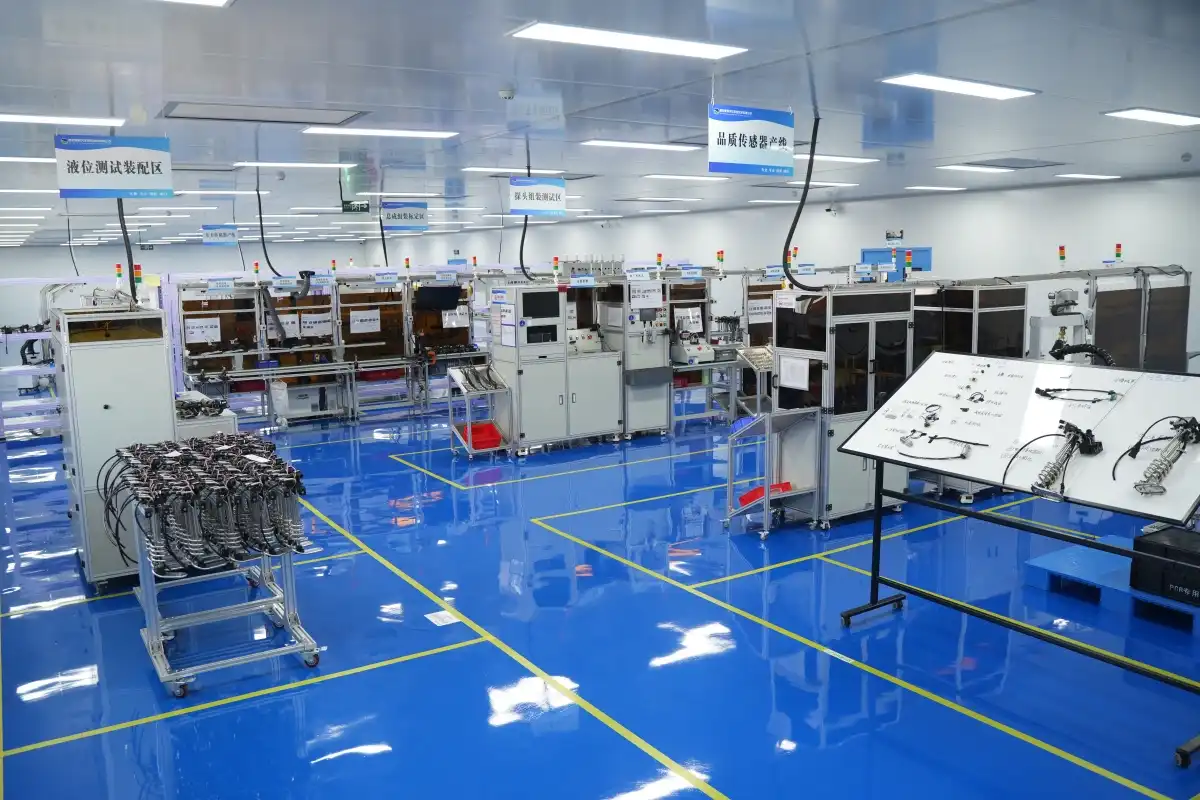
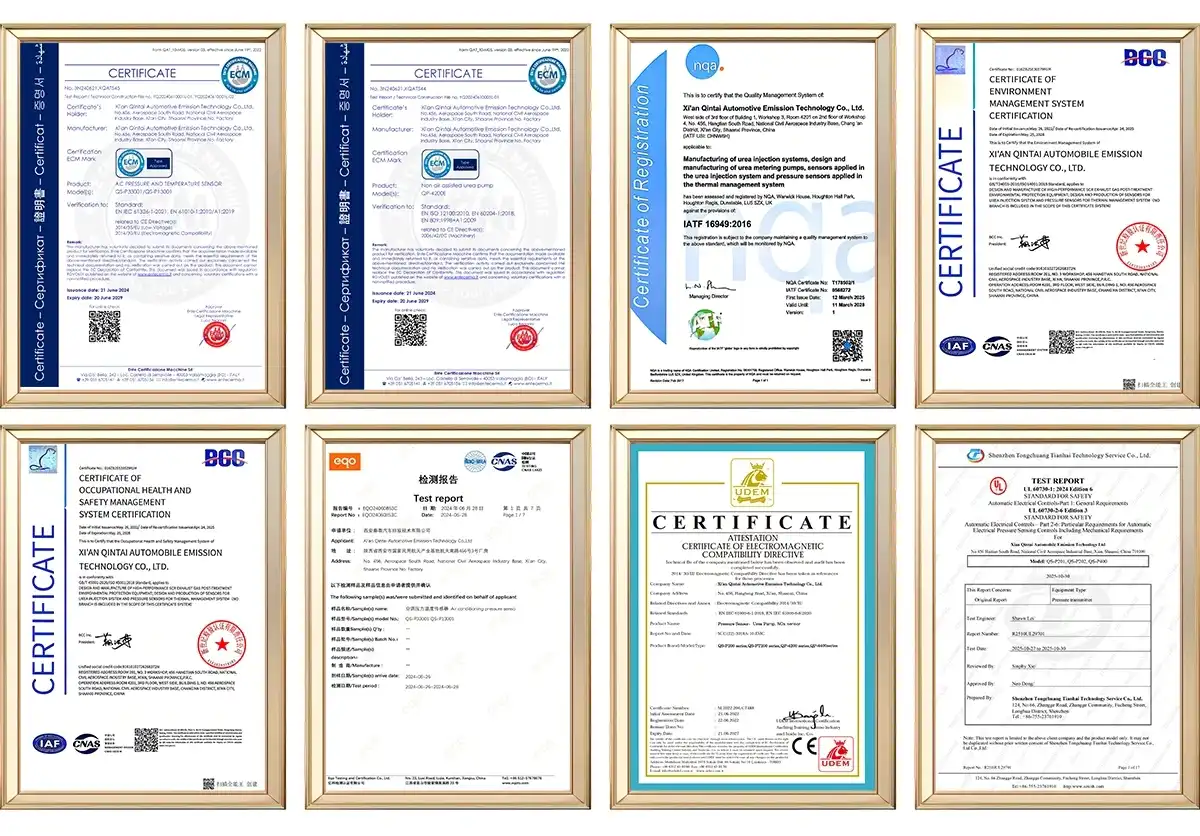
Manufacturers of high-quality pressure sensors must have strong quality management systems and the right industry certifications. IATF 16949 approval means that the quality methods used are at an automotive level, which is important for OEM engine uses. While ISO 9001 certification is a basic way to make sure of quality, product-specific certifications like ATEX/Ex for dangerous areas, UL recognition, CE compliance, and RoHS/REACH compliance make sure that the product meets the rules for particular markets.
Well-known sensor makers follow strict testing procedures that include changing the temperature, checking for vibration resistance, making sure the sensors work with different types of media, and figuring out how much they move over time. Asking for test reports and certification paperwork when evaluating a supplier stops quality problems that happen after the product has been put into use.
Technical Support and Customization Capabilities
Off-the-shelf sensors don't always work well in all situations without being changed. Ceramic Pressure Sensors are a prime example, as leading providers offer a wide range of customisation options, such as the ability to optimise the pressure range, choose the electrical connector specs, set up the mounting threads, and condition the output signal. With more than 20 years of experience making sensors and 58 idea patents, Xi'an Qintai Automotive Emission Technology has the technical depth to provide application-optimized solutions for tough industrial settings.
Technical support during the whole procurement process, from developing the initial specifications to validating prototypes and starting production, is what sets capable suppliers apart from commodity vendors. Responding engineering teams help solve problems with integration, improve installation methods, and fix problems that happen in the field that are bound to happen with complex industrial systems.
Pricing, Lead Times, and Supply Chain Management
Ceramic sensor prices depend on the quality of the materials used, the accuracy of the production process, and the cost of approval. Unit prices usually run from modest levels for basic industrial models to high levels for high-precision or custom designs. Long-term agreements, volume commitments, and strategic partnerships are often the best ways to get good prices and make sure there is a steady supply.
Lead times are very different depending on how customised the product needs to be and how much can be made. Items from the catalogue that aren't customised may take 8–12 weeks for making and approval before they can be shipped. Managing supply chain risks is easier when you build relationships with makers, keep enough inventory on hand, and make sure that production schedules are open.
China has become a competitive source for industrial sensors by combining its manufacturing know-how with lower costs and higher quality standards. Leading Chinese diesel engine makers like Weichai, Yuchai, and Quanchai rely on sellers like Qintai as their main source of supplies. This shows that they have the technical know-how and size needed for global OEM agreements. Before committing to large-scale production, suppliers must prove their skills through due diligence such as factory audits, sample testing, and pilot production runs.

Highlighting the Qintai QS-P105: Performance Engineered for Demanding Applications
To understand how advanced ceramic sensor technology can be used to solve problems in the real world, you need to look at specific product implementations that do just that.
QS-P105 Technical Architecture
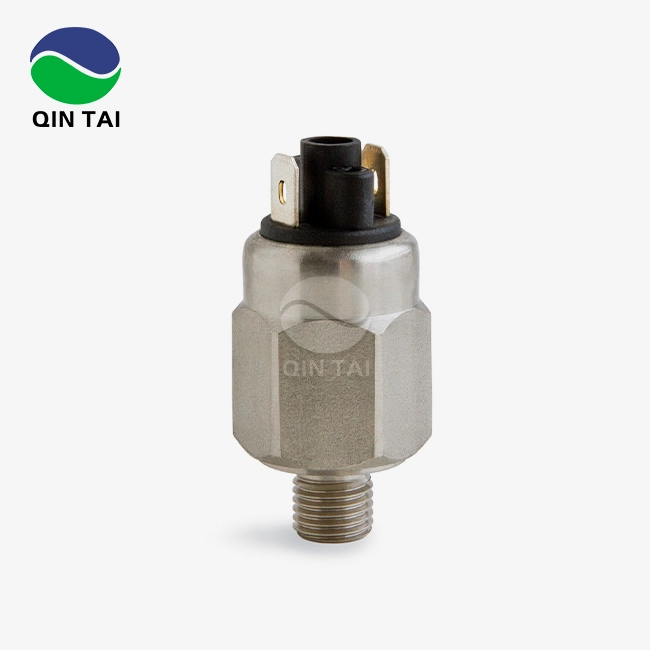
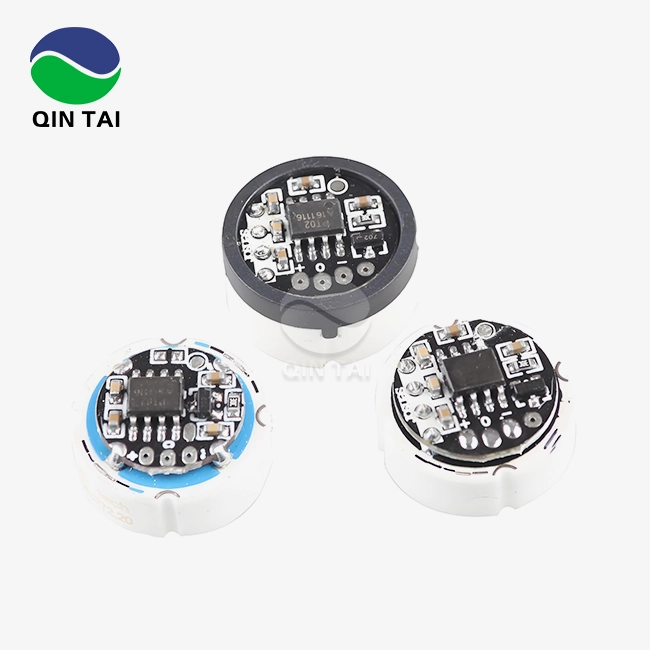
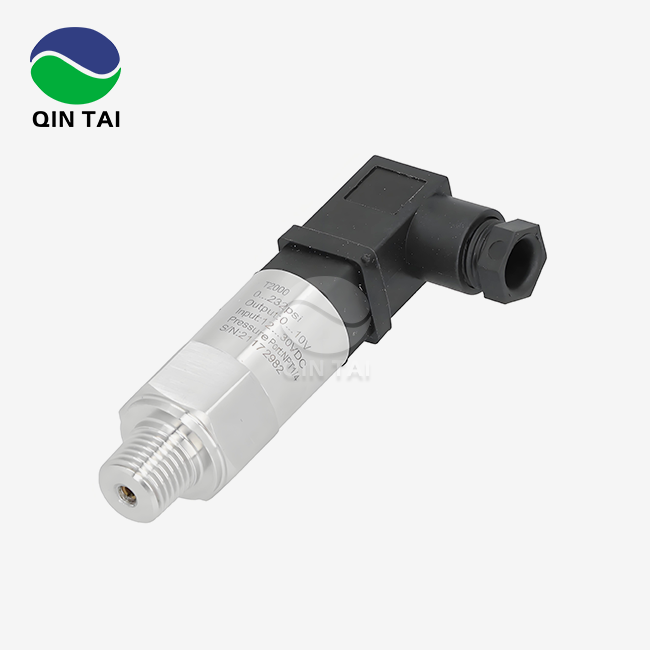
The Qintai Model QS-P105 is a current example of a piezoresistive ceramic sensor that is designed to work well in tough industrial settings. Its 96% Al2O3 ceramic sensor element is very strong and doesn't wear down easily when it comes into contact with rough fluids like diesel fuel and hydraulic fluids. The piezoresistive thick-film circuitry that is deposited directly onto the ceramic diaphragm gets rid of the oil-filled holes and weak metal parts, making the measurement solution more durable.
Durability and Reliability Features
In industrial settings, sensors are subject to mechanical shock, shaking, sudden changes in pressure, and toxic media that quickly break down poorly designed ones. The ceramic build of the QS-P105 protects it from chemical damage caused by diesel fuel, hydraulic grease, urea solutions (AdBlue/DEF), and exhaust condensates. Metal sensors usually rust and stop working within a few months, but the ceramic part works consistently for years.
Mechanical robustness protects against pressure spikes and shock loads that happen a lot in diesel fuel injection equipment and hydraulic systems. The 200% FS safety overload rating stops damage from short-term overpressure events, and the structure is made of one piece of ceramic, so it can handle vibration levels that would break welded metal assemblies.
Electrical versatility supports a variety of system architectures by working with a wide range of supply voltages (2-30 VDC) and a standard Wheatstone bridge output configuration (11 kΩ nominal resistance) that works with existing signal conditioning infrastructure. This adaptability makes integration easier and lowers the overall cost of the system.
Application Benefits Across Industrial Sectors
The QS-P105's performance features directly meet important goals in a number of different industry segments. As a member of the Ceramic Pressure Sensors family, it offers exceptional durability in harsh media. Diesel engine OEMs that use SCR aftertreatment systems can benefit from the sensor's accurate reading of exhaust backpressure across DPF filters. It can also handle soot particles and acidic condensates that would normally damage other sensors. The accurate pressure feedback lets you choose the best regeneration strategies that use the least amount of fuel and still meet China VI and Euro VI emission standards.
Manufacturers of hydraulic equipment recommend the QS-P105 for monitoring pressure in industry automation systems, building machinery, and farm equipment. The sensor's ability to withstand high pressure, resistance to corrosion, and long-term stability cut down on warranty claims and field failures that hurt the brand's reputation and relationships with customers.
Generator set makers rely on accurate pressure tracking for the fuel, oil, and coolant systems in remote locations where broken sensors cost a lot of money in lost work time. The QS-P105 has been tested and proven to work for 10 to 15 years, so it doesn't need to be replaced often in power plants, mines, and backup power systems.
Future Trends and Innovations in Ceramic Pressure Sensor Technology
Ceramic Pressure Sensors technology is always changing to meet new needs in industries that are being driven by digitalisation, connection, and higher performance standards.
Digital Integration and Smart Sensor Capabilities
Industry 4.0 plans need sensors that give more than just measurement data. They also need to give full diagnostic information that helps with planned maintenance. Next-generation ceramic sensors have digital data processing, temperature adjustment built in, and self-diagnostic features that can find drift, contamination, or failures before they happen.
Digital output protocols like CANbus, LIN, and IO-Link make it possible to connect directly to vehicle networks and industrial control systems. This simplifies the process of conditioning analogue signals and makes measurements more accurate by sending them digitally. Remote calibration and setup cuts down on the time needed for testing and lets changes be made in the field without having to replace the sensors physically.
Advanced Materials and Protective Coatings
The goal of research into special ceramic formulations and protective surface treatments is to make sensors work in environments that are getting more extreme. When you mix different kinds of ceramics, you get shapes that are better at conducting heat, withstanding impact, and being resistant to chemicals. Nano-engineered coats on surfaces make them more resistant to fouling, wear, and temperatures that are far above what is currently possible.
Expanding Application Domains
As cars become more electric, they need to be able to sense changes in pressure for battery temperature management, hydrogen fuel cell systems, and electric compressor tracking. For slightly invasive surgical tools and wearable health monitors, the miniaturisation of medical devices calls for ultra-compact ceramic sensors. These new uses push the development of ceramic sensors toward higher integration densities, lower power needs, and more specific performance traits.
Regulatory demands are getting stronger around the world, with safety requirements growing and pollution standards getting stricter. Because Ceramic Pressure Sensors are naturally durable in tough environments and stay stable over time, they are the best choice for measuring things that need to be accurate in the automobile, industrial, and environmental sectors.
Conclusion
Ceramic Pressure Sensors technology is the best way to go for tough industrial settings where accuracy, dependability, and durability are essential. Advanced ceramics have great properties when it comes to materials, like being very resistant to weathering, stable at high temperatures, and strong mechanically. These properties make them better for measuring than metal options. When procurement professionals look at sensor technologies, they should focus on full specs like precision, temperature drift, overload tolerance, and approved media compatibility.
The higher starting cost of high-quality Ceramic Pressure Sensors from well-known companies with a track record of good engineering always leads to a lower total cost of ownership due to longer operating life and fewer maintenance needs. Even though industrial systems are getting more complicated and working conditions are getting tougher, Ceramic Pressure Sensors technology will still be the basis for accurate measurement and control.
FAQ
What distinguishes ceramic from metal sensors in harsh industrial conditions?
Advanced ceramic materials, such as 96% aluminium oxide, are used in ceramic sensors. These materials naturally fight chemical corrosion, can handle high and low temperatures, and keep their accuracy for long periods of time. When metal sensors are exposed to aggressive media, they rust, their temperatures change more, and they usually need to be replaced three to five times more often. The one-piece ceramic construction gets rid of the welded joints and oil-filled holes that are common places for metal designs to fail.
How do I select sensors for accurate liquid and hydraulic measurement?
Match the pressure range of the sensor to the normal working pressure of your application while making sure there is enough overload safety, which is usually 200% of the maximum predicted pressure. Check to see if the media is compatible with your fluid by reading the manufacturer's instructions or testing it. For precise hydraulic control tasks, think about sensors with non-linearity less than 0.5% FS and full accuracy within ±0.5% FS. Temperature compensation is very important for mobile equipment that works in places where the temperature changes a lot.
Can ceramic sensors maintain accuracy in high-temperature engine environments?
Good clay sensors work consistently in temperatures from -40°C to 135°C or higher, and they don't change temperature more than 0.05% FS/°C. This thermal stability makes sure that pressure readings are correct in places where temperatures change a lot, like diesel engine compartments, exhaust aftertreatment systems, and industrial process equipment. The natural thermal qualities of ceramics make them better at temperature compensation than metal options that need complicated electronic repair.
Partner With Qintai for Industrial-Grade Ceramic Pressure Sensor Solutions
Picking a trustworthy Ceramic Pressure Sensors maker has a direct effect on how well your equipment works, how well it follows the rules, and how much it costs to run. Qintai is a national high-tech company that was founded in 2001. Its main business is making precise Ceramic Pressure Sensors for tough industrial uses. In diesel engine systems, hydraulic equipment, and aftertreatment applications around the world, our Model QS-P105 has been shown to be accurate, durable, and long-lasting.
We have many certifications, such as IATF 16949, ISO 9001, ATEX, UL, CE, REACH, and RoHS, which make sure that we meet all global standards. Our independent research and development team has come up with 58 idea patents that allow for a lot of customisation options that make sensors fit your needs perfectly. As the main OEM sensor supplier to China's top diesel engine makers, we bring to every partnership our proven ability to produce large quantities, our strict quality control, and our quick technical support.
Qintai has the engineering know-how and production quality that your projects need, whether you need standard catalogue items or fully customised Ceramic Pressure Sensors solutions. Email our technical team at info@qt-sensor.com to talk about your particular needs, get technical documentation, or set up a trial sample. Find out why Qintai is the Ceramic Pressure Sensors provider of choice for the world's top diesel engine OEMs, aftertreatment integrators, and industrial equipment manufacturers.
References
1. Johnson, M. & Williams, R. (2021). Advanced Ceramic Materials in Industrial Sensing Applications. International Journal of Sensor Technology, Vol. 34, pp. 156-178.
2. Chen, L., Kumar, S., & Peterson, D. (2020). Comparative Performance Analysis of Pressure Sensor Technologies in Harsh Environments. Industrial Measurement Systems Quarterly, Vol. 18, No. 3, pp. 89-112.
3. European Automotive Sensors Association (2022). Technical Standards for Emission Control System Sensors. Brussels: EASA Publications.
4. Roberts, A. (2019). Procurement Strategies for Industrial Automation Components. Supply Chain Management Review, Vol. 23, pp. 45-67.
5. Zhang, W., Liu, H., & Anderson, K. (2023). Innovations in Piezoresistive Ceramic Sensor Design for High-Pressure Applications. Sensors and Actuators Journal, Vol. 41, pp. 234-256.
6. International Society of Automation (2021). Best Practices for Pressure Sensor Selection and Installation in Industrial Environments. Research Triangle Park: ISA Standards Committee Report.

Our customers’ satisfaction speaks for our quality — contact us to experience the same reliable service.