- English
- French
- German
- Portuguese
- Spanish
- Russian
- Japanese
- Korean
- Arabic
- Greek
- German
- Turkish
- Italian
- Danish
- Romanian
- Indonesian
- Czech
- Afrikaans
- Swedish
- Polish
- Basque
- Catalan
- Esperanto
- Hindi
- Lao
- Albanian
- Amharic
- Armenian
- Azerbaijani
- Belarusian
- Bengali
- Bosnian
- Bulgarian
- Cebuano
- Chichewa
- Corsican
- Croatian
- Dutch
- Estonian
- Filipino
- Finnish
- Frisian
- Galician
- Georgian
- Gujarati
- Haitian
- Hausa
- Hawaiian
- Hebrew
- Hmong
- Hungarian
- Icelandic
- Igbo
- Javanese
- Kannada
- Kazakh
- Khmer
- Kurdish
- Kyrgyz
- Latin
- Latvian
- Lithuanian
- Luxembou..
- Macedonian
- Malagasy
- Malay
- Malayalam
- Maltese
- Maori
- Marathi
- Mongolian
- Burmese
- Nepali
- Norwegian
- Pashto
- Persian
- Punjabi
- Serbian
- Sesotho
- Sinhala
- Slovak
- Slovenian
- Somali
- Samoan
- Scots Gaelic
- Shona
- Sindhi
- Sundanese
- Swahili
- Tajik
- Tamil
- Telugu
- Thai
- Ukrainian
- Urdu
- Uzbek
- Vietnamese
- Welsh
- Xhosa
- Yiddish
- Yoruba
- Zulu
How Do OEM NOx Sensors Differ From Standard Replacement Parts?
OEM NOx sensors differ from standard replacement parts through superior engineering precision, rigorous quality control, and seamless ECU integration. Original Equipment Manufacturer sensors meet stringent emission standards like EPA and Euro VI, offering accurate NOx measurement ranging from 0 to 2500 ppm with consistent signal stability. Unlike generic aftermarket alternatives, OEM sensors undergo extensive validation testing, ensuring compatibility with specific diesel engine architectures in heavy trucks, construction machinery, and generator sets, which translates to enhanced durability, reduced warranty risks, and compliance assurance for fleet operators.
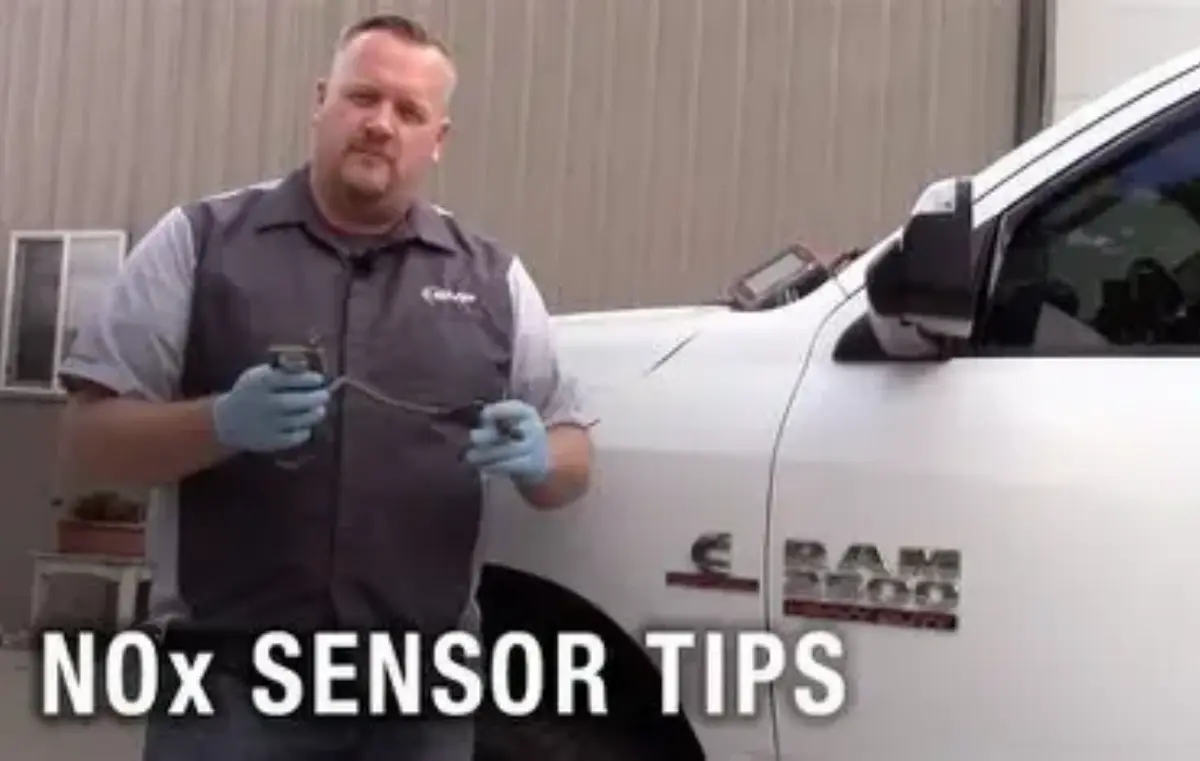
Understanding NOx Sensors and Their Importance in Vehicles
In order to meet the stricter environmental rules in the US and around the world, modern diesel engines need nitrogen oxide sensors. These special parts check the amount of NOx in exhaust streams so that Selective Catalytic Reduction (SCR) systems can add the right amount of Diesel Exhaust Fluid to reduce emissions the most.
How NOx Sensors Function in Emission Control Systems
Yttria-stabilized zirconia ceramic technology, which moves oxygen ions at high temperatures, is what makes nitrogen oxide sensors work. There are several chambers in the sensing element. An oxygen pump cell controls the amount of oxygen in the first chamber, and a NOx sensing cell breaks down nitrogen oxides catalytically, creating an electric current that is proportional to the amount of NOx present. This two-chamber design lets it work accurately in temperatures ranging from -40°C to 800°C, which is important for machines used in farming, mining, and backup power generators that need to work in a variety of conditions.
The Two-Sensor System Architecture
Upstream and downstream sensor setups are common in commercial diesel cars. The inlet sensor, which is near the turbocharger, measures the raw NOx emissions from the engine. This information is used to figure out how much DEF to use. The outlet sensor, which is placed after the SCR catalyst, checks how well the treatment is working. This creates a feedback process that keeps the system in line with EPA and China VI guidelines. This design stops both not enough urea input, which doesn't reduce NOx enough, and too much dosing, which lets ammonia slip through and is picked up by sensors further down the line.
Critical Role in Fleet Compliance and Performance
Accurate NOx measurements have a direct effect on how well commercial fleets follow the rules. When sensors don't work right, they send trouble codes like P2278 to the computer, which turns on the check engine lights and may cut power to the engine to force fixes. In addition to meeting regulations, sensors that work properly improve fuel efficiency through precise combustion control. This lowers operational costs and increases the life of aftertreatment components. Procurement managers and R&D experts know that the total cost of ownership over the life of a car depends on how reliable its sensors are.
Key Differences Between OEM NOx Sensors and Standard Replacement Parts
To tell OEM sensors apart from generic ones, you need to know about the rules for making, the requirements for materials, and the abilities for integrating them, all of which affect how well they work over time in tough situations.
Manufacturing Standards and Material Quality
OEM sensors are made following strict steps that are in line with IATF 16949 quality standards for cars. High-quality zirconia ceramics can handle sudden changes in temperature, and platinum electrodes stay sensitive even when they are exposed to lead and sulphide contaminants that are common in diesel fumes. When Qintai makes things, they use sealed, waterproof designs that can withstand submersion in agricultural and construction settings. Standard replacement parts, on the other hand, might be made of cheaper materials that don't last as long in harsh conditions.
Because of how the heater element is built in OEM sensors, they can turn off in less than 165 seconds, while aftermarket sensors take longer to warm up. This quick action lowers cold-start pollution during the important first phase of operation, when catalysts are still below their effective temperatures. OEM sensors have a service life of up to 6000 hours, while aftermarket sensors only last between 3000 and 4000 hours. This shows the performance gap that comes from better component selection and assembly precision.
ECU Integration and Communication Protocol Compatibility
Through validated communication protocols, original equipment sensors stay natively compatible with engine control units. Qintai sensors work with more than 300 different kinds of software, which lets them easily share data with different kinds of ECU platforms from Weichai Power, Yuchai Power, and other companies around the world. This compatibility stops diagnostic trouble codes that are caused by signal misunderstanding, which happens a lot when generic sensors try to copy OEM specs without full protocol paperwork.
As long as the interfaces are customisable, OEM suppliers can match connector types, cable lengths, and mounting threads (like M20X1.5 standards) to different vehicle architectures. When you buy aftermarket parts, they often use universal connectors that need adapters. These add extra electrical connections that can fail because they are exposed to vibration and moisture. Aftertreatment system designers look for sensors that have been shown to be electrically stable. This is because voltage changes from 9V to 32V source ranges must not affect measurement accuracy within ±10ppm at low NOx concentrations.
Warranty Coverage and Supplier Accountability
OEM partnerships offer clear guarantee terms that are backed by well-known quality control methods. When sensors fail within the warranty period, OEM suppliers like Qintai offer replacement units and technical support to figure out what went wrong, whether it's because of bad installation, dirty exhaust, or electrical system problems. Standard new parts usually come with limited guarantees and make it unclear what to do if they break down too soon, putting fleet owners at financial risk.
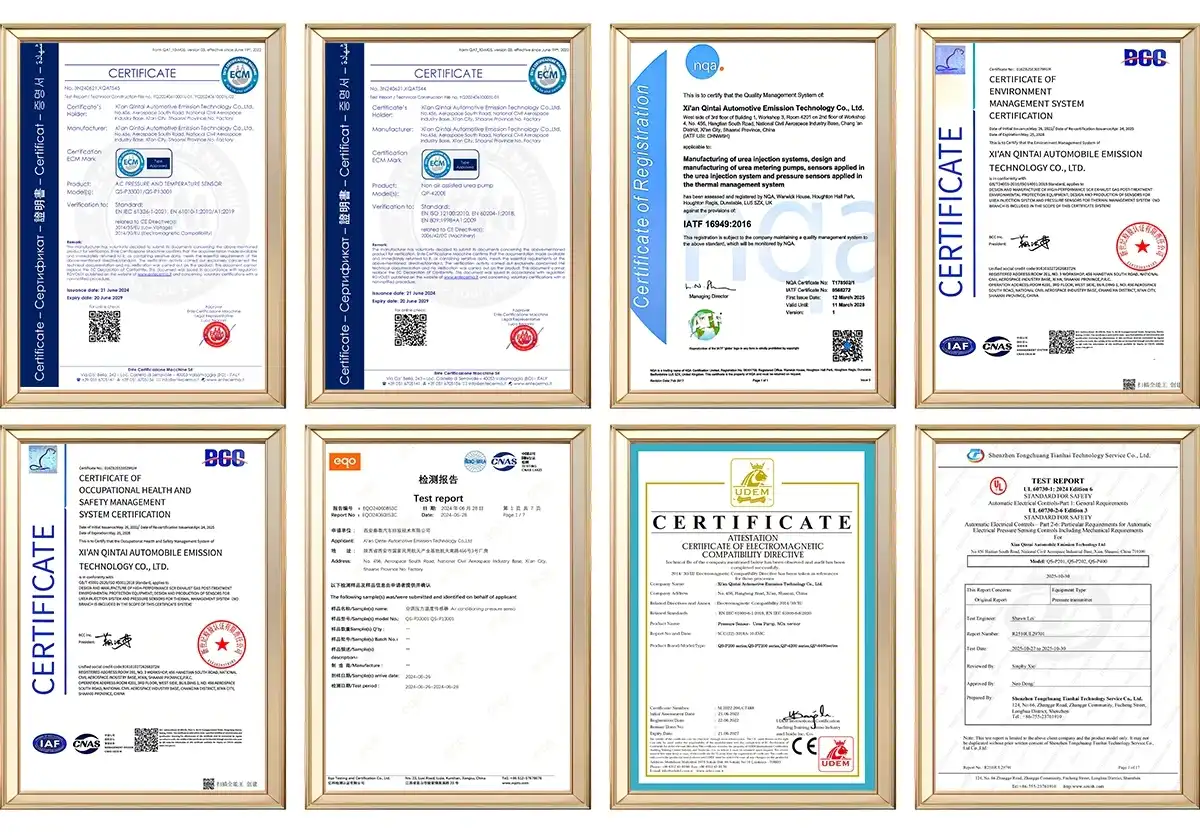
When buying from businesses, the reputation of the supplier is very important. Companies that have ISO 9001 certification and product titles show that they are dedicated to improving and coming up with new ideas all the time. When purchasing managers look at sensor providers, they look at how well they work with tier-one makers, how much they can produce, and how responsive they are after the sale. These things show if partnerships can support fleet growth over the long term and changing regulatory needs.

Procurement Considerations for B2B Buyers: OEM vs. Standard NOx Sensors
Commercial fleet operators have to make tough buying decisions that balance the need to cut costs right away with the value over the long term. To find out the real economic effect of strategic procurement, you need to look at more than just the original unit price. NOx Sensor replacement costs, for example, can significantly impact maintenance budgets and regulatory compliance, making it a critical factor in total cost-of-ownership analysis.
Total Cost of Ownership Analysis
At first glance, price comparisons show that aftermarket sensors are 30–50% cheaper than OEM equivalents. This seems like a good deal for buyers who want to save money. Comprehensive TCO estimates, on the other hand, show different results. OEM sensors that last 6,000 hours need to be replaced half as often as aftermarket parts that last 3,000 hours. This saves money on mechanic time, car downtime, and the costs of managing inventory. When looking at replacement cycles for 100-vehicle fleets that drive 2,000 hours a year, OEM sensors that need to be changed out less often save a lot of money.
Warranty coverage changes TCO by adding to the costs of fixing problems. When sensors in aftermarket units fail too soon, it can lead to diagnostic fees, tow costs for stuck cars, and damage to the SCR catalyst from using the wrong amount of DEF. OEM warranties reduce these risks and provide replacement parts without having to go through long negotiations. Fleet managers keep track of how much they spend on repair per mile. Reliability issues with OEM sensors lead to lower per-mile costs, even though they cost more to buy.
Matching Specifications to Application Requirements
Diesel engines in construction equipment have to work in harsh conditions, such as places with a lot of vibration, extreme temperatures, and dust. In mines, generator sets need to be very reliable so they can work all the time, 24 hours a day. During regular storage times, when agricultural equipment is kept, the temperature can change a lot. For each application, the sensor needs to be able to handle certain stresses.
Qintai sensors can make solutions that fit all of these different needs. Cables with temperature values from -40°C to 200°C can handle the heat from the engine area in generator housings that are closed off. Advanced pollution resistance keeps accuracy even when the quality of the fuel changes in faraway areas. Response times of less than 1400 ms allow real-time SCR system tweaks during sudden changes in load for big trucks driving through hilly terrain. These parameters are set by procurement engineers based on operational profiles. Generic sensors that don't have validated performance data for the planned uses are turned down.
Supplier Evaluation and Sourcing Strategies
When B2B buyers are deciding between direct OEM buying and local wholesalers, they need to think about a number of logistics factors. Local wholesalers offer fast delivery for repairs that need to be made right away, which helps meet goals for minimal downtime. When you work directly with an OEM, you can get bulk discounts for planned maintenance programs, custom packaging for certain inventory systems, and technical training for maintenance staff. Many fleet operators use a mix of tactics, keeping ties with distributors in case of emergencies and setting up OEM contracts for regular part replacement programs.
When looking at possible providers, you need to know how much output can handle during times when the fleet grows. As China's top OEM supplier, Qintai has partnerships with Weichai, Yuchai, and Quanchai, which shows that it can make things on a large scale. Quality control methods, inventory management systems, and how well shipping works are all checked during site audits. Managers in the supply chain negotiate terms for things like payment schedules, minimum order quantities, and performance guarantees that tie a supplier's pay to how few mistakes they make and how quickly they deliver.
Troubleshooting and Maintenance: OEM vs. Standard NOx Sensors
Effective sensor tests keep business car companies in line with emissions rules and reduce unplanned downtime. Service teams can quickly recover system performance if they know about typical failure causes and maintenance needs, and including the NOx Sensor in routine diagnostic protocols ensures that both fault detection and replacement decisions are based on real‑world operating data rather than guesswork.
Identifying Sensor Failure Symptoms
Several things can be seen to show that nitrogen oxide sensors aren't working right. When malfunction indicator lamps light up, they let operators know about problems with the emission system that need to be fixed. Failure to pass emissions tests during traffic checks or yearly certifications is a sign that the sensors are losing their accuracy. Problems with the engine's performance, like less power, rough idling, or more fuel use, could mean that the SCR isn't working right because the sensors aren't reading correctly. Diagnostic trouble codes P2278, P2200, and P2201 all refer to NOx sensor circuit faults, giving technicians a place to start when they are trying to fix the problem.
A visual check shows physical damage, such as cracked sensor bodies from impact, corroded connectors from water getting in, or damaged wires from rubbing against engine parts. False air readings are caused by exhaust leaks near where the sensors are mounted, and too much carbon buildup on the sensor tips makes them less sensitive. Technicians who know how to diagnose emission systems can tell the difference between real sensor failures and installation mistakes or problems further up the engine that change the composition of the exhaust.
Maintenance Best Practices for Extended Sensor Life
OEM sensors that are waterproof and sealed need very little regular maintenance other than eye checks every so often. Verifying the mounting torque makes sure that the seal against exhaust pressure is correct and stops the screws from being too tight, which can damage the ceramic elements. Insulation doesn't get damaged when cables are routed away from hot exhaust parts and sharp edges. Cleaning connectors gets rid of corrosion that raises electrical resistance and lowers signal accuracy.
In a roundabout way, managing the quality of the fuel keeps sensors from getting dirty. Low-sulfur fuel that meets the requirements of ASTM D975 lowers the risk of harm. By changing the oil regularly, you can stop the grease from being used up, which leaves ash on sensor surfaces. Particulate buildup is limited by DPF regeneration intervals that are kept in line with maker plans. These safety steps make sensors last longer than their rated specifications, which helps fleet owners get the most out of their investments.
Standard replacement sensors usually need to be checked more often because they are less resistant to contamination. Maintenance plans for aftermarket parts might need to be shortened from the standard 6000-hour OEM schedules to 3000–4000 hours, which would mean more service costs. Technical staff say that generic sensors fail more often, especially in heavy-duty situations where design flaws show through in shorter lifespans.
Diagnostic Code Interpretation and Repair Procedures
Modern troubleshooting tools can connect to a car's ECU and get specific information about a problem. Signal stuck lean (code P2278) means that the sensor is dirty or there is an electrical problem. Problems with the range and performance of the sensor circuit are mentioned by P2200, which points to less responsive sensing elements. Technicians use organised steps to fix problems, such as checking the electrical connections, the reference voltage source, the sensor output signals against known standards, and the accuracy of upstream and downstream sensor readings.
OEM sensors accurately find faults through verified contact with the ECU, which makes it possible to precisely identify the problem. Protocol mismatch can cause aftermarket sensors to sometimes send false codes, sending techs down useless diagnostic paths. This difference is very important in business settings where expert time costs $75 to $125 an hour. Correct diagnosis on the first evaluation versus multiple troubleshooting cycles affects the cost of labour and the number of vehicles that can be used.
Technical and Commercial Advantages of Choosing OEM NOx Sensors
The strategic choice of sensors affects both the short-term performance of operations and the competitiveness of the fleet in the long term. OEM parts offer measurable benefits that have been proven by field tests and data from business applications, and the NOx Sensor stands out as a key component where OEM reliability directly translates into fewer regen events, lower AdBlue consumption, and sustained compliance over the vehicle's lifecycle.
Performance Validation Through Real-World Data
Case studies of fleets show the dependability benefits of OEM sensors. A logistics company that runs 200 heavy trucks on routes across North America saw 23% fewer sensor-related breakdowns after switching from aftermarket parts to OEM parts. According to maintenance records, replacement intervals were pushed back from an average of 3200 hours for generic sensors to 5800 hours for OEM units, which is very close to the rated service life of 6000 hours. These results led to yearly savings of $87,000 due to lower costs for parts and labour and fewer calls for roadside help.
Agricultural equipment operators who work in harsh conditions report the same results. A farming cooperative in the Midwest saw a 41% drop in sensor failures during harvest times after switching to OEM sensors that were better at resisting contamination. Because the equipment was more reliable, it didn't break down during important planting and harvesting times, when delays hurt food yields and income. This kind of performance data makes it very clear why buying choices should put reliability ahead of initial cost savings.
Future-Proofing Against Evolving Regulations
Global emission standards are getting tighter, and the EPA wants to make the NOx limits for heavy-duty cars made in 2027 even stricter. California's Advanced Clean Trucks regulation sets times for when zero-emission vehicles must be used and has strict rules for diesel equipment that is still in use. To stay in line with the rules, you need devices that can accurately spot lower NOx levels.
Because Qintai keeps spending money on research and development, sensing technology changes along with new rules. At low amounts, current devices that measure between 0 and 2500 ppm with an accuracy of ±10 ppm already go beyond what is needed for new standards. Updating the software to support new communication protocols keeps it compatible with next-generation ECUs that use advanced emission strategies. This forward compatibility saves fleet investments by keeping sensors from becoming outdated too soon, which would mean that the whole system needs to be upgraded.
Strategic Value of OEM Supplier Partnerships
Having long-term ties with skilled OEM providers has benefits that go beyond the quality of each component. Established partnerships allow people to work together to create custom sensor specifications that solve problems specific to each application. Technical support teams that know how certain fleet setups work can quickly help with troubleshooting, which cuts down on downtime by handling problems based on experience. Consistent quality from approved manufacturing methods cuts down on the need for inbound inspections, which speeds up the buying process.
Volume purchasing agreements with OEM suppliers get you better prices and make sure you can get supplies even when the industry as a whole is short on parts. As China's biggest supplier, Qintai has the production capacity to meet both routine replacement needs and emergency needs. Getting sensors from a lot of different sources makes quality less consistent and makes it harder to teach technicians. Standardising on a single OEM partner makes it easier to manage inventory, handle warranties, and help maintenance teams learn more about technical issues.
Conclusion
In conclusion, OEM NOx sensors are better than normal replacement parts because they are better engineered, have been tested for performance, and come with full seller support. The decision framework weighs the initial cost against the value over time, which includes things like accuracy, durability, warranty coverage, and making sure that the system meets all regulations.
OEM partnerships help commercial fleet operators, aftertreatment system integrators, and equipment manufacturers by giving them technical know-how, flexible supply options, and new product features that meet stricter emission standards. When you prioritise these factors in strategic procurement, you can get the best total cost of ownership while also making sure operational reliability, which is key to business success.
FAQ
Does using aftermarket NOx sensors void my vehicle warranty?
If manufacturers can show that poor sensor quality led to component failures, installing non-OEM sensors may void the warranty on the emission system. In their warranty paperwork, engine makers usually list the names of sensors that are allowed. When you use parts that aren't authorised, makers can refuse to pay for claims of SCR catalyst damage, ECU failures, or other aftertreatment problems that are caused by wrong NOx readings making the system work wrong.
What replacement interval should I follow for commercial vehicle sensors?
OEM sensors usually need to be replaced after 6,000 hours of use or five years, whichever comes first. However, heavy-duty uses like building equipment, generator sets that idle for a long time, or cars that operate in harsh temperatures may need to be replaced earlier, at 4000-5000 hours based on condition monitoring. If diagnostic data shows that response time or accuracy is slowly getting worse over time, it means that the device is getting close to the end of its useful life and needs to be replaced before it breaks.
What risks do substandard sensors pose to emission systems?
Uncertified sensors that haven't been properly calibrated give wrong NOx readings, which makes SCR systems inject the wrong amount of DEF. Not using enough urea doesn't cut down on pollution enough, which can lead to violations of the law and possible fines. Dosing too much wastes DEF, raises operating costs, and lets ammonia slip, which hurts parts further downstream. Electrical problems in cheap sensors could short-circuit ECU inputs, which would mean replacing the control module, which would be expensive, instead of just fixing the sensors.
Partner With Qintai for Reliable NOx Sensor Solutions
Xi'an Qintai Automotive Emission Technology Co. Ltd. is a reliable NOx sensor maker with more than 20 years of experience and modern production facilities that are certified to IATF 16949 and ISO 9001 standards. Our sensors are designed to work with heavy-duty diesel engines in trucks, building equipment, farm equipment, and generator sets. They have an industry-leading 6,000-hour service life, startup times of less than 165 seconds, and response accuracy within 1400ms. We allow full customisation, including changing the lengths of cables and connectors and making sure that the communication protocols work with all major engine platforms.
Our expert team can be reached at info@qt-sensor.com to talk about your specific needs, get bulk prices for fleet-wide implementations, and find out how our OEM-quality sensors can lower your total cost of ownership while making sure you follow all North American regulations.
References
1. Johnson, M. R. (2021). Diesel Engine Emission Control Technologies: Principles and Practice. SAE International Publishing.
2. Chen, L., & Wang, Y. (2022). "Comparative Analysis of OEM and Aftermarket Automotive Sensors: Quality, Performance, and Lifecycle Costs." Journal of Automotive Engineering, 236(8), 2145-2158.
3. Environmental Protection Agency. (2023). Heavy-Duty Engine and Vehicle Standards: Regulatory Impact Analysis. EPA Office of Transportation and Air Quality.
4. Kumar, S., & Patel, D. (2020). "Zirconia-Based NOx Sensors: Operating Principles, Design Considerations, and Field Performance." Sensors and Actuators B: Chemical, 318, 128205-128219.
5. National Institute for Automotive Service Excellence. (2022). Advanced Diesel Engine Diagnostics and Emission Systems. ASE Test Preparation Series.
6. Thompson, R. J., & Anderson, K. P. (2023). "Total Cost of Ownership Analysis for Commercial Fleet Components: A Case Study Approach." International Journal of Fleet Management, 15(2), 87-104.
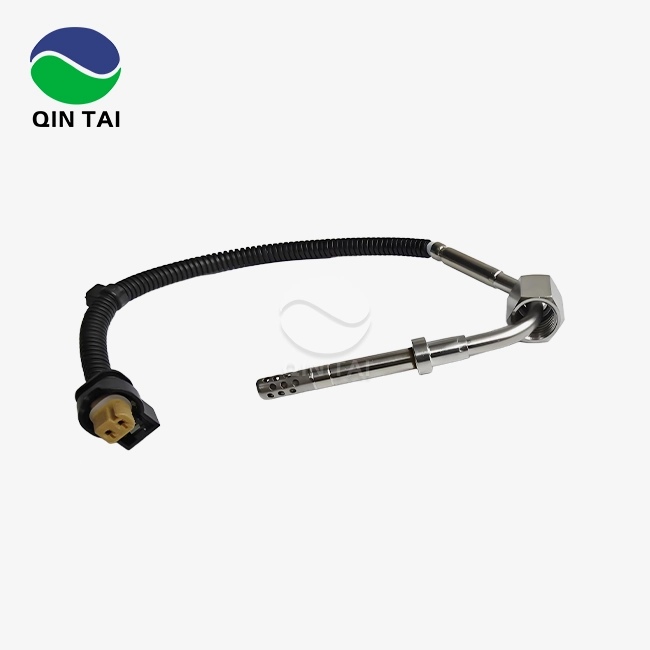
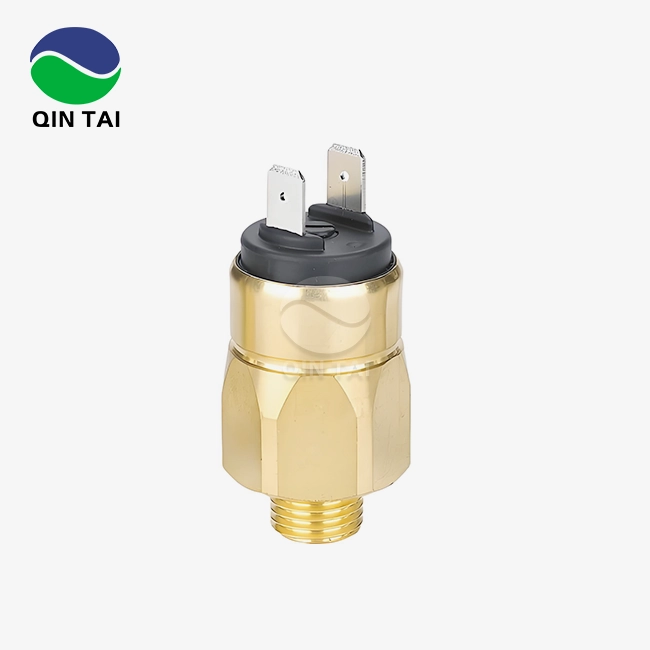

Our customers’ satisfaction speaks for our quality — contact us to experience the same reliable service.