- English
- French
- German
- Portuguese
- Spanish
- Russian
- Japanese
- Korean
- Arabic
- Greek
- German
- Turkish
- Italian
- Danish
- Romanian
- Indonesian
- Czech
- Afrikaans
- Swedish
- Polish
- Basque
- Catalan
- Esperanto
- Hindi
- Lao
- Albanian
- Amharic
- Armenian
- Azerbaijani
- Belarusian
- Bengali
- Bosnian
- Bulgarian
- Cebuano
- Chichewa
- Corsican
- Croatian
- Dutch
- Estonian
- Filipino
- Finnish
- Frisian
- Galician
- Georgian
- Gujarati
- Haitian
- Hausa
- Hawaiian
- Hebrew
- Hmong
- Hungarian
- Icelandic
- Igbo
- Javanese
- Kannada
- Kazakh
- Khmer
- Kurdish
- Kyrgyz
- Latin
- Latvian
- Lithuanian
- Luxembou..
- Macedonian
- Malagasy
- Malay
- Malayalam
- Maltese
- Maori
- Marathi
- Mongolian
- Burmese
- Nepali
- Norwegian
- Pashto
- Persian
- Punjabi
- Serbian
- Sesotho
- Sinhala
- Slovak
- Slovenian
- Somali
- Samoan
- Scots Gaelic
- Shona
- Sindhi
- Sundanese
- Swahili
- Tajik
- Tamil
- Telugu
- Thai
- Ukrainian
- Urdu
- Uzbek
- Vietnamese
- Welsh
- Xhosa
- Yiddish
- Yoruba
- Zulu
What Are the Benefits of Using Pressure Sensors in Water Systems?
Pressure sensors deliver transformative advantages in water systems by enabling real-time monitoring, optimizing energy consumption, and preventing catastrophic failures. These devices measure fluid force variations across pipelines, tanks, and pumps, translating physical pressure changes into electrical signals that control equipment and alert operators to anomalies.
By continuously tracking pressure fluctuations, water system managers reduce operational costs through predictive maintenance while ensuring regulatory compliance and extending infrastructure lifespan. The integration of accurate pressure measurement technology addresses critical challenges like leak detection and pump optimization, making these sensors indispensable in municipal, industrial, and agricultural water management applications.
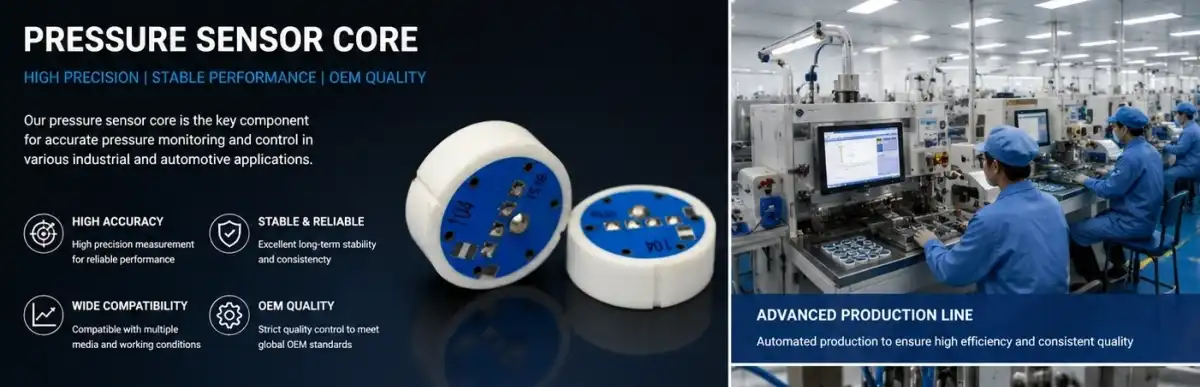
Introduction to Pressure Sensors in Water Systems
To keep working well and avoid costly breakdowns, modern water infrastructure needs accurate pressure readings. The pressure sensor is what makes this possible. It takes the mechanical force that water applies and turns it into measurable electrical data. Procurement managers and engineers can make better decisions that improve system performance when they know how these tools work and which technologies are best for different uses.
Fundamental Working Principles
Different types of sensors work in different ways, but they all have the same goal: to accurately and reliably detect changes in pressure. Piezoresistive sensors use semiconductors that change their electrical resistance when they are mechanically stressed. This changes the voltage outputs so that they are proportional to the pressure that is being applied. Capacitive sensors have a flexible cushion between two electrodes.
When water pressure bends the membrane, the gap distance changes, which changes the capacitance values that electronics use to read the pressure. When solid materials are compressed, piezoelectric models create electric charges. This makes them perfect for measuring dynamic pressure in flow conditions that change quickly.
Main Sensor Types for Water Applications
Different sensor technologies that are made to meet specific measurement needs are helpful for water systems. Gauge sensors work well in closed-loop systems where differential readings are important because they measure pressure in relation to the air pressure. Absolute sensors work in a perfect vacuum, so they can take accurate readings that aren't affected by changes in the air pressure around them.
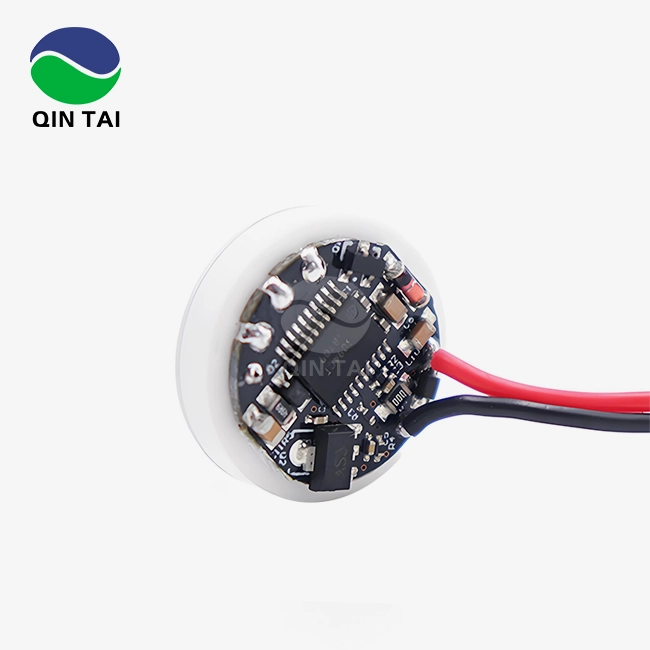
This is important for installations at high elevations or for uses that need to account for barometric pressure. Ceramic capacitive pressure sensors work really well in water that is acidic because they are resistant to chemicals and stay stable over time, which metal diaphragms can't do. Which of the piezoresistive, capacitive, or piezoelectric technologies to use depends on things like the pressure range, reaction time, temperature range, and compatibility with the media.
By understanding these basic ideas, you'll be able to choose the right sensor options for a wide range of water management situations, from citywide distribution networks to industrial process water systems.
Key Benefits of Implementing Pressure Sensors in Water Systems
Adding improved pressure measurement technology, particularly pressure sensor integration, changes how well a water system works in many ways. The operational gains go far beyond just monitoring; they create real value by saving energy, keeping tools safe, and letting people make decisions based on data.
Enhanced Operational Efficiency
Using real-time pressure data to control pumps in smart ways that use a lot less energy is possible. With pressure feedback and variable frequency drives, motor speeds can be changed to match actual demand instead of always running at full capacity. Studies show that using optimised pump control instead of the old on-off cycling methods cuts electricity use by 20–40%. When water utilities use pressure-based flow management, they save more than $50,000 a year on energy costs at each pumping station and also make equipment last longer by reducing mechanical stress.
Improved System Reliability
Overpressure events that damage equipment, break pipelines, and cause valves to fail can be avoided with good pressure control. Sensors placed at key nodes constantly check the state of the system and shut it down automatically when safety limits are crossed. According to study on water infrastructure done in cities across North America, this proactive protection system cuts the number of catastrophic fails by over 60%. Being able to spot slow changes in pressure also shows problems like valves that are only partially closed or sediment buildup before they become emergencies that need expensive fixes and service interruptions.
Predictive Maintenance Advantages
Pressure pattern analysis shows how equipment is breaking down in ways that can't be seen by doing regular checks by hand. Gradual drop in pressure downstream of a pump shows that the impeller is wearing out, so it can be replaced before it fails completely and causes unplanned downtime. By measuring the difference in pressure between filters, you can figure out how much debris has built up and make cleaning schedules that are based on actual conditions instead of random times. Water treatment plants that use sensor-enabled predictive maintenance have 30% less extra parts on hand and 97% more available equipment, which shows big changes in how well the plants work.
All of these benefits work together to make strong value propositions that make investments in pressure sensors worthwhile by showing measurable results in terms of energy costs, upkeep costs, and system uptime.
Choosing the Right Pressure Sensor for Water Systems
To choose the right pressure measurement technology, you need to make sure that the sensor's capabilities match the needs of the application and that you take into account environmental factors that can affect performance over time. Technical standards, longevity needs, and the total cost of ownership are all taken into account during the decision-making process.
Comparing Sensor Technologies
Piezoresistive sensors are the most common type used in water systems because they are accurate over a wide range of pressures and can connect to standard industrial interfaces. With an average accuracy rate of ±0.25% full scale, these devices can handle pressures from 5 psi to 10,000 psi and are good for most commercial and municipal needs. Capacitive sensors are more stable in situations where the temperature and pressure change, and they can keep their tuning accuracy over millions of measurement rounds.
The ceramic material they are made of keeps them from rusting in chlorinated water, wastewater, and chemically treated process fluids that would normally damage stainless steel diaphragms. Piezoelectric pressure sensor designs are great at finding water hammer events and short-term pressure jumps, but they need signal processing electronics that make installation more difficult.
Absolute versus Gauge Measurement
In some situations, the difference between an absolute reference and a gauge reference changes how accurate a measurement is. For closed distribution systems that use differential readings to control pumps and valves, gauge sensors that measure pressure in relation to atmospheric pressure are enough.
Absolute sensors are needed for accurate static head calculations, installations at high elevations where the air pressure changes a lot, or systems that use pressure readings to figure out volumetric flow. When checking the level of a tank inside a protected vessel, it needs to be measured exactly so that mistakes caused by changes in barometric pressure can't happen.
Environmental Considerations
Extreme temperatures can affect the accuracy and life of sensors, especially when they are installed outside where the weather changes with the seasons. Good industrial sensors have thermal compensation that works from -40°F to 185°F and keeps the accuracy within the limits that are stated. If the housings don't meet IP67 or IP68 ingress protection guidelines, humidity and condensation can damage electrical parts.
When abrasive particles wear down diaphragms or biological growth clogs pressure ports, water quality affects how long sensors last. When working with raw water, sludge, or water that has a lot of sediment, flush-mounted diaphragm designs are better because they reduce the amount of dead space where the sediment builds up.
When you look at datasheets, you need to pay attention to things like burst pressure rates, vibration tolerance, electromagnetic interference immunity, and standards like NSF/ANSI 61 for drinking water contact materials that are important for water system uses.

Practical Applications of Pressure Sensors in Water Systems
Pressure measurement technology is used in many different ways in the residential, business, and industrial water control fields. Modern sensors can be used with both old infrastructure and more advanced automated control systems because they are flexible.
Pump Control and Optimization
Continuous pressure input is what variable speed pump systems use to keep goal setpoints while using as little energy as possible. Installed sensors on the discharge lines send real-time data to programmable logic controls, which then change the frequencies of the motors to match the immediate demand. This closed-loop control gets rid of the pressure changes that wear out valves too quickly and make customers complain about water supply that isn't reliable. Booster stations that serve tall buildings measure the difference in pressure between the supply lines and the raised tanks. This lets them turn on pumps only when gravity feed isn't enough, which cuts runtime by 40–60%.
Leak Detection and Water Loss Prevention
Strategically placing sensors throughout distribution networks makes it easy to find leaks quickly when pressure patterns don't look right. Municipal systems that put in fixed tracking points every 500 meters can find pressure drops that are caused by main breaks within minutes. This lets them send out repair teams before there is a lot of water loss. Irrigation networks that cover farms use pressure zones to separate areas where flow rates rise unexpectedly.
This makes it easier to find underground leaks that waste thousands of gallons of water every day, especially when each pressure sensor provides continuous real-time data along the pipeline. Advanced analytics that compare the lowest flow at night to the baseline pressure readings can accurately measure the amount of water that is lost without making a profit, which is enough to support decisions about infrastructure investments.
SCADA and IoT Integration
These days, water companies use Supervisory Control and Data Acquisition systems that have pressure sensors built in. These systems make it possible to keep an eye on assets that are spread out geographically. Digital communication methods on sensors allow measurements to be sent over wireless networks, so signal lines don't have to be buried, which can be expensive.
Cloud-based platforms combine pressure data with data from flow meters, water quality instruments, and weather forecasts to use machine learning algorithms to make system operations run more smoothly. Monitoring water pressure is linked to building management systems in industrial sites. This helps to level demand and lower peak consumption charges by coordinating water use with production plans.
To follow the rules for drinking water, pressure levels must often be kept above the lowest levels needed to stop pollution from backflowing. Continuous sensor monitoring creates automated records that meet regulatory reporting requirements and warns operators of situations where compliance is not met, which needs immediate action.
How to Implement and Maintain Pressure Sensors in Your Water System
A successful deployment of sensors relies on following the right steps for installation and ongoing upkeep to keep measurements accurate for as long as the sensors are in use. During the implementation phases, strategic planning stops common problems that hurt performance.
Installation Best Practices
A site assessment finds the best places to take measurements so that pressure readings accurately show how the system is working without too much turbulent flow or flow restrictions. By mounting sensors perpendicular to the flow direction and using isolation valves, they can be taken out for calibration without having to shut down the system. To keep sediment from building up in vertical pipe sections, pressure taps should be placed on horizontal pipe sections.
To keep signal interference from motors and variable frequency drives close, electrical connections need weatherproof tubing and the right way to ground them. Following the manufacturer's torque recommendations during installation keeps the seal from leaking and protects the diaphragm from damage caused by overtightening.
Calibration and Accuracy Maintenance
Industrial pressure sensors usually need to be calibrated and checked every 12 months to keep reading accuracy within certain limits. During the calibration process, the sensor's output is compared to traceable reference standards over the full range of operating pressures. The zero and span settings are changed to fix drift. Systems that support important processes benefit from having multiple sensors that can be used to check for problems that could mean the calibration is getting worse. Keeping track of test results, calibration dates, and change values produces audit trails that meet the needs of a quality management system.
Troubleshooting Common Issues
Often, false readings are caused by air pockets in pressure ports or things that block the movement of the diaphragm. Using flush valves for purging gets rid of trapped air while keeping the system pressure steady. Erratic signals could mean that the power supply voltage isn't high enough or that there is electromagnetic interference that needs shielded cables. If digital devices lose their signals, it could mean that there are problems with the wiring, the way the protocols are set up, or the communication units themselves have broken. Regular preventive maintenance plans that include eye checks and zero pressure checks help keep sensors working well and find problems early, before they become too useless.
Establishing clear maintenance rules and teaching operations staff basic fixing skills will help you get the most out of your sensor technology investments and cut down on unnecessary downtime.
Conclusion
Pressure sensors add real value to water systems by making them more efficient, reliable, and able to predict when repair needs to be done. To get the best performance, the process of choosing a technology needs to carefully look at different types of sensors, environmental factors, and the needs of the specific application. When implemented correctly and maintained regularly, measurements stay accurate, which helps businesses make choices based on data. Population growth and old assets are putting more stress on water infrastructure. Pressure sensor technology is important for managing resources sustainably and following the rules.
FAQ
What Is the Difference Between Pressure Sensors and Pressure Transducers?
People often use the terms equally, but there are some formal differences between them. Pressure sensors are usually full devices that give off standard signals, such as 4-20mA or digital protocols, and are ready to connect directly to control systems. Pressure transducers are usually made up of sensing elements that send out raw electrical signals that need to be processed by other electronics. In modern business, these terms aren't always clear-cut. For example, most companies use "sensor" and "transducer" to refer to goods that have built-in data processing.
How Often Should Pressure Sensors Be Calibrated?
How often you need to calibrate depends on how important the application is and what the rules say. For non-critical tracking purposes, industrial water systems are usually calibrated once a year. However, process control sensors that support safety functions may need to be checked every three months. Sensors that track the flow of custody or help with regulatory compliance usually need to be calibrated every six months. Setting a baseline for performance through regular initial calibrations helps figure out the best repair intervals by looking at how fast things are wearing out.
Can Pressure Sensors Detect Small Leaks in Large Distribution Networks?
To find small leaks, you need to strategically place sensors in pressure zones that are small enough that flow irregularities cause changes in pressure that can be measured. Networks that are split up into district-metered areas with border sensors can find leaks that use up to 2 to 5 percent of zone flow by comparing the lowest pressures at night to the normal circumstances. When you compare multiple sensor readings using advanced analytics, you can narrow down leak locations to specific pipe pieces. However, to get exact locations, you usually need acoustic leak detection tools along with pressure data.
Partner with Qintai for Advanced Pressure Sensor Solutions
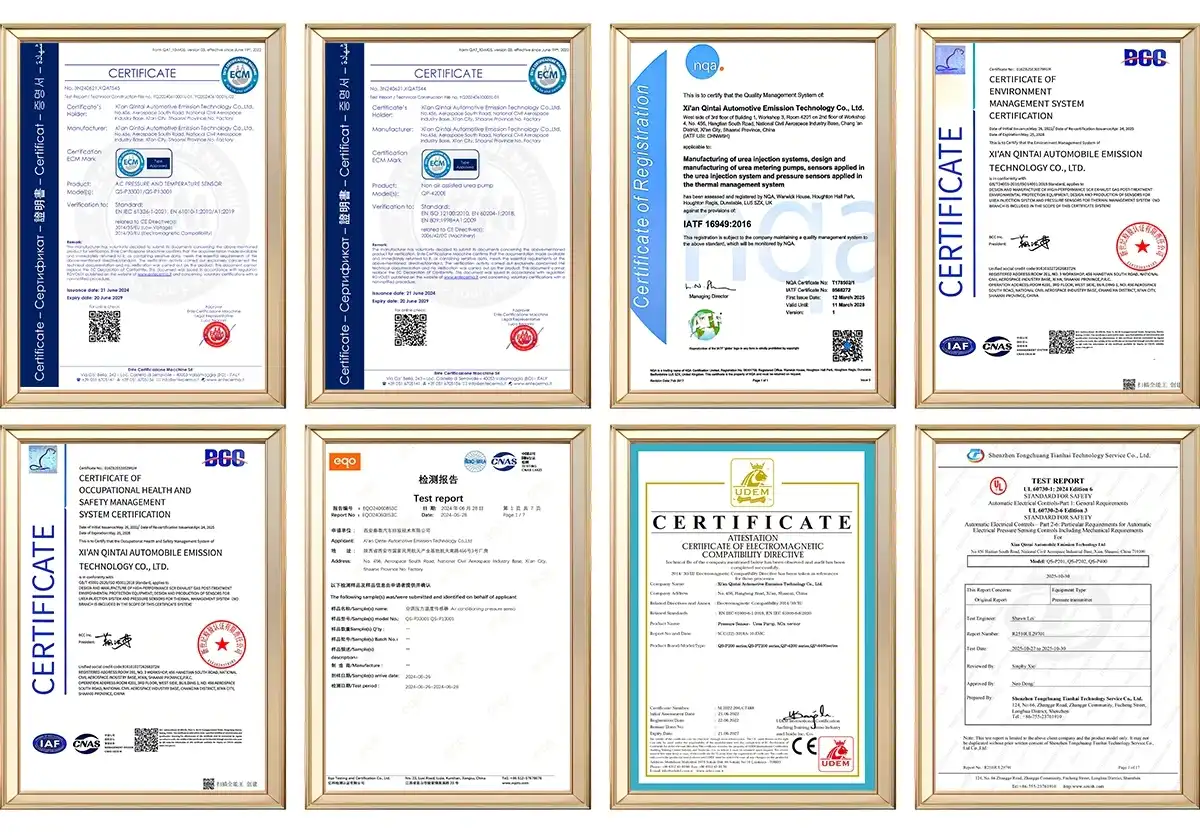
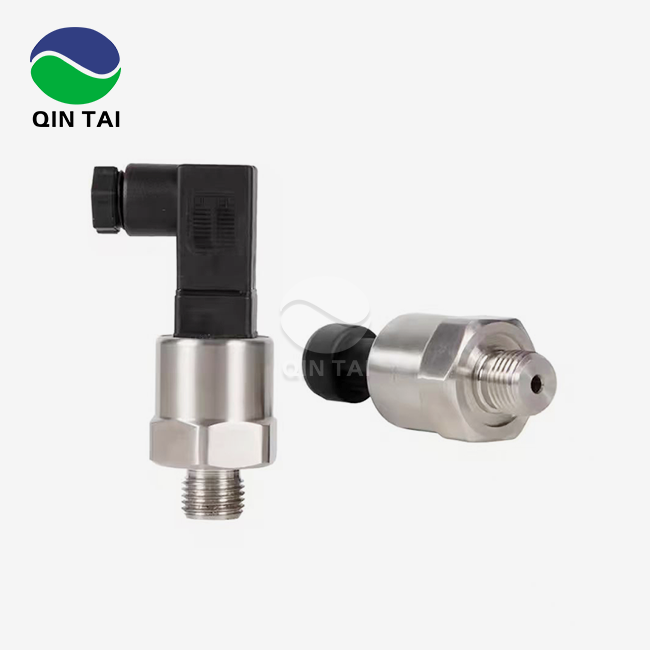
When you work at Xi'an Qintai Automotive Emission Technology Co. Ltd., our engineering knowledge goes beyond emission control systems and includes high-precision pressure sensors made for tough industrial uses, such as water management infrastructure. We've been committed to technological innovation since 2001 by creating complete sensor solutions that meet international quality standards such as ISO9001, IATF16949, and CE certifications. These solutions are backed by 58 invention patents.
Our OEM services help big equipment makers who need flexible interfaces, fast delivery, and technical support for the whole lifecycle of their products. Whether you need pressure sensors for industrial process control, municipal water systems, or other unique uses, our team can help you match the specs of the sensors you need to your operational needs. Contact us at info@qt-sensor.com to talk about how our services as a pressure sensor maker can help you get the most out of your water system by using accurate measurement technology.
References
1. American Water Works Association. (2019). Pressure Management for Leak Reduction and Infrastructure Protection. Denver: AWWA Press.
2. Thornton, J., Sturm, R., & Kunkel, G. (2008). Water Loss Control, 2nd Edition. New York: McGraw-Hill Professional.
3. International Society of Automation. (2020). Industrial Pressure Measurement: Selection, Installation, and Calibration Standards. Research Triangle Park: ISA Publications.
4. Water Research Foundation. (2021). Smart Water Network Monitoring Technologies: Performance Evaluation and Best Practices. Denver: WRF Technical Report Series.
5. Liptak, B.G. (2018). Instrument Engineers' Handbook: Process Measurement and Analysis, Volume 1, 5th Edition. Boca Raton: CRC Press.
6. European Water Association. (2022). Pressure Sensor Applications in Municipal Water Distribution Systems: Technical Guidelines and Case Studies. Brussels: EWA Technical Publications.
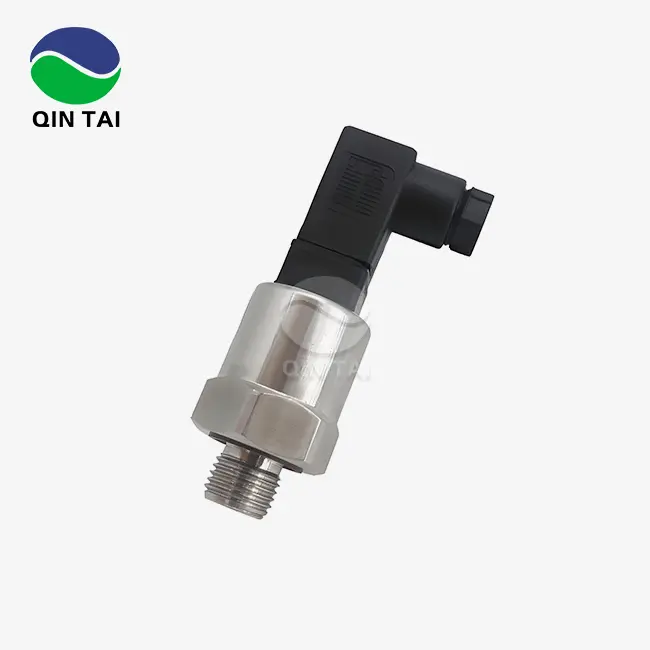


Our customers’ satisfaction speaks for our quality — contact us to experience the same reliable service.