- English
- French
- German
- Portuguese
- Spanish
- Russian
- Japanese
- Korean
- Arabic
- Greek
- German
- Turkish
- Italian
- Danish
- Romanian
- Indonesian
- Czech
- Afrikaans
- Swedish
- Polish
- Basque
- Catalan
- Esperanto
- Hindi
- Lao
- Albanian
- Amharic
- Armenian
- Azerbaijani
- Belarusian
- Bengali
- Bosnian
- Bulgarian
- Cebuano
- Chichewa
- Corsican
- Croatian
- Dutch
- Estonian
- Filipino
- Finnish
- Frisian
- Galician
- Georgian
- Gujarati
- Haitian
- Hausa
- Hawaiian
- Hebrew
- Hmong
- Hungarian
- Icelandic
- Igbo
- Javanese
- Kannada
- Kazakh
- Khmer
- Kurdish
- Kyrgyz
- Latin
- Latvian
- Lithuanian
- Luxembou..
- Macedonian
- Malagasy
- Malay
- Malayalam
- Maltese
- Maori
- Marathi
- Mongolian
- Burmese
- Nepali
- Norwegian
- Pashto
- Persian
- Punjabi
- Serbian
- Sesotho
- Sinhala
- Slovak
- Slovenian
- Somali
- Samoan
- Scots Gaelic
- Shona
- Sindhi
- Sundanese
- Swahili
- Tajik
- Tamil
- Telugu
- Thai
- Ukrainian
- Urdu
- Uzbek
- Vietnamese
- Welsh
- Xhosa
- Yiddish
- Yoruba
- Zulu
Best Pressure Transmitter Supplier Guide for OEM Buyers
OEM makers have to make a choice about the right Pressure Transmitter Supplier that affects the quality of their products, their ability to follow the rules, and their overall operating success. Working with a supplier who knows about emission standards, mass production needs, and long-term technical support is very important when you're looking for parts for diesel engines, aftertreatment systems, or generator sets. This guide walks you through the most important things you need to think about when comparing pressure sensor sources. This will help you make choices that meet both your technical needs and your goals for cost-effectiveness.
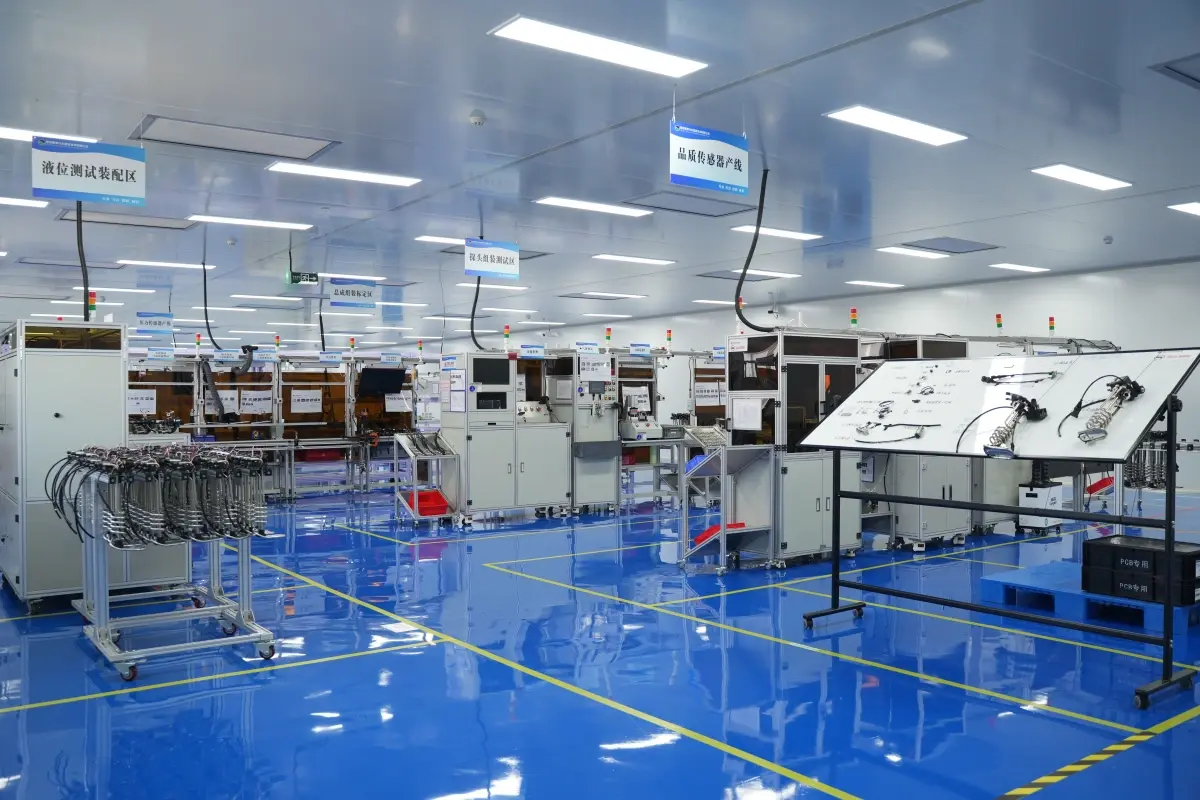
Understanding Pressure Transmitters and Supplier Industry Overview
The pressure of gases, liquids, and vapors is measured by pressure transmitters, which then turn these numbers into normal electrical signals like 0-5V or 4-20mA outputs. Transmitters are different from basic pressure sensors because they include circuitry for signal conditioning. This lets you reliably monitor and control processes from afar in industrial settings in real time. This feature is very important in diesel engine aftertreatment systems that need accurate exhaust pressure data to meet China VI and Euro VI emission standards. As a result, finding a qualified Pressure Transmitter Supplier is vital for compliance.
How Pressure Transmitters Work
These days, pressure transmitters don't use mechanical systems, but instead use electronic sensing technologies. Strain-sensitive resistors glued to diaphragms in piezoresistive devices pick up changes in pressure. When pressure is put on the diaphragm, the resistor values change, which makes electrical messages that are proportional. Vacuum-sputtering is used in thin-film pressure sensors to put strain gauges directly on stainless steel diaphragms at the molecular level. This atomic-level bond gets rid of the problems that come with adhesive drift and aging. It also provides better long-term stability in situations of changing temperatures and high pressure cycling.
Types of Pressure Transmitters for OEM Applications
Gauge pressure sensors can be used to check hydraulic systems and keep an eye on combustion processes because they measure pressure in relation to the surrounding air. It is best to use absolute pressure sensors that are calibrated to a perfect vacuum for barometric correction in situations where the altitude changes. Differential pressure sensors keep an eye on the changes in pressure between filters or catalysts in SCR and DPF systems and send out early warnings when they become clogged. When the weather changes, like it does a lot when mobile machinery is used, sealed gauge transmitters provide stable standards.
Global Market Landscape and Certification Standards
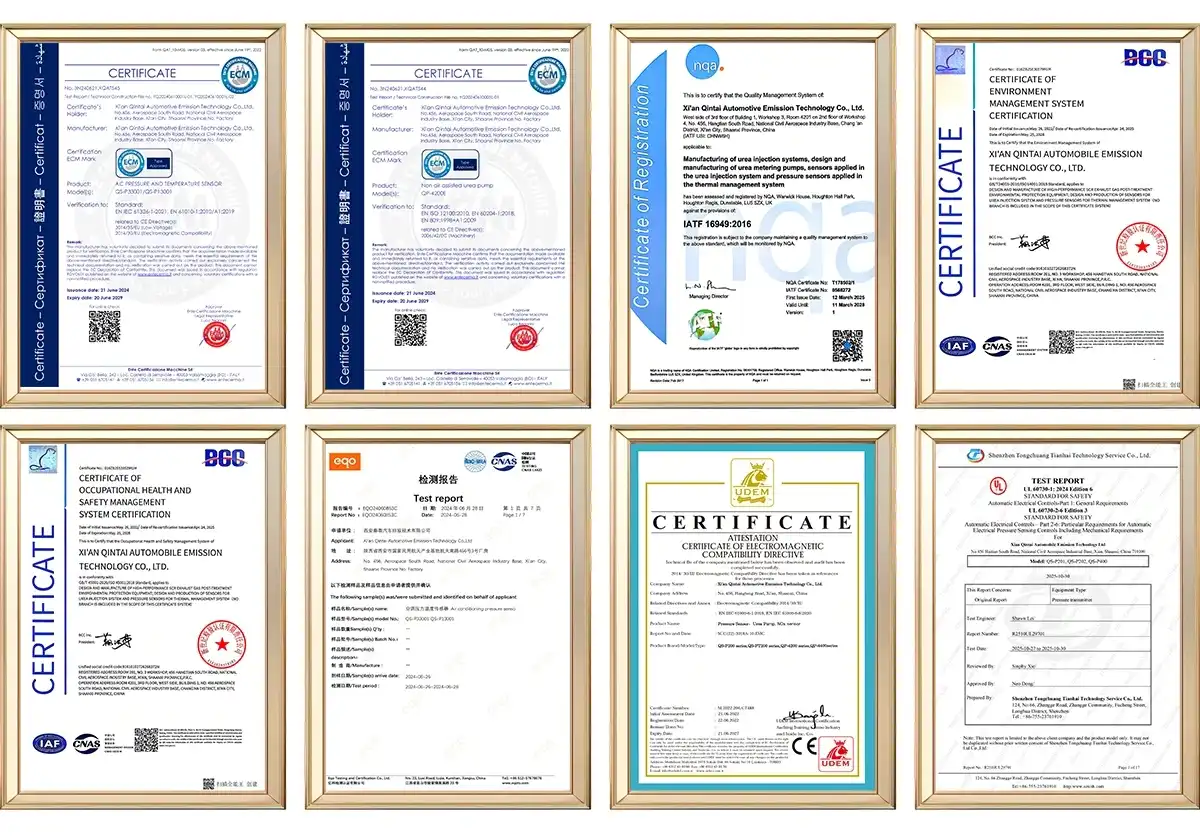
Well-known brands like Emerson, Siemens, and Honeywell are in the pressure transmitter market. There are also smaller companies that focus on automotive and emission control applications. Quality certifications show how trustworthy a supplier is. ISO 9001 makes sure that quality control is always the same, and IATF 16949 is specific to the needs of the car industry.
ATEX certification proves that designs are safe for dangerous environments and won't explode. This is very important when transmitters are used near fuel systems or exhaust gases. Safety Integrity Level (SIL) scores make sure that mission-critical apps are functionally safe. Suppliers with multiple certificates show they are committed to quality and aware of regulations, which lowers the risk of noncompliance for OEM buyers.

How to Select a Reliable Pressure Transmitter Supplier – Criteria for OEM Buyers
When choosing a Pressure Transmitter Supplier, you need to look at both their products and how they run their business. OEM buyers have to weigh technical performance against the ability to make money, making sure that providers can handle both concept development and large-scale production.
Assess OEM-Specific Technical Requirements
Technical objectives are set by your application. Diesel engine makers need transmitters that can work in settings with a lot of vibration and handle exhaust temperatures of more than 200°C while still being accurate to within 0.5%. Aftertreatment technicians need sensors with standard CAN or analog connections that work with control units that are already in use. Manufacturers of generator sets put a high priority on long-term drift specifications below 0.1% per year, which guarantees calibration intervals of ten years. Before you start talking to suppliers, you should know what your accuracy class, pressure range, output signal type, weather conditions, and mounting options are.
Evaluate Core Supplier Capabilities
Certification files show how mature a manufacturing process is. Structured quality systems are shown by ISO 9001 and IATF 16949 certifications. The China Metrology Certification (CMC) and UL listings show that the products have been tested thoroughly. Following the rules for REACH and RoHS shows that you care about the environment and lets European goods reach new markets. Look at intellectual property assets instead of just titles. Invention rights show that a supplier has invested in research and development (R&D) and can come up with new ideas. This lowers the risk of long-term partnerships using outdated technology.
Product range breadth is important if you need more than one type of sensor or want to grow your product line. It's easier to buy multiple parts when suppliers offer temperature, NOx, and oxygen sensors along with pressure transmitters. Customization features let you change the interface, the housing, or the length of the wire without having to find completely new providers.
Financial and Supply Chain Considerations
Being clear about prices builds trust. Ask for specific quotes that break down unit costs, tooling fees, and the smallest amount you need to buy. Pricing levels based on volume should reward promises to grow. Payment terms show how financially stable a provider is; open terms mean stable operations, while strict advance payments may mean cash flow problems.
Production continuation depends on how reliable the supply line is. Find out about the lead times for making, the policies for keeping common models in stock, and the ability for when demand goes up. Suppliers who keep extras of important parts on hand reduce the risk of running out of materials. Shipping delays can be avoided by being close to each other or having established logistics relationships. This is especially helpful for just-in-time manufacturing processes.
Supplier Selection Checklist
When you have a short list of candidates, make sure that all of their technical paperwork is full. This includes datasheets, calibration certificates, and test results. As for real-world performance, ask for references from customers in similar fields. Check out the company's after-sales help, such as its expert support contacts, guarantee terms (usually 12 to 24 months), and availability of replacement parts. Check out the testing tools, quality control methods, and production environments by doing on-site audits or virtual facility walks. These steps reduce the risks that come with working with a provider and lay the groundwork for good long-term relationships.
Comparing Top Pressure Transmitter Brands and Suppliers in 2026
Figuring out how your competitors are positioned helps you compare your Pressure Transmitter Supplier's products to industry standards and find the best matches for your OEM's needs.
Established Global Brands
Emerson's Rosemount product line, which has strong designs and large service networks, is the leader in oil and gas applications. Siemens SITRANS transmitters are the best at automating processes and can also do advanced diagnostics. Honeywell works on the aircraft and industrial markets and provides reliable solutions that are covered by a wide range of certifications. ABB puts a lot of emphasis on digital connection, and their transmitters handle both the HART and Foundation Fieldbus protocols. These brands cost a lot, but they offer global support infrastructure and a lot of application engineering resources.
Specialized Automotive Sensor Manufacturers
Companies that focus on controlling emissions in cars can bring specific knowledge to applications that use diesel engines. These providers know what mobile equipment needs in terms of being able to withstand vibrations, changing temperatures, and meeting quality standards for cars like IATF 16949. Their product development cycles are timed to coincide with the release of new models of cars, and they offer customization services that are specifically designed to meet the needs of OEM integration. The prices are usually lower than those of global names, but the technical performance is about the same for specific uses.
Comparative Evaluation Framework
When judging quality, standards for accuracy, temperature coefficients, and long-term stability statistics are looked at. The best suppliers share full environmental testing results, which include results for vibration, shock, and EMI resistance. There are big differences in prices—multinational names charge 50–150% more than specialized makers for the same technical specs. Instead of just technical superiority, this premium pays for global service networks and brand recognition.
Warranty terms range from the usual 12 months to longer ones of 24 or even 36 months, which shows that manufacturers are confident in their products. Certification range shows how many markets a seller serves. Suppliers with both ATEX and UL approvals can serve markets around the world, while suppliers with only regional certifications may limit your ability to export. During the integration phase, service skills vary between providers. For example, some offer application engineers for on-site support, while others only provide technical help from afar. Compare these factors with your business goals and spending limits to find the supplier that fits your needs the best.
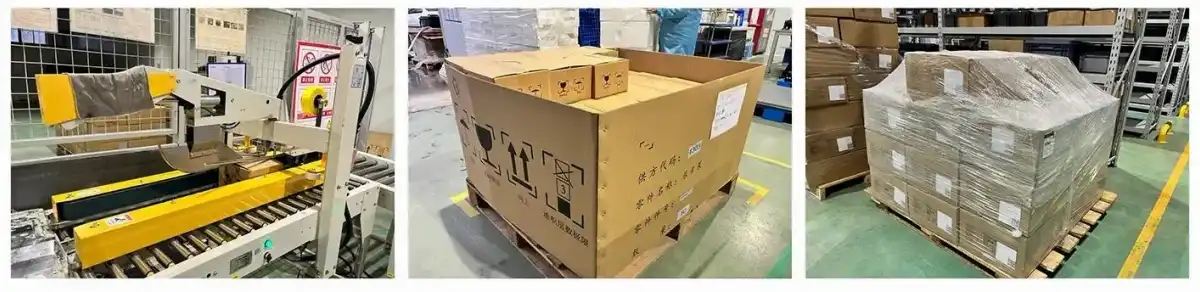
Procurement Best Practices: How to Buy Pressure Transmitters Efficiently
When Pressure Transmitter Supplier procurement is done efficiently, costs and delays are kept to a minimum while scientific requirements are met. Specification mismatches, longer lead times, and communication problems that mess up production schedules are all common problems.
Avoid Specification Mismatches
Misaligned specifications lead to expensive redesigns or problems with how well something works. Give providers full information about the application, such as the pressure ranges, fluid types, temperature extremes, mounting positions, and electrical input needs. Before placing a large order, ask for sample units to be tested in your real working conditions to make sure they work. This earlier investment keeps incompatibilities from being found after tooling investments or product promises have been made.
Optimize Order Timing and Volumes
Costs per unit go down when you order in bulk, but it takes up more capital and warehouse space. Compare bulk savings to the costs of keeping inventory and the risk of items going out of style. Set up blanket purchase orders with scheduled releases to lock in prices and keep your options open. Suppliers will often plan orders at different times to work with your production schedules. This can help your cash flow and cut down on the amount of space you need to store things.
Maintain Clear Communication Channels
To make it easier for information to move, give each side a single point of contact. Surprises are avoided by giving regular status updates during prototyping and the start of production. To avoid confusion, it is important to write down all technical details, quality standards, and acceptance criteria in buy deals. Structured communication procedures help keep project timelines and speed up resolutions when problems appear.
Procurement Workflow Optimization
For OEM partnerships to work, suppliers need to have in-depth technical conversations with OEMs to make sure they understand not only the specifications but also the application contexts. This level of detail lets you make effective suggestions for how to improve performance or cut costs. Set up quality agreements that spell out how to inspect new products, deal with defects, and take corrective action.
Keep an eye on seller performance measures like on-time delivery rates, defect rates, and response scores to help you make choices about where to buy things in the future. When these things are done, relationships with suppliers go from being one-way transactions to long-term agreements that help both parties succeed.
Pressure Transmitter Maintenance Tips and Long-Term Value for OEM Clients
With proper upkeep, components from your Pressure Transmitter Supplier last longer, keep their measurements accurate, and don't break down unexpectedly, which would stop activities. Well-kept sensors give you a return on your investment because they last longer and don't need to be replaced as often.
Establish Regular Inspection Routines
Visual inspections done on a regular basis can find physical damage, corrosion, or loose connections before they break. Look for signs of burning and links that are too tight. Check the pressure ports for blockages caused by particles that have gathered, as these can slow down response times or give inaccurate readings. In diesel exhaust uses, carbon deposits slowly block holes; regular cleaning keeps accuracy from dropping.
Calibration and Performance Verification
The length of time between calibrations depends on how important the application is and how it is being used. To keep their regulatory certification, emission compliance sensors usually need to be calibrated once a year. For less important processes, monitoring may go up to every two years. For verification testing, use reference standards that can be tracked back to NIST. Record the results of the test to keep an eye on drift trends. Faster drift patterns mean that the product is getting close to the end of its useful life, which lets you replace it before it breaks.
Leverage Supplier Support Services
Suppliers who offer maintenance training give your technicians the skills they need to fix problems and handle things properly. Some offer field calibration services with portable tools, which cuts down on downtime compared to sending units to facilities away from the site. Upgrade programs make it possible to add better electronics or software to older transmitters, which extends their useful life without having to buy new ones. When you work with providers who see maintenance support as an ongoing partnership rather than a one-time sale, you get practical benefits like quick technical help and service that is put first.
Conclusion
To find the best Pressure Transmitter Supplier, you need to carefully look at their technical skills, quality certifications, business terms, and promises of long-term support. OEM manufacturers do better with suppliers who know how to deal with problems unique to their industry, like meeting emission standards, making mass production scalable, and allowing for flexible customization.
You can set up your organization for reliable component sourcing that supports product excellence and operational efficiency by systematically checking suppliers' credentials, comparing competitive offerings, putting in place structured procurement practices, and keeping strategic partnerships strong through proper maintenance support. Choosing a supplier carefully pays off in the form of fewer quality problems, more stable supply lines, and working relationships that can change as technology needs do.
FAQ
How can I verify a supplier's certifications and product quality?
How can I check the credentials and quality of a Pressure Transmitter Supplier's products? Ask suppliers for copies of the certification documents directly, and then use the online databases of the organizations that issued the documents to make sure they are real. Certificates from ISO and IATF have registration numbers that can be looked up on the websites of the accrediting bodies.
Listings for product-specific approvals like ATEX or UL can be found on the websites of regulatory agencies. In addition to certificates, you should also ask for test results from unbiased laboratories that support the performance specifications. Checking references with past customers backs up quality claims in the real world. Physical or virtual on-site exams show more about how things are made and how strict quality control is than certificates alone.
What are typical lead times for bulk pressure transmitter orders?
Standard catalog items usually ship in two to four weeks for orders of less than 500 units. Customized versions that need different housings, cables, or calibration ranges usually have longer lead times of six to ten weeks to allow for engineering validation and tooling preparation. Orders of more than 1,000 units may take eight to twelve weeks, especially if the seller has to get special materials or set aside production space just for those orders. Setting up blanket orders with scheduled releases is a good way to make sure you have enough capacity while still having delivery options that work with your production schedules.
How do pressure transmitters differ from pressure sensors in procurement contexts?
Pressure monitors give off a raw electrical signal that is proportional to the pressure, but they don't have any hardware for signal conditioning. Transmitters have circuits built in for amplification, linearization, and standardization. They send out standard signals like 4-20mA, which makes it easier to connect to control systems.
This extra electronics makes each unit 30–60% more expensive, but it gets rid of the need for extra signal filtering hardware. Based on your system architecture, your procurement specifications should make it clear which sensors and transmitters are needed. Sensors work best in situations with dedicated signal processing units, while transmitters let you connect directly to PLCs and data acquisition systems without using any extra electronics.
Partner with Qintai for Reliable Pressure Transmitter Solutions
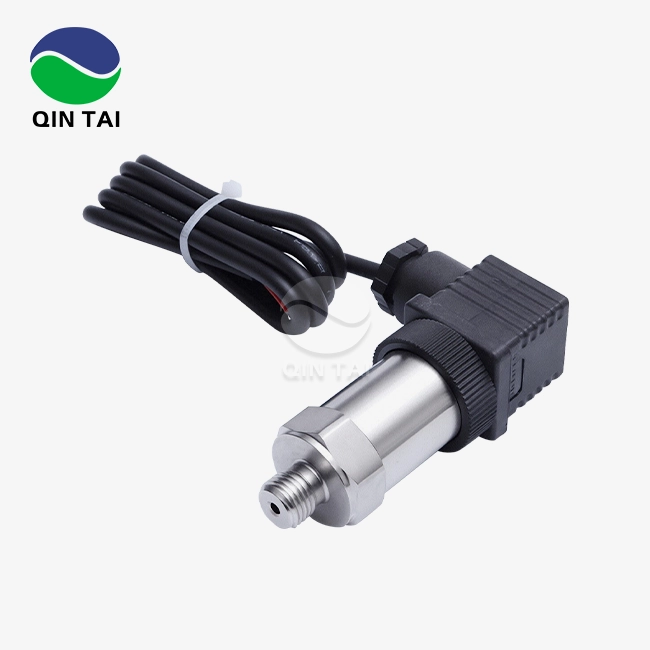
Qintai is a reliable Pressure Transmitter Supplier that has been working with OEM clients in diesel engine and emission control uses for more than twenty years. Our long list of certifications, which includes ISO 9001, IATF 16949, ATEX, UL, CE, REACH, and RoHS, shows that we are dedicated to quality and meeting the needs of global markets. We are the main supplier to Weichai Power, Yuchai Power, and Quanchai Power in China, so we know how hard it is to meet emission standards and work in a mass production setting.
Our independent research and development team has come up with 58 invention patents that let us make pressure transmitter solutions that are exactly what you need in terms of technology and integration. From the first design consultation to mass production, we work with OEM and ODM partnerships and offer flexible customization for pressure ranges, electrical interfaces, mounting configurations, and environmental requirements.
Our established supply lines make sure that deliveries happen on time every time, and our expert support team is always ready to help throughout the lifecycle of a product. Get in touch with our experts at info@qt-sensor.com to talk about your pressure sensor needs and find out how our proven skills can improve the stability of your supply chain and the performance of your products. You can look through our full catalog of pressure transmitters at qt-sensor.com and ask for detailed technical specs that are specific to your needs.
References
1. Johnson, M. R., & Peterson, K. L. (2023). Industrial Pressure Measurement: Technologies and Applications for Process Control. Technical Publishing Group.
2. Zhang, W., & Liu, H. (2024). "Thin-Film Sensor Technology in Automotive Applications: Performance and Reliability Analysis." Journal of Automotive Engineering, 138(4), 412-428.
3. European Commission Directorate-General for Internal Market. (2022). ATEX Equipment Directive 2014/34/EU: Implementation Guide for Manufacturers. Publications Office of the European Union.
4. Smith, D. A. (2023). OEM Procurement Strategies for Electronic Components: Quality, Cost, and Supply Chain Optimization. Industrial Press.
5. International Organization for Standardization. (2023). ISO 9001:2015 and IATF 16949:2016 – Quality Management Systems for Automotive Supply Chains. ISO Standards Compendium.
6. Anderson, T. R., & Chen, Y. (2024). "Emission Control Sensor Technologies for Next-Generation Diesel Engines." International Journal of Engine Research, 25(2), 203-219.
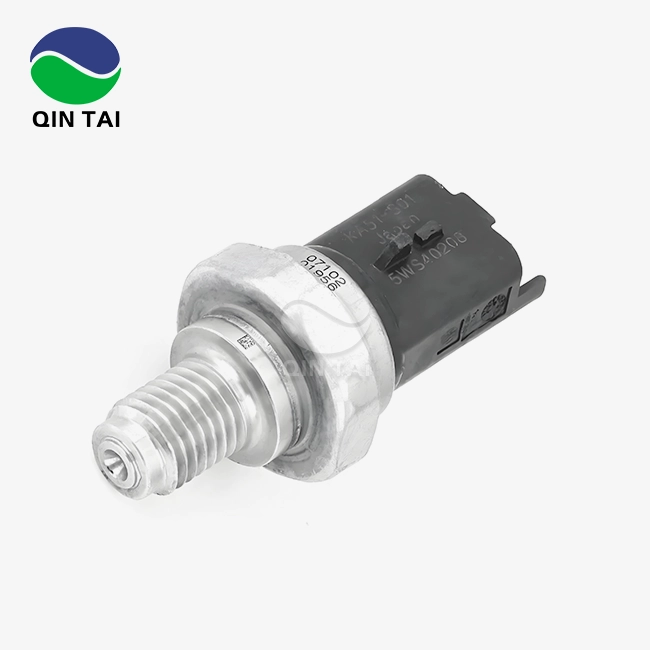


Our customers’ satisfaction speaks for our quality — contact us to experience the same reliable service.