- English
- French
- German
- Portuguese
- Spanish
- Russian
- Japanese
- Korean
- Arabic
- Greek
- German
- Turkish
- Italian
- Danish
- Romanian
- Indonesian
- Czech
- Afrikaans
- Swedish
- Polish
- Basque
- Catalan
- Esperanto
- Hindi
- Lao
- Albanian
- Amharic
- Armenian
- Azerbaijani
- Belarusian
- Bengali
- Bosnian
- Bulgarian
- Cebuano
- Chichewa
- Corsican
- Croatian
- Dutch
- Estonian
- Filipino
- Finnish
- Frisian
- Galician
- Georgian
- Gujarati
- Haitian
- Hausa
- Hawaiian
- Hebrew
- Hmong
- Hungarian
- Icelandic
- Igbo
- Javanese
- Kannada
- Kazakh
- Khmer
- Kurdish
- Kyrgyz
- Latin
- Latvian
- Lithuanian
- Luxembou..
- Macedonian
- Malagasy
- Malay
- Malayalam
- Maltese
- Maori
- Marathi
- Mongolian
- Burmese
- Nepali
- Norwegian
- Pashto
- Persian
- Punjabi
- Serbian
- Sesotho
- Sinhala
- Slovak
- Slovenian
- Somali
- Samoan
- Scots Gaelic
- Shona
- Sindhi
- Sundanese
- Swahili
- Tajik
- Tamil
- Telugu
- Thai
- Ukrainian
- Urdu
- Uzbek
- Vietnamese
- Welsh
- Xhosa
- Yiddish
- Yoruba
- Zulu
What Are the Key Components of a Diesel Urea Dosing System?
A Urea Dosing System is a precision-built group of parts that work together to add Diesel Exhaust Fluid (DEF or AdBlue) to the exhaust stream of diesel engines. This lets Selective Catalytic Reduction (SCR) change harmful nitrogen oxides (NOx) into harmless nitrogen and water vapour. Some of the most important parts are the urea storage tank, the dosing control module, the high-precision pressure sensors, the injection nozzles, and the heating elements. All of these parts work together to make sure that the engine meets strict emission standards like Euro VI and EPA Tier 4 Final.
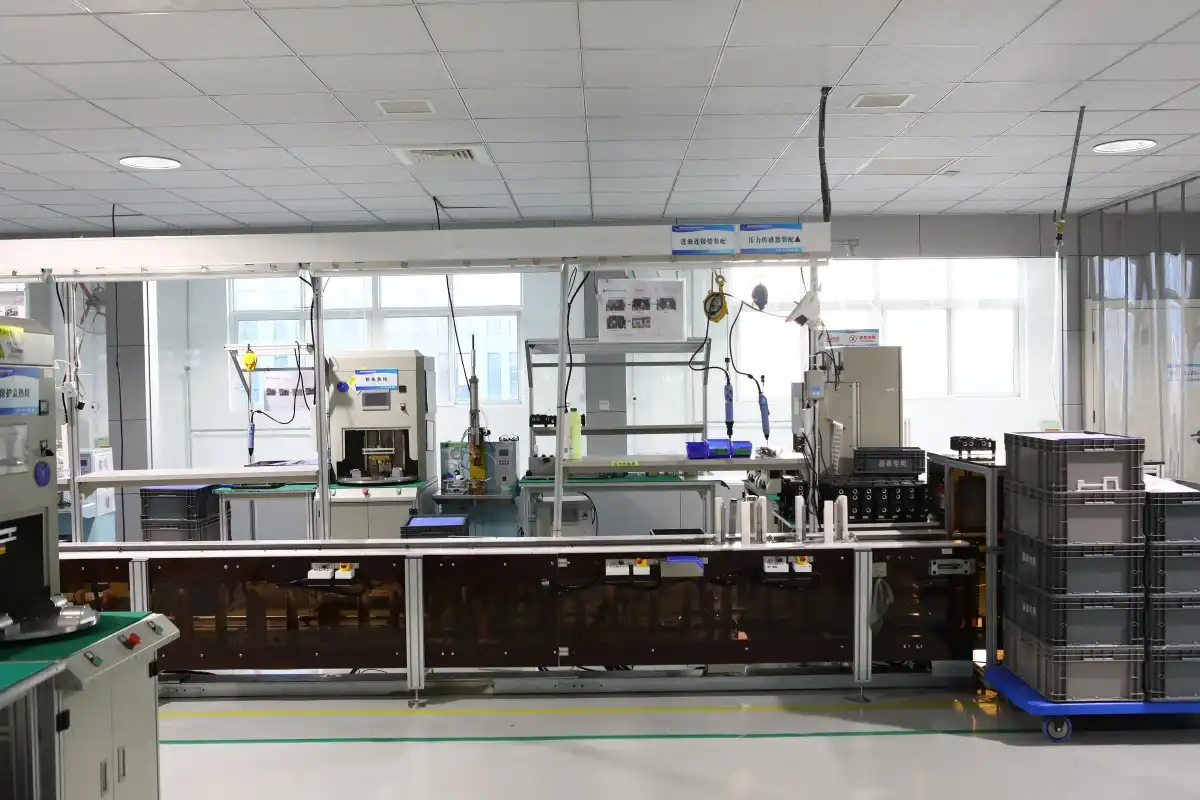
Understanding the Diesel Urea Dosing System: Basic Principles
The SCR Chemical Process
The SCR process rests on a carefully controlled chemical reaction in a catalytic box between ammonia (which comes from urea breaking down at high temperatures) and nitrogen oxides. Adding Diesel Exhaust Fluid to hot exhaust gases causes it to go through pyrolysis and hydrolysis, which releases ammonia that reacts with NOx over a catalyst base that is covered in vanadium, zeolite, or other active materials. This method lowers emissions in a way that diesel particulate filters can't do by themselves. It especially works for NOx gases, which cause smog and are bad for your health.
Dosing Precision and ECU Integration
Dosing correctly is very important. Overdosing burns expensive DEF and can cause ammonia slip, which is when extra ammonia escapes into the air. Underdosing, on the other hand, leads to noncompliance, engine derailment, and possibly regulatory fines. Modern dosing control units get exhaust temperature, flow rate, and NOx concentration information in real time from the Engine Control Unit. They then change the injection volume and timing on the fly. With the help of complex pressure and temperature sensors, this closed-loop feedback system makes sure that the conversion efficiency is at its best under all load situations, from idle to full throttle.
Differentiating Dosing Systems from DEF Infrastructure
The Urea Dosing System is made up of the active injection and control parts, while DEF infrastructure includes the systems for storage, distribution, and refuelling. The terms are sometimes used interchangeably. When procurement teams know the difference between these two terms, they can more accurately describe what they need, whether they are looking for fully integrated modules for new engine designs or replacement parts for aftermarket service networks. Integration difficulty varies a lot between OEM applications that need custom interfaces and aftermarket solutions that focus on being universally compatible and easy to install.
Key Components of a Diesel Urea Dosing System
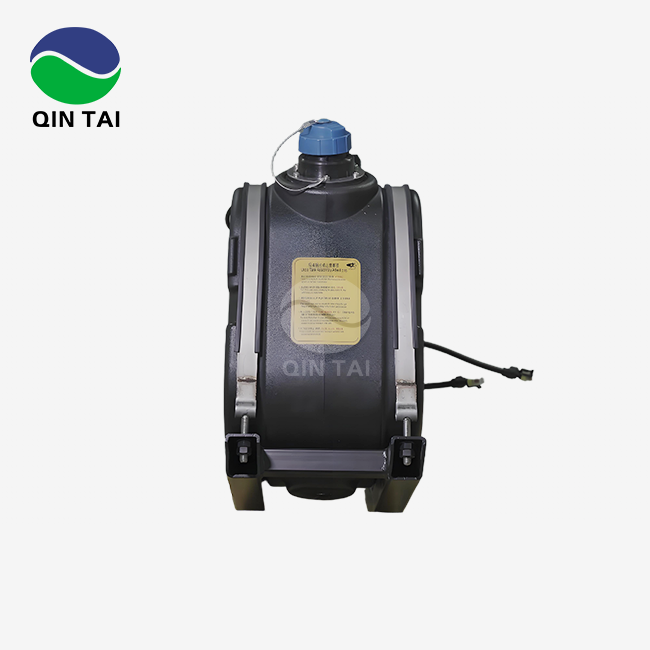
Urea Storage Tank and Level Monitoring
Water-based urea solution (32.5 percent urea content) is kept at room temperature in the DEF tank, which is usually made of plastic or stainless steel that doesn't rust. Integrated level sensors send constant information to the dashboard and Engine Control Unit of the car, sending alerts when fluid levels fall below acceptable levels. When DEF freezes at -11°C, its volume expands by 9%. To avoid damage during rupture, tanks must be designed with flexible internal structures. When choosing the right tank, you need to think about how much space it needs, how it will be mounted, and how it will be exposed to different temperatures and job cycles.
Dosing Control Unit (DCU)
There are several devices that send signals to the DCU. The DCU then processes these signals and tells the dosing pump how much fluid to give, typically as part of the Urea Dosing System for emissions control. Electric DCUs are better for uses that need to change loads quickly because they have more control options and respond faster than hydraulic versions.
Advanced units have self-diagnostic features that check the performance of the pump, find air leaks, and find blocks before they become system breakdowns. When purchasing DCUs, people in charge of buying things should make sure that they work with the communication methods that are already in place, such as the CAN bus design and the SAE J1939 standards.
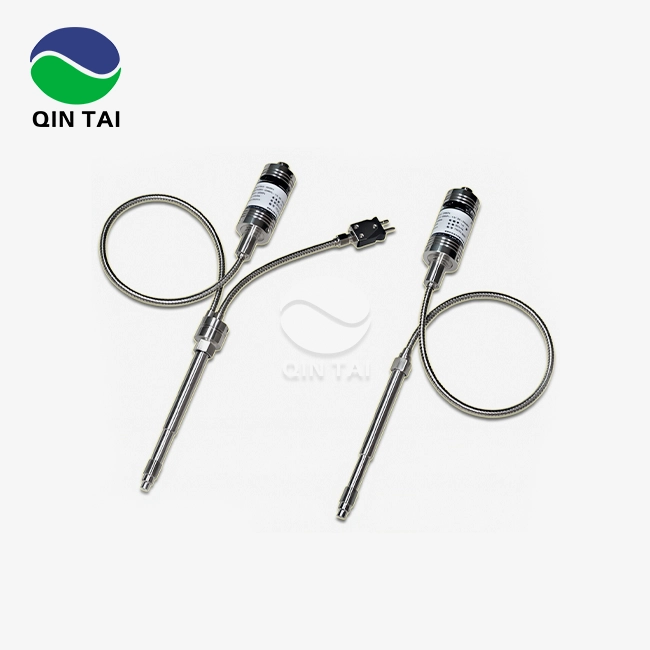
Urea Dosing Pressure Sensor
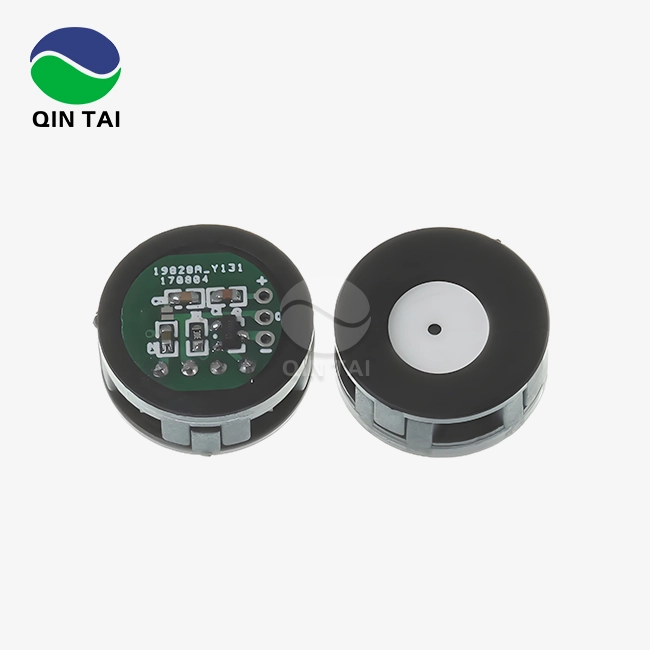
The Urea Dosing Pressure Sensor checks the hydraulic pressure inside the dosing module and sends important closed-loop input to keep the injections accurate. This very accurate device finds pressure drops that mean there are leaks, blockages, or air in the system. It also finds overpressure situations that happen when AdBlue freezes or valves stop working. The internal design of the sensor includes methods for minimising dead volume and smooth flow patterns to keep urea from crystallising on the sensing diaphragm, which is a typical way for sensors to fail in harsh settings.
Gold-plated connection terminals don't rust when exposed to urea, and they stop the P204B fault code (pressure sensor circuit range/performance mistake) that happens when terminals break down. Its flexible internal buffering structures can handle freezing expansion, which keeps the sensor's integrity during cold-start conditions. With a service life rate of 15,000 to 20,000 hours in normal business settings, these sensors are a very important investment for making systems more reliable and better at diagnosing problems.
Injection Nozzles and Atomization
Injection nozzles break up DEF into tiny droplets (usually 50 to 150 microns) to make the most surface area for chemical reactions and fast evaporation. Air-assisted nozzles use compressed air to improve the quality of the atomisation, while airless designs only use fluid pressure and the shape of the inside to do their job. Where the nozzle is placed in the exhaust pipe affects how well it mixes and where deposits form.
If the nozzle is placed incorrectly, urea crystals can form on the exhaust walls, which causes backpressure to rise and requires expensive cleaning. Material selection is critical; nozzles must withstand continuous exposure to exhaust temperatures exceeding 600°C while resisting thermal fatigue and corrosive attack from acidic combustion byproducts.
Heating Elements and Freeze Protection
In cold places, DEF freezing makes it hard to run the engine, so heating systems are built in to thaw the frozen fluid when the engine starts up and keep it at the right temperature when the engine is not running. The tank, supply lines, and dose module all have heating elements built in. These are usually electric resistance heaters that are driven by the car's electrical system. When planning thermal management strategies, it's important to find a balance between quick thaw times and power use, especially for systems that run on batteries. High-quality heating parts don't get damaged by thermal cycling, which weakens seals and speeds up wear over multiple seasons of use.
Filtration and Fluid Management
Before DEF gets to the dose pump and injector, high-efficiency screens clean it of particulate matter that could damage them. This keeps sensitive parts from wearing out too quickly. Usually, filter specs aim for particles as small as 10 microns, and in naval settings where condensation can cause contamination, filters with built-in water separates are used.
Specialised stainless steel alloys and fluoropolymer seals are used in pipelines and connectors to make them resistant to stress corrosion cracks caused by urea. Proper fluid management includes more than just filtering. It also includes purge techniques that clear lines of any leftover DEF when the system is turned off. This keeps systems from freezing up when they are not in use.
These complex parts work together to make a system, such as a Urea Dosing System, where the success of each part has an immediate effect on the system's ability to meet emission standards, stay operating, and keep up with maintenance costs. When evaluating a supplier's capabilities, meeting specification needs, and figuring out the total cost of ownership over the lifecycle of a product, procurement teams benefit from knowing how different parts depend on each other.

Maintenance and Troubleshooting Best Practices
Scheduled Inspection Protocols
Regular maintenance plans should include checking the tip every three months to find early signs of deposit formation before the quality of the atomisation drops. Sensor calibration checks every 1,000 hours catch movement that could affect the accuracy of doses, and tank cleaning at major service intervals get rid of sediment buildup. Filters should be replaced at intervals set by the manufacturer, but in places where particulate exposure is high, replacement cycles may need to be shortened. Writing down what you do for maintenance makes records that can be used for insurance claims and finding the cause of problems when they happen out of the blue.
Common Failure Modes and Diagnostic Approaches
Dosing errors often happen because of tips that are clogged, air getting in through broken seals, or pump wear that lowers the volumetric efficiency. When there is a problem with a pressure monitor, the Engine Control Unit will see voltage signals that are out of range or reports of changing pressures. Crystallisation blockages usually happen in supply lines and dosing units where DEF that has been sitting still goes through multiple freeze-thaw cycles. Diagnostic trouble codes help find the location of the problem at first, but to find the root cause of the problem, thorough component testing with pressure gauges, multimeters, and flow measurement devices is needed for effective debugging.
OEM Parts and Warranty Considerations
When you use OEM-approved replacement parts, you can be sure that the dimensions, material requirements, and performance standards are the same as the original equipment. Aftermarket options might be cheaper, but they might not work with your engine, which could void your warranty and make it harder to meet emission standards.
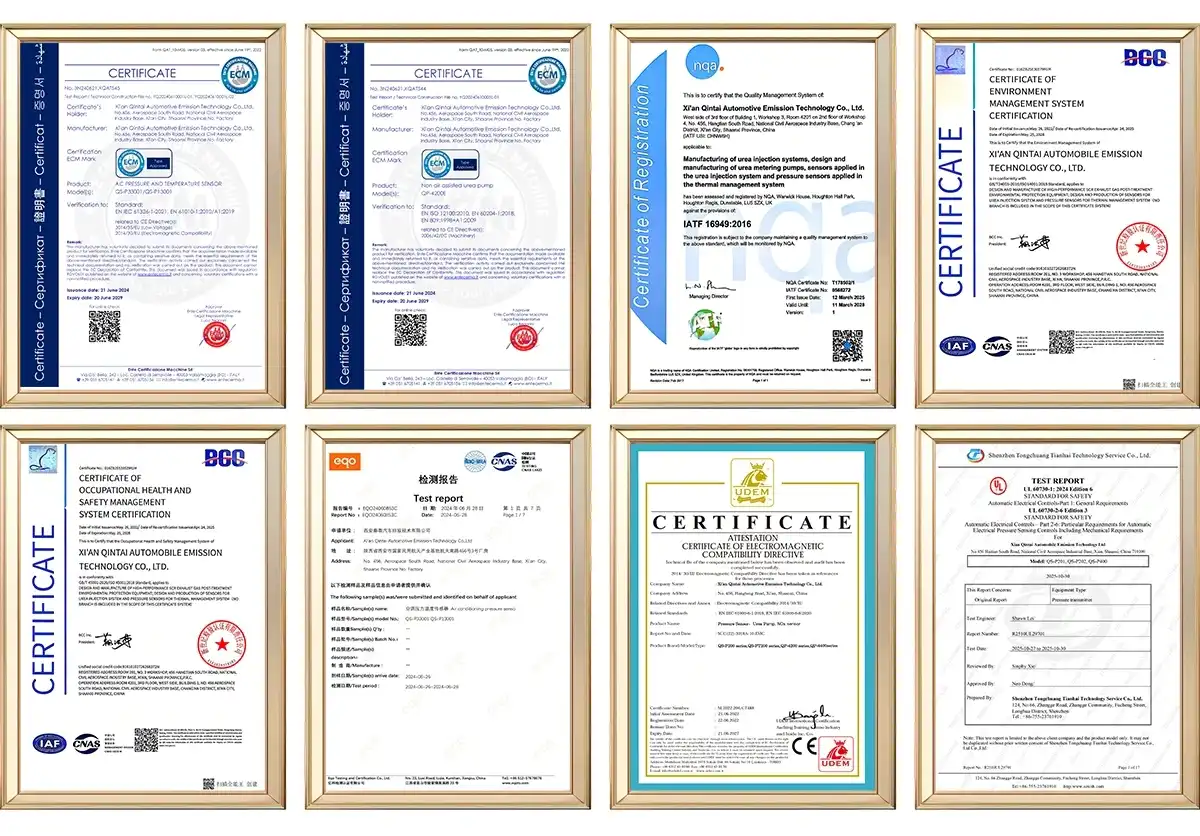
Downtime during component repair and system commissioning is cut down by suppliers who offer full expert support, such as installation training and help with fixing problems. We've seen that working with makers who are certified by ISO9001 and IATF16949 gives us peace of mind that their quality management systems will keep mistakes to a minimum and help the supply chain stay stable over the long term.
Comparing Urea Dosing Systems for Industrial and Commercial Use
Performance Differentiation Across Manufacturers
Leading providers have created unique skills to meet the needs of different market groups. Heavy-duty commercial logistics systems focus on vibration resistance and thermal cycling endurance so they can last for 1 million kilometres of over-the-road use. For construction and mining equipment, shock resistance and dust ingress protection are very important. Enclosures that are sealed to IP67 or higher standards are used. In marine diesel uses, materials need to be resistant to rust and be able to handle high-flow dosing needs for engines with displacements greater than 10 litres.
Integration and Compatibility Considerations
Standardising the physical interface around M10x1 and M12x1.5 thread sizes makes it easier to switch out parts mechanically, but electrical signal compatibility needs to be checked carefully. Different types of output signal forms include frequency-based, analogue voltage (0.5V to 4.5V), and SENT (Single Edge Nibble Transmission). Each type needs to be calibrated in the ECU to work with it.
Systems with more than one signal output choice are better for retrofit uses because they require less engineering work during installation. When it comes to high-volume OEM applications where proprietary communication protocols give a competitive edge in diagnostics and system optimisation, custom interface development becomes a cost-effective option.
Total Cost of Ownership Analysis
The initial buying price is only one part of the total costs over the product's lifetime. For a Urea Dosing System, the availability of aftermarket parts affects the length of unplanned downtime, and the proximity of suppliers affects logistics costs and delivery times. Systems made to be easy to maintain—with mounting points that are easy to get to, quick-disconnect fittings, and modular component replacement—reduce the cost of labour during service intervals. The length and terms of the warranty, including security for damage that happens after the warranty has been issued, move a lot of financial risk between the buyer and the seller. This is why complete coverage costs more.
Procurement Guide: How to Source the Right Diesel Urea Dosing System
Defining Technical Requirements
Specifications that work start with parameters that make the engine compatible, like displacement, power output, exhaust flow rate, and target emission standards. Conditions in the operating area, such as the range of temperatures, the amount of vibration, and the chance of dust or moisture getting in, set the standards for durability.
Physical form factors are limited by the space available in engine chambers, while electrical system power (12V or 24V) and mounting options help choose which components to use. For mass production applications, suppliers must show that they can make a lot of things with consistent quality. This can be done with the help of capability indices and statistical process control data.
Supplier Evaluation Criteria
Baseline quality assurance is provided by certification portfolios like ISO9001, IATF16949, and regional compliance marks (CE, UL, CCC). Patents and R&D spending amounts show how innovative a company is and how deep its technical knowledge is. On-time delivery rates, order fulfilment accuracy, and responsiveness to expedite requests are all delivery performance measures that have a direct effect on the trustworthiness of the production plan.
Support quality during operational phases is determined by the after-sales service infrastructure, which includes technical hotlines, field service availability, and the location of spare parts inventory. References from current customers who have used similar technologies to the ones being advertised confirm the claimed abilities and show any problems that were not obvious during official provider presentations.
Custom vs. Standard Solutions
Standard modules have a shorter time to market and lower engineering costs, making them perfect for uses with standard needs and low production volumes. Customisation is useful when special operating conditions, limited packaging options, or private communication protocols make standard products less useful.
Custom development takes between 6 and 12 months from the time the specifications are locked down to the time the product is tested in production. This means that suppliers need to be involved early on in the product design process. Intellectual property ownership terms need to be carefully negotiated, especially when custom developments make the end goods stand out from the competition.
Installation and Commissioning Support
Installation instructions, training programs, and help with commissioning that are given by the supplier speed up rollout and lower integration risks. Common installation mistakes can be avoided by using detailed installation guides that include torque specs, route instructions, and electrical connection diagrams.
Before the warranty starts, on-site commissioning support makes sure the system works correctly, calibrates the sensors, and checks the emission performance. Dedicated account managers and application engineers provide ongoing technical support that helps fix problems, reducing downtime and keeping the Urea Dosing System running smoothly throughout its working life.
Conclusion
Diesel Urea Dosing Systems are an example of the advanced technology needed to make sure that current diesel powertrains are environmentally friendly and last a long time. Choosing the right components has effects on how well a product emits emissions, how much it costs to maintain, and how well it follows regulations in a wide range of applications. Professionals in procurement who have a deep knowledge of system design, how components interact with each other, and suppliers' abilities set their companies up for long-term success in regulatory settings that are becoming stricter.
Strategic partnerships with manufacturers that show technical know-how, strict quality control, and a dedication to customer service deliver value that goes beyond the cost of the parts themselves. We've seen how working together as OEMs, system designers, and component providers speeds up innovation, improves system performance, and makes sure that end users' investments are protected by ongoing aftermarket support.
FAQ
How does the Urea Dosing Pressure Sensor handle urea crystallization?
The internal design of the sensor minimises dead volume and creates smooth flow paths that keep DEF from building up on the diaphragm surface. This way of engineering keeps measurement accuracy over long periods of time, even when temperatures change, which can cause crystallisation in other sensor designs.
What makes pressure sensors show the P204B fault code?
This diagnostic trouble code usually means that the signal is drifting because the sensor is old or the connecting terminals are corroded. Gold-plated connections make them much less likely to rust, which extends their useful life and keeps the signal strong in harsh settings where moisture and urea exposure speed up connector breakdown.
Can sensors be used across different SCR system brands?
Mechanical interchangeability is made possible by physical thread standards. However, the formats of electrical signals must match certain ECU calibrations. To make sure that the sensor and control unit can talk to each other properly, cross-brand applications need to check that the signal protocols are compatible. This can be done by looking at the analogue voltage range, frequency properties, or SENT formatting.
What is the typical sensor service life?
Standard business applications can expect steady service for 15,000 to 20,000 hours, which is about 600,000 to 800,000 kilometres in long-haul trucking applications. The actual service life depends on how hard it is used, how well it is maintained, and how it is exposed to the surroundings.
Partner with a Leading Urea Dosing System Manufacturer for Superior Emission Control
OEM-grade diesel emission parts are made by Qintai, which has 20 years of experience in engineering and manufacturing. We are China's top seller of SCR system parts to Weichai Power, Yuchai Power, and Quanchai Power. We know how to make a lot of things while keeping the quality high. Precision Urea Dosing Pressure Sensors are part of our wide range of products. They are made to work in harsh environments like heavy-duty commercial logistics, construction machinery, and marine diesel applications.
We keep our ISO9001, IATF16949, CMC, Ex, UL, CE, REACH, and RoHS certifications up to date, which shows that we are dedicated to quality management and following the rules. With 58 idea patents and ongoing investments in research and development, we are always making sensor technology better to meet changing emission standards and application needs.
Our expert support team offers help with application building, the ability to customise, and service after the sale to make sure that everything works together smoothly and reliably for a long time. Get in touch with info@qt-sensor.com to talk about your specific needs and find out how our Urea Dosing System components can help you improve your emission control while lowering your total cost of ownership.
References
1. Johnson, T. V. (2015). "Review of Selective Catalytic Reduction (SCR) and Related Technologies for Mobile Applications." SAE International Journal of Engines, Volume 8, Issue 3.
2. Koebel, M., Elsener, M., and Kleemann, M. (2000). "Urea-SCR: A Promising Technique to Reduce NOx Emissions from Automotive Diesel Engines." Catalysis Today, Volume 59, Issues 3-4.
3. Czerwinski, J., Zimmerli, Y., and Mayer, A. (2013). "Emission Reduction with Diesel Particle Filter with SCR Coating (SDPF)." Emission Control Science and Technology, Volume 1, Issue 1.
4. Majewski, W. A. and Khair, M. K. (2006). "Diesel Emissions and Their Control." SAE International, Warrendale, Pennsylvania.
5. Nova, I. and Tronconi, E. (2014). "Urea-SCR Technology for deNOx After Treatment of Diesel Exhausts." Springer Fundamental and Applied Catalysis Series.
6. Zheng, G., Fila, A., Kotrba, A., and Thompson, G. (2010). "Urea Deposit Formation in Urea SCR Systems." SAE International Technical Paper 2010-01-1941.


Our customers’ satisfaction speaks for our quality — contact us to experience the same reliable service.