- English
- French
- German
- Portuguese
- Spanish
- Russian
- Japanese
- Korean
- Arabic
- Greek
- German
- Turkish
- Italian
- Danish
- Romanian
- Indonesian
- Czech
- Afrikaans
- Swedish
- Polish
- Basque
- Catalan
- Esperanto
- Hindi
- Lao
- Albanian
- Amharic
- Armenian
- Azerbaijani
- Belarusian
- Bengali
- Bosnian
- Bulgarian
- Cebuano
- Chichewa
- Corsican
- Croatian
- Dutch
- Estonian
- Filipino
- Finnish
- Frisian
- Galician
- Georgian
- Gujarati
- Haitian
- Hausa
- Hawaiian
- Hebrew
- Hmong
- Hungarian
- Icelandic
- Igbo
- Javanese
- Kannada
- Kazakh
- Khmer
- Kurdish
- Kyrgyz
- Latin
- Latvian
- Lithuanian
- Luxembou..
- Macedonian
- Malagasy
- Malay
- Malayalam
- Maltese
- Maori
- Marathi
- Mongolian
- Burmese
- Nepali
- Norwegian
- Pashto
- Persian
- Punjabi
- Serbian
- Sesotho
- Sinhala
- Slovak
- Slovenian
- Somali
- Samoan
- Scots Gaelic
- Shona
- Sindhi
- Sundanese
- Swahili
- Tajik
- Tamil
- Telugu
- Thai
- Ukrainian
- Urdu
- Uzbek
- Vietnamese
- Welsh
- Xhosa
- Yiddish
- Yoruba
- Zulu
How to Find a Manufacturer of Customized Pressure Sensors
To find the best maker for custom pressure sensors, you need to carefully look at their technical skills, quality systems, and how reliable their supply chain is. Whether you need monitors for HVAC systems, diesel engine aftertreatment systems, or industrial process control, the provider you choose has a direct effect on how well the products work, how well they meet regulations, and how efficiently your business runs. To be a qualified pressure sensor maker, they must have proven experience in precise measurement technology, hold the right certifications, and be able to offer flexible customisation to meet your particular application needs while keeping prices low and delivery times reliable.
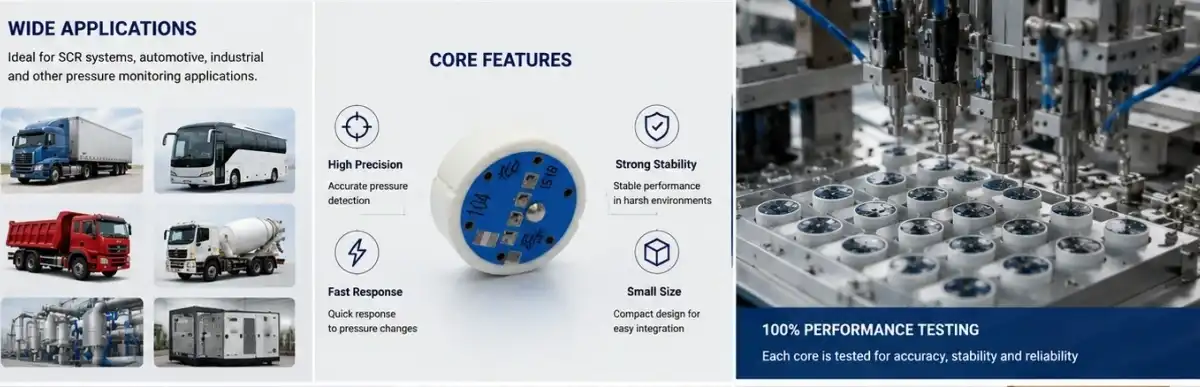
Understanding Customized Pressure Sensors and Their Applications
Pressure measurement technology has come a long way, making it possible to keep an eye on things accurately in harsh industrial settings. Customized pressure sensors are good for solving problems that off-the-shelf items can't cover well.
Types of Pressure Sensing Technologies
There are different detecting concepts that work best for different tasks. Piezoelectric sensors are great for measuring dynamic pressure quickly, which makes them perfect for keeping an eye on combustion in diesel engines. Micro-Electro-Mechanical Systems (MEMS) technology makes small solutions that work very well every time. It is often used in SCR systems and emission control in cars.
Strain gauge sensors work well in tough conditions and are especially useful for generator sets and building equipment that needs to be able to withstand vibrations. It is common for HVAC differential pressure monitoring and respiratory equipment to use capacitive sensors because they are very sensitive to low pressure ranges.
Industry-Specific Customization Requirements
For automotive use, sensors must be able to handle large changes in temperature, exhaust gases that are corrosive, and strict emission standards such as China VI and Euro VI. These sensors must also work well with SCR and DPF systems, giving accurate feedback for reducing NOx and filtering out particles. Long-term stability and calibration retention are important to companies that make industrial equipment, especially for generator sets that work in rural areas where upkeep is hard to get to. Sensors that don't use a lot of power and respond quickly help HVAC systems stay energy efficient and make sure the quality of the air inside by measuring the difference pressure accurately across filters and fans.
Real-World Application Scenarios
Customized sensors are built into exhaust aftertreatment systems for heavy trucks to check the backpressure in diesel particulate filters. This lets makers set up regeneration processes that keep filters from getting clogged and make the best use of fuel. Important parts of construction equipment depend on hydraulic pressure tracking to keep them from getting damaged by pressure spikes or system leaks.
Sensors are used in gearbox systems and hydraulic tools on agricultural equipment that has to work reliably during busy times of the year. For generator set applications, sensors must be able to work continuously in dusty mines or high-humidity coastal settings, where regular sensors would break down quickly.
Identifying the Core Challenges in Finding a Customized Pressure Sensor Manufacturer
When trying to find specialised measurement parts, procurement teams run into a number of problems. Knowing about these problems will help you make a better plan for evaluating pressure sensor suppliers.
Technical Capability Gaps
Many sensor makers say they can be customised, but they don't have the engineering knowledge to change core sensing elements or create signal processing that is specific to an application. Changing connector types or cable lengths isn't the only thing that can be truly customised. Chemical compatibility of diaphragm materials must also be taken into account, as well as pressure ranges for specific working windows and setting custom output characteristics that meet the needs of your control system. Suppliers who don't have their own research and development teams usually can't give you the technical advice you need to make sure the sensor specifications are perfect for your needs.
Quality Consistency Concerns
Unit-to-unit difference is caused by inconsistent manufacturing methods, which lowers the performance of the system. Pressure devices need to be precisely calibrated, and when makers don't have the right calibration facilities or traceability systems, the goods they make have accuracy drift that is hard to predict. When producers go from making prototypes to mass production, quality problems often show up because the process control or testing methods aren't good enough. This is a big problem for OEM customers who need thousands of identical sensors to work within very narrow tolerances throughout whole production runs.
Supply Chain Reliability Risks
Uncertainty about lead times throws off production plans, especially for companies that work with just-in-time manufacturing models and integrate aftertreatment systems. Suppliers that depend on parts from a single source have problems with not having enough materials, which causes shipping delays. Geographic concentration makes things more vulnerable; natural disasters, crowded ports, or problems in the region can stop all shipments. Also, minimum order quantities that are higher than what is actually needed tie up working capital and warehouse space, and customers are forced to keep too much safety stock because delivery schedules can't be changed.
Documentation and Support Deficiencies
Not having enough technical paperwork makes it harder for engineering teams to integrate. Customers have to do more work when suppliers only give them basic datasheets and not detailed mounting instructions, environmental test reports, or failure mode analyses. After-sales support is very important for fixing problems with installations or looking into failures in the field, but many makers don't have responsive expert service teams or regional support infrastructure. Warranty terms that don't cover common failure modes or make claim processes too hard to follow don't really protect you.
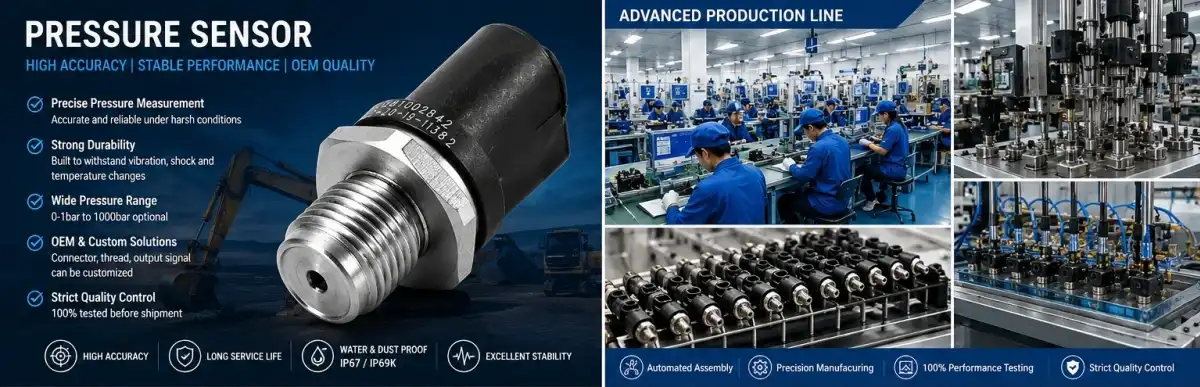
Key Criteria for Selecting a Customized Pressure Sensor Manufacturer
When looking at possible providers, you need to use an organised method that looks at many aspects of their ability and dependability. Here are the main things that set qualified makers apart from less-than-stellar options:
Technical Expertise and Innovation
How well a manufacturer can handle difficult measurement problems depends on how strong their technical foundation is. Look for suppliers that have a track record of working with your industry. For example, companies that make pressure sensors for diesel engines know that the needs of exhaust gas environments are very different from those of medical or HVAC settings. Patent portfolios show that a company can really come up with new ideas, not just put things together.
Research and development (R&D) companies usually keep testing labs that can mimic real-world conditions, make sure ideas work under stress, and speed up life testing to guess how well they will work in the long run. Engineers who know how to do finite element analysis and computational fluid dynamics can find the best shape for a sensor so that it has the least amount of pressure drop and the most accuracy.
Manufacturing Certifications and Quality Systems
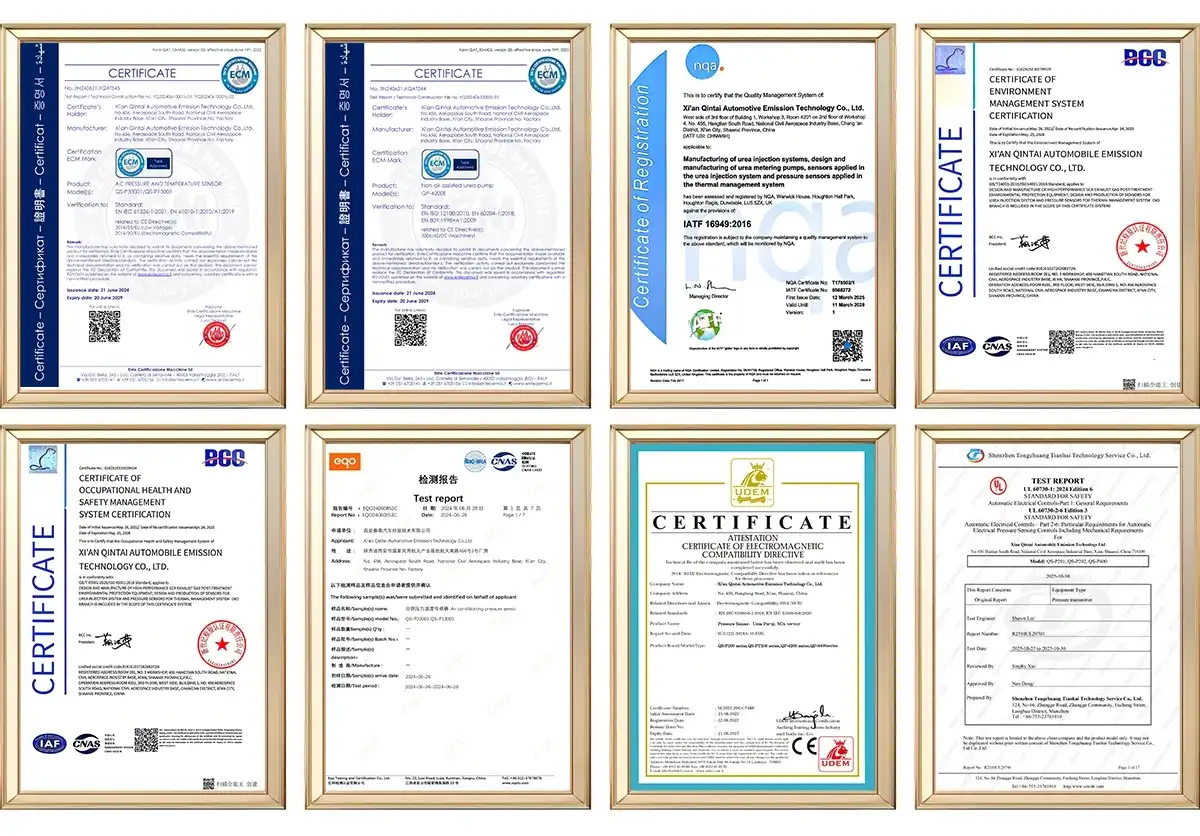
Certification badges are objective proof of how mature a manufacturing process is. ISO 9001 sets the standard for quality management, but IATF 16949 compliance is needed for car uses. This standard has tighter rules for process control, traceability, and ongoing improvement. For sensors to be used in dangerous places like chemical plants or oil tanks, they must have explosion-proof certifications (Ex, ATEX).
Electrical safety and electromagnetic compatibility are confirmed by UL and CE markings, which lowers the risk of liability. In addition to certifications, you should also look at real quality measures. For example, you could ask for information on defect rates, field failure analysis, and corrective action methods that show that quality is always getting better instead of just meeting basic standards.
Calibration Capabilities and Accuracy Assurance
Accuracy of measurements depends on using the right equipment and methods for calibration. Qualified makers keep basic pressure standards that can be tracked back to national metrology centers. This makes sure that the testing is accurate by allowing a continuous chain of comparisons. Temperature compensation algorithms fix problems caused by temperature changes across the whole working range, keeping accuracy high in the field.
When it comes to wide pressure ranges, multi-point calibration is better than single-point changes for uniformity. Ask for calibration certificates to go with your sensors. These will show the real test spots and show that they meet the requirements. Manufacturers that offer recalibration services make sensors last longer and keep their accuracy over time.
Production Capacity and Scalability
Being able to make a lot of sensors at once is very important for OEM uses that need thousands of sensors every year. Automated manufacturing processes are more consistent than manual assembly, which means that differences between units are less likely to happen. When there is enough production capacity, there are no allocation shortages when demand goes up quickly or when many customers are competing for the same amount of output.
Check to see if makers have more than one production line or facility so that there is backup in case one piece of equipment breaks down or there are problems in one area. When a product does well on the market, it's important that it can be scaled up. Suppliers who can't quickly increase production create bottlenecks that slow down business growth or force expensive second-source approval efforts.
Supply Chain Strength and Logistics Flexibility
For global supply networks to work, providers need to be good at transportation and spread out geographically. Keeping inventory hubs close to customer facilities helps manufacturers deliver goods faster and save money on freight costs. Flexible minimum order amounts allow for development stages and early production ramp-ups without requiring too much inventory investment.
Pricing structures that are clear and have clear breakpoints for big deals make budgeting and cost modelling easier. When suppliers let customers know ahead of time about the availability of parts or possible delays, customers can change their production schedules so they don't have to deal with shortages that they didn't expect.
After-Sales Service and Technical Support
Support after the sale is what sets partnership-oriented sellers apart from transactional ones. Technical service teams that are quick to respond can help with installation problems, figuring out strange measurement results, and placing sensors in the best way for maximum performance. Instead of forcing people in different time zones to talk to each other, regional service centers or approved distributor networks offer local help.
A guarantee that covers all manufacturing flaws and doesn't leave out too many things shows that you trust the quality of the product. Manufacturers who thoroughly look into failures in the field and make design changes based on customer feedback always make their products more reliable.
Step-by-Step Approach to Finding and Engaging a Manufacturer
A systematic procurement process lowers the risks of choosing the wrong vendor and raises the chances of a successful pressure sensor supplier partnership.
Define Your Technical Requirements Precisely
Start by writing down all of the specifics of the application. The pressure range should include both normal working conditions and possible overpressure events that sensors must be able to handle without getting damaged. Accuracy standards should match what the system actually needs. Setting tighter tolerances than needed adds cost without adding value.
Extreme temperatures, humidity levels, shaking patterns, and contact to corrosive substances are just some of the environmental factors that have a big impact on sensor choice. The electrical interface standards list the types of output signals (voltage, current, and digital), the power source needs, and the electromagnetic compatibility needs. Mounting sizes, port configurations, and cable termination choices are all limited by physical factors.
Research and Identify Potential Suppliers
A applicant list is made with help from many sources of information. Trade shows in specific industries, like CONEXPO for construction equipment or Power-Gen for generator applications, bring together specialised suppliers and let people talk about their products in person. Online listings and sites for buying things let you sort by license, area, and product category.
Technical magazines and trade groups often put out supplier guides that list companies with the right kind of expertise. Referrals from non-competitive companies in the same industry can tell you a lot about how well and how reliably a seller does their job.
Conduct Preliminary Supplier Evaluation
Before spending time on in-depth conversations, use publicly available information to screen prospects. Companies' websites show what they can make, what certifications they have, and what kinds of applications they focus on. Ask for product catalogues and technical literature to figure out if normal offers meet your needs well or if you need to make a lot of changes. Financial safety is important—suppliers who might go bankrupt or be bought out cause risks in the supply chain. Geographic factors include tariff effects, shipping issues, and changes in time zones that make contact less effective.
Prepare Comprehensive RFQs
Request for Quotation papers should make it clear what is needed and ask suppliers for their thoughts on how to make things better. Include full technical details, such as limits, working conditions, and expected performance. For accurate pricing, you need to include your annual volume projections and expected order patterns. Ask for information on sample delivery times and costs, as well as information on customisation lead times and minimum order quantities. Ask sellers to come up with other options if they see ways to make things better or save money while still meeting useful needs.
Evaluate Samples Under Real Conditions
When sensors are tested on samples, they show how well they work in real-world situations instead of just in the lab. Place samples in realistic situations where they will be exposed to normal changes in temperature, shaking, and pressure. To make sure the measurements are correct, compare the results to reference standards or other sensors that are already in use.
Check the mechanical strength by installing and removing it several times and looking for signs of wear on the joint and the integrity of the seal. Long-term testing that lasts for weeks or months can help find drift patterns and long-term stability that short-term tests miss.
Negotiate Terms and Establish Performance Metrics
Final deals should include price structures with breakpoints for volume, payment terms that work with cash flow needs, and shipping schedules that match production needs. Acceptance standards, inspection processes, and nonconformance steps must all be included in quality specs. Intellectual property laws protect secret plans or knowledge about apps that were shared during development. Set up key performance indicators to keep track of things like defect rates, on-time delivery, and how quickly technical questions are answered. This will give you objective ways to keep evaluating your suppliers.
Leveraging Technology and Market Trends for Better Procurement Decisions
New technologies and ways of buying things make evaluating pressure sensor suppliers more efficient and open up more solution options.
Advanced Sensor Technologies
Wireless sensor systems don't need cables, so they're cheaper and easier to install. This is especially helpful for retrofitting or places where wiring is hard to do. Long-lasting battery-powered models allow for remote tracking tasks like checking the level of a tank or setting up a generator that isn't connected to the power grid. MEMS technology keeps getting better, making smaller devices that are more accurate and use less power, which is good for uses that don't have a lot of room. For better features, digital output sensors with built-in signal processing offer self-diagnostics, programmable alarm thresholds, and communication protocols that connect directly to control systems.
Digital Procurement Tools
Online configuration tools let you quickly specify customised sensors, making part numbers and CAD models right away instead of having to wait for quotes. Augmented reality-based virtual product demos help people see how the product needs to be installed and find any possible interference problems before the sample is made. Cloud-based teamwork tools make it easier for buying, engineering, and supplier technical teams to talk to each other and keep full records of all the documents. Automated RFQ distribution systems send needs to many suppliers at the same time, which speeds up response times and makes it easier to compare prices.
Sustainability and Corporate Responsibility
Beyond just technical and economic factors, environmental concerns are becoming more and more important in procurement decisions. Manufacturers that use renewable energy, run programs to cut down on trash, and use recyclable packing materials are in line with their companies' environmental goals. RoHS and REACH compliance makes sure that goods follow rules about dangerous substances in the environment.
This keeps rules from getting complicated in foreign markets. Repair services and extended guarantee programs that make products last longer instead of urging people to throw them away and buy new ones reduce waste. Suppliers with take-back programs for old sensors support the ideas of the green economy and make sure that electrical trash is thrown away properly.
Conclusion
To find the best manufacturer for custom pressure sensors, you need to weigh their technical skills, quality control systems, production capacity, and pricing. A good procurement process starts with making sure everyone knows what is needed, then carefully evaluating each seller, and ends with relationships based on shared quality goals and understanding. Manufacturers with strong quality standards, a lot of technical know-how, and helpful customer service provide value that goes beyond the initial purchase price.
By using the organised method described here, procurement professionals can find suppliers that can meet their immediate needs and help the business grow in the long term by providing reliable products, flexible capacity, and constant new ideas. Spending time and money to carefully check out suppliers pays off in the form of fewer problems in the field, better system performance, and a more stable supply chain.
FAQ
What should I prepare before contacting potential manufacturers?
Make detailed technical specs that include the pressure sensor range, the level of accuracy needed, the maximum working temperature, and the output signal that you want. Write down things about the surroundings, like the amount of shaking, the amount of humidity, and the chemical compatibility requirements. Figure out the yearly volume needs and average order sizes so that you can set the right price. Find out about the rules you need to follow in your industry, such as safety certifications or emission standards. Having all the necessary information ready speeds up the quote process and makes sure that providers can give accurate bids.
How can I verify a manufacturer's calibration standards and technical compliance?
Ask for copies of calibration certificates that can be tracked back to NIST or another government metrology organization. Ask the manufacturer about the specifications of the calibration equipment and how often it needs to be re-calibrated. Check for quality system standards like ISO 9001 or IATF 16949, and if they're available, ask for audit results. Find out about the test methods used during production, such as the size of the samples and the standards for clearance. Qualified manufacturers are happy to share this information, while vague answers could mean there are problems with the quality.
What are typical lead times and minimum order quantities for customized sensors?
Lead times vary a lot depending on how complicated the customisation is. Simple changes, like changing the length of a wire, may take two to four weeks. For unique sensing elements or specialised housings, the time frame can be eight to twelve weeks. The number of prototypes usually ranges from ten to fifty, and delivery times are longer. Most of the time, the minimum order quantity for production is between 100 and 500 units, based on how much customisation is needed. Talking to suppliers early on about your timeline needs helps them come up with solutions that meet your delivery needs.
Partner With Qintai for Reliable Customized Pressure Sensor Solutions
Xi'an Qintai Automotive Emission Technology Co., Ltd. has been making high-precision monitors for difficult industrial and vehicle uses for more than 20 years. We understand the exact needs of emission control systems, aftertreatment integration, and long-term durability because we are the main supplier of pressure sensors to China's top diesel engine manufacturers, such as Weichai Power, Yuchai Power, and Quanchai Power. Our factories are IATF 16949 and ISO 9001 approved, and the sensors they make meet China VI and Euro VI compliance standards. They also have full testing methods and can be traced back to their calibration.
Email our team at info@qt-sensor.com to talk about your custom pressure sensor needs, get detailed specs, or set up a trial sample. Visit qt-sensor.com to see all of our products and learn how Qintai's high-quality production can improve the stability of your supply chain and the performance of your products.
References
1. Smith, J. & Anderson, K. (2022). "Industrial Pressure Sensor Technology: Design Principles and Application Guidelines." Journal of Measurement Science, 47(3), 215-234.
2. Chen, L. (2023). "Quality Management Systems in Automotive Sensor Manufacturing." International Standards Review, 19(2), 89-107.
3. Roberts, M. (2021). "Emission Control Systems: Sensor Integration and Calibration Strategies." Diesel Engine Technology Quarterly, 34(4), 156-178.
4. Williams, P. & Martinez, R. (2023). "Supply Chain Resilience in Precision Component Manufacturing." Global Procurement Journal, 28(1), 42-61.
5. Zhang, H. (2022). "MEMS Pressure Sensor Advances: Materials, Fabrication and Performance Characteristics." Sensors and Actuators Review, 51(6), 301-325.
6. Thompson, D. (2023). "B2B Procurement Best Practices for Technical Components in Heavy Industry." Industrial Purchasing Management, 41(2), 73-92.
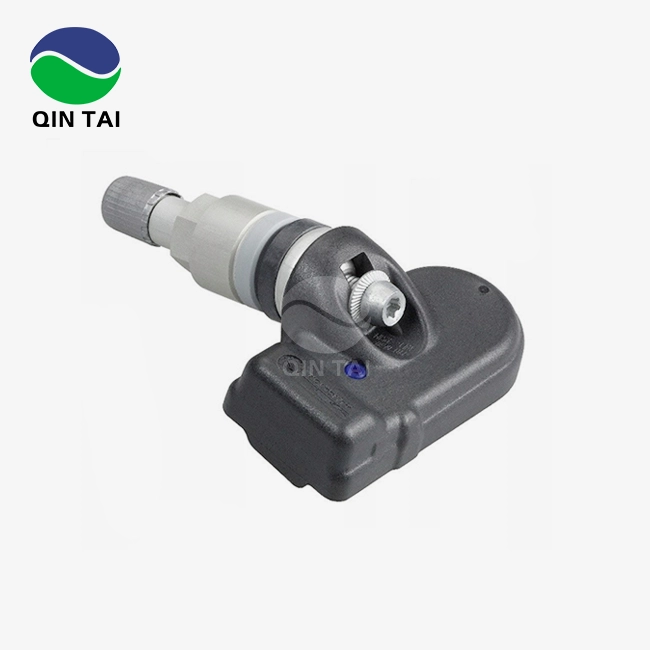
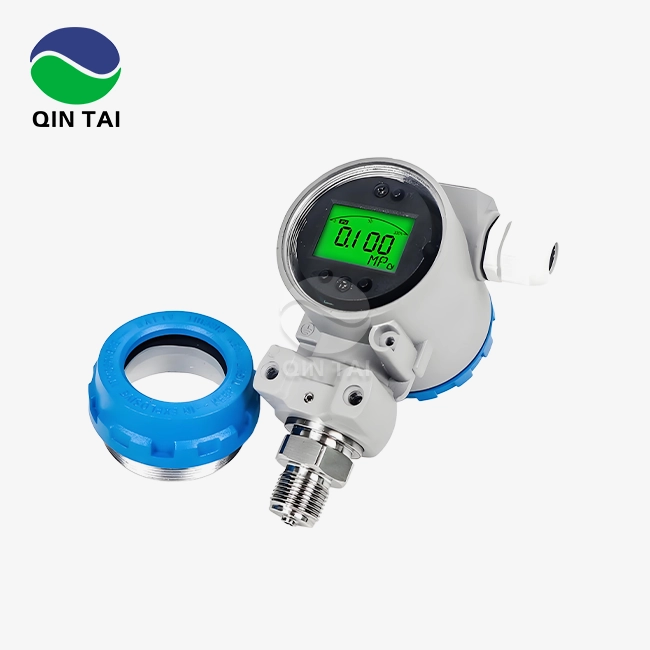
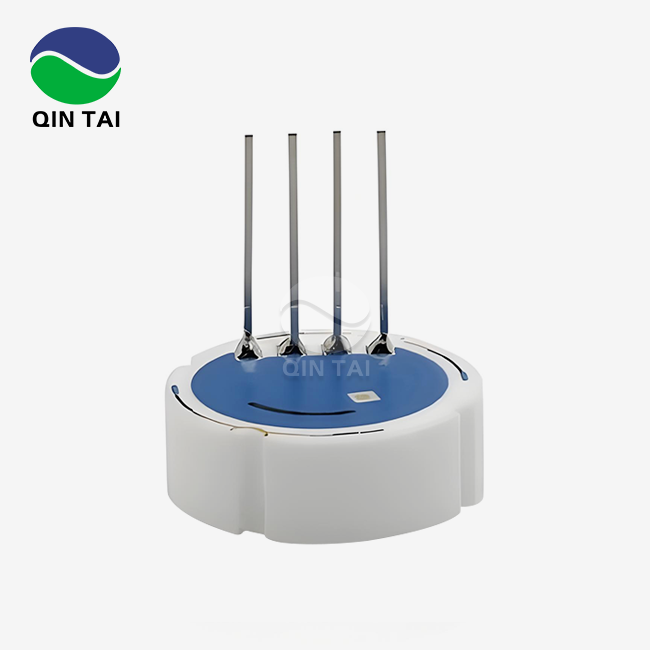

Our customers’ satisfaction speaks for our quality — contact us to experience the same reliable service.