- English
- French
- German
- Portuguese
- Spanish
- Russian
- Japanese
- Korean
- Arabic
- Greek
- German
- Turkish
- Italian
- Danish
- Romanian
- Indonesian
- Czech
- Afrikaans
- Swedish
- Polish
- Basque
- Catalan
- Esperanto
- Hindi
- Lao
- Albanian
- Amharic
- Armenian
- Azerbaijani
- Belarusian
- Bengali
- Bosnian
- Bulgarian
- Cebuano
- Chichewa
- Corsican
- Croatian
- Dutch
- Estonian
- Filipino
- Finnish
- Frisian
- Galician
- Georgian
- Gujarati
- Haitian
- Hausa
- Hawaiian
- Hebrew
- Hmong
- Hungarian
- Icelandic
- Igbo
- Javanese
- Kannada
- Kazakh
- Khmer
- Kurdish
- Kyrgyz
- Latin
- Latvian
- Lithuanian
- Luxembou..
- Macedonian
- Malagasy
- Malay
- Malayalam
- Maltese
- Maori
- Marathi
- Mongolian
- Burmese
- Nepali
- Norwegian
- Pashto
- Persian
- Punjabi
- Serbian
- Sesotho
- Sinhala
- Slovak
- Slovenian
- Somali
- Samoan
- Scots Gaelic
- Shona
- Sindhi
- Sundanese
- Swahili
- Tajik
- Tamil
- Telugu
- Thai
- Ukrainian
- Urdu
- Uzbek
- Vietnamese
- Welsh
- Xhosa
- Yiddish
- Yoruba
- Zulu
What Is Urea Injection and How Does It Reduce NOx?
Diesel engines with a Urea Injection System have precise pollution control technology built in to cut down on toxic nitrogen oxide (NOx) emissions. Diesel Exhaust Fluid (DEF), which is also called AdBlue, is injected into the exhaust stream by this system. It breaks down into ammonia and mixes with NOx over a catalyst. This makes safe nitrogen gas and water vapor, which helps diesel-powered equipment meet strict pollution standards like Euro VI and EPA Tier 4 Final rules.
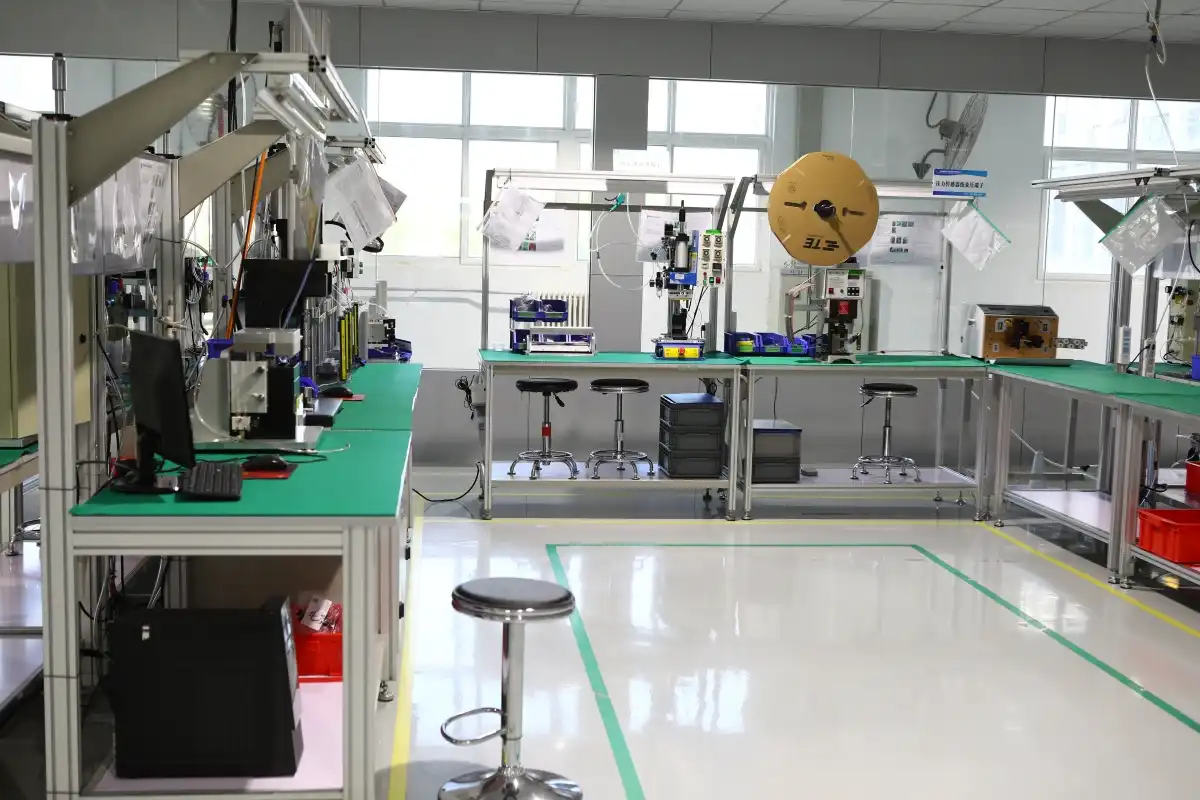
Understanding Urea Injection Systems
Diesel engines are known for being long-lasting and using little fuel, but they also release a lot of NOx into the air, which is bad for your health and the environment. Urea Injection Systems use Selective Catalytic Reduction (SCR) technology to solve this problem. SCR is a tried-and-true way to cut NOx emissions by up to 90%.
Core Components of a Urea Injection System
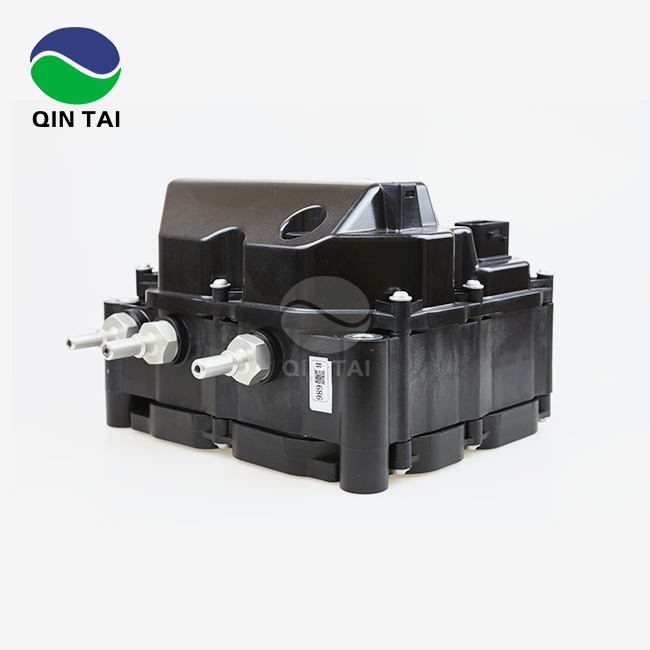
Any Urea Injection System that works well has a number of parts that are all linked and work together. The DEF tank holds the urea solution, which is usually a mix of 32.5% urea and water. A dosing control machine figures out the exact amount of DEF that is needed by looking at the temperature, load, and state of the exhaust. The high-precision electromagnetic measuring device in the urea injection nozzle breaks the fluid up into very small droplets and injects them into the exhaust stream at pressures between 5 and 9 bar. This atomization is very important because it increases the surface area for chemical processes and stops problems like ammonia slip and urea crystallization.
How AdBlue and DEF Differ from Traditional Urea?
A lot of people get confused when they talk about AdBlue, DEF, and urea. People often use these terms to mean the same thing, but knowing the difference between them is important for making buying choices. The general term used in North America is DEF, which meets ISO 22241 guidelines. AdBlue is a brand that is used a lot in Europe and other places, but it is technically the same as DEF. Both are water-based urea solutions that are made to work with SCR systems. They are different from agricultural-grade urea, which has impurities that are bad for emission control systems. Using the right type of oil protects the injectors, keeps the catalyst clean, and keeps the guarantee valid. Purchasing managers should make sure that the DEF or AdBlue that providers offer is approved and meets ISO standards. Using fluids that aren't up to par can lead to system problems that cost a lot of money.
How Urea Injection Reduces NOx Emissions?
The science behind SCR technology is both beautiful and useful. The DEF goes through thermolysis and hydrolysis when it comes into contact with the hot exhaust stream, turning into ammonia and carbon dioxide. The ammonia then mixes with NOx molecules on top of the SCR catalyst, turning them into nitrogen and water, which are both natural substances that don't hurt the environment.
The Chemical Process Explained
This change takes place in stages. When exhaust temps are above 200°C (392°F), DEF breaks down quickly. The reducing agent that goes after NOx is the ammonia that is made. On the surface of the catalyst, molecules of ammonia bond with NOx, which breaks the links between nitrogen and oxygen. Nitrogen atoms join together to make N₂ gas, and oxygen atoms join with hydrogen atoms to make water vapor. This selective reduction process works amazingly well; in perfect conditions, it can convert more than 95% of NOx.
Regulatory Compliance and Operational Benefits
Manufacturers and fleet users of diesel engines have to meet emission limits or face fines. Through Tier 4 Final guidelines for off-road equipment and heavy-duty engine rules, the U.S. Environmental Protection Agency sets strict NOx limits. European markets require that Euro VI rules be followed. Diesel engines aren't allowed to officially work in these areas without SCR systems that work well. In addition to meeting regulations, Urea Injection System pumping has real practical benefits. Manufacturers can tune engines with SCR technology to use less fuel because they don't have to rely on exhaust gas recirculation (EGR) to control NOx. Instead, they can improve burning. This method cuts fuel use by 3–5% and increases engine life by keeping soot buildup to a minimum. Commercial fleets and people who run industrial machines will get a better return on their investment when upkeep costs go down and uptime goes up.
Technical Specifications and Maintenance of Urea Injection Systems
Before choosing a Urea Injection System, you need to carefully look at the technical factors that affect performance and dependability. Professionals in procurement need to know these details in order to make choices that are in line with their business needs.
Critical Technical Parameters
The system's flow rate ability tells you how much DEF it can send in a given amount of time, usually in milliliters per minute. For heavy-duty uses like construction tools or generator sets, flow rates need to be higher than for light commercial cars. Another important issue is engine compatibility. The injectors must work with the exhaust temperature range, back pressure, and mounting setup of the engine base. In harsh settings, temperature tolerance affects how reliable a system is. Because DEF freezes at -11°C (12°F), many urea injection tubes have heated elements built in. When you work in cold places, you need strong heating systems to keep ice from blocking your pipes. On the other hand, materials and valves used in high-temperature uses need to be able to withstand long periods of exhaust heat without breaking down.
The quality of the atomization immediately affects how well NOx is reduced. For urea nozzles, the normal pressure range is between 5 and 9 bar, but this can change based on the system and maker. The high pressure helps break up the DEF into tiny particles and makes sure they are spread out evenly in the exhaust stream. When atomization isn't done right, big drops form that don't break down fully, which leaves behind urea deposits and lowers the catalyst's effectiveness.
Maintenance Practices and Troubleshooting
Regular repair makes systems last longer and stops expensive breakdowns. A urea valve usually lasts between 100,000 and 150,000 kilometers (60,000 to 90,000 miles), but this depends on how the car is used, the road conditions, and how often it is serviced. As part of regular system checks, the quality of the DEF should be checked, lines should be checked for leaks, and the spray patterns from the injectors should be watched.
The most common upkeep problem is still urea buildup. When DEF dissolves or gets too hot, it leaves behind solid urea crystals that block the exhaust and injector ports. Using high-quality DEF, keeping storage temperatures at the right level, and making sure the system flushes out any remaining fluid after it shuts down are all ways to prevent problems. When crystallization happens, experts can clean in a number of ways. To clear clogs during manual cleaning, you need to use special tools. A lot of new systems have a feature that cleans themselves by flushing the tube with hot fluid to get rid of buildup or ice. When cleaning doesn't work to fix the problem, replacement is needed.
If there is too much ammonia in the system, it's called "ammonia slip," and it means that the dose is wrong or the catalyst is breaking down. This situation gives off a strong smell and could lead to emissions compliance fails. To fix ammonia slip, you need to either re-calibrate the dose control unit or make sure the sensors are working correctly. Working with suppliers that offer full technology help makes fixing problems easier and cuts down on downtime.

Comparing Urea Injection Systems: Choosing the Best Solution for Your Fleet
There are many different SCR options on the market, and each one has its own benefits that make it better for a certain use. By knowing these differences, buying teams can choose methods that work best for them while keeping costs low.
Evaluating System Efficiency and Durability
Rates of NOx conversion, DEF use, and working temperature range are all efficiency measures. High-efficiency systems cut NOx by more than 95% while using as little DEF as possible, which lowers operating costs. Durability factors include how long a part lasts, how well it handles changes in fuel quality, and how resistant it is to temperature cycle. For industrial uses in mines, power generation, or heavy building, you need Urea Injection Systems that are strong enough to work continuously in harsh conditions.
OEM Compatibility and Customization
Different systems have very different levels of engine integration difficulty. Some systems can be installed easily with standard mounting ports and electrical connections, while others need to be engineered specifically for them. When updating older equipment to meet new pollution standards, aftermarket uses bring their own set of problems. How easy and how much it costs to install depend on how well it works with current engine control units, sensor networks, and troubleshooting systems. For specific uses, the ability to customize becomes very important. Generator set makers may need systems that are designed to work best when they are fixed and don't need to be used for long amounts of time. Agricultural equipment works in dirty, high-vibration settings that need better filters and stronger materials. Solution providers that offer technical help and customizable interfaces provide more value because they can meet application-specific needs that off-the-shelf goods can't.
After-Sales Support and Service Networks
Quality of technical help has a big effect on how reliable and up-to-date a system is. Troubleshooting problems quickly is easier when suppliers have fast tech teams. This keeps production interruptions to a minimum. Full service packages should include help with installation, help with setup, training for operators, and ongoing expert support. Reference checks with current customers in similar businesses are a good way for procurement teams to find out what a seller can do. The supply of parts has a direct effect on how well repair works. Repairs can be done faster by suppliers who keep a lot of common new parts in stock than by suppliers who need to wait a long time for specialized parts. For multinational businesses, global service networks are important because they make sure that the level of help is the same in all areas and time zones.
Maximizing Value: How to Integrate Urea Injection Solutions in Your Procurement Strategy?
When buying Urea Injection Systems strategically, you have to find a balance between technical needs, cost, and the supplier's abilities. A structured strategy makes sure that the best choices are made that support operational goals for the long run.
Supplier Verification and Certification Standards
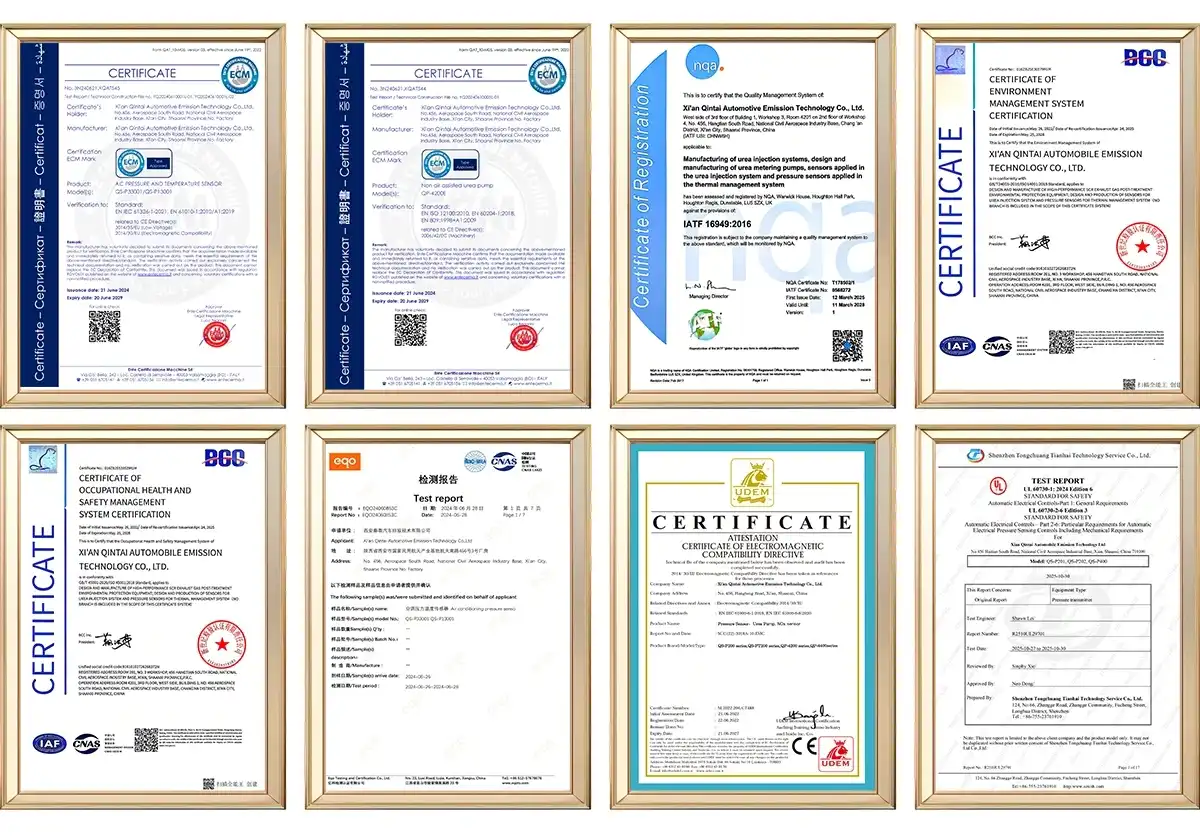
The first step in doing your due research is to check the credentials and certifications of the seller. Quality management certifications like ISO 9001 and IATF 16949 show that a company is dedicated to making sure that its industrial standards are always met. Parts that control emissions need to be approved by the EPA for sales in the U.S., the E-mark for sales in Europe, and the right national licenses for sales in other areas. Suppliers with these licenses lower the risk of not following the rules and make the process of getting governmental permission easier.
Volume Purchasing and Long-Term Partnership Benefits
Through economies of scale, volume buying deals bring down costs. By negotiating multi-year contracts with guaranteed volume limits, you can get better prices and make sure that you always have a supply. Long-term relationships let suppliers buy application-specific tools and handle their stock in a way that meets customer needs. This cuts down on wait times and makes them more responsive. Collaborative relationships are more than just buying things. Leading providers involve their customers in joint development programs where they share their knowledge on new technologies and changes in the law. By working together, makers can keep up with changing emission standards and add next-generation solutions to their product plans before their rivals do.
Future-Proofing Through Technology Awareness
Emission rules are getting stricter all over the world. Beyond Euro VI, the European Union wants to cut NOx even more. The California Air Resources Board sets the high standards that other states then follow. China's national standards are becoming more strict, just like European standards. Knowing how regulations are changing over time helps people make smart purchasing decisions that keep them from having to pay for expensive repairs or replacing things too soon. New technologies offer better speed and dependability. The next version of injectors has better atomization, faster reaction times, and longer service intervals. Integrated tools allow for predictive maintenance, which lets workers know about possible problems before they happen. When suppliers invest in these new technologies, they give their customers a competitive edge by making operations more efficient and better at protecting the environment.
Conclusion
Urea Injection Systems are a tried-and-true, low-cost way to meet diesel pollution standards while keeping operations running smoothly. Knowing about system parts, chemical processes, and scientific details helps you make smart purchasing choices that support your company's objectives. To make implementation work, you need to carefully choose your suppliers, pay attention to the upkeep needs, and plan ahead for the long run. As emission standards change around the world, buying dependable SCR technology from knowledgeable partners is the best way to make sure you follow the rules, run your business well, and care for the environment.
FAQ
Q1: What causes urea injection nozzles to fail prematurely?
A: There are three main reasons why nozzles usually break too soon: poor DEF quality with impurities that block precision orifices; thermal stress from not heating enough during cold starts, which damages crystallization; and electrical failures in the electromagnetic actuator due to water getting in or voltage fluctuations. Using approved AdBlue or DEF, keeping the nozzles in the right way, and making sure the electrical connections are strong can greatly increase their useful life beyond the normal 100,000-kilometer range.
Q2: How does ambient temperature affect urea injection system performance?
A: Extreme temperatures make it hard for systems to work in different ways. DEF freezes solid below -11°C, so heated parts built into the engine are needed to melt the ice and make the fluid again before the engine can run. To deal with this problem, most advanced systems have tank heaters and heated feed lines. On the other hand, too much heat above 30°C speeds up the breakdown of DEF and raises the rate at which it evaporates, which could lead to concentration mismatches that lower the effectiveness of NOx reduction. Using shielding and active cooling to control temperature properly keeps system performance at its best no matter the weather.
Q3: Can older diesel engines be retrofitted with urea injection systems?
A: It is certainly possible to make older engines work with newer ones, but it is very complicated. For retrofits to work, there needs to be enough exhaust room for the catalyst to be installed, engine control systems that are suitable and can handle DEF dosing, and enough electricity for the pumps and heating elements. Because they don't have to fit as tightly, off-road tools and generator sets are often easier to retrofit than cars used on the road. Talking to experienced system integrators can help you figure out if an upgrade will work and how much it will cost compared to buying new equipment using a Urea Injection System.
Partner with a Trusted Urea Injection System Manufacturer
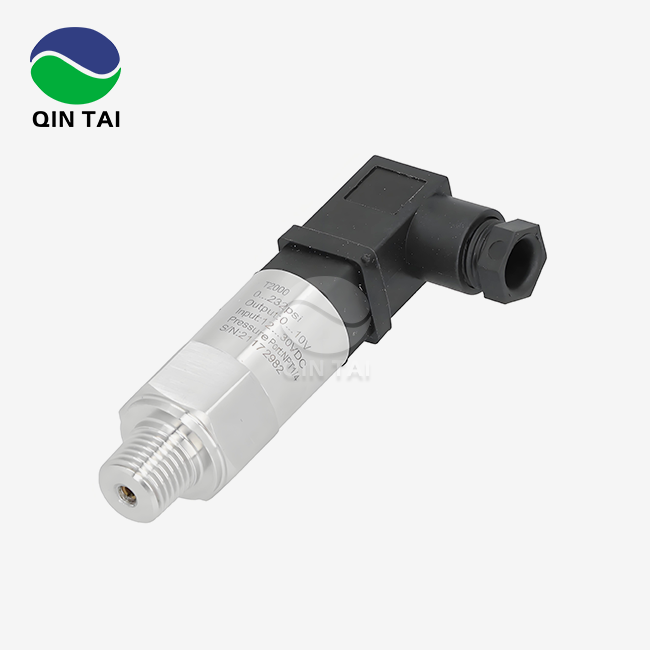
Qintai Automotive Emission Technology Co., Ltd. Ltd. is the biggest company in China that sells precise sensors and SCR aftertreatment systems for diesel engines. We have been in business since 2001 and have the biggest part of the domestic market. We are the main supplier for Weichai Power, Yuchai Power, and Quanchai Power. Our urea injection tubes create very small droplets of urea at the right pressures. This stops crystallization and ammonia slip and makes sure that strict Euro VI and EPA Tier 4 Final compliance is met.
Our 58 invention patents help us keep coming up with new ideas, and we have ISO 9001, IATF 16949, CMC, Ex, UL, CE, REACH, and RoHS certifications. Our independent research and development team makes solutions that are exactly what you need, from the flow rate to the temperature range. We offer the technical help and reliable supply chain that procurement managers need, whether you need OEM parts for mass production or aftermarket options that can be delivered quickly. Contact our team at info@qt-sensor.com to discuss your Urea Injection System requirements. We deliver the certification qualifications, technical parameters, and long-term partnership approach that drives your success in global markets.
References
1. Johnson, T. V. (2015). "Review of Selective Catalytic Reduction (SCR) and Related Technologies for Mobile Applications." SAE International Journal of Engines, Volume 8, Issue 3, pp. 1-24.
2. Koebel, M., Elsener, M., & Madia, G. (2001). "Recent Advances in the Development of Urea-SCR for Automotive Applications." SAE Technical Paper Series, Paper No. 2001-01-3625.
3. United States Environmental Protection Agency. (2016). "Nitrogen Oxides (NOx): Why and How They Are Controlled." EPA Technical Bulletin, Office of Air Quality Planning and Standards.
4. European Automobile Manufacturers Association. (2018). "ACEA Guide to Euro VI Heavy-Duty Vehicle Emission Standards." Brussels: ACEA Publications.
5. Manufacturers of Emission Controls Association. (2019). "Diesel Exhaust Fluid Quality and the Importance of ISO 22241 Standards." Washington, D.C.: MECA White Paper Series.
6. Society of Automotive Engineers International. (2020). "Diesel Exhaust Aftertreatment Systems: SCR Technology and Applications." SAE Handbook Volume 3: Engines and Emissions.
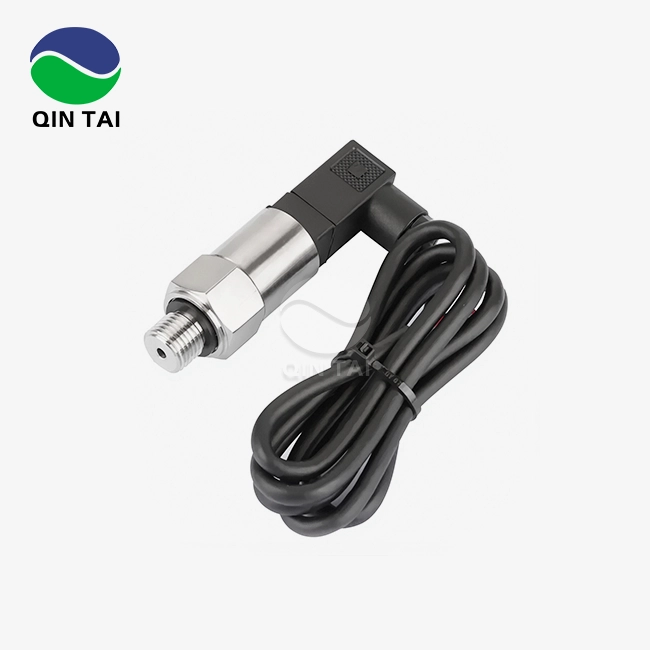
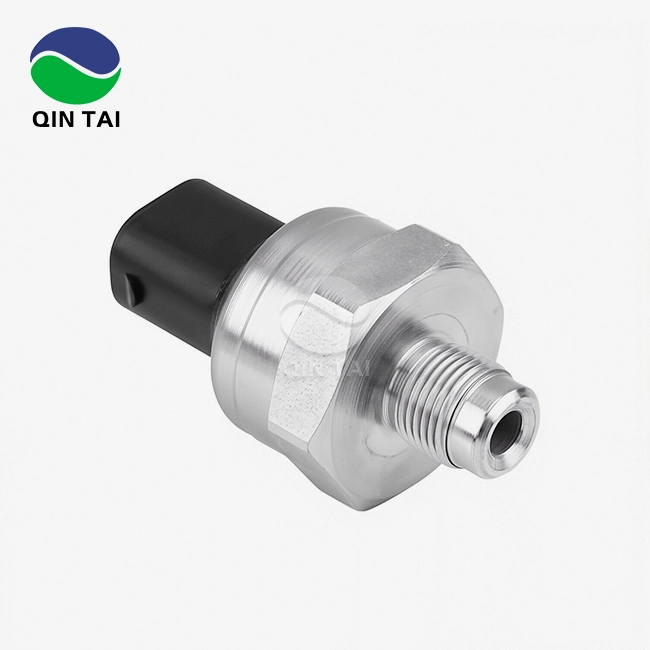

Our customers’ satisfaction speaks for our quality — contact us to experience the same reliable service.