- English
- French
- German
- Portuguese
- Spanish
- Russian
- Japanese
- Korean
- Arabic
- Greek
- German
- Turkish
- Italian
- Danish
- Romanian
- Indonesian
- Czech
- Afrikaans
- Swedish
- Polish
- Basque
- Catalan
- Esperanto
- Hindi
- Lao
- Albanian
- Amharic
- Armenian
- Azerbaijani
- Belarusian
- Bengali
- Bosnian
- Bulgarian
- Cebuano
- Chichewa
- Corsican
- Croatian
- Dutch
- Estonian
- Filipino
- Finnish
- Frisian
- Galician
- Georgian
- Gujarati
- Haitian
- Hausa
- Hawaiian
- Hebrew
- Hmong
- Hungarian
- Icelandic
- Igbo
- Javanese
- Kannada
- Kazakh
- Khmer
- Kurdish
- Kyrgyz
- Latin
- Latvian
- Lithuanian
- Luxembou..
- Macedonian
- Malagasy
- Malay
- Malayalam
- Maltese
- Maori
- Marathi
- Mongolian
- Burmese
- Nepali
- Norwegian
- Pashto
- Persian
- Punjabi
- Serbian
- Sesotho
- Sinhala
- Slovak
- Slovenian
- Somali
- Samoan
- Scots Gaelic
- Shona
- Sindhi
- Sundanese
- Swahili
- Tajik
- Tamil
- Telugu
- Thai
- Ukrainian
- Urdu
- Uzbek
- Vietnamese
- Welsh
- Xhosa
- Yiddish
- Yoruba
- Zulu
NOx Sensor vs Oxygen Sensor: Main Differences Explained
When evaluating emission control components, understanding the distinction between NOx sensors and oxygen sensors becomes critical for diesel engine applications. A NOx Sensor specifically measures nitrogen oxide concentrations ranging from 0 to 2500 ppm within exhaust streams, playing an indispensable role in SCR aftertreatment systems to meet EPA 2010 and China VI emission standards. Oxygen sensors, conversely, monitor residual oxygen percentages between 0% and 21% to optimize combustion efficiency. These sensors serve complementary yet distinct functions—NOx sensors ensure regulatory compliance through real-time emissions monitoring, while oxygen sensors fine-tune air-fuel ratios for performance and efficiency. Recognizing these differences helps procurement managers select appropriate sensor technologies tailored to specific diesel applications in heavy trucks, construction machinery, and generator sets.
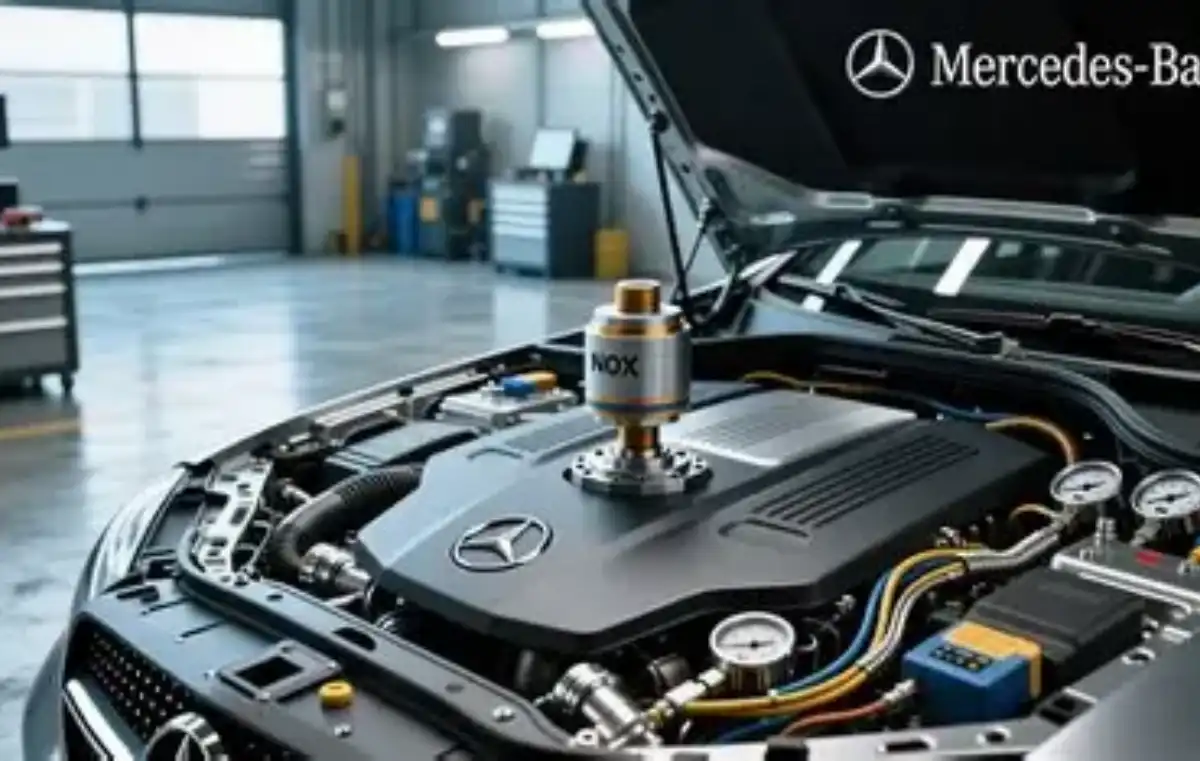
Understanding the Basics of NOx Sensors and Oxygen Sensors
To meet stricter environmental rules, diesel pollution control systems need to use specific sensing technologies. The main difference between these two types of sensors is what they are looking for and where they fit into the system.
The Primary Function of NOx Sensors
Nitrogen oxide sensors pick up the harmful NOx compounds that diesel engines make when they burn at high temperatures. These sensors use zirconia ceramic cells stabilised by yttria that move oxygen ions through solid solutions. There are two important parts to the monitoring process: an oxygen pump cell that keeps the amount of oxygen in the air at a certain level, and a NOx Sensor detecting cell that breaks down nitrogen oxides into nitrogen and oxygen ions. The produced current is directly related to the percentage of NOx. This gives the engine control unit real-time information for figuring out how much DEF to inject. Two NOx Sensors are typically used in modern diesel engines: one upstream at the turbo outlet to measure emissions from the engine, and one downstream after the SCR catalyst to check conversion efficiency.
How Oxygen Sensors Operate Differently?
Oxygen sensors, which are also sometimes called lambda sensors, check the waste gases for leftover oxygen to keep the combustion process stoichiometric. These sensors send voltage messages based on changes in the amount of oxygen in the air and the exhaust gas. When heated above 300°C, the zirconia element makes voltage, and readings show whether the engine is running rich or lean. In diesel engines, oxygen monitors are mostly used in EGR systems and to control DPF regeneration. In petrol engines, on the other hand, they are used to make constant fuel trim changes.
Key Placement and Application Differences
System architecture shows clear patterns of integration. The exhaust pipe before the SCR catalyst and again after the catalyst are two high-temperature zones where NOx Sensors are usually mounted. They can handle extreme changes in temperature and exhaust environments that are corrosive. Oxygen monitors are placed closer to the engine, usually before the turbocharger or in the EGR circuit. They work best at temperatures between 100°C and 650°C. When ordering new parts or making custom aftertreatment systems for specific uses like mine generator sets or farm equipment, it's important to know these placement standards.
Detailed Comparison: NOx Sensor vs Oxygen Sensor
When making a purchase choice, it helps to do thorough technical comparisons that cover measurement rules, expected durability, and upkeep needs.
Measurement Accuracy and Detection Range
For amounts below 100 ppm, NOx Sensors provide accuracy of within 10 ppm; for readings in the middle, between 100 and 500 ppm, this accuracy increases to 10%. This level of accuracy lets SCR systems figure out the exact amount of DEF to use, which stops both too little reduction and ammonia slip. Oxygen monitors stay accurate within ±0.2% when oxygen levels are below 5%, which is very important for controlling the air-fuel ratio accurately. The sensing methods vary fundamentally—NOx Sensors actively decompose target chemicals through catalytic reaction, while oxygen sensors passively measure concentration gradients through electrochemical voltage generation.
Service Life and Replacement Intervals
The operational lifespan has a direct effect on the total cost of ownership for running a fleet. Under normal diesel exhaust conditions, standard NOx Sensors usually last 6,000 hours. However, premium versions now have longer service lives than this industry standard. In commercial settings, oxygen sensors usually need to be replaced every 100,000 miles. This depends a lot on the quality of the fuel and the temperature at which they are used. Sensors that are exposed to temperature shock from repeated regeneration processes or sulphur compounds degrade more quickly.
Contamination Vulnerabilities and Cleaning Protocols
Diesel exhaust has impurities in it that make sensors less effective. Lead and sulphide compounds are very bad for NOx Sensor accuracy because they cover zirconia surfaces and stop protective membranes from working. Oxygen sensors are also damaged by silicon layers that come from using too much engine oil or having coolant leak. Visual checks for carbon buildup, checks for damaged connectors, and keeping an eye on OBD-II error codes are all part of regular upkeep. Advanced cleaning methods using special solvents can briefly restore function, but once contamination hits a critical level, the only safe option is to replace the sensor.
Engine Type Compatibility Considerations
NOx Sensors are only used in diesel engines, which naturally produce high levels of nitrogen oxides due to their high compression ratios and lean combustion. Except for direct-injection engines that meet strict California CARB standards, NOx Sensors are rarely needed in petrol engines. Oxygen monitors work in both petrol and diesel engines, but they work at lower rates in diesel engines because they always burn lean. This difference in compatibility affects how distributors who serve customers with mixed fleets manage their inventory.

Procurement Considerations for NOx and Oxygen Sensors
To keep business car fleets running smoothly, strategic sourcing choices must combine quality assurance, cost management, and supplier dependability.
Evaluating OEM Versus Aftermarket Options
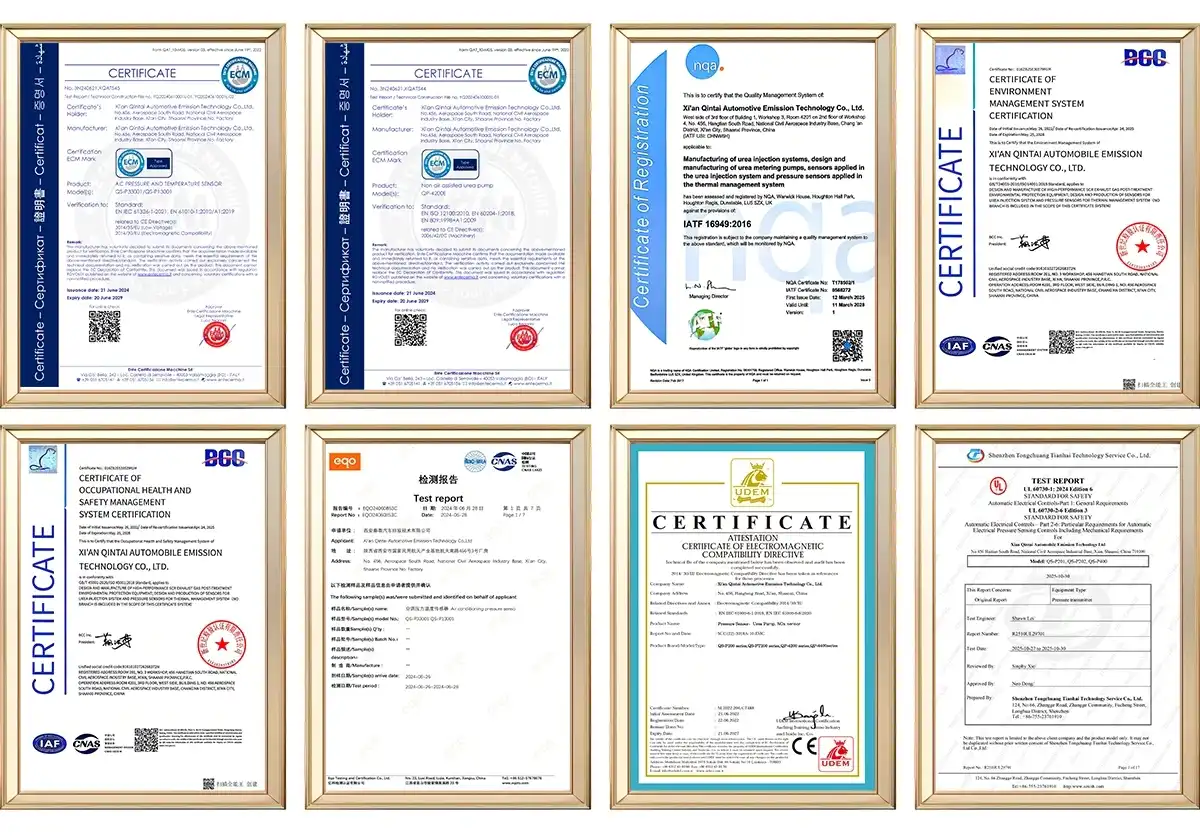
Original equipment maker sensors are guaranteed to work with certain types of vehicles and keep emission system warranties valid. OEM parts from well-known names like Bosch, Denso, Continental, and NGK come with calibration data that matches the settings set by the engine control unit. These monitors go through a lot of tests to make sure they work right, at different temperatures and with different types of exhaust. Aftermarket options can save you 30% to 50% on costs, but there is a chance that the quality will not be the same. Through reverse engineering and independent testing, premium aftermarket manufacturers can now achieve performance levels that are the same as the original equipment. This means that they can be used on mature vehicle platforms outside of warranty periods. Managers in charge of buying things should make sure that aftermarket sensors have ISO 9001 and IATF 16949 certifications, which show that the quality management systems used in production meet vehicle standards.
Price Structures and Warranty Terms
NOx Sensors usually cost between $180 and $450 each, but this depends on the type of car and brand chosen. Fleet owners or OEM integrators can get discounts of more than 25% when they sign bulk buying deals. Oxygen sensors are much cheaper—between $40 and $120—because they are easier to make and can be used with more devices. There are a lot of different types of warranties. OEM sensors usually come with 12-month warranties that cover unlimited miles, while aftermarket sensors come with promises that last anywhere from 90 days to life. Extended warranty programs offering new sensors at reduced cost provide budget certainty for large-scale operations handling hundreds of cars.
Identifying Reputable Wholesale Distributors
Many aftermarket outlets, especially online markets, have to deal with fake sensors all the time. Laser-etched part numbers, holographic security stickers, and packages that can't be opened show that the sensors are real. Reliable distributors keep close ties with manufacturers, allow batch tracking, and provide technical information such as calibration certificates. When looking for international suppliers, make sure they have the right export certifications, ask for sample testing, and do facility audits to make sure they can produce what you need. Well-known Chinese companies like Qintai show they are trustworthy by having IATF 16949 certification, a large collection of patents, and long-term supply deals with big OEMs like Weichai Power and Yuchai Power.
NOx Sensors and Oxygen Sensors in Emissions Control Systems
Modern diesel aftertreatment architectures use more than one sensing technology to cut emissions by more than 95% for all regulated pollutants.
The Role Within Selective Catalytic Reduction Systems
SCR technology is the best way for heavy-duty diesel engines to cut down on NOx emissions. The upstream NOx Sensor controls the dose module by telling it how much DEF to add based on fumes from the engine when the engine is turned off. To get the most urea to the right place, complex formulas take into account the temperature of the exhaust, the flow rate, and the efficiency of the catalyst. The NOx Sensor further downstream finishes the control loop, checking the real efficiency of the conversion and sending out diagnostic trouble codes if performance drops below the limits set by regulators. This two-sensor design converts NOx more than 90% of the time while stopping ammonia from slipping in and causing more pollution. Response time has a big effect on how well a system works. Sensors with response times of less than 1400ms allow precise dosing adjustments during sudden changes in load that happen in construction equipment and delivery trucks in cities.
Integration With Air-Fuel Ratio Management
There are several ways that oxygen sensors help control emissions. In EGR systems, oxygen sensors check the amount of oxygen in the recirculated exhaust. This lets the engine control units figure out the exact EGR rates that balance reducing NOx with making particulate matter. During DPF regeneration events, oxygen sensors check for high oxygen levels to make sure that the soot is being burnt off properly. Some more modern diesel systems now have wide-band oxygen monitors that can accurately measure the full range of exhaust oxygen levels. This allows closed-loop combustion control, which lowers engine-out emissions before they are treated.
Interaction With Complementary Technologies
NOx Sensors, oxygen sensors, pressure sensors that track DPF loads, and temperature sensors that protect catalyst substrates must all work together to achieve complete emission control. All of the sensors' data are sent to the engine control unit at the same time, which changes the EGR rates, injection timing, boost pressure, and DEF doses in real time. Figuring out these connections helps fix complicated error codes that appear when different sensor data don't agree. When system designers make custom solutions for unique uses like mine generator sets, they need to think about things like electrical interference, sensor cross-talk, and thermal management to make sure the systems work well in difficult conditions.
Making an Informed Decision: Which Sensor Fits Your Business Needs?
When buying sensors, it's important to make sure that the technical requirements match the operational priorities and budget limits that are unique to each fleet.
Assessing Fleet Requirements and Duty Cycles
In cities, delivery fleets that have to stop and start a lot need sensors that can handle rapid thermal cycling and start up quickly. Construction equipment surviving dusty environments requires improved contamination resistance and strong connection sealing. Long-haul trucking applications prioritise longer service intervals to cut down on breakdowns on the side of the road. Generator set makers need sensors that have been tested and proven to work continuously at steady loads, which is different from the changing conditions found in car uses. When you match sensor specs to real job cycles, you stop failures before they happen and lower the total cost of ownership.
Performance Metrics That Matter Most
Response time should be a big part of the procurement specifications, especially for SCR applications where dosing mistakes are caused by delayed sensor feedback. Sensors with light-off times much shorter than the industry norm of 165 seconds lower cold-start emissions during daily startup processes. The operating temperature range tells us if sensors can live in harsh settings. For example, farming equipment that works in subtropical areas or in arctic mines needs to be able to handle higher temperatures. Specifications for accuracy must match the tolerances set by pollution standards. To meet EPA 2010 requirements, tolerances must be tighter than those set by older Tier 4 Interim standards. Resistance to lead and sulphide poisoning makes sensors last longer in places where diesel fuel quality isn't always stable.
Supplier Evaluation Criteria Beyond Price
The ability to provide technical help is what sets strategic partners apart from commodity providers. Companies that let you change the shapes of the connectors, the lengths of the cables, and the mounting threads make it easy to connect to current harnesses and exhaust pipes. OEMs designing next-generation equipment will benefit greatly from having access to engineering expertise during the product development stages. Vehicle downtime can be kept to a minimum by making sure that warranty claims are processed quickly and that a technical hotline is always open. Certifications like ISO 9001, IATF 16949, and environmental safety paperwork (REACH, RoHS) show that the company is serious about making things and following the rules. Long-term supply agreements with well-established OEM relationships show that the company is financially stable and has enough production capacity to meet volume needs.
Emerging Sensor Technologies and Future Trends
Modern sensor designs now have built-in diagnostic tools that use impedance readings and internal tracking cells to see when problems will happen and stop them before they do. Wireless sensor designs get rid of complicated wire harnesses, which makes electric and hybrid powertrains lighter and cheaper to install. Better engineering of materials makes them less likely to poison, and protective coatings and different electrolyte formulations make their service life last longer than 8,000 hours. As emission rules get stricter around the world, like with the new EPA greenhouse gas standards and the increased CARB requirements, sensor technologies will keep getting better at being accurate, responding faster, and working in a wider range of conditions.
Conclusion
Being able to tell the difference between NOx Sensors and oxygen sensors helps procurement pros make choices that are in line with funding, operational needs, and emission compliance requirements. While oxygen sensors improve combustion efficiency across both petrol and diesel platforms, NOx Sensors provide precise nitrogen oxide measurement necessary for SCR system control in diesel applications. Specifications like measurement range, reaction time, working temperature, and resistance to contamination have a direct effect on how reliable something is and how much it costs to own. Strategic sourcing finds a balance between OEM quality assurance and aftermarket cost advantages.
When evaluating a supplier, you should look at more than just price. You should also look at certifications, technical support, and the stability of your long-term supply. Understanding how sensors work with complete emission control architectures, such as how they interact with EGR systems, DPF regeneration, and DEF dosing, is important for fixing problems and making sure that heavy trucks, construction equipment, farm equipment, and generator sets meet strict environmental standards.
FAQ
Can NOx Sensors and Oxygen Sensors Be Interchanged?
Because of basic differences in how they sense things and how they work in systems, these sensors cannot be used in place of each other. While oxygen sensors detect leftover oxygen through electrochemical voltage generation, NOx Sensors measure nitrogen oxide amounts using specialised catalytic decomposition tanks. The engine control unit expects different signal patterns from each type of sensor. If you switch them, it could cause diagnostic trouble codes and damage the emission control systems.
How Often Should Commercial Fleets Replace These Sensors?
How often they need to be replaced depends on the duty cycle and the conditions of operation. Every 6,000 hours of use or when diagnostic codes show deteriorated performance, NOx Sensors usually need to be replaced. In business settings, oxygen sensors usually last for 100,000 miles. Fleets should set up predictive maintenance systems that check sensor reaction times and accuracy drift and replace parts before they break down and cause vehicles to go off course or break the law.
What Symptoms Indicate NOx Sensor Failure Requiring Immediate Attention?
Check engine lights that flash with P20EE or P22A2 fault codes, DEF consumption issues (either too much or too little), and engine power derates that limit the speed of the car to 5 mph are all warning signs. Wiring cables that are broken, plugs that are corroded, or exhaust leaks that can be seen near where the sensors are mounted are all physical signs. Immediate diagnostic scans and sensor testing stop long downtime and the chance of breaking emission rules.
Partner With Qintai for Industrial-Grade NOx Sensor Solutions
Qintai provides highly precise nitrogen oxide sensing technology and has been helping OEM customers around the world with emission control for 20 years. Our improved NOx Sensors have response times below 1400ms and light-off performance that is much faster than the industry standard of 165 seconds. This makes sure that your SCR systems answer quickly during important cold-start periods. With IATF 16949 and ISO 9001 certifications, we make sure that quality is maintained at all stages of production, from making the zirconia ceramic cells to testing and final calibration.
Our monitors are very long-lasting; they can work for more than 6,000 hours without getting poisoned by the lead and sulphide contaminants that are common in diesel smoke. Configurations that can be changed include types of connectors, wire lengths from standard to extended, and mounting holes that work with most OEM interfaces. The NOx test runs from 0 to 2500 ppm, and the accuracy is within ±10 ppm at low concentrations. The device works accurately in exhaust temperatures ranging from -40°C to 800°C. As the biggest NOx Sensor maker in China, we offer Weichai Power, Yuchai Power, and Quanchai Power. Our mass production capabilities have been tested and can meet both prototype development and volume needs. Email our technical team at info@qt-sensor.com to talk about your unique application needs and get full product specs.
References
1. Johnson, T. V. (2021). Diesel Emissions Control Technology: A Comprehensive Review. SAE International Journal of Engines, Volume 14, Issue 3.
2. Majewski, W. A. & Khair, M. K. (2019). Diesel Emissions and Their Control: Technology Evolution and Performance Standards. Society of Automotive Engineers Publishing.
3. Environmental Protection Agency. (2020). Heavy-Duty Engine and Vehicle Standards and Highway Diesel Fuel Sulfur Control Requirements. EPA Regulatory Guidelines Document EPA-420-F-20-045.
4. Robert Bosch GmbH. (2022). Automotive Sensor Technology Handbook: Principles, Applications, and Diagnostic Procedures. Bentley Publishers Technical Reference.
5. Zhang, H., Wang, L., & Chen, Y. (2023). Advanced Materials for High-Temperature Exhaust Gas Sensors in Diesel Aftertreatment Systems. Journal of Materials Chemistry A, Volume 11, Pages 3847-3869.
6. International Organization for Standardization. (2021). ISO 11992-4 Road Vehicles — Sensor Data Communication Protocol Standards. ISO Technical Committee 22 Publication.

Our customers’ satisfaction speaks for our quality — contact us to experience the same reliable service.