- English
- French
- German
- Portuguese
- Spanish
- Russian
- Japanese
- Korean
- Arabic
- Greek
- German
- Turkish
- Italian
- Danish
- Romanian
- Indonesian
- Czech
- Afrikaans
- Swedish
- Polish
- Basque
- Catalan
- Esperanto
- Hindi
- Lao
- Albanian
- Amharic
- Armenian
- Azerbaijani
- Belarusian
- Bengali
- Bosnian
- Bulgarian
- Cebuano
- Chichewa
- Corsican
- Croatian
- Dutch
- Estonian
- Filipino
- Finnish
- Frisian
- Galician
- Georgian
- Gujarati
- Haitian
- Hausa
- Hawaiian
- Hebrew
- Hmong
- Hungarian
- Icelandic
- Igbo
- Javanese
- Kannada
- Kazakh
- Khmer
- Kurdish
- Kyrgyz
- Latin
- Latvian
- Lithuanian
- Luxembou..
- Macedonian
- Malagasy
- Malay
- Malayalam
- Maltese
- Maori
- Marathi
- Mongolian
- Burmese
- Nepali
- Norwegian
- Pashto
- Persian
- Punjabi
- Serbian
- Sesotho
- Sinhala
- Slovak
- Slovenian
- Somali
- Samoan
- Scots Gaelic
- Shona
- Sindhi
- Sundanese
- Swahili
- Tajik
- Tamil
- Telugu
- Thai
- Ukrainian
- Urdu
- Uzbek
- Vietnamese
- Welsh
- Xhosa
- Yiddish
- Yoruba
- Zulu
How to Choose the Best NOx Sensor Supplier for OEM Projects
Choosing the right OEM NOx Sensor Supplier is one of the most consequential decisions diesel engine manufacturers, aftertreatment integrators, and generator set OEMs will make. The sensor you select determines not only emission compliance with regulations like EPA 2010, Euro VI, and China VI but also impacts long-term system reliability, production efficiency, and total cost of ownership. A qualified supplier brings certified components, technical collaboration, and consistent mass production capabilities that align with your engineering standards and business goals, ensuring your OEM projects run smoothly from prototype to full-scale deployment.
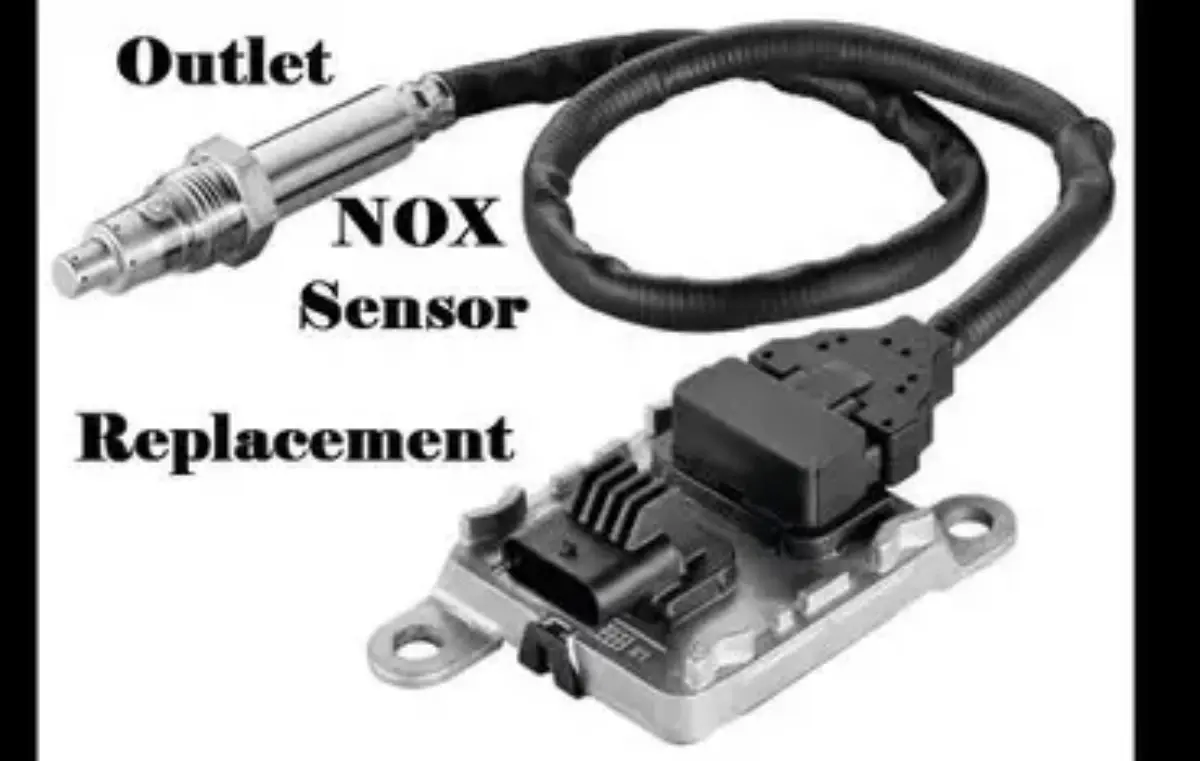
Understanding OEM NOx Sensors and Their Role in OEM Projects
What Exactly Does a NOx Sensor Do?
Selective Catalytic Reduction (SCR) systems are used in modern diesel engines to change dangerous nitrogen fumes into nitrogen, water, and carbon dioxide. At the center of this process are NOx sensors, which are specialized high-temperature devices that check the amount of nitrous oxide in the waste stream. NOx sensors only measure how well the aftertreatment system is working and send real-time information to the engine control unit. Oxygen sensors adjust the amounts of air and fuel to make burning more efficient.
How NOx Sensors Function in Dual-Sensor SCR Systems?
The NOx sensor design can be thought of as a quality control system with two checks. The sensor upstream, which is near the turbocharger output, records the raw NOx emissions that leave the combustion chamber. The ECU uses this information to figure out the exact amount of Diesel Exhaust Fluid that needs to be injected. The sensor further downstream, which is after the SCR catalyst, measures the amount of NOx that is still present after treatment and serves as a verification step. When readings further downstream go above certain limits, the system sends fault codes, lights up warning indicators, and starts engine derate protocols to force maintenance that needs to be done.
Core Components That Define Sensor Quality
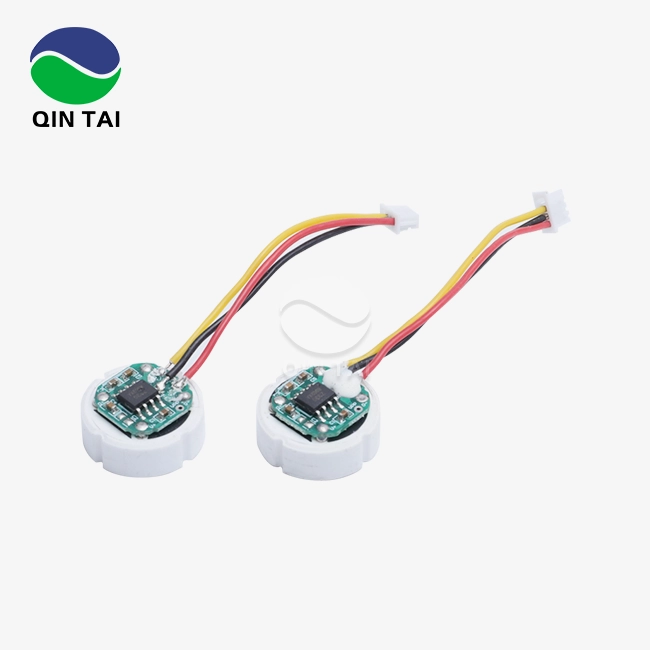
A good NOx sensor has a heater element that keeps the right temperature, signal conditioning circuitry, an integrated control module that talks to the ECU, a strong connector with a wiring harness, and a zirconia ceramic sensing element that moves oxygen ions through yttria-stabilized zirconia (YSZ). In the first measurement room, the oxygen pump cell controls the amount of oxygen in the exhaust, and the NOx sensing cell breaks down nitrogen oxides and sends out proportional current signs. The monitor cell keeps the oxygen levels in the sense box constant, which makes sure that the measurements are accurate.
OEM Versus Aftermarket Sensors: Why Specification Matters?
OEM NOx Sensor Supplier parts are more accurate, have tighter tolerances, and are guaranteed to work with your emission control architecture. They go through strict validation tests that are based on the engine's specific calibration parameters. This lowers the risks of integration and the warranty's exposure. While aftermarket alternatives may be cheaper at first, they often fall short in measuring accuracy, temperature stability, and lifespan, all of which raise the total cost of ownership through higher failure rates and compliance violations.
Key Criteria to Evaluate When Choosing an NOx Sensor Supplier
Certification Credentials That Signal Manufacturing Excellence
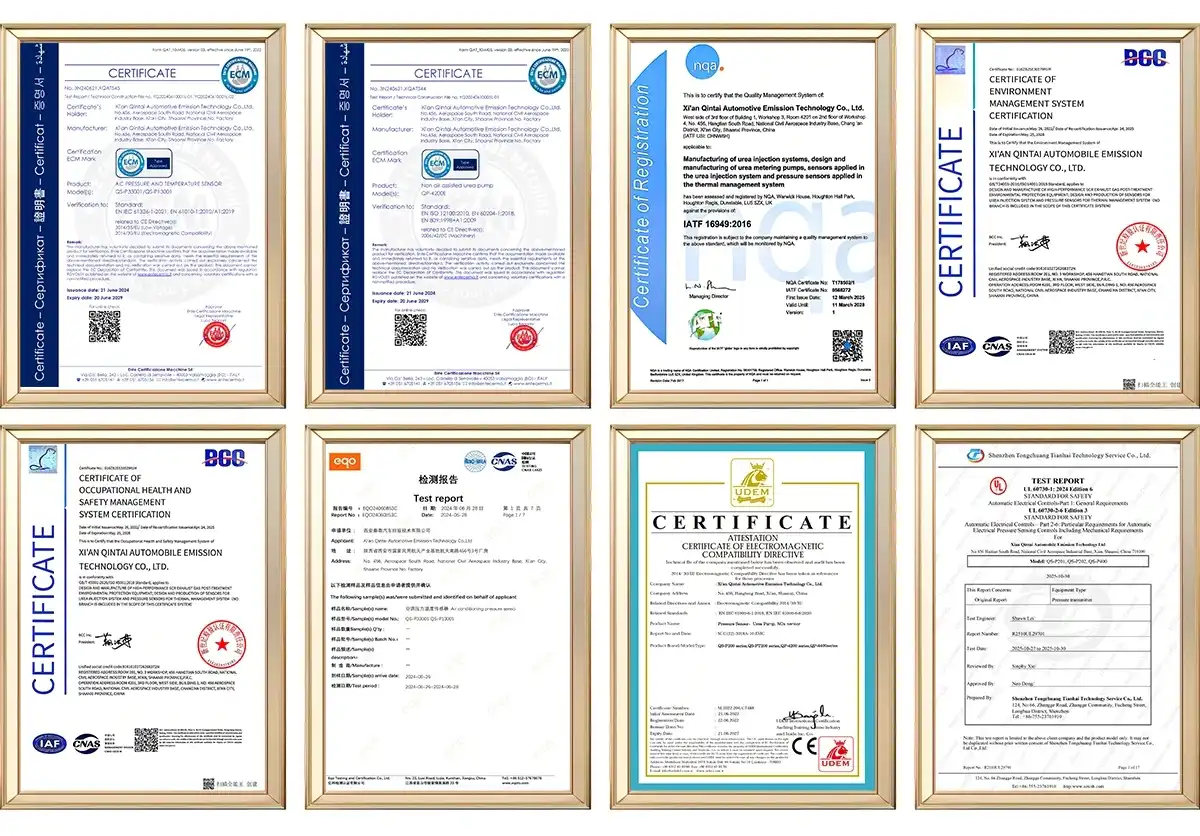
Quality certifications are objective ways to tell how consistent an OEM NOx Sensor Supplier's processes are and how well their products are made. ISO 9001 shows basic quality management systems, and IATF 16949 approval talks about the needs of the car industry for preventing defects, lowering variations, and managing the supply chain. Check more than just basic licensing by looking at how often audits are done, records of non-conformances, and efforts to make things better all the time. Suppliers with CMC (China Metrology Certification), UL, CE, REACH, and RoHS certifications show that they can comply with regulations in more than one market and make sure their products are safe.
Technical Capability and Innovation Investment
Check out the supplier's intellectual property collection and R&D facilities. Companies that have dedicated research teams and a lot of patents—ideally 40 or more creation patents or more—show that they are committed to continuing to innovate. Ask them about their plans for sensor technology, how they can adapt to new emission standards, and how much experience they have with zirconia ceramic mixture and thin-film heater design. When suppliers put money into their own product development instead of just using licensed technology, they can offer more customization options and respond more quickly to changing government rules.
Production Capacity and Supply Chain Resilience
Being able to make a lot of things sets potential OEM partners apart from small makers. Check the yearly output, the ability of the line to grow, the sampling rates for quality control, and the strategies for keeping inventory on hand. Ask about their tier-one OEM customers. Partnerships with big engine makers like Weichai Power, Yuchai Power, or Cummins show that their production is reliable and that they can be trusted with technical issues. Knowing the location of their supply chain and how they get their parts helps you figure out how vulnerable they are to problems in other areas.
Cost Transparency and Value Engineering Support
Instead of just unit cost, pricing methods should take into account the total value. Ask for full price lists that include sensor hardware, calibration services, technical documents, and guarantee coverage. Leading suppliers let you work together on value engineering to find ways to make sensor specifications better for your application without lowering performance. This partnership-based method lowers the overall cost of the program while still meeting goals for dependability and compliance.
After-Sales Support and Technical Partnership Depth
How quickly technical help responds often has a bigger impact on the success of a project than the original product specs. Check out the supplier's field application engineering tools, troubleshooting methods, failure analysis skills, and availability of new parts. When suppliers give your service network installation instructions, maintenance training, and testing tools, they can quickly fix problems, which cuts down on car downtime and customer complaints.
How to Match Supplier Offerings to Your Specific OEM Project Needs?
Segmenting Requirements by Application and Volume
Heavy trucks need sensors that can last for a long time under constant high loads, and construction equipment needs sensors that can handle vibrations better and keep dust out up to IP67 standards or higher. In generator set uses, long-term stability is most important in fixed settings with predictable thermal cycles. You can find an OEM NOx Sensor Supplier who can meet your needs most cheaply if you know how many sensors you need each year, whether they are prototypes, mid-volume production runs of 10,000 to 50,000 units, or high-volume programs that need more than 100,000 sensors each year.
Customization Flexibility and Interface Adaptation
Integrators of aftertreatment systems often need to change the parameters of sensors, the way connectors are set up, or the size of the mounting holes to fit the constraints of packaging. Check to see if the possible suppliers offer ODM services that include specialized engineering help for adapting the interface. Flexible partners are different from fixed component sellers because they can change signal output ranges, heater control methods, or provide their own connector designs.
Delivery Speed and Inventory Management Models
Customers in the commercial car aftermarket value quick supply and full SKU coverage. Check to see if your suppliers have regional delivery centers, consignment stock programs, or make-to-order models for their goods. Lead time consistency is just as important as the speed of delivery that was mentioned. Suppliers with established forecasting systems and backup stock policies keep production from stopping because of a lack of parts.

Comparing OEM NOx Sensor Suppliers: A Practical Guide
Performance Benchmarking Across Key Parameters
Compare the accuracy of the sensors over the measurement range that matters for your job, which for diesel engines is usually 0 to 1500 ppm. See how fast it responds, how sensitive it is to ammonia slip, what temperatures it can work in, and how long it usually lasts between failures. Ask for confirmation test results that show the NOx measurement meets ISO 11614 standards for accuracy. Suppliers who give third-party test results and data on the failure rate in the field show that they are honest and trusting in the performance of their products.
Warranty Coverage and Risk Mitigation Structures
The terms of the warranty show how confident and financially stable an OEM NOx Sensor Supplier is. Standard coverage is usually between 12 and 24 months, but leading manufacturers offer longer warranties for applications that need to be very reliable. Carefully read the parts of the warranty that don't cover things like contamination, thermal shock, and installation damage. Progressive providers offer failure analysis and root cause research services that help you tell the difference between problems with sensors and problems with how the system is put together.
Case Evidence From Comparable OEM Programs
Ask for case studies or names of customers who have used similar apps. A seller with a track record of working with heavy-duty diesel engines, integrating SCR aftertreatment, or industrial power generation can speed up the development process by sharing useful application knowledge. Talking to current customers gives you honest information about how responsive a company is, how good their technical help is, and how well they solve problems that marketing materials can't show.
Practical Tips for Ensuring a Smooth Procurement Process and Supplier Partnership
Structuring a Comprehensive Evaluation Process
Make a formal source evaluation scorecard that gives equal weight to certifications, technical skills, output capacity, affordable price, and customer service. Send out detailed requests for quotes that include technical needs, annual volume estimates, delivery expectations, and payment terms. Do audits of the site to make sure that the quality systems, process controls, and manufacturing skills are correct. This organized method makes sure that all candidates are evaluated the same way and gives proof to support management approval.
Avoiding Common Procurement Pitfalls
A lot of OEM plans fail because they put the starting unit cost ahead of the total cost of ownership. Sensors that are cheap but have high failure rates lead to much higher insurance costs, diagnostic costs, and damage to the brand's image. Another common mistake is not doing enough technical validation, which means accepting supplier specifications without doing your own testing to make sure they are correct. Before starting mass production, you should always do application-specific validation under typical operating conditions.
Installation and Maintenance Best Practices
When sensors are installed and maintained correctly, their service life and measurement accuracy are greatly increased. To keep threads from galling, sensors must be torqued to the manufacturer's specifications, which are usually between 40 and 50 Nm. The delicate sensing element needs to be protected from being damaged by impacts, thermal shock from water getting in, and contamination from using too much oil or soot building up. Teach your service network about these weaknesses and set up preventative maintenance plans that deal with the reasons, such as injector gunk, engine misfires, or too much fuel entering the exhaust systems.
Building Long-Term Collaborative Relationships
The best OEM NOx Sensor Supplier partnerships go beyond just doing business and turn into technical partnerships where both parties work together. Set up regular times to talk with the tech teams of your suppliers about field performance data, new application needs, and ways to keep getting better. Share your product plan so that technology can be developed ahead of time to meet the needs of future programs. When suppliers see themselves as strategic partners instead of just component sellers, they are more quick, help with new ideas, and take the initiative to solve problems.
Conclusion
To find the best OEM NOx Sensor Supplier for your projects, you need to carefully look at their certifications, technical skills, ability to scale up production, and relationship depth. Over the lifecycle of your product, the choice of an OEM NOx Sensor Supplier will affect how well it meets emission standards, how much the warranty costs, and how happy your customers are. You can find a reliable OEM NOx Sensor Supplier that can meet your current production needs and the changing needs of technology in the future by systematically comparing the qualifications of suppliers to your specific application needs. This is true whether you need heavy-duty diesel engines, aftertreatment integration, generator sets, or environmental equipment. Choosing an OEM NOx Sensor Supplier carefully pays off in the form of lower failure rates, better system performance, and a long-term edge over the competition.
FAQ
What is the typical lifespan of an OEM NOx sensor?
OEM NOx sensors usually last between 150,000 and 300,000 kilometers under normal conditions. However, the real lifespan depends on the job cycle, exhaust temperature profiles, and the amount of contamination they are exposed to. Heavy-duty applications that regenerate often or have a lot of soot may have shorter intervals, and stationary generator set installations often last longer than the maximum expected lifespan. Proper servicing that takes care of problems like oil waste, injector fouling, and temperature shock makes sensors last a lot longer.
How do I identify NOx sensor failure symptoms?
Check engine lights that won't go away with NOx sensor circuit or measurement range fault codes, using too much DEF, which could mean that upstream readings are wrong, and engine derate modes that are set off by strange downstream readings are all common signs of failure. An inspection may reveal soot buildup on the sensing element, damage to the sensor body from impacts, or corrosion in the connectors that compromises the integrity of the signal.
Can I replace OEM NOx sensors with aftermarket alternatives?
There are physically identical aftermarket sensors, but they often don't meet OEM standards for measurement accuracy, temperature stability, or calibration consistency. This wear and tear raises the risk of not following the rules, causes false fault codes, and might even be against the terms of the emission warranty. Even though they cost more at first, OEM sensors are still the best choice for important uses that need regulatory approval.
Partner With Qintai for Proven NOx Sensor Solutions
Qintai Automotive Emission Technology Co., Ltd. is the biggest NOx sensor maker in China, and they have over 20 years of experience making diesel engine SCR aftertreatment systems. Qintai is a national high-tech company that was founded in 2001. It is the main OEM NOx Sensor Supplier for Weichai Power, Yuchai Power, and Quanchai Power, and it has the biggest market share in China. Our wide range of certifications, such as ISO 9001, IATF 16949, CMC, Ex, UL, CE, REACH, and RoHS, makes sure that we always follow the rules in all markets around the world. We offer custom sensor solutions for heavy trucks, building equipment, farm machinery, and generator sets.
We have 58 invention patents and an independent research and development team that is always coming up with new ideas. Our industrial infrastructure allows for high-volume output with strict quality control, and our technical support team is available to help engineers work together on your project at all times. Qintai is currently exporting to more than 60 countries in Europe, the Middle East, and South America. They are open to B2B partnerships with OEMs and trading agents who are looking for a reliable sensor supplier to work with for a long time. Get in touch with us at info@qt-sensor.com to talk about your specific NOx sensor needs and find out how our years of experience can help your emission control systems.
References
1. Society of Automotive Engineers. "NOx Sensor Technology for Diesel Engine Emission Control Systems." SAE Technical Paper Series, 2019.
2. Johnson, Timothy R. "Diesel Emission Control in Review." SAE International Journal of Fuels and Lubricants, vol. 8, no. 2, 2015, pp. 354-369.
3. Environmental Protection Agency. "Heavy-Duty Highway Compression-Ignition Engines and Urban Buses—Exhaust Emission Standards." EPA Regulatory Documentation, 2020.
4. Ballinger, Terry H., et al. "Development and Performance of Zirconia-Based NOx Sensors for Automotive Applications." Sensors and Actuators B: Chemical, vol. 188, 2013, pp. 538-544.
5. International Organization for Standardization. "Road Vehicles—Nitrogen Oxide (NOx) Sensors—Part 1: Performance Requirements and Test Methods." ISO 11614-1:2018.
6. Zhang, Wei, and Liu, Xiangmin. "Failure Analysis and Prevention Strategies for Automotive NOx Sensors in SCR Systems." Journal of Automotive Engineering and Technology, vol. 12, no. 3, 2021, pp. 145-158.
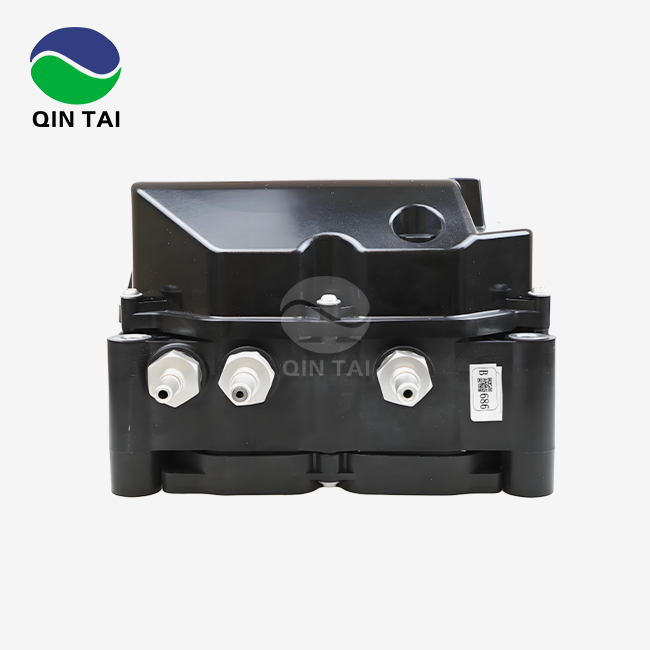
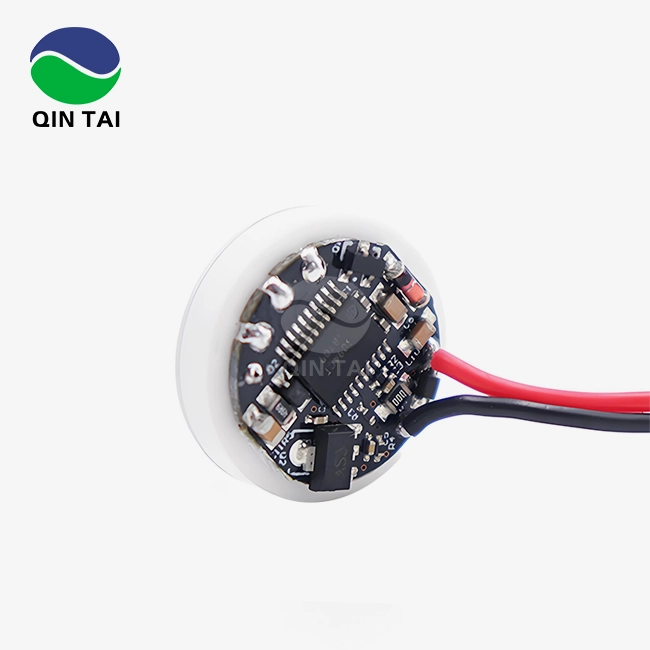

Our customers’ satisfaction speaks for our quality — contact us to experience the same reliable service.