- English
- French
- German
- Portuguese
- Spanish
- Russian
- Japanese
- Korean
- Arabic
- Greek
- German
- Turkish
- Italian
- Danish
- Romanian
- Indonesian
- Czech
- Afrikaans
- Swedish
- Polish
- Basque
- Catalan
- Esperanto
- Hindi
- Lao
- Albanian
- Amharic
- Armenian
- Azerbaijani
- Belarusian
- Bengali
- Bosnian
- Bulgarian
- Cebuano
- Chichewa
- Corsican
- Croatian
- Dutch
- Estonian
- Filipino
- Finnish
- Frisian
- Galician
- Georgian
- Gujarati
- Haitian
- Hausa
- Hawaiian
- Hebrew
- Hmong
- Hungarian
- Icelandic
- Igbo
- Javanese
- Kannada
- Kazakh
- Khmer
- Kurdish
- Kyrgyz
- Latin
- Latvian
- Lithuanian
- Luxembou..
- Macedonian
- Malagasy
- Malay
- Malayalam
- Maltese
- Maori
- Marathi
- Mongolian
- Burmese
- Nepali
- Norwegian
- Pashto
- Persian
- Punjabi
- Serbian
- Sesotho
- Sinhala
- Slovak
- Slovenian
- Somali
- Samoan
- Scots Gaelic
- Shona
- Sindhi
- Sundanese
- Swahili
- Tajik
- Tamil
- Telugu
- Thai
- Ukrainian
- Urdu
- Uzbek
- Vietnamese
- Welsh
- Xhosa
- Yiddish
- Yoruba
- Zulu
How SCR Dosing Systems Reduce Diesel Emissions
Diesel pollutants are lowered by SCR Dosing Systems, which add the right amount of Diesel Exhaust Fluid (DEF), also known as AdBlue, to the waste stream. In a catalytic converter, this urea-based solution mixes with dangerous nitrogen oxide (NOx) gases and turns them into harmless nitrogen and water vapor. The process lowers NOx levels by more than 90%, which lets diesel engines meet strict environmental rules like the EPA 2010 and Euro VI regulations. By using precise dosing, real-time sensor feedback, and improved chemical reactions, these systems lower emissions while keeping engine performance and fuel efficiency at a high level for heavy-duty commercial uses.
Understanding SCR Dosing Systems and Their Role in Emission Reduction
Selective Catalytic Reduction technology is a big change in how diesel engines meet today's emission rules. The system works with a well-planned chemical process that uses ammonia, which is made from urea solution, to change dangerous NOx into harmless substances before they leave the engine.
Core Components of SCR Architecture
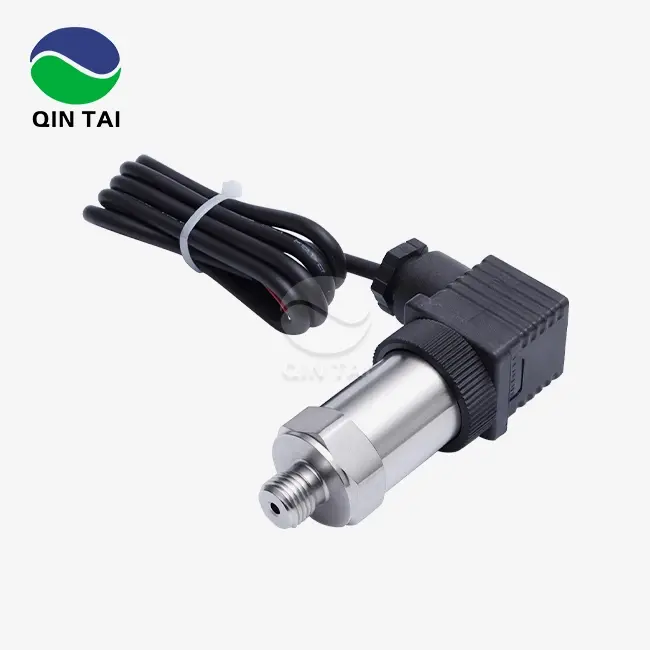
Several carefully designed and built parts work together in modern SCR applications. The diesel urea tank holds the DEF solution and has instruments for level, temperature, and quality to keep an eye on the fluid all the time. The pump and injector unit are inside the dosing module. They are in charge of sending the exact amount of fluid needed by the engine. The Urea Dosing Pressure Sensor is an important part of tracking because it sends closed-loop input to the Engine Control Unit (ECU) and looks for changes in pressure that could mean there are leaks, blockages, air leaks, or frozen fluid.
The catalytic converter has base materials that are covered in precious metals that help the NOx reduction reaction happen. Downstream NOx sensors check the amounts of emissions after treatment, which lets the ECU change the dose rates on the fly. This unified method makes sure compliance in a wide range of load situations, from building equipment that is just idling to fully loaded long-haul trucks driving up and down mountain slopes.
Chemical Process Mechanics
DEF breaks down into ammonia molecules when it comes into contact with the hot exhaust stream, which is between 250°C and 450°C. Then, these molecules react with NOx compounds on the catalyst's surface in a very specific way. The process only targets NOx and doesn't affect any other parts of the output. This keeps the diesel particulate filter working and the total system efficiency high.
In real-world situations, this choice is very important. Heavy-duty commercial logistics companies that run long-haul trucks that go over 1 million kilometers depend on this accuracy to stay in line with the rules without wasting fuel. The chemical accuracy needs to be the same for construction and mining equipment that works in environments with a lot of dust and shocks, even when the temperatures and mechanical stress are very different. Marine diesel engines that work in environments with a lot of salt benefit from SCR's ability to handle high-flow dosing needs while staying corrosion-free for long periods of time.
Regulatory Compliance Advantages
As emission standards continue to get stricter around the world, SCR is becoming almost necessary for new diesel engine designs. In North America, the EPA Tier 4 Final rules and in Europe, the Euro VI standards set NOx levels that can't be met by just making changes to the engine. These requirements are reflected in China VI standards, setting similar world standards for emission performance.
With SCR technology, engine makers can make engines that use less fuel and make more power without affecting how well they clean up emissions. This is different from past methods, which often traded engine efficiency to lower emissions, which made the costs of running the engine higher for end users. SCR Dosing System plays a critical role in this process by precisely injecting the right amount of reductant into the exhaust stream, ensuring optimal NOx conversion efficiency. SCR has been widely used in many industries, from farming to power generation, because it helps them follow rules while still using competitive amounts of fuel.
Comparing SCR Dosing Systems to Alternative Emission Control Solutions
When procurement professionals look at emission control technologies, they come across a number of different techniques, each with its own practical features and cost effects. Knowing these differences helps you make smart choices that fit the needs of your application and your budget.
SCR Versus Exhaust Gas Recirculation
By bringing cooler exhaust gases back into the combustion chamber, Exhaust Gas Recirculation (EGR) lowers the peak combustion temperature and lowers the amount of NOx that is produced. Even though EGR systems are good at reducing NOx at the source, they have a lot of problems. Recirculating exhaust makes more soot, so the diesel particulate filter needs to be cleaned more often. This extra recycling uses more fuel, which makes the system less efficient overall. Exposure to polluted gases also speeds up the wear on EGR parts, which increases the cost of upkeep over the life of the equipment.
These problems are avoided by SCR systems, which treat emissions after the fuel has been burnt. Engines can run at their most efficient without having to make changes to the combustion process because of EGR. This means that they use less fuel and need to be changed less often. The longer service life is due to less heat and mechanical stress on the engine's internals. This is especially helpful in heavy-duty situations where downtime directly affects profits.
Automated Dosing Control Advantages
In the beginning, SCR was used with easier dose plans and fewer ways to get feedback. Modern systems use complex control formulas that change the timing and amount of injections based on exhaust temperature, flow rate, engine load, and NOx sensor readings taken in real time. The Urea Dosing Pressure Sensor sends important pressure information that lets the ECU find and fix problems with the system before they become illegal to emit.
This technology gets rid of the need for an operator and stops two common failure modes: under-dosing, which breaks regulations and could cause the engine to detune, and over-dosing, which burns DEF and can lead to urea crystallization in the exhaust system. Advanced pressure sensors have an internal detecting chamber that uses dead-volume minimization techniques and smooth flow paths to keep urea from building up and blocking the sensors' measuring parts.
Manufacturer Ecosystem Considerations
When you buy components from well-known companies, you can be sure that they will work and get expert help. Companies like Bosch have used their decades of experience with automotive electronics to make SCR modules that are very well integrated. Delphi's experience with fuel injection systems helps them make precise dose pumps. Continental is good at putting together electronic control units and sensors. Denso has options that are strong and made to work in tough conditions. Siemens brings industrial-grade dependability that works well for fixed power output.
Aside from the quality of the parts, the ability to provide support after the sale also has a big effect on the total cost of ownership. When technical problems happen, suppliers with large service networks limit the amount of downtime. Customization services allow interface settings and mounting setups to be changed to fit the needs of a specific platform. This is especially helpful for aftertreatment system integrators who work with a variety of engine platforms.

Maintenance, Troubleshooting, and Operational Best Practices
For the SCR to keep working well, it needs regular maintenance that matches the service intervals of its parts and the conditions under which it is used. Knowing what normal maintenance needs to be done and how to spot early warning signs can help you avoid expensive crashes and stay in compliance with emission standards.
Routine Inspection Protocols
Regular quality checks of the DEF make sure that the solution always has the right amount of urea, which is between 31.8% and 33.2%. Fluid that is contaminated or broken down makes the conversion less effective and can damage dosing components. There are quality sensors in the SCR tank system that can detect contamination, but regular lab tests are also a good idea. This is especially important for high-value equipment that can't work if a release fails.
In normal conditions, the parts of the dosing module should be inspected every 20,000 hours of use. For heavy-duty uses, shorter times are fine. The Urea Dosing Pressure Sensor has flexible internal buffering structures that can handle the 9% volume expansion that happens when AdBlue freezes. However, materials can wear out over time if they are frozen and thawed many times. Gold-plated terminals don't get contaminated by the connector pin contamination that leads to P204B fault codes (Urea Pressure Sensor Circuit Range/Performance errors), but they should still be cleaned every so often in places with a lot of dust.
Particles that would otherwise clog injection tubes are caught by filter elements inside the dose module. Replacement times depend on the quality of the DEF and the weather, but going beyond what the maker suggests could damage the injectors and need expensive replacement parts.
Common Fault Diagnosis
Systematic troubleshooting quickly finds the root causes when emission warning lights come on. Low DEF level alerts are easy to understand, but alerts that don't go away even after the tank is fully refilled could mean that the level sensors or wires are broken. Temperature-related problems are often caused by heater elements that don't work right, which stops DEF from melting in cold places.
In such cases, the SCR Dosing System must be inspected as well, because its internal valves, pressure sensors, or injector nozzles can also trigger persistent faults that mimic fluid or heating issues, and a thorough diagnostic sequence always includes checking its performance alongside the tank and heater components.
To diagnose a pressure sensor, you need to know its normal operating ranges. Most systems keep 4 to 7 bars during dosing events, and sensors send information using SENT digital protocols or 0.5V to 4.5V analog signals. Signal drift outside of calibrated ranges sets off fault codes even when the real pressure stays within normal limits. This shows how important it is to match the output features of the sensor to the specific calibration parameters of the ECU.
When an injector gets clogged, the Urea Dosing Pressure Sensor picks up pressure spikes that mean flow paths are limited. If the problem is found early, chemical cleaning can fix it. On the other hand, running a pump for a long time with a partial blockage can damage its parts through high pressure.
Safety and Handling Procedures
Even though DEF is labeled as non-toxic and non-flammable, it is still important to follow the right steps. The alkalinity of the solution can hurt the skin and eyes, so workers must wear the right safety gear while doing their jobs. Keeping the storage temperature between -11°C and 30°C stops the substance from breaking down or crystallizing. It is very important to keep the SCR from getting contaminated with fuel, oil, or other things, because even small amounts of contamination make it work much less well.
Modern dosing systems have many safety features. For example, automatic shut-off valves stop leaks while the system is being serviced, pressure relief mechanisms stop overpressure from freezing or broken parts, and diagnostic routines let operators know when something is wrong before the system is damaged.
Procurement Considerations for SCR Dosing Systems in B2B Markets
When choosing the right SCR Dosing System parts, you have to weigh the need to save money right now against the need for long-term help and stability. People who work in procurement have to look at sources in more ways than just price per unit.
Technical Compatibility Requirements
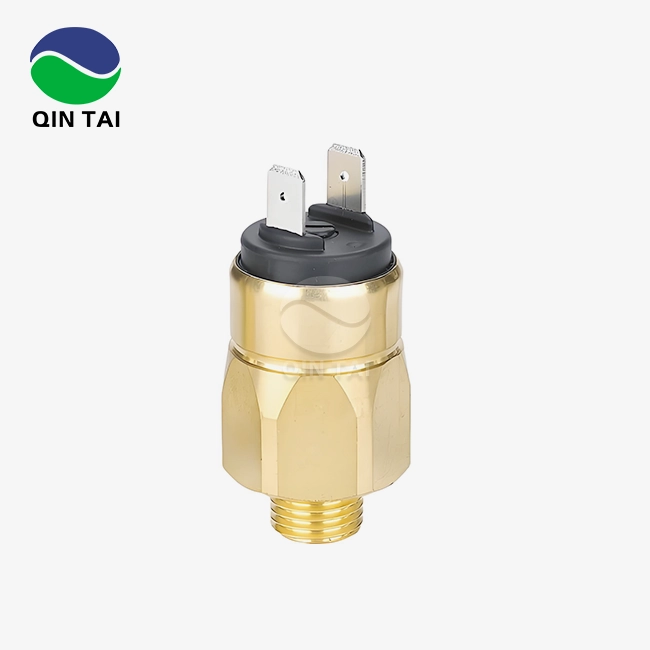
Interface compatibility makes sure that the new engine works well with old ones. The mounting dimensions, types of electrical connectors, and transmission methods must all match the requirements of the car or piece of equipment. The Urea Dosing Pressure Sensor usually has thread patterns of M10x1 or M12x1.5, but the signal output needs to match what the ECU expects. Even if the sensors are physically compatible, integration fails because the analog voltage ranges or digital protocol implementations don't match up.
Integrators of aftertreatment systems have a hard time arranging parts from different sources. Strong sensor compatibility and interface parameters that can be changed allow for mix-and-match methods that get the best performance and cost. When suppliers offer engineering help during the integration stages, it lowers the pressure to get a product to market faster and makes sure that the system is properly calibrated.
Certification and Quality Assurance
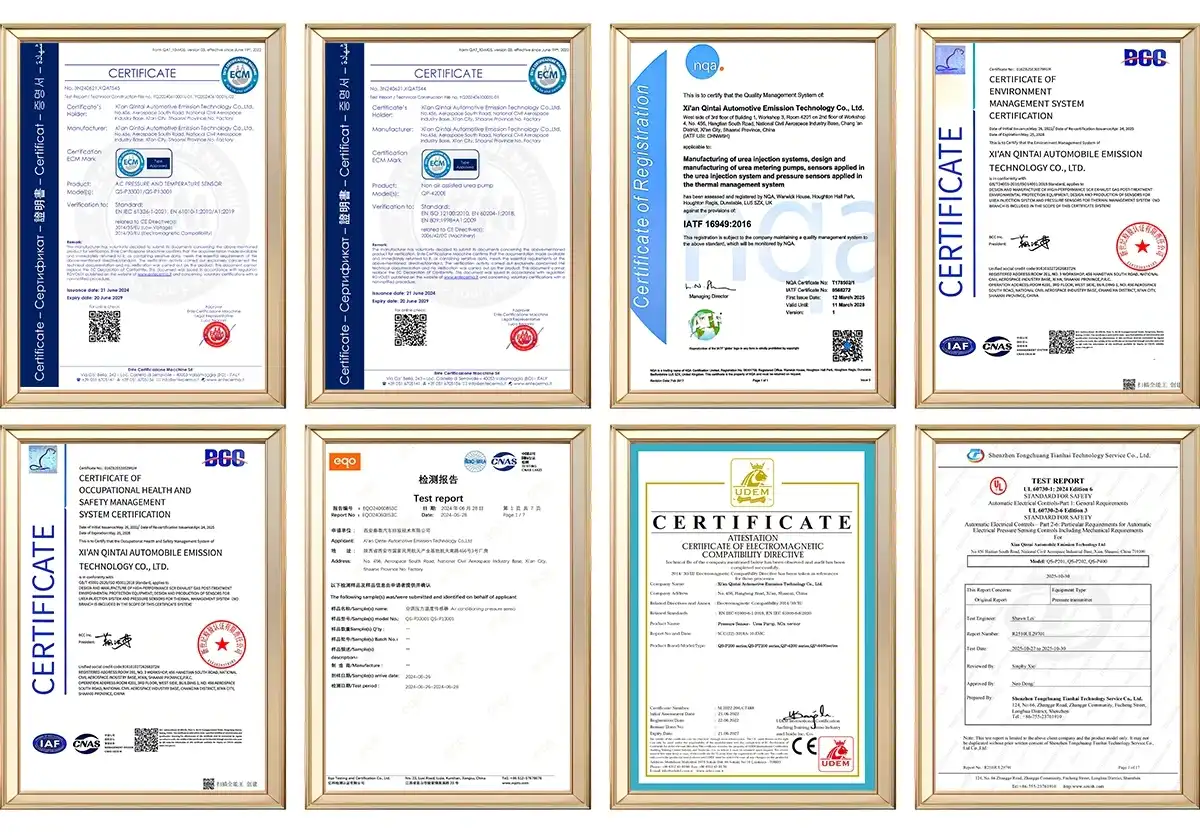
Parts of emission systems need to be checked against strict quality standards. ISO9001 certification shows basic quality management processes, while IATF16949 covers the needs of the automotive industry, such as the approval processes for production parts and the expectation of constant improvement. REACH and RoHS approvals show that a product meets European substance limits, which are becoming more and more important even for goods going to other markets.
Validation by an independent test gives you more confidence. Parts that have been proven to meet the communication standards of SAE J1939, the compatibility requirements of ISO 11992, and the temperature cycle requirements of SAE J2614 show that they can work in harsh vehicle settings. When suppliers keep a lot of test data and are willing to share validation reports, it helps procurement teams meet both internal approval processes and customer certification needs.
Cost Structure and ROI Analysis
The price of a component is only a small part of the total cost of ownership. The cost of installation labor, system calibration, and commissioning activities is very high, especially for retrofit applications. Integration risk and total project cost are lower when suppliers offer installation help and testing services.
Operating costs include the amount of DEF used, planned maintenance, and repairs that need to be done right away. Compared to cheaper options that break down too soon, high-quality parts with service life rates of 15,000 to 20,000 hours mean less downtime and less need for replacement. Warranty coverage that lasts longer than the normal time gives you more financial protection. This is especially helpful when a new platform is introduced and failure modes are still not fully understood.
For OEM applications that need a steady flow of parts on a large scale, production flexibility is important. Suppliers who can show they can make a lot of things and deliver them on time avoid line-downs, which raise the cost of parts by charging fines for interrupting production.
Supplier Relationship Factors
Long-term cooperation makes it possible for suppliers to work together on engineering projects, where they invest time and money to learn about specific application needs and come up with the best solutions. This partnership approach is different from transactional purchasing, which sees parts as identical goods and misses chances to keep improving and lowering costs over the lifecycle of a product.
SCR Dosing System is a prime example of such a collaborative effort, because its performance depends heavily on precise calibration, material selection, and integration with the engine's aftertreatment layout—areas where joint development between the supplier and the OEM can yield significant reliability gains and long-term cost savings that transactional buying would never achieve.
The ability to respond after the sale has a direct effect on business uptime. Suppliers who keep parts in regional distribution centers can quickly send new parts, which is important for business vehicle teams and construction equipment whose daily income rests on being able to work. You can get technical support by phone, email, or on-site field service, so you can get help whenever you need it, no matter where you are or what time it is.
Future Trends and Innovations in SCR Dosing Technology
Emission control technology is always changing because of new regulations, customer needs, and technologies that make it possible to do things that weren't possible or cost-effective before.
Advanced Sensing and Diagnostics
Next-generation systems have more sensors, which gives operators a better view of what's going on. Multiple temperature sensors placed along the exhaust path allow for more precise thermal management, which improves the efficiency of the reaction over a wider range of operating conditions. Better pressure sensing in more than one place finds signs of wear and tear earlier, switching maintenance from reactive repair to forecast replacement that causes less trouble.
Integration of IoT devices allows for tracking from afar and collecting data from whole groups. Cloud-based analytics find trends of failure across groups. This helps with planning preventative maintenance and making improvements to parts. Real-time tracking of emissions gives proof for regulatory compliance checks and instantly alerts operators when systems deviate from specifications.
Dosing Precision Improvements
New developments in pump and injection technology allow for more precise doses and faster response times. Piezoelectric injectors work in milliseconds, allowing multiple input events per exhaust pulse to improve mixing and distribution. This accuracy cuts down on ammonia slip, which is extra ammonia that hasn't been handled that comes out of the tailpipe. This is becoming more and more regulated.
Better atomization quality makes it easier for droplets to evaporate and spread out across the catalyst face. A consistent level of ammonia across the substrate's cross-section improves conversion efficiency while reducing overdosing in certain areas, which can lead to deposit formation. These improvements are especially important for small systems where the length of time that can be mixed between the shot and the catalyst is limited by the size of the package.
Environmental Adaptability Enhancements
Extreme temperature equipment puts SCR systems to the test of their durability. Better heating systems keep DEF wet and ready to be injected in the Arctic, and better cooling systems keep DEF from breaking down during long periods of use in the desert. New developments in material science make parts last longer by protecting them from temperature cycle wear and chemical exposure over a longer service life.
Manufacturers of generator sets that put their equipment in mines, power plants, and other remote areas where upkeep is hard to get to and dependability is very important will benefit from gains in durability. Industrial-grade reliability means designing for service intervals of 30,000 to 50,000 hours, which are the same as the engines' overhaul cycles.
Regulatory Trajectory Implications
The trend for emission standards to get stricter is clear: they will focus more on real-world driving situations rather than lab test rounds. More and more on-board monitoring is needed, which means that diagnostic tools need to be more advanced and parts need to be covered by longer warranties. These trends favor well-known providers with a lot of tech resources and a track record over new companies that offer lower prices but may not be able to provide long-term support.
When procurement professionals know where rules are going, they can choose parts that meet both current requirements and expected future standards. This keeps products from becoming obsolete too soon and extends their useful life.
Conclusion
SCR Dosing Systems are now required for diesel engines to meet modern emission standards. They do this by precisely injecting urea and converting it into NOx, which is over 90% less harmful. Knowing the structure of a system, how it needs to be maintained, and what to think about when buying it helps you make choices that balance legal compliance, operational reliability, and cost-effectiveness.
Modern parts, like the Urea Dosing Pressure Sensor, give important feedback that makes sure the system works perfectly in a wide range of situations, from long-haul trucking to stationary power generation. Emission standards are getting stricter, and new technologies are making accuracy and diagnostic tools better. Investing in tried-and-true SCR solutions from qualified providers helps companies stay in line and keep their costs low.
FAQ
What service intervals are required for SCR dosing system components?
Dosing modules need to be inspected every 20,000 hours of operation in standard business uses, and DEF filters need to be replaced at the same time. In heavy-duty settings, work needs to happen more often, which could cut these gaps in half. Under average settings, Urea Dosing Pressure Sensors are made to last between 15,000 and 20,000 hours. Regular checks on the quality of the DEF and cleaning of the tanks stop fails caused by contamination. Following the repair plans written by the maker in the service literature will keep the warranty valid and make sure the machine works well.
Can existing diesel engines be retrofitted with SCR systems?
Retrofitting is technically possible, but there are a lot of engineering and cost issues to think about. There needs to be room to install the catalytic converter, fix the DEF tank, and put the dose module. To manage dosing strategies, engine control systems need to be changed, which usually means replacing or reprogramming the ECU. Changing the exhaust system can change the way backpressure works, which could affect how well the engine runs. Even with these problems, there are retrofit solutions for expensive machines that can't be replaced because it would be too expensive, while upgrading the emission system would make the machines last longer.
How do SCR dosing pressure sensors differ from conventional pressure sensors?
SCR Dosing System pressure monitors have to deal with some special problems, like not crystallizing urea, working with DEF's alkaline nature, and being able to work in very cold or very hot temperatures without the fluid freezing. The internal sensor box has smooth flow paths and dead-volume minimization that keep fluid from freezing up. Gold-plated connections don't rust when exposed to chemicals and moisture in the air.
When AdBlue freezes, its volume expands by 9%, but the structures inside are flexible enough to handle this. Instead of industrial process control standards, the output signal formats are analog voltage or SENT digital, which are used for communication protocols between automotive ECUs. These unique design features set them apart from other pressure sensors that can be used for any reason.
Partner With Qintai for Reliable SCR Emission Solutions
To meet legal requirements and keep operations running smoothly, you need precision-engineered emission control parts and full expert support. Xi'an Qintai Automotive Emission Technology Co., Ltd. has been making SCR aftertreatment systems and sensors since 2001. They are the top OEM seller to Weichai Power, Yuchai Power, and Quanchai Power, among others producing engines. Our 58 idea patents and our ISO9001, IATF16949, and other foreign certifications show that we are dedicated to quality.
If you need SCR Dosing System parts for heavy trucks, building equipment, farm equipment, or generator sets, we can meet your needs through our independent research and development and creative customization services. You can email our technical team at info@qt-sensor.com to talk about how our Urea Dosing Pressure Sensors and full SCR solutions can help you control emissions better. You can also visit qt-sensor.com to see all of our products and learn why global manufacturers trust Qintai as their SCR Dosing System provider.
References
1. Johnson, T. V. (2015). "Review of Selective Catalytic Reduction (SCR) and Related Technologies for Mobile Applications." SAE International Journal of Engines, 8(3), 1090-1118.
2. European Automobile Manufacturers Association (2019). "Diesel Exhaust Fluid Quality and Handling Guidelines for Commercial Vehicle Applications." ACEA Technical Report Series, Brussels.
3. Majewski, W. A. & Khair, M. K. (2018). Diesel Emissions and Their Control. SAE International, Warrendale, Pennsylvania.
4. United States Environmental Protection Agency (2020). "Heavy-Duty Highway Compression-Ignition Engines and Urban Buses: Exhaust Emission Standards." EPA Regulatory Documentation, Office of Transportation and Air Quality.
5. Zhang, L., Wang, J., & Liu, S. (2021). "Advanced Sensor Technologies for SCR System Performance Optimization in Heavy-Duty Diesel Engines." International Journal of Automotive Technology, 22(4), 985-997.
6. International Organization for Standardization (2017). "Road Vehicles - Compressed Gaseous Hydrogen (CGH2) and Hydrogen/Natural Gas Blends Fuel System Components - Part 3: Check Valve." ISO 19881-3:2017, Geneva, Switzerland.


Our customers’ satisfaction speaks for our quality — contact us to experience the same reliable service.