- English
- French
- German
- Portuguese
- Spanish
- Russian
- Japanese
- Korean
- Arabic
- Greek
- German
- Turkish
- Italian
- Danish
- Romanian
- Indonesian
- Czech
- Afrikaans
- Swedish
- Polish
- Basque
- Catalan
- Esperanto
- Hindi
- Lao
- Albanian
- Amharic
- Armenian
- Azerbaijani
- Belarusian
- Bengali
- Bosnian
- Bulgarian
- Cebuano
- Chichewa
- Corsican
- Croatian
- Dutch
- Estonian
- Filipino
- Finnish
- Frisian
- Galician
- Georgian
- Gujarati
- Haitian
- Hausa
- Hawaiian
- Hebrew
- Hmong
- Hungarian
- Icelandic
- Igbo
- Javanese
- Kannada
- Kazakh
- Khmer
- Kurdish
- Kyrgyz
- Latin
- Latvian
- Lithuanian
- Luxembou..
- Macedonian
- Malagasy
- Malay
- Malayalam
- Maltese
- Maori
- Marathi
- Mongolian
- Burmese
- Nepali
- Norwegian
- Pashto
- Persian
- Punjabi
- Serbian
- Sesotho
- Sinhala
- Slovak
- Slovenian
- Somali
- Samoan
- Scots Gaelic
- Shona
- Sindhi
- Sundanese
- Swahili
- Tajik
- Tamil
- Telugu
- Thai
- Ukrainian
- Urdu
- Uzbek
- Vietnamese
- Welsh
- Xhosa
- Yiddish
- Yoruba
- Zulu
Common Pressure Sensor Problems and Effective Solutions
Pressure Sensors are essential for a variety of industrial applications because they measure important factors that have an impact on safety, efficiency, and compliance. When these devices have issues, they have an effect on production lines, the way engines work, and systems that control emissions. Problems with Pressure Sensors that happen often include signal drift, calibration mistakes, failures caused by contamination, and electrical interference.
All of these can cause system problems, compliance violations, or expensive downtime. When procurement workers and R&D experts understand these problems, they can make smart choices, choose reliable parts, and put in place preventative measures that make systems last longer while still meeting strict emission standards like China VI and Euro VI.
Introduction
Machines like heavy-duty cars, building equipment, farm tools, and generator sets all depend on accurate measurements to work properly. Pressure Sensors that check the fuel rail pressure, turbocharger boost, and exhaust back pressure are very important for making sure diesel engines meet stricter pollution rules while still running at their best. We know that purchasing managers and technical engineers are under a lot of pressure to find parts that work consistently even in harsh environments with vibration, high temperatures, corrosive media, and electromagnetic interference.
This guide is designed to help diesel engine makers, aftertreatment system designers, and generator set makers who are looking for accurate measurement tools. We look at common sensor problems, what causes them, and how to fix them using what we've learned over many years of working with car emission technology. This resource gives you useful information that you can use to improve system stability and make your buying strategy more effective, whether you're looking at sources for mass production or fixing problems in the field for aftermarket uses.
Understanding Common Pressure Sensor Problems
Signal Drift and Output Instability
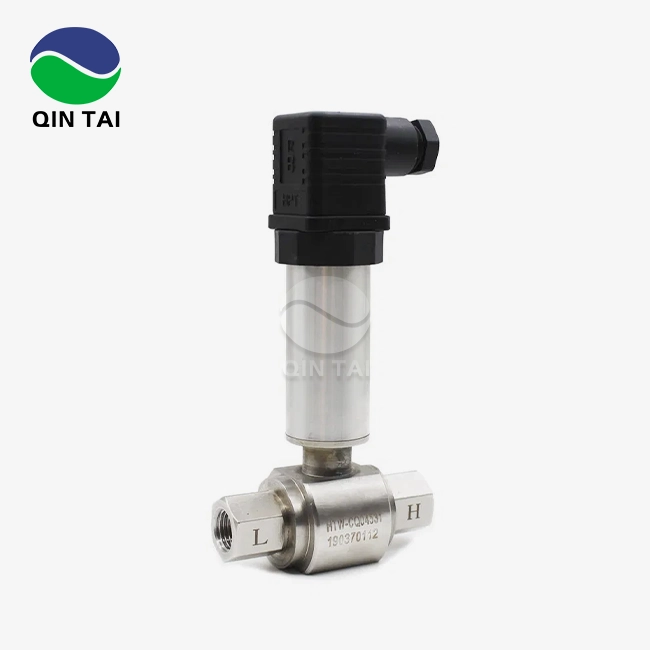
Signal drift is one of the sneakiest ways for sensors to fail, as it lowers the accuracy of measurements over time without setting off any instant alarms. Differential Pressure Sensors that watch over diesel particulate filters (DPF) may move over time because of temperature stress cycles. This can lead to engine control units getting the wrong amount of soot. This causes regeneration cycles to end early or happen when they aren't needed, which wastes fuel and shortens the life of parts. When strain gauge devices are constantly under mechanical stress, the standard reading often changes, which is known as zero-point drift.
Almost all sensor technologies are affected by drift caused by temperature. Capacitive Pressure Sensors are very sensitive for low-pressure medical devices and HVAC systems, but their detecting element can change its dielectric constant when it is exposed to the fast temperature changes that happen in engine areas. Field operations show that sensors placed near turbochargers or exhaust manifolds that don't have enough thermal shielding fail three times more often than units that are properly protected.
Contamination and Media Compatibility Issues
Submersible Pressure Sensors that check the amounts of diesel exhaust fluid (DEF) in SCR systems have special problems with leakage. When urea crystallizes on sensor diaphragms, it gives false readings that cause trouble codes that cut off engine power. We have proof of cases where bad media contact materials caused sensor membrane degradation in just 6,000 hours of use, which is a lot less than the 15,000-hour goal for commercial car uses.
In the same way, oil pollution in hydraulic systems makes sensors less accurate. When lubricants from the compressor move into ports for measuring pressure, they cover strain gauge elements and change how resistant they are. In generator sets with sensors that check the engine pressure to find broken bearings, even small amounts of contamination can cause measurement mistakes that hide problems until they become too big to fix.
Calibration Errors and Installation Mistakes
Calibration needs to be done on a regular basis because of manufacturing tolerances and environmental factors, but many operators forget to do this important maintenance task. When building equipment cabins are vibrated constantly, the HVAC Pressure Sensors become out of range and need to be re-calibrated every 2,000 hours to keep the cabins comfortable and productive. To calibrate a sensor, you have to measure known pressure references and change the output of the sensor to match. This process needs special tools and trained workers.
Installation mistakes are a major cause of sensors failing too soon. When sensors are mounted in the wrong way, condensation can build up in pressure ports, which is especially common in exhaust gas recirculation (EGR) systems. When you overtighten threaded fittings, you put mechanical stress on the sensor housings. This changes the shape of the strain gauge elements and introduces a permanent measurement offset. We looked at guarantee returns and found that about 30% of "defective" sensors were actually just badly installed instead of having problems with the parts themselves.
Electrical Interference and Connection Failures
High-voltage ignition systems, alternators, and rotating power sources in modern diesel engines cause a lot of electromagnetic interference (EMI). When sensors don't have enough shielding or grounding, they send out noisy signals that make engine control algorithms lose their way. EMI is especially bad for capacitive sensing technologies, so signal cables need to be carefully routed away from high-current conductors. Piezoelectric sensors, on the other hand, naturally have better EMI immunity, but they can only measure dynamic pressure.
Another usual type of failure is a break in the connection at the sensor wires. Intermittent problems are hard to figure out because they can be caused by things like wires breaking because of vibration, electrical contacts rusting when they are exposed to water, and temperature changes that make snap connections loose. Aftertreatment system designers say that 25% of field service calls are about problems with connectors. This shows how important it is to have strong connections and make sure they are sealed properly.

Effective Solutions and Best Practices for Pressure Sensor Issues
Comprehensive Diagnostic Approaches
Fixing sensor problems starts with a thorough diagnosis that separates failed parts from problems at the system level. Comparison testing is used in modern diagnostic methods. In this method, suspect sensors are compared to standardized reference units in a controlled environment. This method quickly finds drift that goes beyond the limits of the specification. We suggest taking standard measurements when the Pressure Sensor is first installed and keeping measurement logs throughout its life to see how it slowly loses its usefulness.
Pressure calibrators are high-tech testing tools that make accurate reference pressures that can be tracked back to national standards. With these tools, field workers can check the accuracy of sensors without taking parts out of working equipment. Digital multimeters that measure sensor output signals and excitation voltages help find electrical problems like short circuits, open connections, or too much noise that look like sensor failures.
Precision Calibration Techniques
Different sensor technologies and application needs lead to different calibration methods. Zero-point calibration fixes baseline error by putting the sensor in air pressure and setting its output to match a known standard. This easy step-by-step guide fixes drift that makes it hard to measure exact pressure in fuel systems and intake pipes. For differential Pressure Sensors tracking filter restriction, multi-point calibration is crucial because it improves accuracy across the full measurement range by setting corrections at different pressure values.
Selecting Robust Sensor Technologies
Smart sensors have digital calibration tools built in that make the process easier. These tools store adjustment factors in non-volatile memory and instantly account for changes in the environment. These smart gadgets can find and fix common problems on their own, letting you know about problems before they affect the system's performance. Scheduling calibration intervals based on working hours instead of calendar time takes into account the fact that sensors in generator sets that are always on experience a lot more stress than sensors in building equipment that is only used sometimes.
Preventive Maintenance Programs
Regular maintenance makes sensors last longer and stops them from breaking down without warning, which can stop operations. Visual checks done on a regular basis find physical damage, corrosion, and contamination before they make measurements less accurate. Cleaning the pressure ports gets rid of the buildup of dirt and grime that makes it hard for media to reach sensor elements. In DEF level measurement applications, cleaning every so often stops urea crystallization, which can cause the sensor to move.
One way to protect things is to put in pressure snubbers, which stop hydraulic systems from pulsing and keep sensor diaphragms from wearing out mechanically. Electronics are protected from water, dust, and chemicals that break down electronics when they are properly sealed in IP67 or IP69K-rated casings. Vibration isolation mounts keep the mechanical stress from equipment frames from getting to sensor housings as little as possible. These relatively simple steps greatly lower the number of failures. Sensors that are properly kept usually last longer than 25,000 hours between service times.
How to Choose the Right Pressure Sensor for Your Application
Defining Critical Operational Parameters
To choose the right Pressure Sensor, you must first carefully look at the program and write down all the important working conditions. The required pressure range has to be able to handle both normal operating values and short-lived spikes that happen when the engine starts up or when it has to shut down quickly. Specifications for temperature should include both the media temperature and the ambient temperature. This is because exhaust sensors and intake manifold sensors are in very different thermal environments, even though they are in the same engine system.
Evaluating Key Technical Criteria
Media compatibility identifies the parts of a sensor that are wet and touch the fluid being monitored. Diesel fuel, hydraulic oil, exhaust gases, and DEF all have their own chemistry problems that need to be solved with different materials. For sensors that measure corrosive media, the diaphragms need to be made of stainless steel or an exotic alloy. For sensors that measure inert gases, aluminum construction works fine. If you don't check for compatibility, things will break down quickly. Materials that aren't compatible will fail in weeks instead of years.
Supplier Qualification and Certification Verification
Uncertainty in measurements is described by accuracy standards. These are usually given as a percentage of the full scale or a percentage of the number. For very precise tasks like testing emissions, accuracy of ±0.25% is needed, but for industrial process monitoring, ±1% is usually fine. Response time is very important in dynamic situations where pressure changes quickly. For example, sensors in turbocharger control systems need to answer within milliseconds, but sensors used for tank level tracking can wait several seconds.
Procurement Strategy Development
You can choose from analog voltage (0-5V, 0-10V), current loop (4-20mA), and digital standards (CAN bus, I2C, SPI) for the electrical output. Analog outputs work well with older systems, but the signal gets weaker when cables are run over long distances. For industrial setups with long wiring lengths, current loop transfer is the best way to block out noise. Digital connections make it possible for advanced diagnostics and multisensor networks, which make system integration easier for controls that manage multiple measurement points after treatment.
Emerging Trends and Innovations in Pressure Sensor Technologies
MEMS-Based Miniaturization and Performance Enhancement
Microelectromechanical systems (MEMS) technology changes the way sensors are made by putting sensing parts, signal processing, and digital processing on a single silicon chip. Smaller versions of these devices take up very little room but offer performance that was previously only possible with bigger sensors. MEMS devices have great repeatability and temperature stability thanks to built-in systems that constantly adjust for changes in the environment.
Smart Sensors and IoT Integration
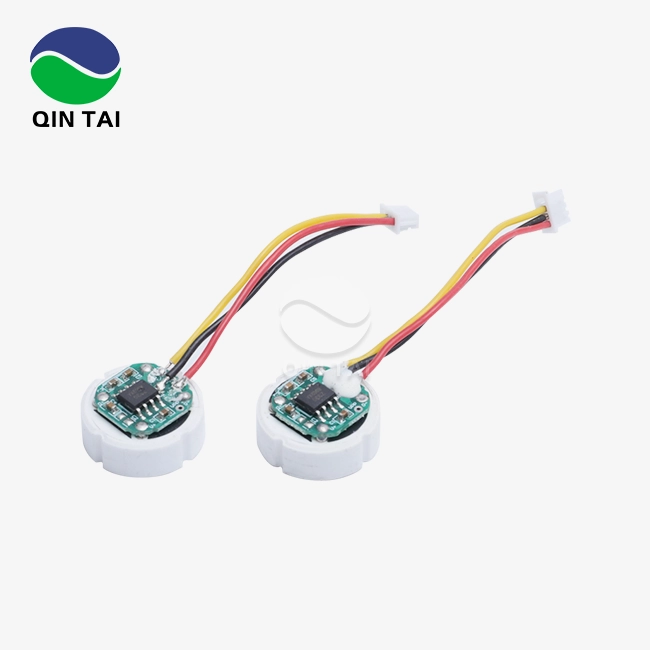
Manufacturing improvements have made it possible to make a lot of MEMS Pressure Sensors at a low cost for use in a wide range of situations. More and more, automakers are using MEMS devices in tire pressure monitoring systems (TPMS). These devices are small, use little power, and can communicate wirelessly to build complete tracking networks. Similar technology is being used in industrial settings, where submersible level monitors for hydraulic basins and fuel tanks are more reliable and take up less space when installed.
Advanced Materials and Environmental Protection
The digital change adds intelligence directly to sensing devices, making them smart. These smart sensors can diagnose themselves, automatically adjust their settings, and send out warnings before they break. Embedded microprocessors look at data trends and find slow drift, which is a sign that the device is getting close to the end of its useful life. These alerts let you schedule maintenance for planned downtime instead of fixing things after they break down unexpectedly.
Wireless communication methods, such as Bluetooth Low Energy and LoRaWAN, make it possible for sensor networks that don't need expensive wire harnesses for installation. Industrial IoT platforms collect data from sensors that are spread out and use machine learning techniques to find trends that can't be seen by watching each device separately. Generator set operators use these insights to make maintenance schedules that are based on actual operating conditions instead of conservative fixed intervals. This keeps reliability high while lowering service costs.
Maintenance and Risk Management for Pressure Sensors
Installation Best Practices
A Pressure Sensor's long-term dependability depends on how well it was installed. The way the device is mounted must take condensation management into account. To keep internal parts from rusting, pressure ports should be placed horizontally or downwards. Manufacturers give torque standards to keep things from being too tight, which can cause leaks, or too loose, which can put stress on the parts. Thread protectors should be safe for the measured media and should only be used in small amounts so they don't get on the sensor elements.
Developing Comprehensive Maintenance Plans
When moving cables, it's important to keep them far enough away from high-current wires and heat sources. Strain relief stops mechanical stress at electrical connections, and proper grounding gets rid of ground loop currents that mess up measurement circuits that are already sensitive. Labeling sensors with identification codes, installation dates, and calibration schedules makes maintenance easier later on and makes sure that the parts can be tracked throughout their entire lifecycle.
Risk Mitigation Strategies
Effective maintenance programs schedule activities for planned downtime of equipment and find a balance between the number of inspections and the amount of downtime that affects operations. Visual checks find damage, rust, or pollution that needs to be fixed right away. During functional testing, sensor readings are compared to portable reference instruments to find out how accurate the measurements are and if there is drift that is too high. By keeping records of all upkeep tasks, documentation practices create past records that can be used to look for trends and predict failures.
Replacement plans look at both data on how reliable parts are and how important the system is. In emission-critical applications, sensors should be replaced at conservative intervals to avoid breaking the law. On the other hand, sensors that track non-essential factors should be used for longer until they start to lose performance. Keeping extra sensors on hand for high-failure-rate sensors cuts down on downtime when they break down unexpectedly, and consignment inventory deals with suppliers get rid of the costs of having parts that don't move quickly.
Conclusion
Problems with Pressure Sensors need a complete solution that includes picking the right technology, installing it correctly, and starting preventative maintenance programs. Understanding how failures happen, like signal drift, contamination, calibration errors, and electrical problems, helps engineers and procurement professionals take preventative steps that make parts more reliable and last longer.
Modern sensor technologies, such as MEMS devices, smart sensors that can diagnose themselves, and improved materials, make it possible to use sensors in more situations while lowering the total cost of ownership. Long-term success in meeting stricter performance and legal requirements in diesel engine, HVAC, and industrial uses depends on forming partnerships with qualified suppliers who offer technical support, customization services, and certification documents.
FAQ
How often should pressure sensors be calibrated in industrial applications?
The amount of time between calibrations depends on how important the application is, the working surroundings, and government rules. Diesel engines usually need to have their emission monitors calibrated once a year to keep them in line with China VI and Euro VI guidelines. Industrial process control sensors that are kept in stable environments may not need to be checked for 18 to 24 months, but those that are kept in harsh environments should be checked every six months.
What distinguishes pressure sensors from pressure transducers in practical applications?
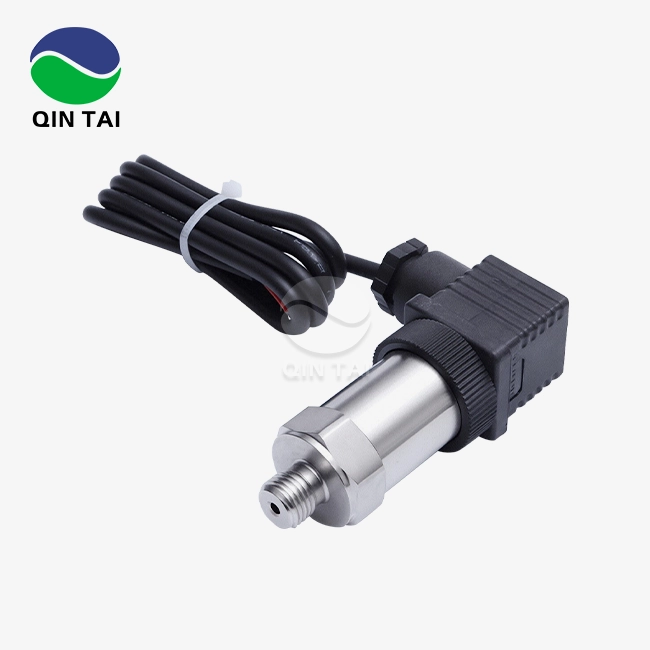
People often use the terms equally, but there are some formal differences between them. Most of the time, "pressure transducers" are devices that use strain gauges, piezoelectric elements, or capacitive structures to turn pressure into electrical signs. Pressure Sensors are a broader category that includes transmitters with signal conditioning circuitry that produces standardized electrical signals as well as switches that activate at predetermined thresholds.
Are digital pressure sensors reliable in harsh diesel engine environments?
When properly defined, modern digital sensors work very reliably in both car and industrial settings. Digital signal processing lets you do complex things with temperature adjustment and drift correction that analog devices can't. But electromagnetic radiation from engine electrical systems needs to be properly grounded and shielded. To make sure they work reliably, choose sensors that have been tested and proven to work in cars, have an entry protection grade of IP67 or higher, and can handle a wider range of temperatures.
Partner with Qintai for Reliable Pressure Sensor Solutions
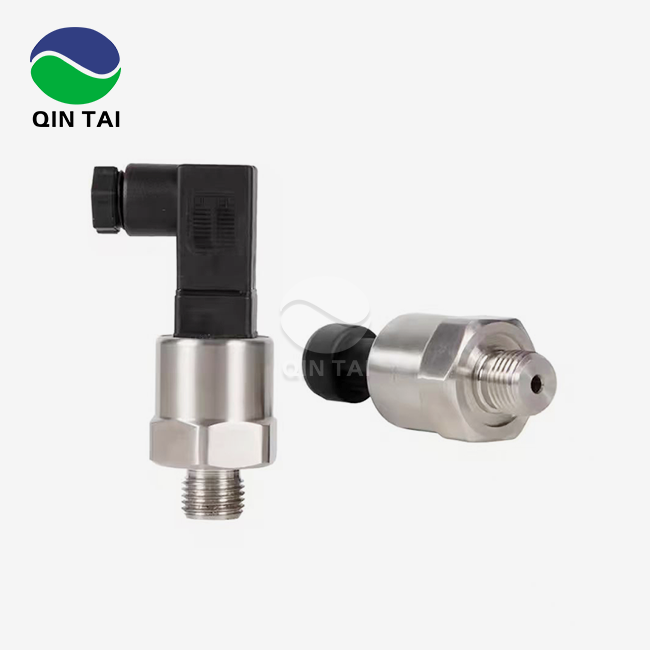
With more than 20 years of innovation and excellence in manufacturing, Qintai has a track record of success in diesel engine emission control and sensor technology. We know how important performance is in heavy-duty uses because we are the main OEM provider for China's top engine makers, such as Weichai, Yuchai, and Quanchai. Differential Pressure Sensors for DPF tracking, Fuel Rail Pressure Sensors that meet China VI and Euro VI standards, and submersible level sensors made for tough industrial settings are just a few of the many products we offer.
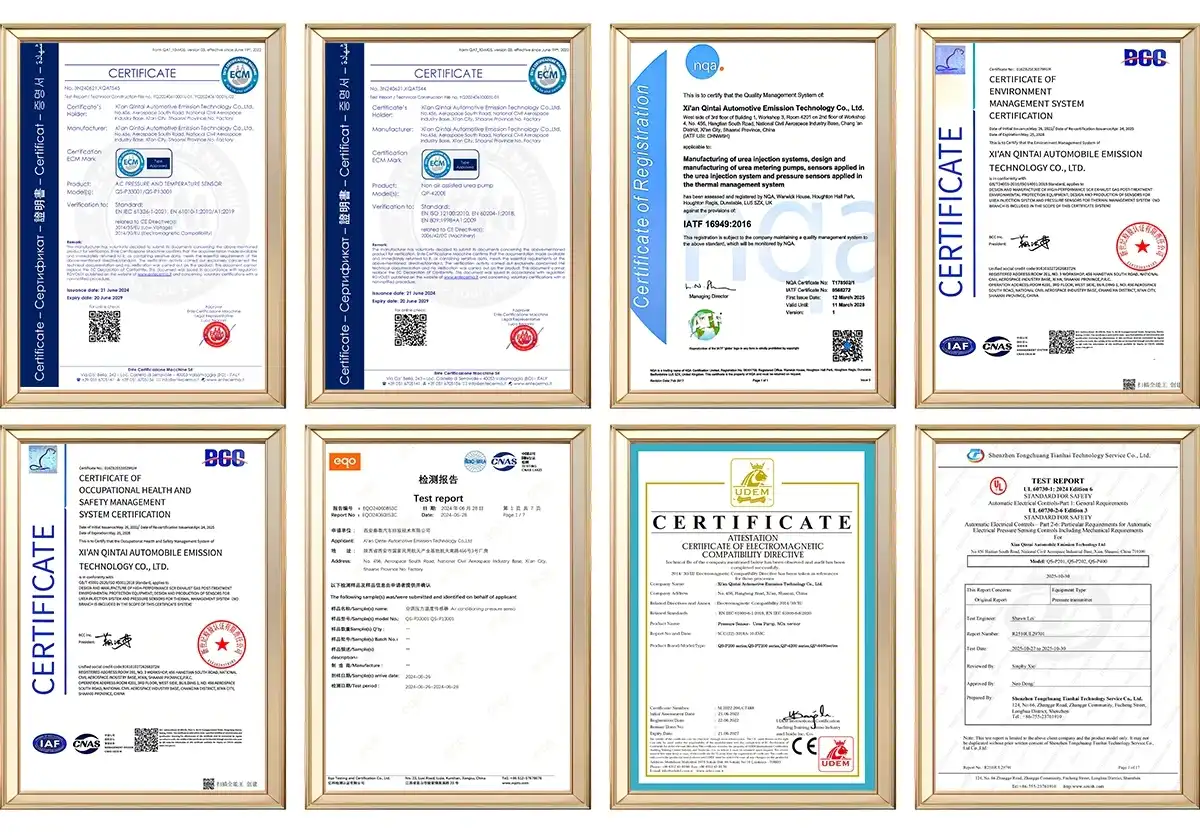
We support global compliance standards and offer flexible OEM and ODM customization services. Our approvals include IATF 16949, ISO 9001, CE, RoHS, and REACH. Our separate research and development team is always coming up with new, advanced sensing solutions that work best in HVAC systems, systems that clean emissions, and industrial process control.
Whether you need to make a lot of sensors for engine integration or cheap aftermarket replacement sensors, we can help you with everything from developing specifications to providing service after the sale. Get in touch with us at info@qt-sensor.com to talk about your needs and find out why makers all over the world trust Qintai as their Pressure Sensor provider.
References
1. Chen, W., & Liu, H. (2022). Advanced Pressure Sensing Technologies for Automotive Emission Control Systems. Beijing: Automotive Engineering Press.
2. International Organization for Standardization. (2021). ISO 16750-3:2021 Road vehicles – Environmental conditions and testing for electrical and electronic equipment – Part 3: Mechanical loads. Geneva: ISO.
3. Patel, R. K., & Morrison, D. S. (2020). Industrial Pressure Measurement: Principles, Applications, and Troubleshooting Strategies. Journal of Process Control Engineering, 47(3), 215-234.
4. SAE International. (2023). SAE J1746: Recommended Practice for Diesel Emission Aftertreatment Sensor Specifications and Testing Procedures. Warrendale, PA: SAE.
5. Thompson, M. J., & Zhang, L. (2021). MEMS Pressure Sensors: Design, Fabrication, and Applications in Harsh Environments. Sensors and Actuators A: Physical, 318, 112-128.
6. Wang, Y., Kumar, S., & O'Brien, T. (2023). Predictive Maintenance Strategies for Industrial Sensors in Heavy-Duty Applications. New York: Wiley Engineering Publications.

Our customers’ satisfaction speaks for our quality — contact us to experience the same reliable service.