- English
- French
- German
- Portuguese
- Spanish
- Russian
- Japanese
- Korean
- Arabic
- Greek
- German
- Turkish
- Italian
- Danish
- Romanian
- Indonesian
- Czech
- Afrikaans
- Swedish
- Polish
- Basque
- Catalan
- Esperanto
- Hindi
- Lao
- Albanian
- Amharic
- Armenian
- Azerbaijani
- Belarusian
- Bengali
- Bosnian
- Bulgarian
- Cebuano
- Chichewa
- Corsican
- Croatian
- Dutch
- Estonian
- Filipino
- Finnish
- Frisian
- Galician
- Georgian
- Gujarati
- Haitian
- Hausa
- Hawaiian
- Hebrew
- Hmong
- Hungarian
- Icelandic
- Igbo
- Javanese
- Kannada
- Kazakh
- Khmer
- Kurdish
- Kyrgyz
- Latin
- Latvian
- Lithuanian
- Luxembou..
- Macedonian
- Malagasy
- Malay
- Malayalam
- Maltese
- Maori
- Marathi
- Mongolian
- Burmese
- Nepali
- Norwegian
- Pashto
- Persian
- Punjabi
- Serbian
- Sesotho
- Sinhala
- Slovak
- Slovenian
- Somali
- Samoan
- Scots Gaelic
- Shona
- Sindhi
- Sundanese
- Swahili
- Tajik
- Tamil
- Telugu
- Thai
- Ukrainian
- Urdu
- Uzbek
- Vietnamese
- Welsh
- Xhosa
- Yiddish
- Yoruba
- Zulu
Industrial Pressure Transmitter Buying Guide for Engineers
It may seem easy to choose the right Industrial Pressure Transmitter, but making the wrong choice can cause costly downtime, safety risks, and legal problems. Industrial Pressure Transmitters change physical pressure into electrical signals. This lets diesel engine systems, emission aftertreatment, and other industrial applications be precisely monitored and controlled. This guide explains the basics of technology, how to choose a device, how to compare brands, and how to buy one. It makes sure you get a device that meets your specific engineering needs in terms of accuracy, reliability, and total cost of ownership.
Understanding Industrial Pressure Transmitters: Fundamentals and Applications
What Makes Pressure Transmitters Different from Basic Sensors
Despite serving different goals, pressure monitors and Industrial Pressure Transmitters are frequently confused. A pressure monitor picks up changes in pressure and sends out a basic electrical signal. A transmitter, on the other hand, boosts, conditions, and changes that signal into standard outputs like 4-20 mA current loops or digital protocols like HART and Modbus.
This makes it work with platforms for distributed control, supervisory control, and data acquisition. The 4-20 mA analogue signal is still the standard because it doesn't pick up noise over long cable runs. Digital communication methods, on the other hand, let you diagnose problems and change settings from afar without having to physically reach the device.
Transmitter Types and Their Operating Principles
Choosing the right type of transmitter depends on what you want to do. Gauge pressure sensors are used a lot in pipeline systems and to check the level of tanks. They measure pressure in relation to the air pressure. Absolute pressure devices work best at high altitudes or in sealed systems because they are based on vacuum. Comparative receivers find the difference in pressure between two places.
They are very important for keeping an eye on filters and measuring flow in SCR systems that control the emissions from diesel engines. Each type uses either silicon pressure sensors or diaphragm-based sensing elements that turn changes in mechanical stress into changes in electrical resistance. Microprocessors then turn these changes into measured output signals.
Key Applications Across Heavy-Duty Industries
Pressure transmitters are an important part of making diesel engines because they keep an eye on the pressure in the intake manifold, the backpressure in the exhaust, and the DEF injection systems to make sure they meet China VI and Euro VI emission standards. These devices keep hydraulic circuits safe in construction and farming equipment by finding overpressure situations before a part fails.
Pressure monitoring is used by generator set makers to control lubrication systems and turbochargers. Aftertreatment system integrators use fast-response transmitters to get the most out of SCR catalyst performance and DPF regeneration cycles. Extreme temperatures, vibrations, and exposure to toxic exhaust gases are some of the environmental factors that directly affect the choice of emitter and the material requirements.
Criteria for Selecting the Right Industrial Pressure Transmitter
Defining Measurement Parameters and Technical Specifications
Setting your measurement range is the first step in choosing the right Industrial Pressure Transmitter. When you over-specify range, accuracy and sharpness go down, and when you under-specify range, sensor damage could happen. The operating temperature range is also very important. For example, diesel engine uses often need devices that can handle temperatures between -40°C and +125°C so they can handle cold starts and high exhaust temperatures.
Seal and wetted material choices are based on how well they work with the media. For example, corrosive urea solutions in SCR systems need stainless steel 316L construction with fluoroelastic seals, while hydraulic oil applications can use less expensive materials.
Accuracy, Response Time, and Calibration Requirements
Most of the time, accuracy specs are given as a percentage of range, like ±0.25% for high-performance units. Stability over time stops mistakes caused by drift, which is very important in tracking emission compliance because regulators need to see recorded calibration histories.
Response time is important in dynamic situations like engine control, where changes in pressure at the millisecond level can affect when fuel is injected and how the turbocharger wastegate works. High-frequency pressure sensors with reaction times of less than 1 millisecond are used for developing engines and studying combustion. Standard transmitters with response times of 100 to 200 milliseconds are best for most tracking tasks after treatment.
Safety Certifications and Environmental Ratings
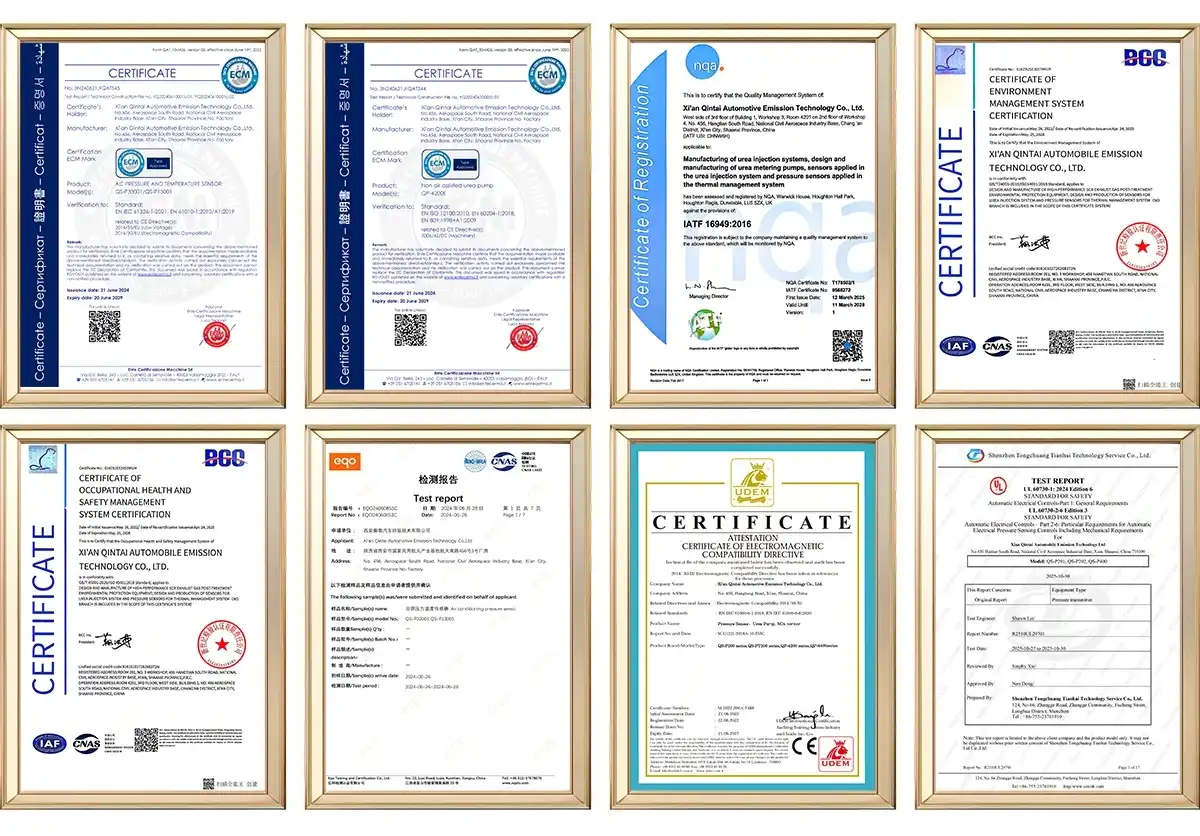
For receivers that are put in dangerous places with flammable gases or dust, they need to have explosion-proof standards like ATEX and IECEx. Zone 1 or Division 1 devices with flameproof casings are needed in industrial sites that work with volatile chemicals or in mines. Ingress protection grades of IP67 or IP68 make sure that the machine will work reliably even if it gets wet, dusty, or sprayed with water, which can happen with building and farming equipment. For OEM uses in cars and big trucks, IATF 16949 quality management certification shows that a provider can meet the strict standards of the automobile industry for consistent mass output and traceability.
Comparing Popular Industrial Pressure Transmitters and Brands in 2026
Leading Global Manufacturers and Their Flagship Models
There are well-known brands with good track records in the Industrial Pressure Transmitter market. The EJA430E line from Yokogawa has SIL 2 and SIL 3 functional safety approvals from TÜV and Exida. This means it can be used in safety-instrumented systems in petrochemical and power generation plants. Rosemount's 3051 line is the best in the process industries because it can record both pressure and temperature at the same time, which lowers the cost of installation and makes loop calibration easier.
Endress+Hauser has Cerabar PMC21 with ceramic diaphragms for use with gritty slurries and high-purity pharmaceuticals. These high-end names cost more at first, but they are more stable over time and come with better technical help networks.
Specialized Solutions for Diesel Engine and Aftertreatment Applications
Diesel engine makers need sensors that can handle high vibrations, changes in temperature, and being exposed to waste particles. Devices made for automotive and off-highway use have stronger housings, are made of welded stainless steel, and have M12 circular connectors that don't let water in.
Aftertreatment system designers can get the best sensor reaction for different catalyst formulations and substrate setups by working with suppliers who offer customisable interfaces and programmable pressure ranges. It's important for SCR and DPF solution providers with tight project deadlines that sensors work well with a wide range of engine platforms and are delivered quickly. This cuts down on development time and inventory complexity.
Wired Versus Wireless: Evaluating Communication Technologies
Traditional wired transmitters with 4-20 mA loops are still the most popular because they are easy to use, safe in dangerous areas, and work with existing control systems. Digital protocols, such as HART, add data transfer on top of the 4-20 mA signal. This lets setup and diagnosis be done from a distance without the need for extra wiring.
When used in retrofit situations or for remote tracking, wireless pressure sensors that use WirelessHART or ISA100 standards get rid of the need for installation costs. However, wireless devices have problems with communication interference and replacing batteries, which makes them less suitable for safety-critical diesel engine control loops that need predictable response times—making a wired Industrial Pressure Transmitter a more reliable choice in such demanding applications.
Installation, Calibration, and Maintenance Best Practices
Proper Mounting and Installation Techniques
Measurement mistakes and early failure can be avoided by installing the Industrial Pressure Transmitter correctly. When measuring liquids, put the transmitters below the process connection to keep vapour pockets from forming in the impulse line. When measuring gases or steam, put the transmitters above the connection point to keep condensation from building up.
For difference uses, use isolation valves and equalising valves to make removal safe without having to shut down the process. To keep electromagnetic interference to a minimum, run electrical lines separate from high-voltage power connections. Transmitters that are attached to piston engines or other high-vibration equipment are kept safe by vibration isolation clamps or remote seals with capillary connections.
Calibration Protocols and Recommended Tools
Regular testing keeps measurements accurate and in line with regulations. To check the output of the emitter at zero, mid-scale, and full-scale, use NIST-traceable pressure calibrators or deadweight tests. To meet the needs of quality system checks and emission certification, keep records of calibration results that include serial numbers, ambient conditions, and the name of the worker who did the work. Calibration may need to be done every three months in harsh environments like chemical processing or high-temperature diesel exhaust systems, but once a year is fine for stable HVAC applications.
Troubleshooting Common Issues and Sourcing Replacement Parts
Drift, zero offset, and span mistakes can happen because of a damaged diaphragm, an old computer component, or dirt in the pressure port. Built-in diagnostics that can be accessed through HART or Modbus interfaces make troubleshooting easier by showing real-time information about sensor health, output saturation, and setup mistakes.
Only buy replacement parts from authorised distributors to make sure they are original parts that come with a full warranty and can be tracked back to the manufacturer. When fake sensors get into the aftermarket supply lines, they pose major safety risks and might not have the right certifications for working in hazardous areas or with emissions.
Procurement Tips for B2B Buyers: How to Buy Industrial Pressure Transmitters Smartly
Evaluating Supplier Credentials and Technical Capabilities
It's not enough to just compare prices; you also need to look at how reliable the suppliers are and how much professional help they offer. As a minimum, make sure that any potential suppliers are certified to ISO 9001 quality management. For automotive OEM applications, IATF 16949 certification is required.
Check out the supplier's research and development (R&D) and patent collection to see how well they are doing with ongoing product creation and technical know-how. Ask for customer examples from similar projects, preferably in the same field as you, like diesel engine making or emission control systems.
Understanding Pricing Structures and Negotiating Volume Discounts
The prices of Industrial Pressure Transmitters vary a lot depending on their performance requirements, certifications, and the number of units that are ordered. Premium names with SIL scores and many approvals cost two to three times as much as regular industrial-grade devices, but they are worth the extra money because they have a lower total cost of ownership in important situations.
To get good per-unit prices while still being able to make changes to the product mix, talk about volume pricing deals with annual purchase promises. Instead of just looking at the unit price, you should look at the total landed cost, which includes shipping, customs duties, and the cost of keeping the inventory. When Chinese providers offering OEM services are properly qualified and incoming inspection methods are used to keep an eye on them, they can offer low prices and good quality.
Prioritizing After-Sales Service and Long-Term Partnership
Support after the sale is what sets sellers apart in markets with a lot of competition. Check the warranty terms, which usually last between 12 and 36 months, and make sure you know what the guarantee doesn't cover when it comes to misuse or damage caused by the environment. How quickly technical support responds affects downtime during troubleshooting.
Suppliers that offer international support, application engineering help, and on-site testing services lower the risk of the project. As your product line changes, having long-term partnerships with suppliers who can customise products, make prototypes quickly, and provide dedicated account management will make future projects easier and keep things running smoothly.
Conclusion
To choose the right Industrial Pressure Transmitter, you have to weigh the technical specs, the needs of the application, and the cost. When engineers know the differences between transmitter types, signal outputs, and certification requirements, they can choose devices that meet safety and compliance standards and improve system performance.
Well-known foreign names are reliable in important situations, and qualified original equipment manufacturer (OEM) suppliers offer cheap options for mass production needs. Careful consideration of suppliers and attention to after-sales support are key to successful procurement. This ensures long-term operating success in diesel engine systems, emission aftertreatment, and a wide range of industrial uses.
FAQ
What distinguishes a pressure transmitter from a pressure sensor?
For pressure sensors to work with control systems, they need extra signal conditioning circuits because they send out raw electrical signals that are related to the pressure that is being applied. Industrial Pressure Transmitters have features like amplification, linearisation, and standardised output conversion. They send digital signals straight to PLCs and DCS systems, or 4-20 mA signals. Transmitters have local displays, configuration interfaces, and diagnostic features that sensors don't have. This makes them ideal for industrial installations that need to be spread out but still need centralised monitoring and minimal field wiring.
How often should pressure transmitters be calibrated in demanding environments?
How often you need to calibrate depends on how important the application is, what the rules say, and how the machine is being used. Diesel engine emission tracking systems usually need to be checked every three months to keep their China VI or Euro VI compliance approval. FDA or GMP rules may say that calibration needs to be done every month for chemical processing and pharmaceutical applications. Applications that aren't as important, like HVAC or water treatment, can handle annual schedules. Sensor drift is sped up by high temperatures, contact to toxic media, and mechanical shocks, so they need to be checked more often.
Which factors most significantly influence transmitter accuracy and stability?
Most of the loss of accuracy is caused by changes in temperature. As environmental or process temperatures change, thermal zero shift and span changes cause measurement mistakes. Long-term drift is caused by mechanical stress from installation force, shaking, and changing pressure. Over multiyear service terms, the ageing of electronic parts has no effect on zero and span stability. Material suitability stops diaphragm rust or permeation, which changes how the sensor works. As long as the gadget is installed correctly, kept clean, and used within the manufacturer's recommended limits, it will always work as expected.
Partner with Qintai for Reliable Industrial Pressure Transmitter Solutions
If engineers and purchasing managers are looking for reliable Industrial Pressure Transmitter providers, Qintai is the only company that can meet their strict diesel engine and emission control needs. Our company has been specialising in SCR aftertreatment systems and precision sensors for heavy trucks, construction equipment, farm equipment, and generator sets since 2001.
We are dedicated to quality and following the rules, as shown by our ISO 9001, IATF 16949, and other international certifications. Weichai Power, Yuchai Power, and Quanchai Power are some of China's biggest diesel engine makers, and we are their main original equipment (OEM) provider. We bring proven mass production skills and technical know-how to every relationship.
Our independent research and development team has 58 idea patents and is always working on new sensor technologies to meet changing emission standards and application needs. We support OEM and ODM needs by offering a range of flexible customisation options. This way, you can be sure that our pressure transmitters will work perfectly with your system architecture and performance requirements. Our world quality standards and competitive place are shown by the fact that we send goods to over 60 countries in Europe, the Middle East, and South America.
Get in touch with our technical team at info@qt-sensor.com to talk about your unique pressure measurement needs and find out how Qintai's Industrial Pressure Transmitter can help your product be more reliable and meet legal standards.
References
1. Smith, J.R., "Pressure Measurement in Industrial Automation Systems," Journal of Process Control Engineering, Vol. 45, 2023, pp. 112-128.
2. International Electrotechnical Commission, "IEC 61508: Functional Safety of Electrical/Electronic/Programmable Electronic Safety-related Systems," Geneva, Switzerland, 2010.
3. Anderson, M.K. and Chen, L., "Signal Conditioning Techniques for Industrial Pressure Transmitters," Sensors and Actuators Technology Review, Vol. 18, No. 3, 2024, pp. 67-84.
4. European Committee for Standardization, "EN 60079-0: Explosive Atmospheres - Equipment - General Requirements," Brussels, Belgium, 2018.
5. Zhang, W., "Automotive Sensor Technologies for Emission Control Systems," SAE International Journal of Engines, Vol. 16, No. 4, 2023, pp. 445-462.
6. Roberts, D.A., "Calibration and Maintenance Practices for Industrial Instrumentation," Plant Engineering and Maintenance, Vol. 52, No. 2, 2024, pp. 34-48.
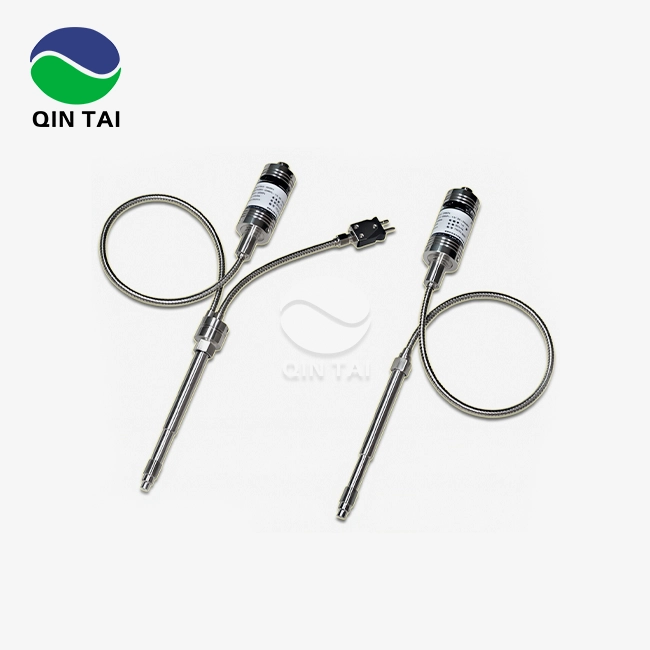
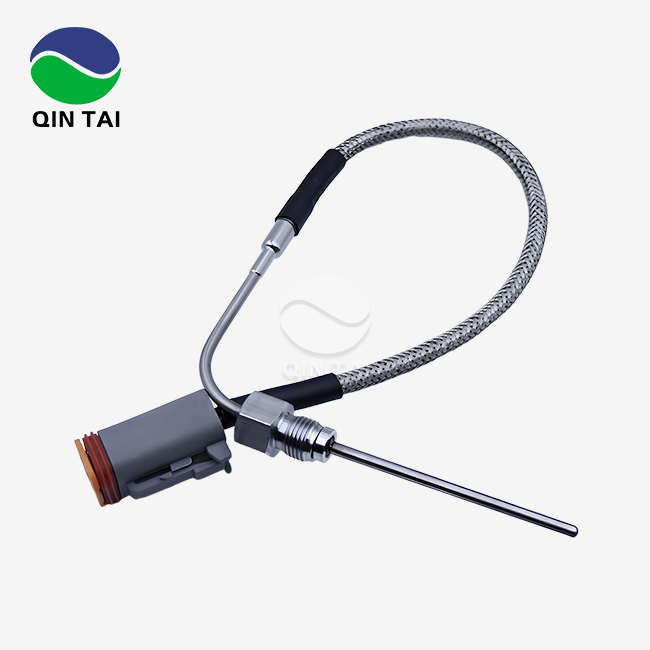
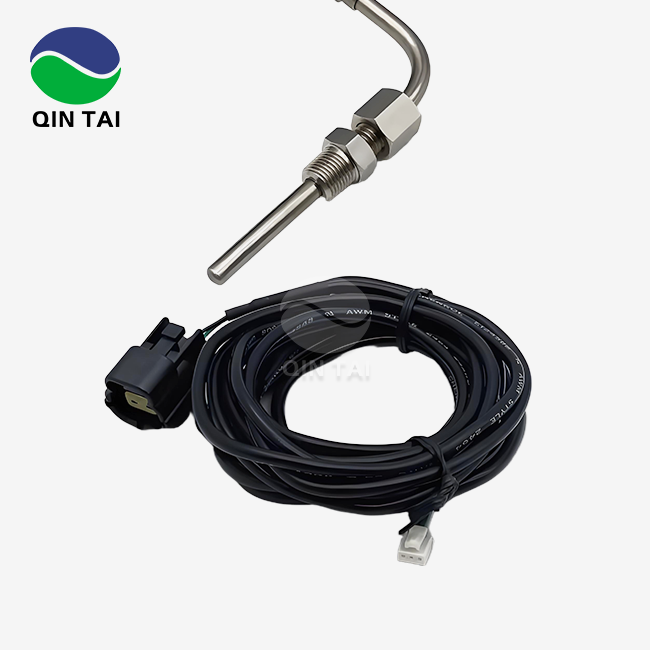
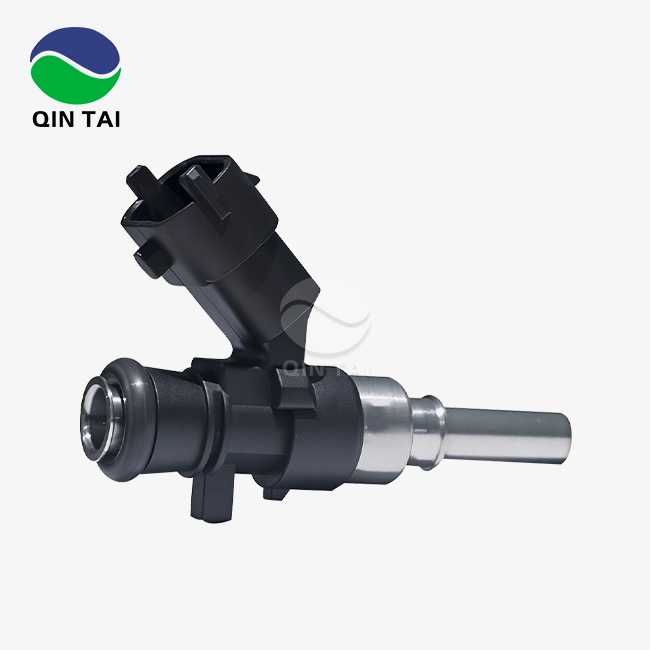

Our customers’ satisfaction speaks for our quality — contact us to experience the same reliable service.