- English
- French
- German
- Portuguese
- Spanish
- Russian
- Japanese
- Korean
- Arabic
- Greek
- German
- Turkish
- Italian
- Danish
- Romanian
- Indonesian
- Czech
- Afrikaans
- Swedish
- Polish
- Basque
- Catalan
- Esperanto
- Hindi
- Lao
- Albanian
- Amharic
- Armenian
- Azerbaijani
- Belarusian
- Bengali
- Bosnian
- Bulgarian
- Cebuano
- Chichewa
- Corsican
- Croatian
- Dutch
- Estonian
- Filipino
- Finnish
- Frisian
- Galician
- Georgian
- Gujarati
- Haitian
- Hausa
- Hawaiian
- Hebrew
- Hmong
- Hungarian
- Icelandic
- Igbo
- Javanese
- Kannada
- Kazakh
- Khmer
- Kurdish
- Kyrgyz
- Latin
- Latvian
- Lithuanian
- Luxembou..
- Macedonian
- Malagasy
- Malay
- Malayalam
- Maltese
- Maori
- Marathi
- Mongolian
- Burmese
- Nepali
- Norwegian
- Pashto
- Persian
- Punjabi
- Serbian
- Sesotho
- Sinhala
- Slovak
- Slovenian
- Somali
- Samoan
- Scots Gaelic
- Shona
- Sindhi
- Sundanese
- Swahili
- Tajik
- Tamil
- Telugu
- Thai
- Ukrainian
- Urdu
- Uzbek
- Vietnamese
- Welsh
- Xhosa
- Yiddish
- Yoruba
- Zulu
How Pressure Transmitters Improve Industrial Automation
By turning physical pressure into accurate electrical signals that control processes and improve working efficiency, Pressure Transmitters revolutionise industrial automation. These smart devices are like the brains of modern automated factories. They constantly check important parameters and send real-time information that stops expensive failures and improves production workflows. Accurate pressure measurement is now a must for keeping the workplace safe and following the rules in today's competitive industrial world, where service has a direct effect on profits.
Pressure Transmitters are essential parts of many automation systems, and well-known companies like Honeywell, Siemens, and ABB have shown how reliable they are in a wide range of settings, from chemical processing plants to systems that clean diesel engines. As emission standards get stricter, like China VI and Euro VI, high-quality pressure sensing in SCR and DPF systems becomes more important. This makes sure that heavy trucks, construction equipment, and generator sets meet environmental rules while still running at their best.
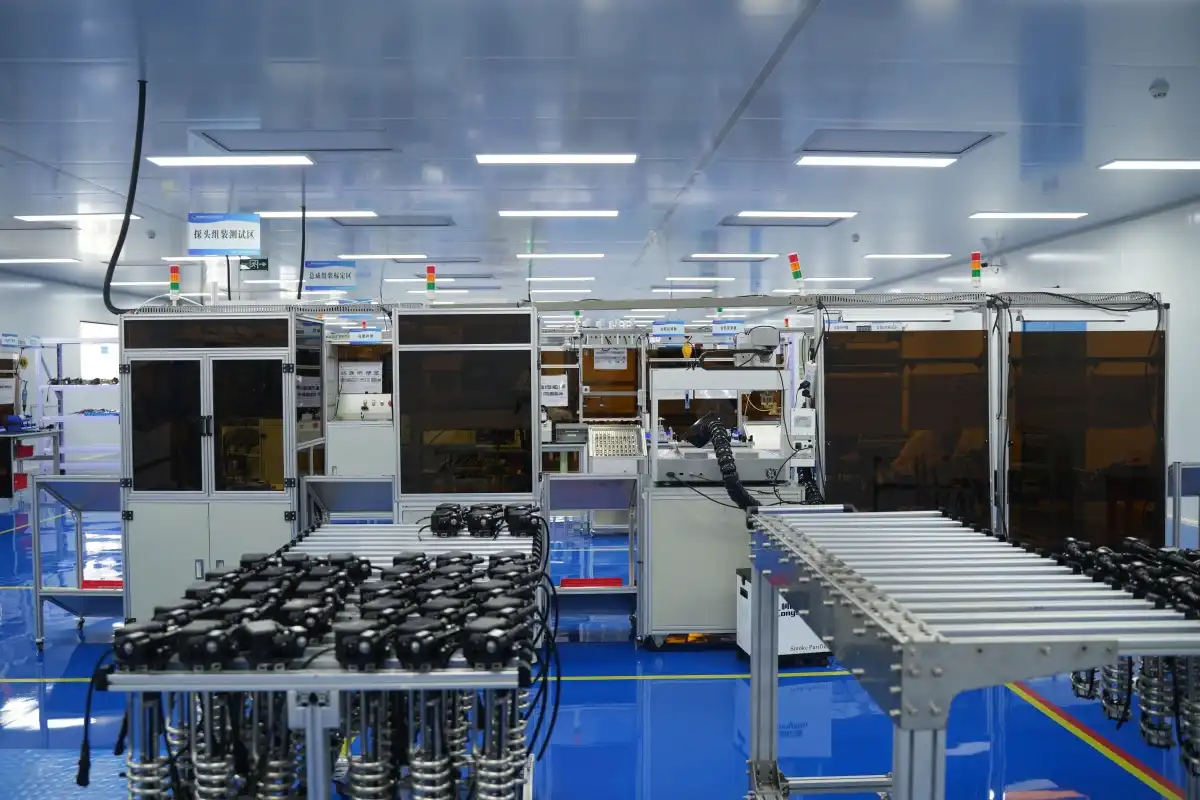
Understanding Pressure Transmitters in Industrial Automation
What Sets Pressure Transmitters Apart
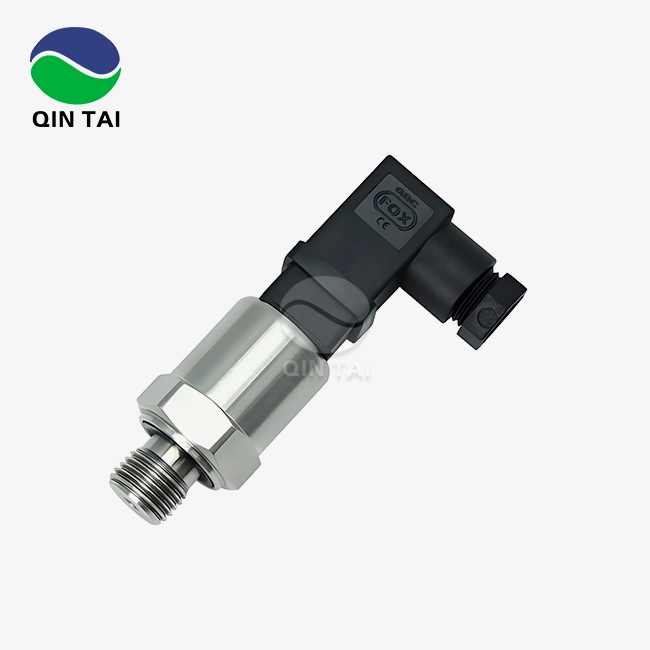
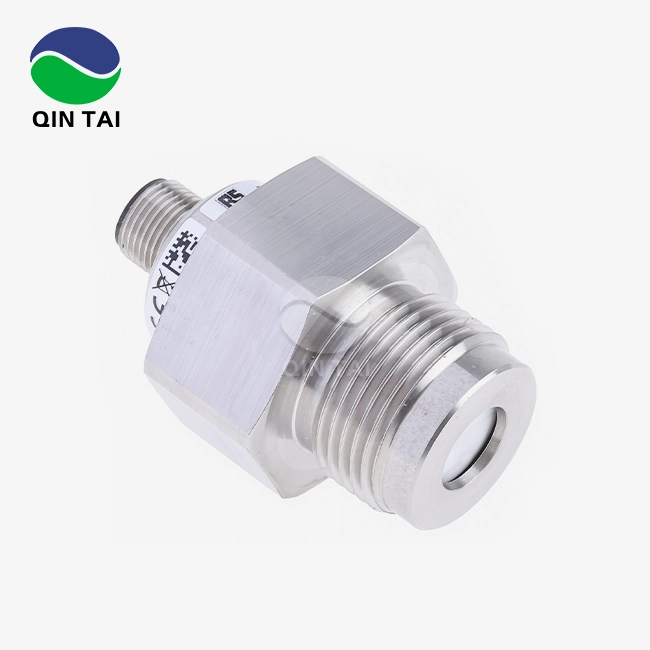
A Pressure Transmitter checks how much force liquids, gases, or vapours are putting out and turns that force into standard electrical signals, which are usually 0-5V or 0-10V voltage outputs or 4-20mA current loops. Basic pressure sensors only pick up changes in pressure. Transmitters, on the other hand, have signal conditioning circuitry, temperature compensation, and communication protocols that make it possible for them to work seamlessly with programmable logic controllers and distributed control systems. This difference is very important for buying teams that are looking at how reliable the system will be in the long term and how well it will work with current automation infrastructure.
Core Technologies Driving Pressure Measurement
Depending on the needs of the application, modern Pressure Transmitters use various detecting technologies. Thin-film technology uses vacuum-sputtering to deposit strain gauges directly onto stainless steel diaphragms at the molecular level. This stops any adhesive-related drift and makes sure the material is very stable even when temperatures change a lot.
Piezoresistive sensors use semiconductors whose electrical resistance changes in direct relation to the amount of pressure applied. This makes them very accurate for harsh industrial settings. Capacitive sensing uses changes in capacitance to measure how pressure affects the diaphragm's deflection. This method works best for low-pressure tasks that need high resolution.
Types and Applications Across Industries
Gauge Pressure Transmitters are essential parts of hydraulic systems, pneumatic tools, and process tanks because they measure pressure in relation to the air pressure. Differential pressure devices keep an eye on pressure drops in filters, flow elements, and catalytic converters. This is very important for SCR aftertreatment systems that need to accurately dose urea because they depend on tracking exhaust backpressure.
Absolute Pressure Transmitters compare readings to a perfect vacuum, which is very important for managing engines at different altitudes and diagnosing sealed systems. Wireless emitters get rid of the need for expensive cables and complicated installations. This is especially helpful when updating old equipment or keeping an eye on assets that are far away in large, spread-out buildings.
Different control loops can be used with accuracy levels between ±0.075% and ±0.25% of span. Calibration intervals usually last between 12 and 24 months, but can be longer or shorter depending on the severity of the application. Good installation methods, such as managing impulse line slope, isolating vibrations, and insulating against heat, have a direct effect on the accuracy of measurements and how they drift over time.
How Pressure Transmitters Solve Challenges in Industrial Automation
Identifying Critical Pain Points
The harsh realities of industrial automation environments compromise the accuracy of measurements. Sensing elements are damaged by changes in temperature, mechanical stress, electrical noise, and acidic media, which leads to signal drift and early failure. Over time, traditional bonded strain gauge sensors experience adhesive creep, which leads to measurement errors that are passed on to control algorithms and make the process less stable. These problems are especially bad in diesel engines, where the exhaust temperature can reach over 600°C and temperatures change quickly during recovery.
Advanced Solutions Through Engineering Innovation
Thin-film sensing transmitters solve problems with temperature stability by making atomic-level links between sensing elements and diaphragms. This gets rid of the need for organic adhesives that can break down over time. Strong housings with IP67 or IP68 ratings keep electronics safe from water and dust, and EMI-shielded cases keep interference from variable frequency drives and high-power electrical equipment at bay. Digital communication methods like HART, Profibus, and Modbus make it possible to diagnose problems remotely, change configurations, and get maintenance reports ahead of time, which cuts down on unplanned downtime.
Real-World Performance Improvements
A major company that makes building equipment added explosion-proof Pressure Transmitters with ATEX certification to their hydraulic systems. This cut down on upkeep by 43% and added 18 months to the life of the parts. False alarms that used to stop production shifts were no longer happening because of the rollout. Real-time pressure trends also made it possible to find problems with pump wear and filter clogging early on. In the same way, a company that makes generator sets for mine operations reported 99.7% uptime after adding industrial-grade receivers with better vibration resistance. They said that this saved them $2.3 million in downtime costs and made measurements more accurate.
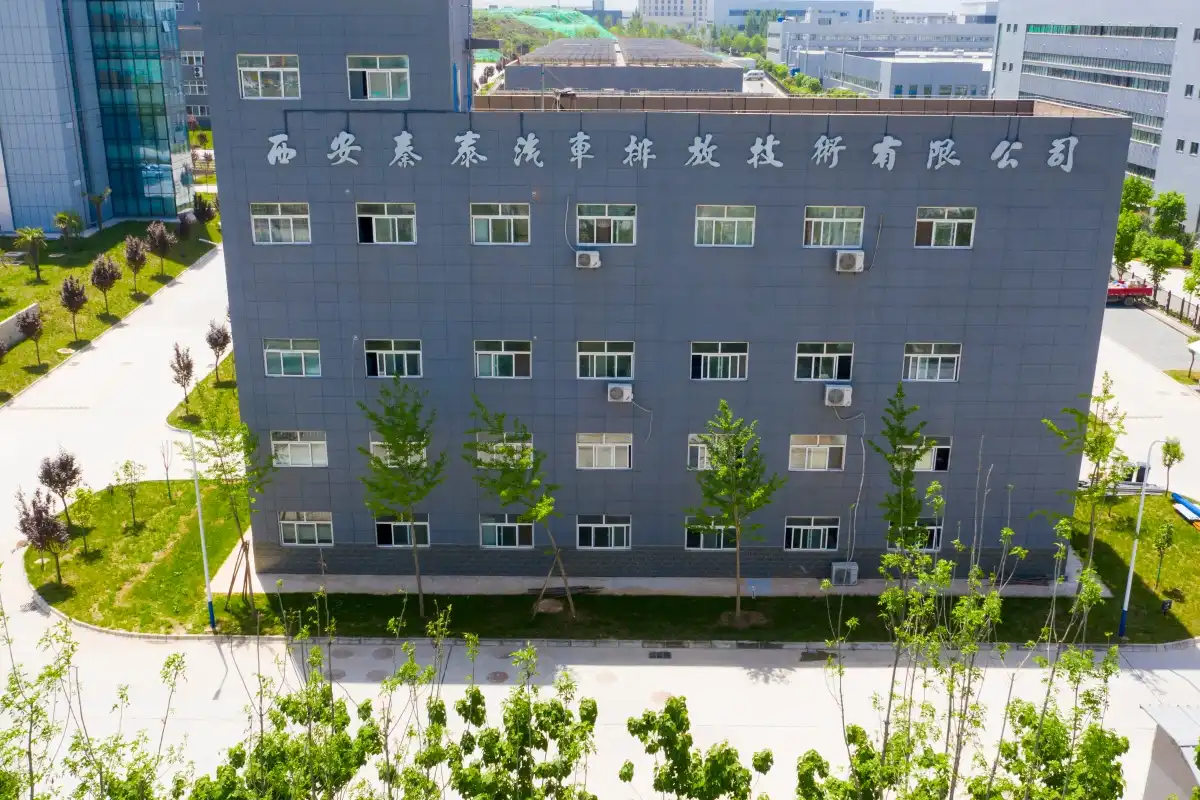
Choosing the Right Pressure Transmitter for Your Industrial Needs
Essential Evaluation Criteria
To choose the best pressure measurement solutions, you need to make sure that the technical requirements match the needs of the operation. The measurement range and overpressure protection needs depend on the pressure range. For example, diesel engine fuel rail monitoring needs Pressure Transmitters that can handle up to 2500 bar of pressure and a 150% overpressure tolerance. Low-pressure air intake applications need ranges of 0 to 3 bars with high resolution. The process temperature ratings have to take into account both the media and the environment. Some versions have to be able to handle being exposed to 400°C exhaust gases for a long time in aftertreatment systems.
The choice of output signal relies on the distance of the transfer and the need for noise immunity. Current loop signals work great in factories with wire runs longer than 1000 meters because they stay accurate even when power drops and there is electrical interference. Voltage outputs work well for short-distance uses with low noise, while digital methods can be used for diagnostics and can send multiple variables. Response time requirements, which range from 10 ns to several seconds, show whether a system is suitable for fast-acting control loops or slow-moving batch tasks.
Comparative Analysis of Product Categories
Wired Pressure Transmitters are reliable and cost-effective options for permanent installations with easy-to-reach wiring paths. They have been used successfully in mission-critical situations for years. In upgrade situations, wireless models cut installation costs by 60% and let you choose where to put sensors, but they need to be managed with batteries or energy harvested. Differential Pressure Transmitters are great for measuring flow and keeping an eye on filters. Gauge models are better for general process control needs and can measure liquid, hydraulic, and gas levels.
In 2026, the top brands will keep improving their integration skills. For example, some companies will sell transmitters that are already set up for certain diesel engine systems and aftertreatment layouts. This application-specific method cuts down on commissioning time and makes sure that emission control techniques work with the system. This is especially helpful for original equipment manufacturers (OEMs) who have to meet strict certification standards and tight production plans.
Strategic Recommendations for Decision-Makers
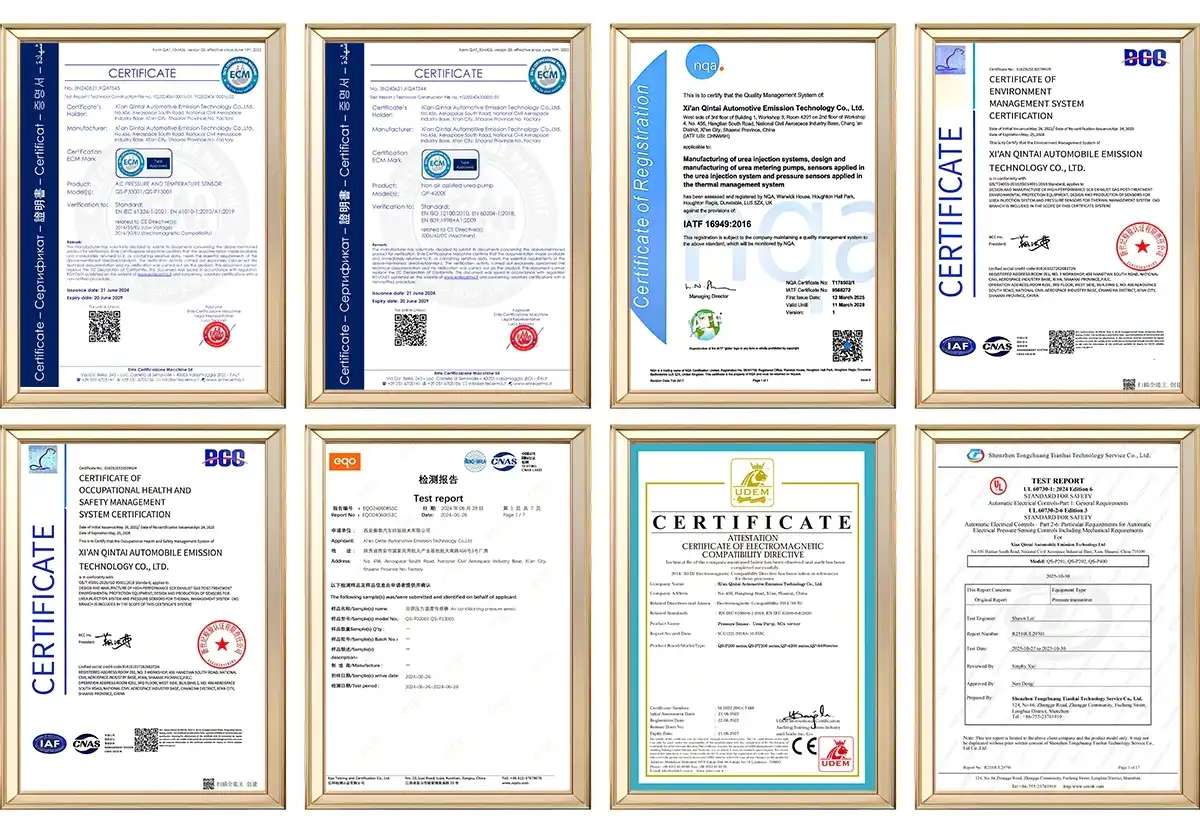
Purchasing teams should give more weight to suppliers with ISO9001 and IATF16949 certifications. This will ensure consistent quality control and traceability, which are important for mass production. Explosion-proof certifications like ATEX, IECEx, and UL are needed for installations in dangerous areas that are common in the mining, oil and gas, and chemical processing industries. When you look at the total cost of ownership instead of the original purchase price, you can see the long-term value. This is because less upkeep, longer calibration intervals, and lower failure rates mean less downtime and warranty claims.
Procurement Strategies for Pressure Transmitters in B2B Industrial Markets
Navigating Complex Purchasing Decisions
A good procurement process finds a balance between different priorities, such as technical performance, cost, and the reliability of the supply chain. Technical teams set standards for sensor precision, process links, and certification needs that make sure systems work together and follow rules. Purchasing teams discuss framework deals, payment terms, and bulk pricing to get the best prices while keeping their budgets flexible. When it comes to suppliers, management only accepts ties if they are financially stable, have a history of quality work, and are in line with the company's sustainability goals.
Customisation is what sets strategic partners apart from commodity suppliers because they can change standard products to fit the needs of a specific application. Pressure Transmitters that work with SCR aftertreatment systems often need to have their process connections changed, their pressure ranges customised, and their calibration curves changed to fit the OEM's control strategies. Suppliers who offer engineering support during the development of specifications and testing of prototypes can speed up the launch of new products while lowering the costs and risks of validation.
Critical Supply Chain Components
A warranty that lasts for 24 to 36 months and covers all issues protects against mistakes in the manufacturing process and early failures. Quality assurance paperwork like material certifications and calibration reports meet the requirements for traceability in safety-critical applications. Technical hotlines, field service, and the availability of new parts as part of after-sales support help keep downtime to a minimum when problems arise. Response time promises set premium suppliers apart from transactional vendors.
Digital tools are being used more and more in modern buying to make it easier to get quotes, place orders, and keep track of shipments. Just-in-time delivery is possible because some suppliers keep regional storage centers open. This cuts down on the costs of keeping stockpiles and helps lean manufacturing efforts. Performance data from current installations, such as the average time between failures, the rate of calibration drift, and the number of warranty claims, gives objective proof that helps choose a provider and evaluate risk.
Enhancing Industrial Automation Performance With Pressure Transmitters
Breaking Through Instrumentation Bottlenecks
A lot of facilities use old measurement equipment that makes it harder to find ways to improve things and see how changes in the process affect quality and efficiency. Legacy analogue receivers don't have troubleshooting tools, which makes finding faults take a long time and often leads to replacing parts that aren't needed. Tightening control tolerances that could lower the amount of raw materials used, energy used, and scrap that is made is not possible because measurements are not accurate enough. This means that big productivity gains are not realised.
Integration With Smart Factory Technologies
Advanced Pressure Transmitters with built-in microprocessors and digital communication protocols work with industrial IoT platforms and manufacturing execution systems without any problems. Streaming data in real time lets condition monitoring algorithms find strange patterns in pressure that show when a pump is about to fail, a valve is wearing out, or a filter is full. With predictive maintenance strategies, interventions are no longer based on calendars but on conditions. This lowers maintenance costs by 25–35% and stops unexpected breakdowns that throw off production schedules.
Remote monitoring can be used to keep an eye on multiple sites from one place, and repair teams will be notified automatically of problems as they arise, before they become major problems. This makes it easier to make decisions based on data; trend analysis can help you find ways to improve processes, and equipment performance testing can help you find assets that aren't working well and need some attention.
Quantifiable Performance Outcomes
Facilities that switch to precise pressure measurement report better process stability, which can be seen in lower standard deviations in key quality measures. This directly leads to lower reject rates and higher first-pass yields. Optimising compressor loads, pump speed control, and process parameter tuning made possible by accurate, fast measurement can cut energy costs by an average of 8 to 12 percent. Maintenance costs go down because equipment lasts longer, spare parts are used less, and emergency repair costs are prevented. For complete instrumentation changes, the payback time is usually between 12 and 18 months.
Conclusion
Pressure Transmitters are important tools in the infrastructure of industrial automation. They provide accurate measurements, dependability, and the ability to work with other systems. These features have a direct effect on working efficiency, regulatory compliance, and competitive positioning. For long-term success in tough situations like diesel engine aftertreatment, process manufacturing, and mobile equipment, choose the right sensing technologies, evaluate suppliers using a wide range of criteria, and use strategic procurement practices.
As emission rules get stricter and automation technologies improve, OEMs, system integrators, and aftermarket providers looking for long-term competitive advantages will find it more valuable to work with experienced suppliers who can offer customisation options, technical support, and systems that have been proven to work well.
FAQ
What distinguishes pressure transmitters from basic pressure sensors?
Pressure Transmitters have electronics that improve signals, standard output ports, and often digital communication features that let them connect directly to control systems. Sensors send out unprocessed electrical signals that need to be calibrated and processed further. Transmitters, on the other hand, are better for industrial automation tasks that need quick setup and stability over time.
How frequently should pressure transmitters undergo calibration?
How often you need to calibrate depends on how important the application is, how bad the surroundings is, and what the rules say. Most industrial uses call for checks to be done once a year, but safety-critical systems and tracking of emissions may need checks every six months or three months. When used in stable situations, advanced transmitters with stability specs below ±0.1% drift per year can extend intervals to 24 months, which lowers upkeep costs while keeping accuracy.
Which transmitters suit high-temperature diesel engine applications?
To keep an eye on diesel engine fumes, you need sensors that can handle being exposed to temperatures between 600°C and 850°C all the time and can handle thermal shocks during regeneration cycles. Specialised designs include electronics that are mounted far away and have cooling elements, diaphragm materials that can handle high temperatures like Inconel alloys, and process connections that are made to handle thermal expansion. When keeping an eye on flammable gases in small areas, you need to be certified by ATEX or IECEx.
Partner With Qintai for Reliable Pressure Transmitter Solutions
Pressure Transmitters made by Qintai are industrial-grade and designed to work with diesel engines and reduce emissions. We have been supplying OEM Pressure Transmitters to Weichai Power, Yuchai Power, and Quanchai Power for more than 20 years and have a wide range of approvals, such as ISO9001, IATF16949, ATEX, UL, and REACH compliance. Our manufacturing skills allow us to make more than 500,000 units a year, which guarantees stable quality and on-time delivery for OEMs who have to meet tight production plans and regulatory deadlines.
We can change anything about our services to fit your needs, from changing the pressure ranges and process connections to making your own calibration curves and digital communication protocols. Our engineering team helps with technical issues during the whole process of developing specifications, testing prototypes, and starting mass production. This lowers the risks of development and speeds up the time it takes to get products to market. With 58 invention patents and ongoing investments in research and development, Qintai stays on the cutting edge of sensing technology, bringing our partners new ideas that help them stay ahead of the competition.
Email our team at info@qt-sensor.com to talk about how you need to measure pressure and to get full information about our SCR/DPF-optimized transmitter families. Visit qt-sensor.com to see our full catalogue of products and learn how forming a smart relationship with a well-known Pressure Transmitter maker can help your supply chain and make your products work better.
References
1. Smith, J.A. & Williams, R.K. (2023). Industrial Pressure Measurement: Principles and Applications for Process Automation. Technical Publishing International.
2. Chen, L., Martinez, E.F. & Kobayashi, T. (2024). Advanced Sensing Technologies in Diesel Engine Emission Control Systems. Journal of Automotive Engineering, 138(4), 512-528.
3. European Commission Directorate-General for Internal Market (2022). ATEX Equipment Directive 2014/34/EU: Compliance Guide for Pressure Measurement Devices in Hazardous Areas.
4. Anderson, P.R. (2023). Smart Factory Integration: Leveraging Industrial IoT for Predictive Maintenance. Manufacturing Technology Review, 31(2), 78-94.
5. International Society of Automation (2024). ISA-5.1-2024: Instrumentation Symbols and Identification Standards for Pressure Measurement Systems.
6. Zhang, W., Kumar, S. & Schneider, H. (2023). Total Cost of Ownership Analysis for Industrial Instrumentation Procurement. Supply Chain Management Quarterly, 19(3), 145-162.
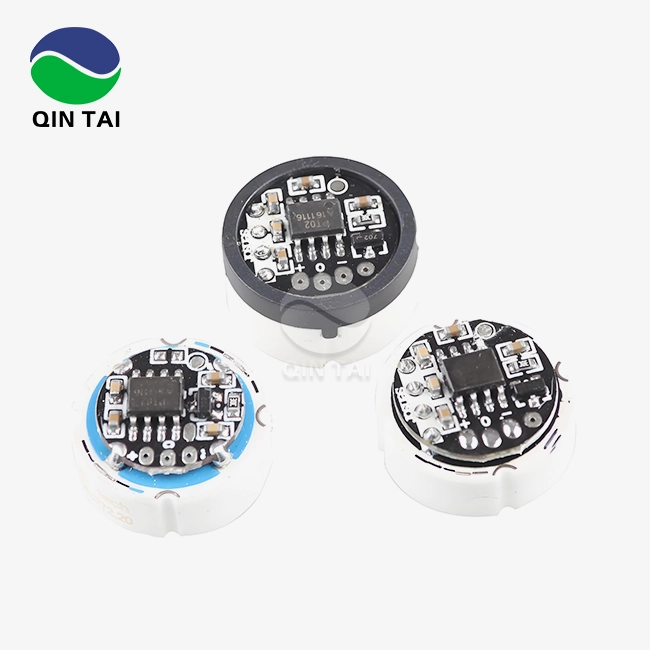

Our customers’ satisfaction speaks for our quality — contact us to experience the same reliable service.