- English
- French
- German
- Portuguese
- Spanish
- Russian
- Japanese
- Korean
- Arabic
- Greek
- German
- Turkish
- Italian
- Danish
- Romanian
- Indonesian
- Czech
- Afrikaans
- Swedish
- Polish
- Basque
- Catalan
- Esperanto
- Hindi
- Lao
- Albanian
- Amharic
- Armenian
- Azerbaijani
- Belarusian
- Bengali
- Bosnian
- Bulgarian
- Cebuano
- Chichewa
- Corsican
- Croatian
- Dutch
- Estonian
- Filipino
- Finnish
- Frisian
- Galician
- Georgian
- Gujarati
- Haitian
- Hausa
- Hawaiian
- Hebrew
- Hmong
- Hungarian
- Icelandic
- Igbo
- Javanese
- Kannada
- Kazakh
- Khmer
- Kurdish
- Kyrgyz
- Latin
- Latvian
- Lithuanian
- Luxembou..
- Macedonian
- Malagasy
- Malay
- Malayalam
- Maltese
- Maori
- Marathi
- Mongolian
- Burmese
- Nepali
- Norwegian
- Pashto
- Persian
- Punjabi
- Serbian
- Sesotho
- Sinhala
- Slovak
- Slovenian
- Somali
- Samoan
- Scots Gaelic
- Shona
- Sindhi
- Sundanese
- Swahili
- Tajik
- Tamil
- Telugu
- Thai
- Ukrainian
- Urdu
- Uzbek
- Vietnamese
- Welsh
- Xhosa
- Yiddish
- Yoruba
- Zulu
What Does a NOx Sensor Do in an SCR Aftertreatment System?
All over the United States, big trucks, building equipment, farm equipment, and generator sets are powered by diesel engines. These engines provide the torque and dependability that these tough jobs need. But these workhorses also make nitrogen oxides, which are dangerous pollutants that make smog and lung health problems worse. To control these emissions, modern diesel systems rely on precise monitoring, and a critical component in that process is the NOx Sensor, which measures exhaust gas levels to ensure the Selective Catalytic Reduction system operates efficiently. Using Selective Catalytic Reduction systems to change harmful NOx into harmless nitrogen and water vapour is now the standard way to control these emissions.
The NOx Sensor is one of the most important parts of any SCR system that works well. This gadget checks the amount of nitrogen oxide in the air in real time, which lets you precisely control the flow of Diesel Exhaust Fluid and make sure you're following the strict EPA pollution rules. It can make a difference between a fleet that meets regulatory standards cost-effectively and one that has to deal with expensive downtime and fines if you know how these sensors work, what performance characteristics matter the most, and how to find reliable units.
This article will talk about the technical basics, real-world issues, and buying strategies that purchasing managers, R&D engineers, and technical managers need to know in order to get the most out of their SCR aftertreatment systems.
Understanding NOx Sensors in SCR Systems
What NOx Sensors Are and Their Role in Emission Control
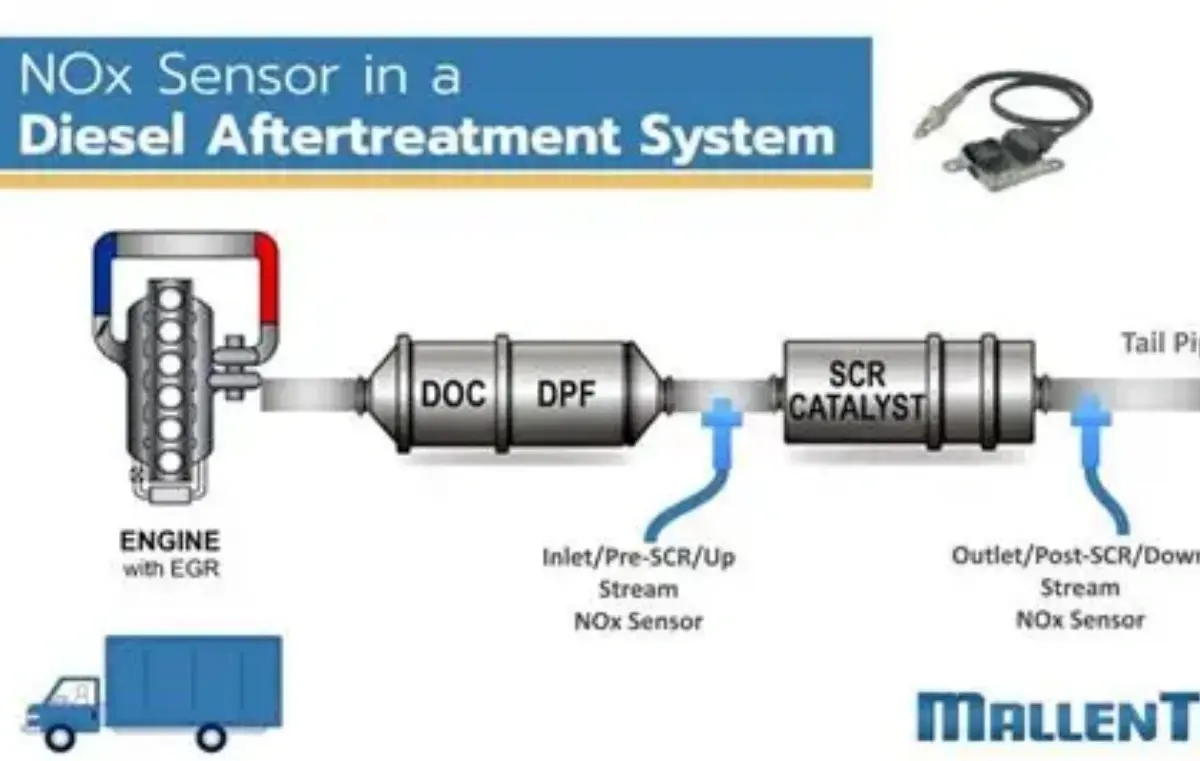
A NOx Sensor is a high-tech measuring tool that is put into the waste stream of diesel engines that have SCR aftertreatment systems. These sensors pick up on levels of nitrogen gas running from very small amounts to several thousand parts per million. They send this information to the engine control unit so it can figure out the right DEF dosing rates.
Modern diesel cars and equipment usually have two sensors: one upstream unit, which is placed before the SCR catalyst, measures the pollution from the engine, and the other, which is placed downstream, measures the NOx levels after treatment to check how well the catalyst is working. This set of two sensors makes a closed-loop feedback system that keeps improving the performance of reducing emissions while protecting against both too little and too much DEF.
Working Principles: How These Sensors Detect Nitrogen Oxides
The technology works with yttria-stabilized zirconia ceramic cells that move oxygen ions when heated to the right level. Inside the sensor housing, the exhaust gas first goes into a chamber with an oxygen pump cell that keeps the amount of oxygen in the air at a set level. The cleaned gas then moves into a second chamber containing the NOx sensing cell. This cell breaks down nitrogen oxides into nitrogen and oxygen ions using a catalytic process.
The monitor measures the current that is made when these oxygen ions are pumped out. The quantity of NOx is directly related to this current. A monitor cell checks that the oxygen levels stay the same during the measurement process. This makes sure that the results are accurate even when the exhaust conditions change. This complex electrochemical process happens all the time, giving real-time data that lets the SCR system make changes right away.
NOx Sensors Versus Oxygen Sensors: Understanding the Difference
Because both devices look similar and measure the makeup of exhaust gases, many procurement professionals initially confuse NOx Sensors with oxygen sensors. But oxygen monitors do something totally different: they help the engine control unit find the best balance of air and fuel for efficient combustion. These monitors work ahead of the turbocharger and only measure the amount of oxygen in the air to fine-tune the engine's performance.
NOx Sensors, on the other hand, are made to control aftertreatment systems and must be able to withstand higher temperatures while identifying multiple gas species. These two types of sensors are very different in how they measure, how they process signals, and how their electrochemical cells work. If you use the wrong sensor or try to swap one for the other, the system will not work right, you will be breaking pollution standards, and the engine could get damaged.
Why Accurate NOx Measurement Matters for Compliance and Performance
The EPA's pollution guidelines for heavy-duty diesel engines have been getting stricter over time. Currently, NOx emissions must be less than 0.20 grams per brake horsepower-hour in most situations. To meet these standards, measurements must be very accurate and fall within very small error ranges. Even a small sensor drift can cause emissions to go over legal limits, which can lead to engine derailment and fines from the government. In addition to meeting regulations, accurate NOx monitoring has a direct effect on how well operations run.
Accurate readings upstream allow the SCR system to inject just the right amount of DEF, which avoids the waste that comes with over-dosing and the changes in emissions that come from under-dosing. This improvement lowers the cost of using DEF and increases the life of the SCR catalyst by stopping ammonia from slipping through and poisoning parts further down the line. These efficiency gains give fleets with hundreds of cars or OEMs that make thousands of engines every year big benefits in the market.

Key Performance Factors and Common Issues of NOx Sensors
Recognizing NOx Sensor Malfunctions: Signs Your System Needs Attention
A number of warning signs point to possible NOx Sensor problems that should be closely watched by procurement teams and maintenance staff. The most obvious sign is when the check engine light comes on and there are specific diagnostic trouble codes. Codes like P2201, P2202, or P20EE refer to problems with the NOx Sensor circuit or numbers that don't make sense. As the engine control unit starts derate methods to stop too many fumes, drivers may notice that the power output of the vehicle drops. If the amount of DEF used goes up without the task changing, it means that the SCR system is pumping too much urea to make up for bad sensor data.
Some monitoring systems show NOx readings right on the screen. Values that don't change even when the engine load does or numbers that go up and down a lot are signs of a broken sensor. If you don't fix these problems right away, they will get worse. If you don't, a failed sensor can damage the SCR catalyst, clog the DPF, and finally cause the whole aftertreatment system to fail, which will cost a lot more than the price of a single sensor.
Differentiating NOx Sensor Problems from Related Failures
When troubleshooting aftercare systems, it's important to be methodical because symptoms can be caused by more than one part. When an oxygen sensor fails, it usually sets off a different set of diagnostic codes and changes how the engine works instead of how well the emission system works. Problems with the SCR catalyst, the quality of the DEF, or the injectors can all lead to higher NOx readings at the sensor further downstream, which can look like the sensor has failed. The first step in diagnosing should be to look for trouble codes. Next, make sure that the sensor heaters are working properly.
These devices need a 9–32V supply voltage and a temperature above 100°C to work. By comparing the readings from the upstream and downstream sensors under different load conditions, you can tell if the problem is with the accuracy of the measurements or the efficiency of the catalyst. If possible, moving sensors from upstream to downstream can help you figure out if a sensor has failed or if problems with the exhaust system are affecting the numbers.
Lifespan Expectations and Maintenance Best Practices
Industrial-grade NOx Sensors usually work well for 6000 hours under normal conditions, but the actual lifespan depends on how harsh the application is. Engines that use high-sulfur fuel, equipment that has to start up quickly, and systems that use bad DEF all experience sensor degradation that happens faster. Maintenance practices have a big effect on how long a sensor lasts. Using high-quality DEF that meets ISO 22241 standards stops crystallisation layers that can damage sensor elements.
It's important to keep exhaust systems free of oil leaks because hydrocarbons can damage sense cells. At regular service times, techs should check the sensor connectors for corrosion, make sure the sensors are mounted securely to stop exhaust leaks and keep an eye on the resistance values of the sensors to spot early signs of wear and tear. When procurement teams know these basic maintenance rules, they can make more accurate budgets for lifetime costs and set more realistic replacement plans.
Comparing NOx Sensor Solutions: What to Choose for Your Fleet or Product Line?
OEM Versus Aftermarket Sensors: Quality and Cost Considerations
When making a purchase decision, it's common to have to decide between OEM sensors and aftermarket alternatives. OEM sensors usually cost more, but they are guaranteed to work with other products, come with full warranties, and are made to meet exact design specs. These units go through a lot of proof testing and have the approval of the equipment maker. Aftermarket sensors can save 30 to 50 percent on costs, which makes them appealing to large fleets that want to keep maintenance costs low.
Quality varies a lot between aftermarket suppliers. Some use better materials and more advanced manufacturing techniques to make sensors that perform as well as or better than OEM sensors, while others sell cheaper units that are less accurate and don't last as long. It's important to judge different providers based on their licenses, testing methods, and performance data, instead of thinking that all aftermarket choices are bad or that OEM prices always mean better value.
Leading Sensor Manufacturers and Their Market Positions
The diesel emission sensor market is dominated by a few global companies, each with their own strengths. Bosch has a big presence in the market with sensors that are built to last and work with a lot of different vehicles. They also have a global distribution network that makes sure parts are always available. Continental puts a lot of emphasis on integrating with full aftertreatment systems and provides advanced diagnosis. Denso specialises in making precise products and has built strong partnerships with Asian equipment makers.
These well-known names offer procurement security through their proven dependability and full expert help. At the same time, specialised manufacturers like Qintai have become important players. This is especially true in the Chinese market, where we are the main OEM source for big diesel engine makers like Weichai Power, Yuchai Power, and Quanchai Power. Since our company was founded in 2001, we've gained more than 20 years of knowledge that has helped us make sensors that are both high-performing and affordable. We now have users in more than 60 countries.
Matching Sensor Specifications to Application Requirements
Different uses for diesel call for sensors with different properties. Heavy-duty highway trucks need sensors with longer life spans because they put in a lot of hours of use very quickly. If a NOx Sensor fails on a long-haul route, the truck could be stuck far from a service station. When construction equipment works in dusty, shaking places, it needs NOx Sensor models with tough connectors and better sealing protection to withstand harsh conditions.
Generator sets that run all the time with steady loads need sensors that are designed for long-term accuracy rather than quick responses to changing conditions. Some of the problems that farm machinery has to deal with are regular working patterns and chemicals used in agriculture that can get into the exhaust systems and make them dirty. By looking at these application-specific needs, buying teams can choose tools that are best for their needs instead of using solutions that work for everyone.
Procurement Guide: How to Source Quality NOx Sensors Efficiently
Establishing Reliable Supply Channels and Vendor Relationships
Finding suppliers who can meet both short-term and long-term goals is the first step to successful buying. Having direct links with manufacturers has benefits, such as the ability to customise, access to technical help, and better prices for large orders. Distributors and parts suppliers make it easier to get smaller amounts and deliver them faster, but they charge more per unit. Online industrial markets have made it easier to find goods, but they need to be carefully checked out to avoid the fake goods that plague the aftermarket sensor market.
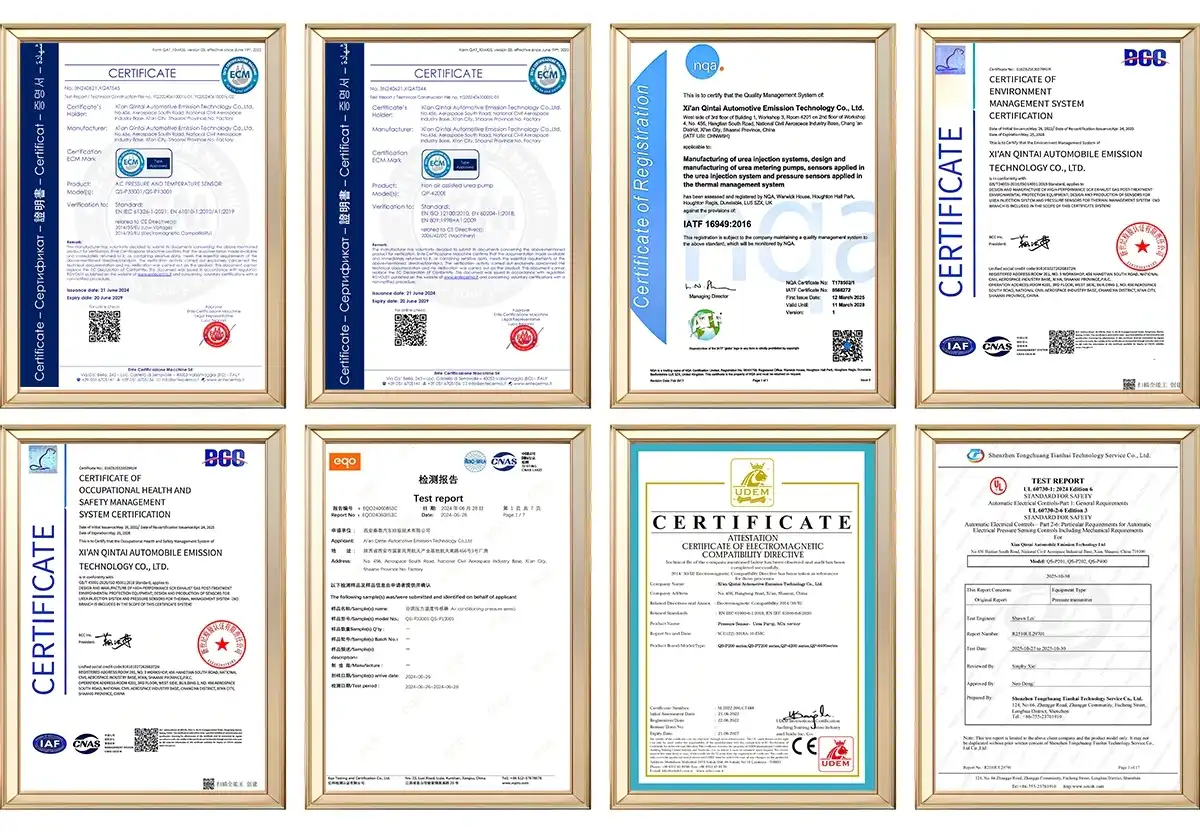
Purchasing managers should give more weight to suppliers that have the right quality standards, like ISO9001 for quality management systems and IATF16949 for car suppliers. Getting extra certifications like UL, CE, and RoHS shows that you follow international rules and standards. References from current customers, especially those who use the product in a similar way, can tell you a lot about how reliable the supplier is, how well the product works, and how good the after-sales support is.
Negotiating Value: Beyond Initial Purchase Price
Total cost of ownership analysis shows how decisions about buying sensors really affect the economy. When looking at prices, a sensor that is 20% less than competitors may seem like a good deal until you see how much it costs to replace it too soon. Each unplanned sensor replacement costs money, causes the vehicle to be off the road, and could damage other parts by running with poor emission control. There are a lot less of these hidden costs if you use high-quality monitors that last as long as they're supposed to and stay accurate over time.
When negotiating the purchase, the guarantee terms should be talked about, paying special attention to how long the covering lasts and how to get a replacement. Volume buying deals can help fleets and OEMs get better prices and make sure they always have a stock of goods. Technical support is very important. Suppliers who offer application engineering help, troubleshooting advice, and calibration support go above and beyond the physical product.
Why Consider Qintai as Your Sensor Partner
Xi'an Qintai Automotive Emission Technology Co., Ltd. brings unique skills to partnerships for buying things. The fact that we are China's top OEM provider shows that major diesel engine makers trust our technology and dependability. The 58 invention patents we've gotten show that we've really come up with new ideas, not just copied existing designs.
Our long list of certifications, which includes ISO9001, IATF16949, CMC, Ex, UL, CE, REACH, and RoHS, shows that we are dedicated to meeting the highest quality and safety standards around the world. Because our manufacturing is flexible, we can offer both standard products that work with most OEM interfaces and fully customised solutions that are made to fit the needs of each application. Our sensors are better at a number of things that affect speed, which helps with common problems:
Response time less than 1400ms makes sure that the SCR system responds quickly to changes in the exhaust, keeping emissions in line even when operations are brief and slower sensors are put to the test. The rate of 6000 hours is longer than most industry standards. This means that it won't need to be replaced as often and will cost less to maintain over time. Since the light-off time is much shorter than the usual 165 seconds, the emission control system starts working faster after a cold start.
This lowers the emission spike during warm-up periods. Better protection against lead and sulphide poisoning keeps measurements more accurate for longer in diesel air settings that actually have these contaminants. Our sealed waterproof design keeps the inside parts safe from water and dirt, and the adjustable connectors and wire lengths make sure they fit all kinds of equipment.
The technical specs show how precise current emission systems need to be. The measuring ranges for NOx are 0–2500ppm and oxygen is 0–21%, which cover all possible diesel exhaust situations. Specifications for accuracy of ±10ppm in the important 0-100ppm range make sure that compliance tracking is done at low emission levels, where accuracy is most important.
Extreme environmental conditions and high exhaust temperatures can be handled by an operating temperature range of -40°C to 800°C. Because of these features, Qintai sensors are a great choice for procurement professionals who want to find the best balance between performance, reliability, and cost-effectiveness.
Maximizing SCR System Efficiency Through Optimal NOx Sensor Integration
How Precision Sensing Optimizes Urea Injection and Reduces Costs
It's easy to see why high-quality NOx Sensor units are worth the money when you look at how they affect how much DEF is used and how long an emission system lasts. The accuracy of the upstream NOx Sensor directly affects the accuracy of the DEF dose. For example, if the upstream NOx Sensor reads 10% higher than normal, the SCR system will constantly inject 10% more urea, wasting DEF and possibly letting ammonia slip, which harms downstream parts. On the other hand, NOx Sensor models that read low lead to under-dosing, which doesn't reduce NOx enough and causes emission compliance failures.
The sensor further downstream completes the optimisation loop by measuring how well the catalyst is actually working. This lets the engine control unit make trim adjustments that account for catalyst wear and exhaust conditions that change over time. When sensors stay accurate over their whole life, this closed-loop control can achieve conversion efficiencies of more than 90%. Fleet managers who are in charge of hundreds of vehicles say that DEF use varies by 15 to 25 percent between vehicles with broken sensors and those with properly working units. These differences in use result in saves that add up to a lot over the course of a year.
Emerging Technologies: Smart Sensors and Future Developments
Connectivity features that improve diagnostic abilities and allow predictive maintenance are being added to sensor technology all the time. IoT-enabled sensors with built-in connection modules send real-time performance data to fleet management systems. This lets maintenance workers find sensors that are losing their functionality before they break down completely. Some designs from the next generation have built-in tests that check the performance of the heater, the quality of the signal, and the reaction time.
This lets the designer know right away if the sensor's health starts to decline. In tough situations like sudden changes in load and low exhaust temperatures, advanced signal processing techniques make the accuracy better. Alternative measuring technologies, such as visual NOx detection and solid-state measurement methods, may one day be used in addition to or instead of current electrochemical designs. While procurement teams should keep an eye on these changes, they should also be aware that zirconia-based technology will likely remain the most popular for a while, since it has been proven to be reliable over millions of hours of use.
Installation and Calibration Procedures for B2B Contexts
Installing sensors correctly has a direct effect on how well they work and how long they last. The place where the sensors are mounted is important. They need to be put where the exhaust flow is normal and where turbulent mixing ensures accurate sampling. This is usually at least 12 inches downstream from any bends or crossings.
For thread sizes like M20x1.5, the right amount of torque is needed to seal well without damaging sensor housings. For electrical links to work properly, the pins must be assigned correctly, and the connector must be seated securely so that vibration doesn't cause occasional problems. When arranging cables, they should stay away from heat sources and moving parts while still being long enough for service access.
After the sensor is installed, it is calibrated to make sure it works as it should. Many current systems have automatic calibration processes, while others need scan tool commands to start calibration cycles. Recording the dates of installation, the serial numbers of the sensors, and the first readings of their performance sets a baseline for tracking trends in degradation. Before production starts, OEMs that are putting sensors in new equipment should make sure that the design evaluation checks the placement of the sensors, how they handle heat, and how well they work with other communication protocols.
Conclusion
NOx Sensors are like the eyes of SCR aftertreatment systems. They provide the accurate measurements needed to meet pollution standards and run efficiently. Procurement professionals can make smart decisions about where to buy things when they know about these devices' electrochemical workings and the performance traits that determine how reliable they are in real life. To decide between OEM and extra options, judge the skills of suppliers, and figure out the total cost of ownership, you need to know a lot about technology and be able to think strategically.
As emission rules get stricter and diesel equipment gets smarter, monitor quality and performance will become more and more important in separating successful operations from those that are having trouble with maintenance and compliance. Purchasing teams that build relationships with reliable suppliers, follow the right steps for installation and maintenance, and stay up to date on new technologies set their companies up for long-term success in a world where rules are becoming stricter.
FAQ
How Often Should NOx Sensors Be Replaced?
Replacement times rely on how hard the application is and how it is being used. When used normally, quality sensors in highway trucks last for 6,000 hours, which is about 300,000 miles. Heavy-duty uses, like construction equipment, stop-and-go city traffic, and places where fuel is contaminated, may need to be replaced every 4000-5000 hours. Instead of sticking to strict plans, the best way to manage sensor performance is to look at diagnostic data. Longer reaction times, changing readings, and random fault codes all mean that the sensor is getting close to its end of life.
Can Aftermarket Sensors Match OEM Performance?
Aftermarket sensors made by respected companies that are of high quality can match or beat OEM performance specs. The key is to carefully evaluate suppliers by looking at their licenses, test results, and ability to work with certain engine control systems. There are bad aftermarket products that you should stay away from, but ignoring all aftermarket choices also means missing out on good value chances. When looking at alternatives to OEM parts, procurement teams should ask for thorough specs, guarantee terms, and names of users who have used the product before.
What Do Common NOx Sensor Error Codes Mean?
Code P2201 means that there is a problem with the upstream NOx Sensor circuit range or performance. This is usually due to wiring problems or the sensor wearing out. P2202 means that the NOx Sensor further downstream is having the same problems. Code P20EE suggests that there isn't a good link between the two sensors; the fact that the downstream reading is higher than the upstream reading says that the SCR system is broken, not the sensors themselves.
The P2200 code and others like it talk about specific circuit faults like heater problems, open circuits, and short circuits. To make a correct diagnosis, you need to use the right diagnostic tools to compare code patterns with real sensor voltage and resistance readings.
Partner with Qintai: Your Trusted NOx Sensor Supplier
Qintai is ready to help you with your emission system needs with tested technology, quick service, and a good price. We've been working with major diesel engine manufacturers for 20 years, which has helped us learn more about what procurement teams and engineering departments need: reliable products, the ability to make changes quickly, and relationships based on partnership rather than transaction.
We can make our products fit your needs, whether you're an OEM looking for a core supplier for mass production, an aftertreatment system integrator needing sensors with flexible interfaces, or an aftermarket distributor looking for low-cost solutions with strong technical support.
Our list of licenses, patents, and market success in China show that we have skills that can be used anywhere in the world. You can email our technical team at info@qt-sensor.com to talk about your application needs, get more information, or set up a sample evaluation. Let us show you how Qintai sensors can help you get the most out of your SCR systems while also saving you money on purchases.
References
1. Johnson, T. V. (2015). "Diesel Emission Control Technology in Review." SAE International Journal of Engines, 8(3), 1202-1212.
2. Majewski, W. A. & Khair, M. K. (2006). "Diesel Emissions and Their Control." SAE International, Warrendale, PA.
3. Sluder, C. S., et al. (2013). "NOx Sensor Performance Requirements for Heavy-Duty Diesel Engine Applications." SAE Technical Paper 2013-01-1088.
4. Ballinger, T. H., et al. (2016). "Advances in Automotive Emission Control Sensors for Next-Generation Diesel Systems." Sensors and Actuators B: Chemical, 238, 894-902.
5. EPA. (2020). "Regulatory Impact Analysis: Heavy-Duty Engine and Vehicle Standards." Environmental Protection Agency, Office of Transportation and Air Quality.
6. Winkler, M. & Kumar, R. (2017). "SCR Aftertreatment System Optimization Through Advanced NOx Sensing Strategies." International Journal of Engine Research, 18(5-6), 516-527.
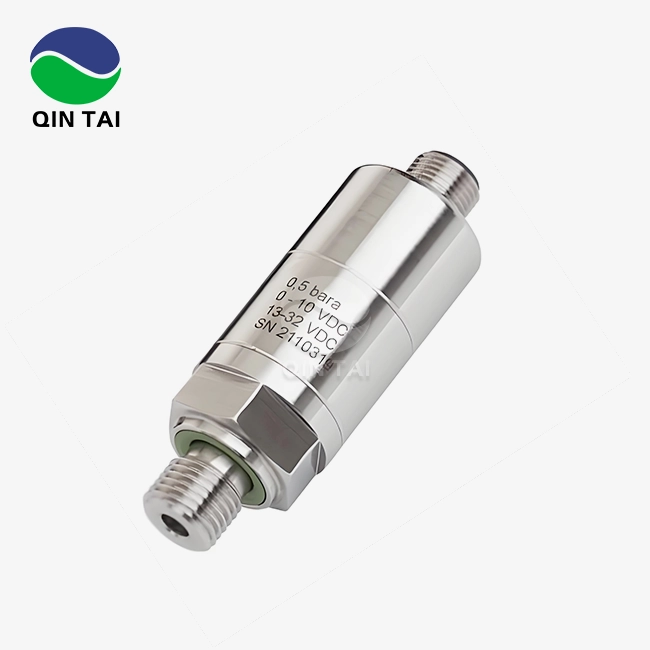
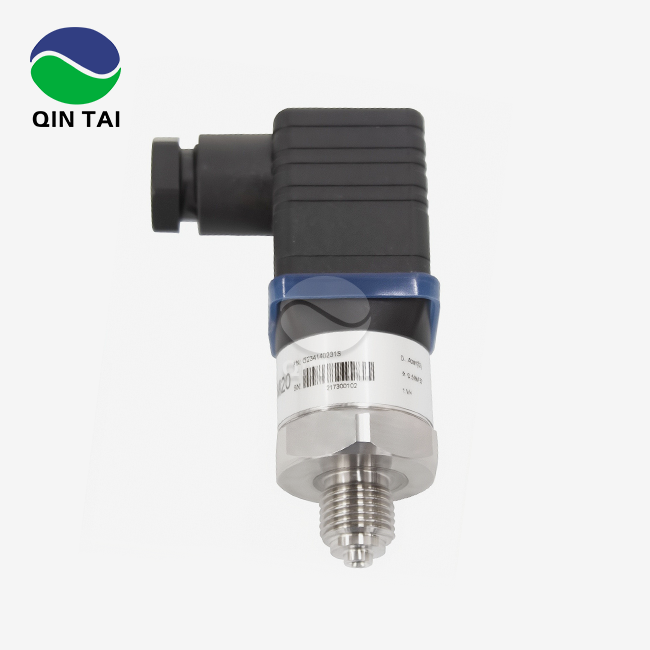


Our customers’ satisfaction speaks for our quality — contact us to experience the same reliable service.