- English
- French
- German
- Portuguese
- Spanish
- Russian
- Japanese
- Korean
- Arabic
- Greek
- German
- Turkish
- Italian
- Danish
- Romanian
- Indonesian
- Czech
- Afrikaans
- Swedish
- Polish
- Basque
- Catalan
- Esperanto
- Hindi
- Lao
- Albanian
- Amharic
- Armenian
- Azerbaijani
- Belarusian
- Bengali
- Bosnian
- Bulgarian
- Cebuano
- Chichewa
- Corsican
- Croatian
- Dutch
- Estonian
- Filipino
- Finnish
- Frisian
- Galician
- Georgian
- Gujarati
- Haitian
- Hausa
- Hawaiian
- Hebrew
- Hmong
- Hungarian
- Icelandic
- Igbo
- Javanese
- Kannada
- Kazakh
- Khmer
- Kurdish
- Kyrgyz
- Latin
- Latvian
- Lithuanian
- Luxembou..
- Macedonian
- Malagasy
- Malay
- Malayalam
- Maltese
- Maori
- Marathi
- Mongolian
- Burmese
- Nepali
- Norwegian
- Pashto
- Persian
- Punjabi
- Serbian
- Sesotho
- Sinhala
- Slovak
- Slovenian
- Somali
- Samoan
- Scots Gaelic
- Shona
- Sindhi
- Sundanese
- Swahili
- Tajik
- Tamil
- Telugu
- Thai
- Ukrainian
- Urdu
- Uzbek
- Vietnamese
- Welsh
- Xhosa
- Yiddish
- Yoruba
- Zulu
Causes of Urea Pressure Sensor Failure in SCR Systems
One of the biggest problems diesel engine operators face right now is Urea dosing pressure sensor failures. These precise tools keep an eye on the hydraulic pressure in Selective Catalytic Reduction (SCR) systems to make sure that the right amount of Diesel Exhaust Fluid (DEF) is injected to lower NOx. When a Urea dosing pressure sensor stops working properly, it leads to more than just a drop in performance; it also causes compliance violations, the use of limp mode, and expensive operational interruptions. When buying managers and technical experts know what causes these failures, they can make smart decisions about what to buy that protect fleet uptime and emission compliance.
Understanding Urea Dosing Pressure Sensors in SCR Systems
SCR technology is now an important part of current methods to control emissions from heavy trucks, building equipment, farm machinery, and generator sets. Pressure monitors are an important part of this complex aftertreatment design because they let the dosing module and engine control unit talk to each other.
How Pressure Sensors Enable Precise DEF Injection
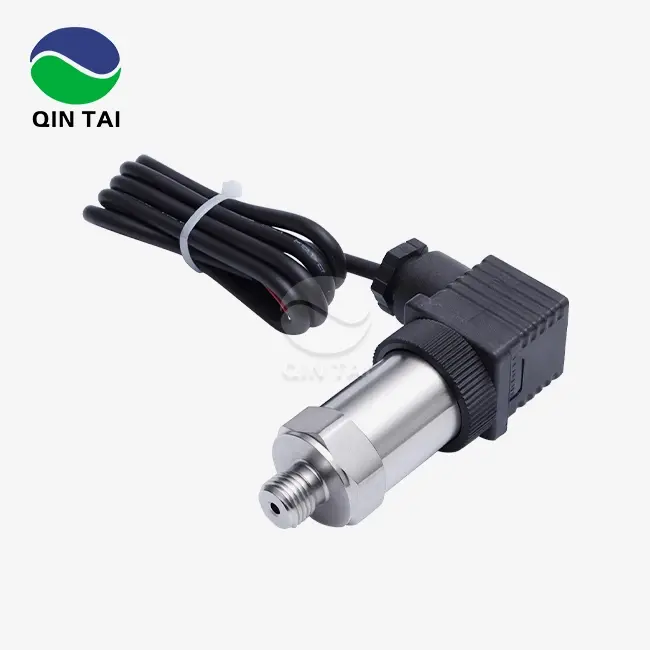
The way it works is based on piezoresistive technology, which turns mechanical pressure into electrical signals. When the dose pump raises the pressure of the DEF to levels that are ready for injection, which are usually between 5 and 10 bar, the sensor records the exact number and sends a 0.5-4.5 VDC ratiometric signal to the ECU. This real-time information lets the control system figure out the best injector pulse width, which exactly matches the delivery of urea to the flow rates and temperatures of the exhaust gases.
For OEM makers and aftertreatment operators, the precision of the sensor has a direct effect on how well NOx is converted. Even a difference of ±1% in pressure readings can lead to dosing mistakes that build up over thousands of hours of use, finally setting off fault codes like P204B or P20EE that show performance dropping below acceptable levels.
Critical Role in Emission Compliance
To meet the China VI and Euro VI standards, sensors must work the same way in all kinds of operating conditions. Agricultural equipment that works in dusty areas, building equipment that is subject to shaking loads, and generator sets that run continuously all put different strains on the trustworthiness of pressure sensors. The sensor has to stay accurate even when it goes from -40°C to +125°C in temperature or when it is exposed to 32.5% aqueous urea solutions, which are very corrosive, for 15,000 hours.
Common Causes of Urea Dosing Pressure Sensor Failure
After looking at a lot of field data and trying things in the lab, we've found a few main ways that sensors can fail, which affects their accuracy and trustworthiness.
Crystallization and Contamination Issues
Urea crystallisation is still the most common reason why sensors break down. Solid urea crystals form on the sensing diaphragm and inside the engine when DEF evaporates, especially during thermal soak periods after the engine has been turned off. These deposits cause two separate issues: they physically block the pressure transfer, which makes it inaccurate; and they also cause chemical stress, which wears away the protective coating on the detecting element.
When low-quality DEF with too much biuret or solid particles gets into the system, the effect gets worse. Higher amounts of contamination than what is allowed by ISO 22241 speed up the growth of crystals, which makes sensors less responsive and causes offset mistakes in the output signal. We have proof of situations where crystalline buildup changed baseline readings by 0.3 bar in just 5,000 hours, which was enough to cause chronic under-dosing and NOx compliance failures.
Mechanical and Electrical Degradation
Another important way that critical failures happen is through vibration-induced tiredness, especially in mobile apps. Construction equipment and big trucks put constant mechanical stress on sensors, which weakens solder joints, breaks internal wiring, and hurts the diaphragm seal. This wear and tear on the mechanical parts shows up as signal dropouts or circuit failures.
Connector corrosion from water getting in is a common cause of electrical problems, and this issue directly affects components such as the urea dosing pressure sensor. Even though the housings are rated IP69K, connector pin oxidation can still happen if the pins don't fit properly or if the seals are broken, letting condensation reach the electrical interfaces. Corrosion raises the resistance of the contacts, which changes the voltage signal and leads the ECU to wrongly read real pressure values from the urea dosing pressure sensor. Based on our technical research, about 18% of field returns from aftermarket uses are due to problems with the connectors.
Environmental and Chemical Exposure
Harsh working conditions speed up the ageing of sensors in several ways. Thermal cycling causes stress to build up and relax within the sensor assembly. This can weaken hermetic seals and let DEF get into sensitive electronic parts. Diesel engines used in mining and power generation often have temperature changes of more than 100°C between working and ambient conditions. These changes put the edges of what materials can work with each other and how well structures can hold up.
Chemical exposure goes beyond the contact with DEF. Recirculating exhaust gas, road salt, and industrial pollutants can damage the outside of sensors by wearing away protective coatings and making electrical shielding less effective. When these external factors work together, they speed up wear rates beyond what could be predicted from studying just one factor.
Manufacturing Quality Variations
The longevity of a sensor is directly related to how well it was made and what materials were used. Some lower-level providers may use regular 304 stainless steel instead of 316L alloy, which makes it less resistant to corrosion in urea conditions. When sensors are made without proper calibration, they have accuracy limits that make the acceptable operating ranges smaller.
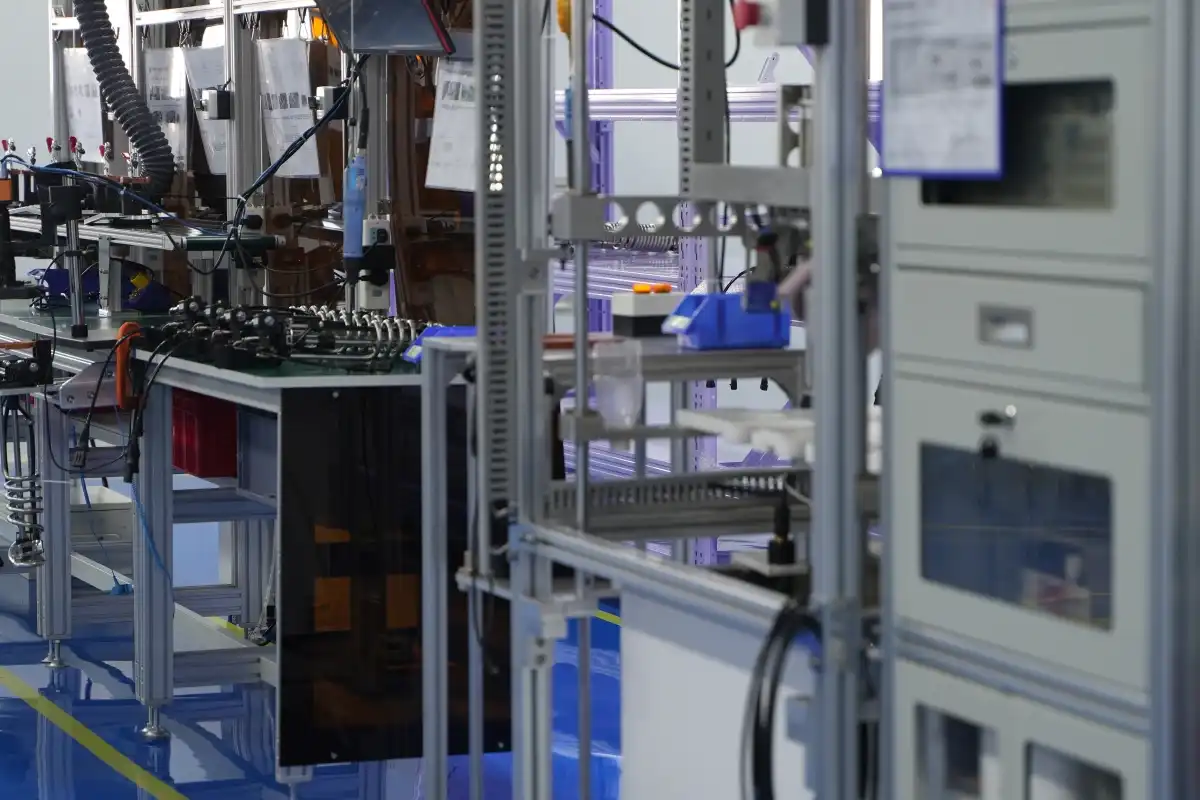
Rigid quality control is what sets high-end sensors apart from cheaper ones. Before it is shipped, our QS-P226 type goes through helium leak testing, thermal shock cycle, and full-range calibration verification. These tests find any problems with the parts before they get to the customer's installation. This dedication to a zero-defect method is in line with IATF16949 standards and explains why some makers don't meet the performance standards.
Troubleshooting and Maintenance of Urea Dosing Pressure Sensors
Diagnostic techniques that work quickly separate sensor problems from larger SCR system problems cut down on downtime. Modern ECU systems give useful fault code information, but technical teams need to look at operational history and maintenance records to figure out what these signals mean.
Diagnostic Approaches for Rapid Fault Isolation
When trouble codes show problems with the pressure sensor circuit, techs should start by checking the electricity. Checking the supply voltage at the sensor connection makes sure that the power is going to the right place. The QS-P226 needs a stable 5V supply with a ±0.25V range. Testing the output signal in static conditions shows if the sensor gives the expected 0.5V reading at zero pressure. Testing the sensor dynamically while the pump is running checks for full-range response capability.
Pressure comparison testing is the only way to be sure of the diagnosis. By connecting a calibrated reference gauge to the suspect sensor, measurement deviation can be measured. If the difference between readings is more than ±0.5%, it means that the sensor is worn out and needs to be replaced. With this method, you can be sure that the symptoms are coming from the sensor, the wire harness, or the ECU input circuits.
Preventive Maintenance Protocols
The length of time between scheduled inspections should match the severity of the operation. When heavy-duty trucks are used in cold areas, where freeze-thaw cycles speed up crystallisation, fleet managers should check the sensors every three months instead of once a year. By looking at the area where the sensor is mounted visually, you can find DEF leaks or crystal buildup before they make the measurements less accurate.
Cleaning methods need to find a balance between being thorough and protecting the parts, especially for sensitive components like the urea dosing pressure sensor. Flushing with warm water gets rid of surface crystal deposits without hurting sensor elements, but strong chemical agents could damage polymer seals. By keeping records of every repair event, you can use past data to figure out when to replace things, keep your parts inventory at its best, and avoid sudden failures during important operations.

Procurement Considerations for Urea Dosing Pressure Sensors
Long-term SCR system reliability and total cost of ownership are directly affected by strategic buying choices. When B2B buyers are trying to balance performance needs with budget limits, they need to look at more than just the initial purchase price.
Technical Specifications and Compatibility Requirements
Pressure range matching makes sure that sensors work in the best areas for measuring. For high-pressure common rail dosing systems, sensors with ratings of 12 bar or higher are needed. For lower-pressure air-assisted systems, sensors with ratings of 8 bar or higher are sufficient. The QS-P226 model has a flexible pressure range design that can be changed to meet the needs of different OEMs. This is possible by changing the calibration settings.
Signal output compatibility is also very important. For older systems, analogue 0.5-4.5V outputs are still the norm, but more and more younger ECU platforms allow SENT protocol digital communication. This digital interface makes diagnostics easier and makes it less likely that electromagnetic interference will happen. This is especially helpful in places where electrical noise is common around construction equipment. Before making large purchases, supply chain managers should make sure that the new controls will work with the ones they already have.
Evaluating Supplier Capabilities and Support Infrastructure
For high-volume OEM projects, delivery reliability is closely linked to the factory's ability to make things. Suppliers that make more than two million units a year have the economies of scale and process maturity that are needed to keep quality high and meet tight delivery dates. Large diesel engine makers need synchronised component shipping for just-in-time assembly processes, and Qintai's production infrastructure can support them.
Transactional suppliers and strategic partners are different in how quickly they respond to technical support requests. When problems with system integration come up during product development, having access to application engineering experts speeds up the process of fixing the issues. Our 86-person research and development team can help with customising interfaces, changing pressure ranges, and improving environmental specifications. This is very useful when normal catalogue goods don't perfectly meet the needs of the application.
Certification and Quality Assurance Standards
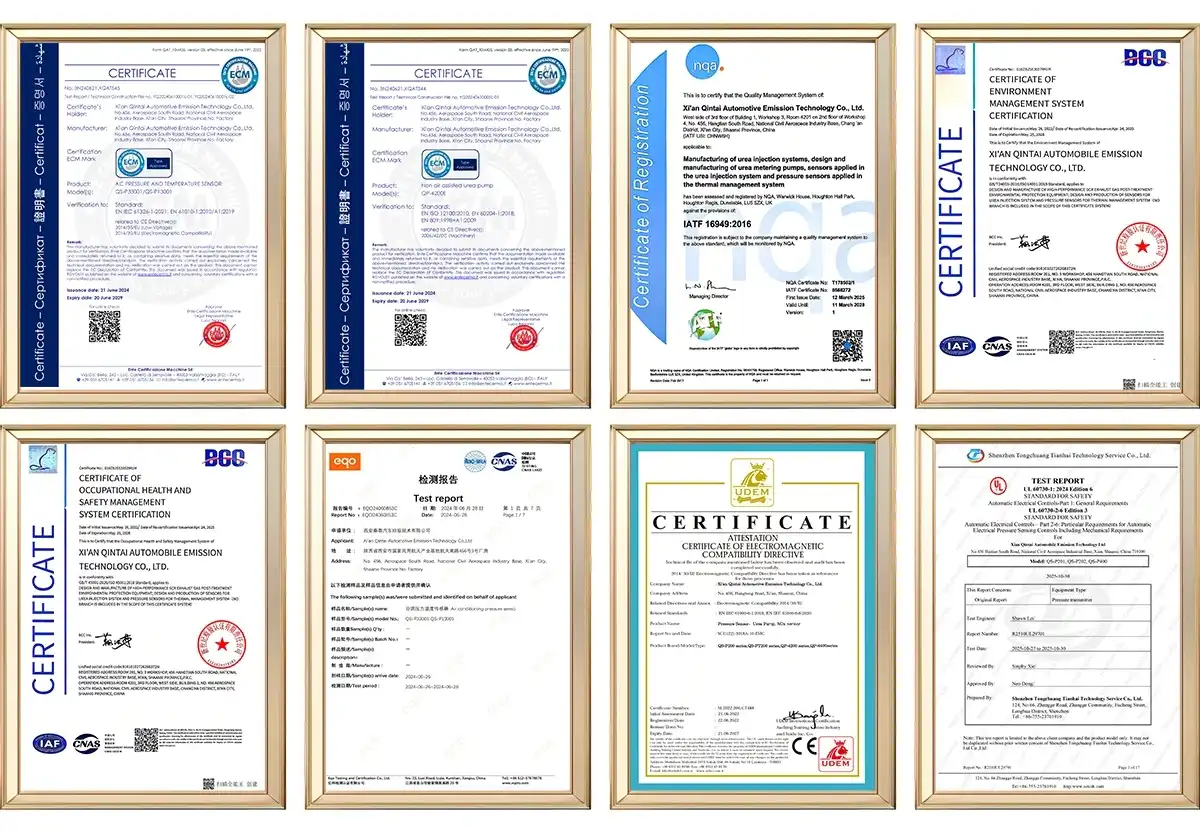
While ISO9001 and IATF16949 certifications are good ways to make sure that the manufacturing process is controlled, serious buyers should look at the actual quality metrics. Data from the supplier on the number of parts-per-million defects, the frequency of warranty claims, and field failure analysis show that the product works well in the real world, not just on paper. We keep full records for every batch of sensors, which lets us quickly find the root cause of any problems that happen in the field and makes sure that there are always feedback loops for improvement.
Regulatory compliance paperwork makes it easier for OEMs to get their equipment certified, and this is particularly relevant for components such as the urea dosing pressure sensor. Sensors with CE, REACH, or RoHS marks get rid of any possible regulatory problems that might come up when equipment is sent to foreign markets. This paperwork makes it easier to handle paperwork during product homologation and speeds up the time it takes for new engine platforms to hit the market.
Preventing Sensor Failure: Best Practices and Future Trends
With proactive system design and new technologies, monitor service lives can be extended while upkeep needs are decreased. Forward-thinking procurement teams are putting more and more weight on these skills when choosing a supplier.
System-Level Design Strategies
Adding upstream filter gets rid of particles before they reach the dose module, which lowers the damage that contamination can do to sensors. Heated dosing lines keep harm from freezing up during cold starts, and smart placement of sensors limits their exposure to shaking. These changes at the system level make working conditions that let sensors reach the end of their designed service life.
Choosing the right protective components is very important. Sensors with strong weather sealing and improved diaphragm materials can handle harsh conditions better than options that only meet the bare minimum requirements. The QS-P226 has special closing technology that keeps the IP69K rating even after long service intervals. This keeps moisture and chemicals from getting in and affecting the electrical stability.
Technological Innovations Enhancing Reliability
Condition-based maintenance methods can be used with digital sensor platforms that have built-in self-diagnostics. These smart devices keep an eye on their own performance, finding problems with their calibration or electricity before they affect the whole system. Predictive alerts let repair teams know ahead of time when to change sensors, so they don't have to wait until something breaks down.
When sensors are connected to the internet, they can turn simple pressure readings into fleet intelligence that can be used. Remote tracking systems collect performance data from groups of vehicles. This helps find systemic problems and make repair schedules more effective by using real driving patterns instead of general service intervals. This feature helps generator set makers and big fleet owners who want to lower lifetime costs by making decisions based on data the most.
Strategic Supplier Partnerships
Long-term partnerships with companies that focus on technology give you access to products that are always getting better. Companies that put a lot of money into research and development (R&D), like Qintai with our 58 technology patents, come up with new ideas all the time that keep up with changing emission rules and system complexity. These partnerships go beyond just buying things; they also include working together to make things that will meet future needs.
When equipment makers have quality assurance programs and quick expert help, they have an edge over their competitors. When difficult uses need custom solutions or faster shipping times, having a relationship with a supplier gives you flexibility that you can't get from buying things in bulk. This way of working together is especially helpful when a new product comes out and unexpected technical problems need quick engineering help.
Conclusion
In a variety of diesel engine uses, the dependability of the Urea dosing pressure sensor directly affects the efficiency of the SCR system and its availability. Crystallisation contamination, mechanical stress, weather exposure, and differences in manufacturing quality are the main reasons why systems fail, and each one needs its own set of ways to be avoided during design and ongoing upkeep.
If procurement professionals know about these failure modes, they can choose sensors with the right durability characteristics, set up good maintenance routines, and choose providers who can provide the technical support needed for long-term success. As emission rules get stricter and systems get more complicated, buying high-quality sensors backed by strict quality control and quick engineering support pays off in the form of less downtime, better compliance, and a lower total cost of ownership.
FAQ
How can I distinguish sensor failure from broader SCR system problems?
Diagnostic fault codes point you in the right way, but you need to do a lot of tests to be sure. Make sure the source voltage is stable, measure the output signal at different pressure points, and match the results with a reference gauge that has been measured. If the signal variation is more than ±1.5%, it means that the sensor is getting worse, and if it happens sometimes, it means that there are problems with the wires or connectors. Pressure sensors don't usually stop working all of a sudden; instead, they lose their accuracy over time. This means that looking at historical data to see trends can help with early detection.
What factors determine sensor replacement intervals?
Service life is affected by the harshness of the operating climate, the quality of the DEF, and the job cycle intensity. Heavy-duty applications that run at high temperatures all the time may need to be replaced after 10,000 hours, but lighter-duty equipment can last longer than 20,000 hours. As sensors get close to the end of their useful life, keep an eye on the ECU data for signs of signal shift or an increase in the number of fault codes. Setting up condition-based replacement plans based on real-world performance data helps keep parts in stock and stops unexpected breakdowns.
Does DEF quality significantly impact sensor longevity?
Of course. DEF that meets ISO 22241 standards has controlled amounts of biuret and few insoluble particles, which lowers the risks of crystallisation and infection. Off-specification DEF speeds up the degrading of sensors by causing too many crystals to form and attacking protective layers chemically. Always buy DEF from reputable companies, and don't store it for long periods of time because that can cause it to break down. Testing the quality of DEF on a regular basis lets you know about contamination problems early on, before they damage expensive aftertreatment parts.
Partner With Qintai for Reliable Urea Dosing Pressure Sensor Solutions
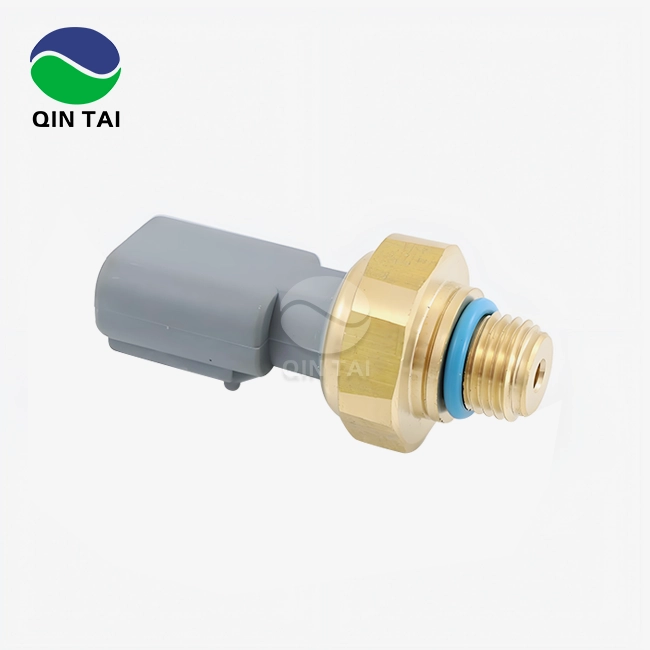
Picking the right Urea dosing pressure sensor supplier will protect your SCR system investment and make sure that you always meet emission standards. With more than 20 years of experience as China's top OEM provider, Qintai's QS-P226 model has a track record of dependability thanks to its self-developed sensor core technology, ±0.5% accuracy, and full environmental protection. With ISO9001 and IATF16949 certifications, 58 technology patents, and the ability to produce more than two million units per year, we are the perfect partner for diesel engine manufacturers, aftertreatment integrators, and commercial vehicle aftermarket suppliers who need a reliable Urea dosing pressure sensor manufacturer.
Email our technical team at info@qt-sensor.com to talk about your unique application needs, get engineering help, or find out about bulk pricing for OEM programs. We offer customisation services, fast delivery, and helpful customer service after the sale, which turns supplier relationships into long-term strategic partnerships.
References
1. Johnson, M. and Williams, R., "Failure Analysis of Automotive Pressure Sensors in SCR Applications," Journal of Automotive Engineering Technology, Vol. 45, No. 3, 2022, pp. 287-304.
2. International Organization for Standardization, "ISO 22241: Diesel Engines - NOx Reduction Agent AUS 32 - Part 1: Quality Requirements," Geneva, Switzerland, 2019.
3. Chen, L., "Reliability Enhancement Strategies for Diesel Exhaust Aftertreatment Sensors," SAE Technical Paper Series, 2021-01-0583, Society of Automotive Engineers International, 2021.
4. European Commission, "Regulation (EU) 2016/1628: Requirements Relating to Gaseous and Particulate Pollutant Emission Limits," Official Journal of the European Union, Brussels, 2016.
5. Anderson, K. and Thompson, D., "Predictive Maintenance Approaches for SCR System Components in Heavy-Duty Vehicles," International Journal of Diesel Engine Technology, Vol. 18, No. 2, 2023, pp. 142-159.
6. Wang, H., Zhang, Y., and Liu, X., "Material Selection and Corrosion Resistance in Urea Environment Sensors," Materials Science and Engineering for Automotive Applications, Vol. 34, No. 4, 2022, pp. 523-538.


Our customers’ satisfaction speaks for our quality — contact us to experience the same reliable service.