- English
- French
- German
- Portuguese
- Spanish
- Russian
- Japanese
- Korean
- Arabic
- Greek
- German
- Turkish
- Italian
- Danish
- Romanian
- Indonesian
- Czech
- Afrikaans
- Swedish
- Polish
- Basque
- Catalan
- Esperanto
- Hindi
- Lao
- Albanian
- Amharic
- Armenian
- Azerbaijani
- Belarusian
- Bengali
- Bosnian
- Bulgarian
- Cebuano
- Chichewa
- Corsican
- Croatian
- Dutch
- Estonian
- Filipino
- Finnish
- Frisian
- Galician
- Georgian
- Gujarati
- Haitian
- Hausa
- Hawaiian
- Hebrew
- Hmong
- Hungarian
- Icelandic
- Igbo
- Javanese
- Kannada
- Kazakh
- Khmer
- Kurdish
- Kyrgyz
- Latin
- Latvian
- Lithuanian
- Luxembou..
- Macedonian
- Malagasy
- Malay
- Malayalam
- Maltese
- Maori
- Marathi
- Mongolian
- Burmese
- Nepali
- Norwegian
- Pashto
- Persian
- Punjabi
- Serbian
- Sesotho
- Sinhala
- Slovak
- Slovenian
- Somali
- Samoan
- Scots Gaelic
- Shona
- Sindhi
- Sundanese
- Swahili
- Tajik
- Tamil
- Telugu
- Thai
- Ukrainian
- Urdu
- Uzbek
- Vietnamese
- Welsh
- Xhosa
- Yiddish
- Yoruba
- Zulu
Why Are NOx Sensors Important for Modern Diesel Vehicles?
Emission rules for modern diesel cars are getting stricter around the world. This makes nitrogen oxide monitoring technology essential for compliance and performance. The NOx Sensor is an important part of diesel aftertreatment systems because it constantly checks the amounts of nitrogen oxide in exhaust gases to make sure engines meet pollution standards for EPA Tier 4, Euro VI, and China VI.
These high-tech gadgets send data to the engine control unit in real time, which allows exact input of Diesel Exhaust Fluid and improves the performance of the Selective Catalytic Reduction system. Laws say that diesel engines must cut down on pollution, but they can't do that without exact measurements of nitrogen oxide. Because of this, heavy trucks, building equipment, farm machinery, and generator sets sold in the United States need these sensors.
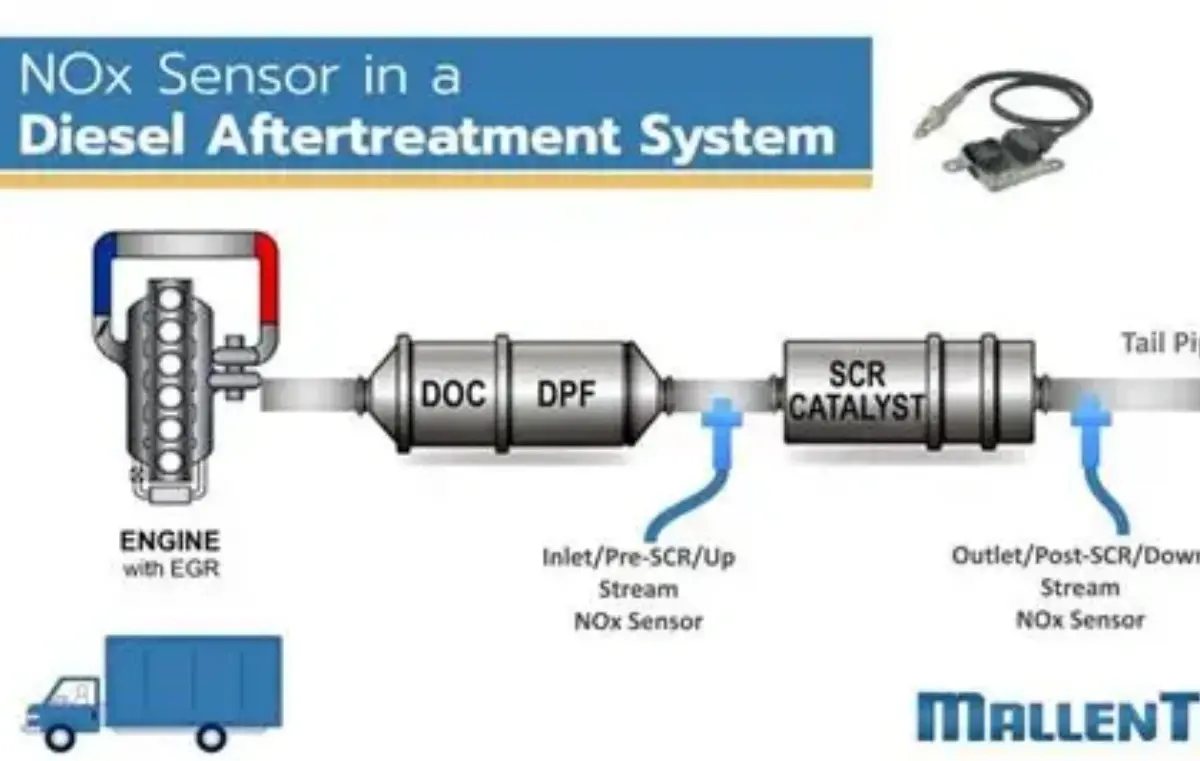
Understanding NOx Sensors: Function and Importance
The Core Technology Behind Emission Control
Using yttria-stabilized zirconia ceramic elements, nitrogen oxide detection technology works on the basis of electrochemistry. The monitor has several rooms where controlled oxygenation of exhaust gases happens before the measurement of nitrogen oxide. This complex process starts with an oxygen pump cell that keeps the level of oxygen steady. Next is a sensing cell that breaks down nitrogen oxides and creates an electric current that is proportional to the concentration levels. How well the SCR system can cut down on harmful pollution is directly related to how accurate this data is.
How Dual-Sensor Systems Ensure Compliance
Two NOx Sensors usually work together in modern diesel cars. The sensor upstream, which is put before the SCR catalyst, measures the raw emissions from the engine and figures out how much DEF needs to be added. The sensor further downstream, which is after the catalyst, checks the efficiency of the conversion and keeps an eye on how well the system is working.
This two-sensor method sets up a feedback loop that makes sure the aftertreatment works perfectly and stops the DEF from becoming too strong. The technology always changes the injection rates based on the conditions of the exhaust in real time, making sure that compliance is maintained even when the load and working temperature change.
Business Impact on Fleet Operations
Monitoring nitrogen gas has financial effects that go beyond following the rules. By controlling combustion precisely and managing aftertreatment, accurate emission measurement makes it possible to improve fuel economy. Fleet operators use less DEF when sensors give them accurate data, which stops them from over-injecting unnecessary amounts. Maintenance costs go down when faults are found early and expensive system breakdowns and damage to catalysts are avoided. Vehicles with good sensors keep their worth better because they have a past of consistent compliance and a lower total cost of ownership.
Common Issues and Diagnostic Indicators of NOx Sensors
Recognizing Early Warning Signs
Drivers of diesel vehicles should keep an eye on a number of signs that could mean that the NOx Sensors are breaking down. Dashboard warning lights, like the 'check engine' light or certain DEF system alerts, are often the first thing that people notice is wrong. Sensor problems can cause changes in how the engine works, such as losing power, stopping roughly, or accelerating less quickly. If the exhaust is getting cloudier or smells funny, it could mean that the aftertreatment system isn't getting correct input data. Unusual trends of DEF use, like using too much or too little, are often a sign of communication problems between sensors.
Diagnostic Trouble Codes and Their Meanings
When nitrogen oxide sensors don't work right, onboard diagnostic systems send out specific codes. P2200 means that there are problems with the sensor circuit's range or performance, while P2201 means that there are problems with the circuit itself. Code P2202 means that the voltage in the sensor circuit is low, and code P2203 means that the voltage is high.
Knowing these numbers helps repair teams quickly figure out whether problems are caused by bad electrical connections, broken sensor elements, or issues with communicating with the ECU. Diagnostic scan tools show sensor readings in real time, which lets techs compare values upstream and downstream against benchmarks for expected conversion efficiency.
Testing Procedures and Maintenance Protocols
For professional sensor evaluation, you need diagnostic tools that can measure signal output while the sensor is working. Before rejecting sensors, technicians should make sure they have the right mounting torque, that there are no exhaust leaks, and that the electrical connectors are solid. By measuring sensor resistance both when it's cold and when it's at working temperature, you can learn more about how the heater element works.
By comparing the sensor reaction time to the manufacturer's specs, you can tell which sensors are degrading over time before they fail completely. When inspection plans are matched with oil change intervals, problems are caught early, which avoids unplanned downtime and keeps the certification for ongoing compliance.

Comparing NOx Sensor Types and Market Options
Ceramic Versus Alternative Technologies
Heavy-duty diesel NOx Sensors made of zirconia ceramic are the most popular because they can withstand high temperatures and don't react with tailpipe contaminants. These devices stay accurate over the whole operating range, from 100°C to 800°C, which is very important for engines that are under different loads. Because the ceramic element is solid-state, it doesn't have any moving parts.
This makes it more reliable when it comes to vibration and temperature cycling. Ceramic technology is better than other electrochemical designs because it lasts longer and is more resistant to environmental conditions. This is important for business vehicles where replacing sensors would cause major operating problems.
OEM Versus Aftermarket Considerations
Original equipment sensors are guaranteed to work with the vehicle's calibration and connection methods, so there are no worries about how they will fit in. OEM parts go through a lot of validation testing with certain engine platforms to make sure they give accurate readings across the whole operational envelope.
Aftermarket options can save you money, but their performance may vary depending on how well the manufacturer checks their work. Managers in charge of buying things have to decide if the saves in price are worth the possible risks, such as less accuracy, shorter service life, or problems with compatibility. When sensors fail too soon, they cause repeated installation work, car downtime, and possible compliance violations, which add up to secret costs.
Distinguishing NOx and Oxygen Sensors
Both types of sensors measure the makeup of waste gases, but they do very different things. Oxygen monitors help improve combustion by keeping an eye on the ratio of air to fuel and sending feedback to engine control. Nitrogen oxide monitors measure the amount of pollution in the air after a fire to see how well the emission control system is working.
The sensors work in different ways, so they can't be switched out even though they look similar. When these parts are mixed up during procurement or maintenance, the system doesn't work right and diagnostics become confusing. Maintenance teams can buy the right replacement parts and know what each sensor does in the emission control system if they can correctly identify each component.
Procurement Considerations for B2B Clients
Evaluating Supplier Qualifications and Certifications
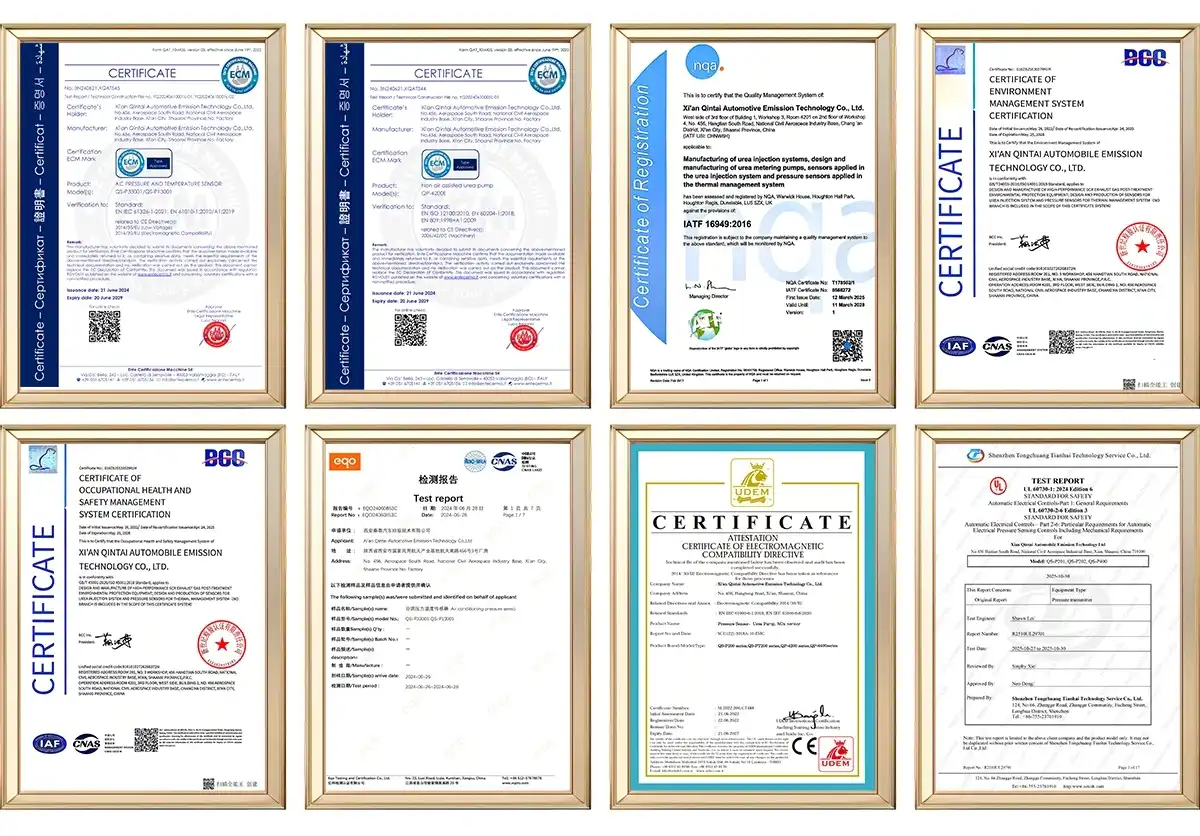
Industrial buyers should look for NOx Sensor providers that have both ISO9001 quality management certification and IATF16949 vehicle quality system compliance. These certifications show that quality control is carried out in a planned way throughout the whole manufacturing process. Suppliers that follow UL, CE, and REACH meet international standards for safety and the environment that are important for businesses that do business around the world.
Patent portfolios show real investments in research and development, not just copying parts. When suppliers provide detailed technical paperwork, such as calibration methods and integration instructions, it makes installation and fixing go more smoothly.
Volume Purchasing and Supply Chain Reliability
To buy a lot of sensors, you need suppliers whose quality is uniform across production batches and whose shipping schedules can be flexible. Clear rules about product accuracy, accepted failure rates, and replacement policies should be included in bulk order deals. When managing inventory amounts that balance capital investment against practical risk, lead times become very important.
Suppliers that let you change the lengths and interfaces of their cables make it possible for different car models to work together without having to use different part numbers. Warranty terms that go beyond what's normal in the industry show that the maker is confident and lower the financial risk for buyers who are in charge of big teams.
Technical Support and After-Sales Service
Superior providers are different from vendors of common parts because they offer full expert support. Support from engineers during integration helps improve sensor performance in certain aftertreatment system designs. Maintenance workers who go through training programs spend less time diagnosing problems and don't install things incorrectly.
Technical hotlines that are quick to respond cut down on the time it takes to fix problems when unusual working conditions happen. When suppliers offer failure analysis for returned sensors, it's helpful information that makes the whole fleet more reliable. Long-term relationships with providers that care about their customers' success give businesses an edge over their competitors by increasing downtime and lowering the total cost of ownership.
Maximizing Vehicle Performance and Compliance with NOx Sensors
Qintai's Advanced Sensor Technology
Knowing the differences in performance between high-quality NOx Sensors and cheaper ones can help with purchasing decisions. Our engineering team has created sensing technology that has a number of important benefits that directly help fleet operators with their problems.
Response speed is very important when air conditions change quickly during brief operation. Qintai sensors have response times of less than 1400ms, which makes sure that the SCR system gets correct information fast enough to keep controlling emissions even when the engine speeds up, the load changes, or the environment changes. This quick reaction stops short-term changes in compliance that can happen with slower monitors.
Service life has a direct effect on when to maintain the fleet and how many parts are needed. With an operating life of up to 6000 hours, our sensors are much longer lasting than the norm in the business. Longer service intervals mean that vehicles need to be serviced less often to update sensors. This saves money on labour costs and keeps businesses from losing money during downtime.
When sensors need time to warm up before giving accurate readings, cold-start emissions can make it hard to meet compliance standards. Our quick startup technology gets everything up and running in a lot less time than the normal 165 seconds. When emission control systems are activated more quickly, they start working sooner during cold starts. This lowers the total amount of NOx released during warm-up cycles.
Diesel exhaust has pollutants in it, such as lead compounds and sulphides, which damage sensor elements over time, making them less accurate and shorterening their useful life. Through our own coating technologies and element designs, our sensors are highly resistant to poisoning. This longevity keeps the accuracy of measurements for a longer time, even when the quality of the fuel changes or when engine conditions cause higher amounts of contamination.
When you put these performance traits together, they give you measurable benefits like lower compliance risk, lower maintenance costs, better fuel economy through smart DEF use, and more vehicle uptime.
Integration Best Practices for Maximum Effectiveness
When sensors are installed and systems are integrated correctly, the technology investment is maximised. The position of the sensor affects both how long it lasts and how accurately it measures. Sensors need to be far enough away from turbochargers to avoid too much thermal stress while still keeping the exhaust temperature high enough for operation. Specifications for torque stop exhaust leaks that cause measurement errors and harm sensor elements. When electrical connections are made, they need to be able to keep out moisture, which can cause intermittent faults.
Maintenance Strategies That Extend Sensor Life
Regular repair plans greatly increase the useful life of nitrogen oxide sensors and keep them from breaking down without warning. Visual checks done on a regular basis can find damage to the exhaust system that could affect the performance of sensors before computer problems happen. Checking the quality of the DEF stops crystallisation and contamination, which speed up sensor poisoning.
Scheduled testing of sensors with monitoring tools finds early signs of wear and tear so that replacement can be planned during regular service instead of having to be done on the side of the road in an emergency. Recording sensor performance data over time helps find problems specific to the vehicle that need more than just replacing sensors.
Conclusion
NOx Sensors are important investments for diesel vehicle owners who need to deal with today's rules and regulations while also keeping costs low. These high-tech gadgets make it possible to meet strict emission standards while also improving fuel economy and the performance of the aftertreatment system. Understanding monitoring technology, spotting early signs of failure, and choosing high-quality parts from dependable sources all have a direct effect on how much money the fleet makes.
For the dual-sensor design monitoring pollution control to work well, both sensors must be working correctly for the system to be optimised. As emission rules get stricter around the world, accurate measuring of nitrogen oxide will become even more important. This means that fleet operators and equipment makers will have to think more about supplier agreements and the quality of their parts.
FAQ
How Often Should NOx Sensors Be Replaced?
Replacement times depend on how the sensor is used and how well it works, but for premium sensors, they are usually replaced every 4,000 to 6,000 hours of use. Higher-range predictions are often wrong for high-quality sensors with improved poisoning protection. Vehicles that are put through harsh job cycles and need to regenerate often or that use bad fuel may need to be replaced more often. Instead of strict driving plans, it's better to keep an eye on diagnostic codes and do regular performance tests to figure out when to replace the car.
Can Faulty NOx Sensors Affect Fuel Consumption?
Bad NOx Sensors have a direct effect on fuel economy by causing the wrong amount of DEF to be added and the engine to not be calibrated properly. When sensors give wrong readings, the SCR system might inject too much DEF, which wastes fluid and could let ammonia slip. The engine control unit may also use conservative calibration methods that lower efficiency to make sure agreement when sensing data isn't accurate, which can be seen in the amount of fuel that is used going up.
Are OEM Sensors Worth the Premium Over Aftermarket Options?
OEM sensors are worth the extra money because they are guaranteed to work with other products, have been tested to work well in all kinds of conditions, and come with full warranty support. If you buy aftermarket sensors from a good company with the right certifications, they may work just fine and save you a lot of money. The choice depends on the operational priorities. Fleets that want maximum uptime and confidence in compliance usually choose OEM parts. On the other hand, operations that want to save money may choose aftermarket options with good quality reputations and technical support.
Partner with Qintai for Reliable NOx Sensor Solutions
Qintai's wide range of products and technical know-how make it easy for businesses that need reliable nitrogen gas sensing technology to find complete solutions. We are a leading NOx Sensor supplier to engine manufacturers such as Weichai Power, Yuchai Power, and Quanchai Power. We are a national high-tech company with over twenty years of experience specialising in diesel engine aftertreatment systems.
Heavy trucks, building equipment, farm equipment, and generator sets that work in a variety of situations can all use our monitors without any problems. Our goods meet the performance and reliability requirements needed for pollution compliance and operating efficiency. They are certified to ISO9001, IATF16949, and foreign standards such as UL and CE. Technical customisation lets you meet specific integration needs, like changing the way connectors are set up, the length of cables, or the communication protocols used.
Our tech team helps you with everything, from choosing the right sensor to fixing problems after installation, so that it works perfectly with your aftertreatment system. Get in touch with our experts at info@qt-sensor.com to talk about your needs and find out how our cutting-edge NOx Sensor technology can help your fleet comply with regulations and perform better.
References
1. Johnson, M. R., & Williams, P. T. (2020). Diesel Engine Emission Control Technologies: Selective Catalytic Reduction Systems and NOx Sensors. SAE International Journal of Engines, 13(4), 521-538.
2. Environmental Protection Agency. (2021). Heavy-Duty Highway Compression-Ignition Engines and Urban Buses: Exhaust Emission Standards. EPA Regulatory Documentation Series.
3. Zhang, H., Wang, J., & Liu, S. (2019). Advanced Ceramic Sensors for Automotive Emission Control: Principles, Materials, and Applications. Journal of the American Ceramic Society, 102(8), 4556-4574.
4. Anderson, K. L. (2022). Fleet Maintenance Economics: Total Cost of Ownership Analysis for Diesel Aftertreatment Components. Commercial Vehicle Engineering Quarterly, 15(2), 78-92.
5. Schmidt, R., & Mueller, T. (2021). Zirconia-Based Gas Sensors: Operating Principles and Industrial Applications in Transportation. Sensors and Actuators B: Chemical, 334, 129350.
6. National Renewable Energy Laboratory. (2023). Diesel Exhaust Aftertreatment System Performance and Durability: Field Data Analysis from Heavy-Duty Applications. Technical Report NREL/TP-5400-84762.

Our customers’ satisfaction speaks for our quality — contact us to experience the same reliable service.