- English
- French
- German
- Portuguese
- Spanish
- Russian
- Japanese
- Korean
- Arabic
- Greek
- German
- Turkish
- Italian
- Danish
- Romanian
- Indonesian
- Czech
- Afrikaans
- Swedish
- Polish
- Basque
- Catalan
- Esperanto
- Hindi
- Lao
- Albanian
- Amharic
- Armenian
- Azerbaijani
- Belarusian
- Bengali
- Bosnian
- Bulgarian
- Cebuano
- Chichewa
- Corsican
- Croatian
- Dutch
- Estonian
- Filipino
- Finnish
- Frisian
- Galician
- Georgian
- Gujarati
- Haitian
- Hausa
- Hawaiian
- Hebrew
- Hmong
- Hungarian
- Icelandic
- Igbo
- Javanese
- Kannada
- Kazakh
- Khmer
- Kurdish
- Kyrgyz
- Latin
- Latvian
- Lithuanian
- Luxembou..
- Macedonian
- Malagasy
- Malay
- Malayalam
- Maltese
- Maori
- Marathi
- Mongolian
- Burmese
- Nepali
- Norwegian
- Pashto
- Persian
- Punjabi
- Serbian
- Sesotho
- Sinhala
- Slovak
- Slovenian
- Somali
- Samoan
- Scots Gaelic
- Shona
- Sindhi
- Sundanese
- Swahili
- Tajik
- Tamil
- Telugu
- Thai
- Ukrainian
- Urdu
- Uzbek
- Vietnamese
- Welsh
- Xhosa
- Yiddish
- Yoruba
- Zulu
SCR System Components Every Buyer Should Understand
For buying workers, understanding the important parts of an SCR System is now a necessity. As emission rules get stricter in the US and around the world, choosing the right aftertreatment technology has a direct effect on your ability to follow the rules, your costs, and your ability to form long-term partnerships. The basic parts of Selective Catalytic Reduction technology are explained in this guide. This will help you make choices that are in line with both business goals and regulatory standards.
What is an SCR System? Key Concepts and Industry Applications
Selective Catalytic Reduction technology is the best way to control the release of nitrogen oxides (NOx) from diesel engines and other industry waste streams. A urea-based solution, also known as AdBlue or diesel exhaust fluid, is injected into hot exhaust gases before they go through a catalyst chamber. This is how the process works. This starts a chemical reaction that turns NOx into nitrogen and water vapour, which are not harmful.
Meeting Regulatory Standards Through SCR Technology
Modern pollution guidelines, like EPA 2010, Euro VI, and China VI, require NOx output to drop by a huge amount. SCR Systems have conversion rates of more than 90%, which makes them necessary for compliance. This technology is used by companies that make heavy-duty trucks, construction equipment, and generator sets to meet certification requirements without lowering engine performance or fuel economy.
Industry Sectors Driving SCR Adoption
SCR solutions are now common in power plants, marine propulsion systems, and industry production plants, in addition to being used in cars. Generator sets with SCR Systems are used in mining operations to keep air quality standards high in tight spaces. Agricultural machinery makers put these systems in their machines to make sure they meet off-road emission rules and last a long time in rough field conditions.
Core Components of an SCR System Every Buyer Should Know
When procurement teams have a full understanding of all the different parts, they can rate the skills of suppliers and spot any possible integration problems. Each part does its own thing to make sure that NOx is reduced reliably and that the system lasts a long time.
Catalyst Substrate: The Reaction Foundation
The catalyst material is where the chemical process takes place that changes NOx into something else. Metallic plates are great for uses that need to change temperatures often because they are good at conducting heat and being strong. Ceramic surfaces are better at converting energy at lower temperatures, but they need to be handled carefully when they are being installed. The choice you make will depend on the temperature ranges, vibration levels, and repair times you expect.
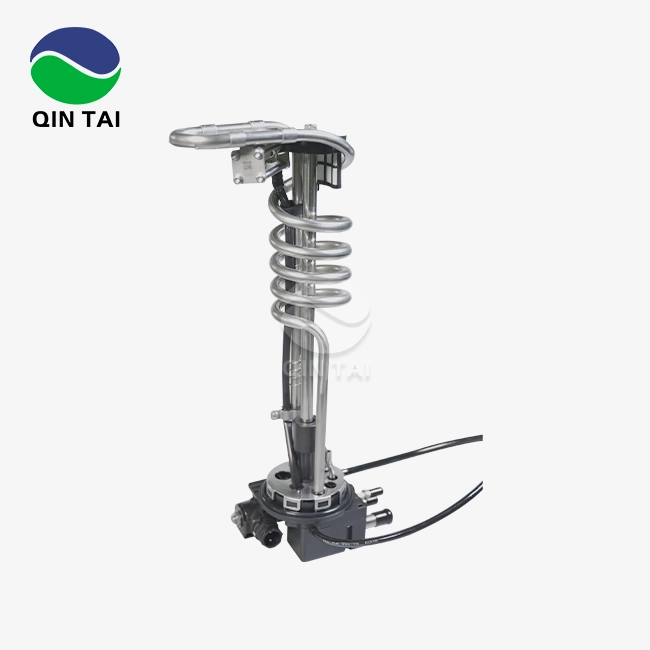
Urea Fuel Tank and Dosing System
AdBlue, which is used to control emissions, is kept in the diesel urea tank. AdBlue is added to exhaust fumes to lower nitrogen oxide emissions and meet environmental guidelines such as Euro 6 or EPA 2010. Commercial vehicles and heavy-duty trucks usually have tanks that can hold between 10 and 50 litres of AdBlue. The exact amount needed for a certain distance depends on the type of vehicle and how much AdBlue is expected to be used.
Through sensors and a pump, the urea fuel tank is linked to the SCR dosing system. The tank has a level sensor that checks the amount of AdBlue, a temperature sensor that keeps the solution from freezing, and a quality sensor that makes sure the solution stays within the standards. With this integrated approach, accurate dosing is kept up while system parts are kept clean.
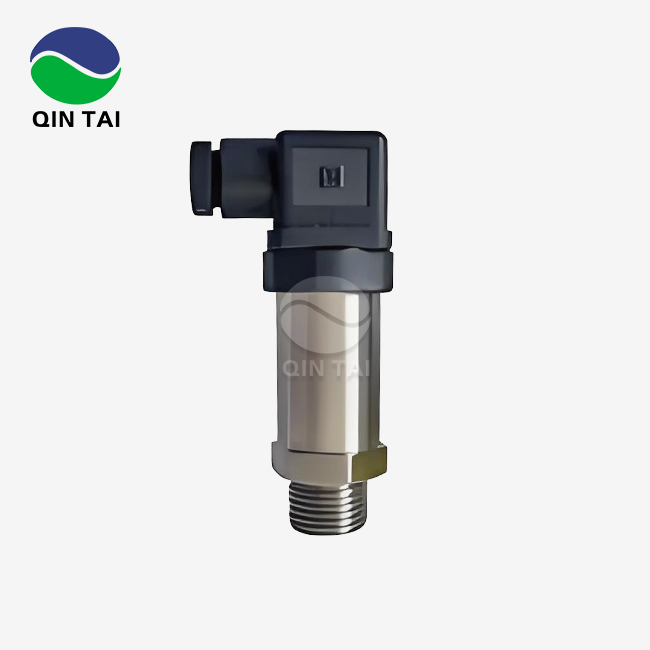
Urea Pressure Sensor and Monitoring Systems
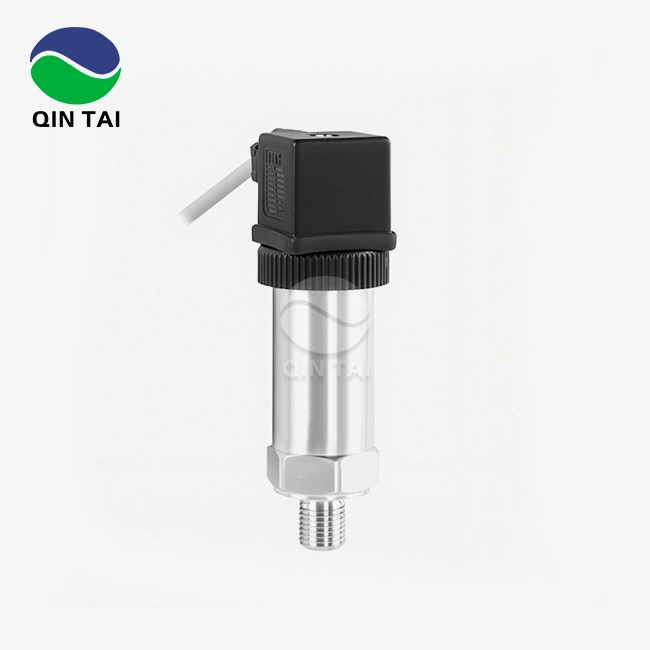
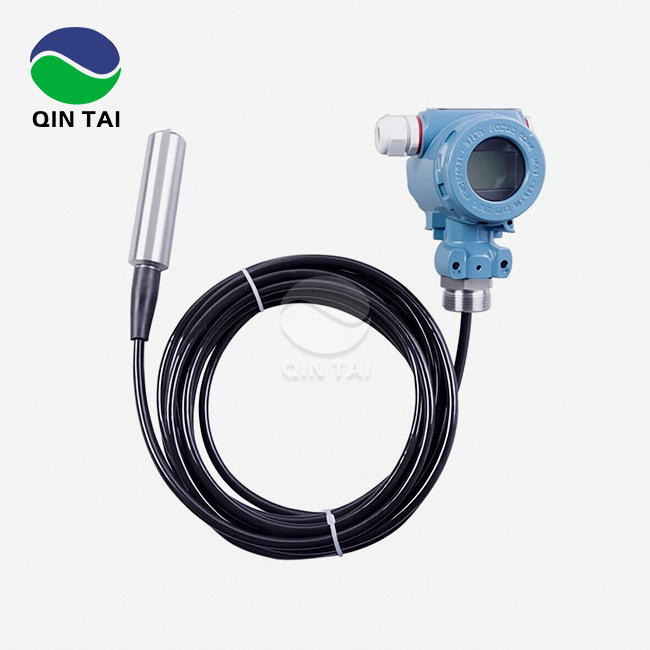
Monitoring the pressure correctly is essential for the SCR System to work correctly. By giving closed-loop feedback, the urea dosing pressure sensor makes sure that the right amount of urea is given. It finds drops in pressure that mean there are leaks, blocks, or air in the system. It also finds high pressure that means AdBlue is frozen or valves are broken. This sensor helps figure out problems with the pump and injectors before they get so bad that the whole system stops working. Good pressure sensors give accurate readings even in settings with high and low temperatures and a lot of vibration. This has a direct effect on your repair costs and uptime figures.
Urea Filter and Contamination Control
The urea filter AdBlue part keeps the parts further down the line safe from particle contamination and crystallised deposits. If you don't change a urea filter that is clogged or broken, it can contaminate other parts of the SCR System, such as the dosing valve or needles. Incorrect AdBlue injection can hurt the engine's performance and ability to reduce NOx, which could lead to system failure that needs expensive repairs and fines from the government for not meeting emission standards. Regular upkeep on the filter is a small investment that saves you a lot of money on repairs.

Evaluating SCR System Performance: What Buyers Should Consider
When judging performance, it's not just the original purchase price that's taken into account; the total cost of ownership and operating reliability are also important. Before hiring suppliers, buyers should come up with clear measures that allow them to compare different options in an objective way.
Emission Reduction Efficiency and Compliance Margins
Aim for conversion rates that are at least five percentage points higher than what the law requires. This buffer takes into account how the catalyst breaks down over time and how the fuel quality or operating conditions change. Instead of depending only on ideal laboratory settings, ask for test data that shows performance across your specific duty cycles.
System Durability and Component Lifespan
In heavy-duty situations, catalyst materials should keep their conversion efficiency for at least 400,000 miles. To be able to handle water and chemicals, sensor technologies need ingress protection ratings of IP67 or higher. Dosing pumps have to show that they can work reliably for 1 million dosing rounds. These durability standards have a direct effect on how many spare parts you need to keep on hand and when you should do upkeep.
Integration Compatibility and Scalability
Modern SCR Systems need to work well with engine control units and diagnostic protocols on board. Making sure that the sensor outputs are in line with the CAN bus communication standards you already use. When combining parts from different sources, it's important to have interfaces and factors that can be changed. Future changes to the engine platform can be made without having to rethink the whole system because dosing rates can be scaled up or down or control methods can be changed.
Common Challenges in SCR Systems and How to Mitigate Them
When put to use in the real world, even systems that were well thought out have problems. Knowing about common failure types lets you make strategic purchasing decisions that lower the risk of downtime.
Catalyst Poisoning and Performance Degradation
Fuel additives, sulphur compounds, and phosphorus from engine oils can damage catalyst substrates in a way that can't be fixed. Reduce this risk by telling engine suppliers what kind of ultra-low sulphur diesel you need and how much oil you can use, and by ensuring that the SCR System components are compatible with these specifications. Ask for catalyst formulations that have been shown to be resistant to the contaminants in your working area.
Dosing Accuracy and Ammonia Slip
When urea injection isn't done correctly, it causes two problems: too much dosing causes ammonia slip, which breaks emission limits and causes smell complaints; and not enough dosing doesn't meet NOx reduction targets. Closed-loop control systems that use pressure monitors and NOx input give you the accuracy you need for top performance. Set up testing procedures with your provider that cover a range of load conditions and temperature conditions.
Sensor Reliability in Harsh Environments
Extreme temperatures, shaking, and chemical contact all slow down sensors over time. Give more weight to providers who offer sensors that have been used successfully in similar situations before. Instead of just depending on guarantee terms, ask for data on failure rates and the average amount of time between failures. For mission-critical applications where sudden breakdowns can have bad results, think about using redundant sensor designs.
How to Select the Right SCR System Supplier: Key Criteria for Buyers
Choosing the right supplier will decide whether your SCR implementation gives you a competitive edge or becomes a long-term problem. A structured evaluation process keeps you from making mistakes that cost a lot of money and builds the basis for good relationships that last a long time.
Technical Support and Customization Capabilities
During the system integration and troubleshooting phases, quick technical support is very important. When judging a supplier's engineering resources, look at how well they can give application-specific advice instead of just giving you generic product datasheets. Customisation is what sets real partners apart from commodity providers. For example, can they change the sensor interfaces, the dosing algorithms, or the mounting solutions to fit your specific needs?
Manufacturing Capacity and Quality Certifications
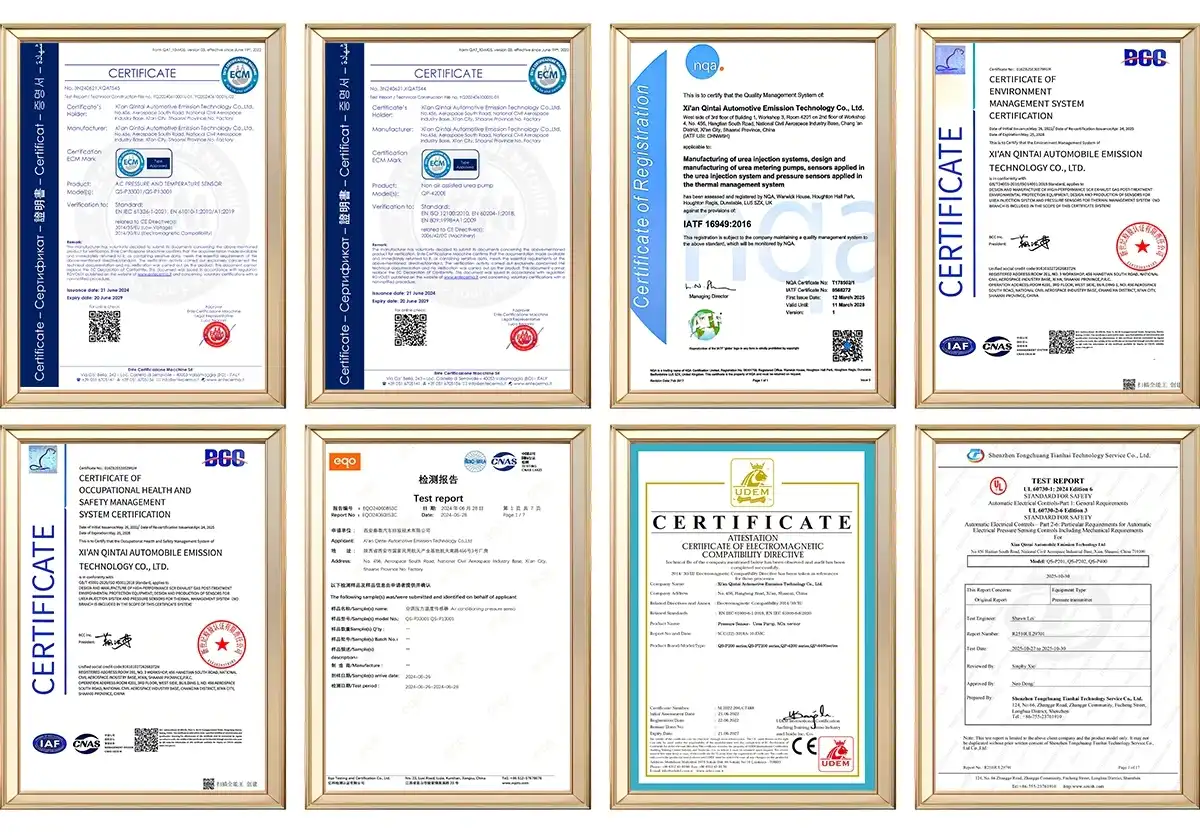
Mass production capacity guards against allocation deficits and makes sure that there is a steady supply during production ramp-ups. Make sure that providers keep their IATF 16949 certification, which shows that they have quality control systems for cars. ISO 9001 certification is the basic level of quality security. Other certifications, such as UL, CE, and REACH, show that the company is committed to meeting foreign standards. Suppliers with strong intellectual property portfolios show that they are investing in new ideas all the time, which is good for long-term relationships.
Balancing Cost, Quality, and Compliance
Most of the time, the lowest starting price is not the best overall cost of ownership. Lifecycle costs should be calculated by taking into account expected failure rates, the availability of replacement parts, and the need for technical support, especially when the SCR System is involved in emission-critical applications. Higher upfront costs for high-quality parts from well-known suppliers are often justified by fewer warranty claims and maintenance visits. When you compare prices, make sure that the costs of licensing are taken into account. Some low-cost providers charge buyers for compliance testing costs even though they haven't provided enough proof.
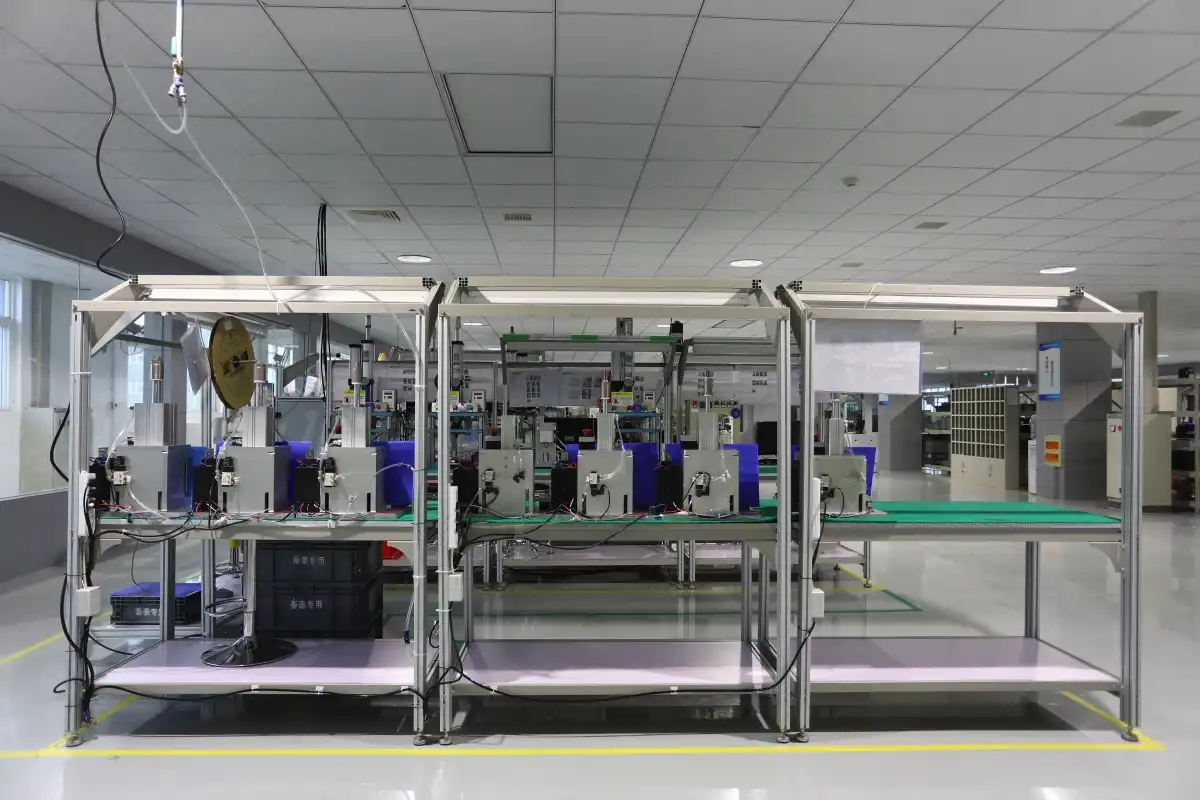
Qintai Automotive Emission Technology, which was founded in 2001 as a national high-tech company, is a good example of the kind of seller qualities that procurement workers should look for. With the biggest share of the Chinese market, we are the main source for China Weichai Power, Yuchai Power, and Quanchai Power. We bring twenty years of experience making parts to every one of them.
Our separate research and development team has 58 invention patents and is always working to make our urea tank systems, pressure sensors, and full aftertreatment solutions work better and be more reliable. We provide full OEM and ODM services that allow for creative customisation based on application needs. Our ISO 9001, IATF 16949, CMC, Ex, UL, CE, REACH, and RoHS certifications show that we are dedicated to meeting international quality standards, which safeguards your compliance investments.
Conclusion
Technical requirements, supplier capabilities, and total ownership costs must be balanced for successful SCR System procurement. If you know about the main parts, like catalyst substrates, urea dosing systems, pressure monitors, and filtration elements, you can fairly judge what a provider says. Give more weight to partners who can provide reliable technical support, allow for easy customisation, and manufacture at a scale that meets your business needs. As regulations get stricter, supplier relationships based on high-quality engineering and quick service will become more valuable assets in the competitive market.
FAQ
What maintenance practices extend SCR system lifespan?
By replacing the urea filter on a regular basis, contamination is kept from getting to the dose valves and injectors. Use refractometers to check the quality of AdBlue and make sure the quantity stays within the 31.8–33.2% urea range. Set up temperature management practices to keep things from freezing and damaging them during storage in cold weather. Every 200,000 miles, check the catalyst for physical damage or chemical breakdown that could lower the efficiency of the exchange.
How does urea quality impact system performance?
Impurities in low-quality AdBlue speed up the wear of parts and make the catalyst less effective. Crystalline deposits get stuck in injectors and pressure sensors when solutions are contaminated. Only use diesel exhaust fluid that has been approved by ISO 22241 as pure. Low-quality urea solutions might be cheaper at first, but they will cost a lot more to maintain and could get you fined for not following the rules.
Can SCR systems integrate with existing exhaust configurations?
Through flexible mounting choices and adjustable pipe links, most SCR solutions can work with current exhaust systems with only minor changes. Make sure the installation space you have matches the size of the catalyst housing and the capacity of the urea tank. Suppliers with flexible connections make it easier to connect to a variety of engine control systems without having to make major electrical changes. This cuts down on installation time and engineering costs.
Partner With Qintai for Reliable SCR System Components
You can trust Qintai to provide you with SCR Systems. They have helped over 60 countries in Europe, the Middle East, and South America with their emission control needs. Our engineering team offers custom consultations that are based on your specific performance goals, regulatory requirements, and integration issues. We help procurement managers and research and development experts by providing detailed technical paperwork, testing data that is relevant to the application, and quick support after the sale.
Get in touch with us at info@qt-sensor.com to talk about how our urea pressure sensors, diesel urea tanks, and full aftertreatment systems can help your compliance plan and make your operations more reliable. You can find detailed product specifications, certification paperwork, and case studies on qt-sensor.com, which show how committed we are to customer success.
References
1. Johnson, M. & Williams, R. (2022). Diesel Emission Control Technologies: Engineering Principles and Applications. Society of Automotive Engineers International.
2. United States Environmental Protection Agency. (2021). Heavy-Duty Highway Compression-Ignition Engines and Urban Buses: Exhaust Emission Standards. EPA Office of Transportation and Air Quality.
3. Zhang, L., Chen, H., & Park, S. (2023). "Performance Degradation Mechanisms in SCR Catalysts: A Comprehensive Review." Journal of Environmental Chemical Engineering, 11(2), 445-467.
4. International Organization for Standardization. (2020). ISO 22241: Diesel Engines - NOx Reduction Agent AUS 32. ISO Technical Committee 22.
5. Anderson, K. & Thompson, D. (2021). Commercial Vehicle Aftertreatment Systems: Design, Integration, and Maintenance Best Practices. Diesel Technology Press.
6. Liu, Y., Wang, J., & Kumar, A. (2023). "Sensor Technologies for Real-Time Emissions Monitoring in Heavy-Duty Applications." Sensors and Actuators B: Chemical, 378, 133-152.

Our customers’ satisfaction speaks for our quality — contact us to experience the same reliable service.